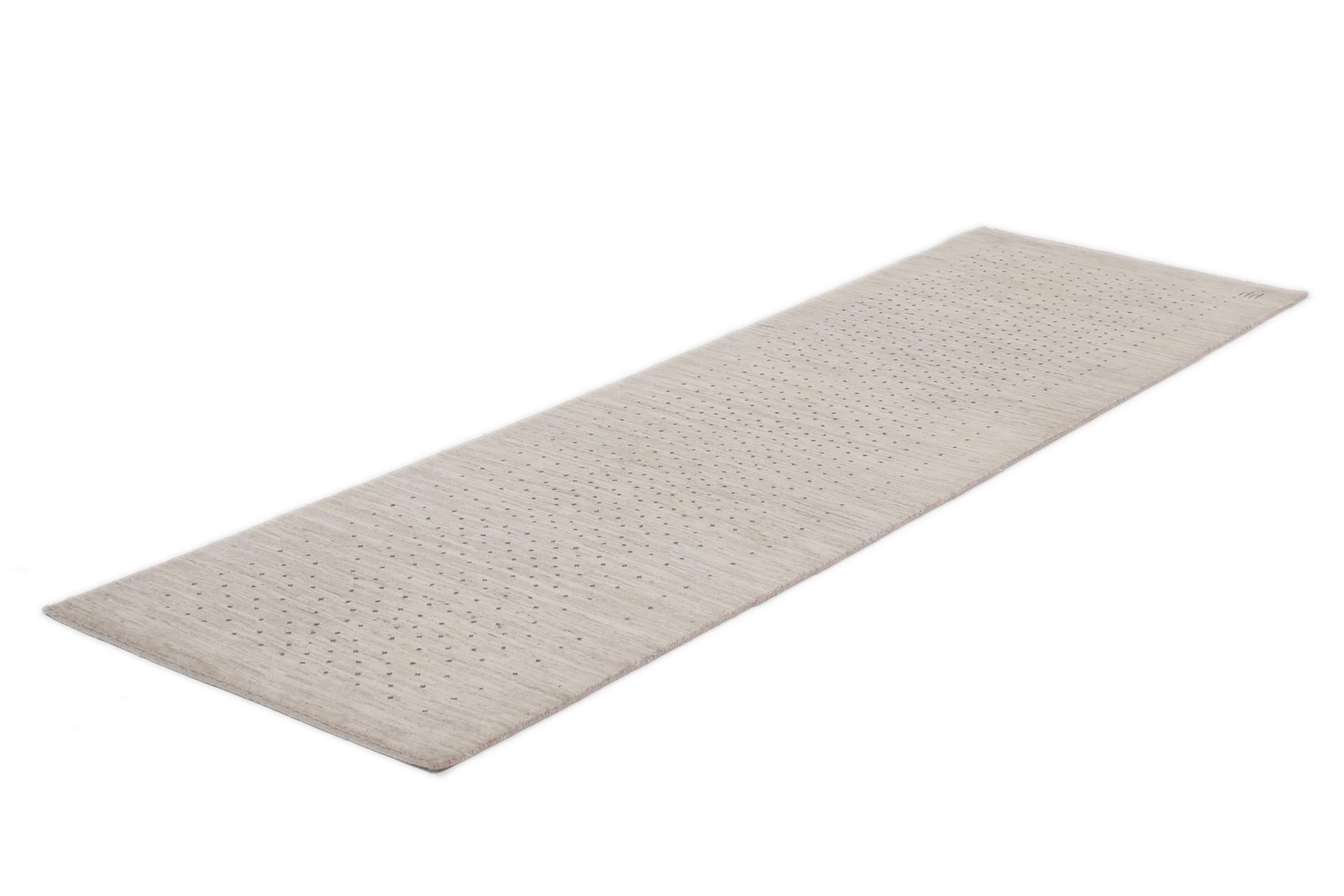
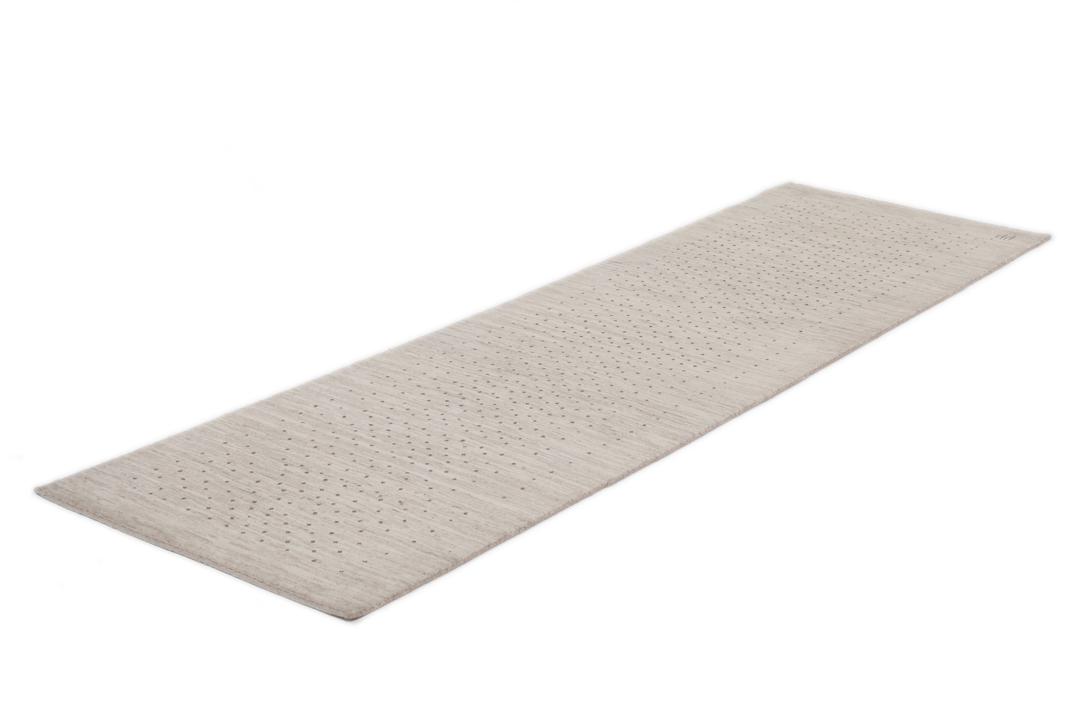
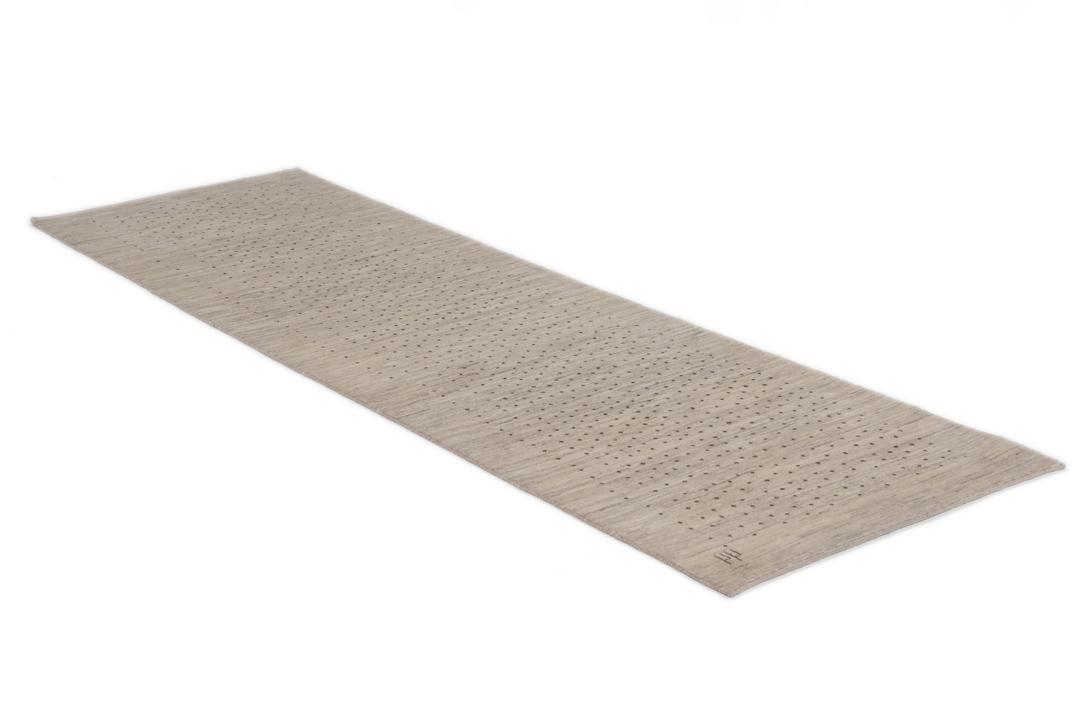
The Gabbeh tradition originates from the nomadic tribes of the Middle East, where these rugs were historically created for practical use within the home. Unlike formal, city-made rugs, these pieces were traditionally woven for family comfort, serving as warm bedding or floor coverings that reflected the personal expressions of the weavers themselves.
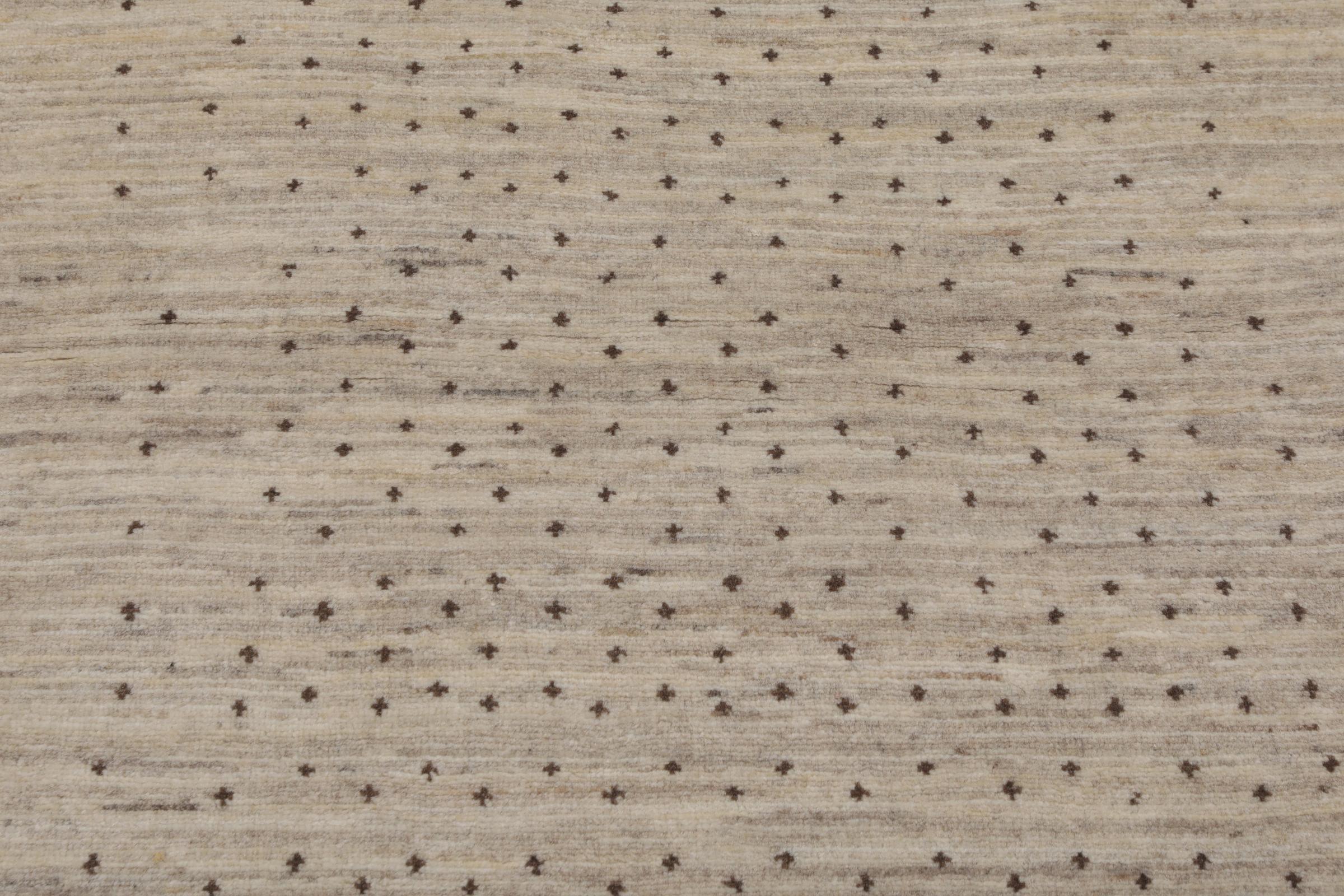
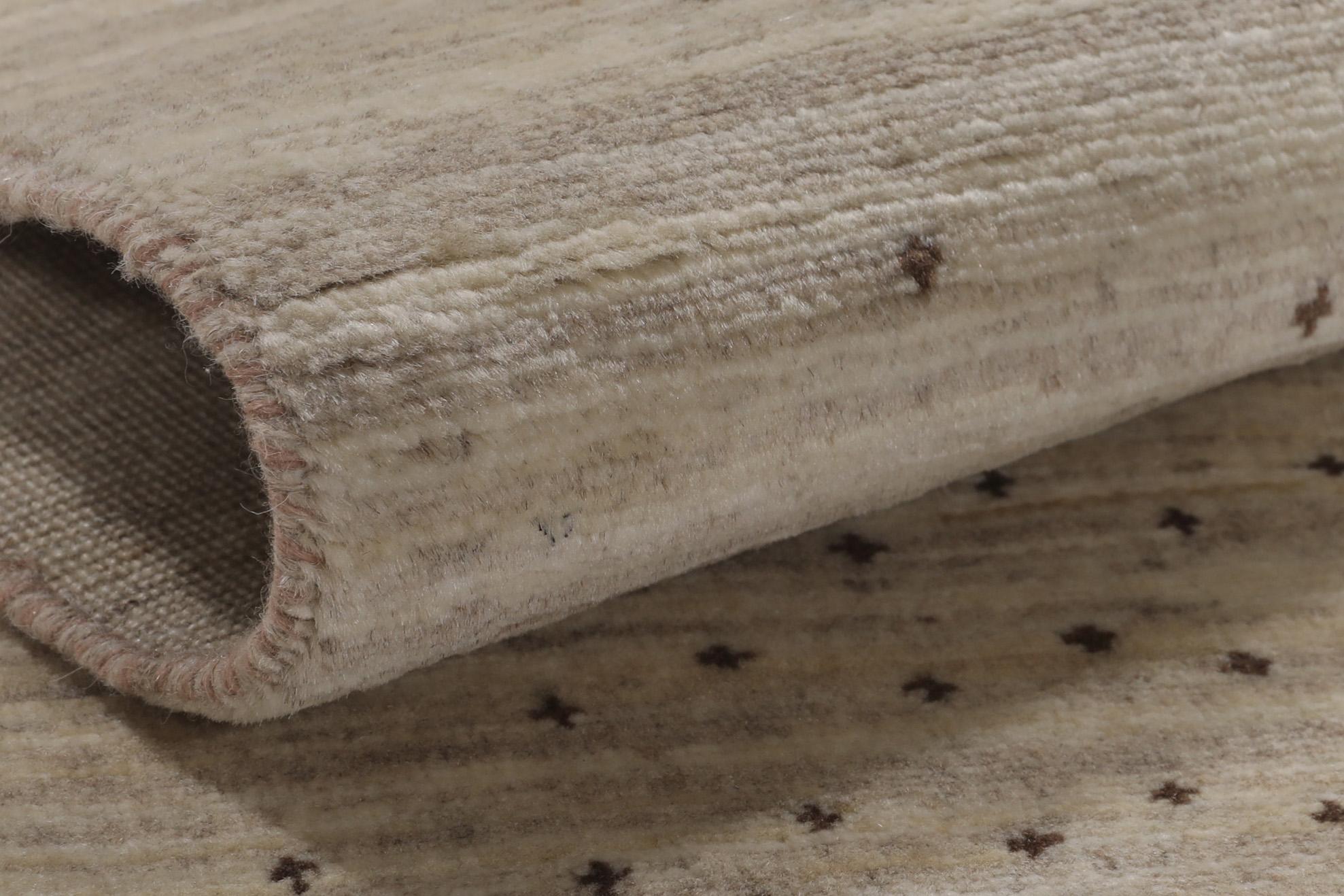
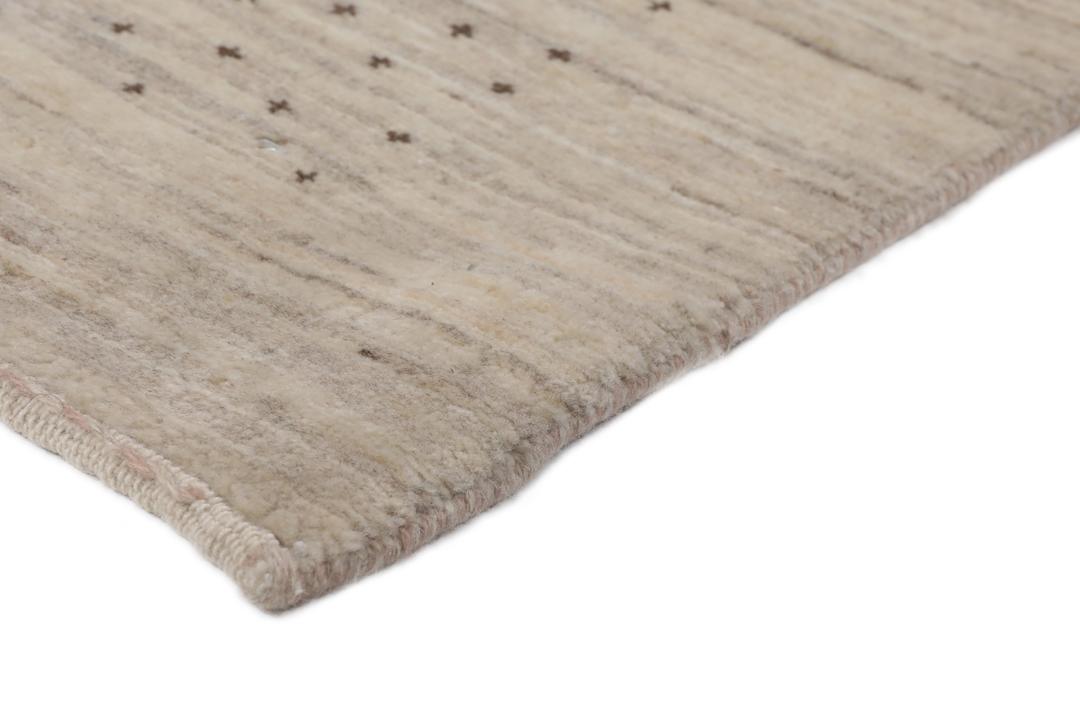
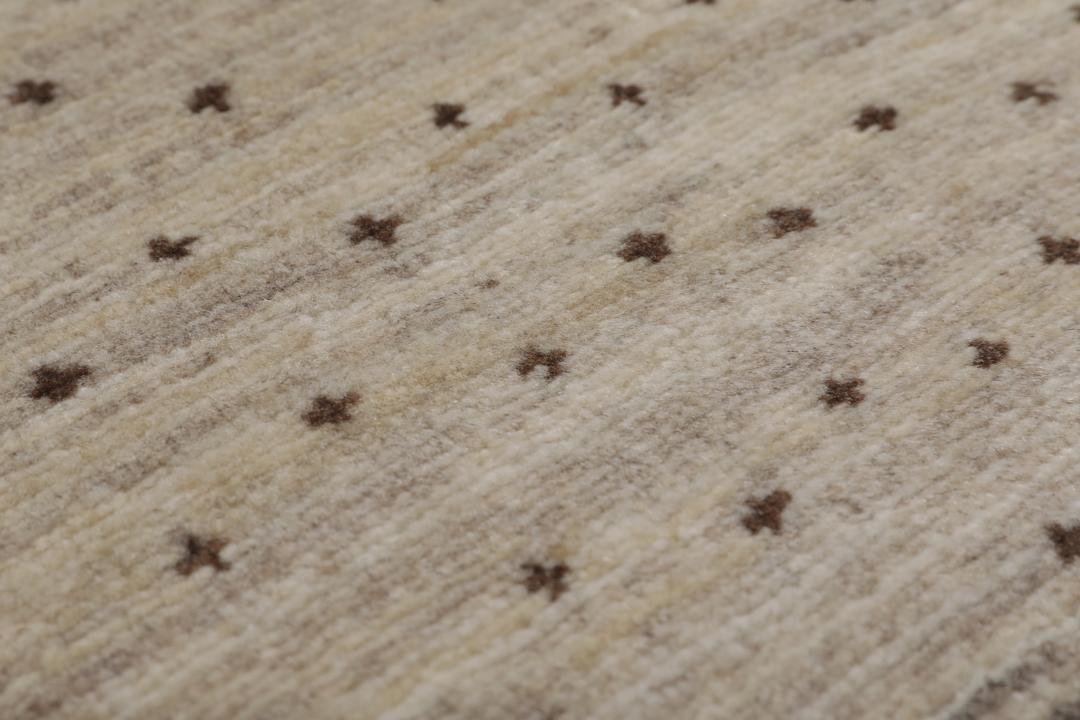
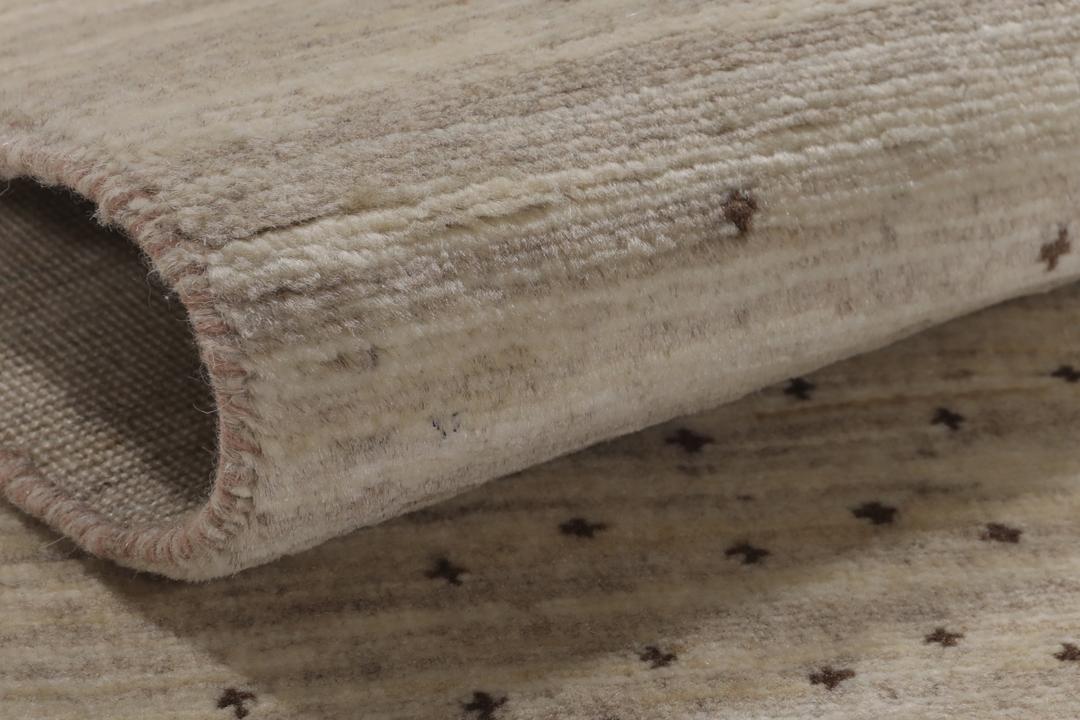
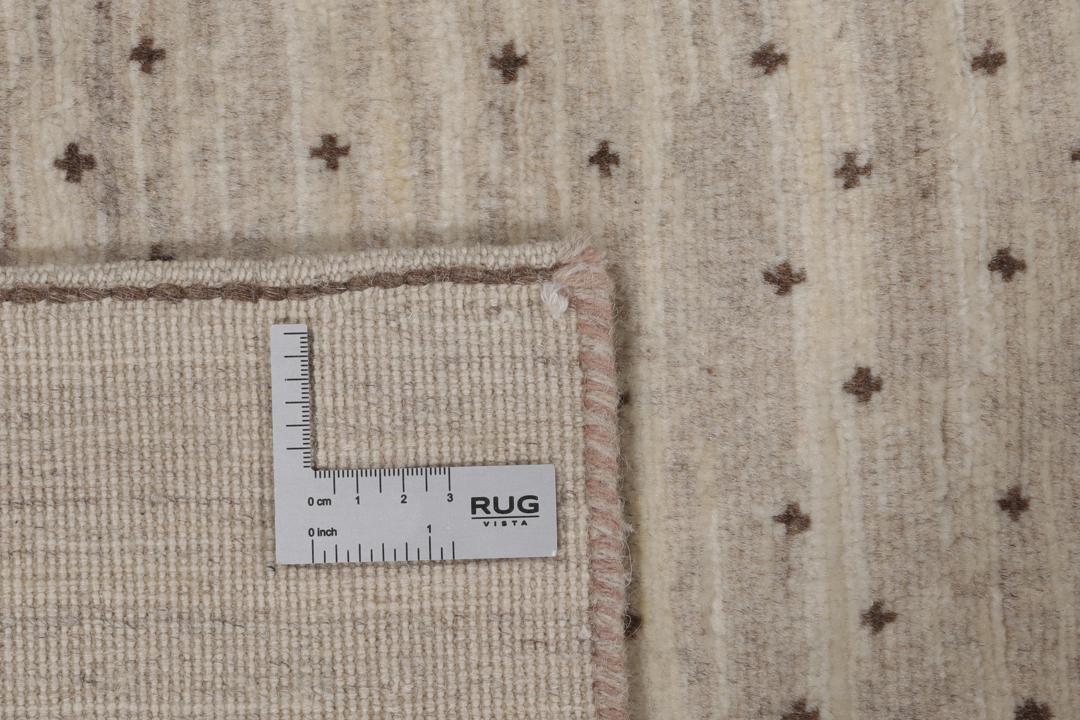
The term Gabbeh itself implies something raw or natural, which is reflected in the traditional weaving approach. The technique focuses on a lower knot density compared to intricate city rugs, which allows for a thicker, more plush pile. This construction is highly valued for its ability to provide exceptional comfort and durability in demanding environments.
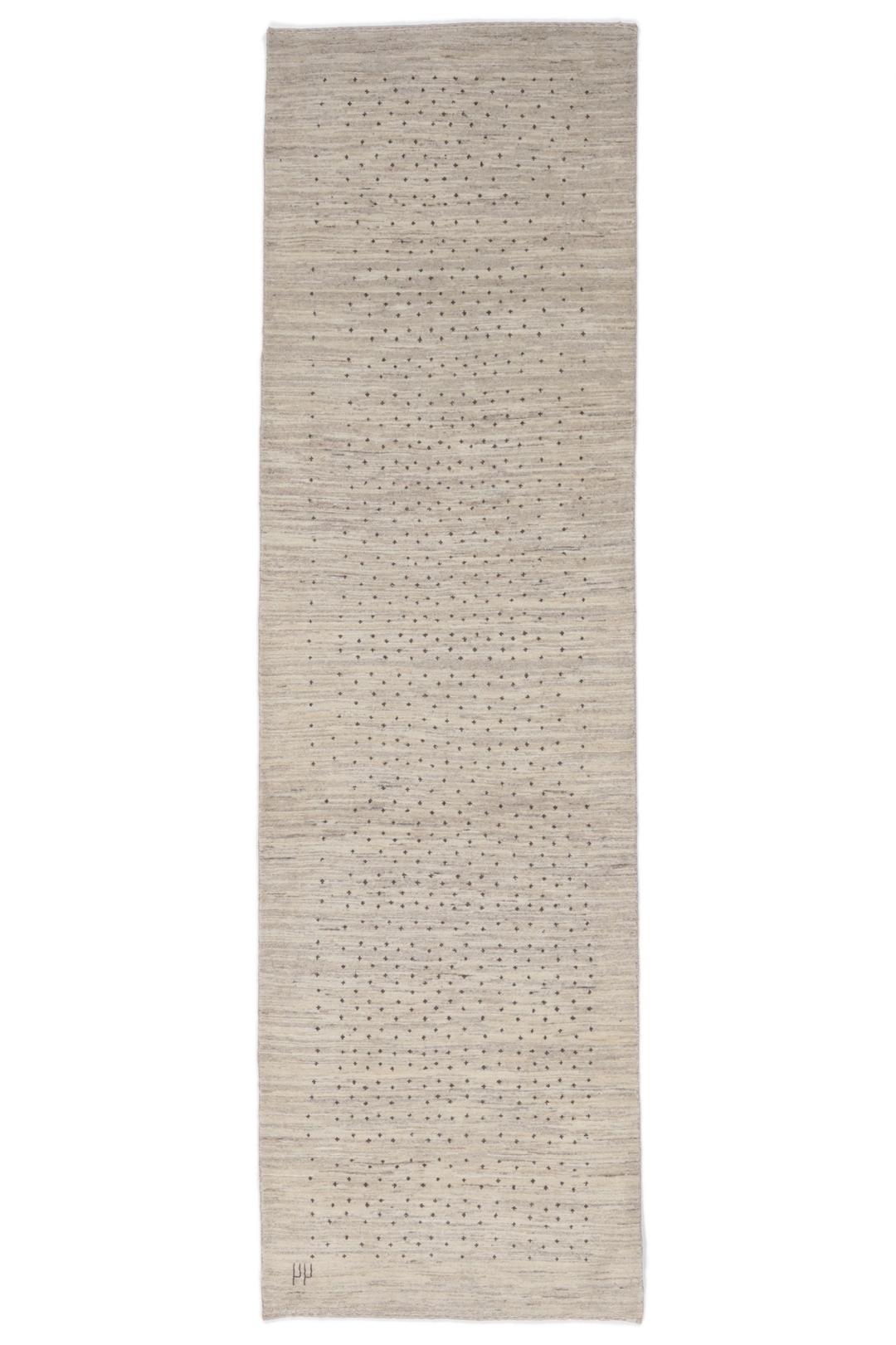
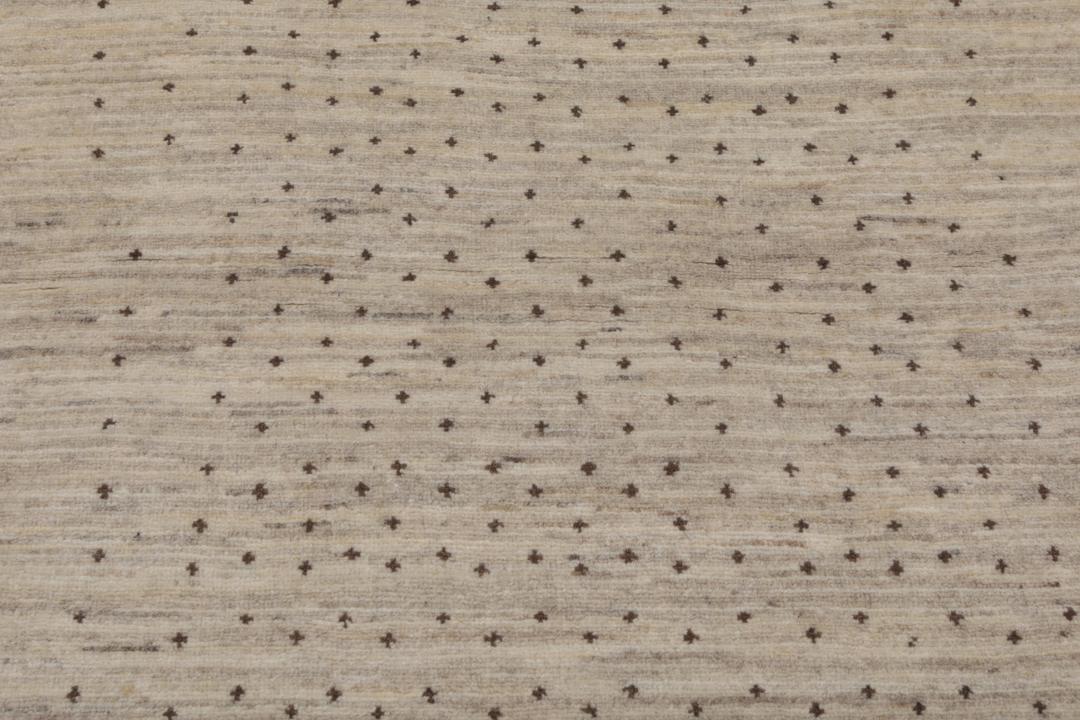
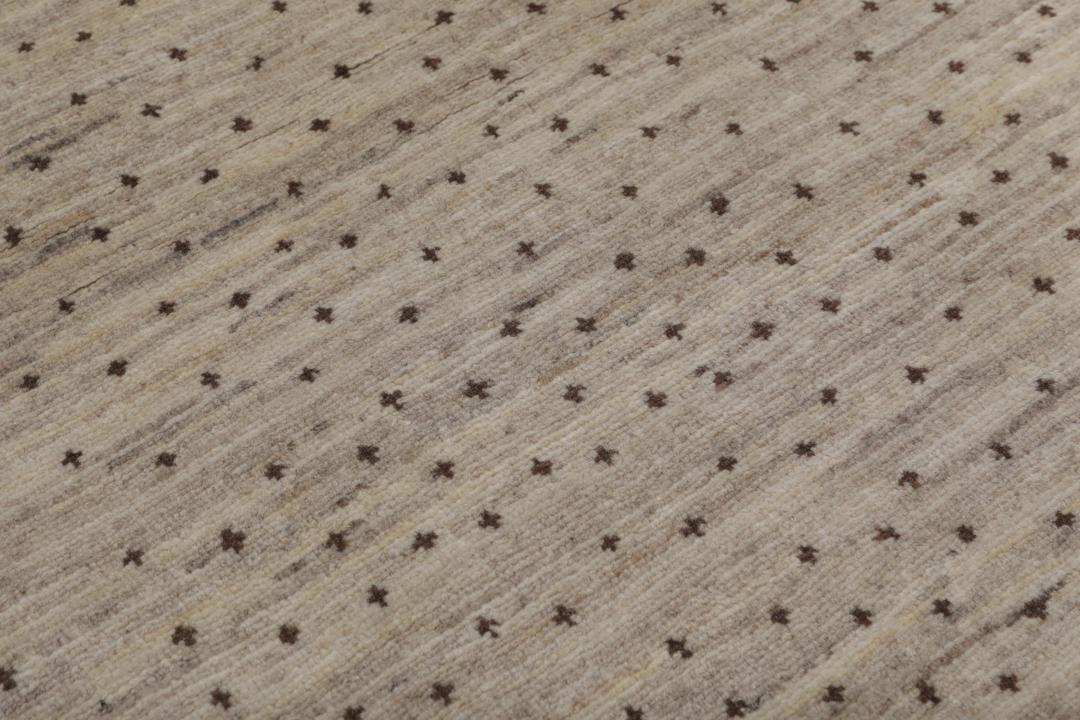
Visually, these rugs are known for their minimalist approach, often prioritising fields of solid, harmonious colour or very simple, symbolic motifs over the complex floral patterns found in other regional styles. This focus on negative space allows the natural quality of the wool to take centre stage, creating a clean, modern look that remains deeply rooted in ancient craft.
Owning a piece from this tradition is a way to connect with a legacy of nomadic artistry. These rugs are highly prized by collectors not just for their aesthetic versatility, but for the skill and heritage they represent. Each rug serves as a testament to the weaver's ability to create beauty through simplicity, making every piece a meaningful addition to a contemporary home.