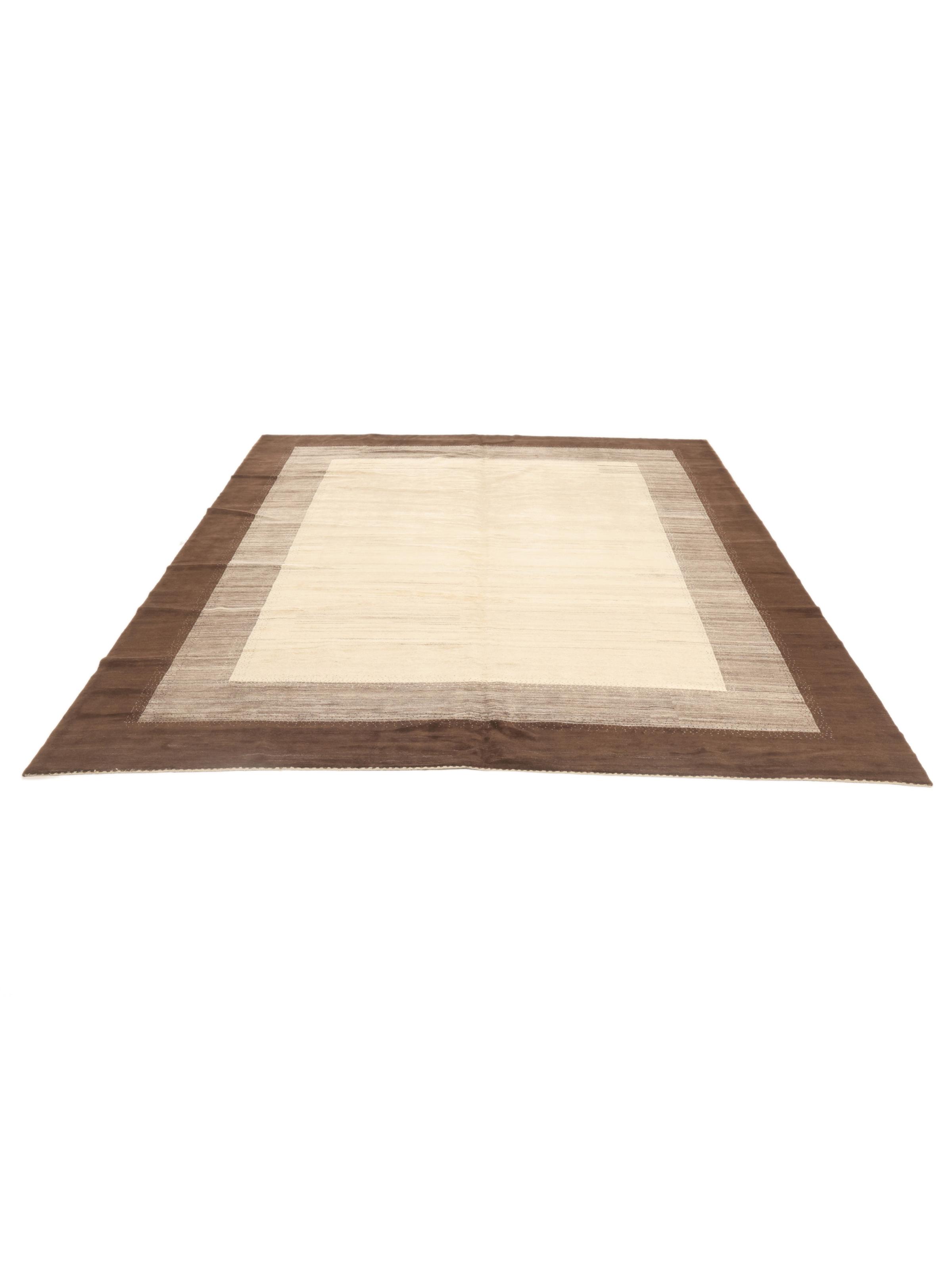
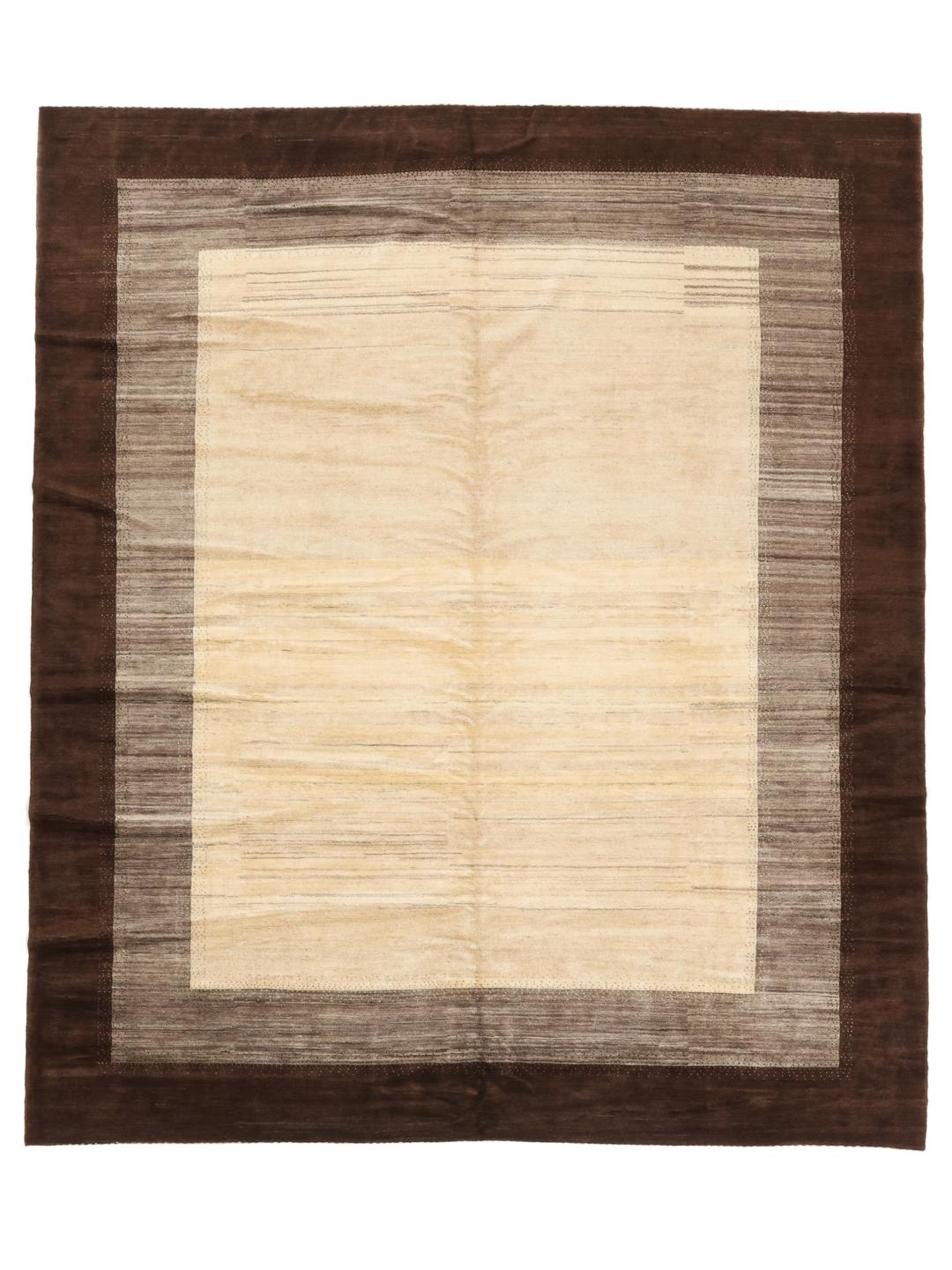
The Gabbeh rug tradition originates from the nomadic tribes of the Middle East, particularly the Qashqai and other regional groups. Historically, these rugs were created for personal use within the home, serving as warm bedding and floor coverings that protected families from the cold, hard ground. Unlike more formal, city-made rugs, Gabbeh rugs were designed with a focus on utility and comfort, reflecting the lifestyle of the weavers.
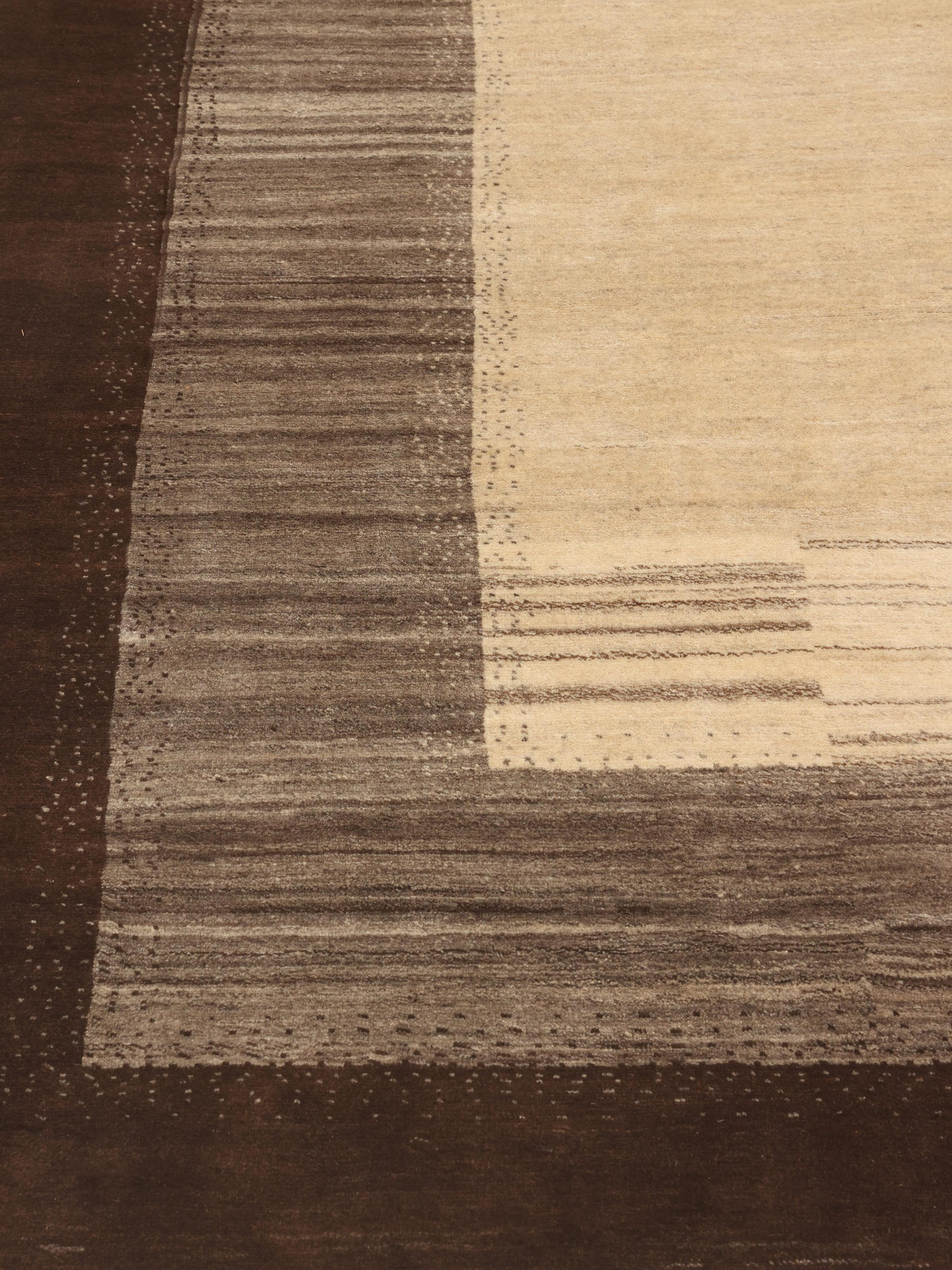
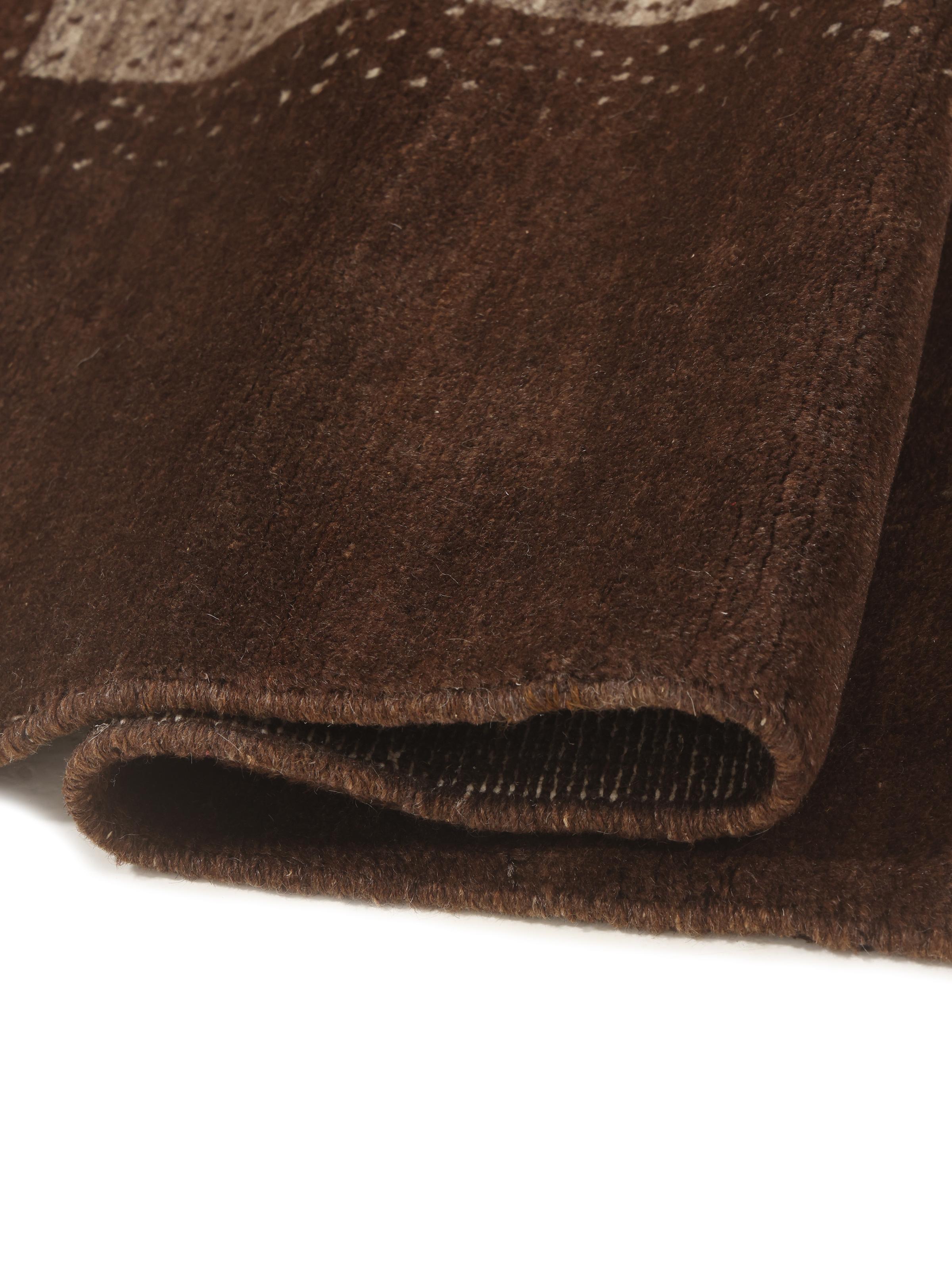
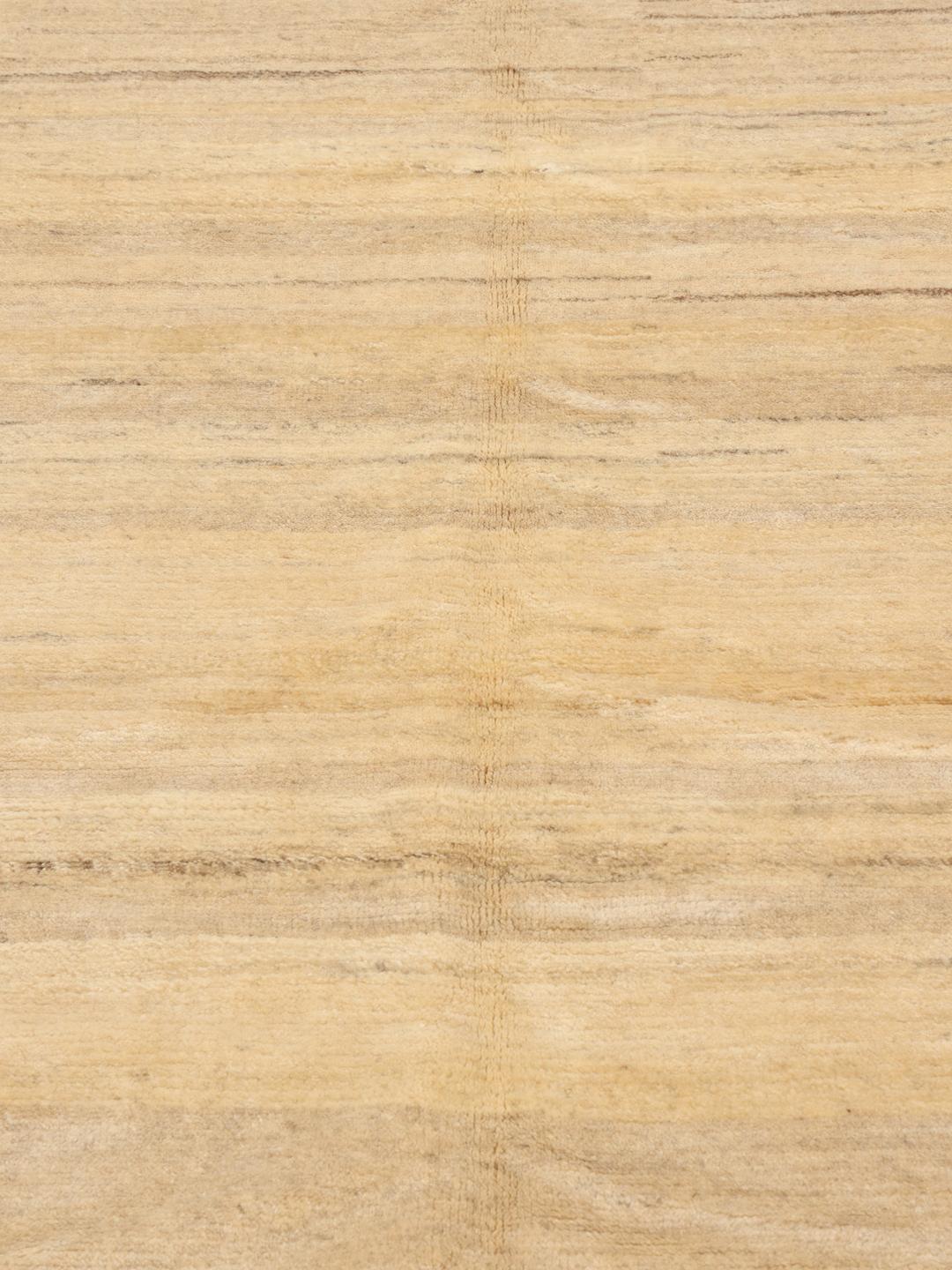
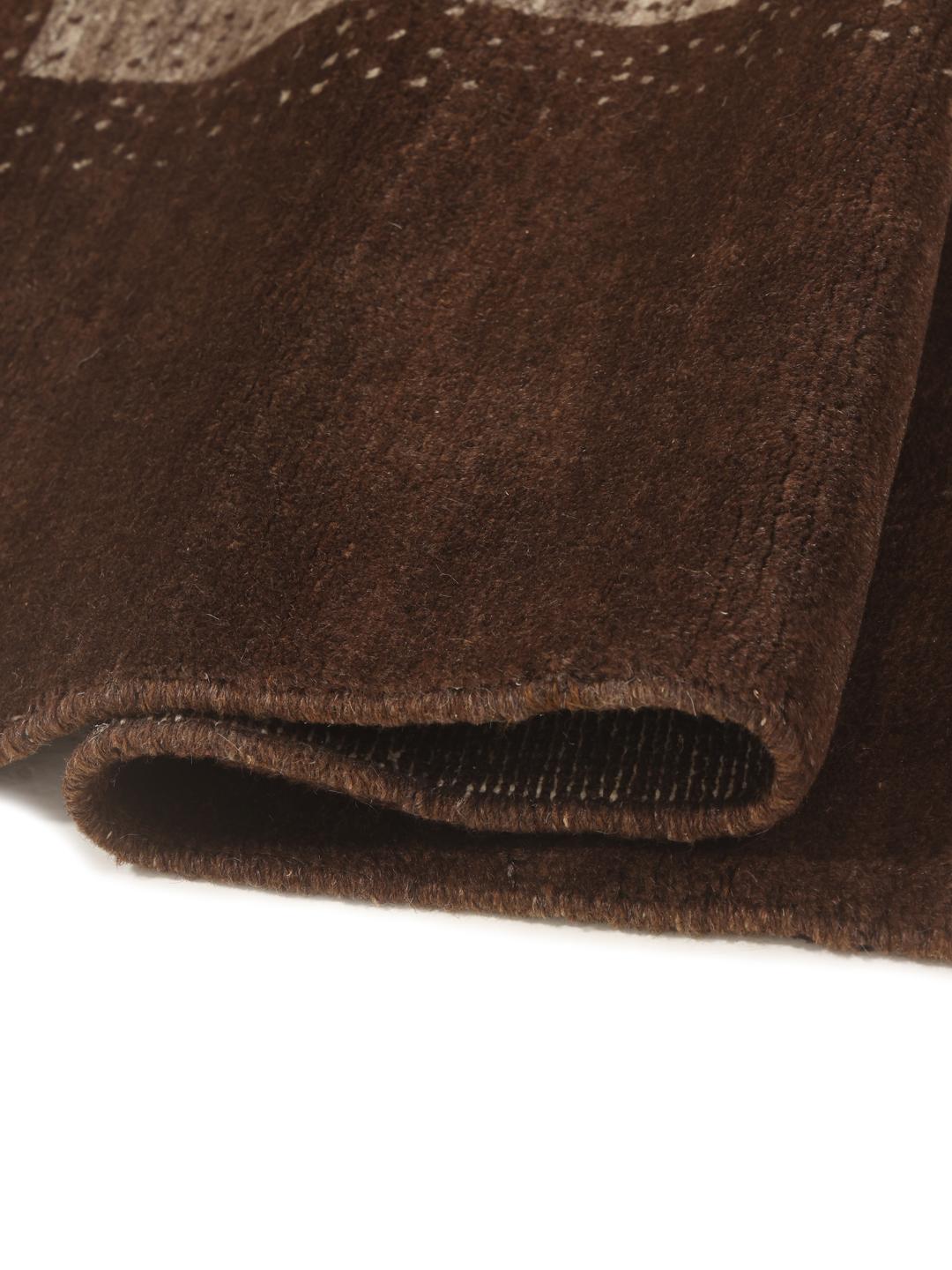
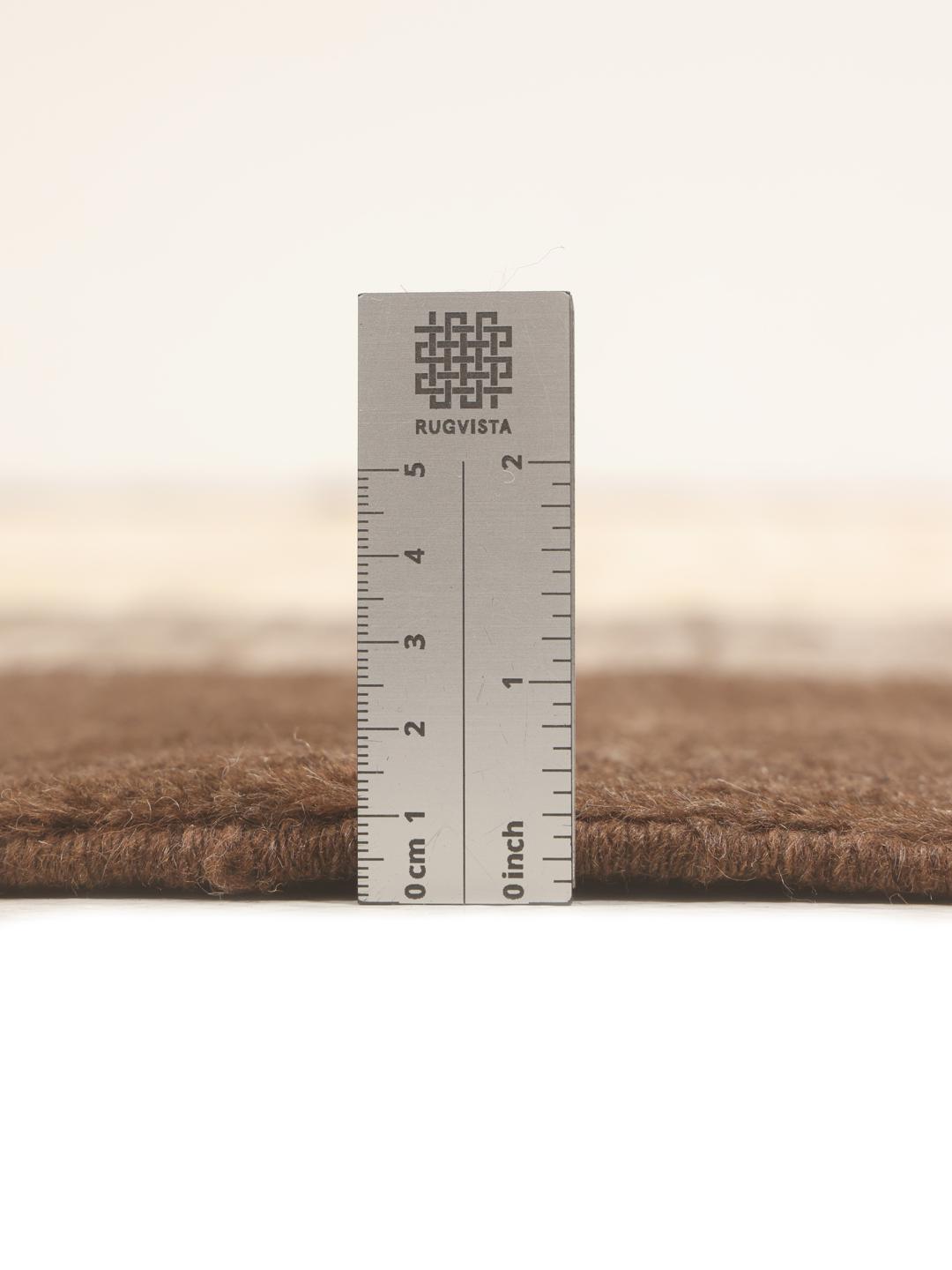
The term Gabbeh itself means raw, natural, or unclipped, which perfectly describes the aesthetic and tactile nature of these pieces. They are traditionally characterised by a thicker, longer pile compared to other styles, which provides superior cushioning and insulation. This construction technique emphasises the natural qualities of the Wool, resulting in a rug that feels exceptionally soft and substantial.
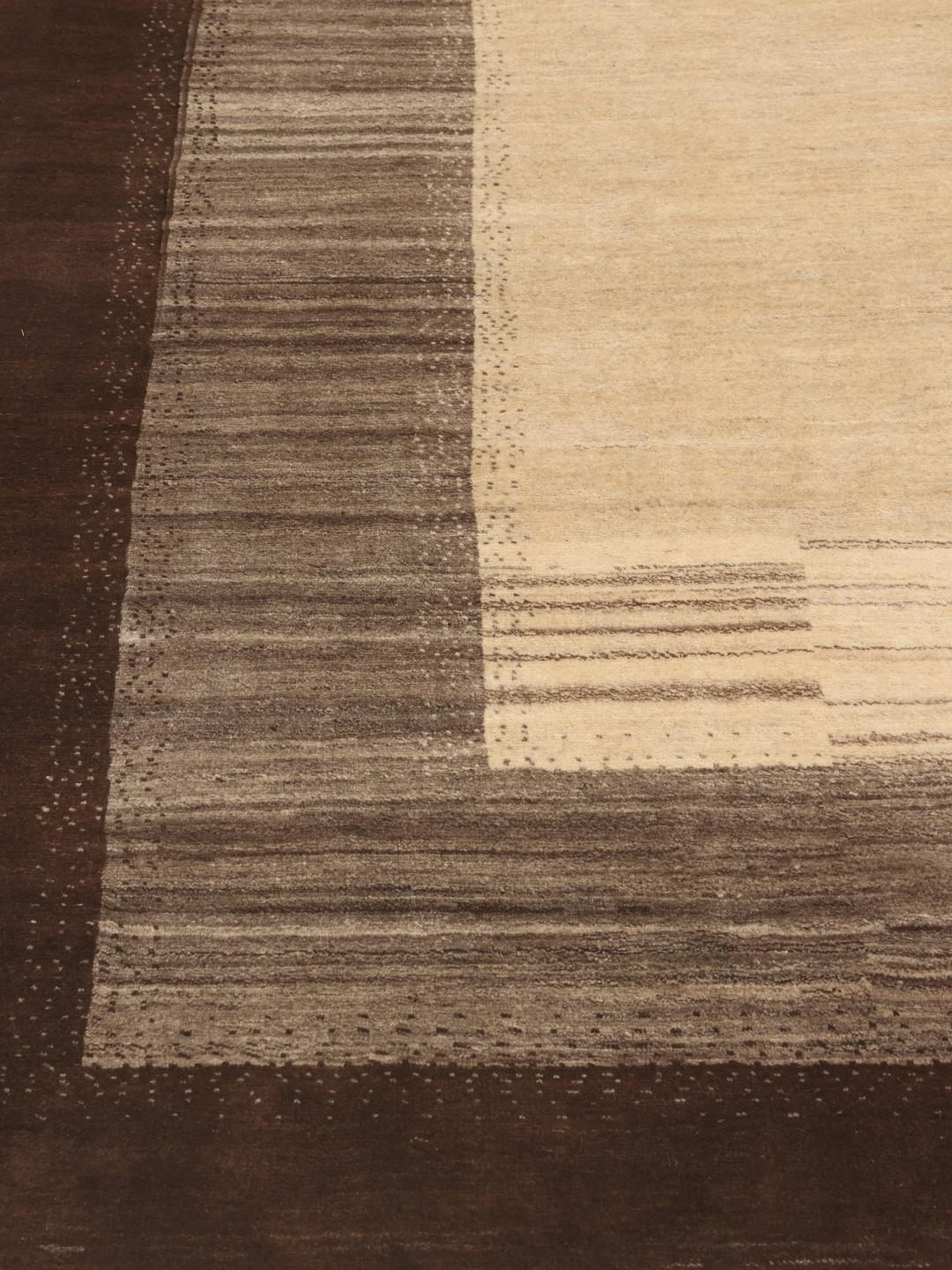
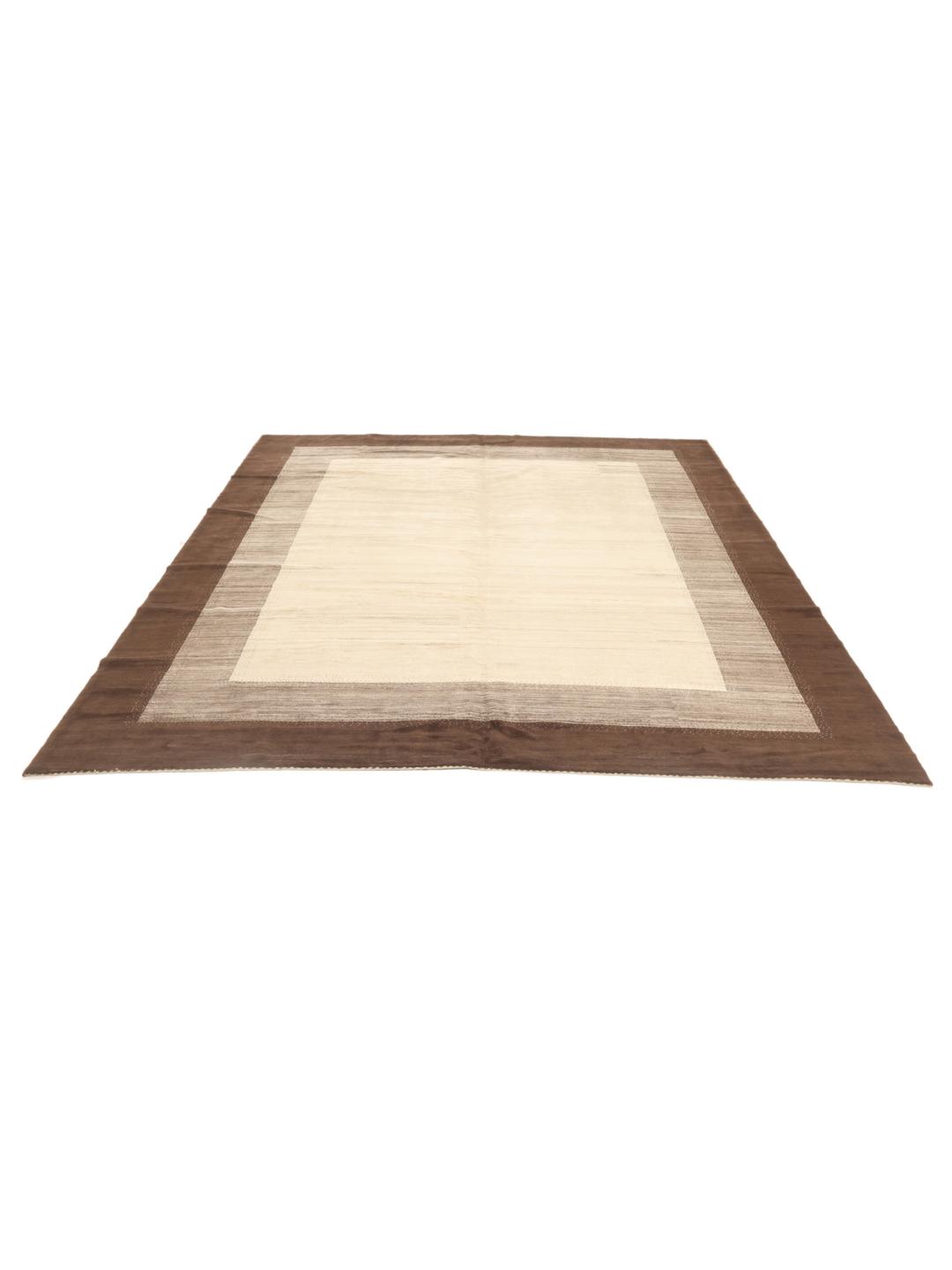
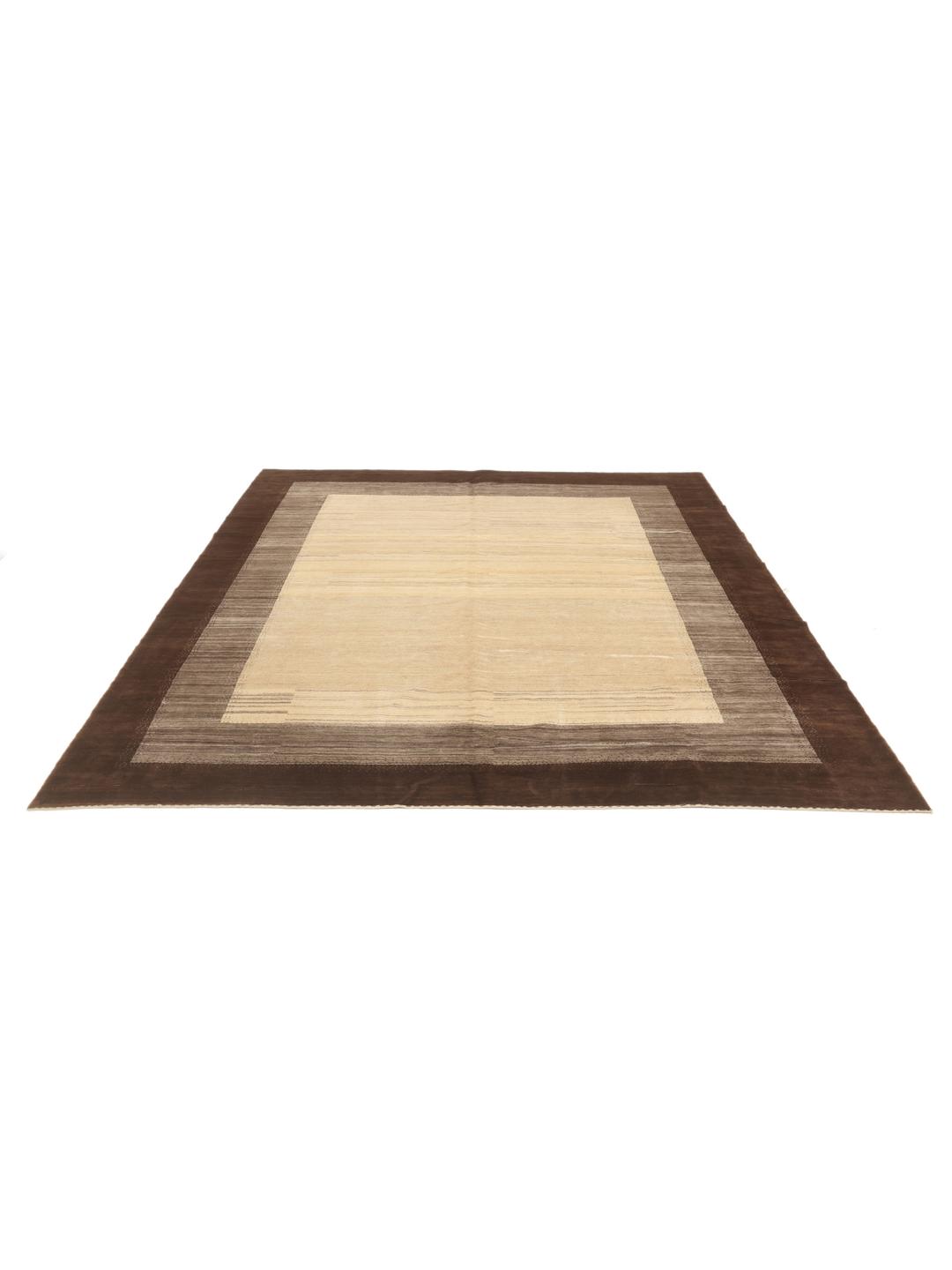
Visually, Gabbeh rugs are celebrated for their artistic simplicity. While formal rugs often feature intricate, symmetrical medallions, Gabbeh designs tend to be more abstract, often incorporating geometric shapes, stylised animals, or simple, repeating motifs that hold personal or cultural significance to the weaver. The use of natural, earth-toned dyes remains a hallmark of the tradition, highlighting the beauty of the raw materials.
Today, these rugs are highly valued by collectors and design enthusiasts alike for their authentic, soul-filled character. Owning a Gabbeh Fine rug is a way to connect with a rich, enduring tradition of craftsmanship that prioritises human skill over mechanical precision. It is an investment in a piece of cultural history, offering a sense of depth and authenticity that brings warmth and character to any modern home.