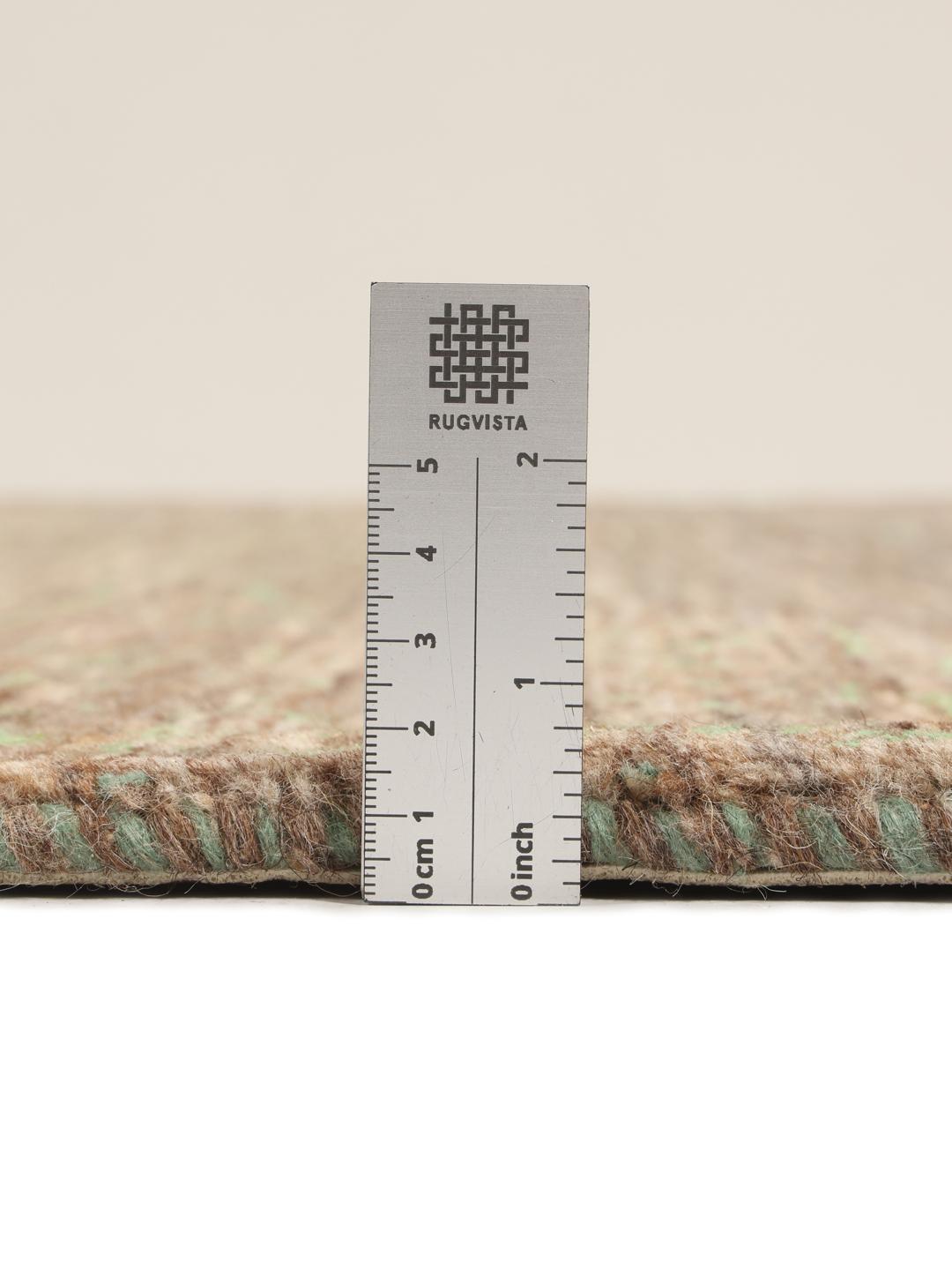
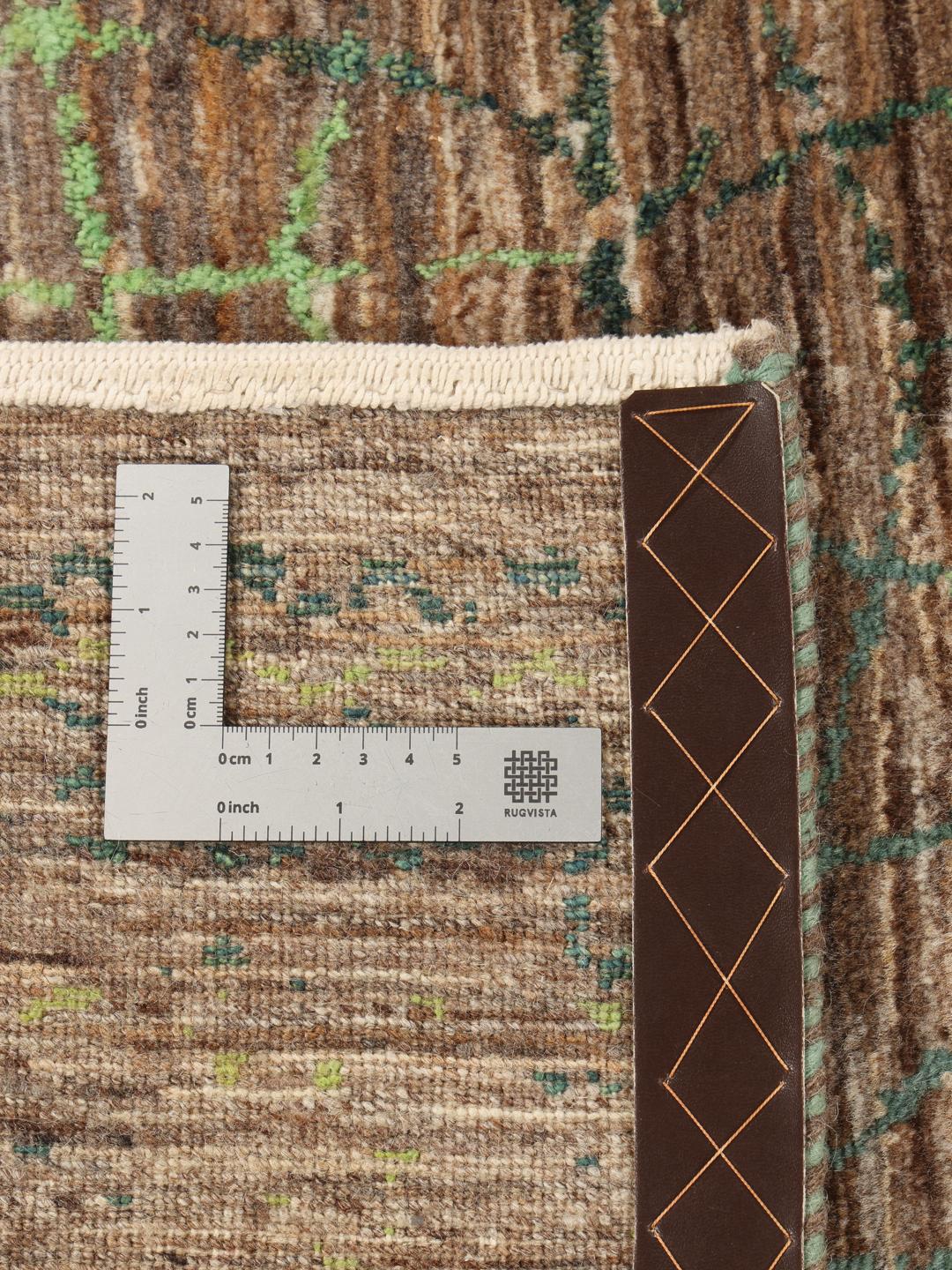
Gabbeh rugs trace their roots to the nomadic tribes of the Middle Eastern landscape, where they were originally woven for personal use and protection against the elements. Unlike formal, highly decorative rugs, the Gabbeh was designed as a thick, warm, and durable bedding or floor covering. These rugs have evolved from functional tribal necessities into celebrated pieces of folk art, cherished for their unpretentious beauty and connection to ancient weaving lineages.
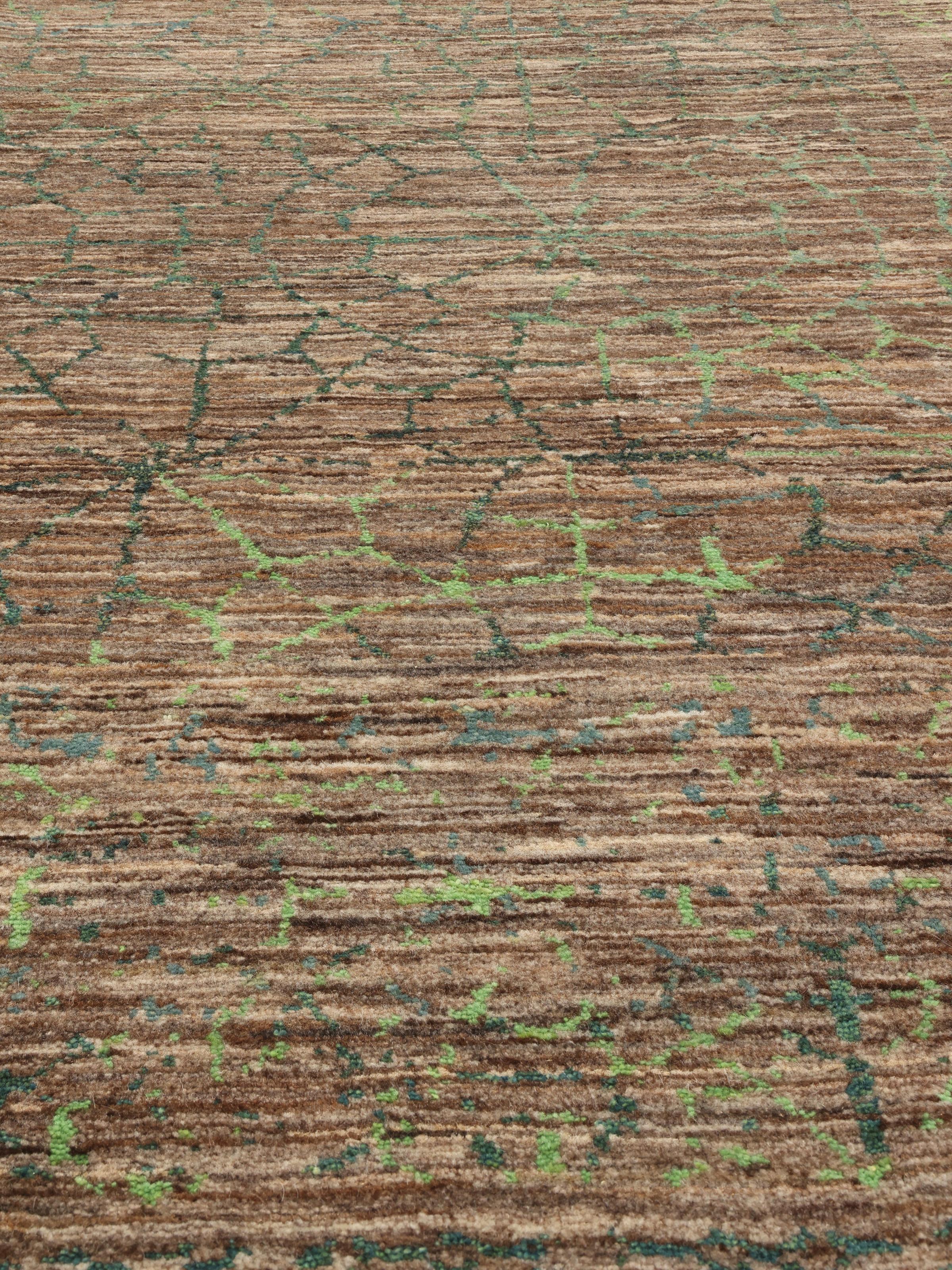
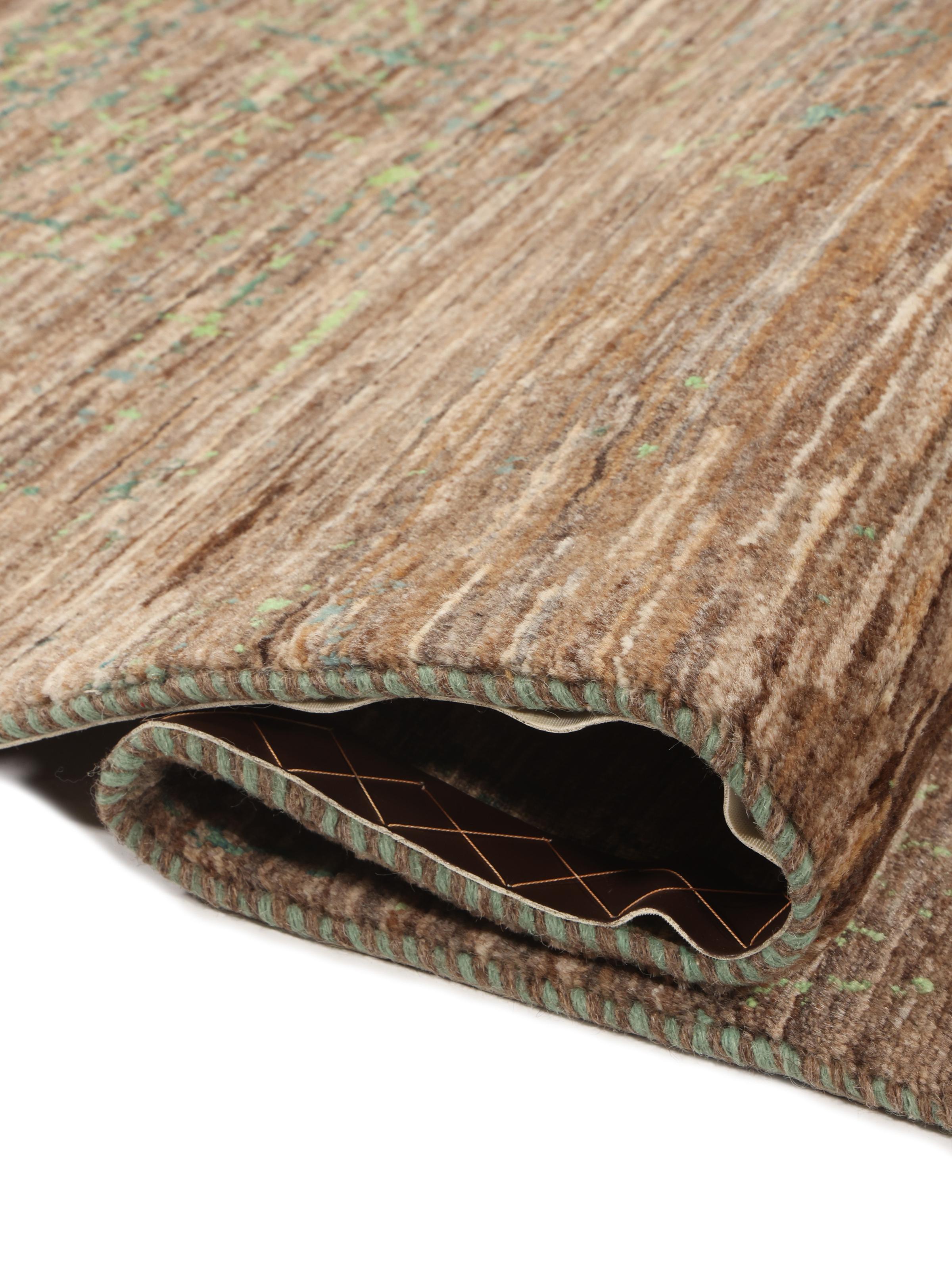
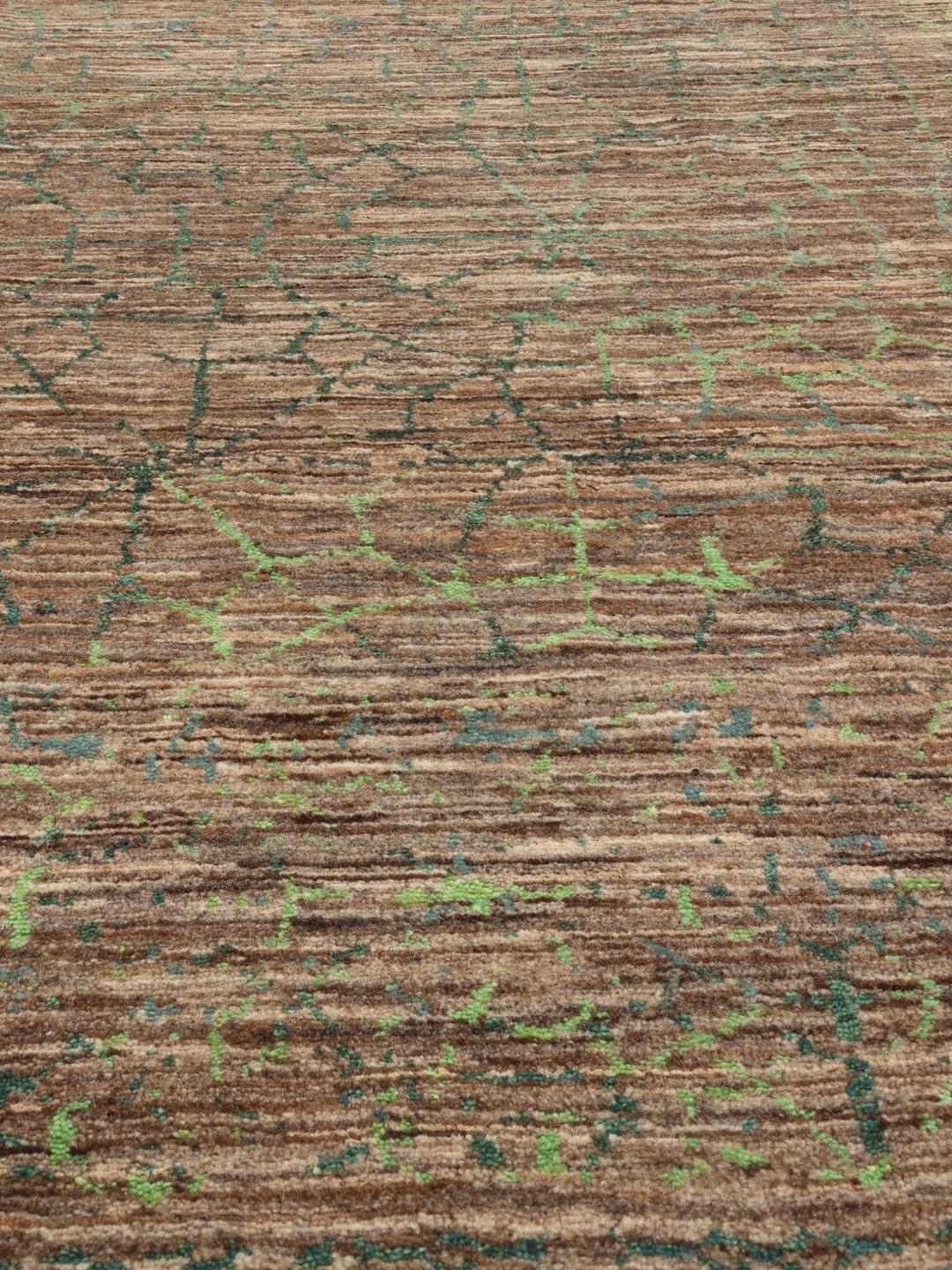
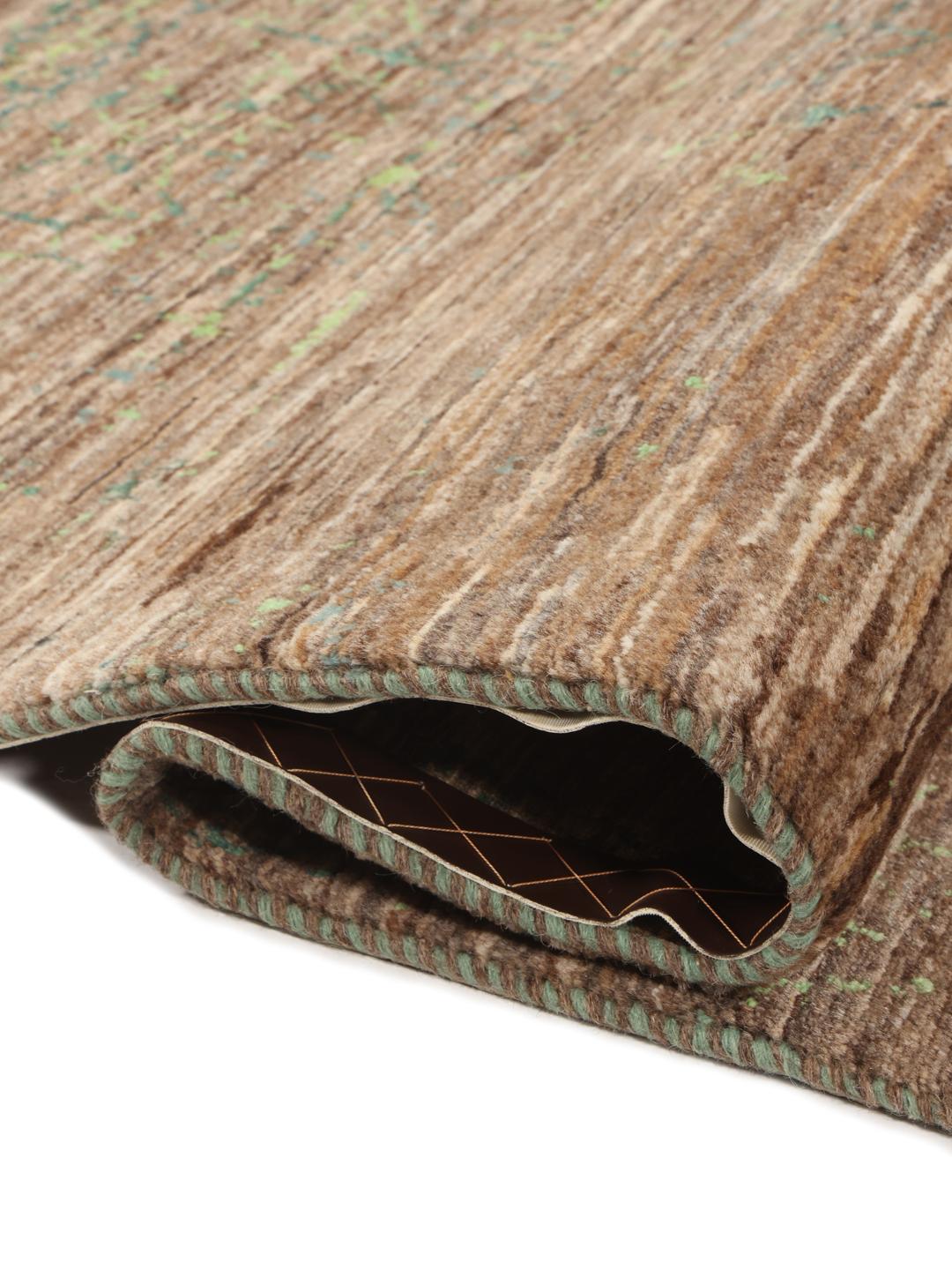
The term 'Gabbeh' itself translates roughly to 'raw' or 'natural,' which perfectly captures the essence of these rugs. They are known for their thicker pile and simpler, more abstract designs compared to other traditional styles. By using thicker, hand-spun wool, weavers create a plush and resilient texture. This construction method is intentional, designed to provide a soft, insulating layer that has been a hallmark of nomadic comfort for centuries.
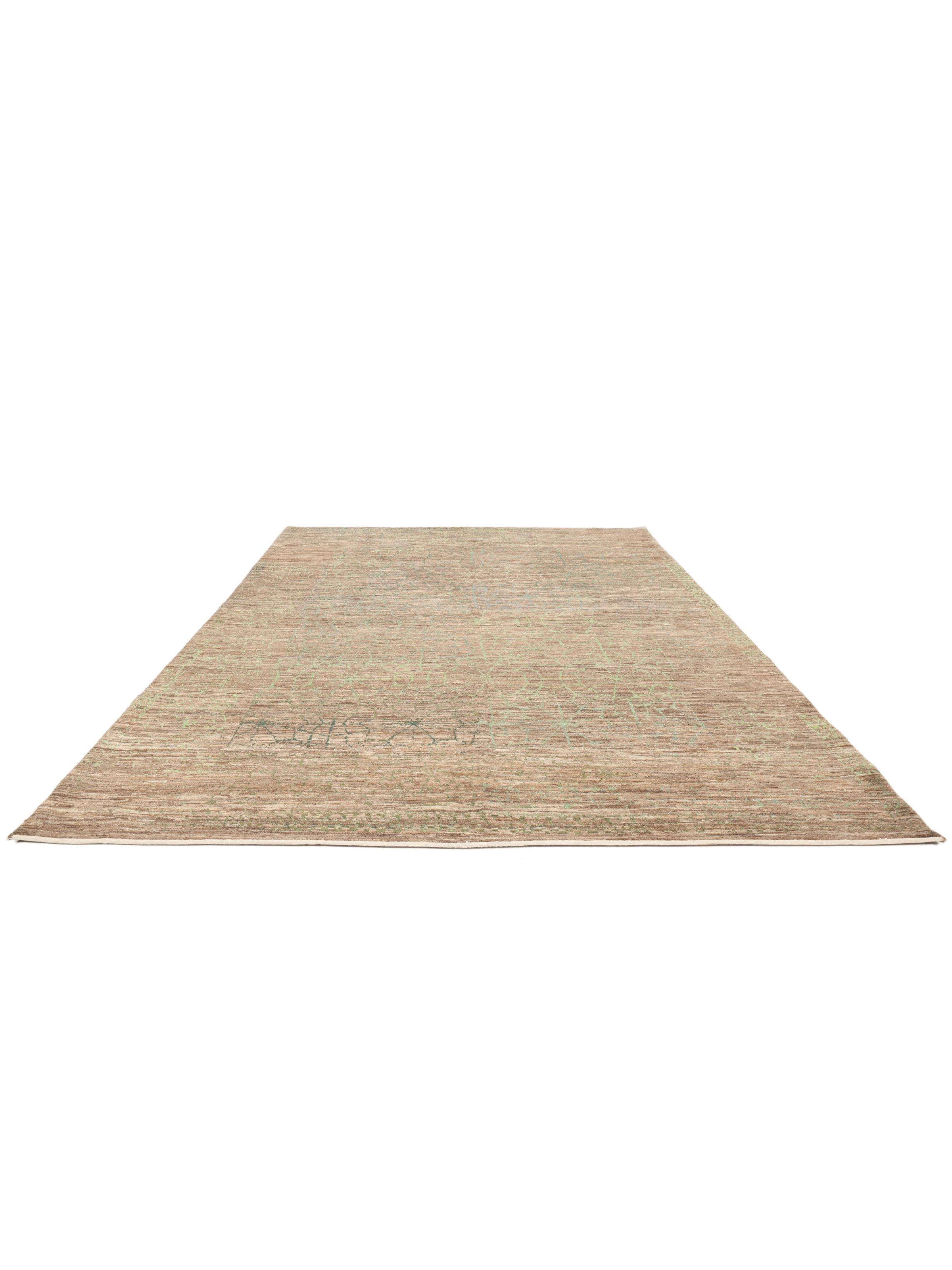
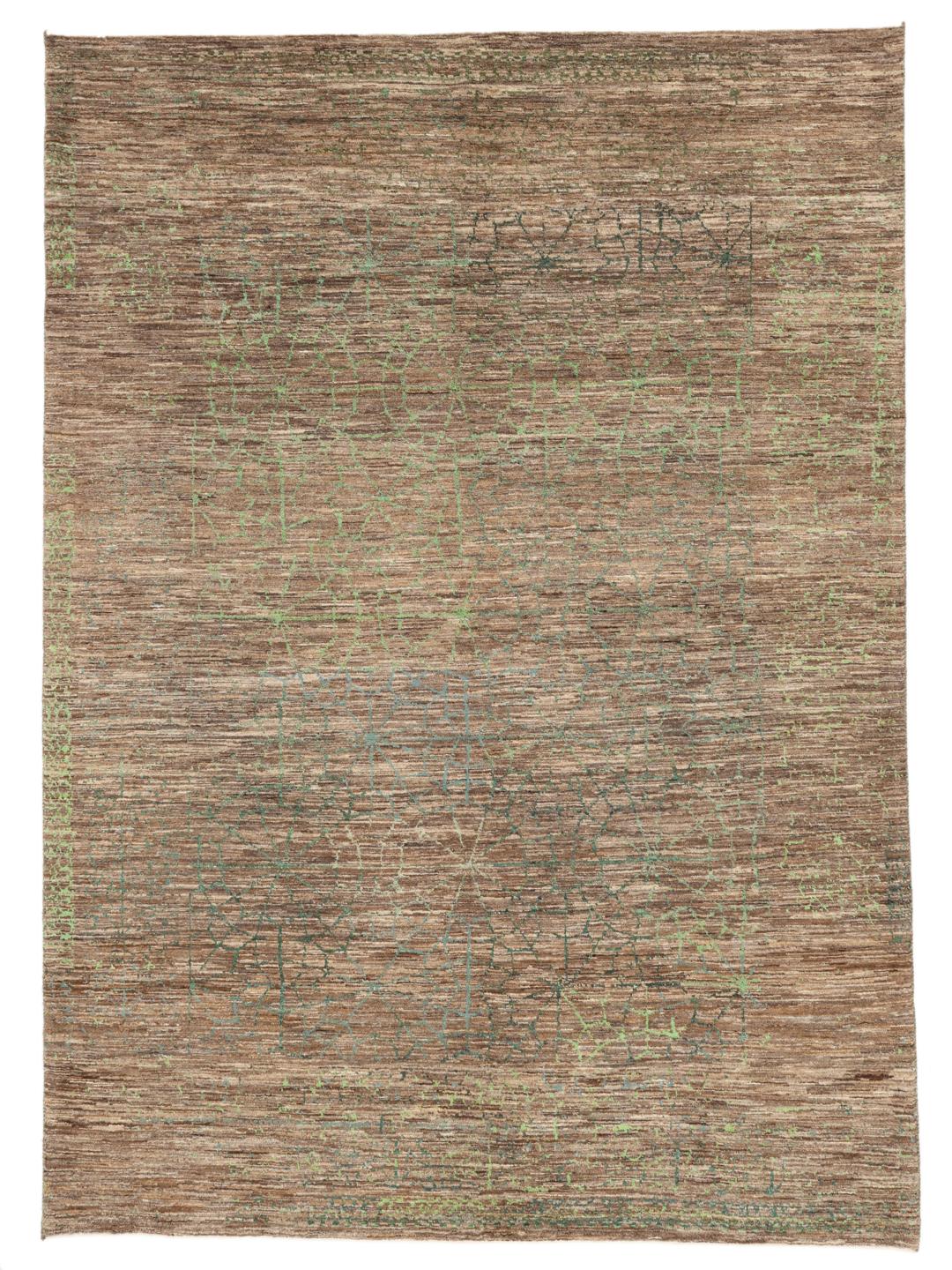
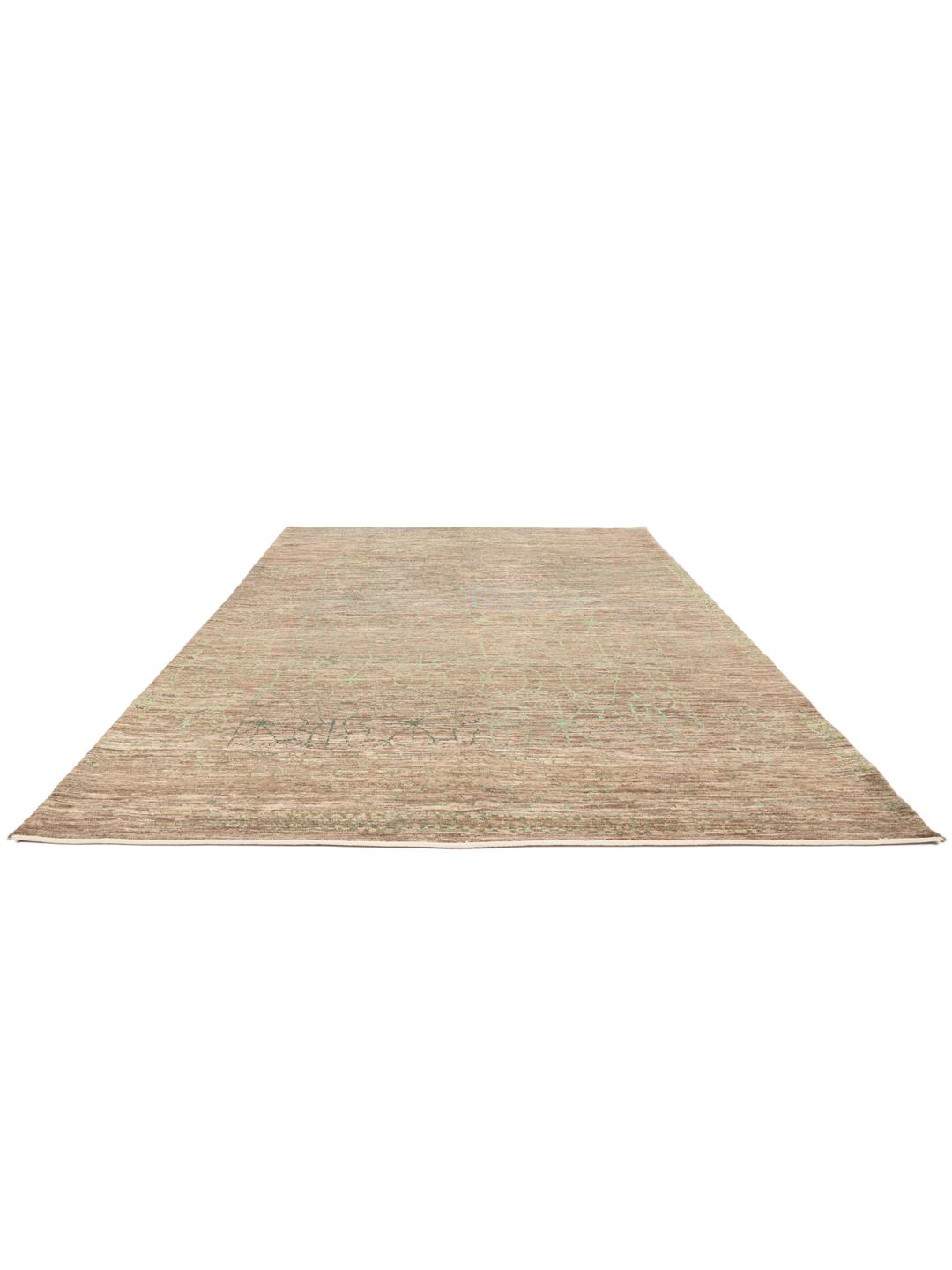
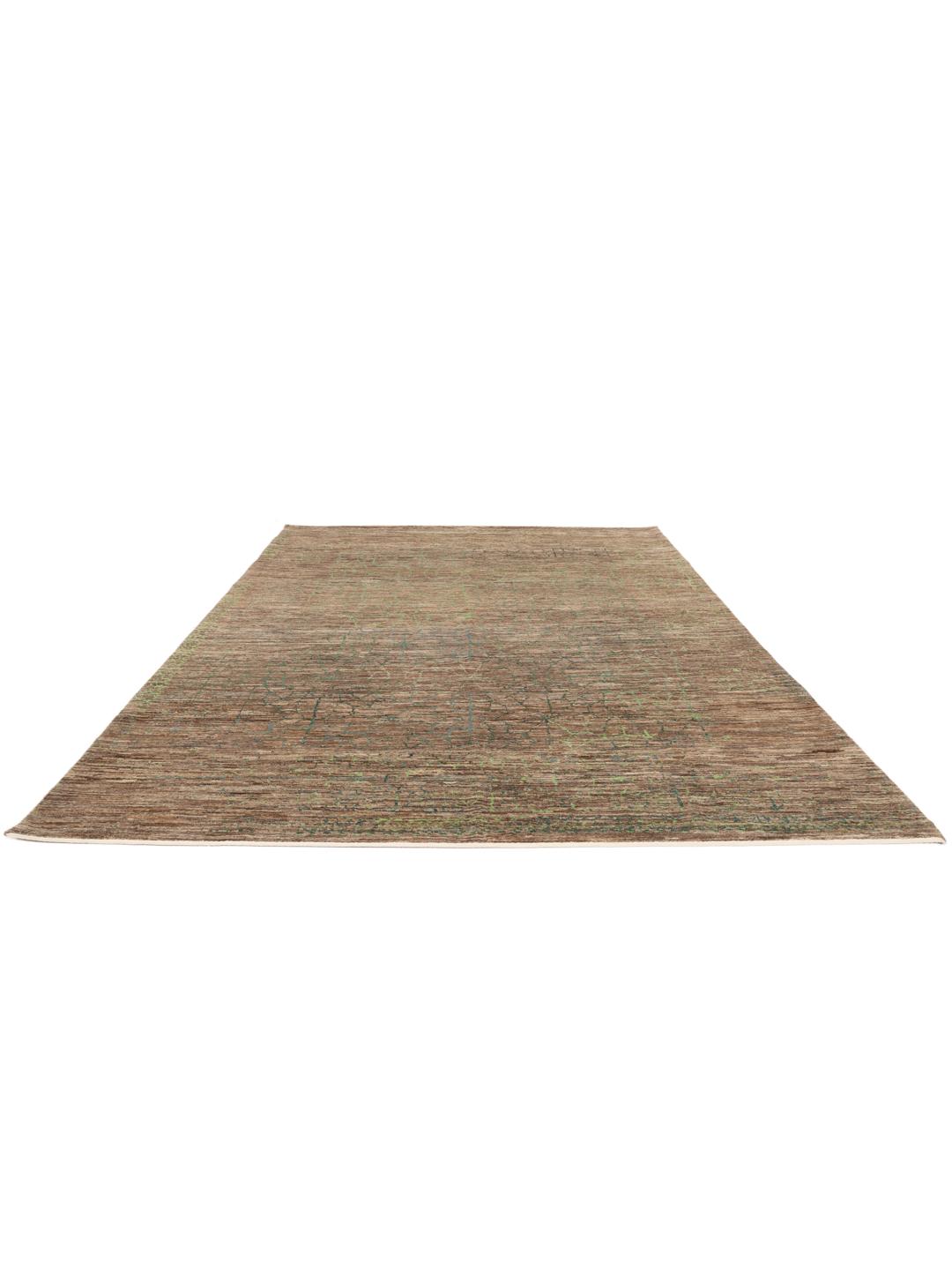
Visually, Gabbeh rugs are defined by their creative freedom. While they may incorporate traditional motifs like stylized animals, plants, or geometric shapes, the execution is often playful and spontaneous. The use of natural dyes derived from plants and minerals creates a vibrant, earthy palette that feels both grounded and expressive. This specific rug, with its unique colour play and artistic layout, exemplifies the creative spirit that defines the Gabbeh tradition.
Today, these rugs are highly sought after by collectors and interior designers for their authentic, human-made character. Owning a Gabbeh is a way to bridge the gap between historical craft and modern living. Each rug serves as a document of the weaver's imagination, making it a valuable addition to any collection. It is a piece that celebrates the beauty of imperfection and the enduring value of traditional craftsmanship.