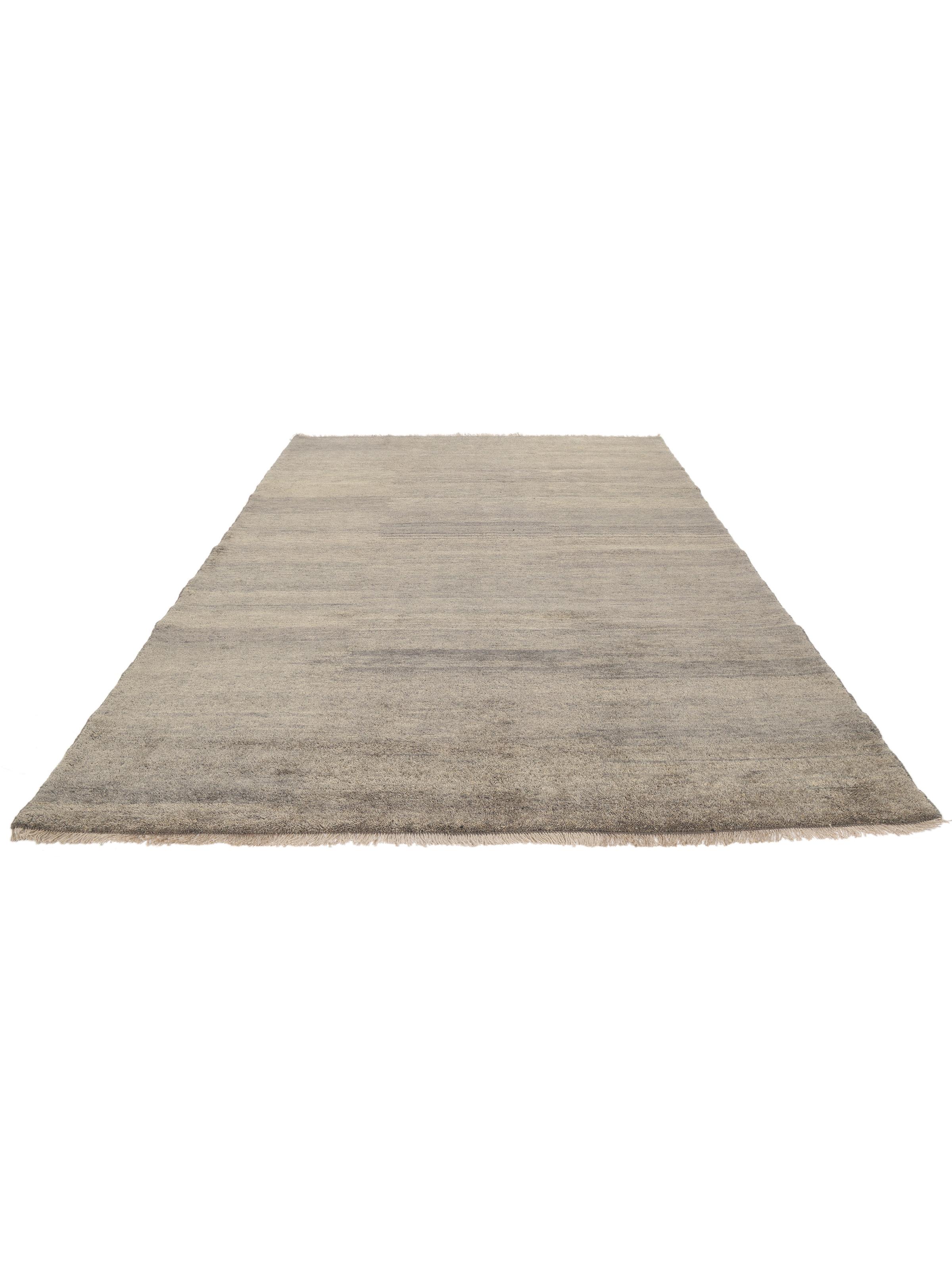
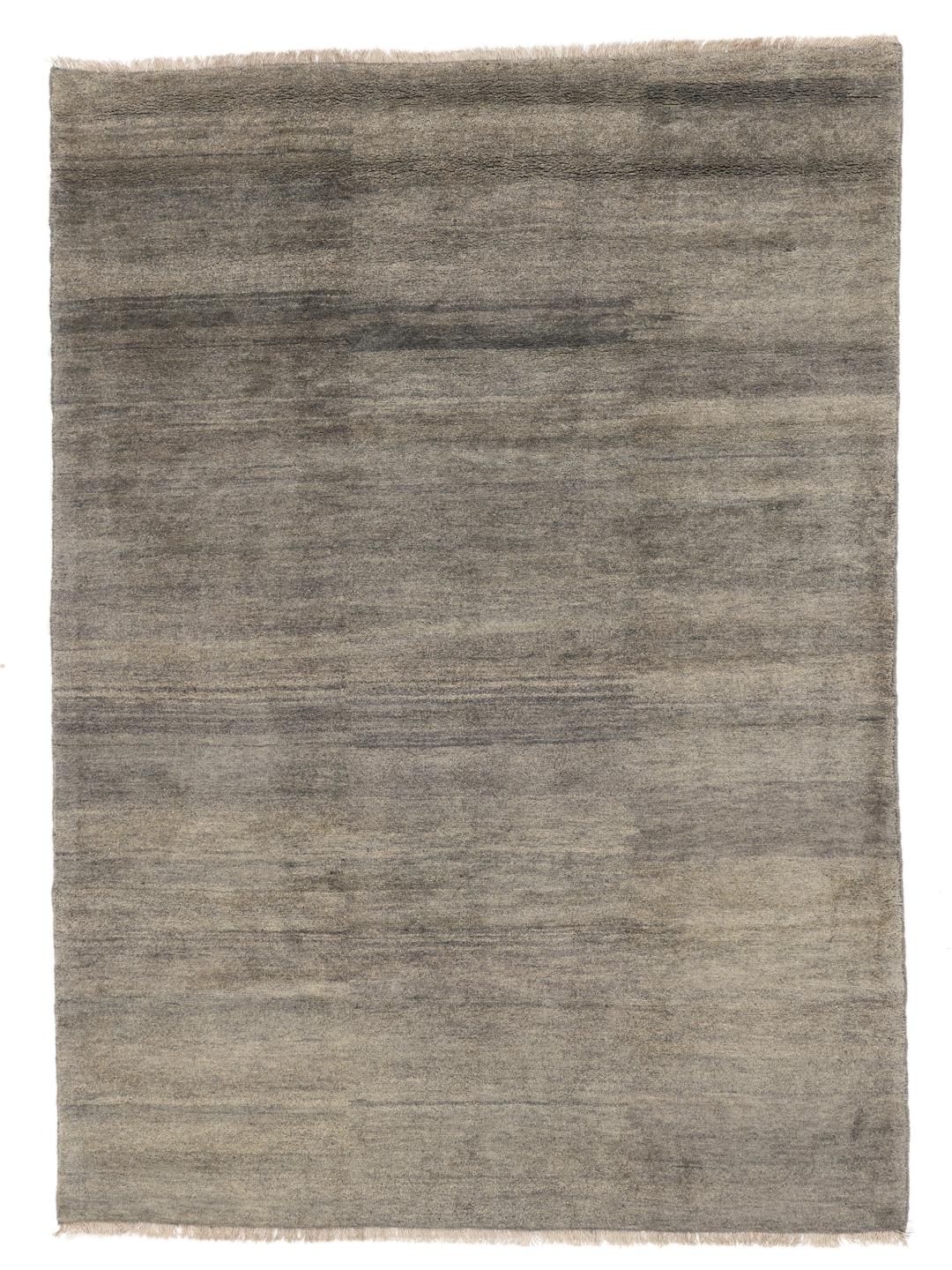
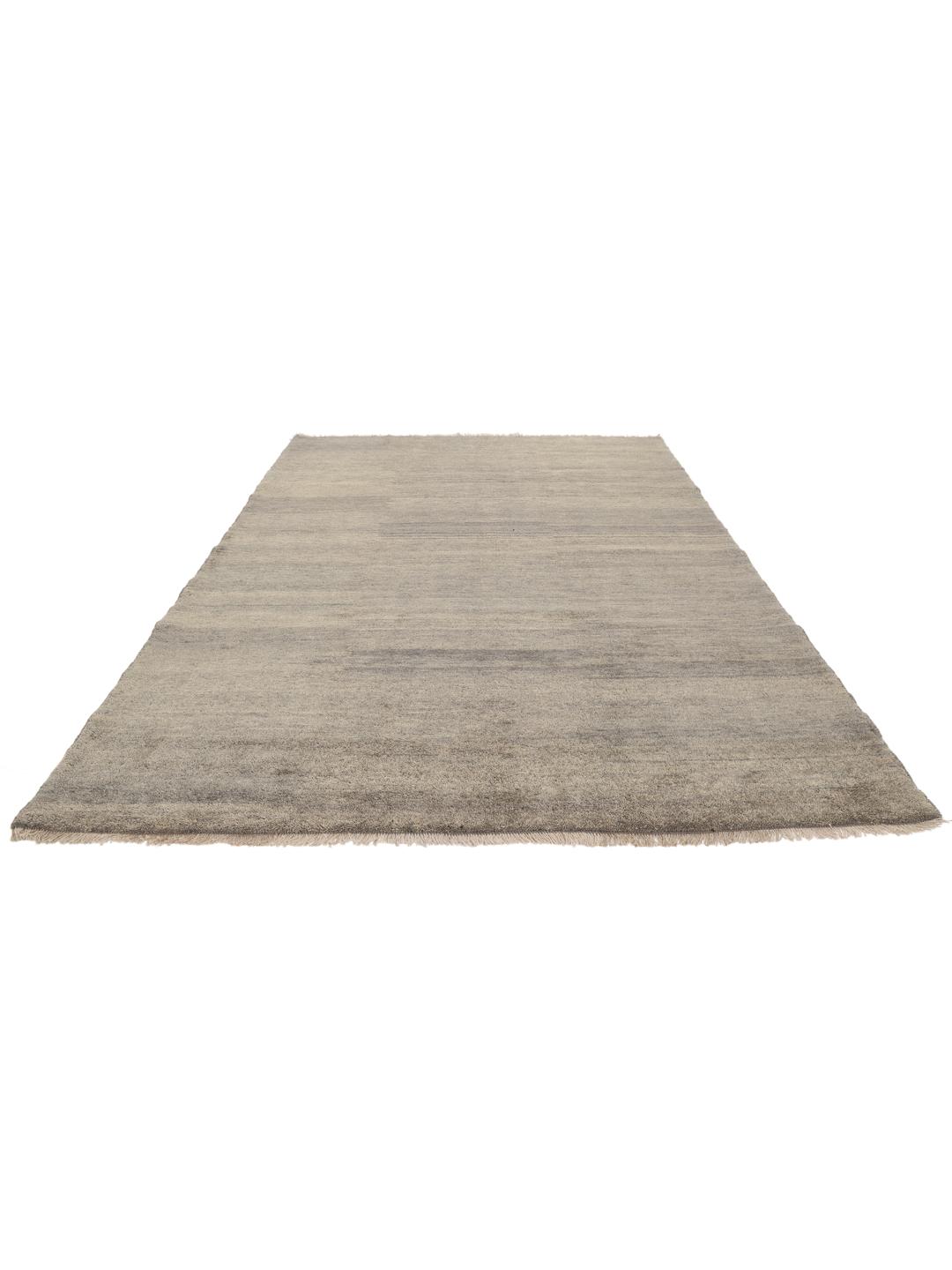
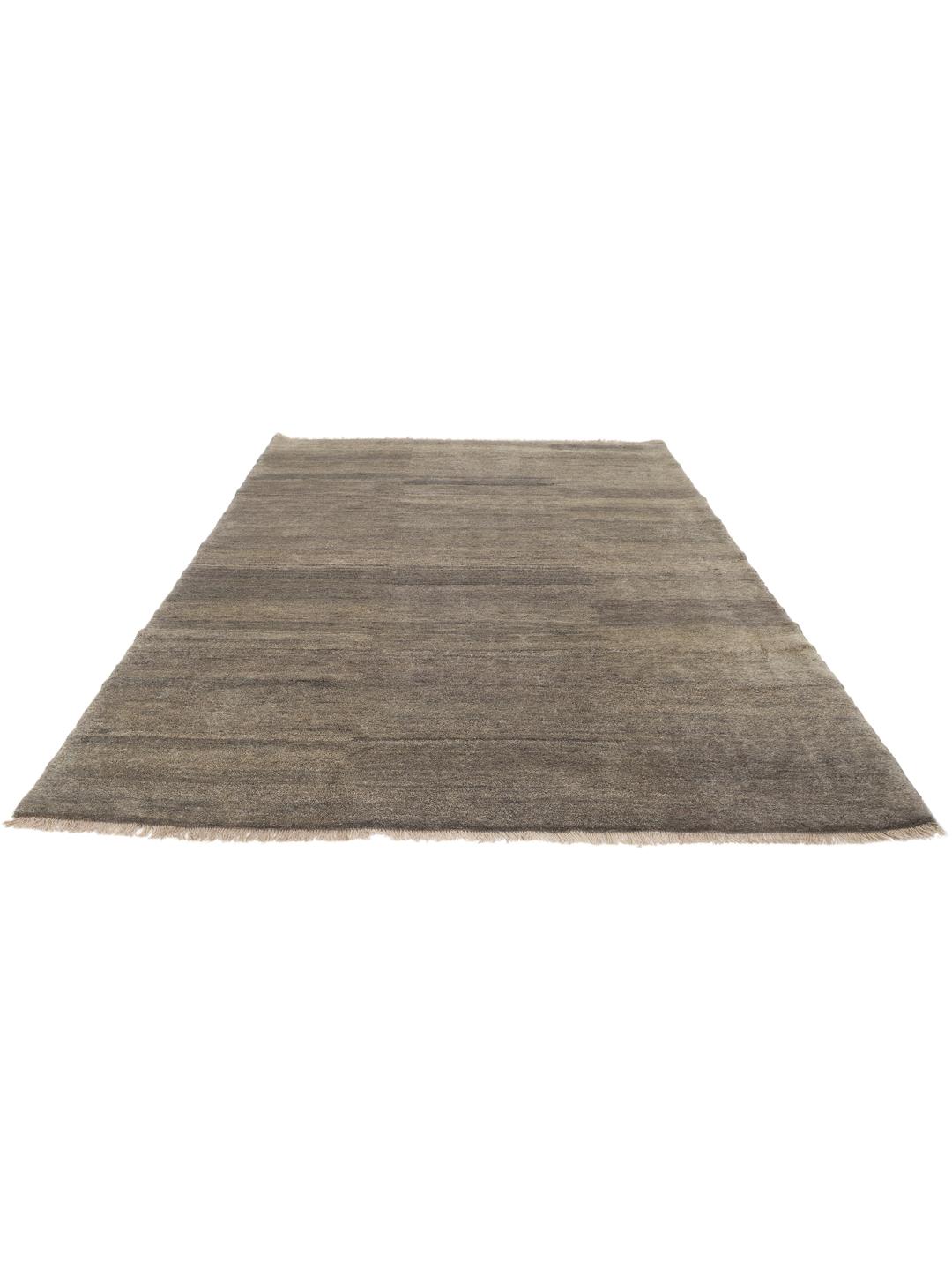
Gabbeh rugs have long been celebrated as the masterpieces of tribal weaving in the Middle East. Originally created by nomadic tribes for their own use, these rugs were designed to provide warmth and comfort in the harsh, varying climates of the region. Unlike more formal, city-made rugs, Gabbeh textiles were deeply personal, often serving as a canvas for the weaver to express their surroundings and inner life through simple, bold forms.
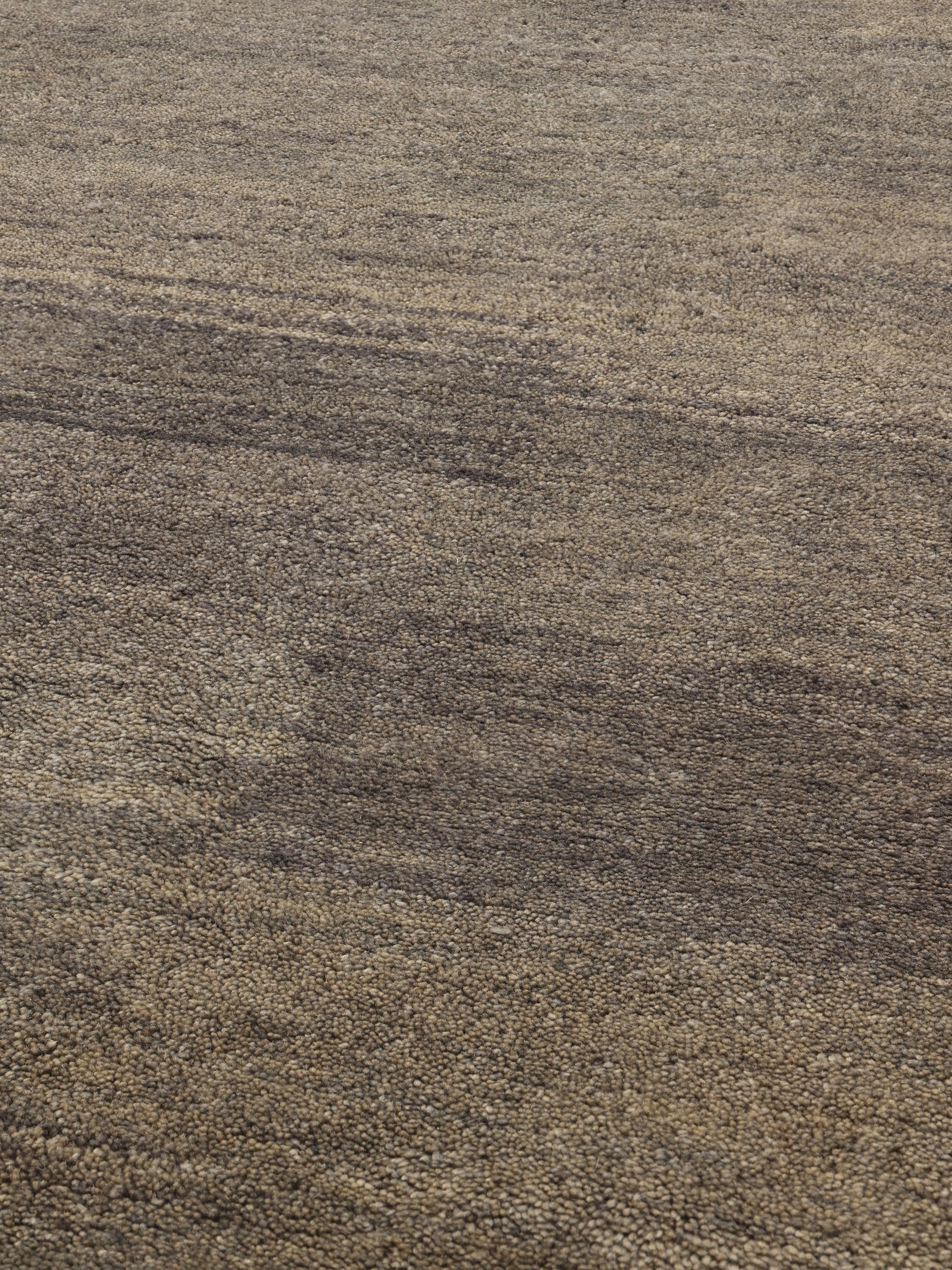
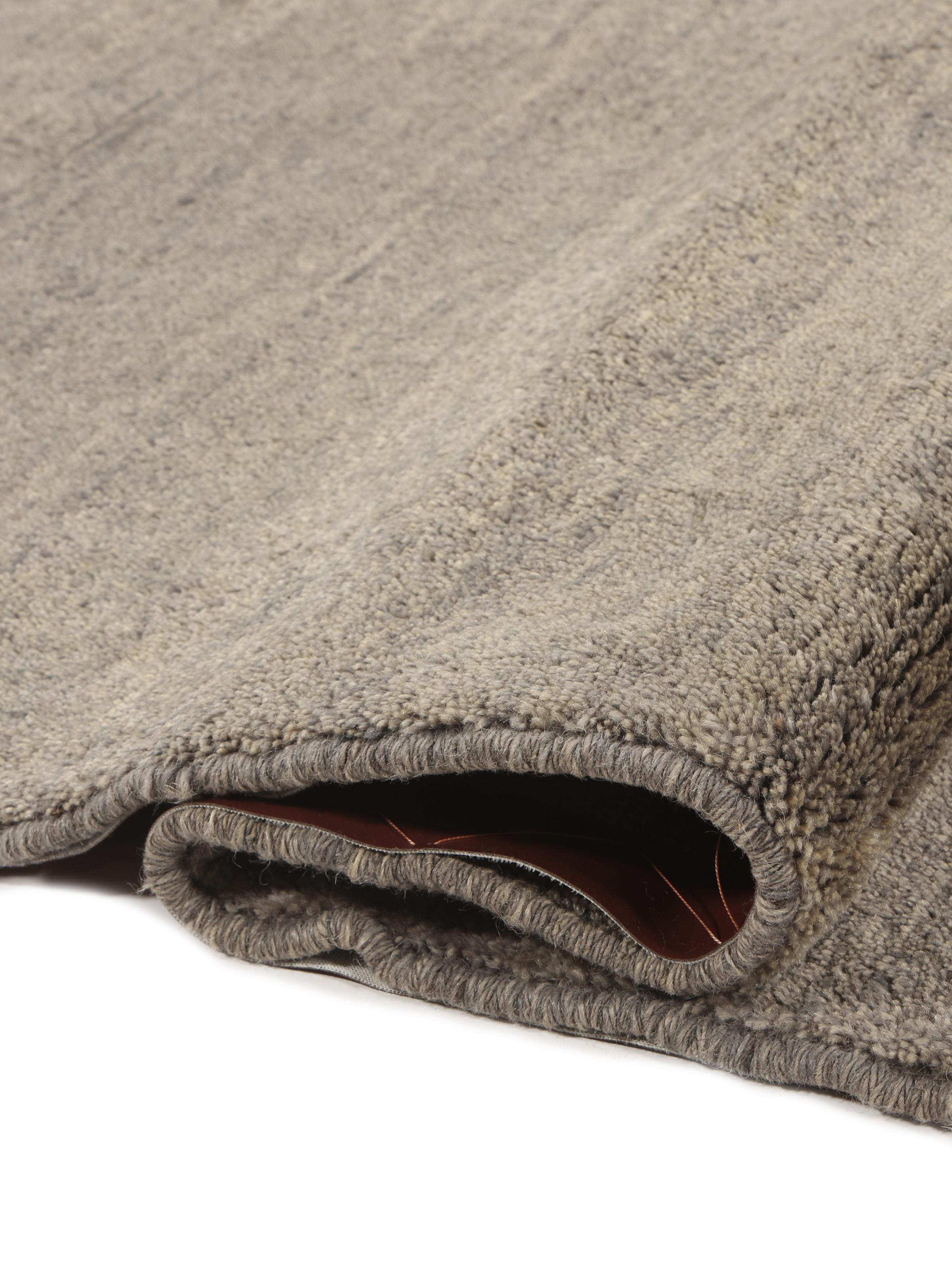
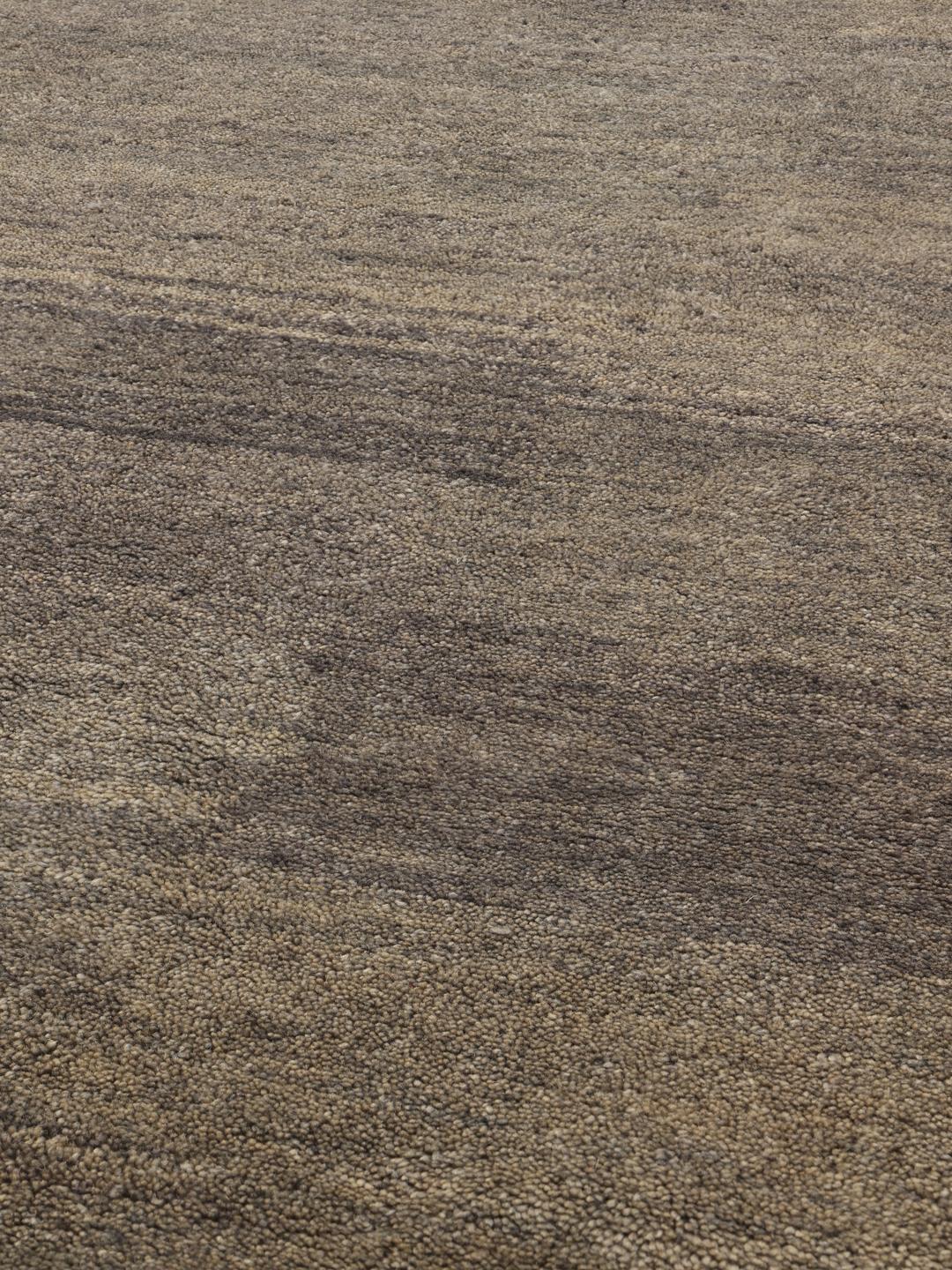
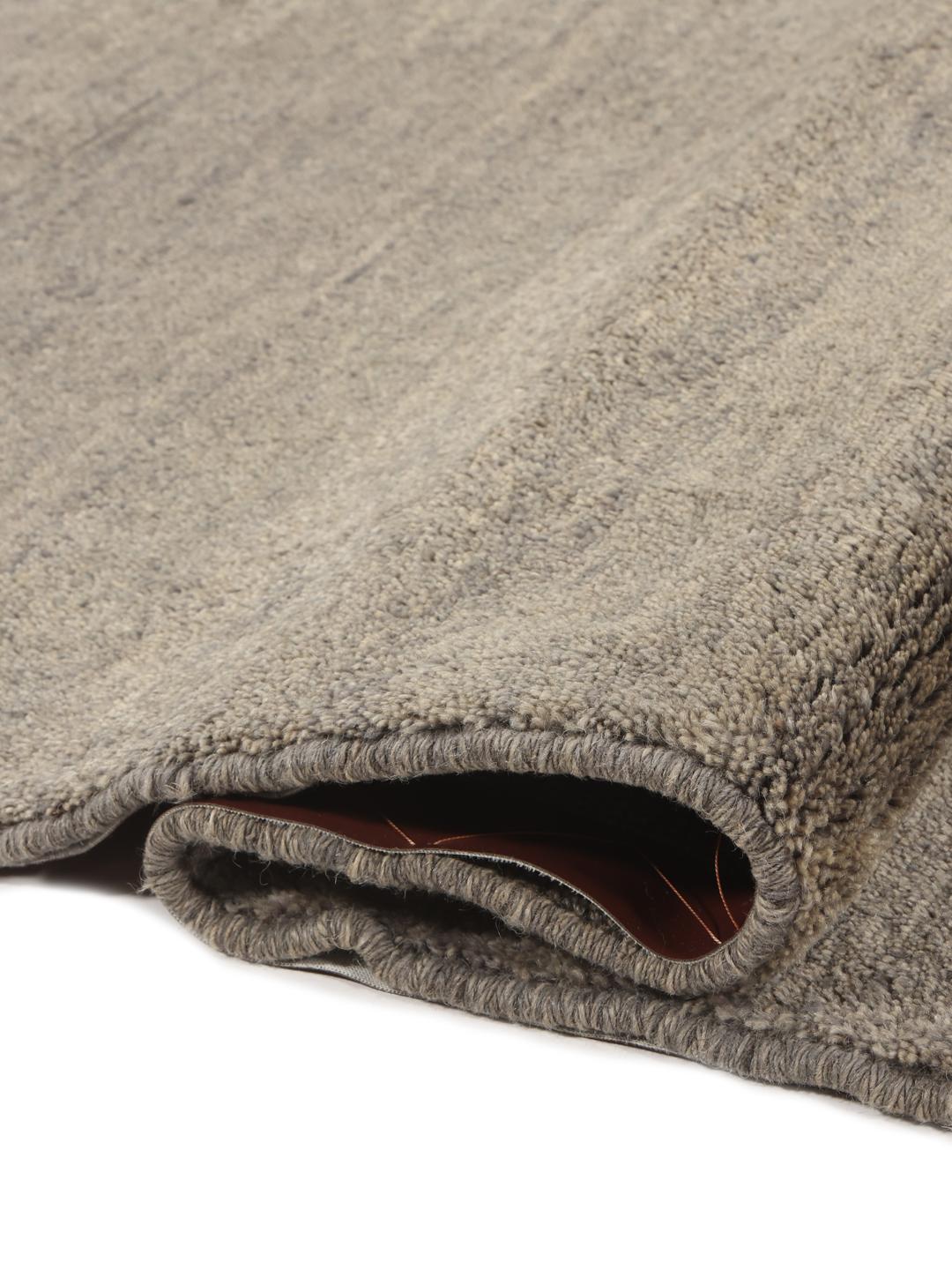
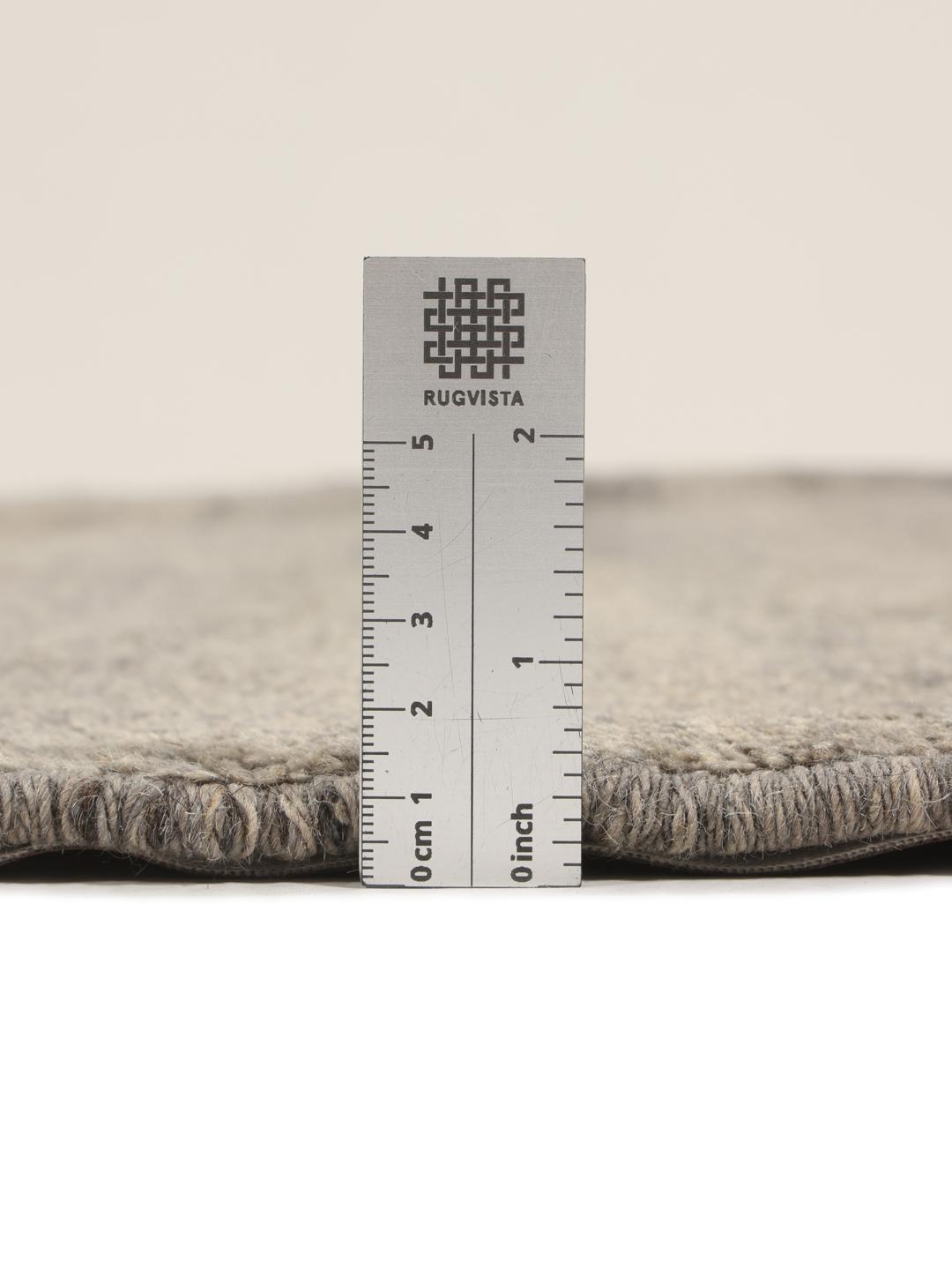
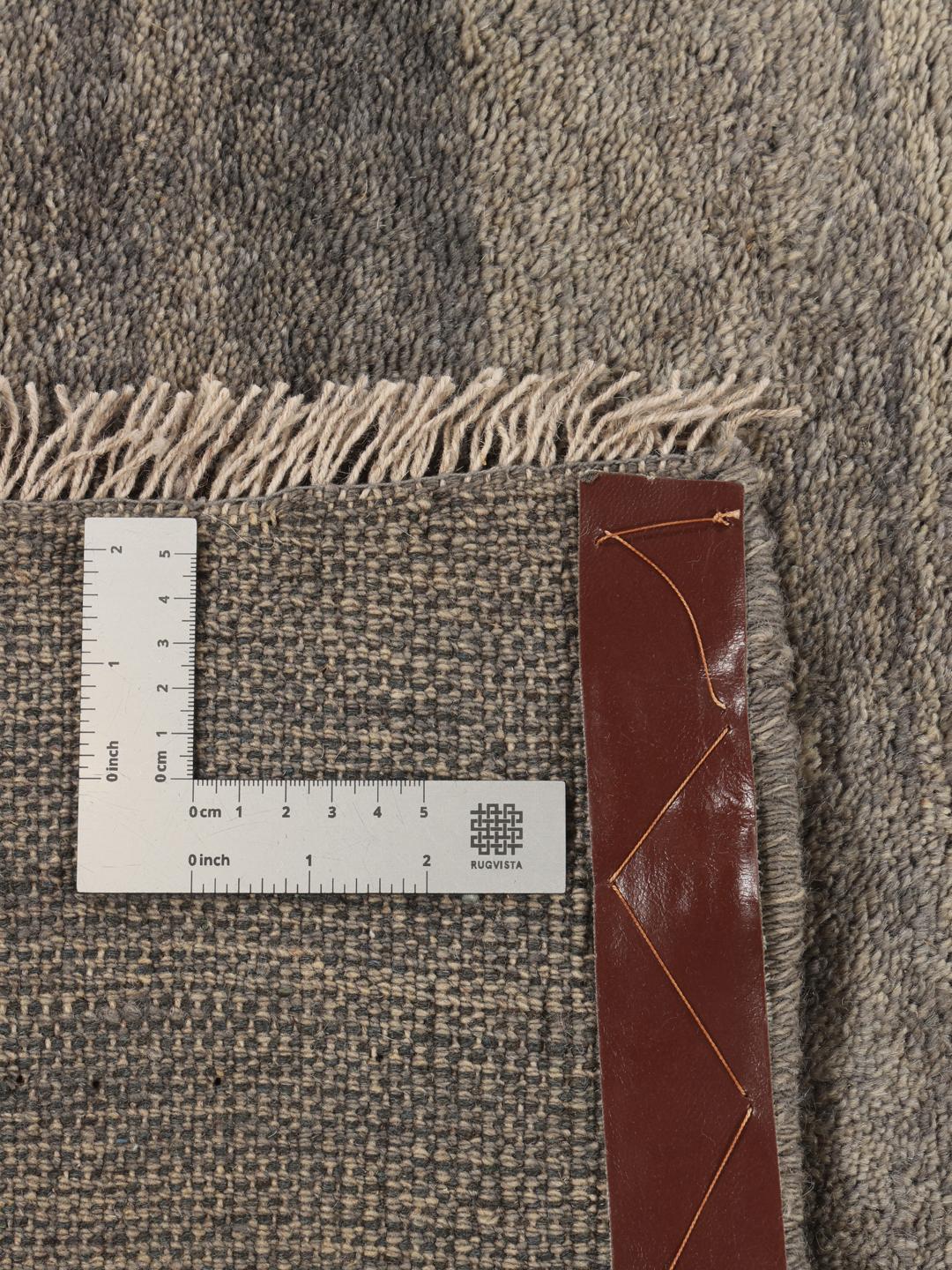
The term 'Fine' in this context refers to the elevated standard of weaving and the careful selection of high-quality wool. While traditional Gabbeh rugs are known for their thicker, more rustic pile, a 'Fine' designation indicates a more refined knotting process that achieves a smoother, more uniform surface while retaining the characteristic softness and depth of the wool. This evolution allows the rug to fit seamlessly into more contemporary settings while honouring its nomadic roots.
Visually, these rugs are defined by their minimalist aesthetic, often favouring vast, open fields of colour over the intricate floral medallions found in other traditions. The use of undyed or naturally dyed wool creates a rich, tonal quality that feels incredibly organic. The subtle variations in shade across the field are not flaws, but rather the hallmark of hand-spun wool and traditional dyeing methods, giving the rug a vibrant, living quality.
Today, owning a Gabbeh Fine rug is an act of preserving a tradition that values human touch over industrial speed. These pieces are highly sought after by collectors who appreciate the blend of raw, tribal heritage and refined craftsmanship. By bringing one into your home, you are acquiring a piece of cultural history that celebrates the enduring skill of the weaver and the timeless appeal of natural, high-quality wool.