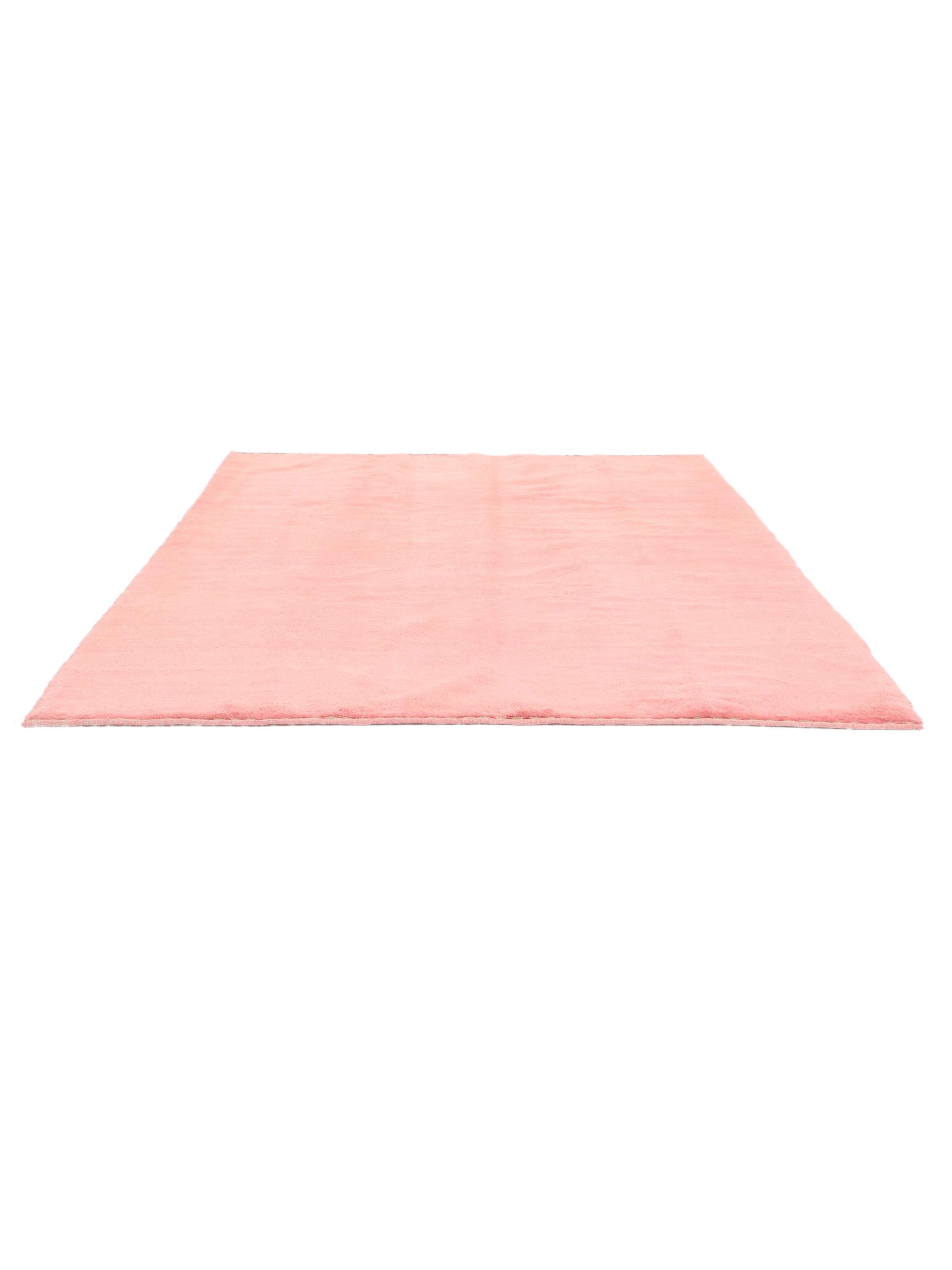
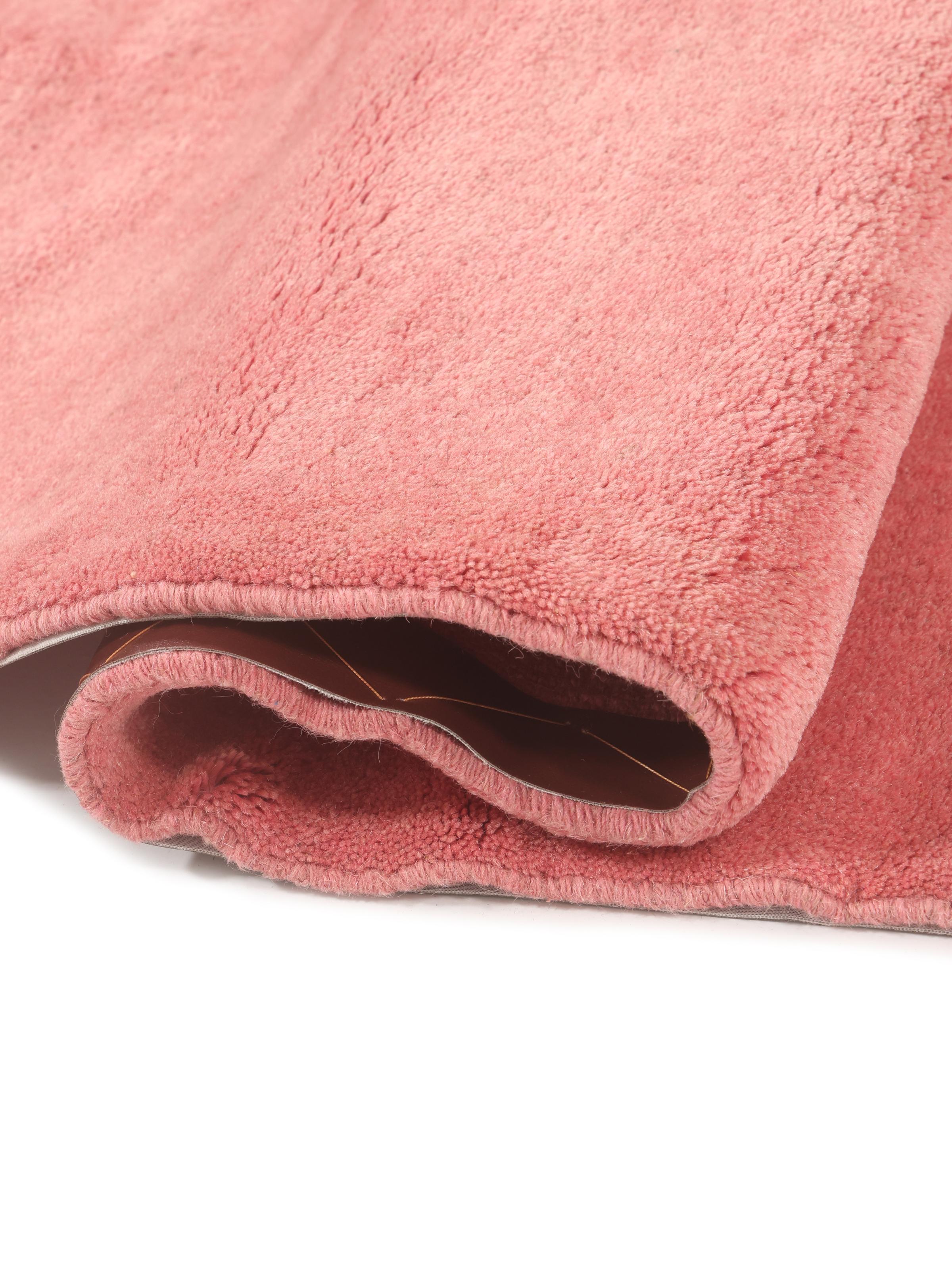
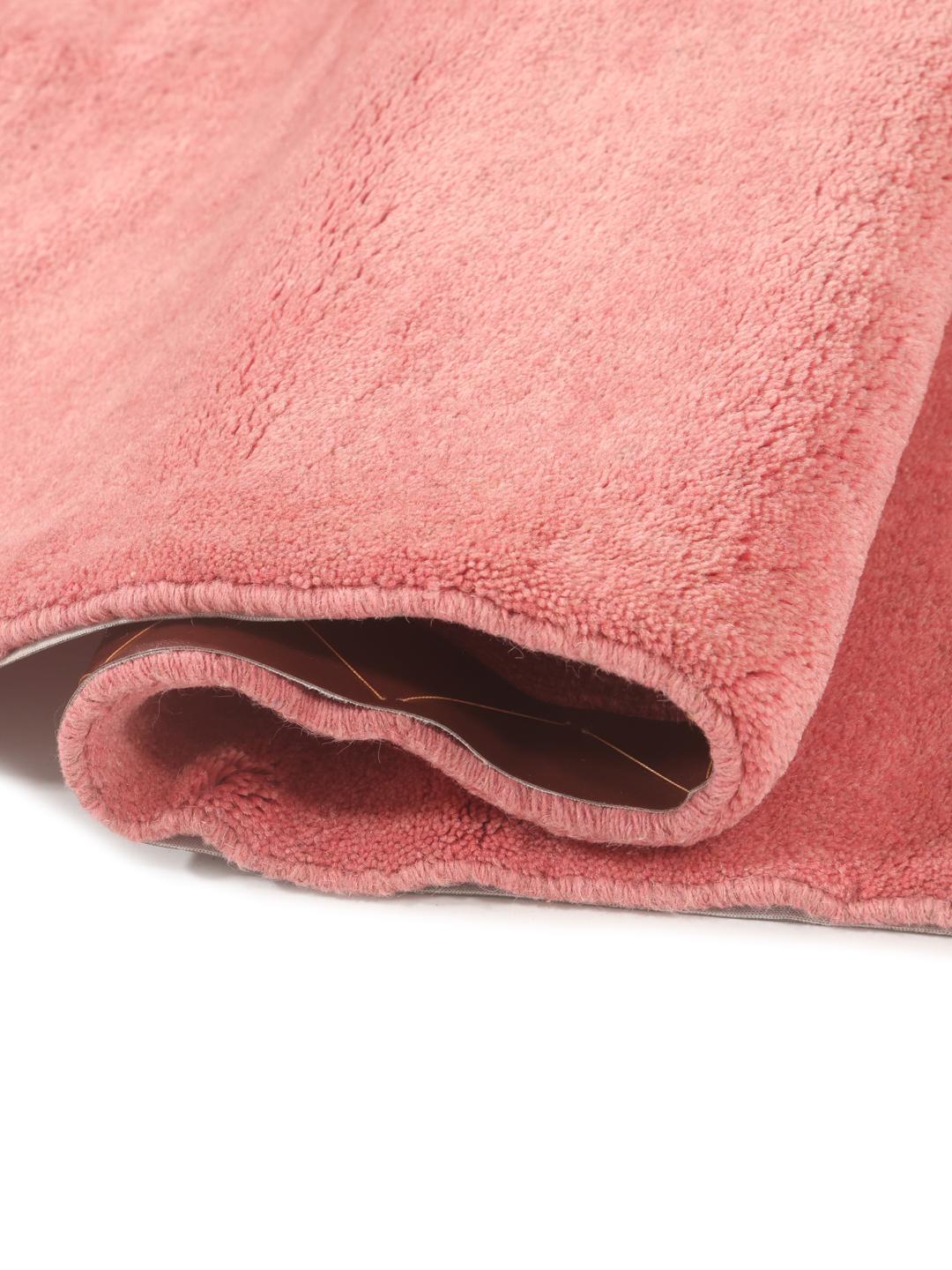
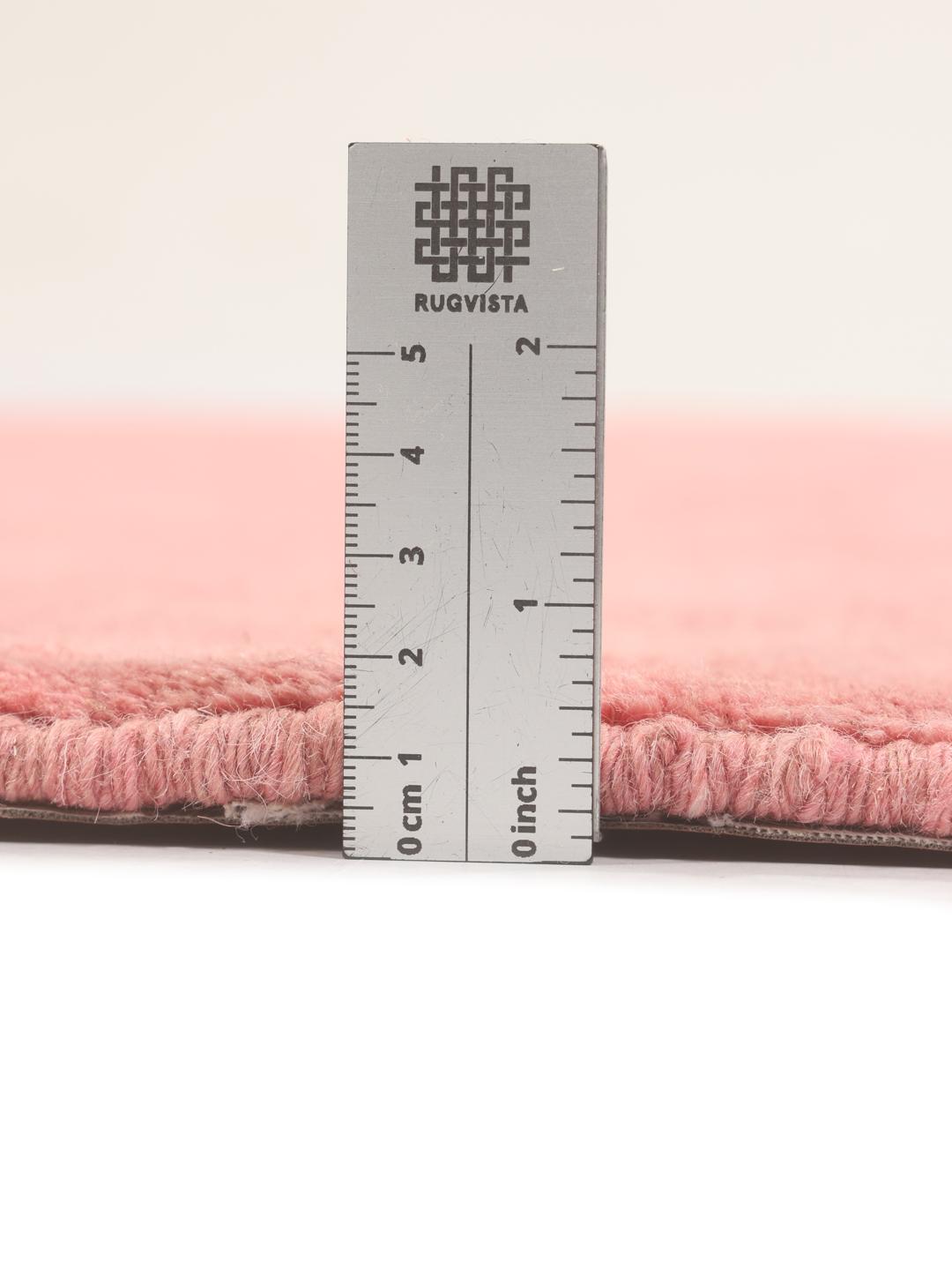
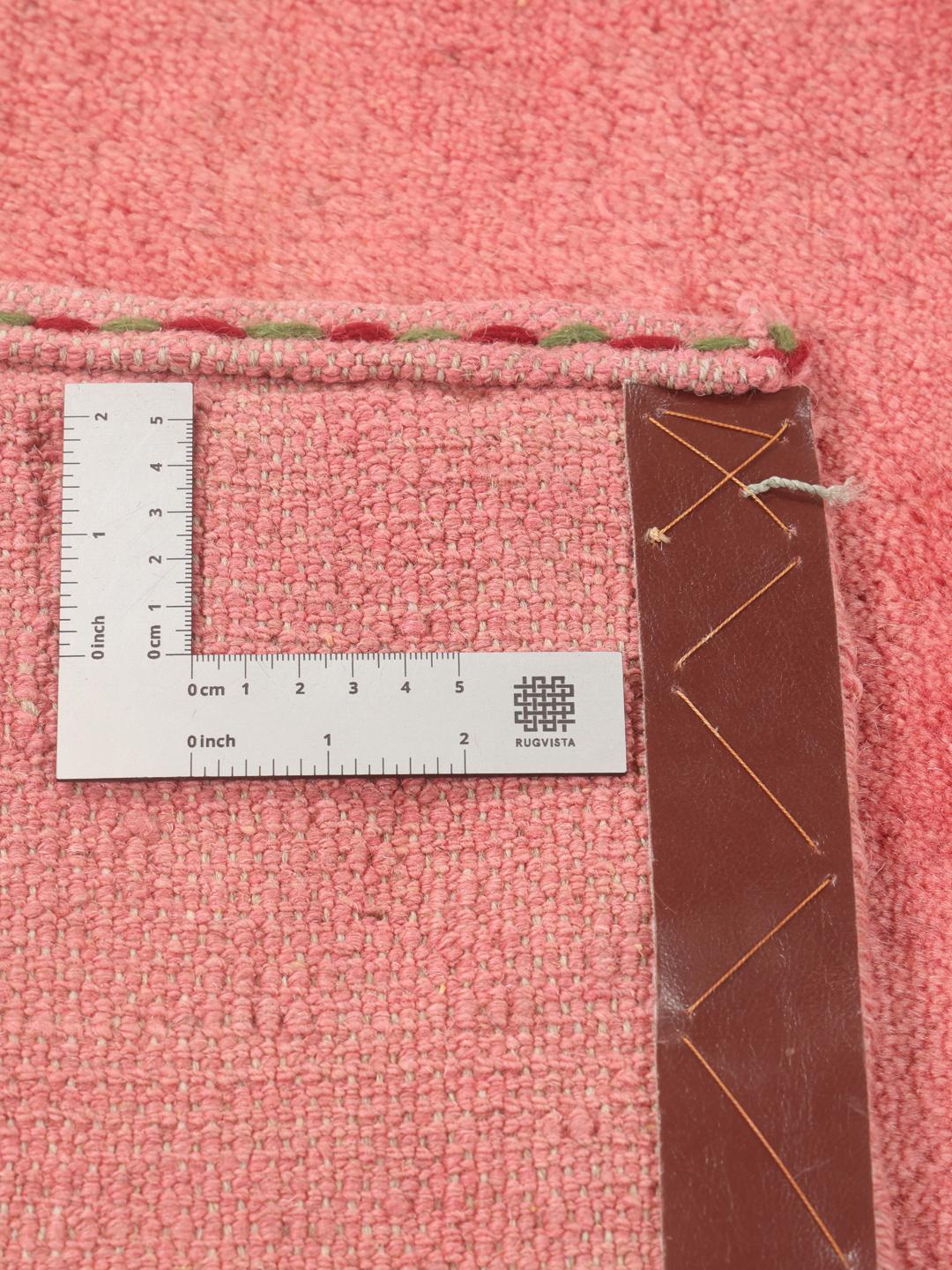
The Gabbeh tradition originates from the nomadic tribes of the Middle East, who historically created these rugs for their own daily use. Unlike more formal, complex designs, the Gabbeh was originally intended as a thick, soft bedding or floor covering, prized for its ability to insulate against the cold and provide comfort in harsh environments.
The term Gabbeh itself implies something raw, natural, or unrefined, reflecting the style's roots in spontaneous, expressive weaving. While these rugs were once kept within the tribe, their honest beauty and deep pile eventually caught the attention of the wider world, leading to their status as beloved collector items that celebrate the spirit of nomadic artistry.
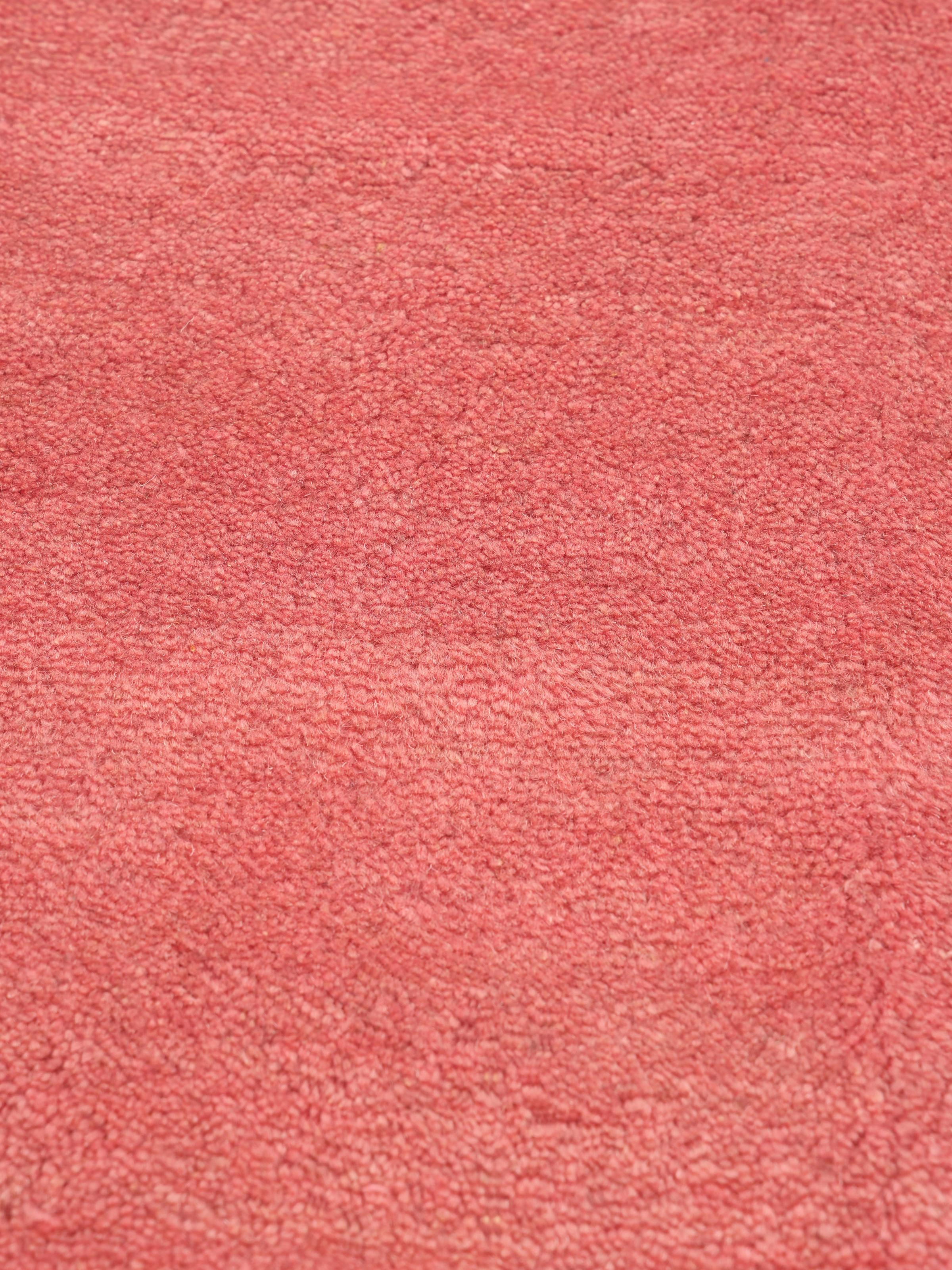
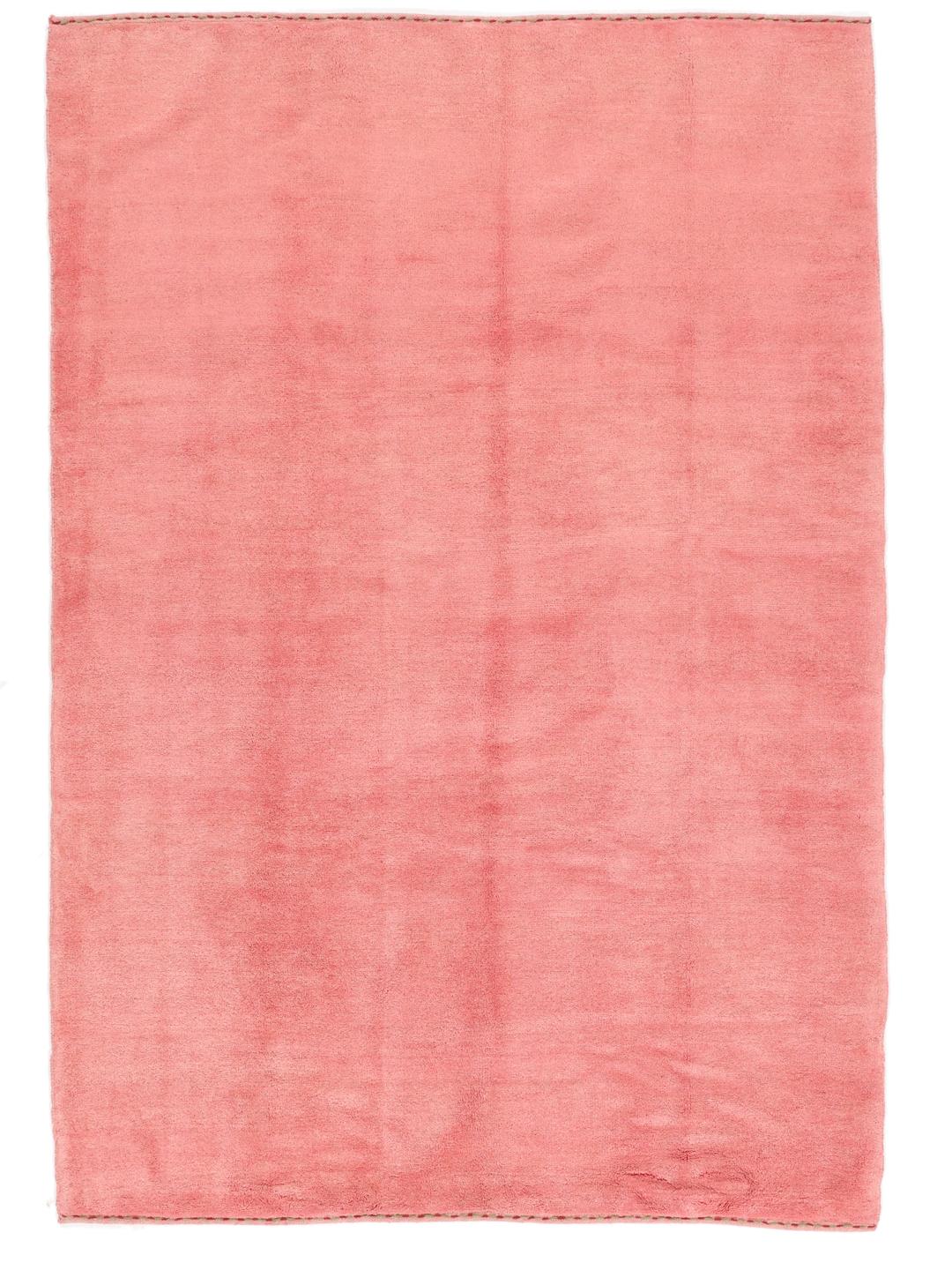
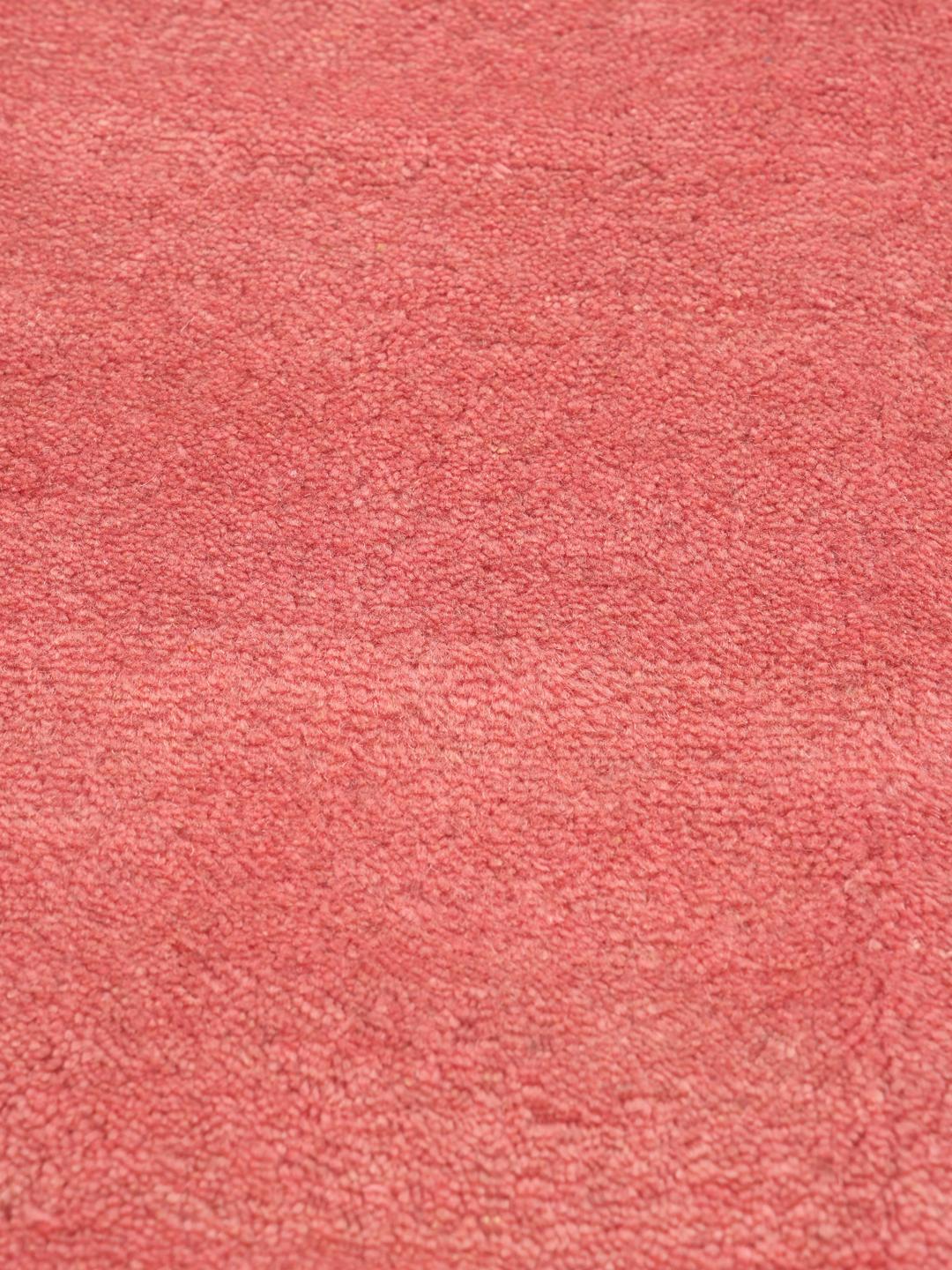
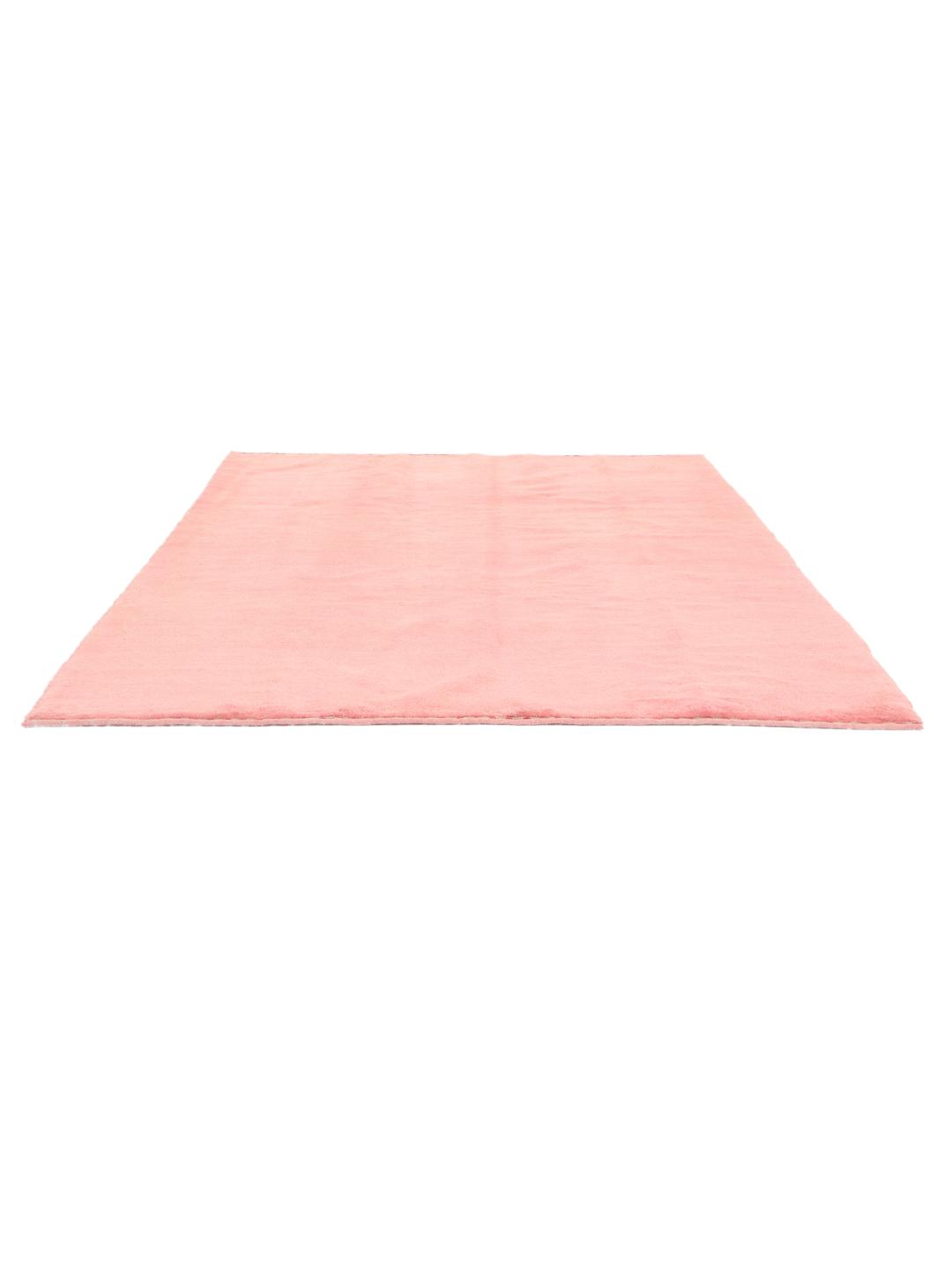
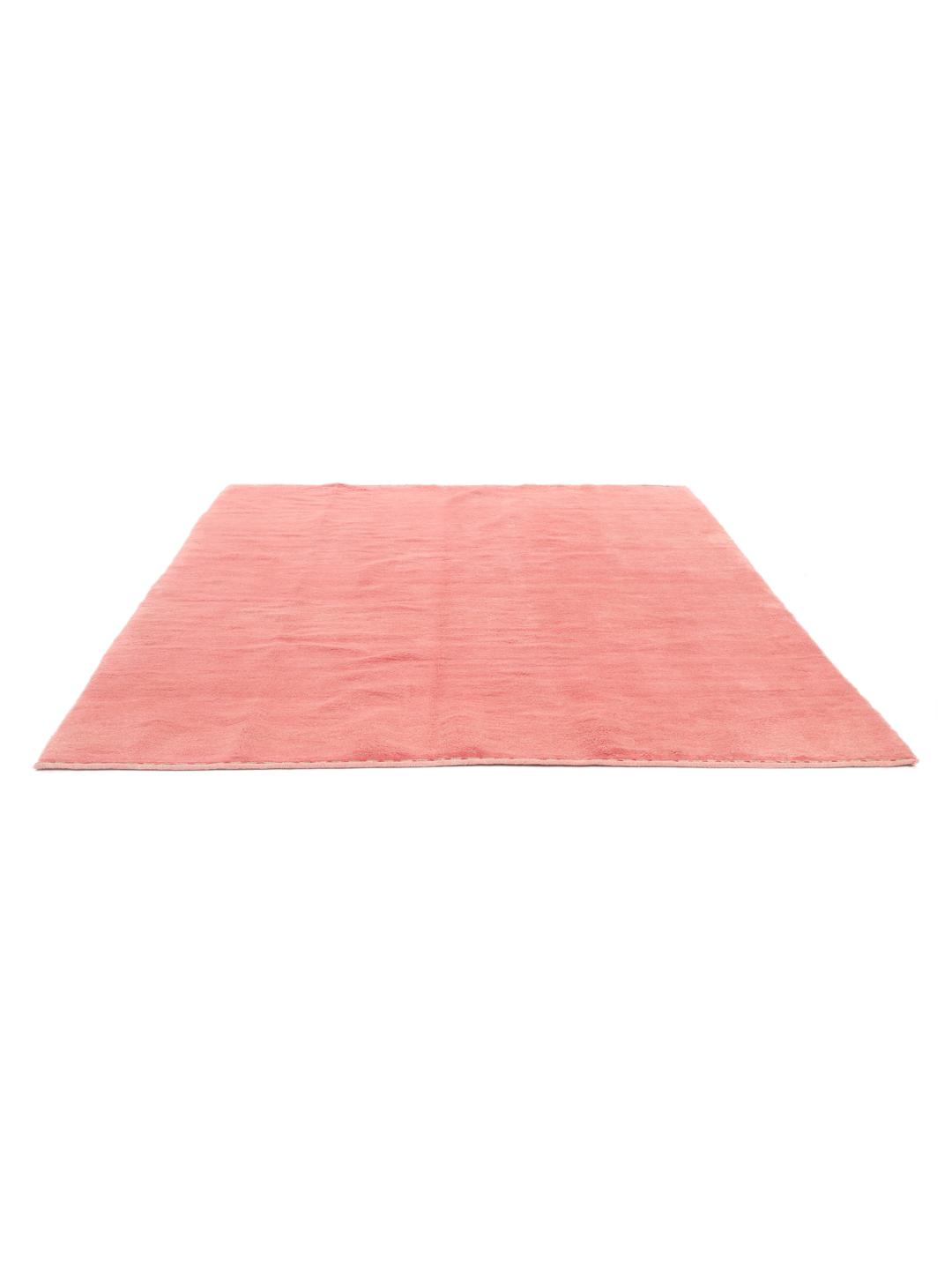
Visually, these rugs are defined by their simplicity. While many traditions rely on intricate, repeating motifs, the Gabbeh often features wide fields of solid colour or very sparse, symbolic geometric elements. This focus on the field allows the natural variations in the wool and the depth of the dye to take centre stage, creating a visual calm that is distinct from more ornate styles.
Owning a piece from this tradition is an invitation to connect with a history of resourcefulness and creative freedom. Each rug serves as a testament to the weaver's individual choice, making it a valuable addition for those who appreciate the heritage of hand-crafted goods and the enduring appeal of items made with human intuition.