The Gabbeh rug tradition originates from the nomadic tribes of the Middle East, who have long woven these pieces for their own personal use. Unlike more formal, complex rugs, the Gabbeh was historically created with a focus on simplicity, comfort, and the personal expression of the weaver, often using hand-spun, locally sourced wool.
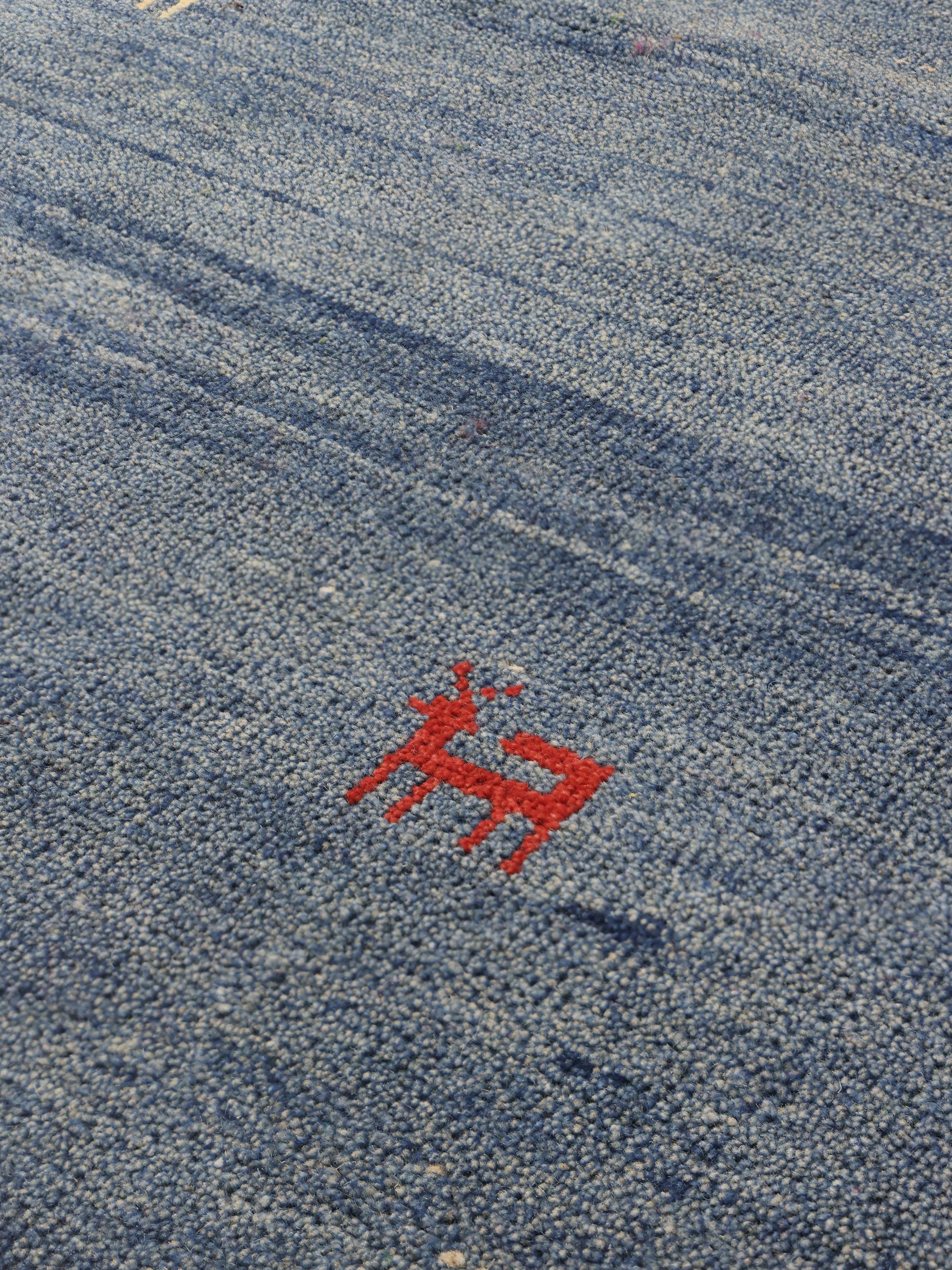
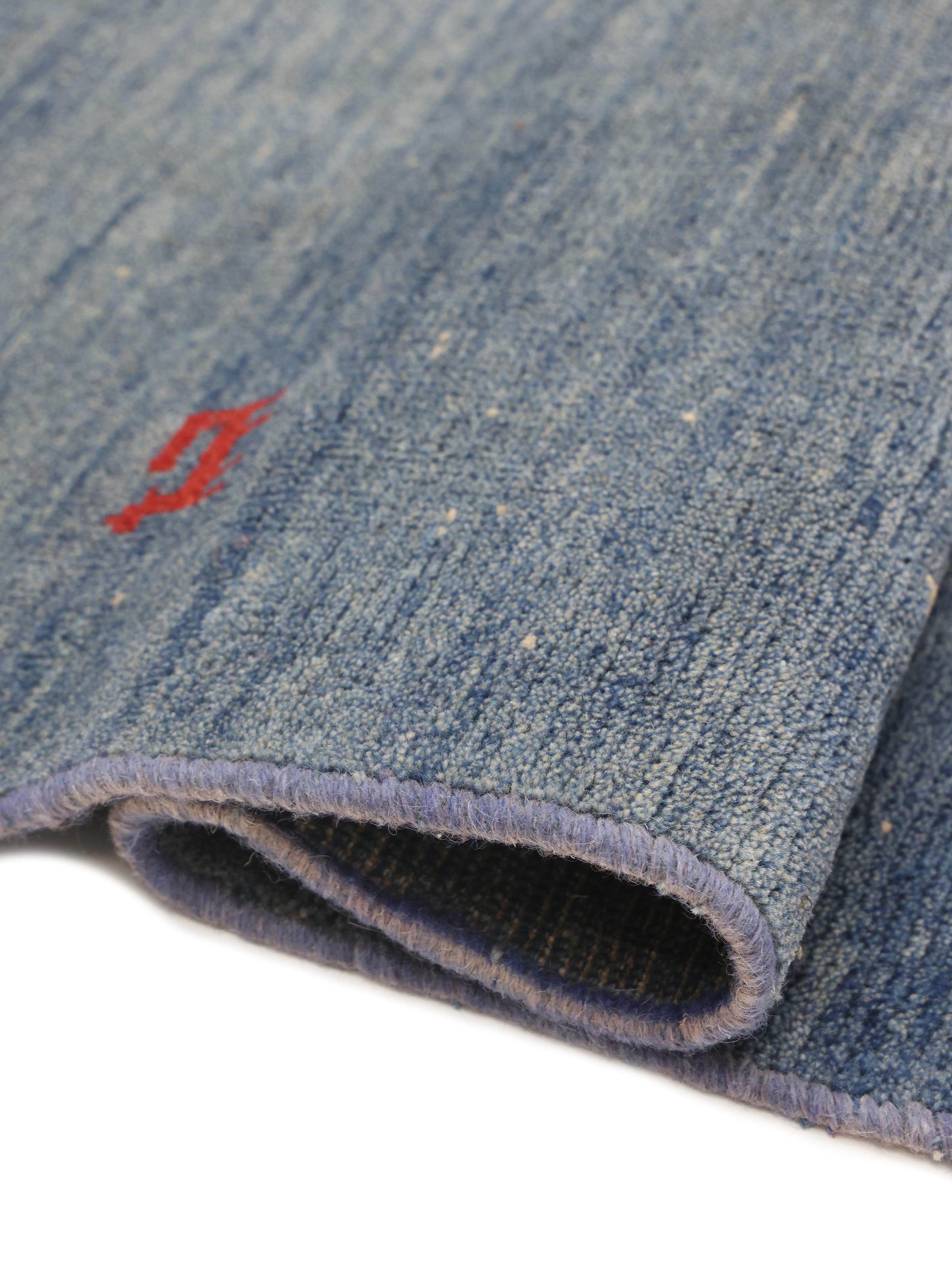
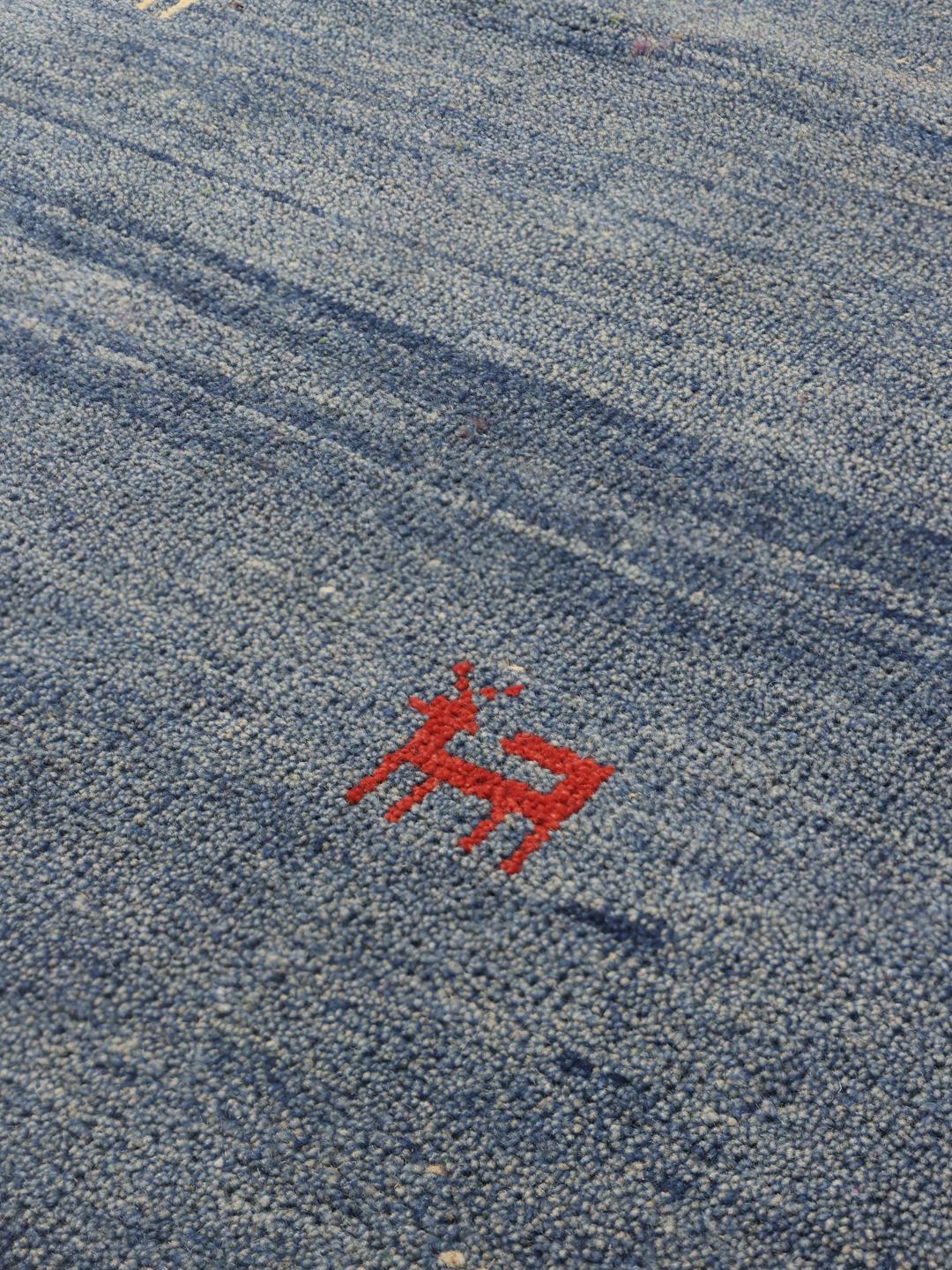
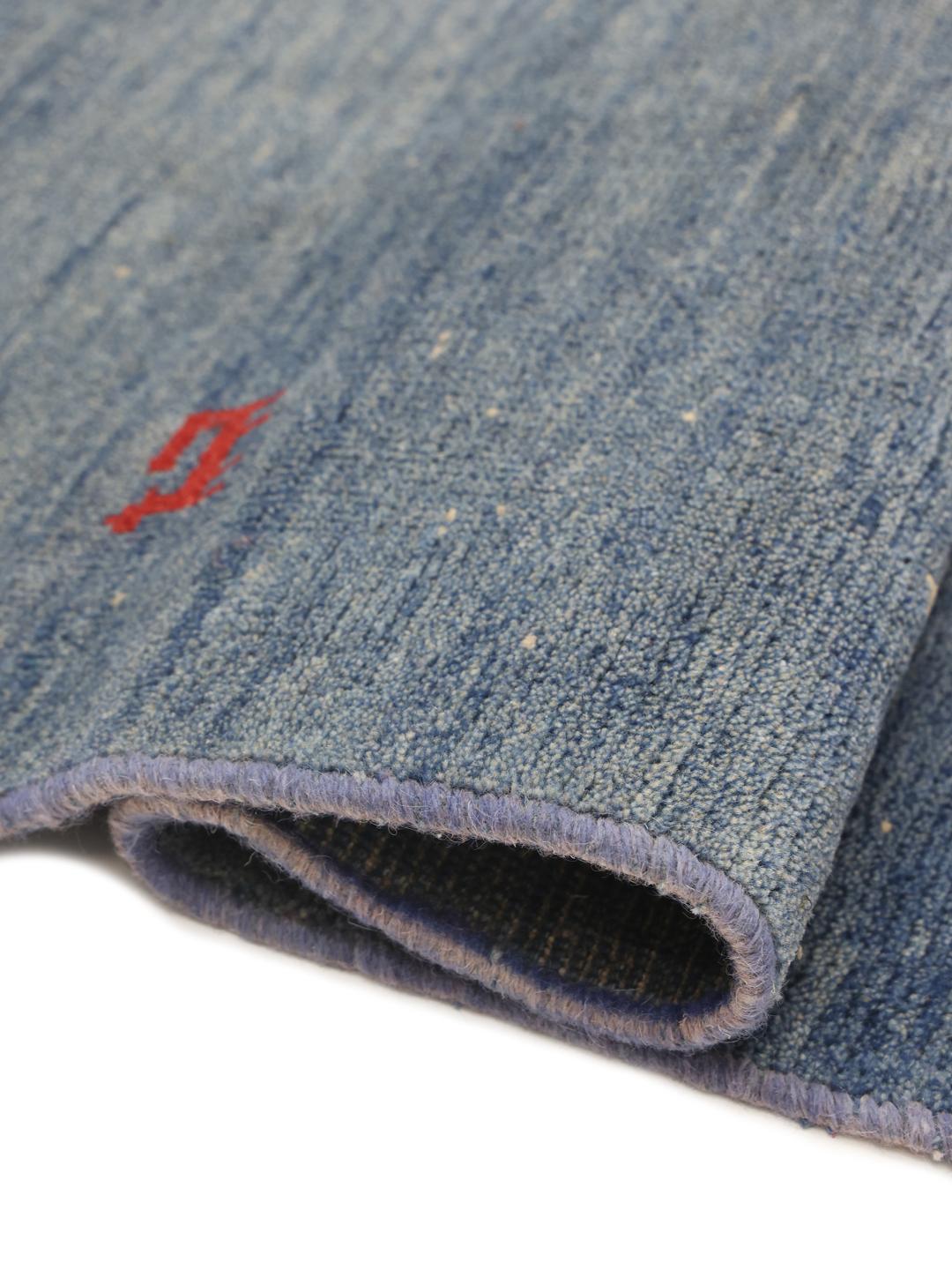
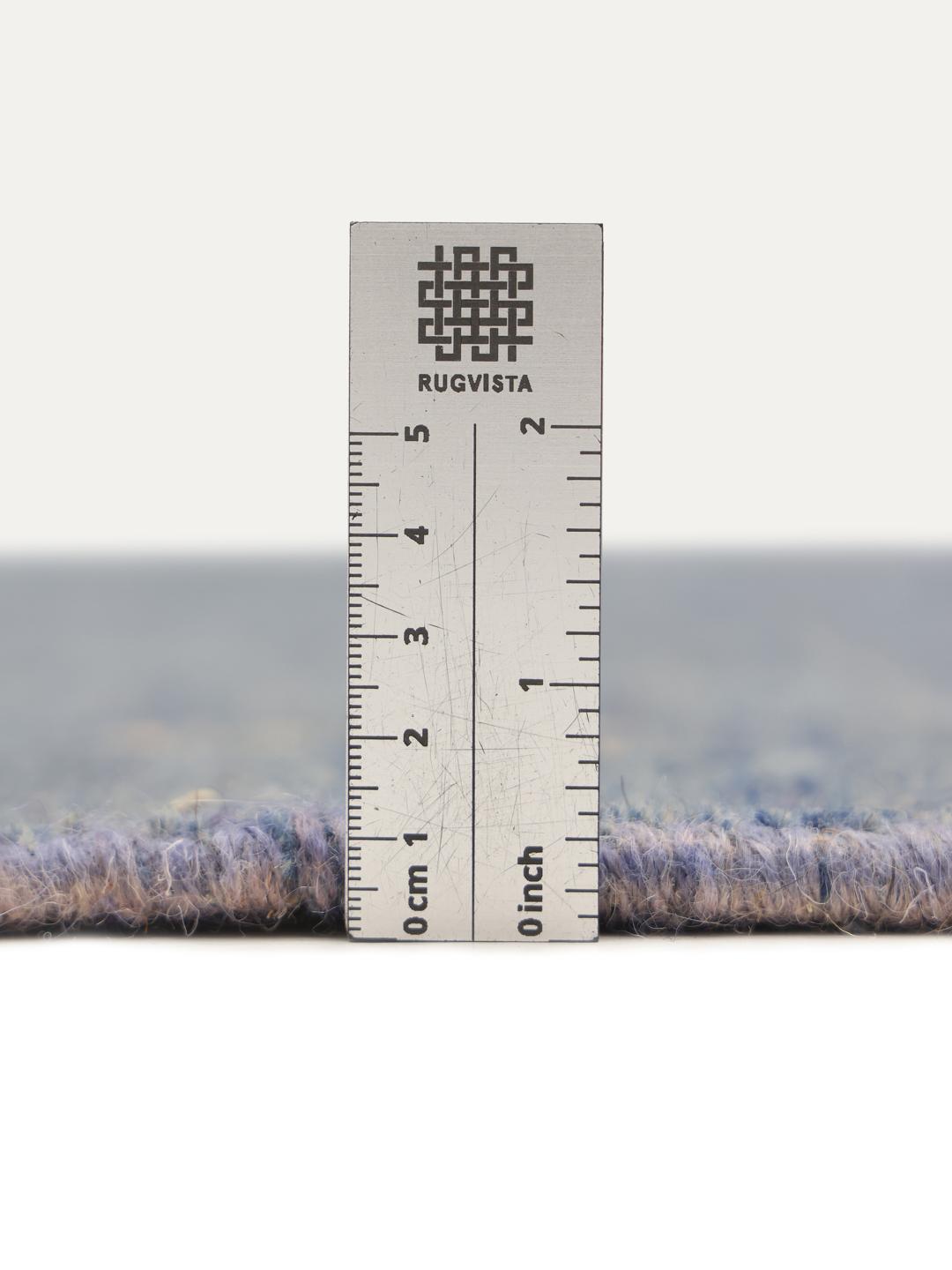
The term 'Gabbeh' itself translates to 'raw' or 'natural', reflecting the tradition's emphasis on simplicity and the use of natural dyes. These rugs were traditionally made with a thicker pile, designed to provide warmth and protection on the floors of nomadic tents, which is why they are so prized today for their luxurious, soft texture.
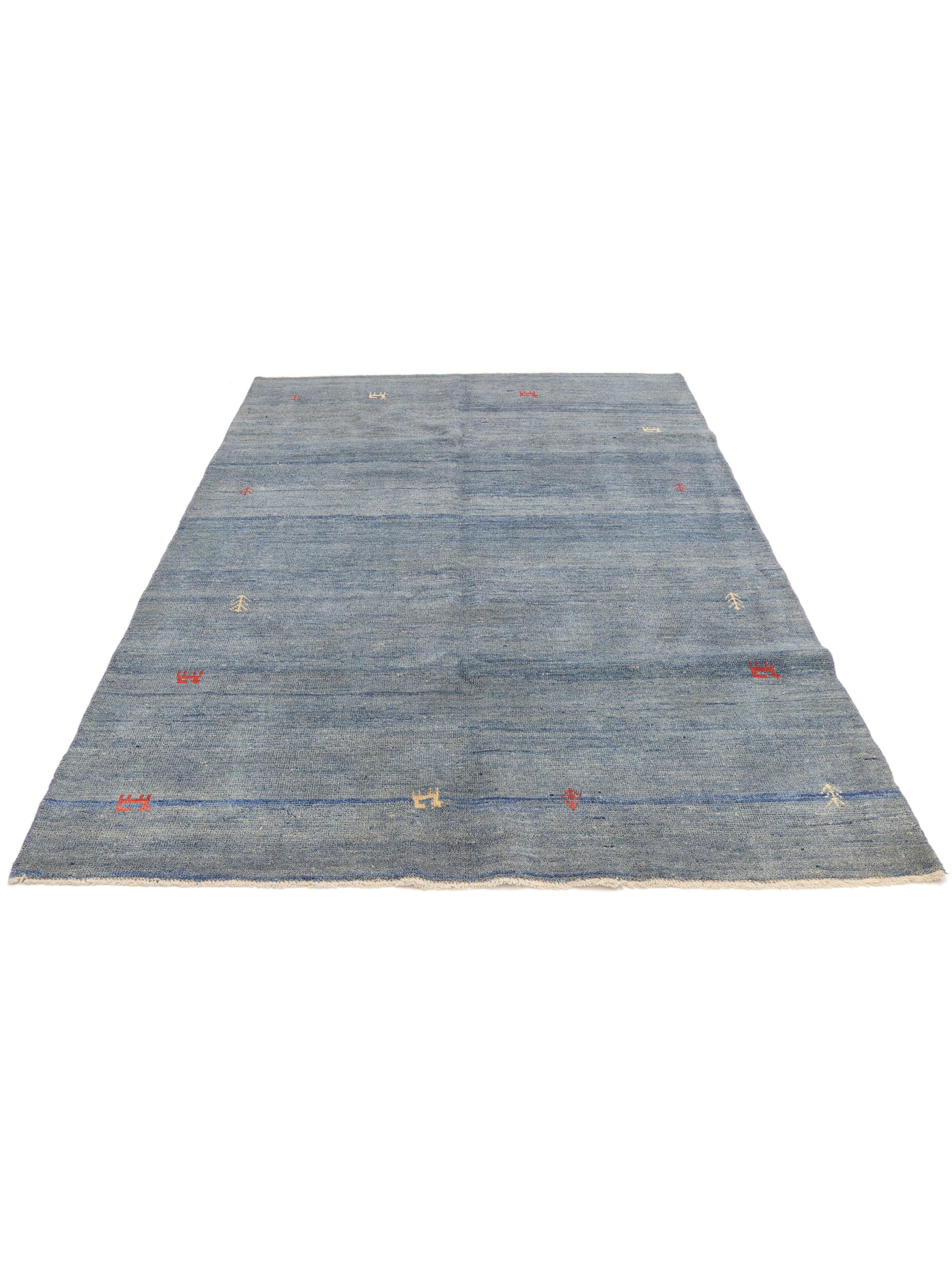
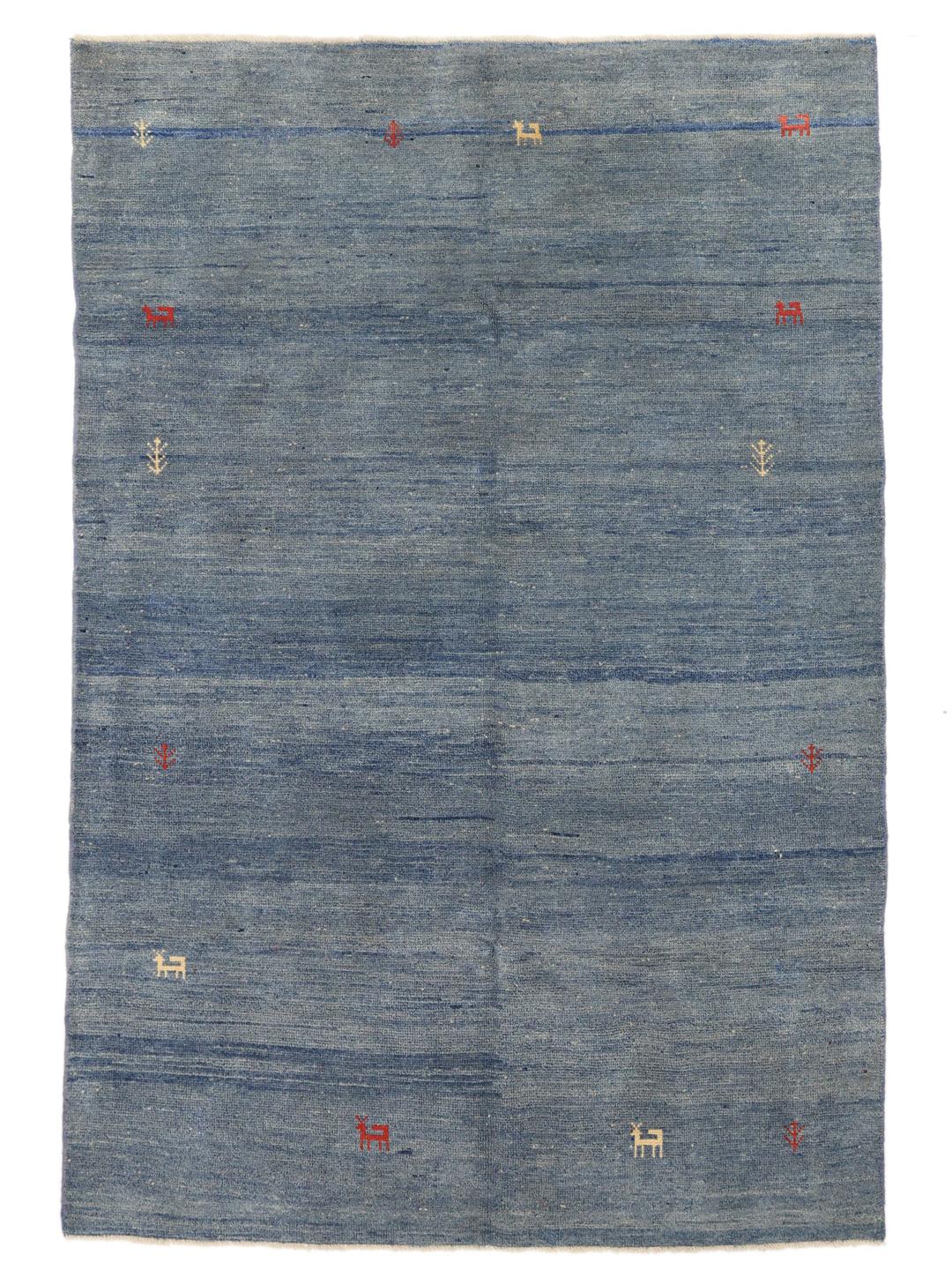
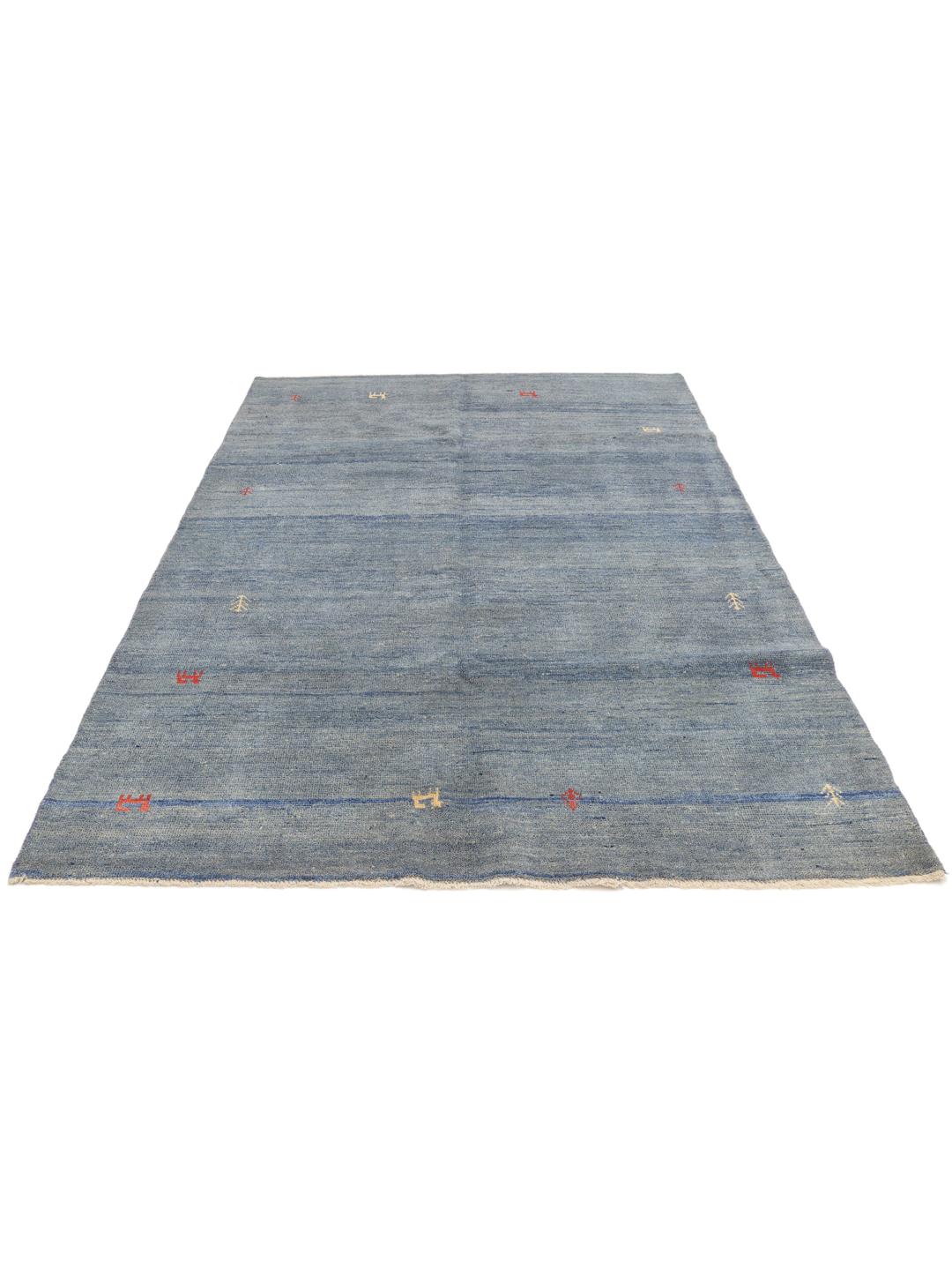
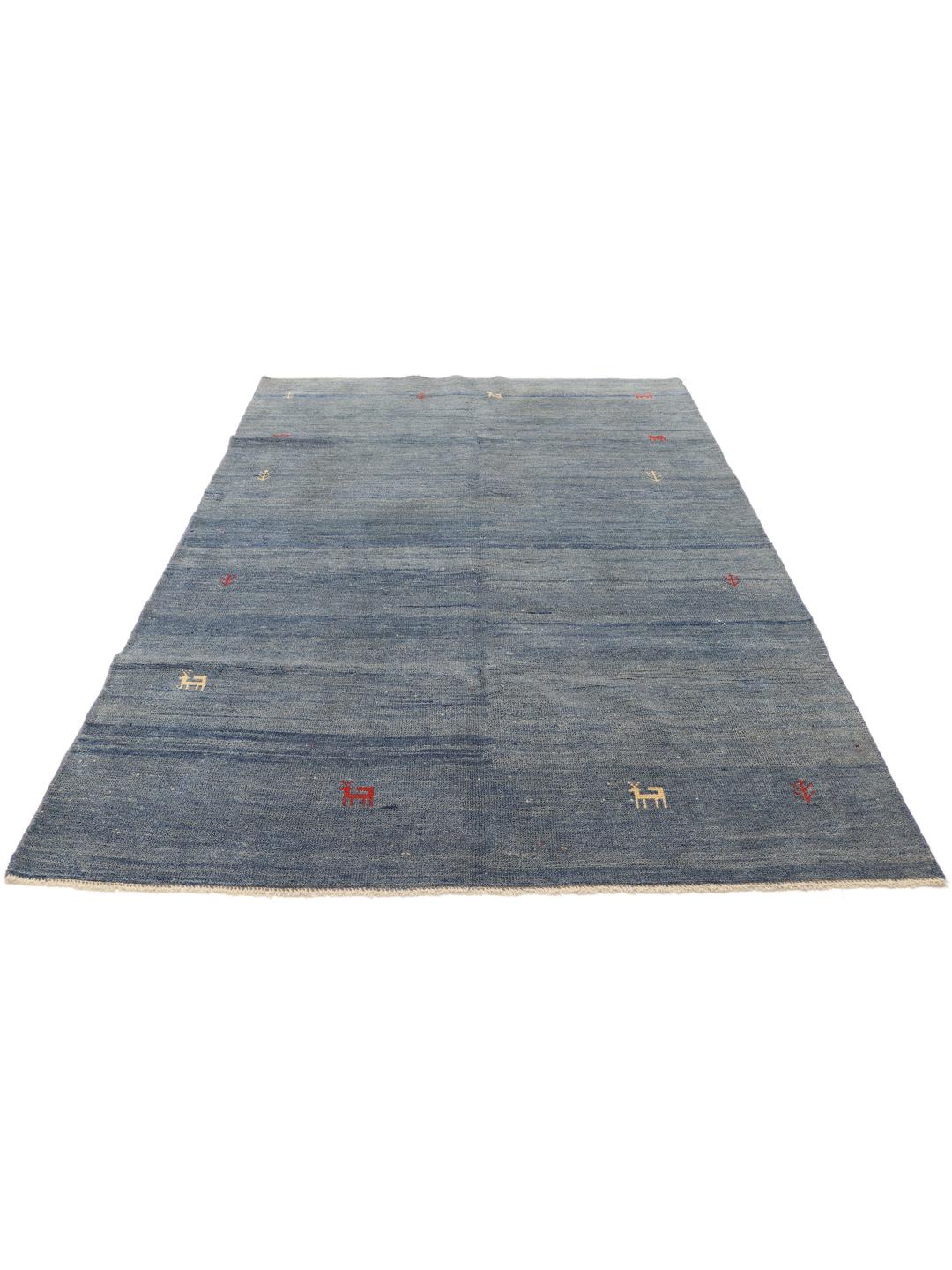
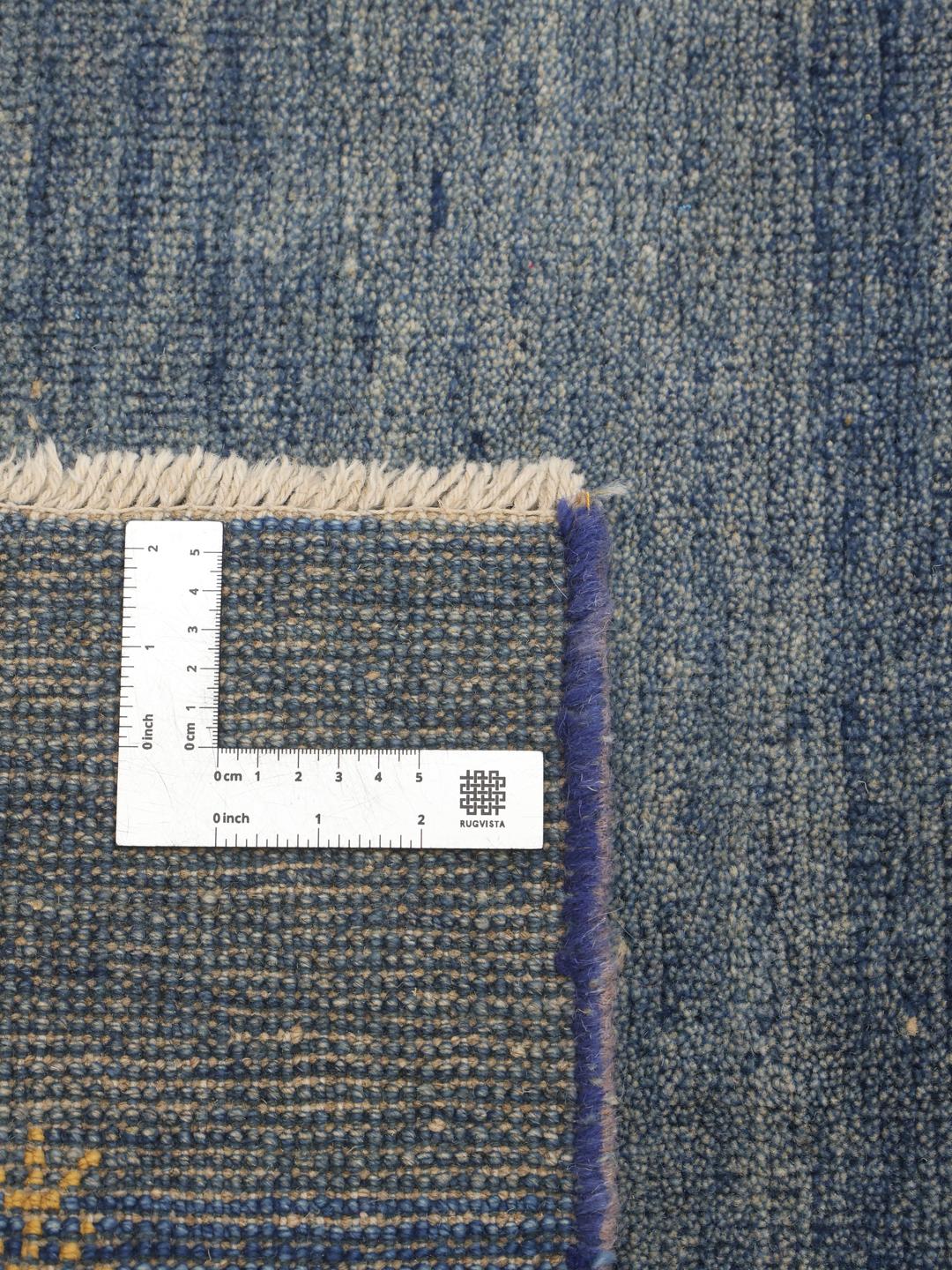
Design-wise, these rugs are known for their minimalist approach, often featuring large, open fields of solid or subtly variegated colours. When motifs are present, they are usually sparse and symbolic, depicting animals, plants, or abstract shapes that hold personal meaning for the weaver, much like the charming elements found in this piece.
Today, these rugs are highly sought after by collectors who value the intersection of ancient craft and modern design. Owning a piece from this tradition is an opportunity to connect with a centuries-old way of life, where every knot represents a human connection to the land and a commitment to enduring quality.