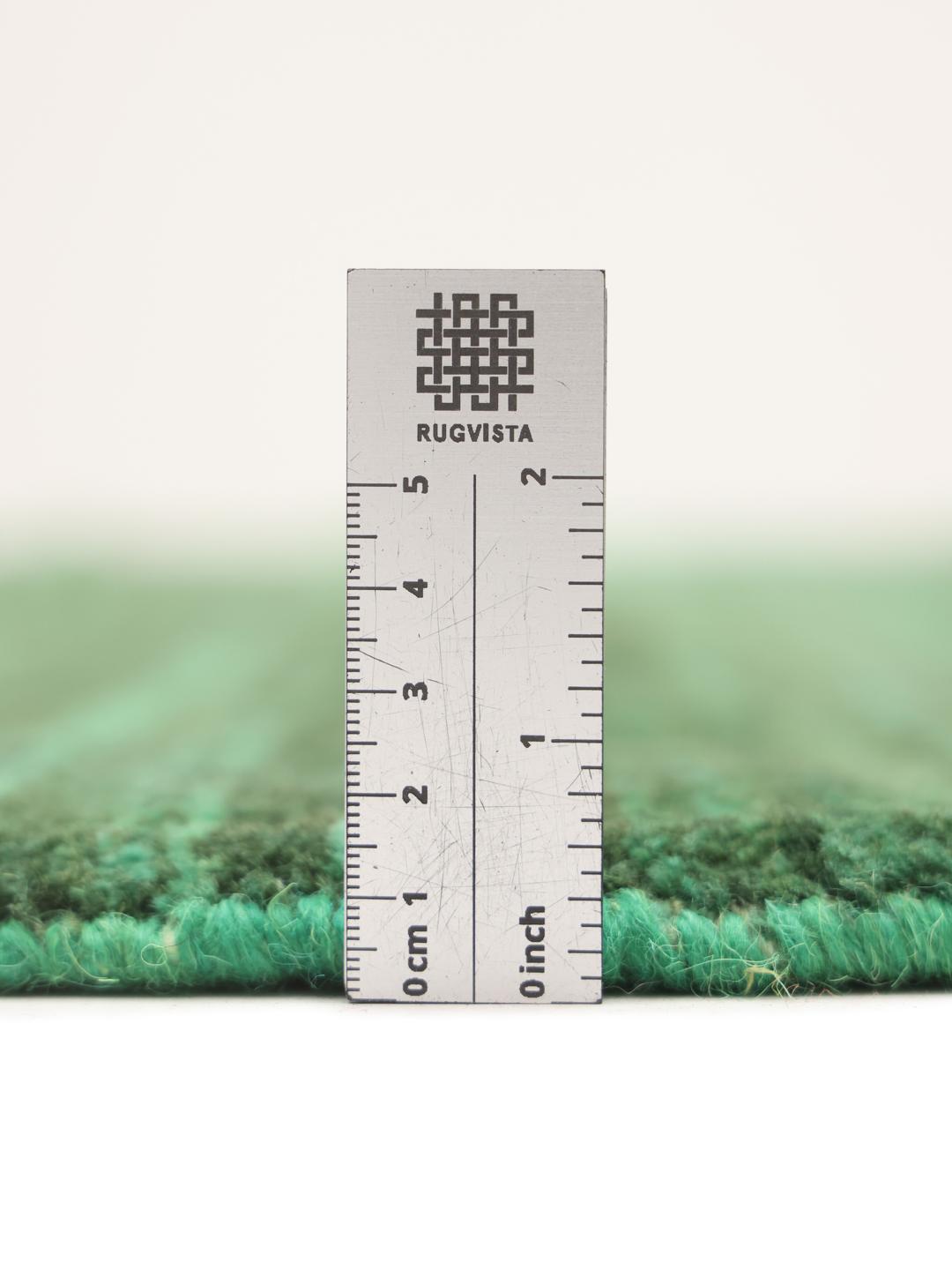
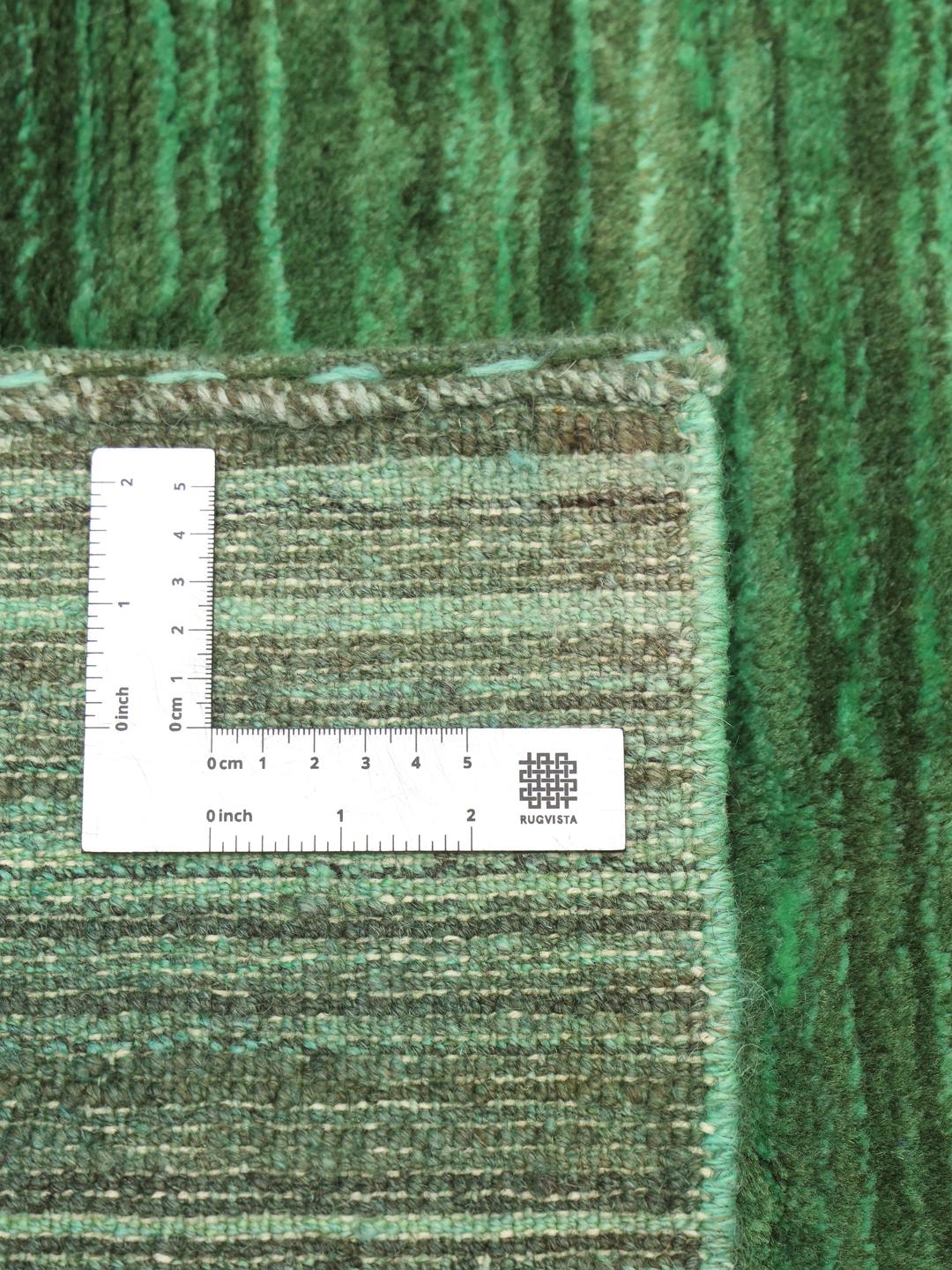
The Gabbeh tradition traces its roots to the nomadic and semi-nomadic tribes of the Middle East, where these rugs were originally woven for personal use rather than for trade. Unlike formal, city-made rugs, these pieces were designed to provide warmth and comfort in harsh, rugged environments, serving as essential bedding and floor coverings.
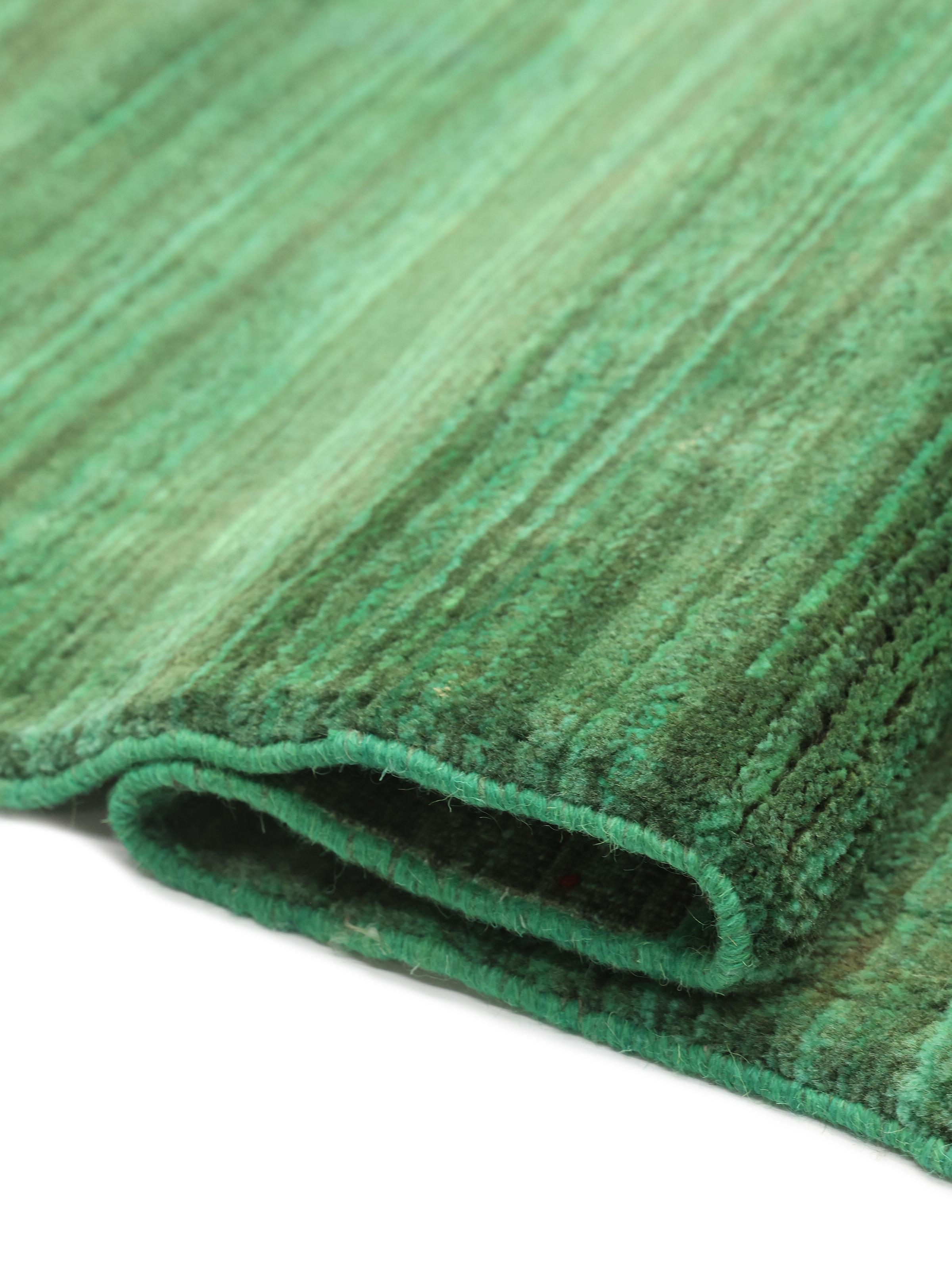
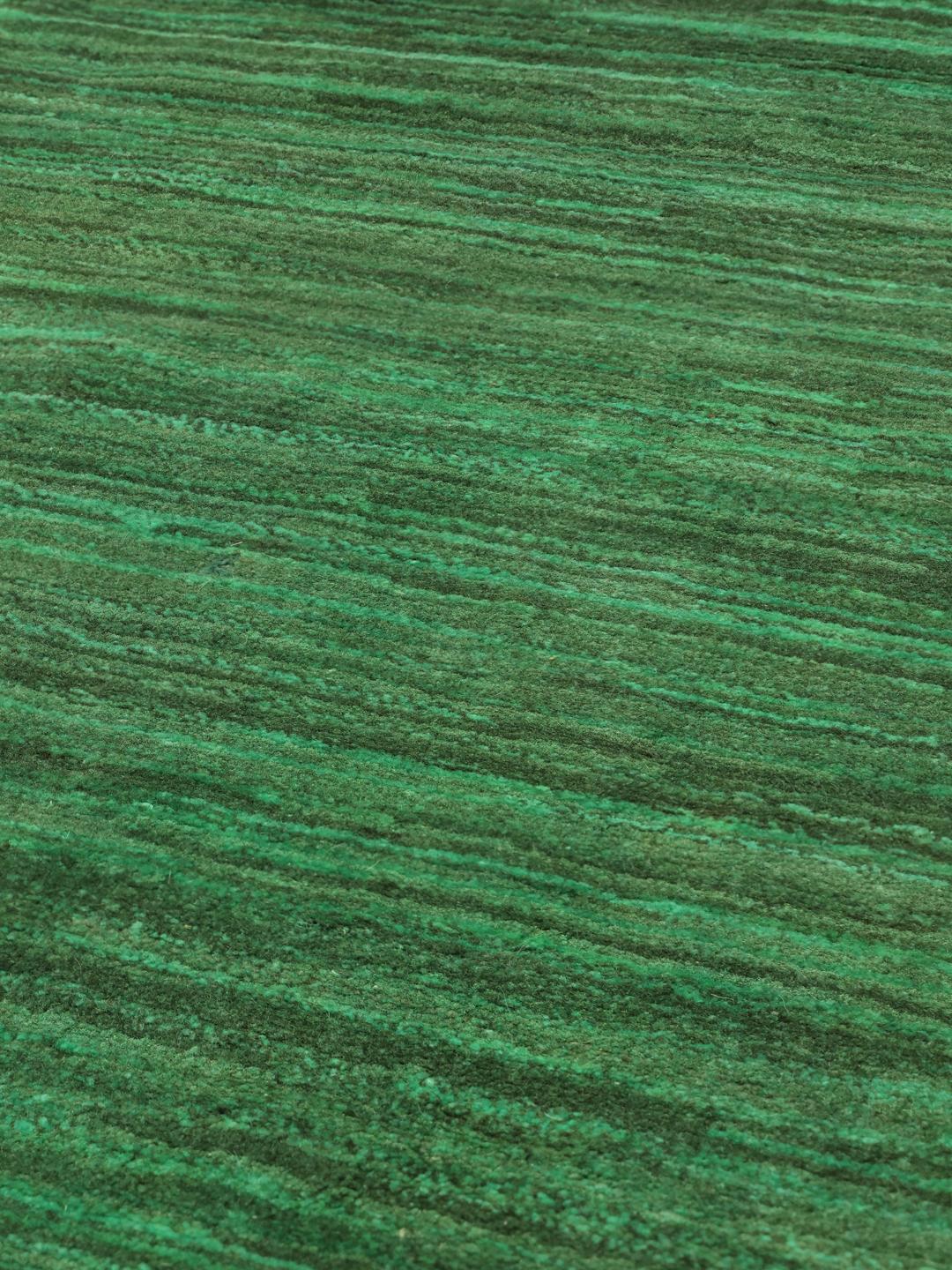
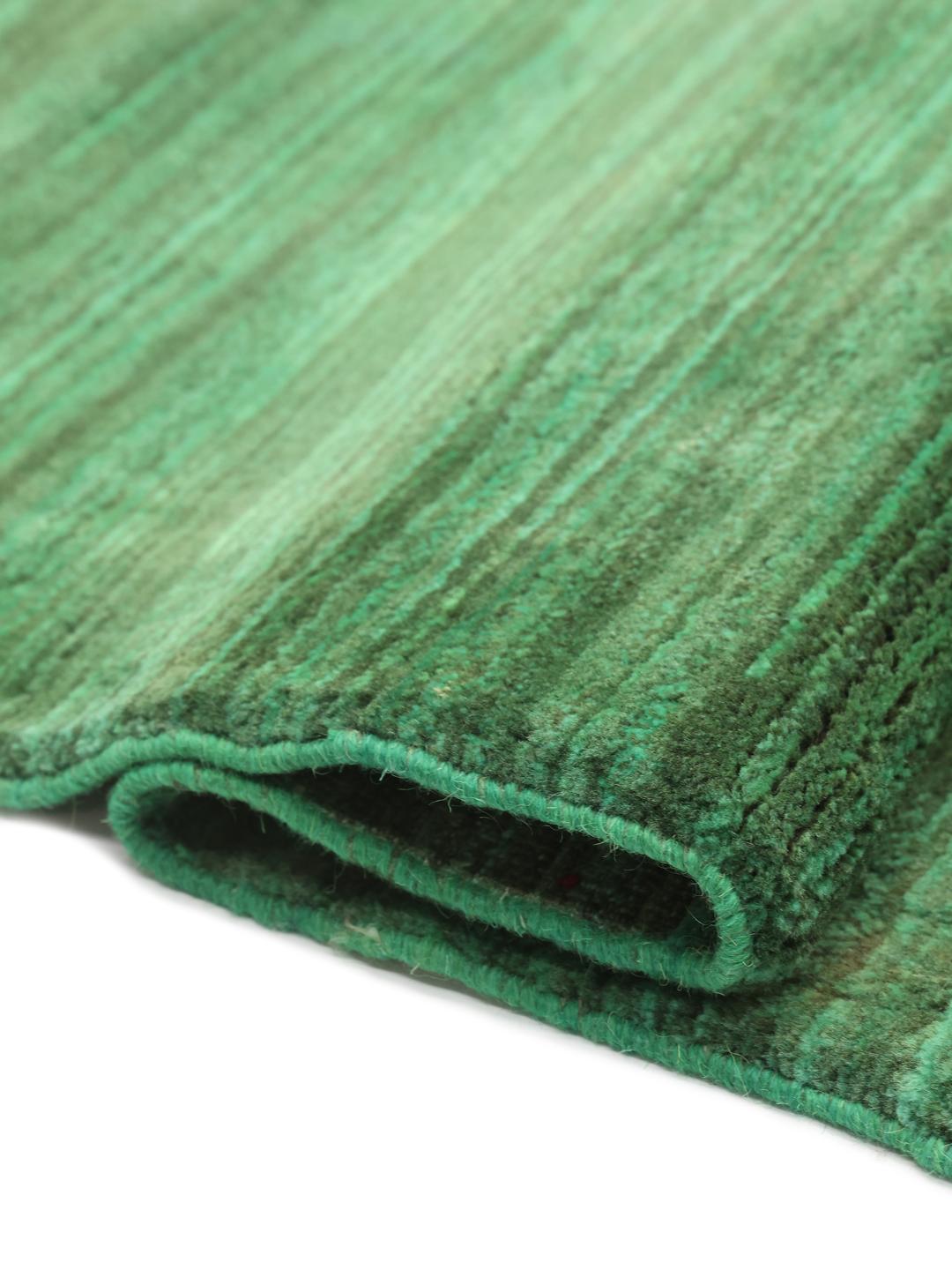
The term Gabbeh itself means raw, natural, or unclipped, which speaks to the straightforward and honest nature of these textiles. They are traditionally defined by their thicker, longer pile and a more relaxed approach to design, focusing on the quality of the wool and the depth of the colour rather than intricate, pre-planned patterns.
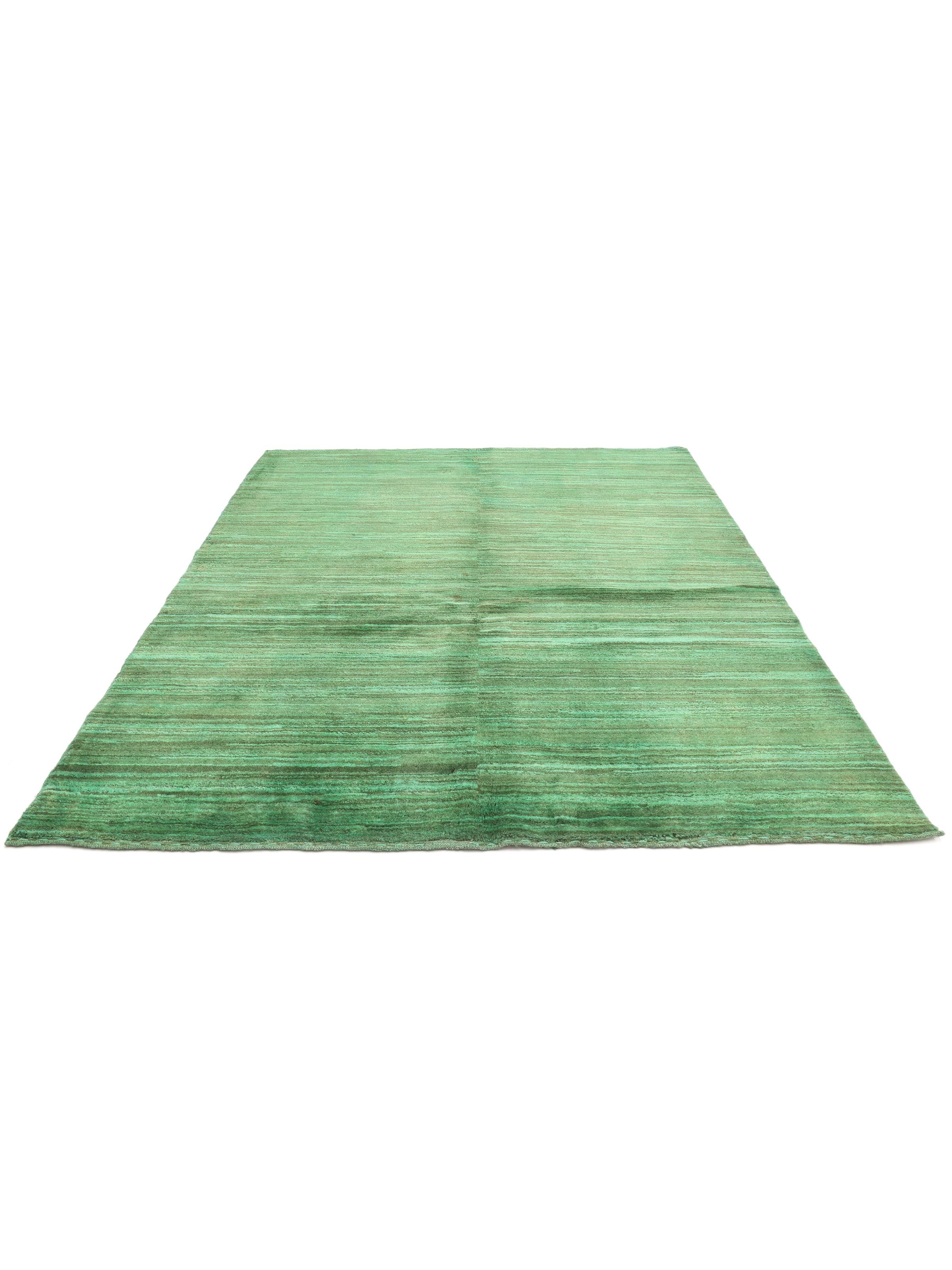
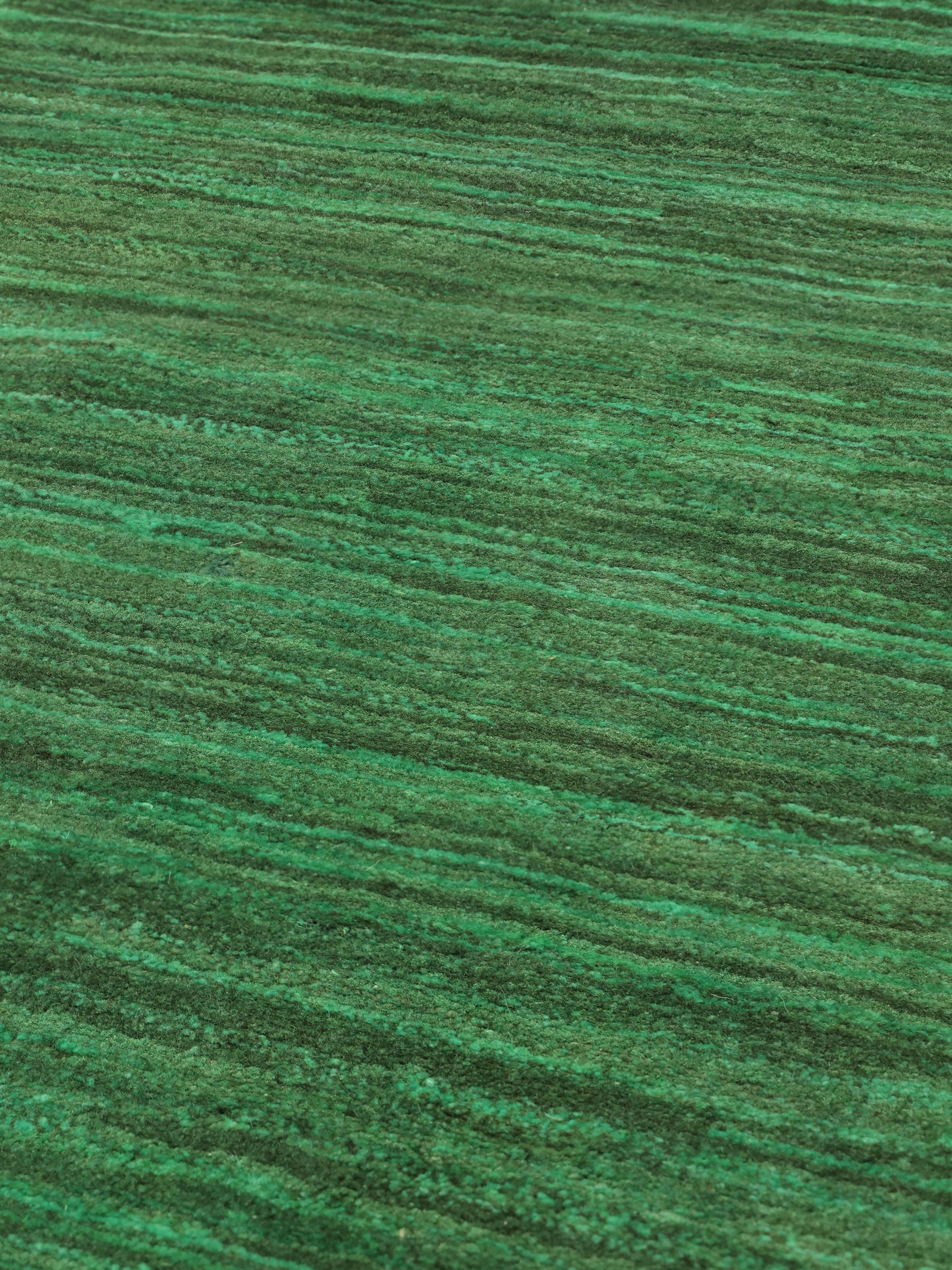
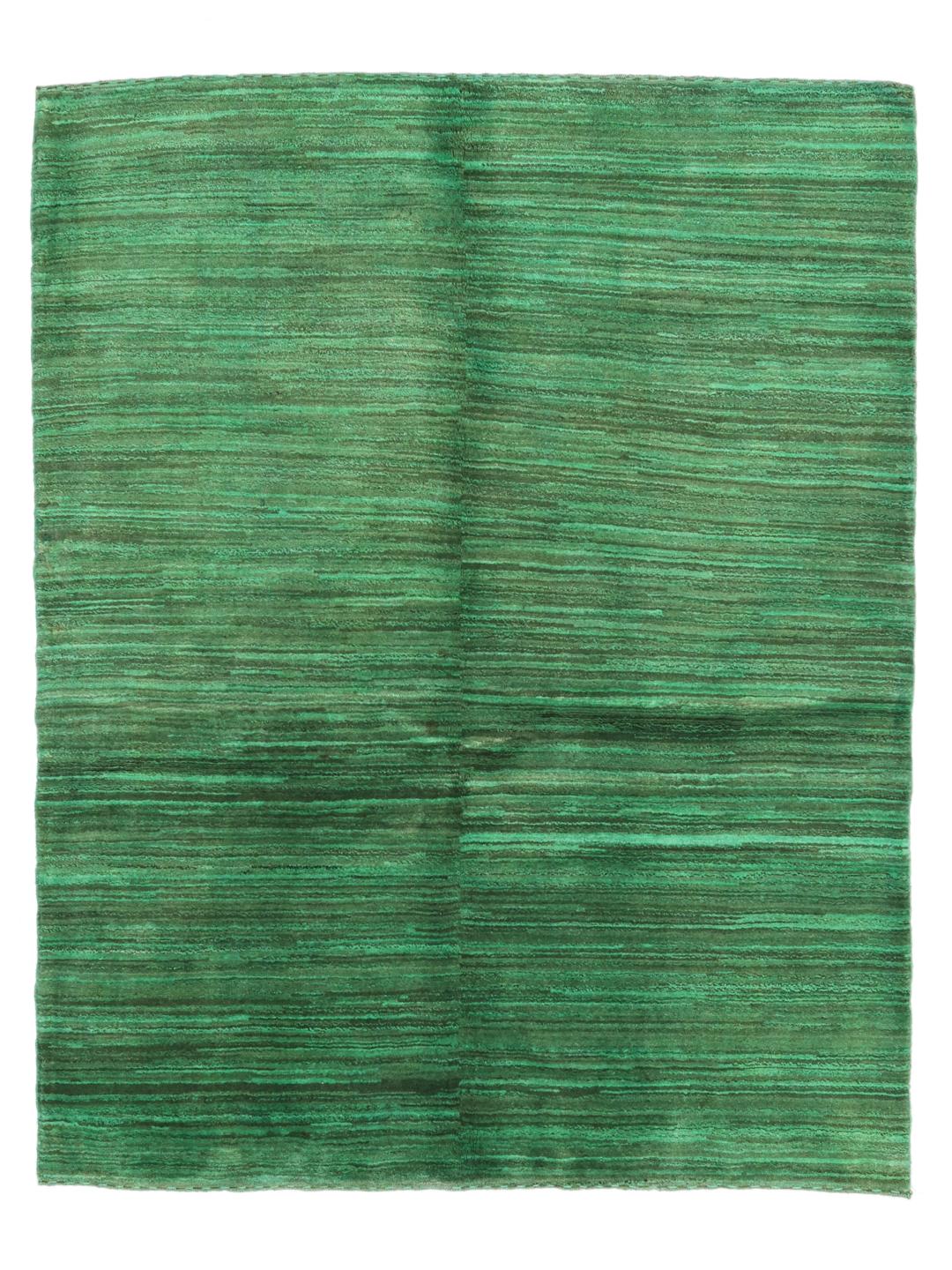
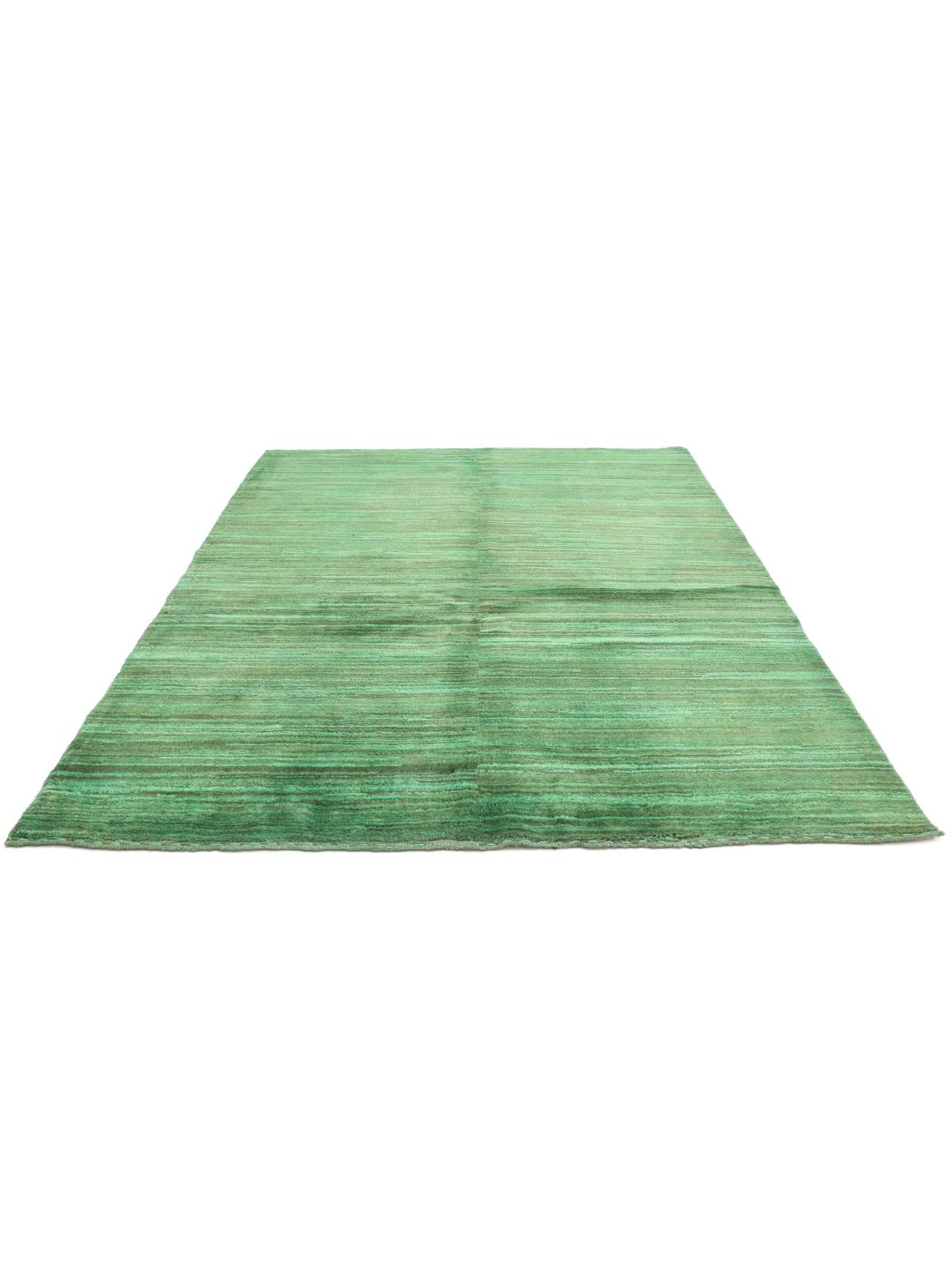
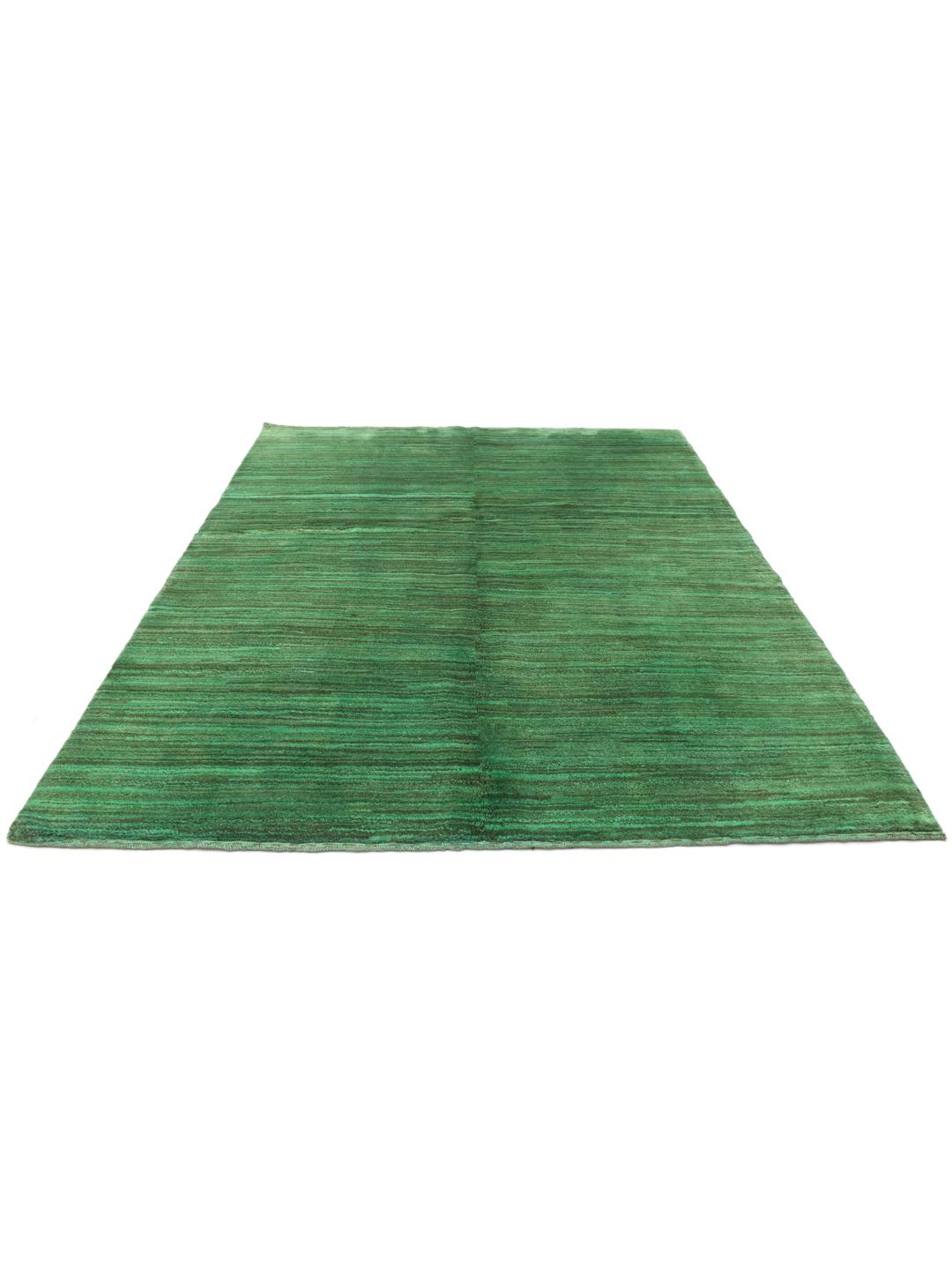
Visually, these rugs are known for their minimalist and organic aesthetic. They often feature simple, abstract motifs or field colours that reflect the weaver's environment and imagination. This specific piece, with its deep, consistent green, showcases the masterful use of natural dyes and the ability to create visual interest through subtle variations in tone and texture.
Today, these rugs are highly valued by collectors who appreciate their authentic connection to nomadic life and the individual expression of the weaver. Owning a piece from this tradition is an opportunity to acquire a functional work of folk art that carries the weight of history, skill, and the human touch in every fibre.