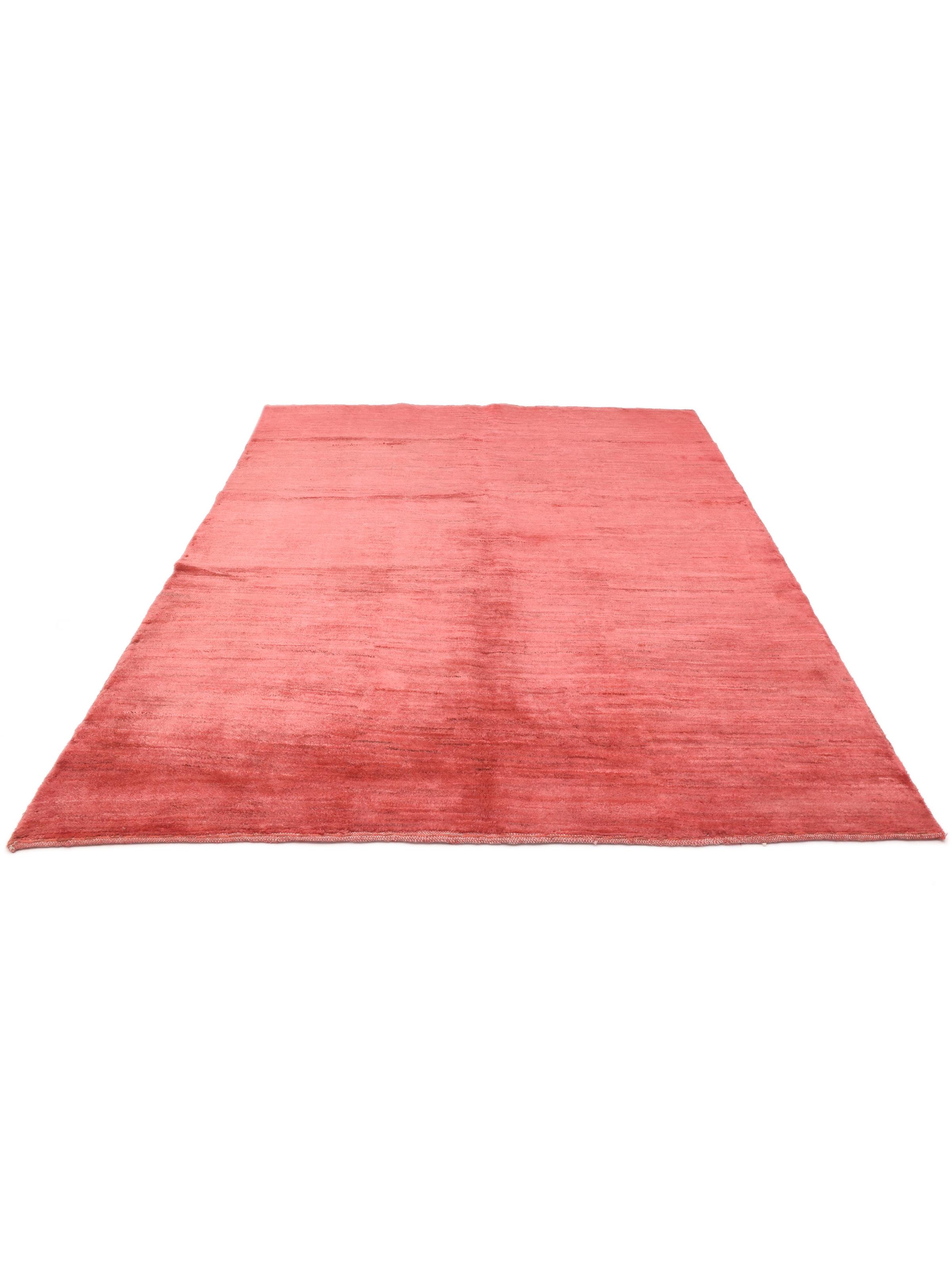
Gabbeh rugs trace their roots to the nomadic tribes of the Middle East, where they were originally woven for personal use rather than for trade. These rugs were designed to provide warmth and comfort in harsh climates, often used as floor coverings in tents. The tradition emphasises a deep connection to the environment, with weavers drawing inspiration from the landscapes and natural life around them.
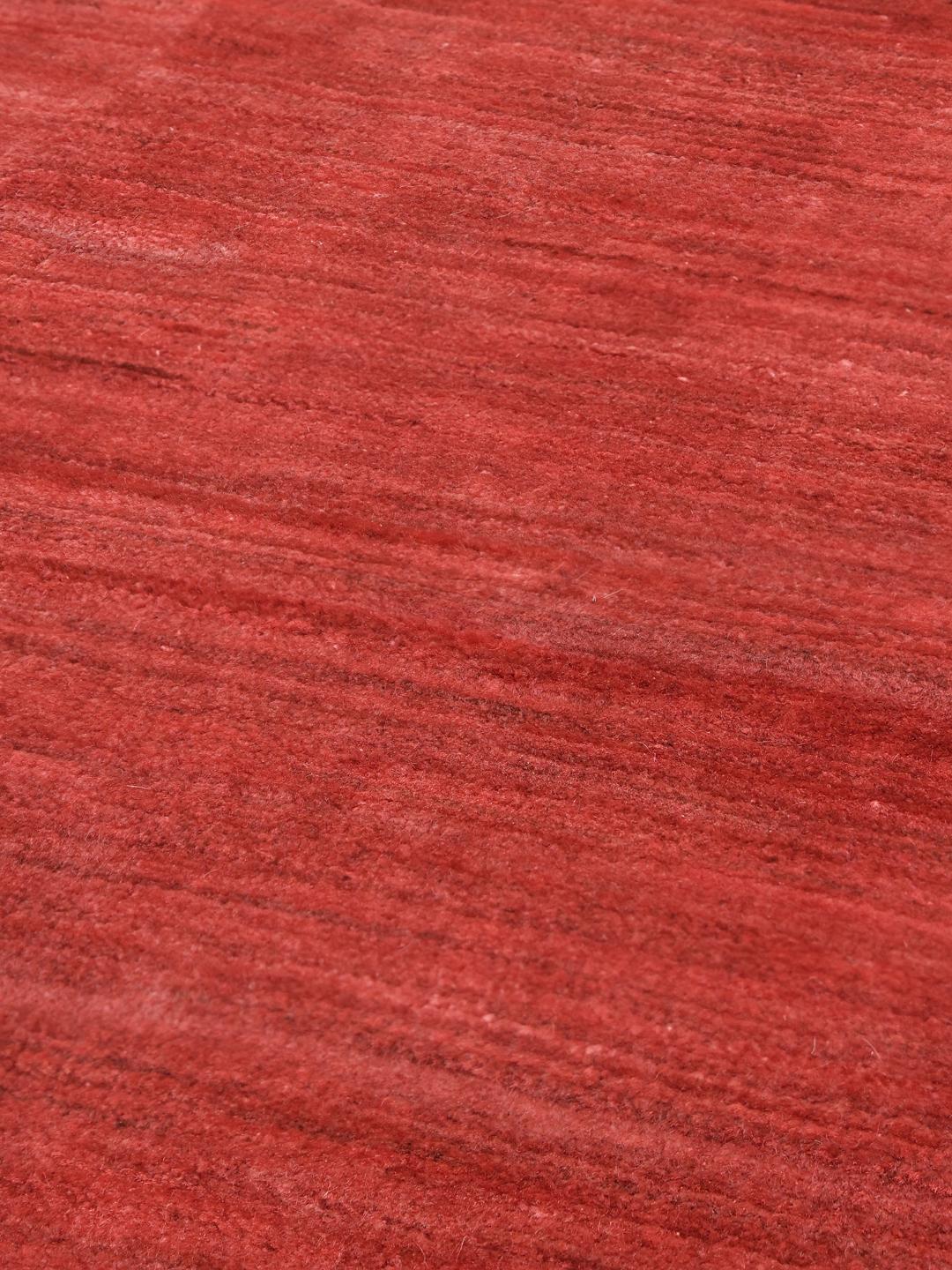
The term 'Gabbeh' itself often refers to a rug that is 'raw' or 'natural' in style. Unlike the highly intricate and geometric designs found in other Middle Eastern rug traditions, Gabbeh rugs are celebrated for their simpler, more artistic aesthetic. They often feature open fields of colour and abstract, organic shapes that allow the quality of the wool to take centre stage.
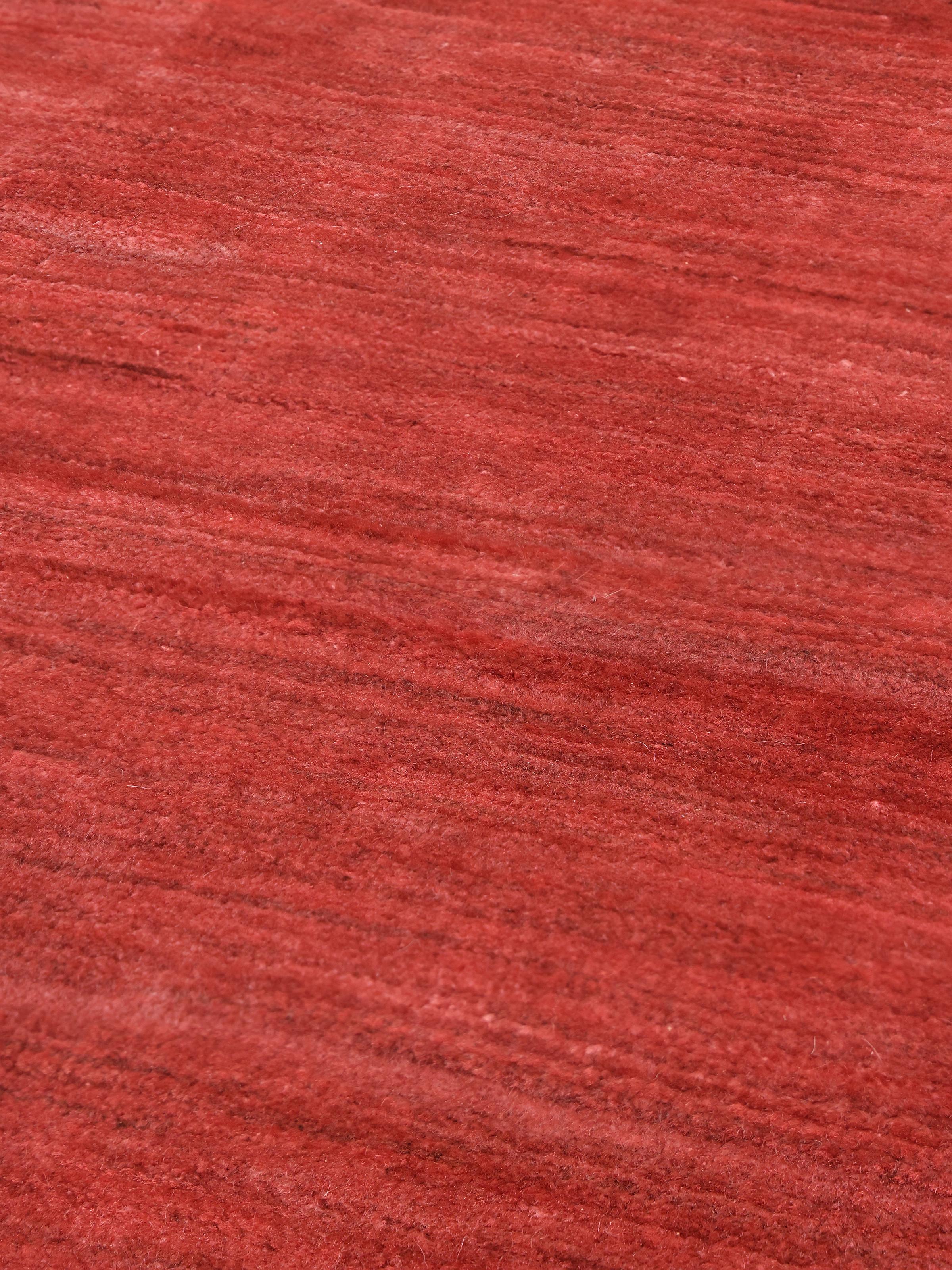
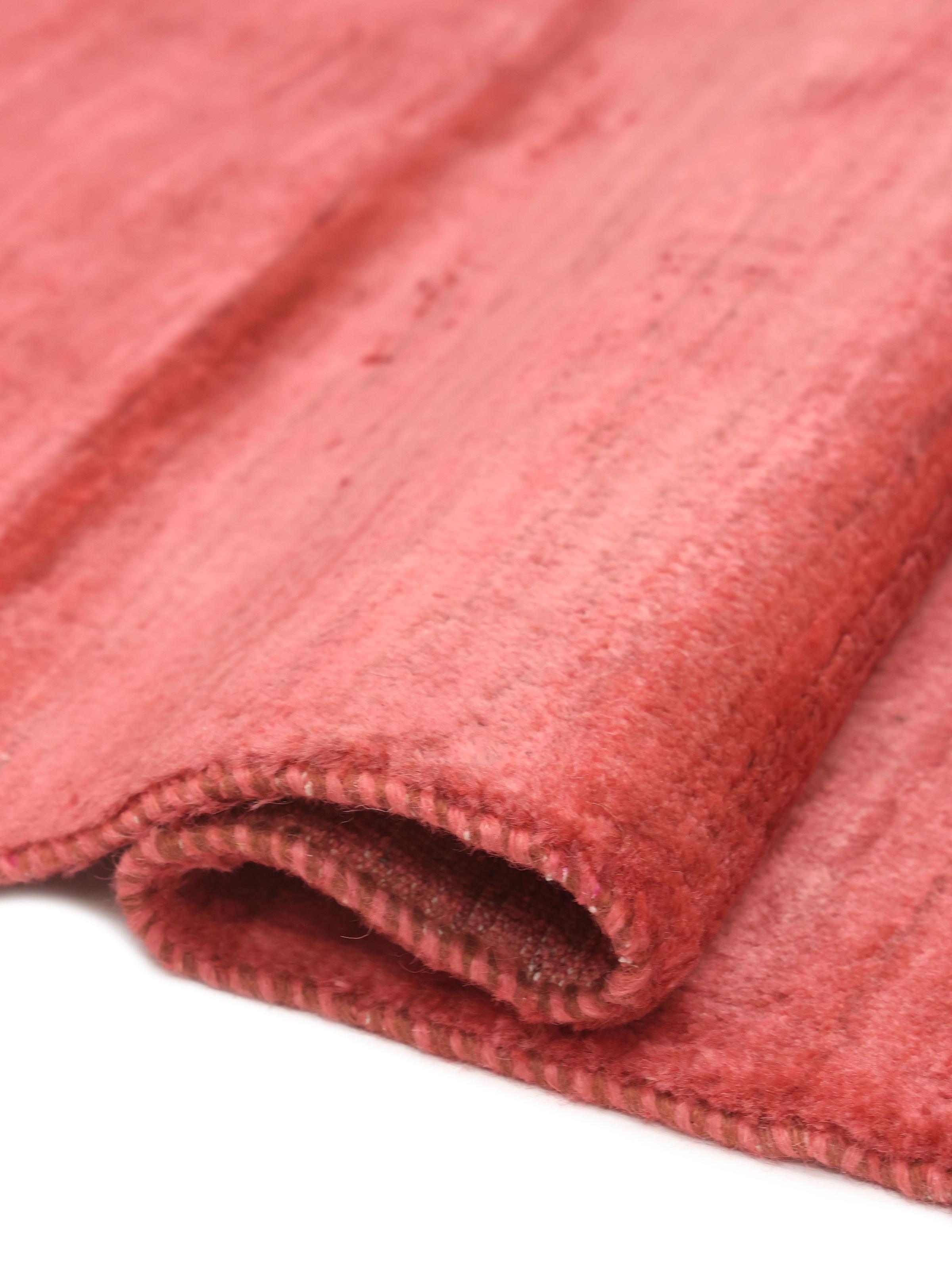
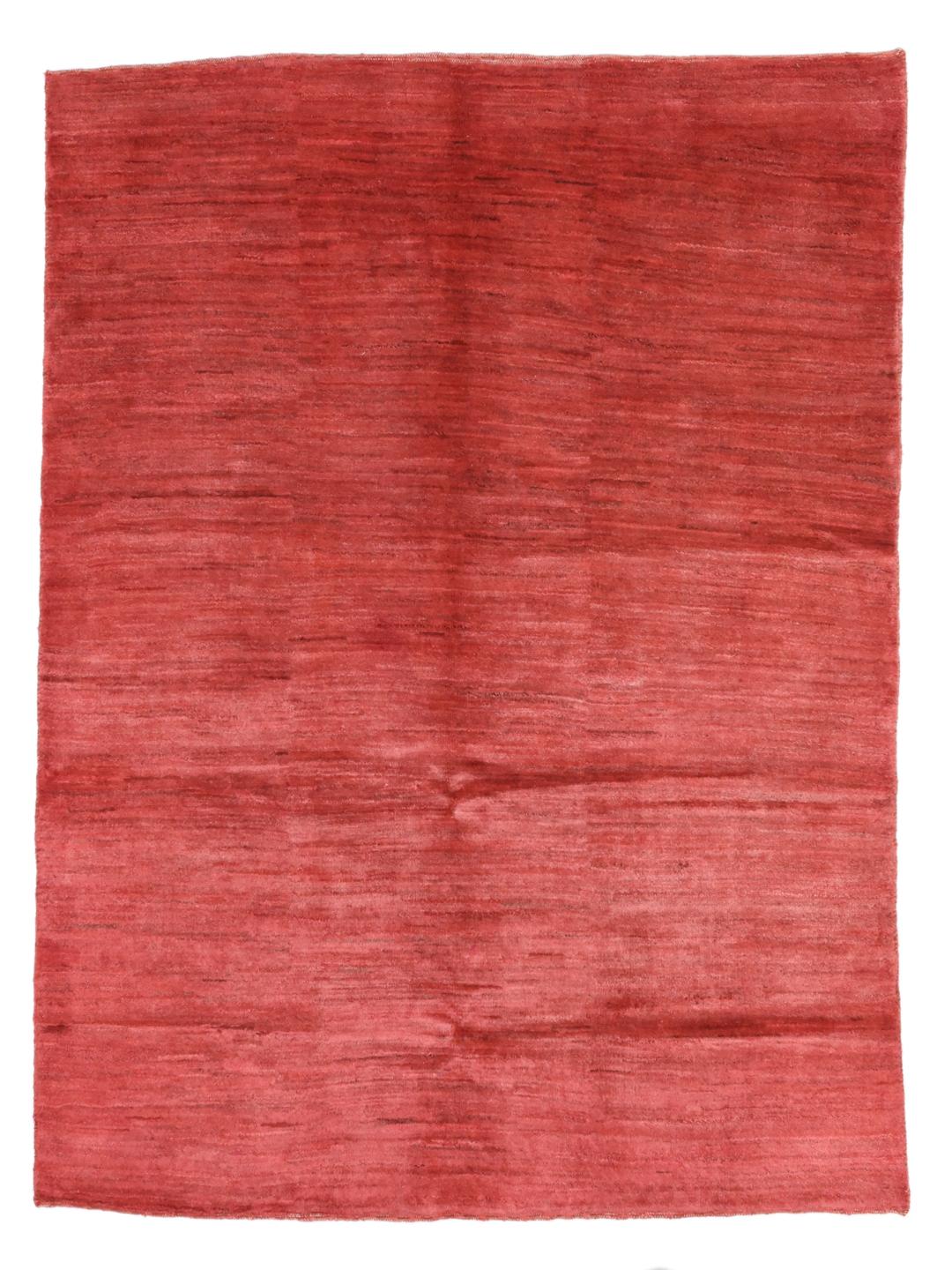
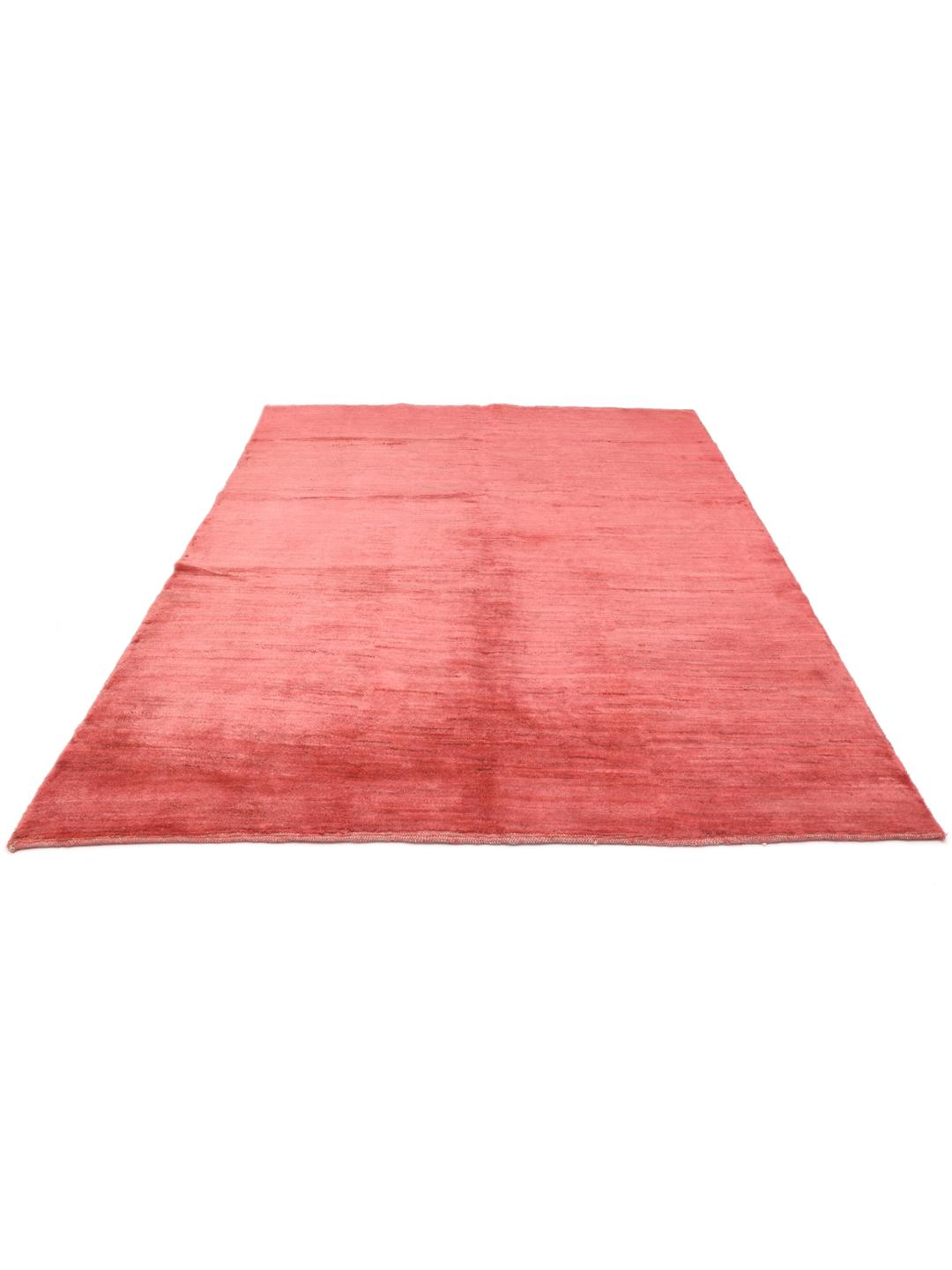
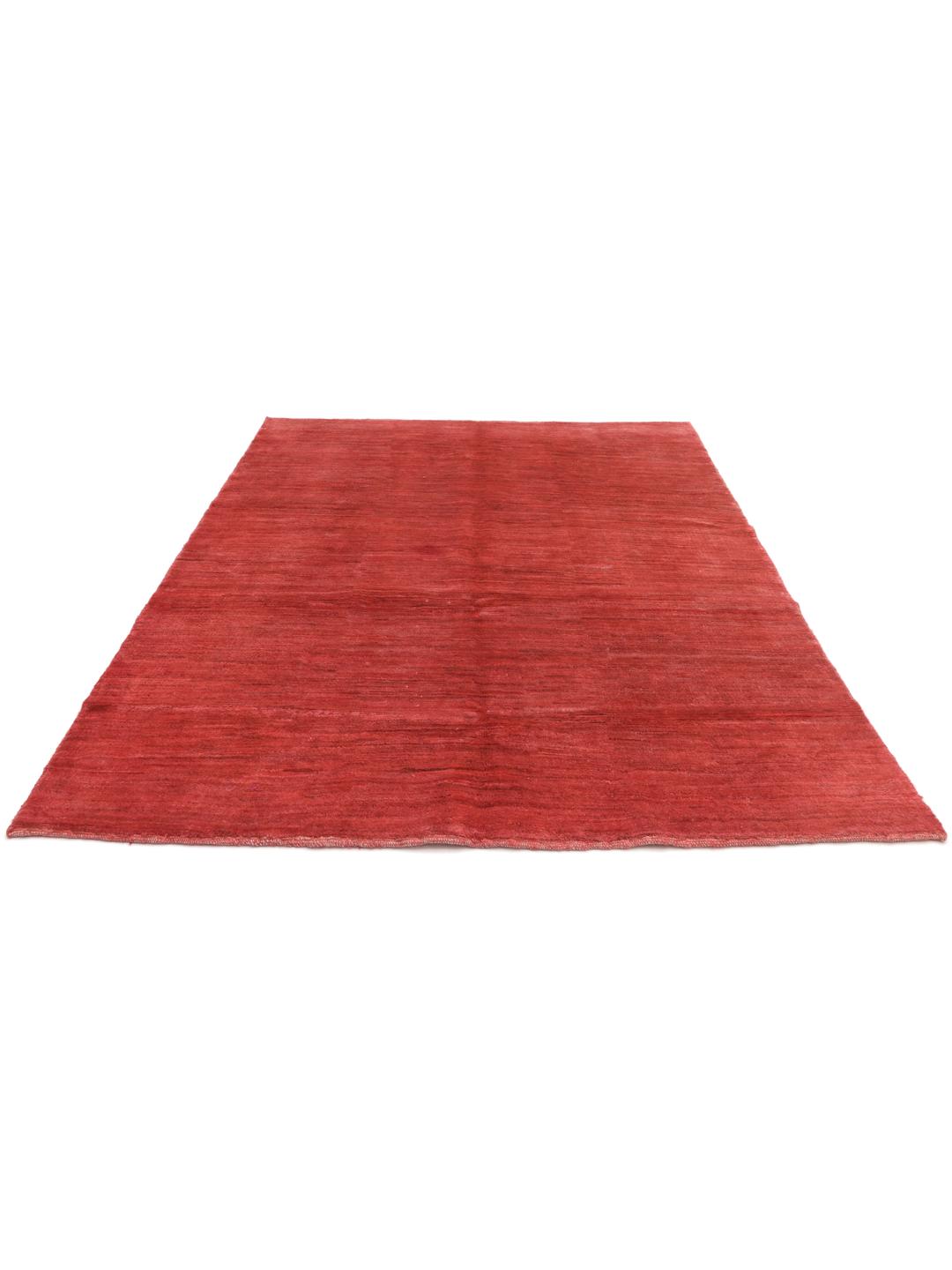
Signature elements of this tradition include the use of bold, saturated colours derived from natural dyes. While the red tones in this piece are prominent, you may notice subtle shifts in shade throughout the field, known as abrash. This occurs when different batches of yarn are used, and it is considered a hallmark of authenticity and skilled hand-dyeing, adding depth and character to the rug's surface.
Today, these rugs are highly prized by collectors for their blend of historical significance and modern appeal. Owning a Gabbeh is a way to celebrate a craft that has survived for centuries, keeping the spirit of nomadic artistry alive in contemporary homes. It is a testament to the skill of the weaver and a piece of cultural heritage that brings a story into your living space.