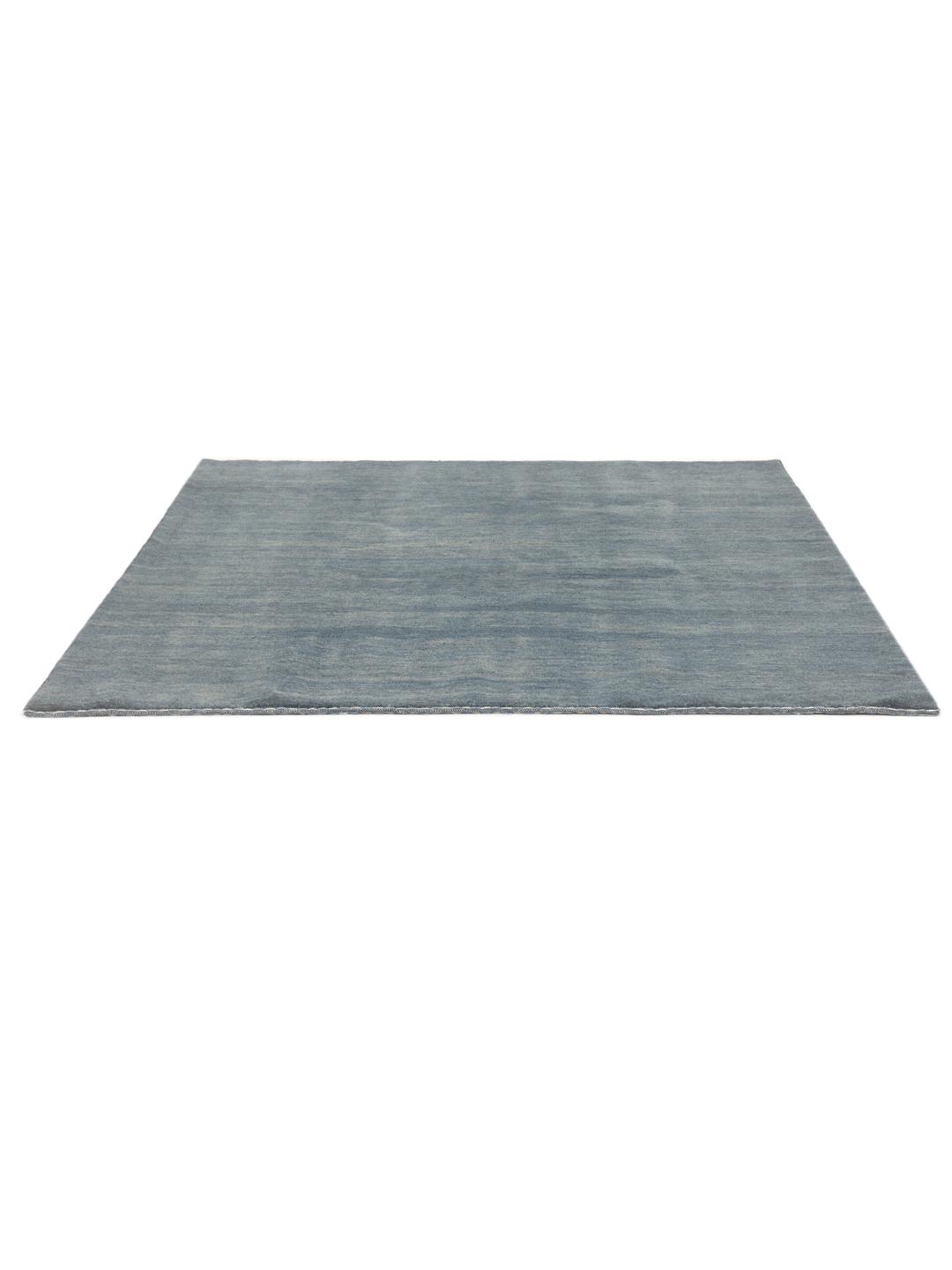
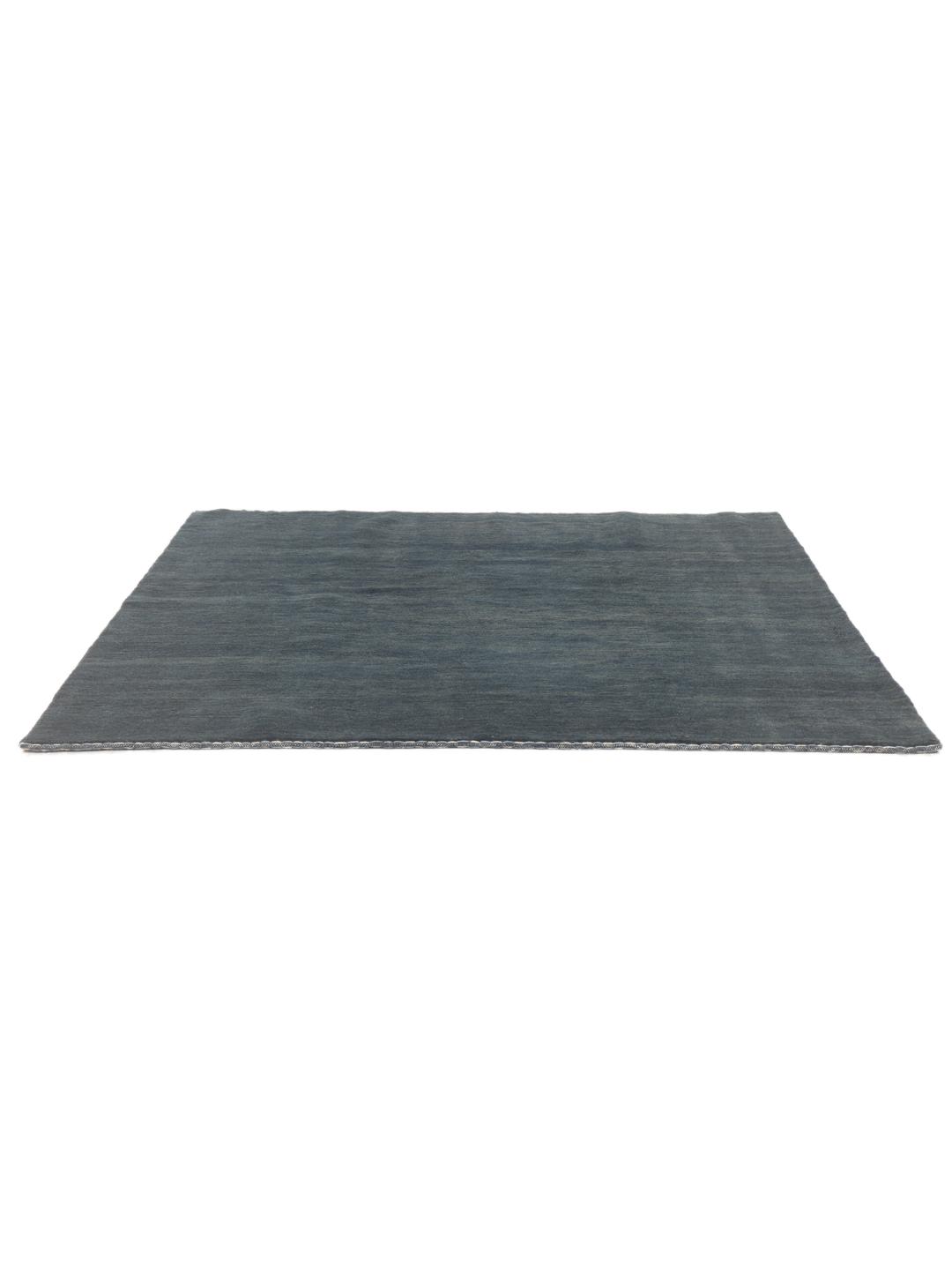
Gabbeh rugs trace their roots to the nomadic tribes of the Middle East, where they were originally woven for personal use rather than for trade. These rugs were designed to provide warmth and comfort in harsh environments, serving as bedding and floor coverings within tents. Over time, their reputation for simple, powerful beauty has made them highly sought after by collectors worldwide.
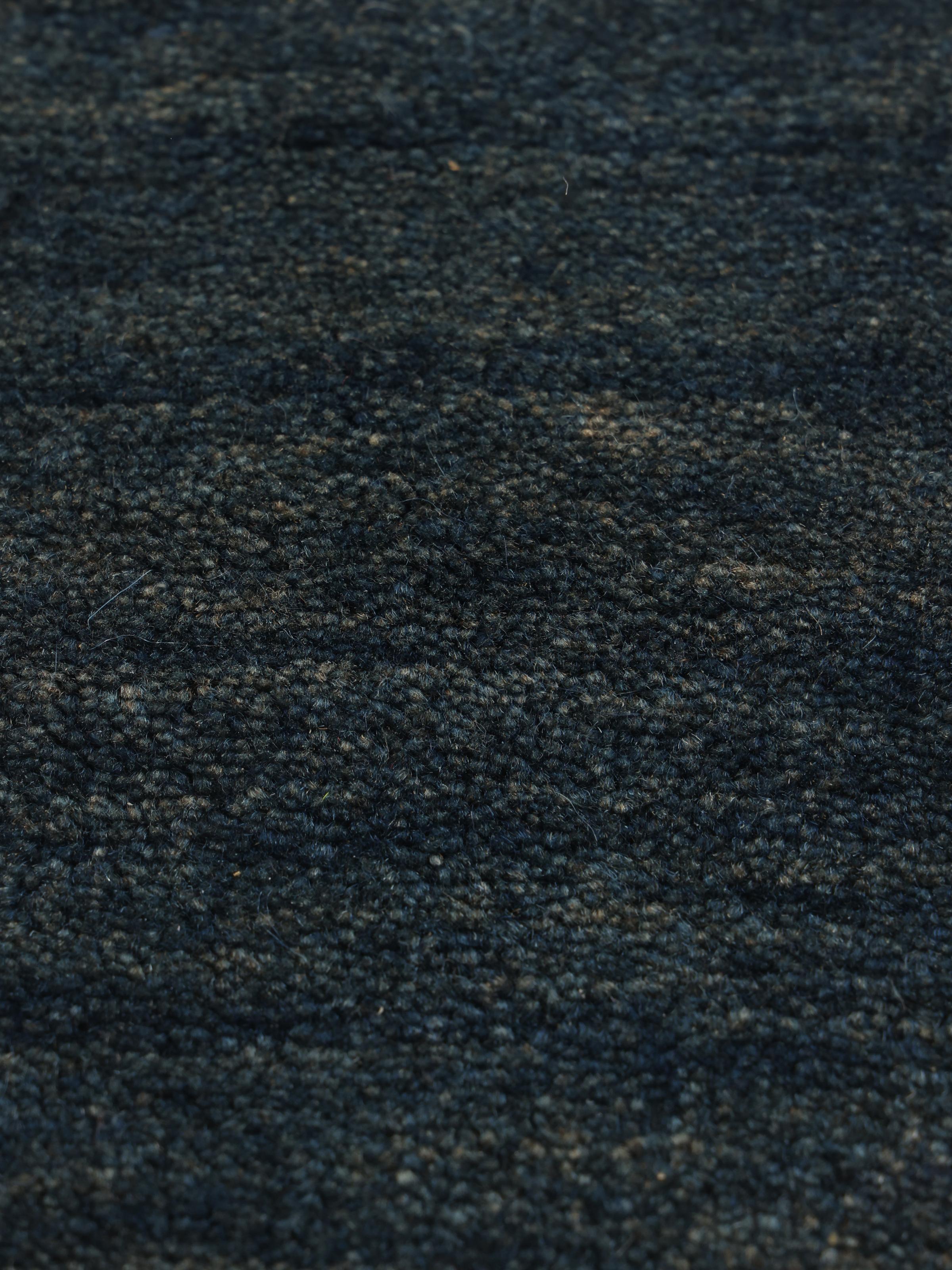
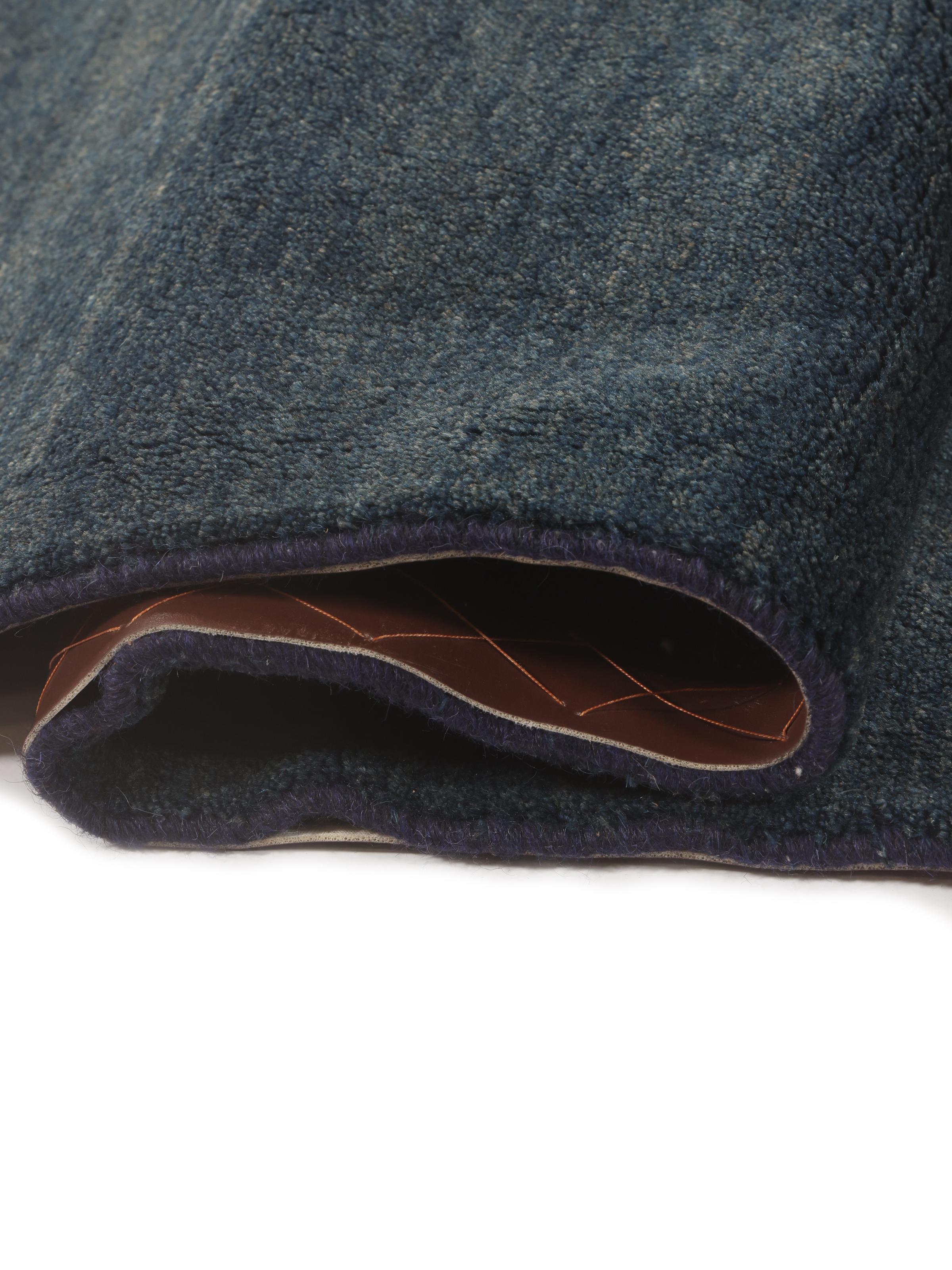
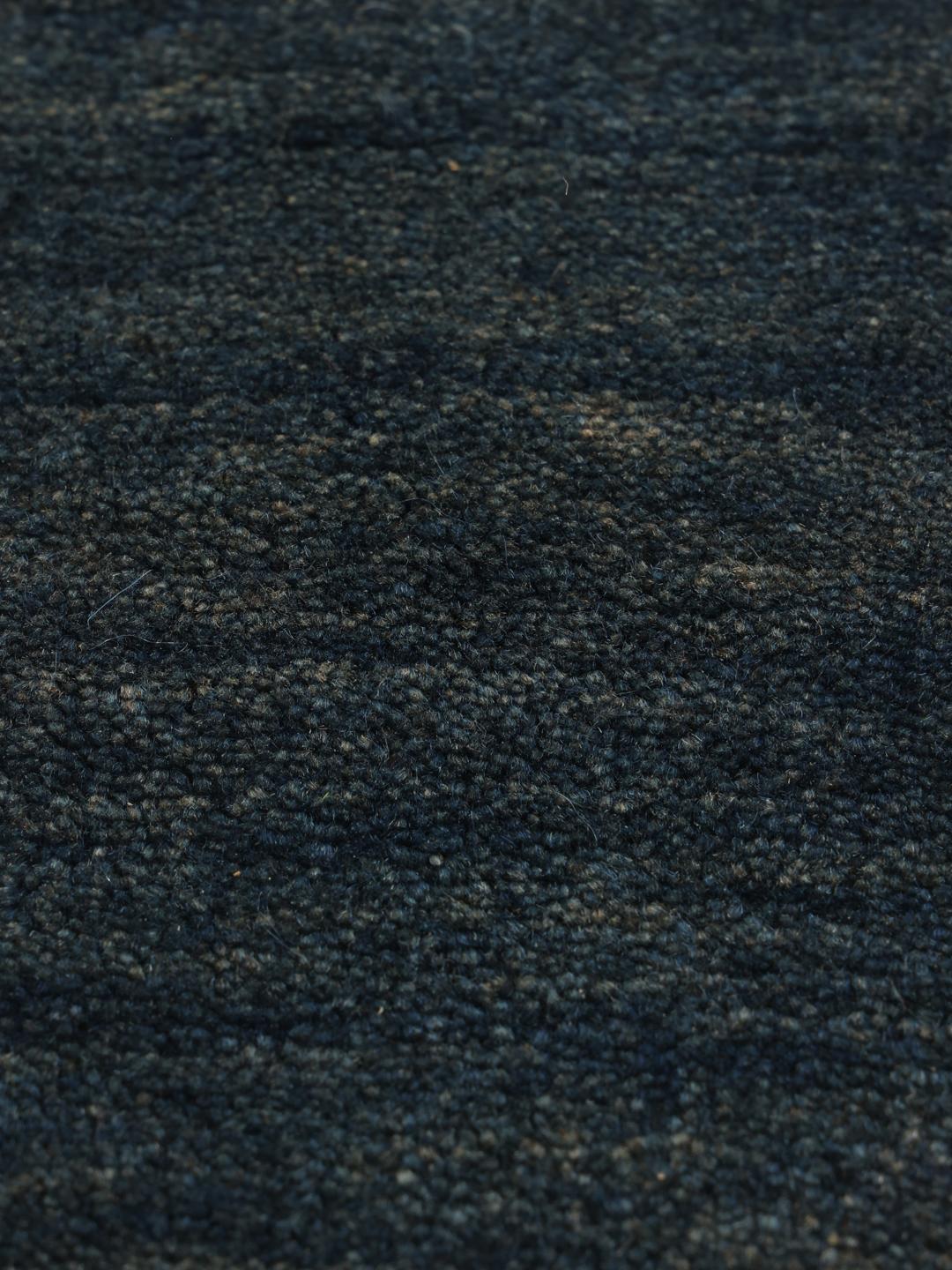
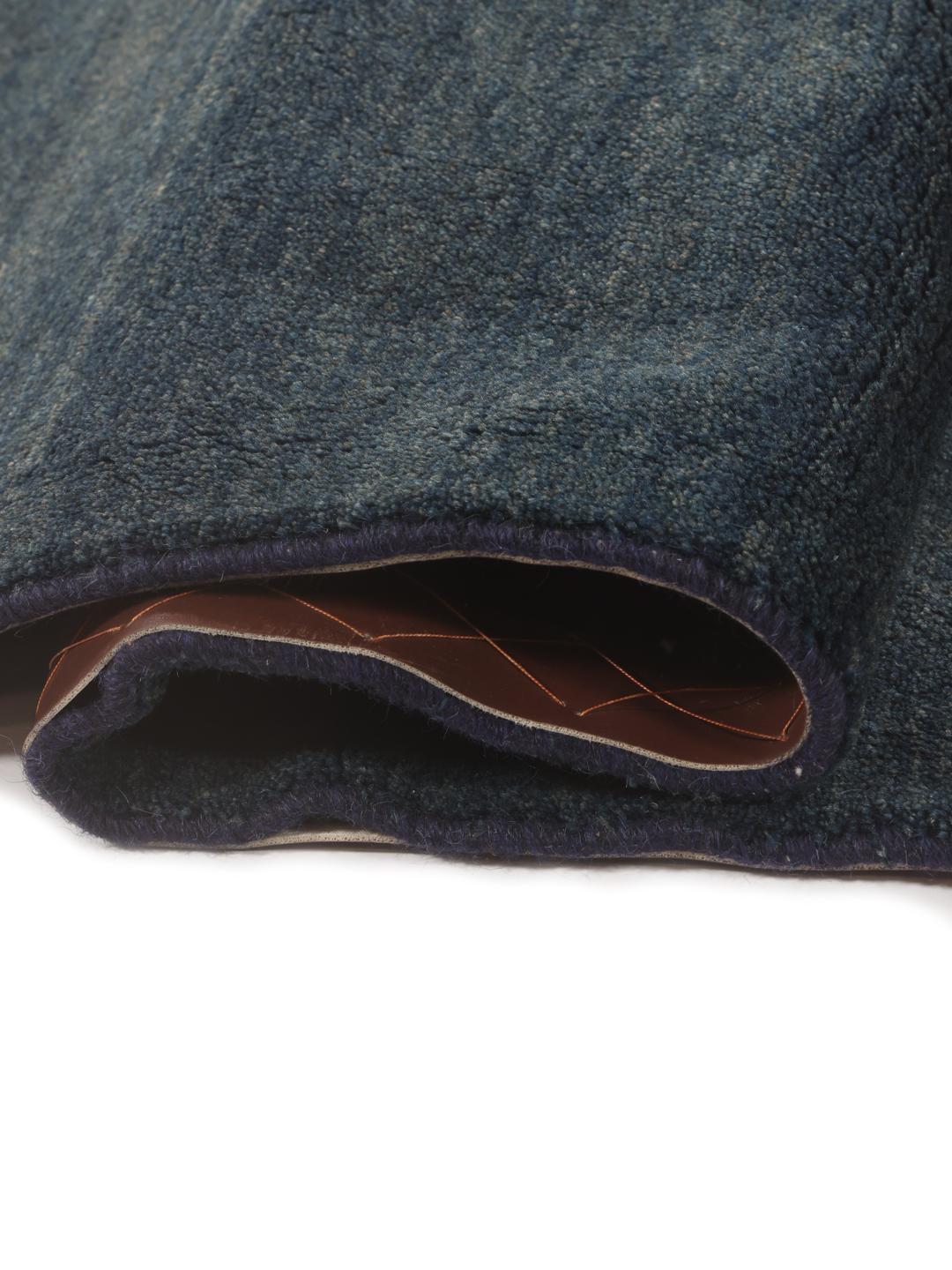
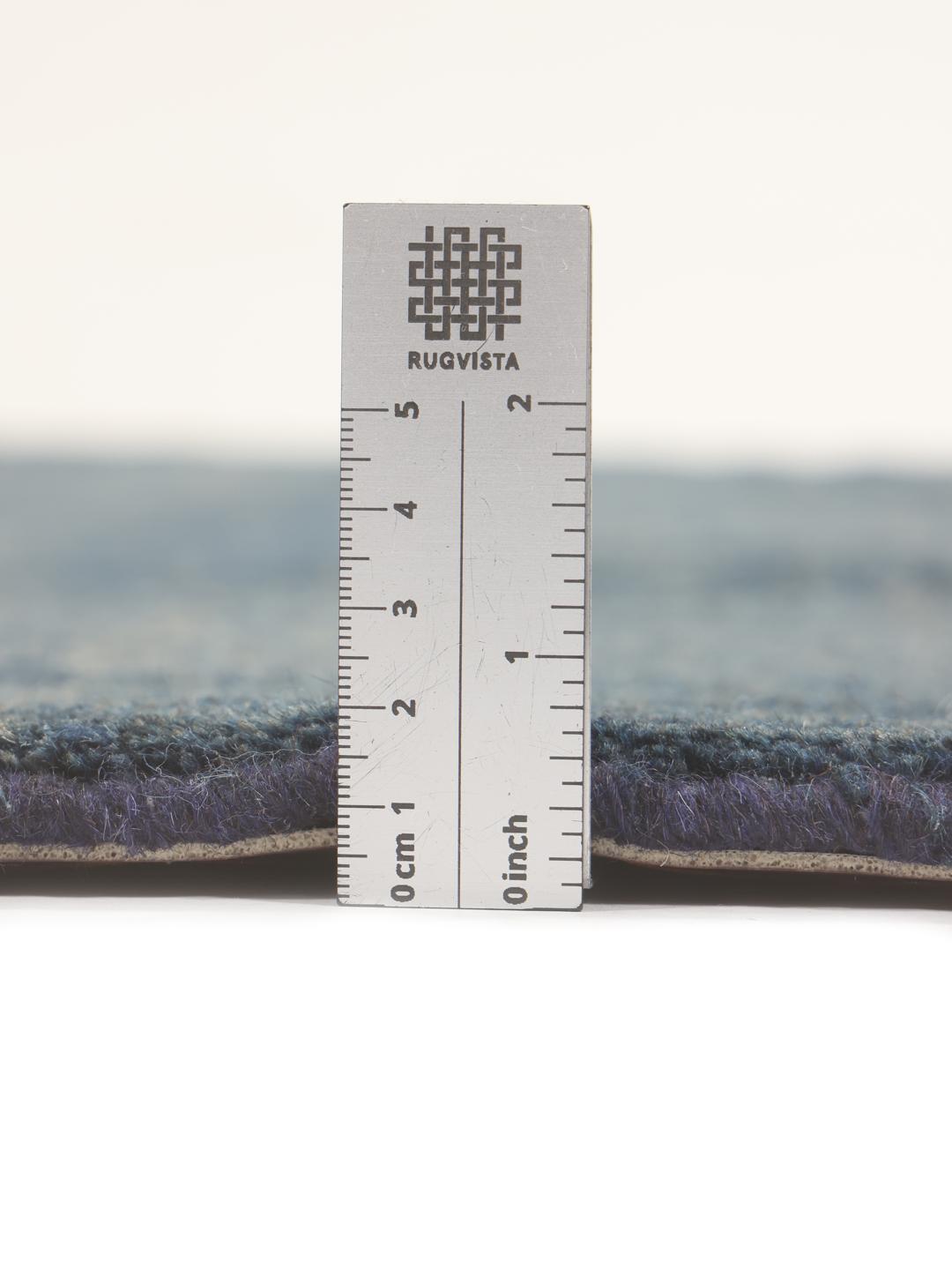
The term 'Gabbeh' refers to a style of rug that is typically thicker and coarser than traditional city-made rugs, favouring a plush, high pile that is incredibly soft to the touch. This construction is intentional, focusing on the quality of the wool and the depth of the colour rather than intricate, complex patterns. The result is a piece that feels substantial and grounded, offering a tactile experience that connects you directly to the history of the craft.
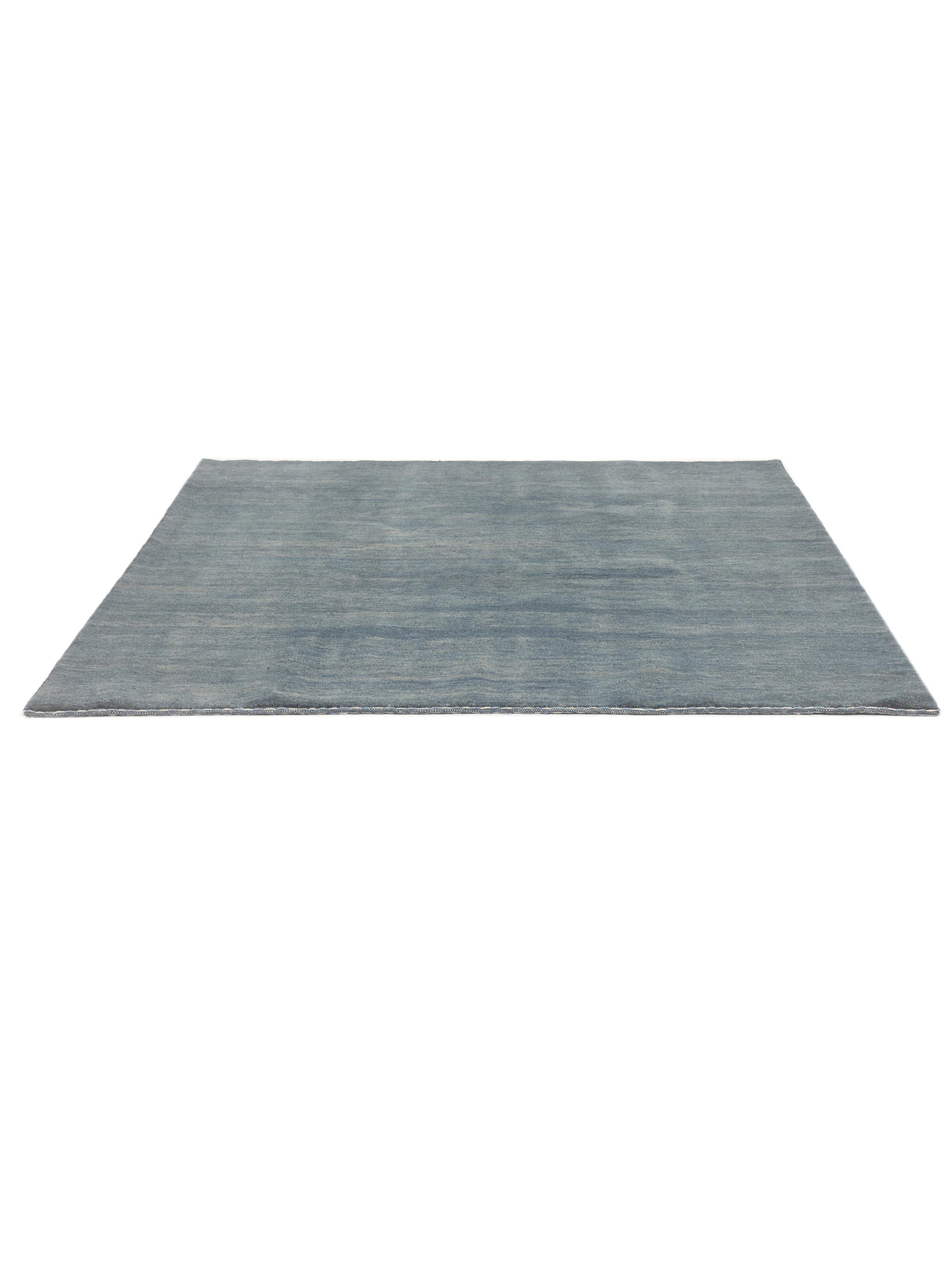
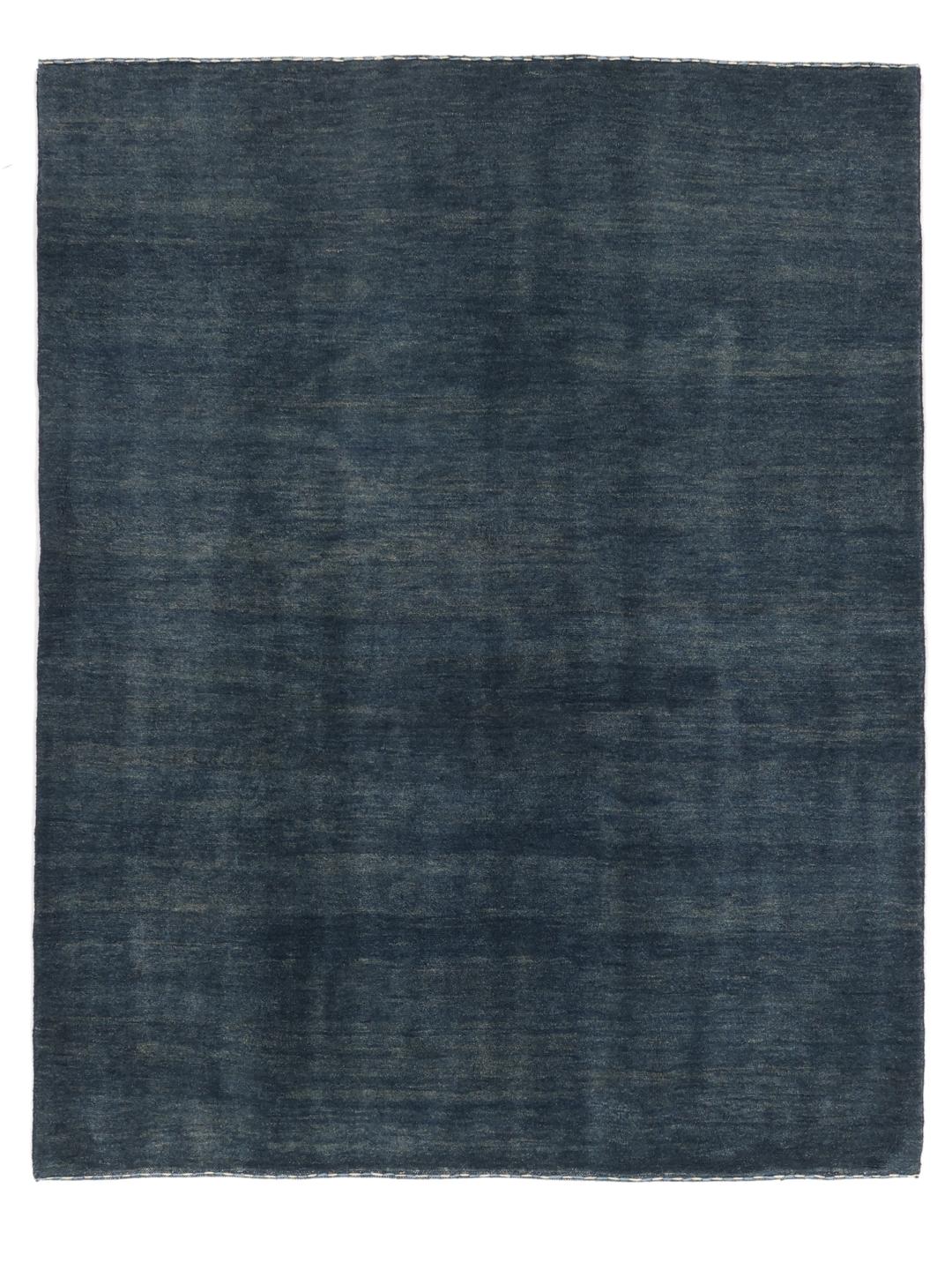
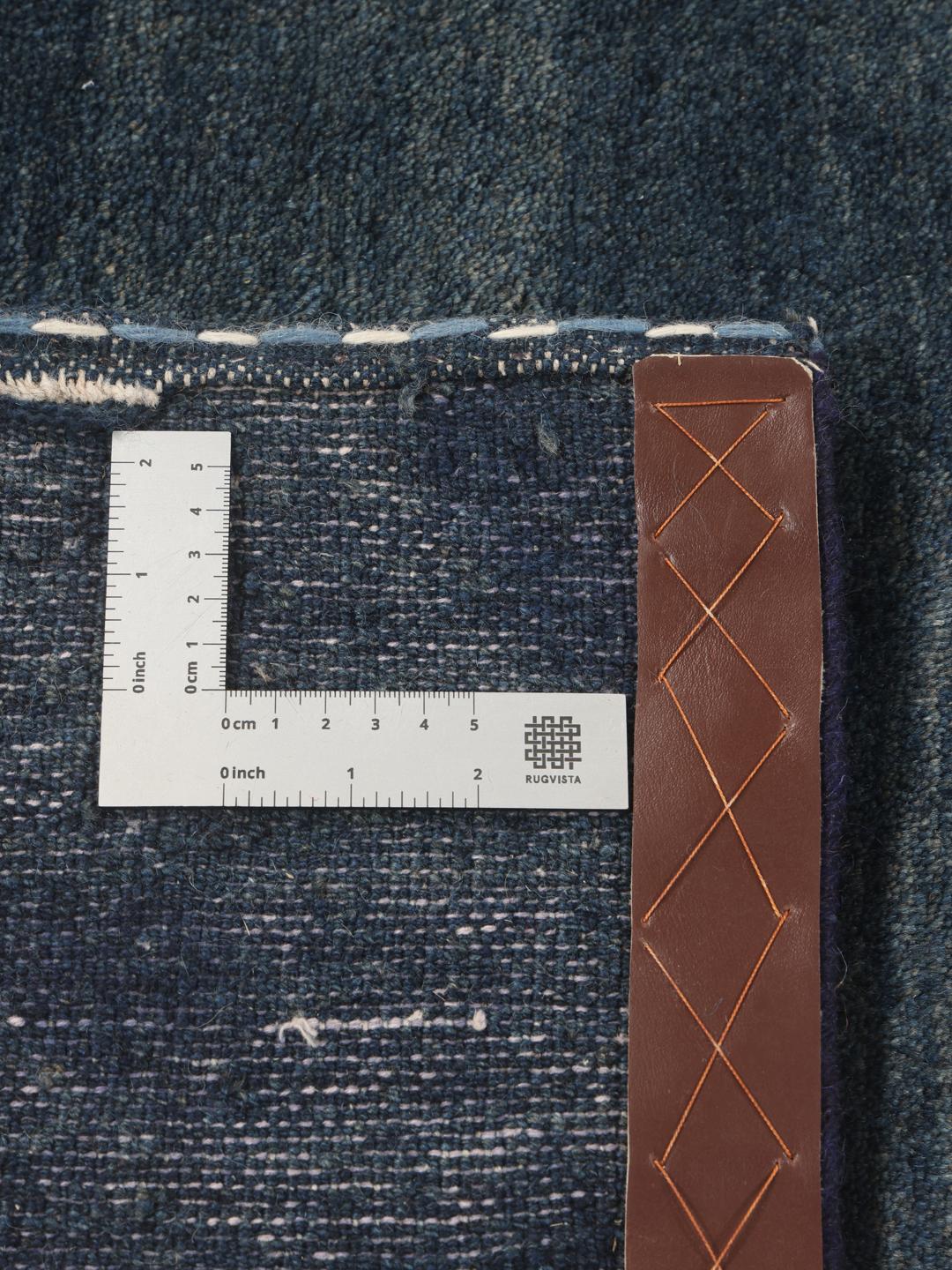
Visually, these rugs are defined by their minimalist aesthetic, often featuring solid fields of colour or subtle, abstract motifs that reflect the weaver's natural surroundings. Unlike more formal carpets that rely on rigid geometry, Gabbeh rugs often celebrate the beauty of the material itself. This specific piece, with its deep and moody hue, exemplifies the way traditional weavers use colour to evoke emotion and create a sense of serenity.
Owning a hand-knotted piece from this tradition is an investment in cultural heritage. Collectors value these rugs for their authenticity and the way they bridge the gap between ancient nomadic traditions and modern interior design. By bringing a piece like this into your home, you are not just acquiring a floor covering, but a unique artifact that carries the story of the artisan's skill and the enduring legacy of Middle Eastern weaving.