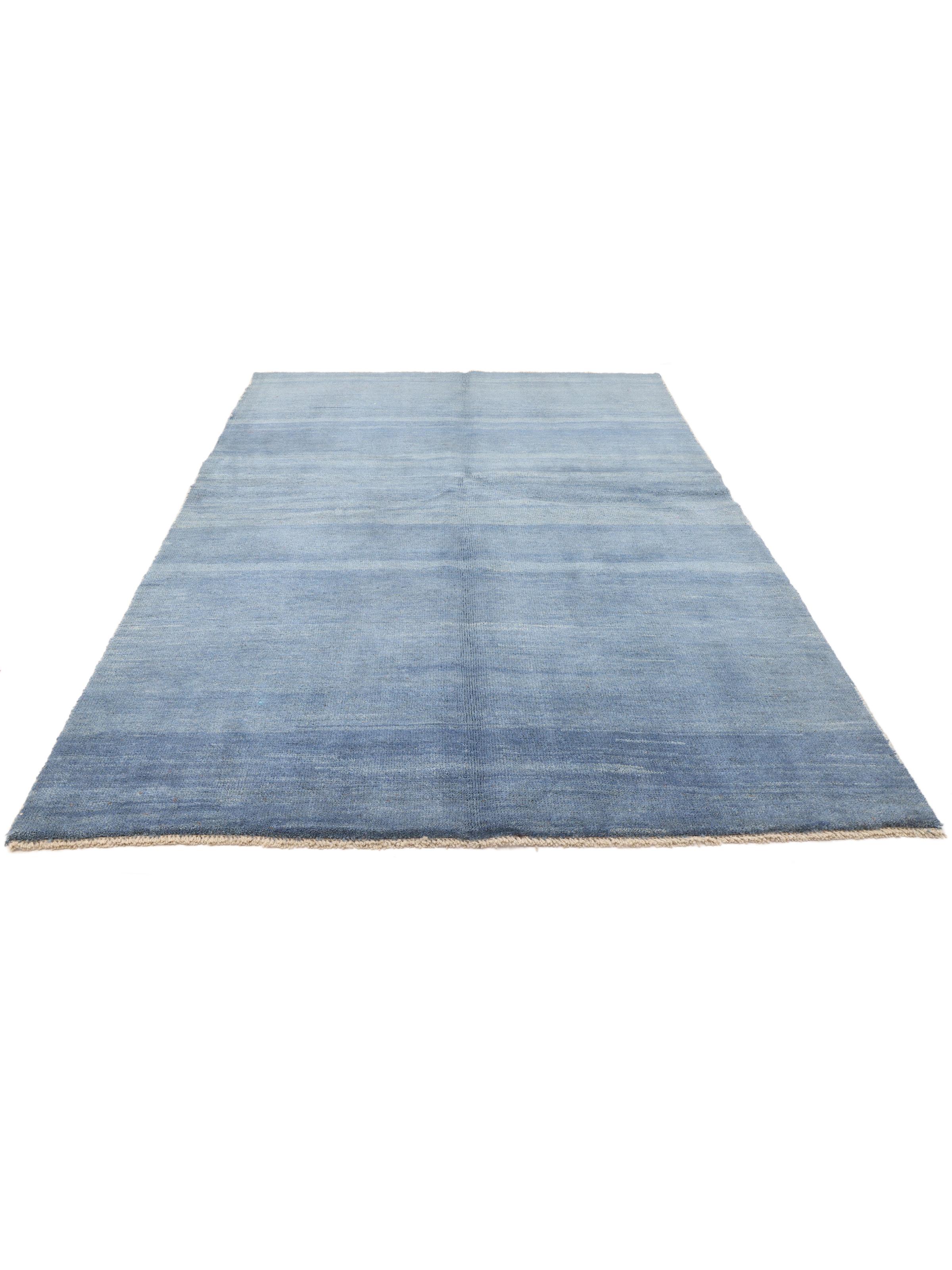
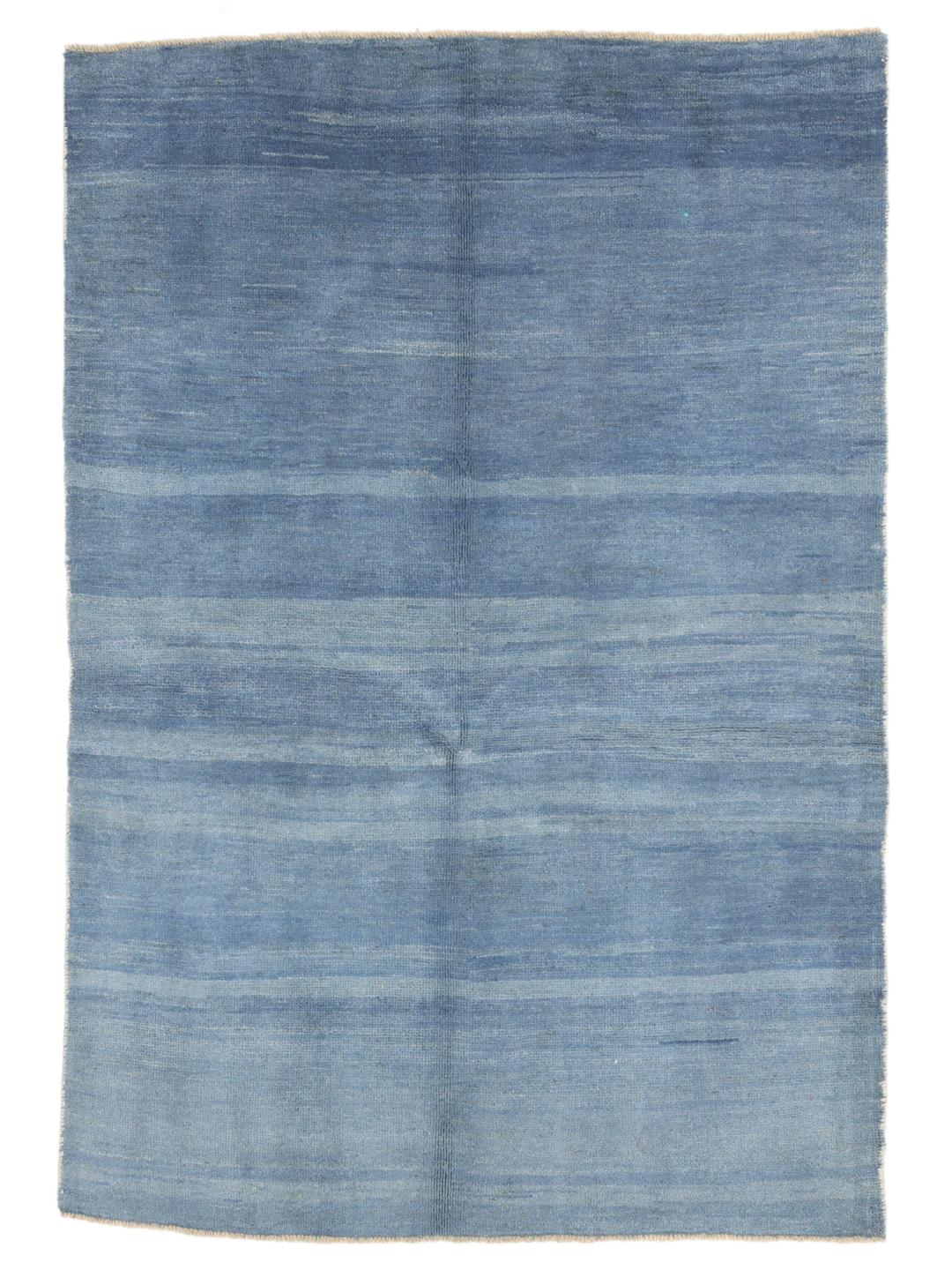
The Gabbeh rug tradition originates from the nomadic tribes of the Middle East, who developed these pieces primarily for their own domestic use rather than for trade. Unlike formal, city-made rugs, Gabbeh rugs were historically woven with a focus on personal expression, warmth, and utility, serving as sleeping mats, blankets, and floor coverings in harsh climates.
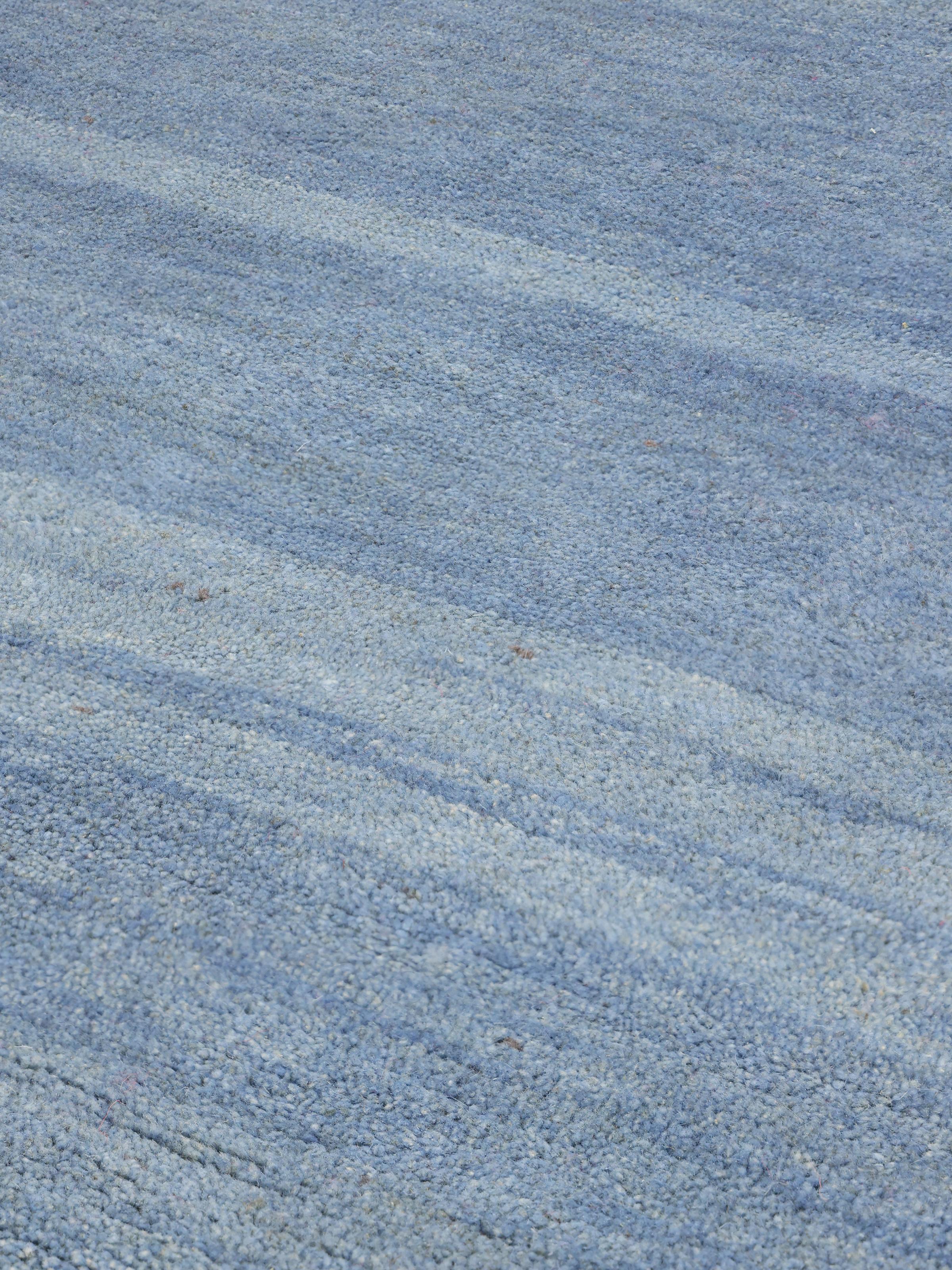
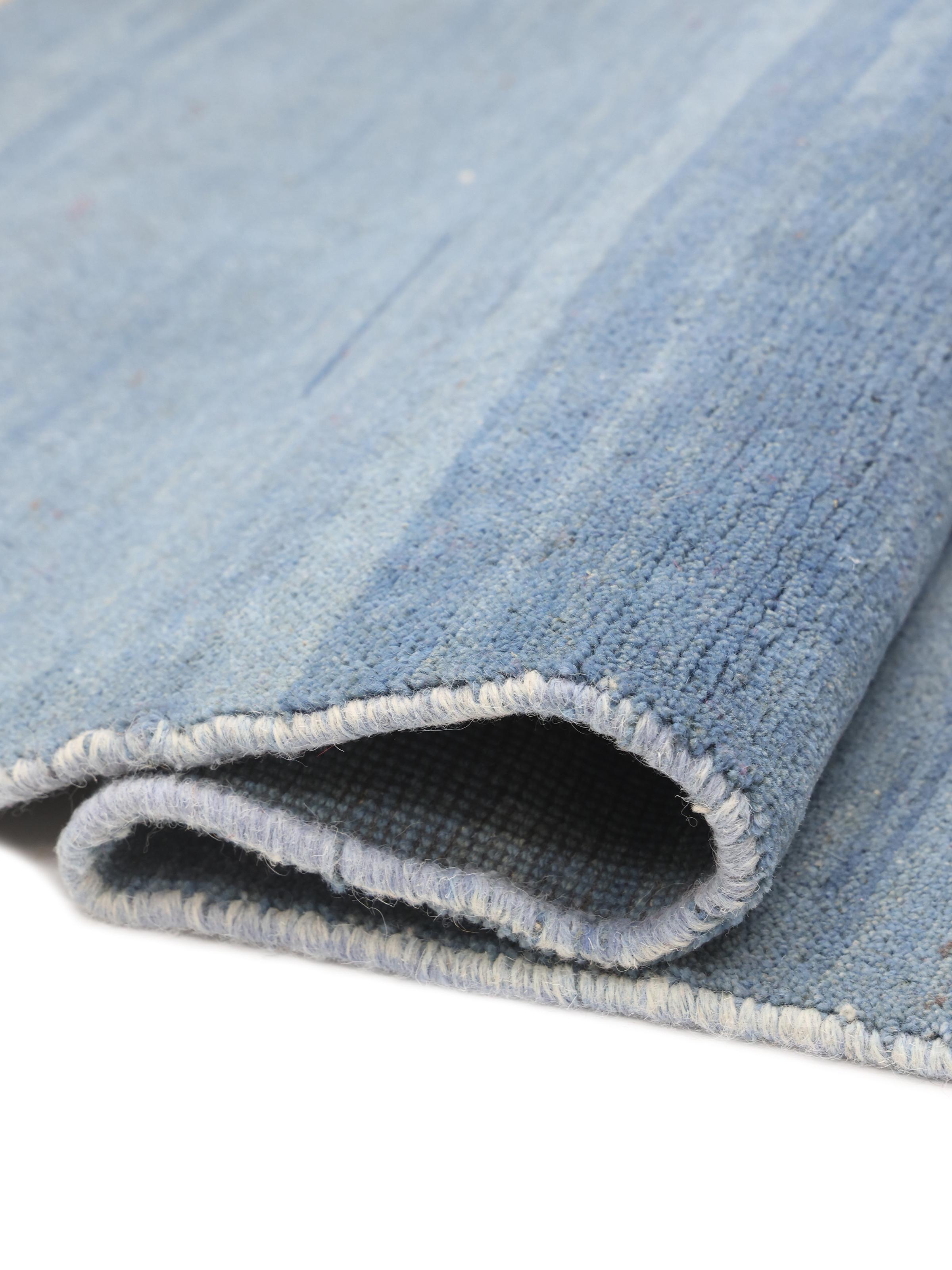
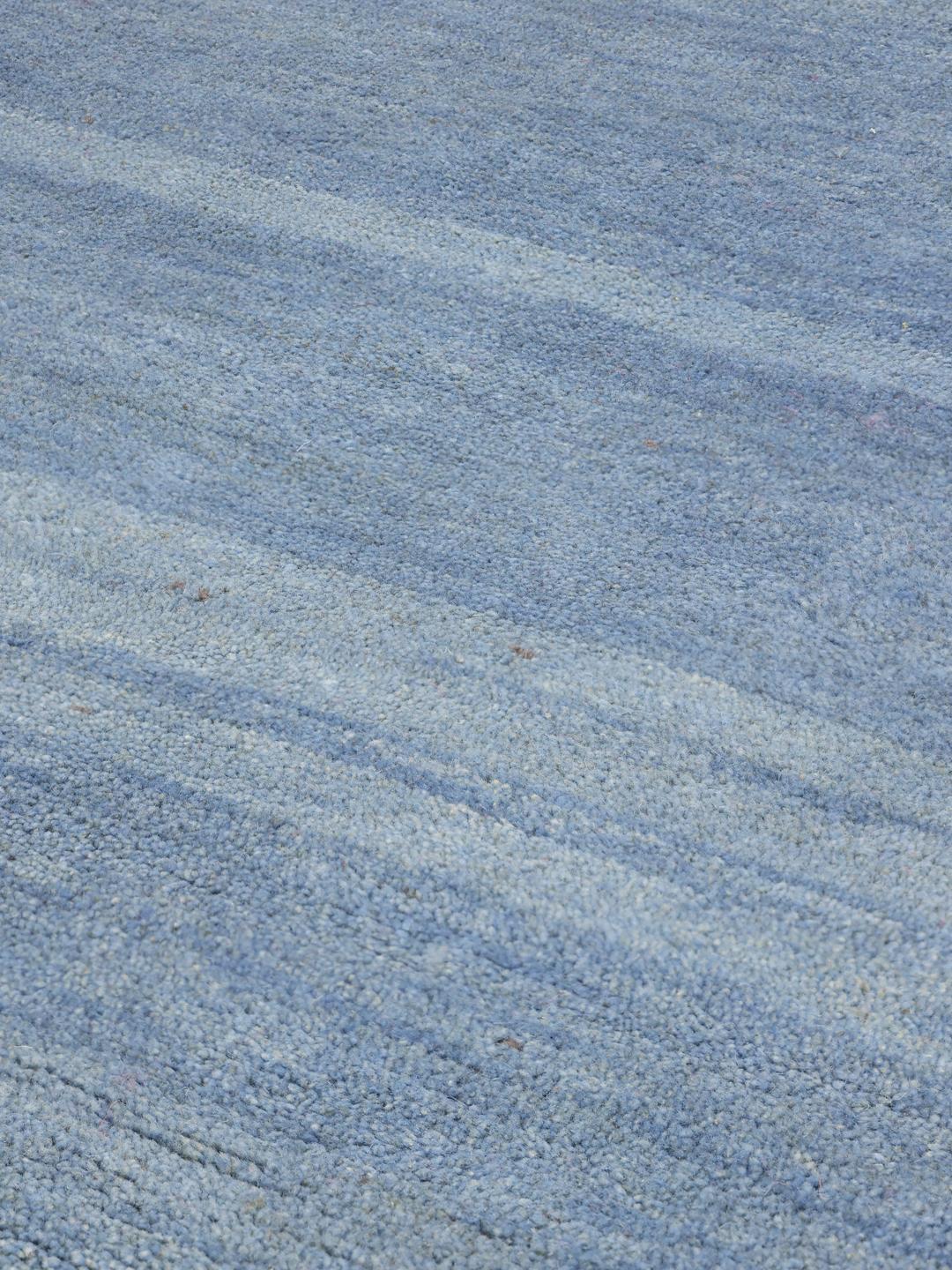
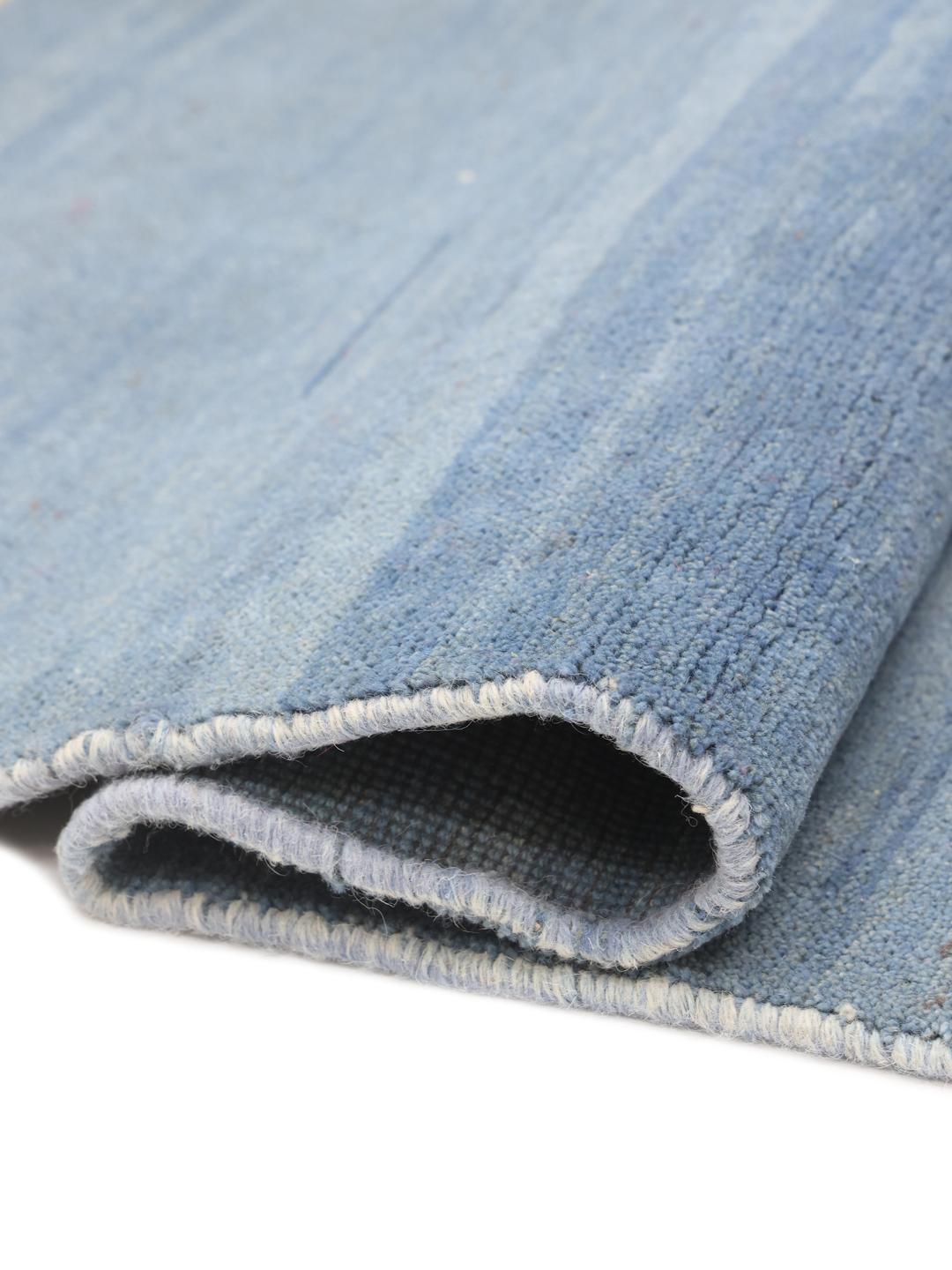
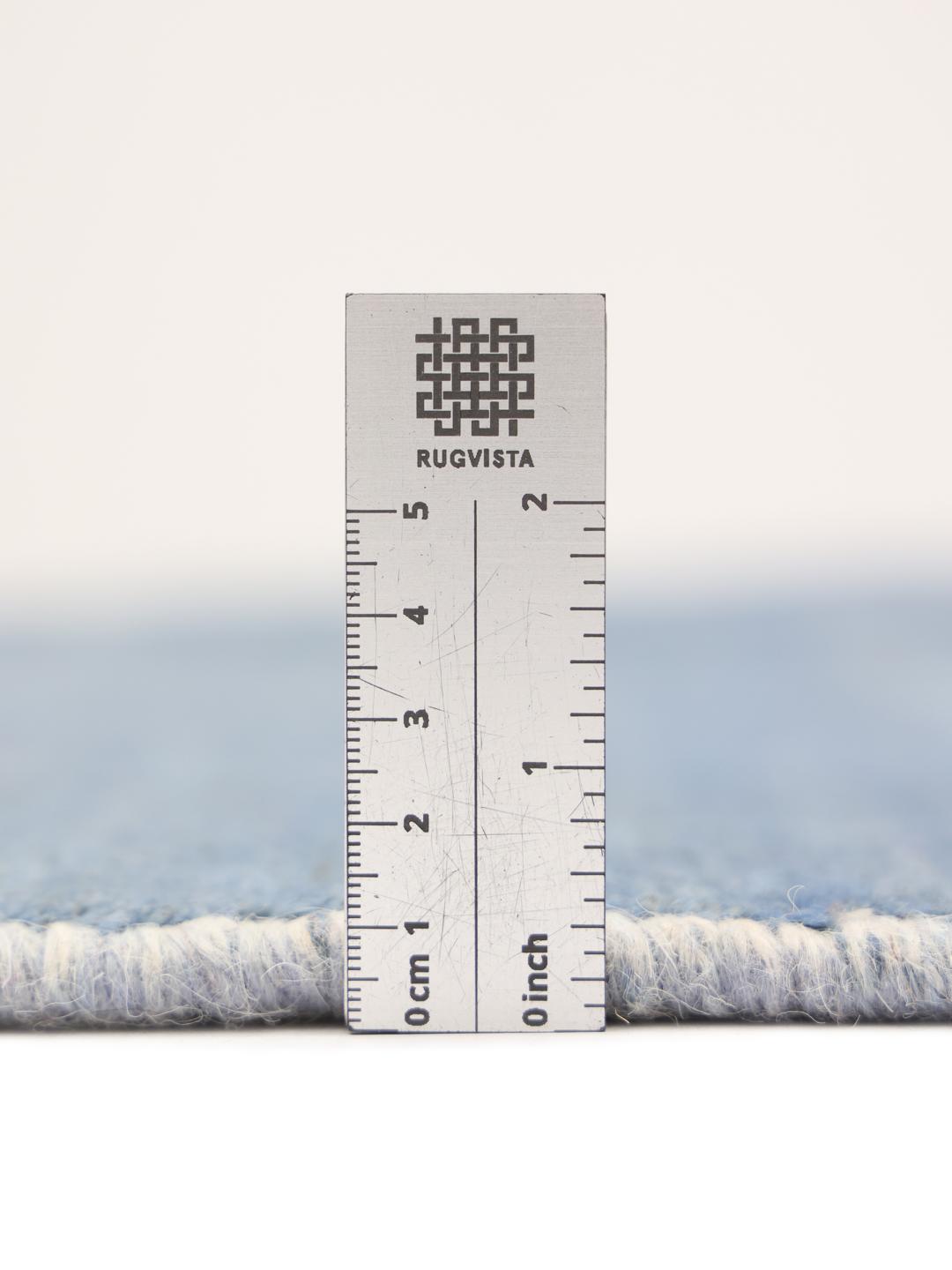
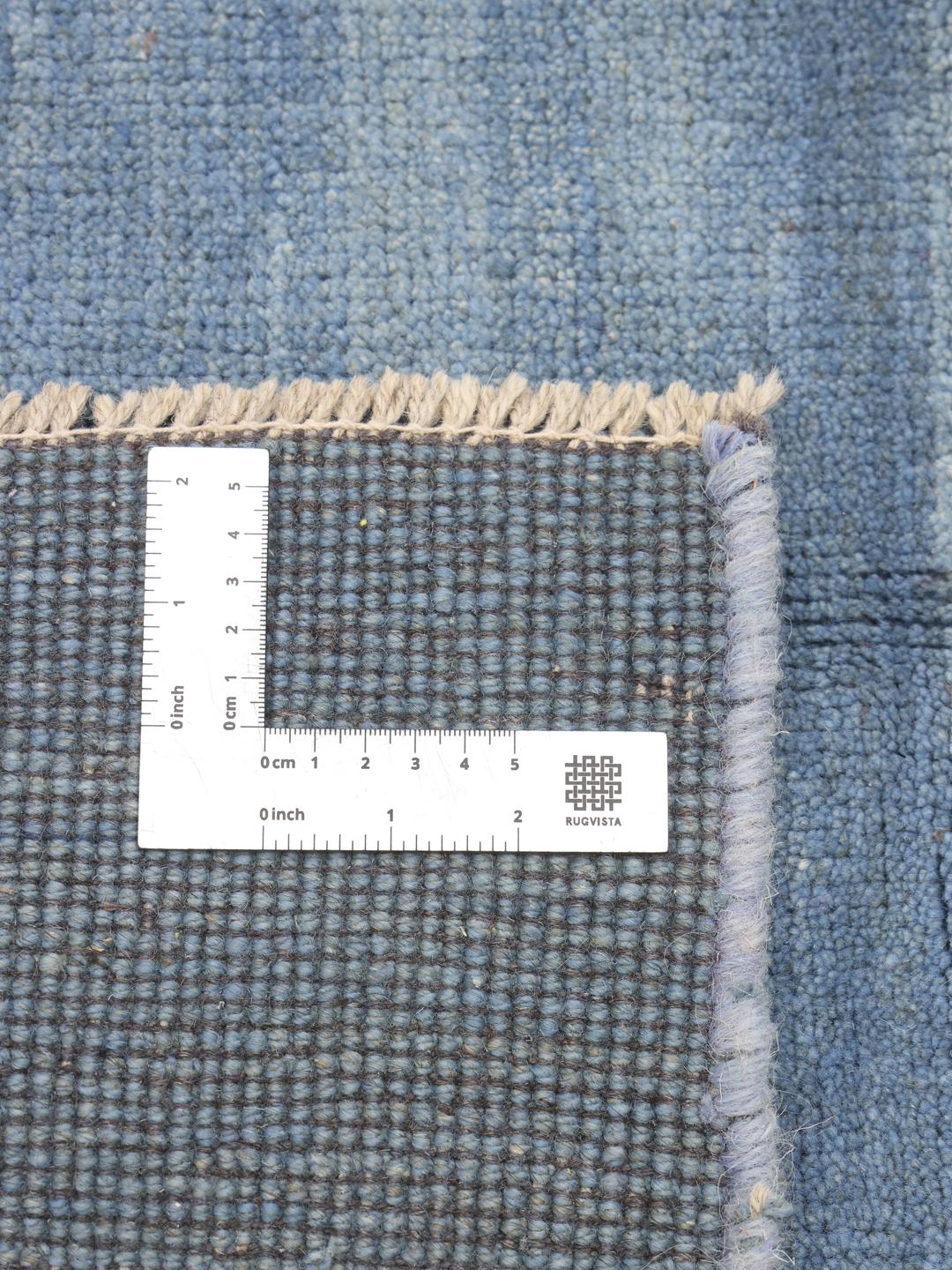
The term 'Gabbeh' itself translates to 'raw' or 'natural', which perfectly describes the aesthetic of these rugs. They are known for their thicker, coarser pile compared to more intricate, high-knot-count styles. This construction is intentional, providing a soft and cushiony surface that is ideal for nomadic life, and today, it remains a hallmark of their functional, comfortable quality.
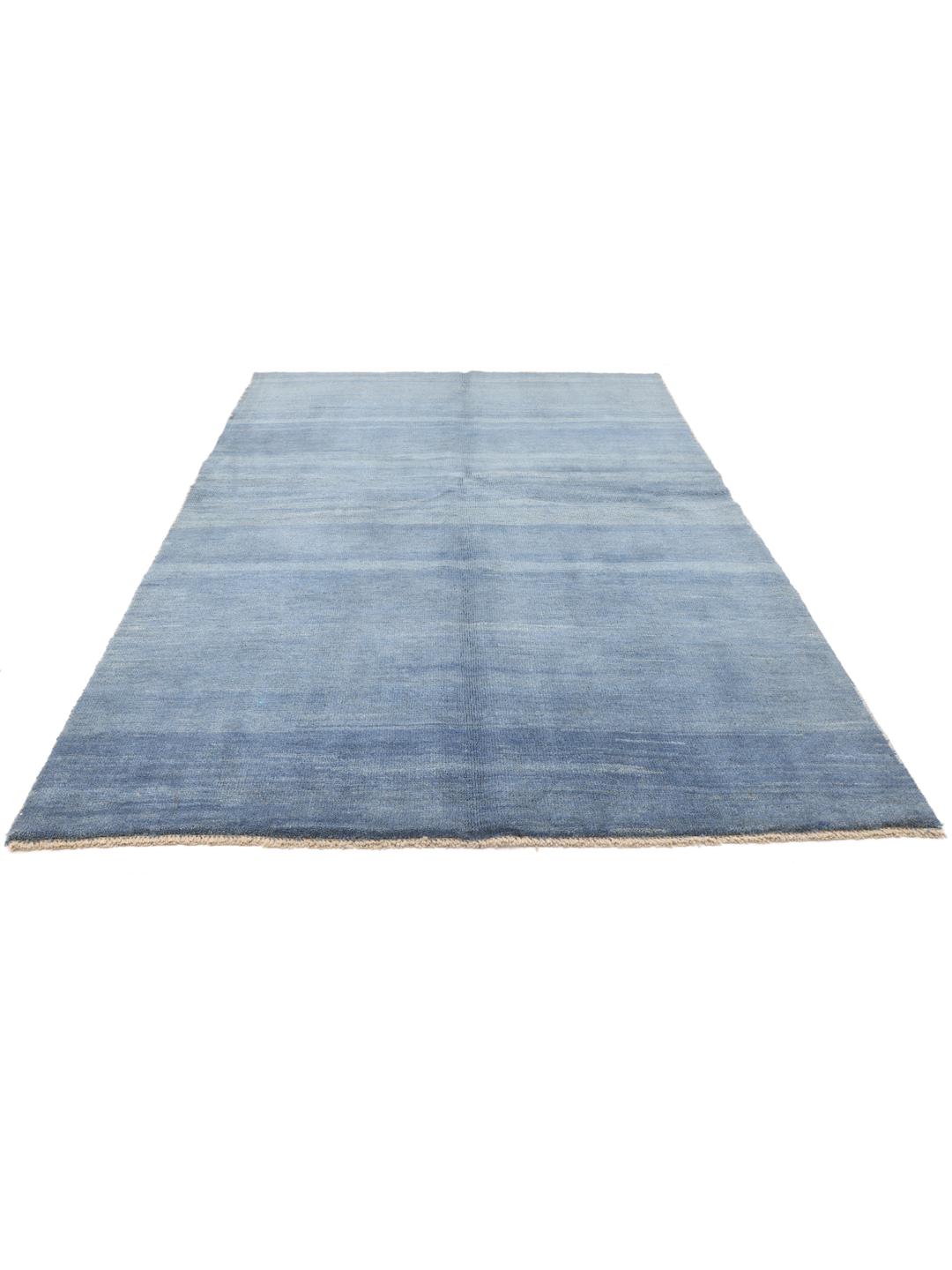
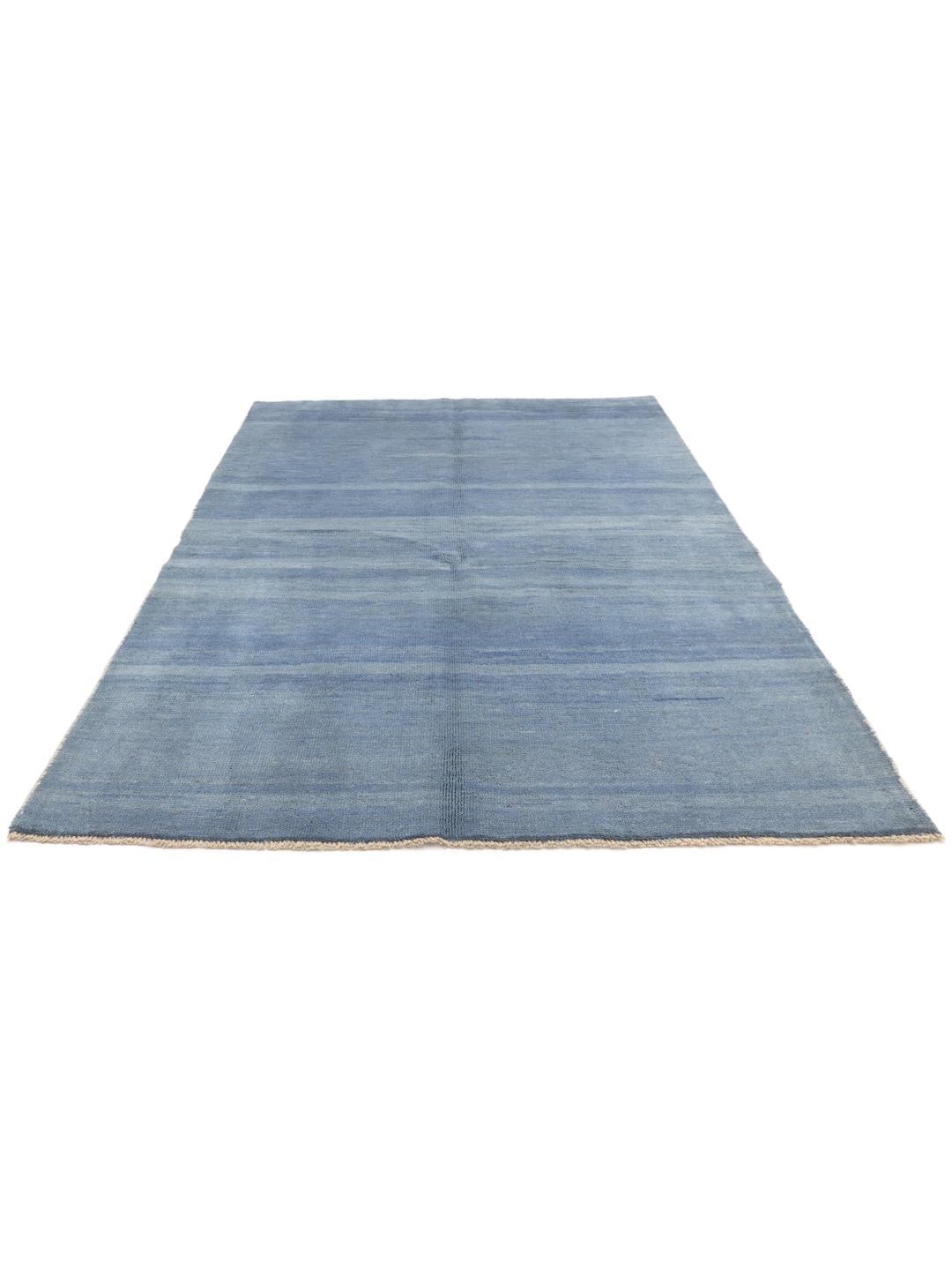
Visually, Gabbeh rugs are celebrated for their artistic simplicity. While many traditional rugs are defined by complex floral or geometric medallions, Gabbeh rugs often feature wide, open fields, subtle abrash (natural colour variations), and minimalistic motifs inspired by the weaver's environment. This rug's design reflects this heritage, focusing on the beauty of the material and the depth of the colour rather than elaborate patterns.
Today, Gabbeh rugs are highly valued by collectors for their authenticity and the human element present in every knot. Owning a piece from this tradition means connecting with a long-standing history of self-expression and craftsmanship. It is a testament to the skill of the weaver and the cultural significance of an art form that has remained largely unchanged for generations.