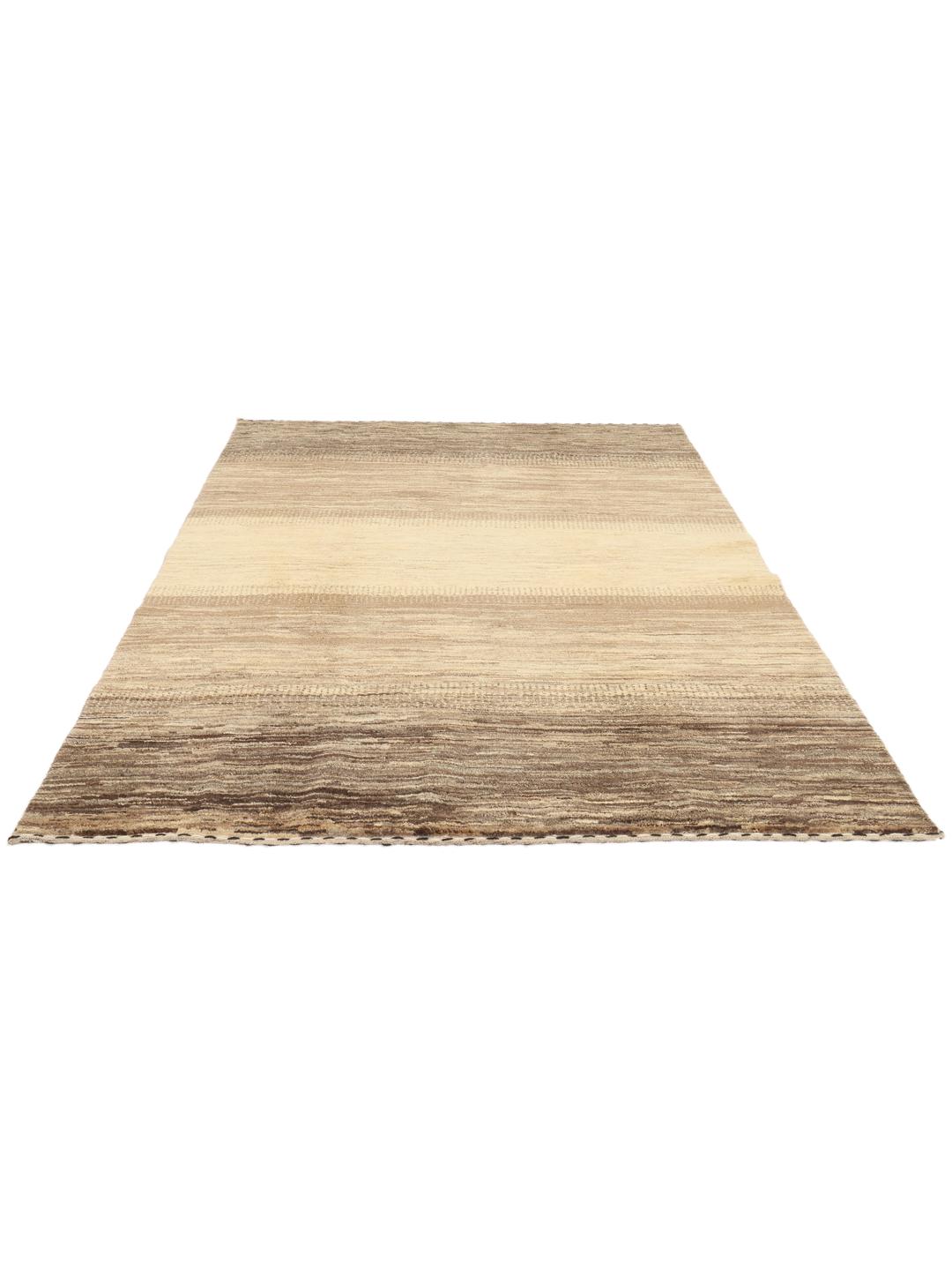
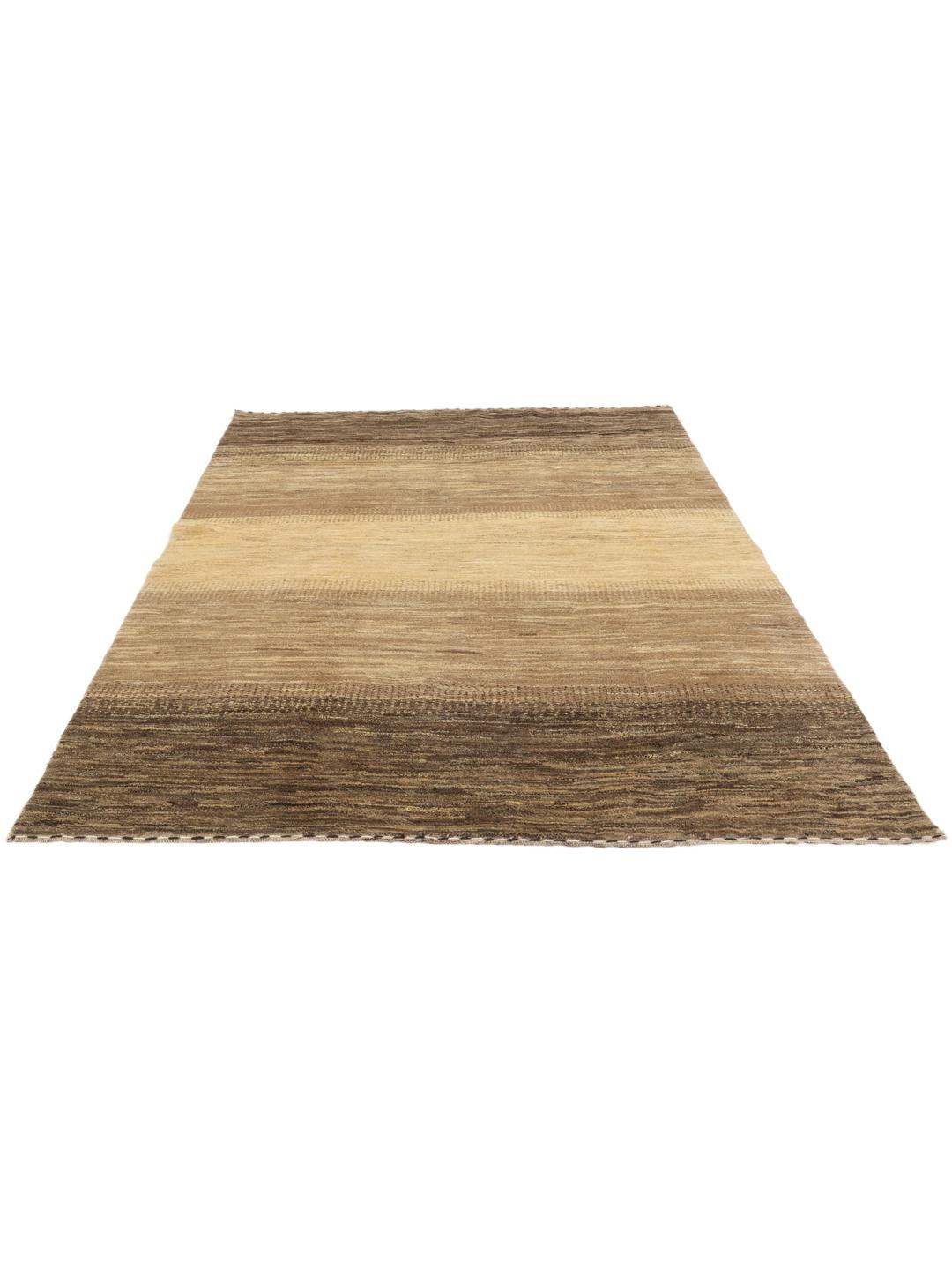
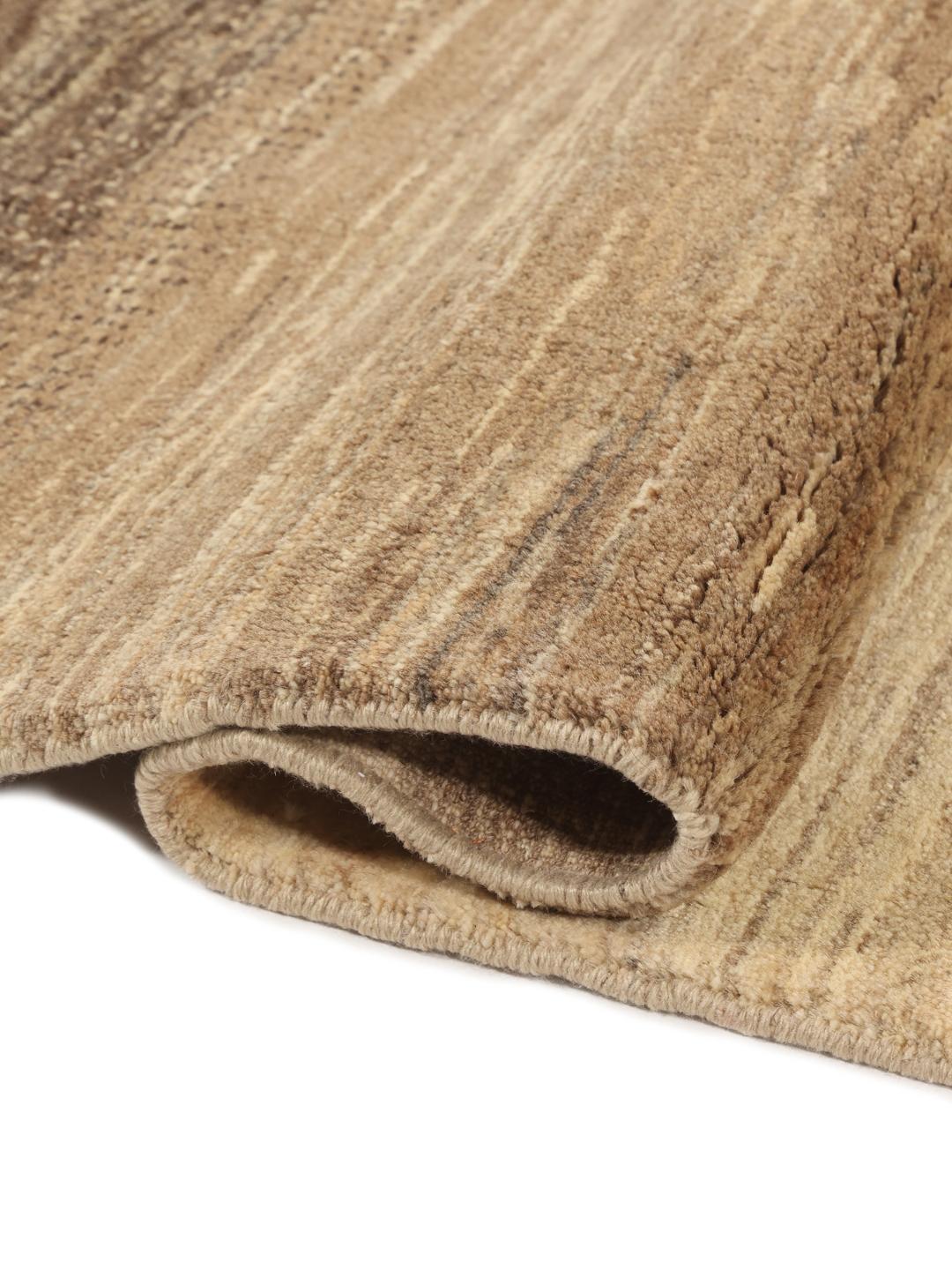
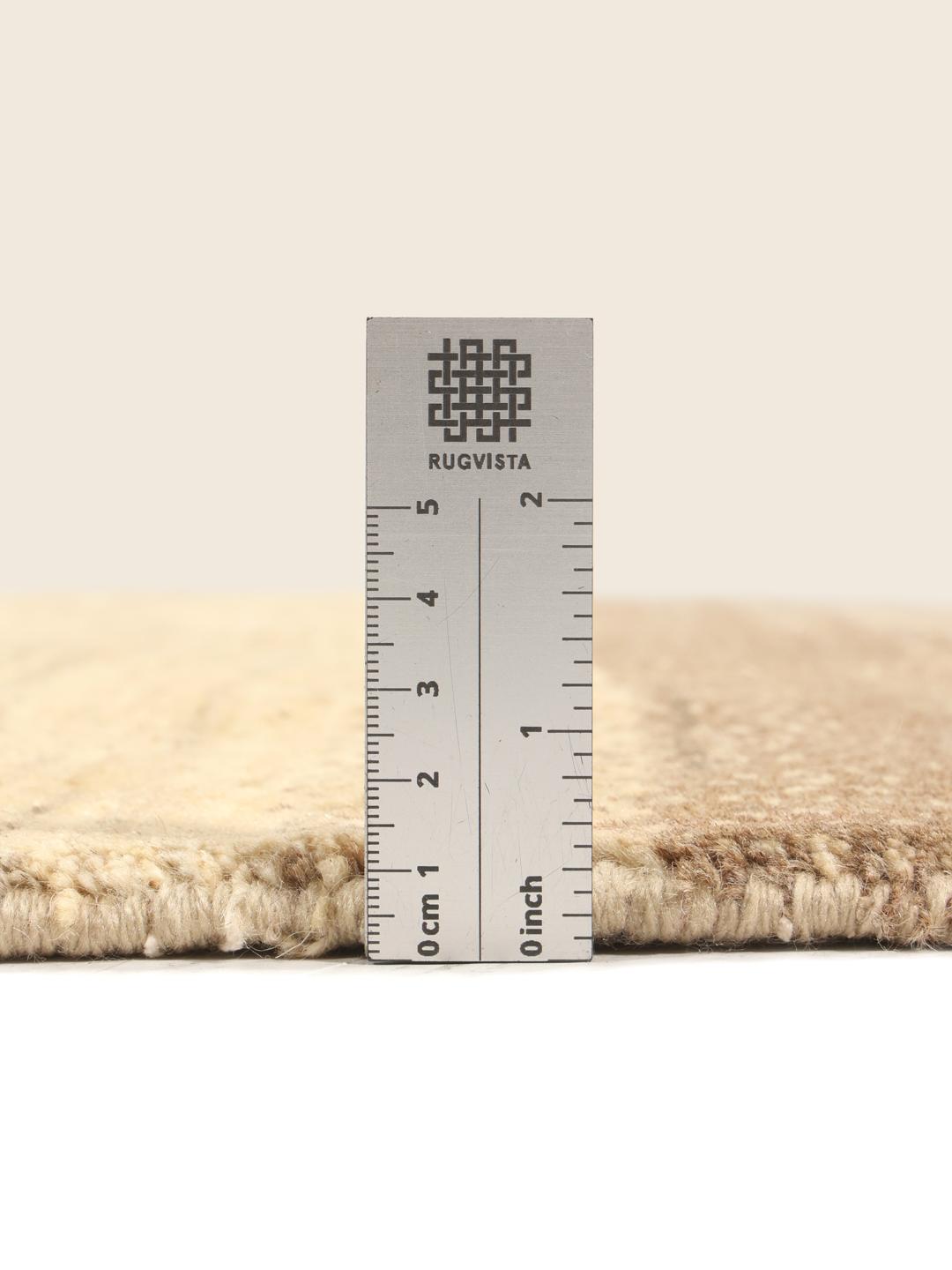
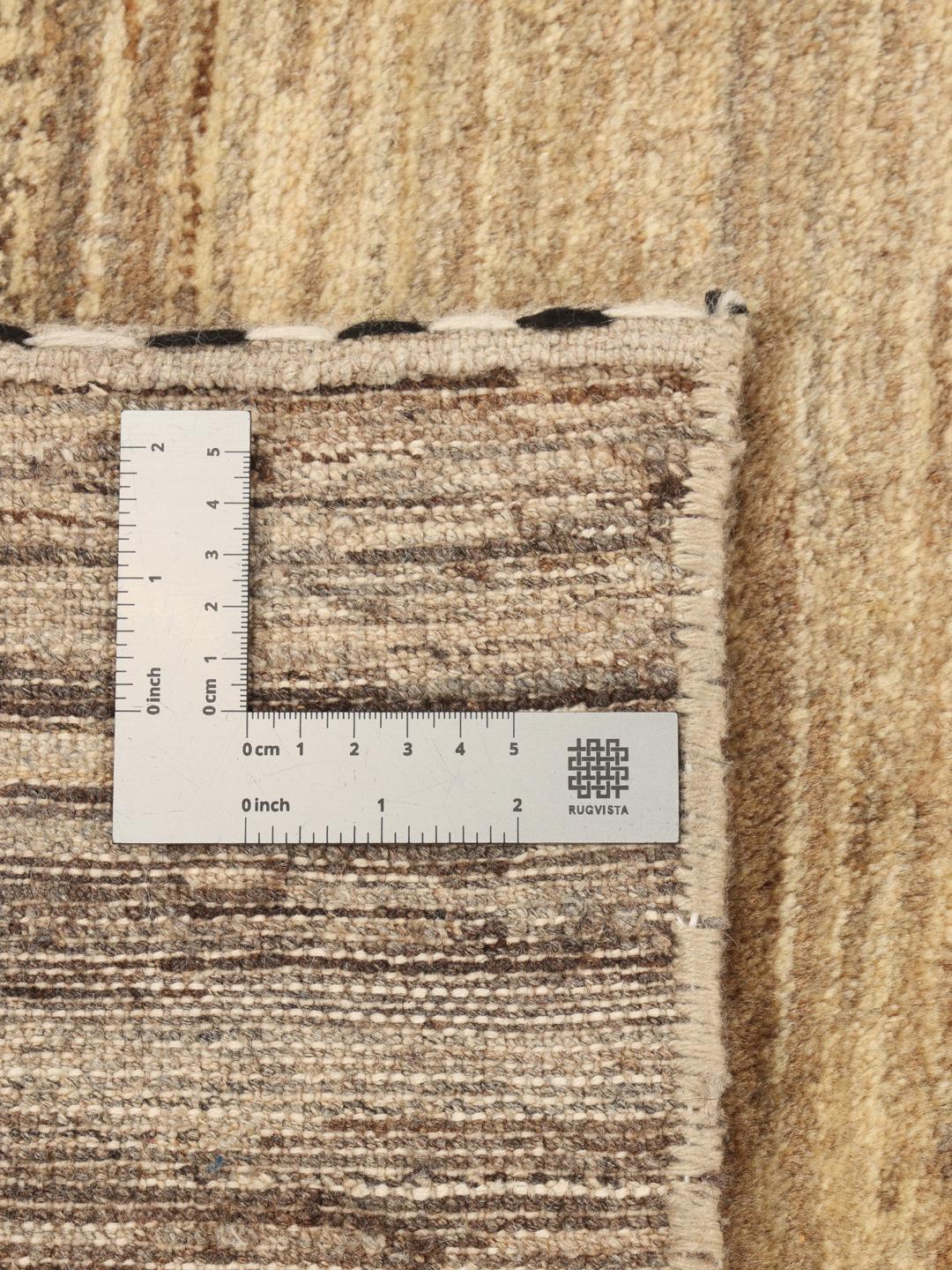
Gabbeh rugs have a long and storied tradition in the Middle East, traditionally created by nomadic tribes for their own personal use. Unlike formal, city-made carpets, these rugs were designed for comfort, serving as warm, thick floor coverings during the cold mountain winters.
The term Gabbeh refers to a style of rug that is intentionally rustic and less formal, often prioritising the weaver's personal expression over rigid symmetry. This approach allows for a beautiful, organic quality where the rug feels like a direct reflection of the artisan's environment and creative instinct.
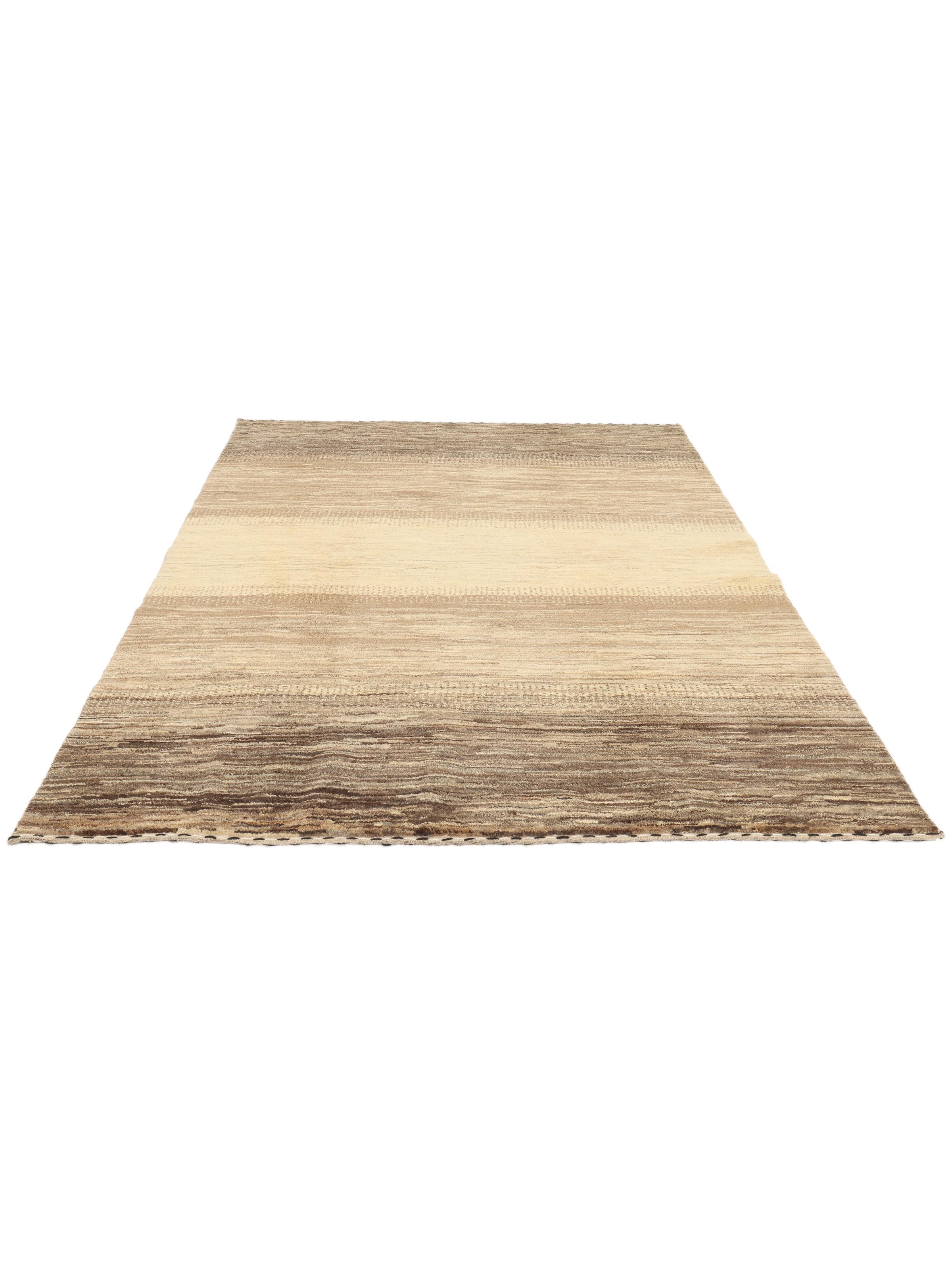
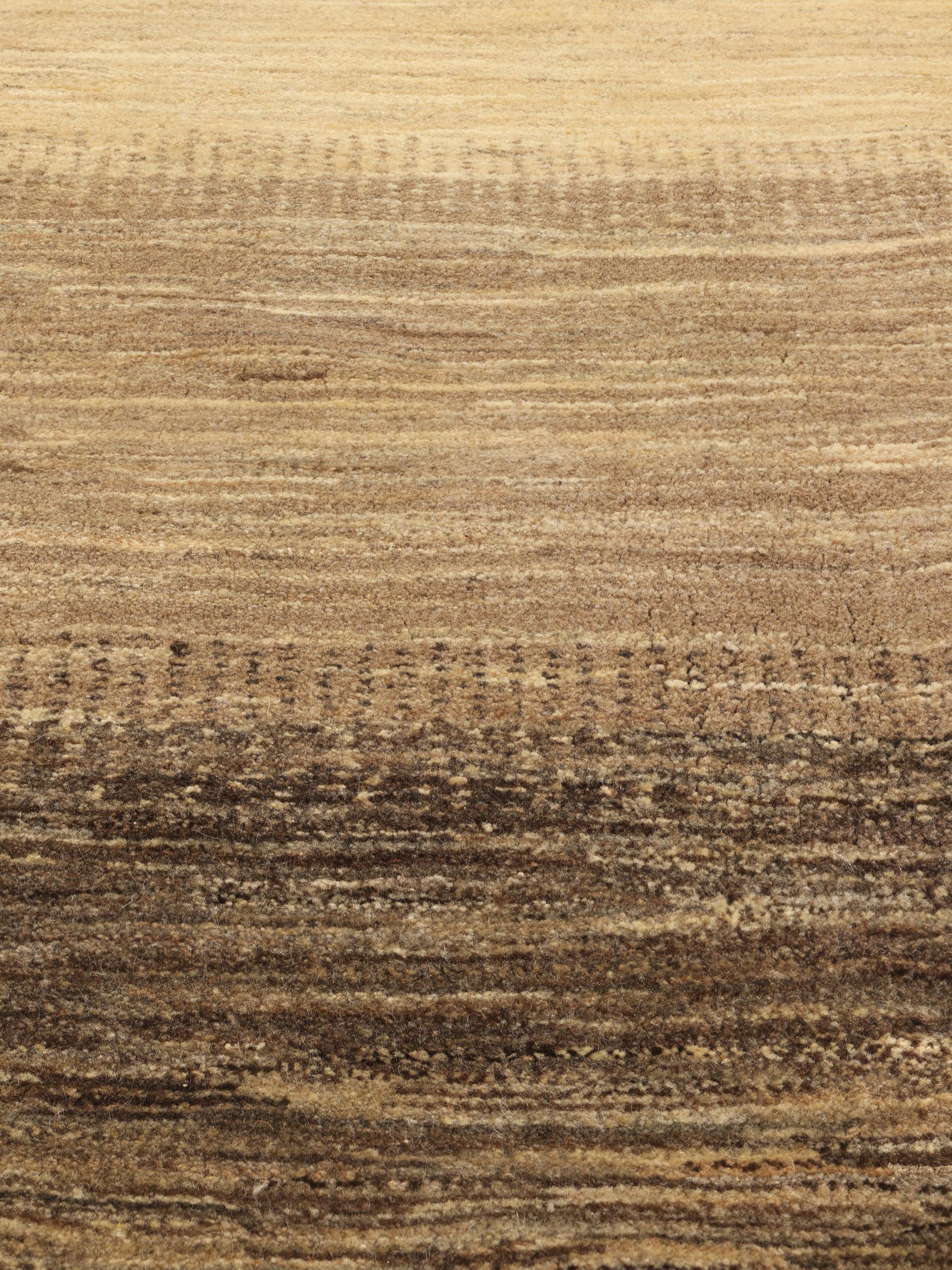
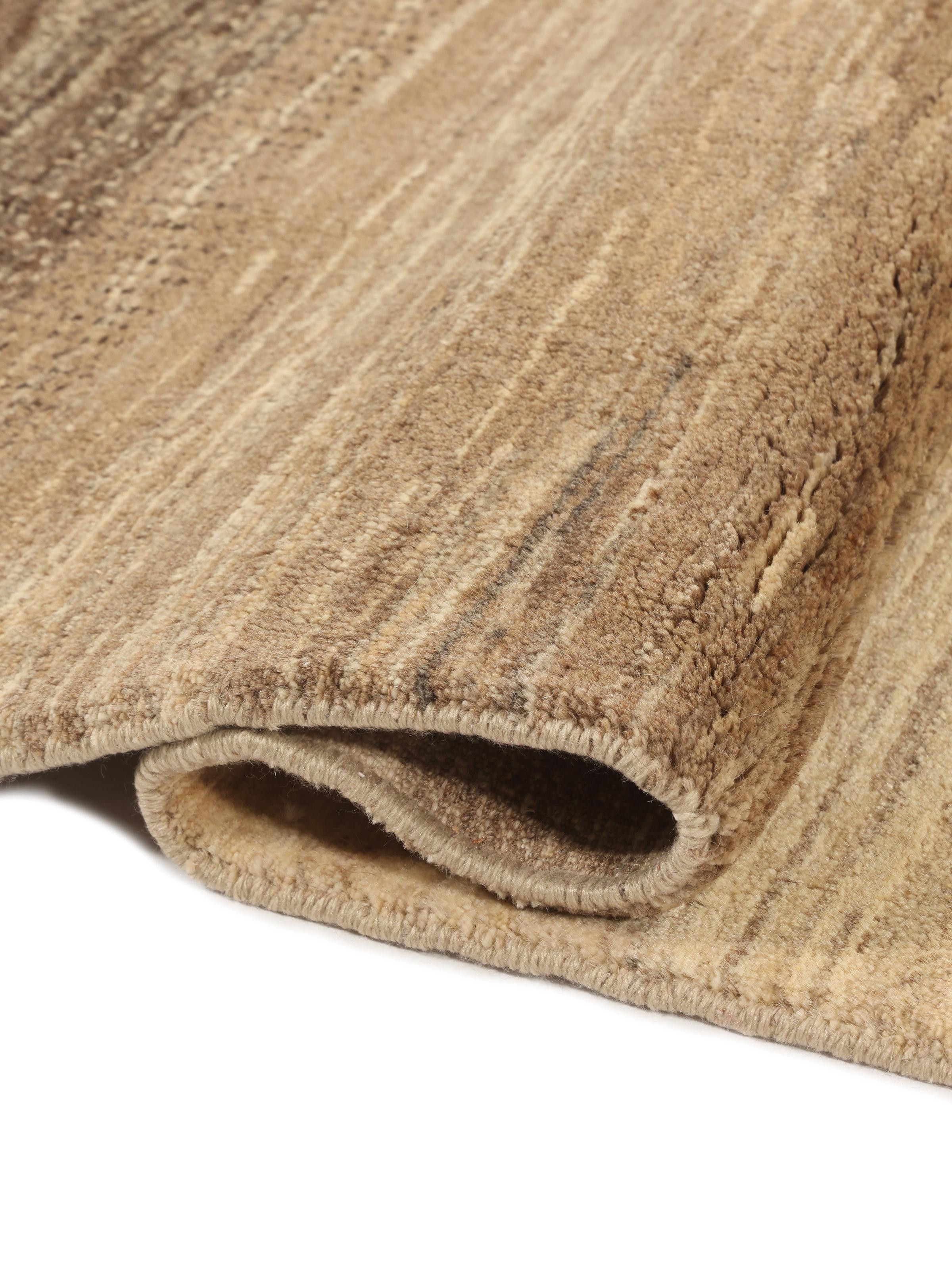
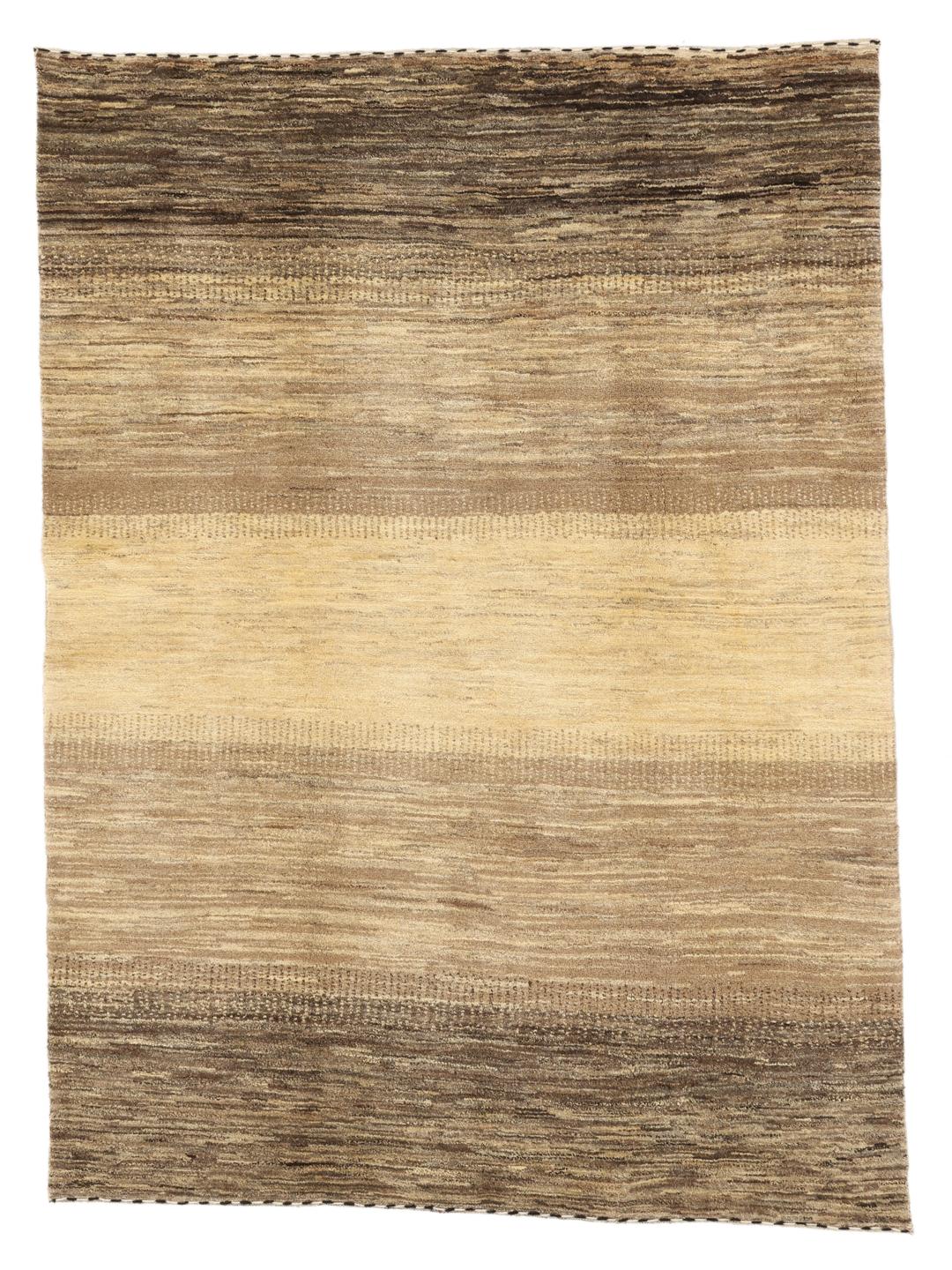
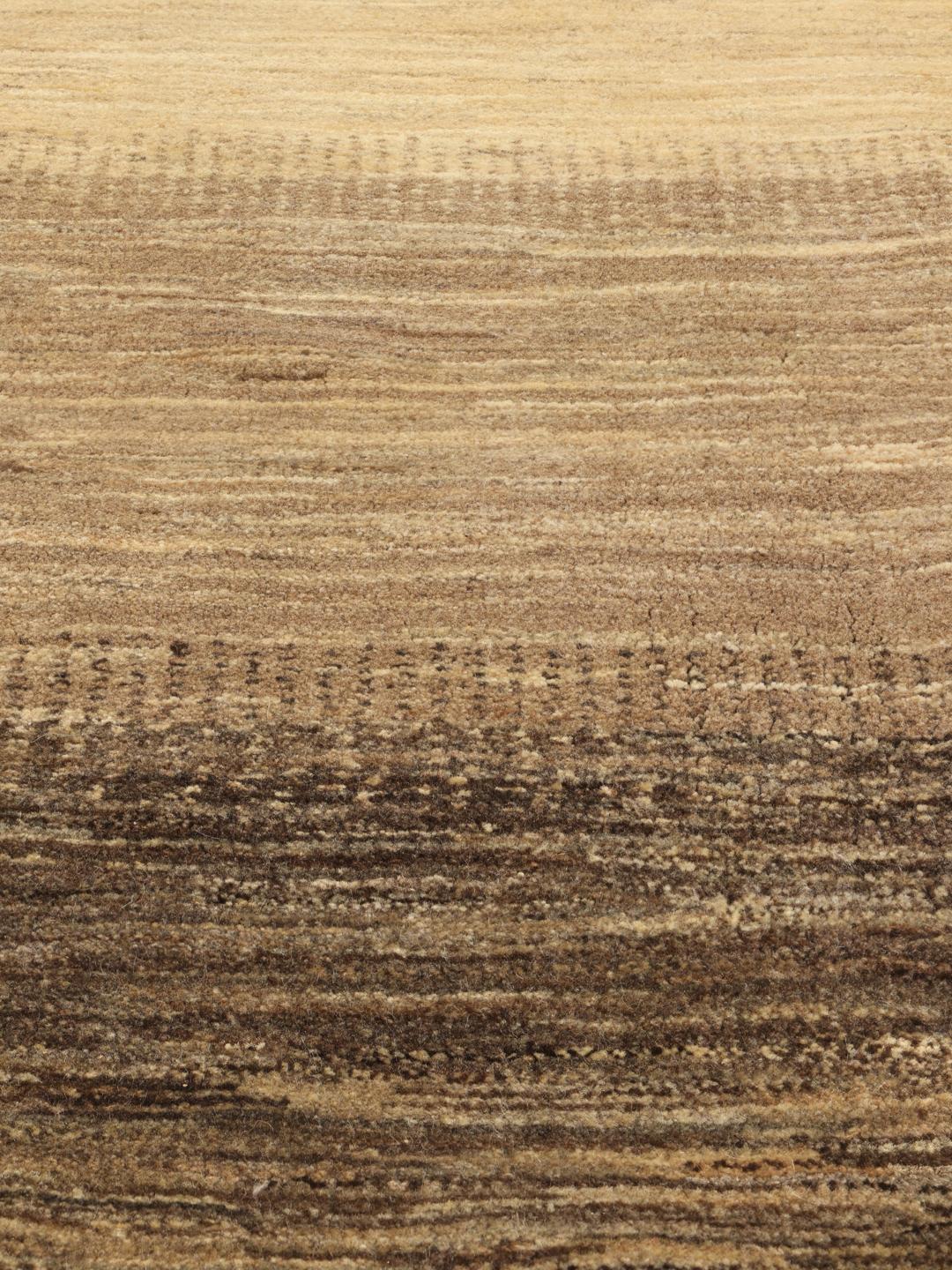
Visually, these rugs are famous for their bold, minimalist designs. They often feature large, open fields of colour with simple, geometric motifs or, as seen here, rhythmic stripes that celebrate the natural variations in the wool. The colours are traditionally sourced from local plants and minerals, resulting in a depth of tone that is difficult to achieve with synthetic dyes.
Today, these rugs are highly sought after by collectors and enthusiasts who appreciate their authentic, folk-art character. Owning a Gabbeh is not just about having a floor covering, but about connecting with a heritage of nomadic skill and an aesthetic that values simplicity and the raw beauty of natural materials.