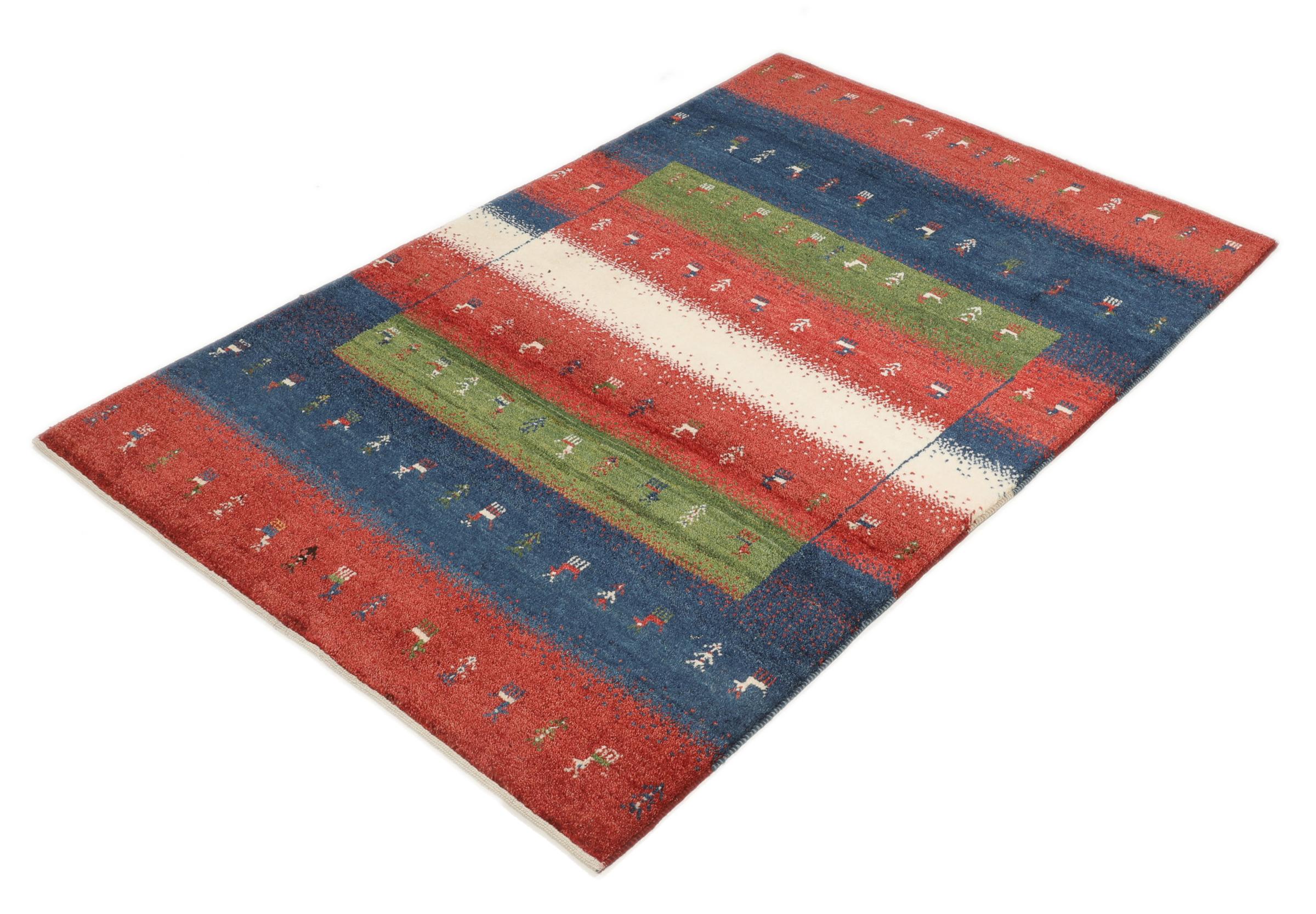
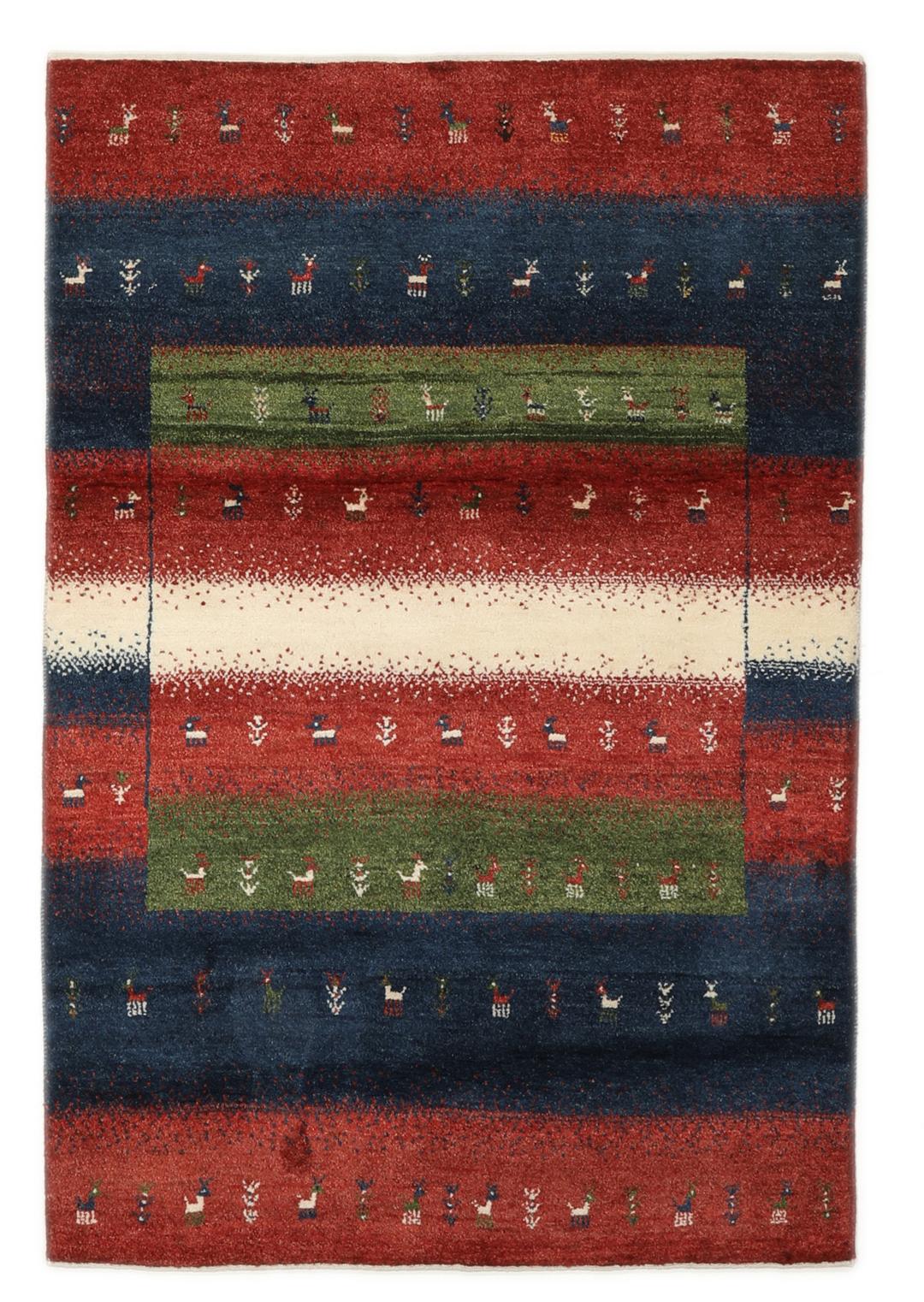
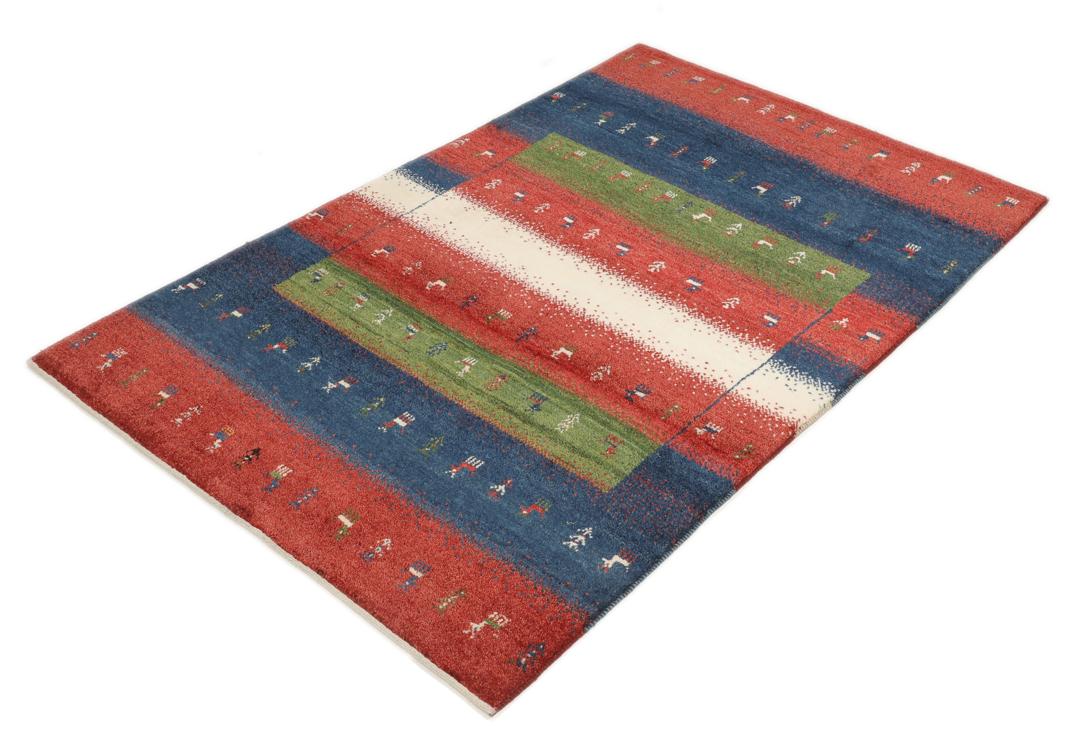
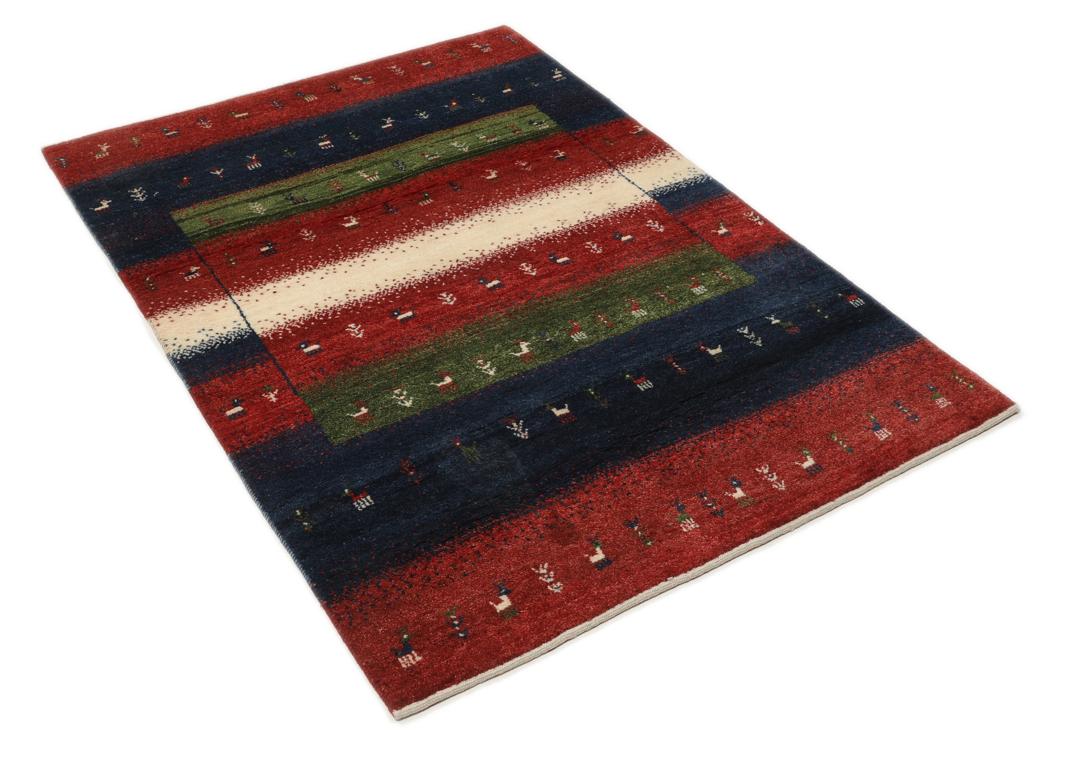
The Gabbeh tradition finds its roots in the nomadic cultures of the Middle East. Historically, these rugs were woven by tribal women primarily for their own domestic use, serving as thick, protective floor coverings that provided insulation against the cold ground of tents and homes.
Unlike formal, city-made rugs that follow strict mathematical patterns, Gabbeh rugs are known for their improvisational spirit. The term itself refers to a 'raw' or 'natural' style, reflecting the freedom with which weavers express their personal stories, local landscapes, and cultural heritage through simple, bold motifs.
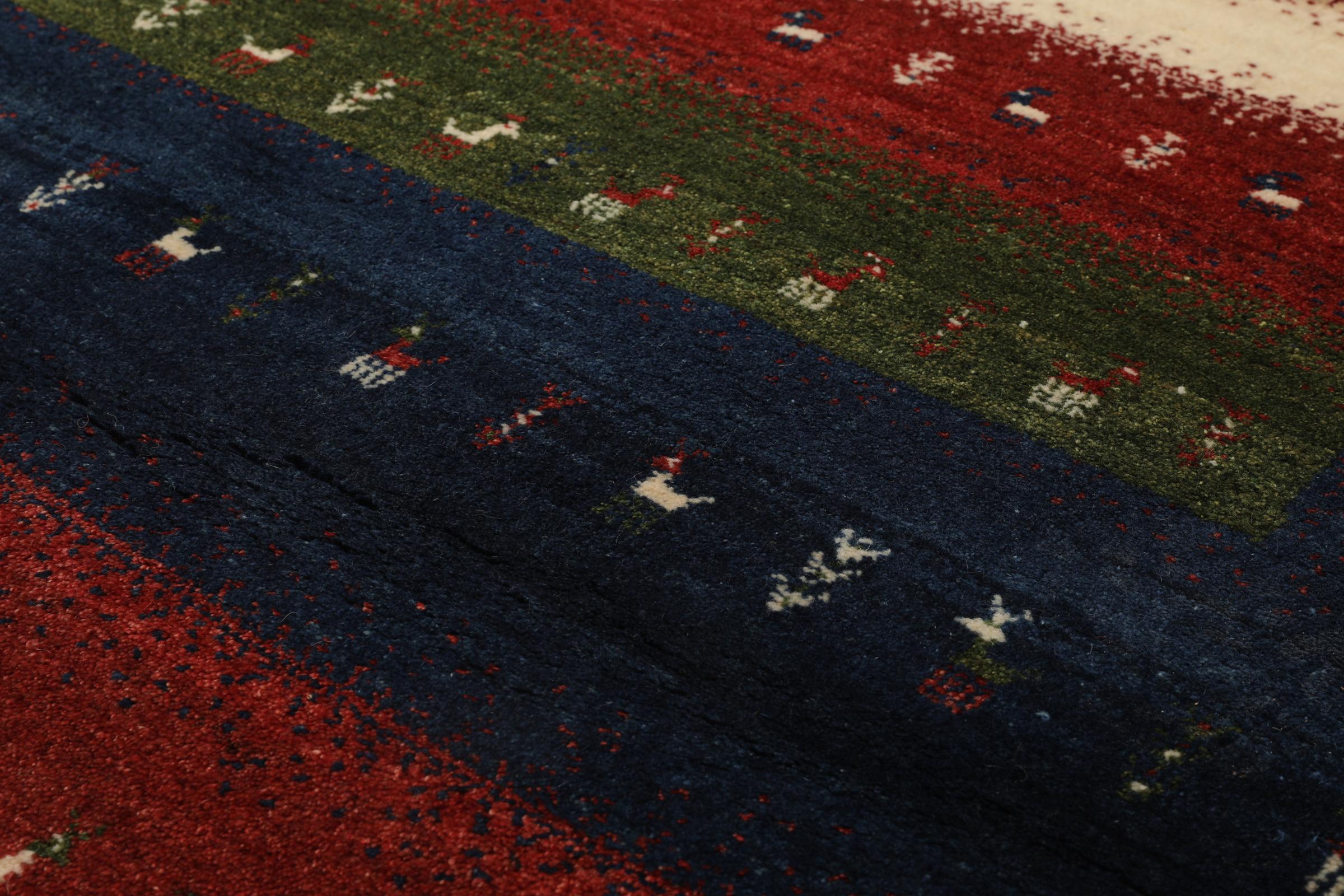
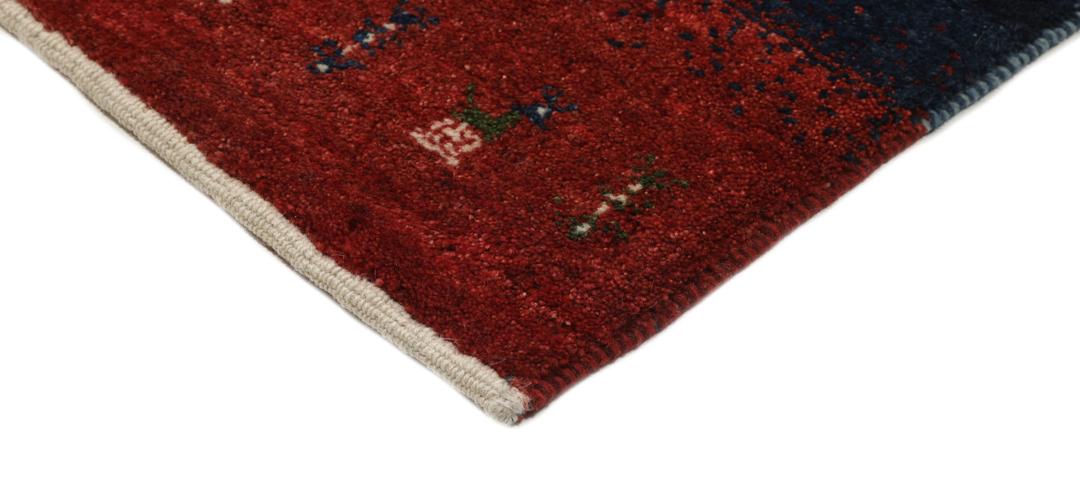
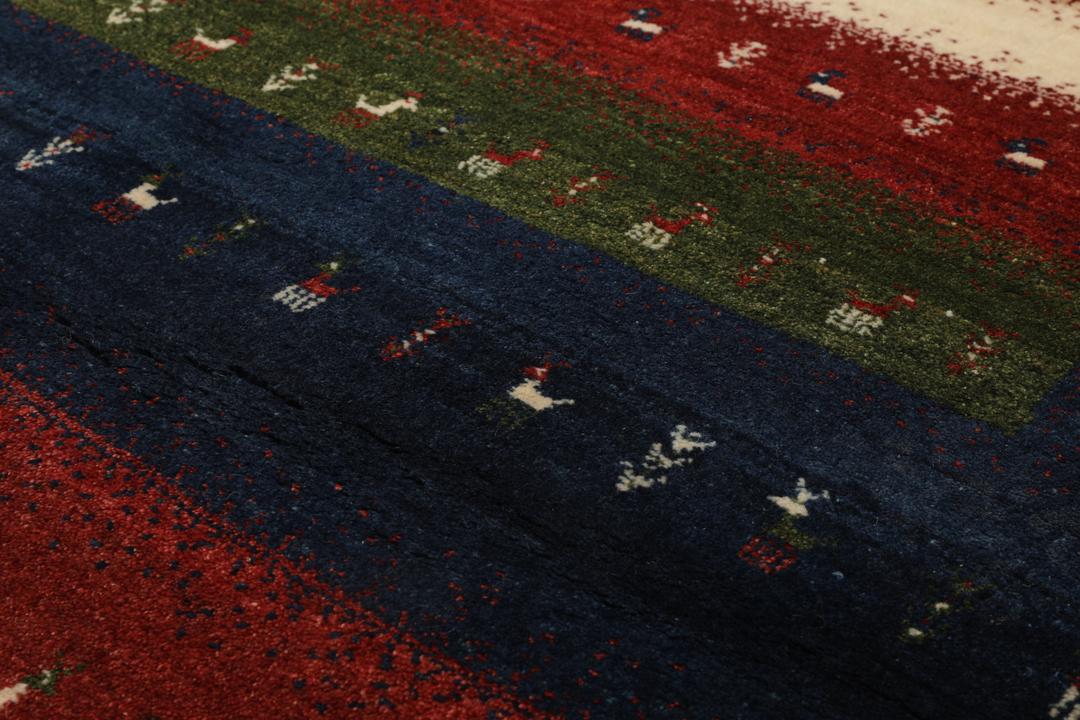
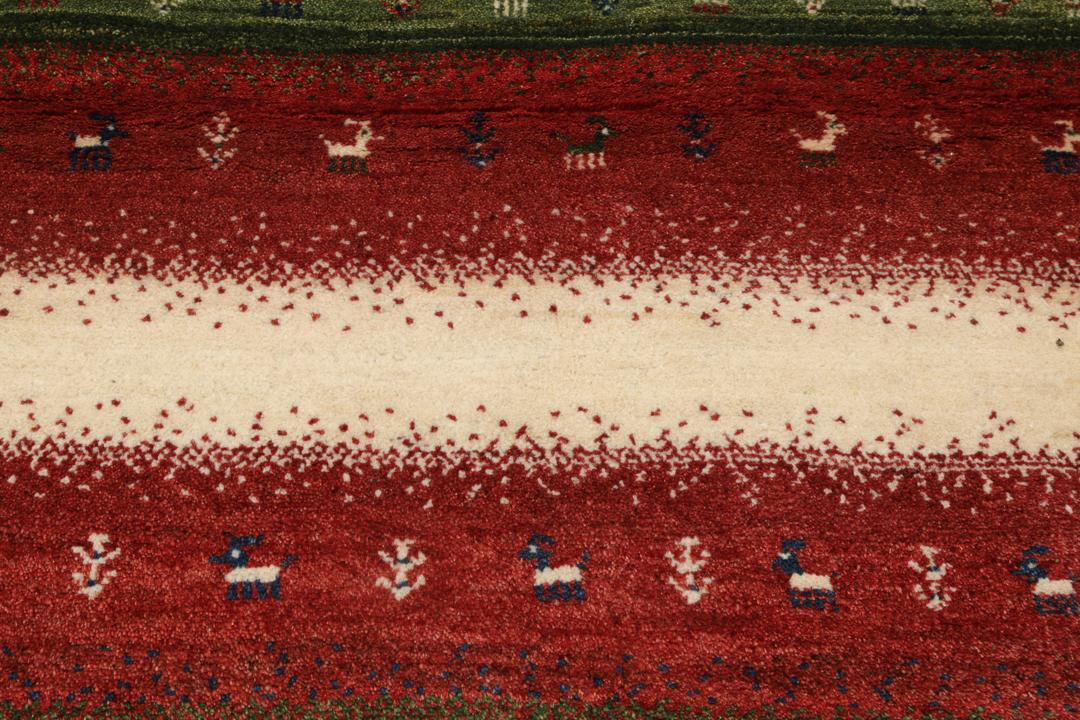
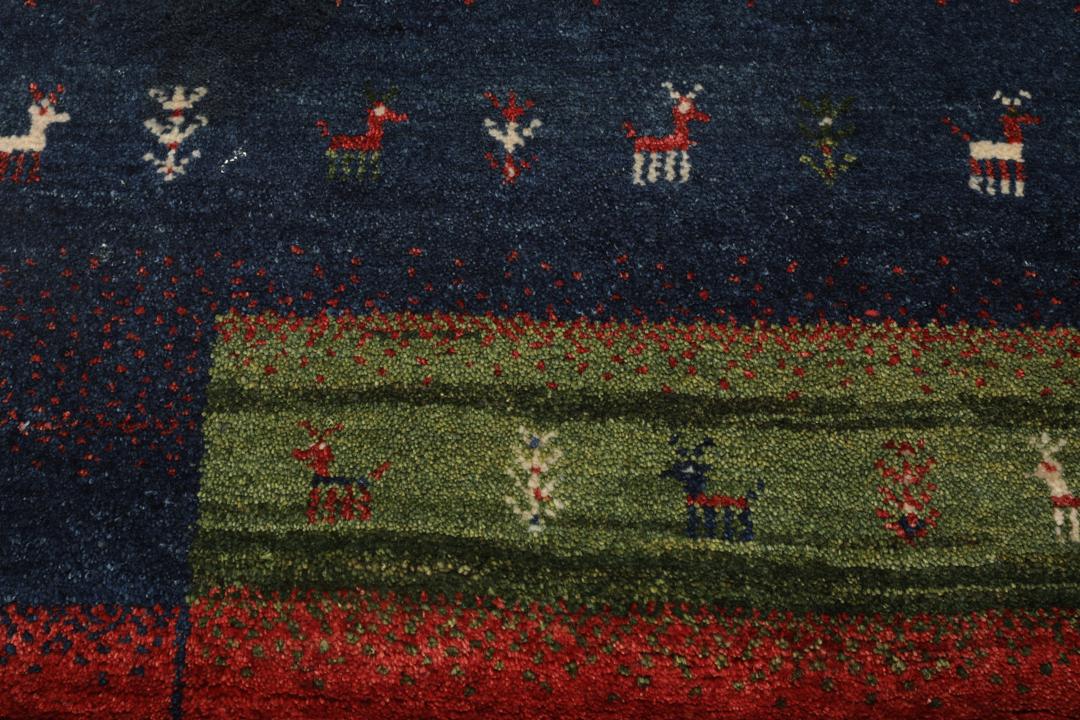
The design of this piece is defined by its use of pictorial elements, often depicting animals, plants, and geometric symbols that hold deep meaning within the weaver's community. These designs are not mere decoration but a visual language, where the colour shifts and spacing are dictated by the weaver's intuition rather than a pre-drawn map.
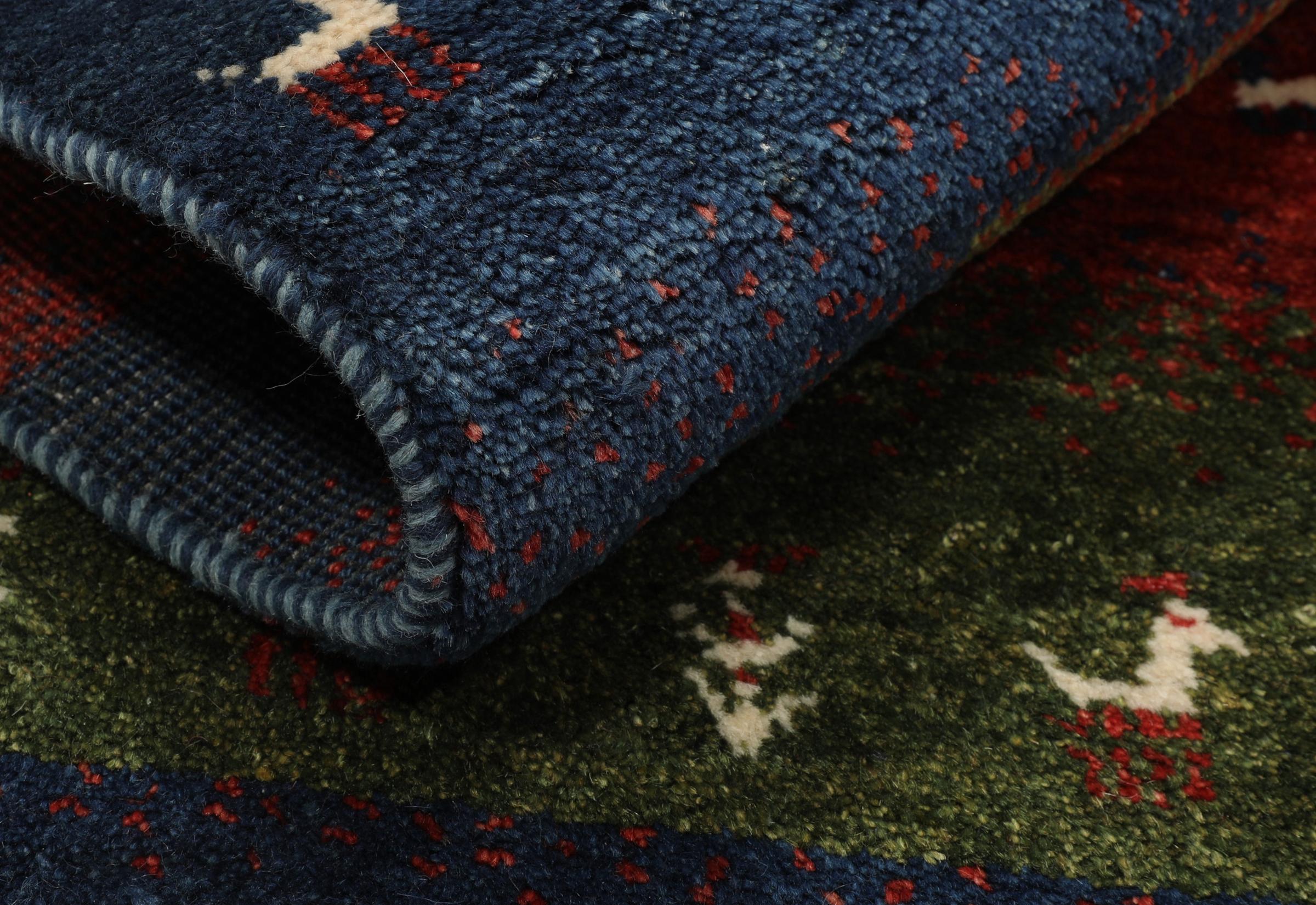
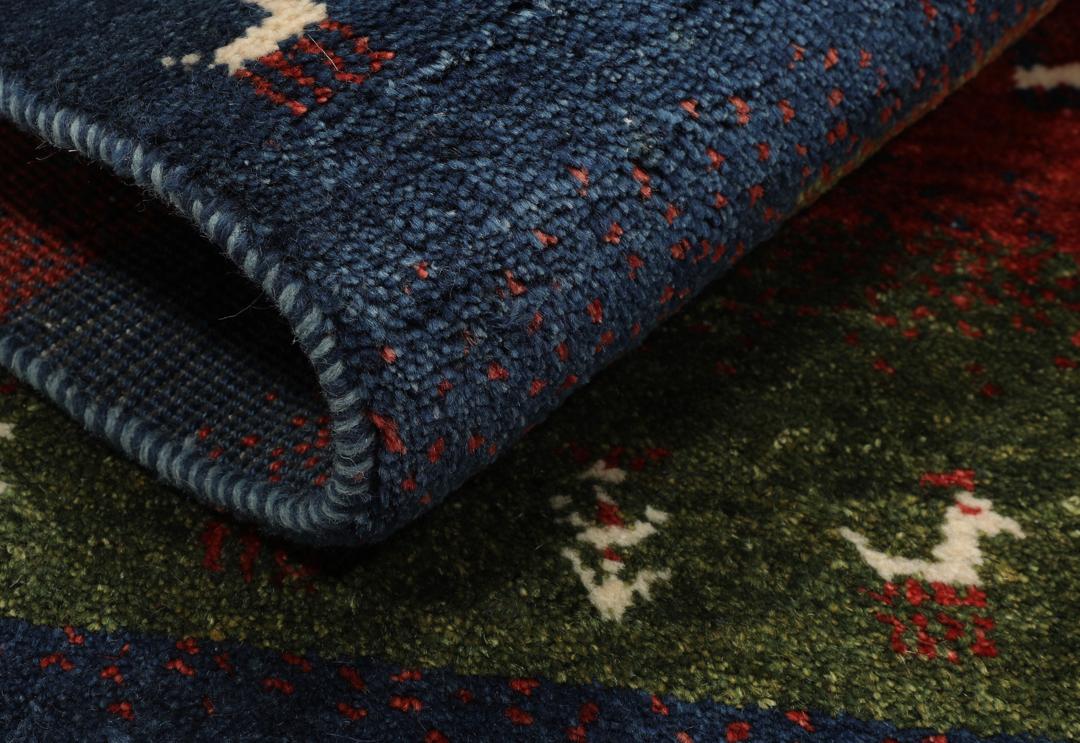
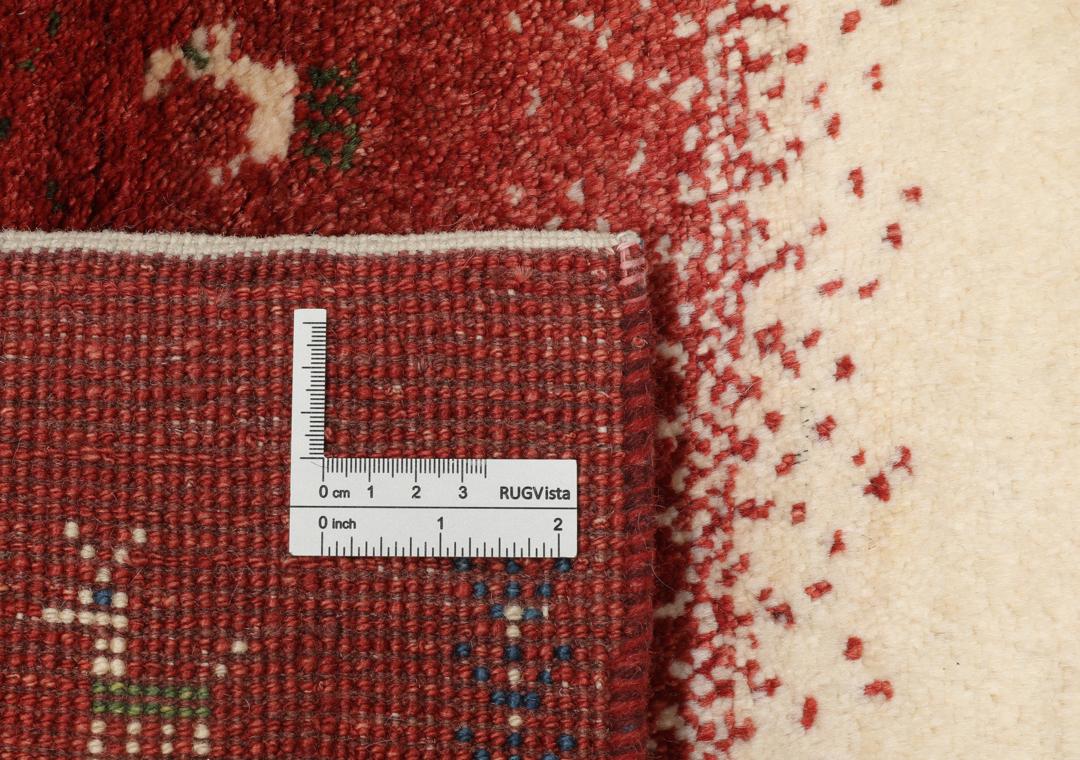
Today, these rugs are highly prized by collectors for their authentic, unpretentious beauty. Owning a piece from this tradition is an invitation to connect with a centuries-old craft that prioritises human expression and the tactile quality of natural wool above all else.