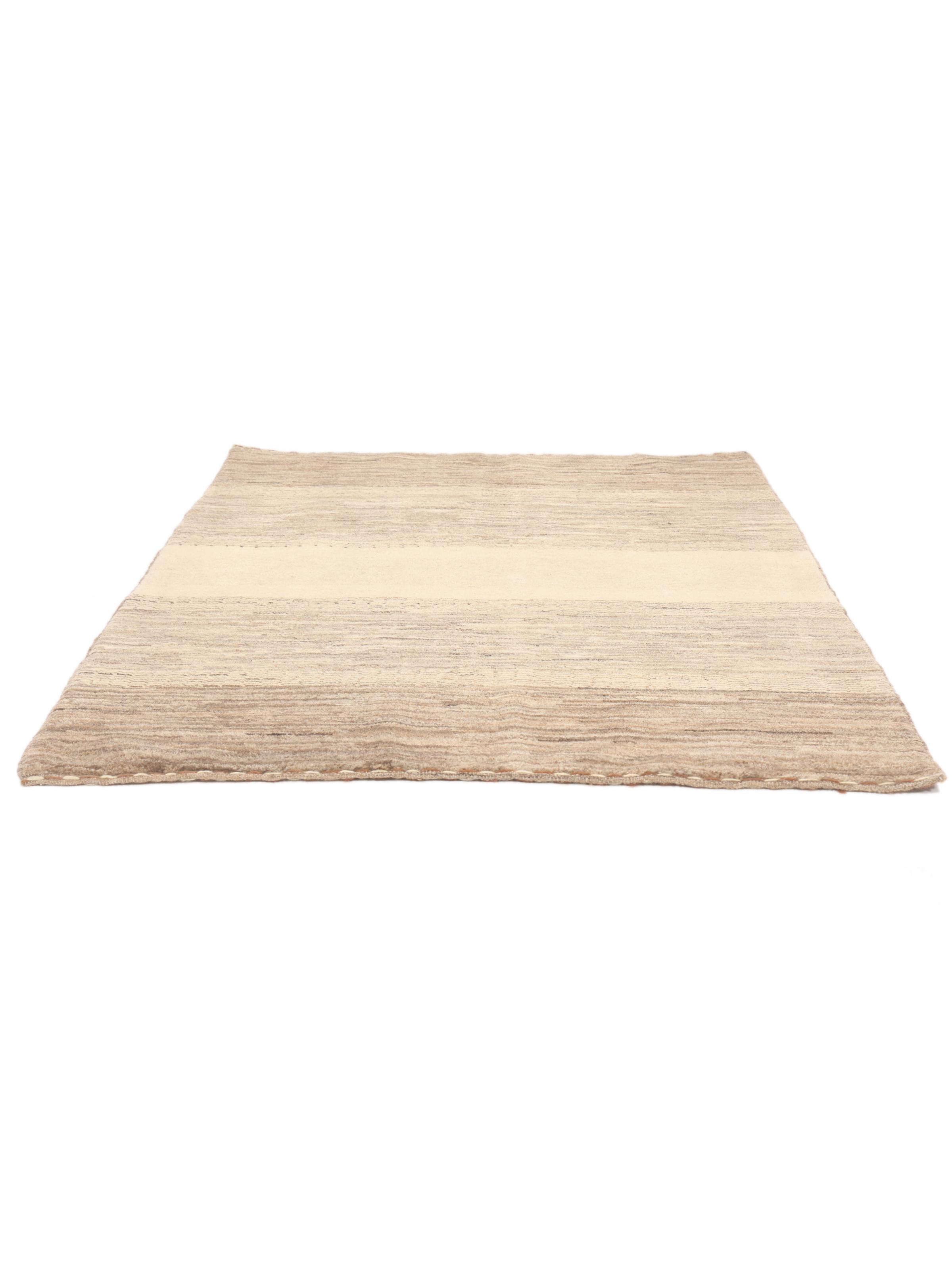
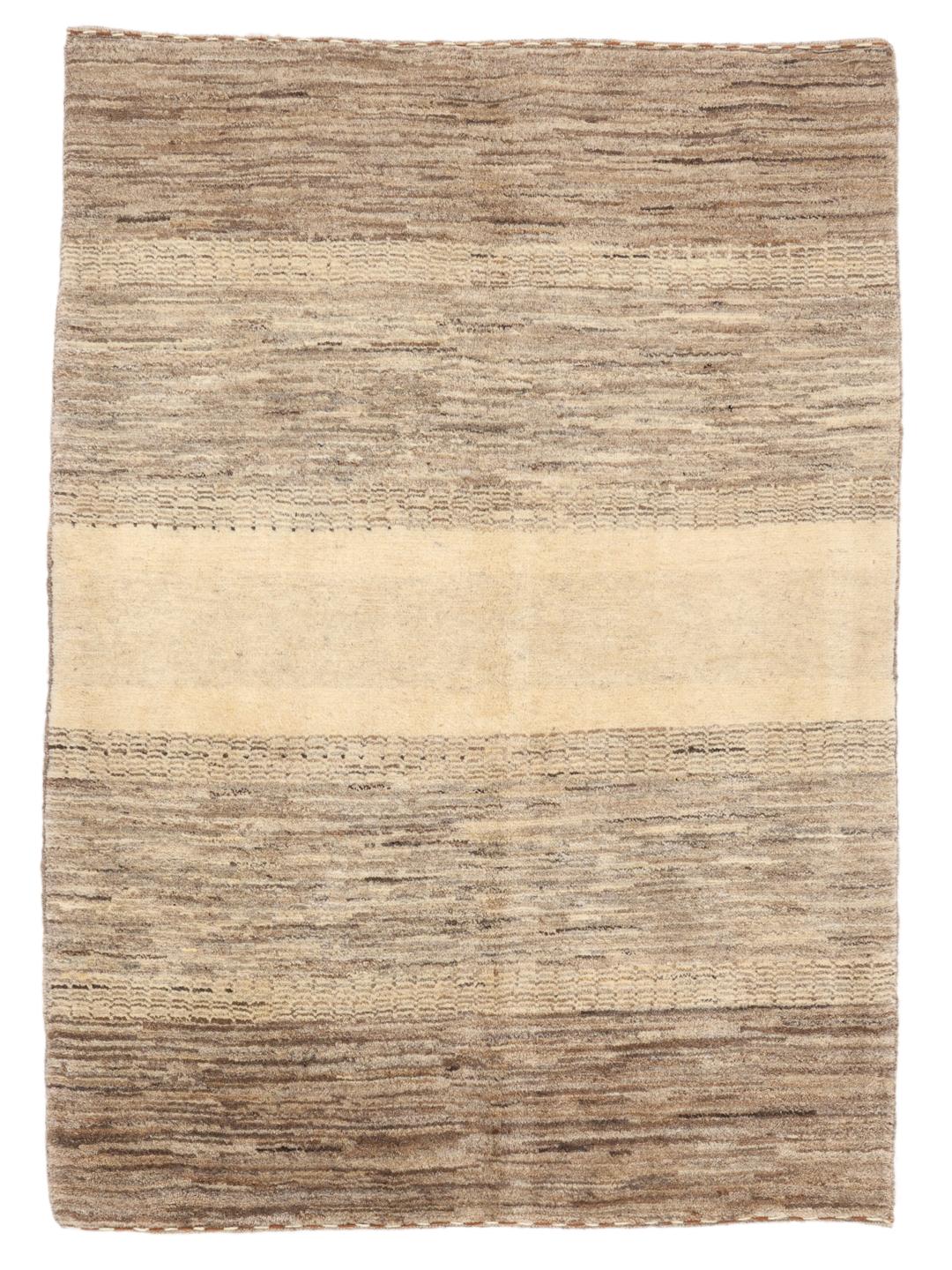
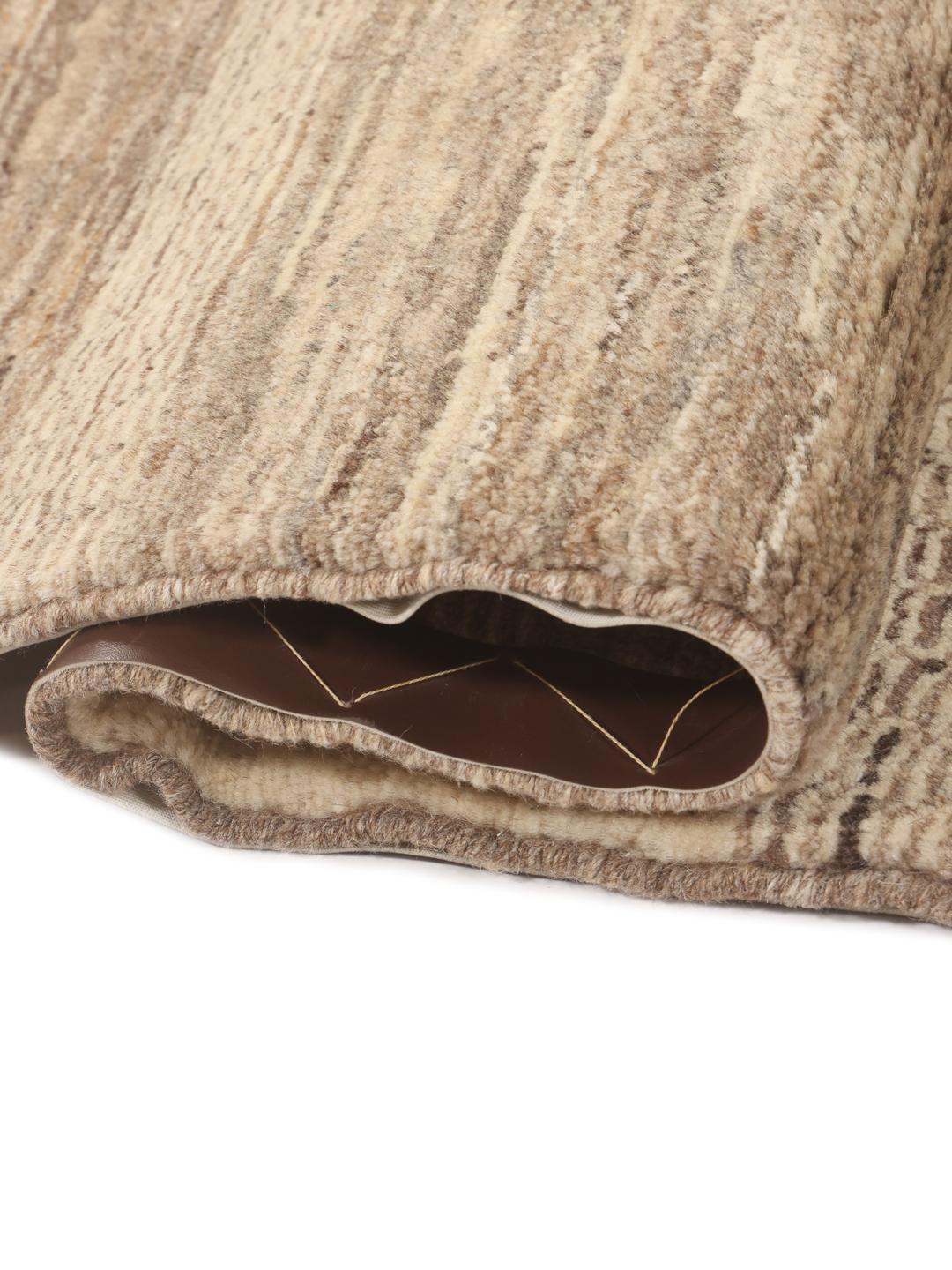
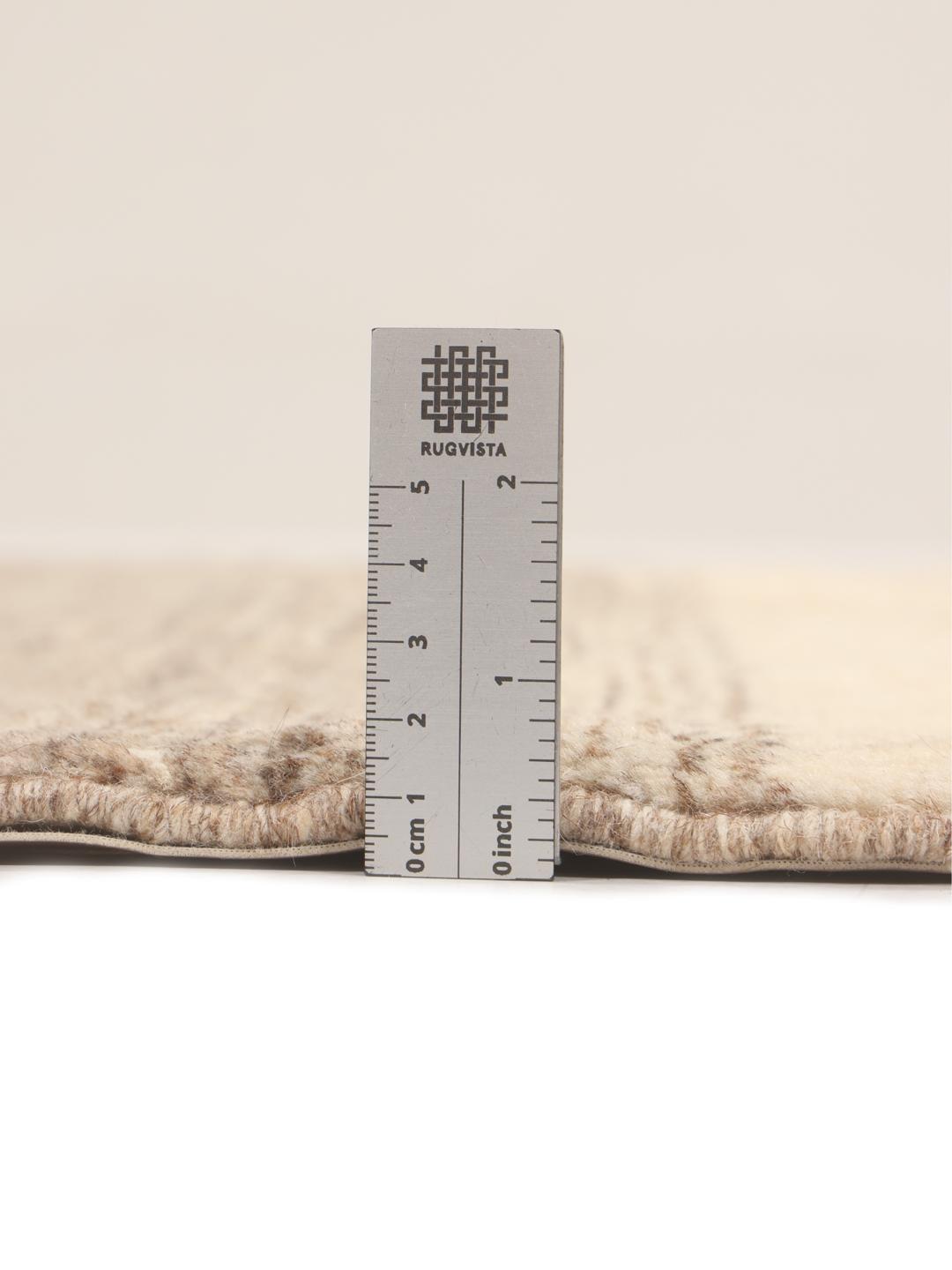
The Gabbeh rug tradition originates from the nomadic tribes of the Middle East, where weavers created these pieces primarily for their own domestic use. Historically, these rugs were characterised by a thicker, longer pile and a more simplistic, abstract aesthetic compared to the highly intricate, formal designs found in urban workshops.
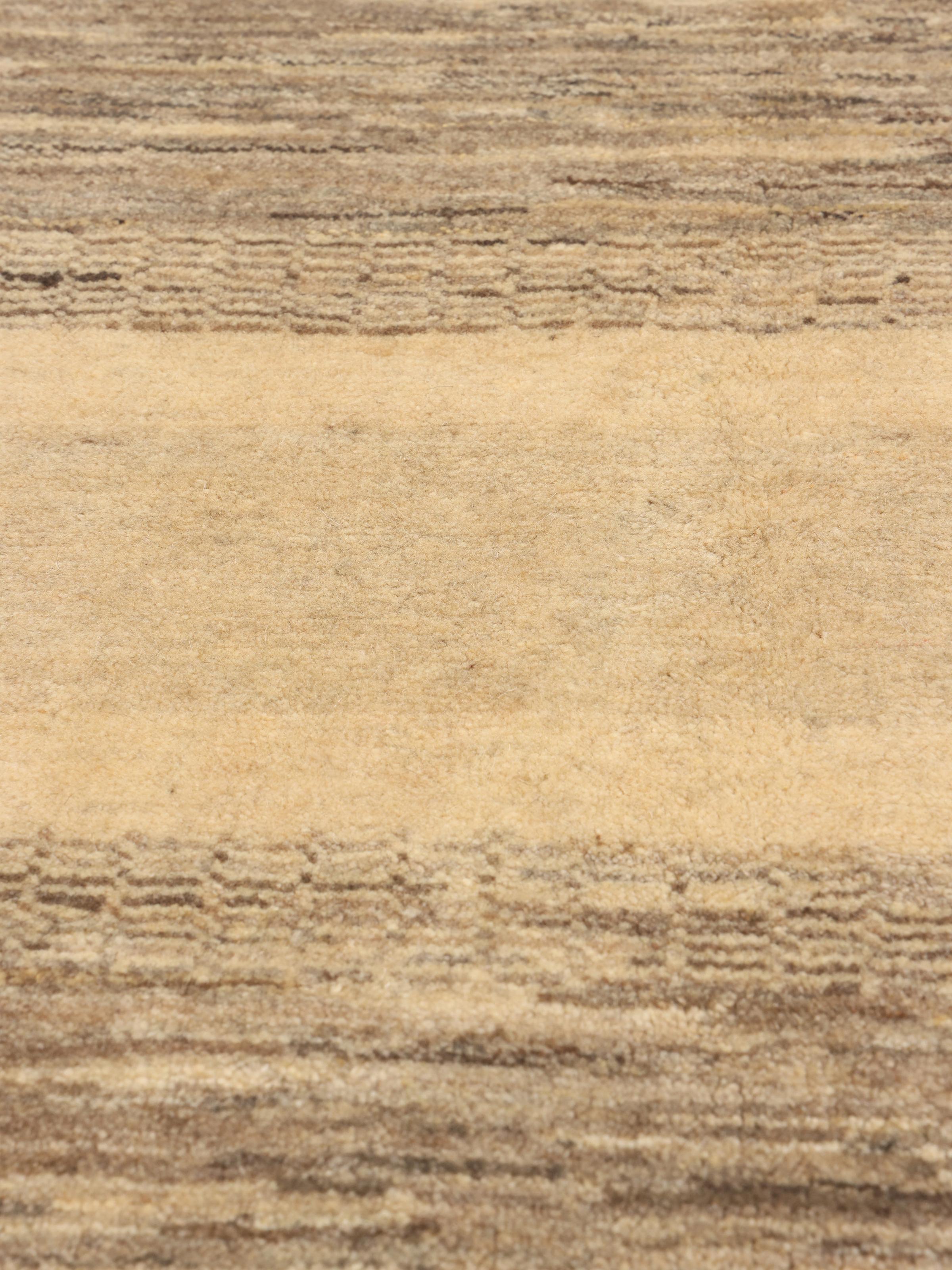
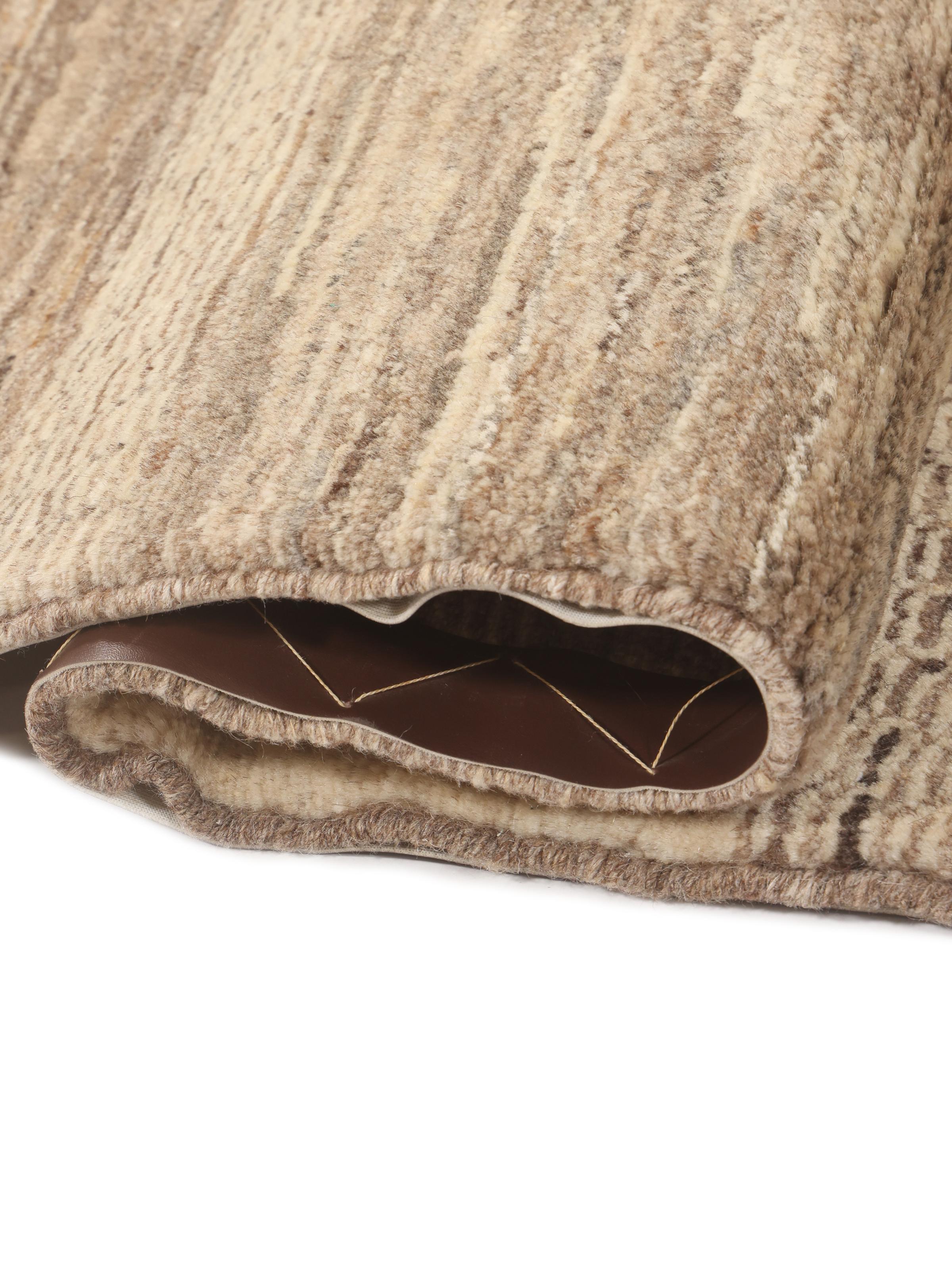
The term Gabbeh itself implies something raw, natural, or unclipped, which speaks to the focus on the quality of the wool and the direct expression of the weaver. These rugs were traditionally made using hand-spun wool, which often retains natural oils, giving the fibres a soft, lustrous quality that improves with age and use.
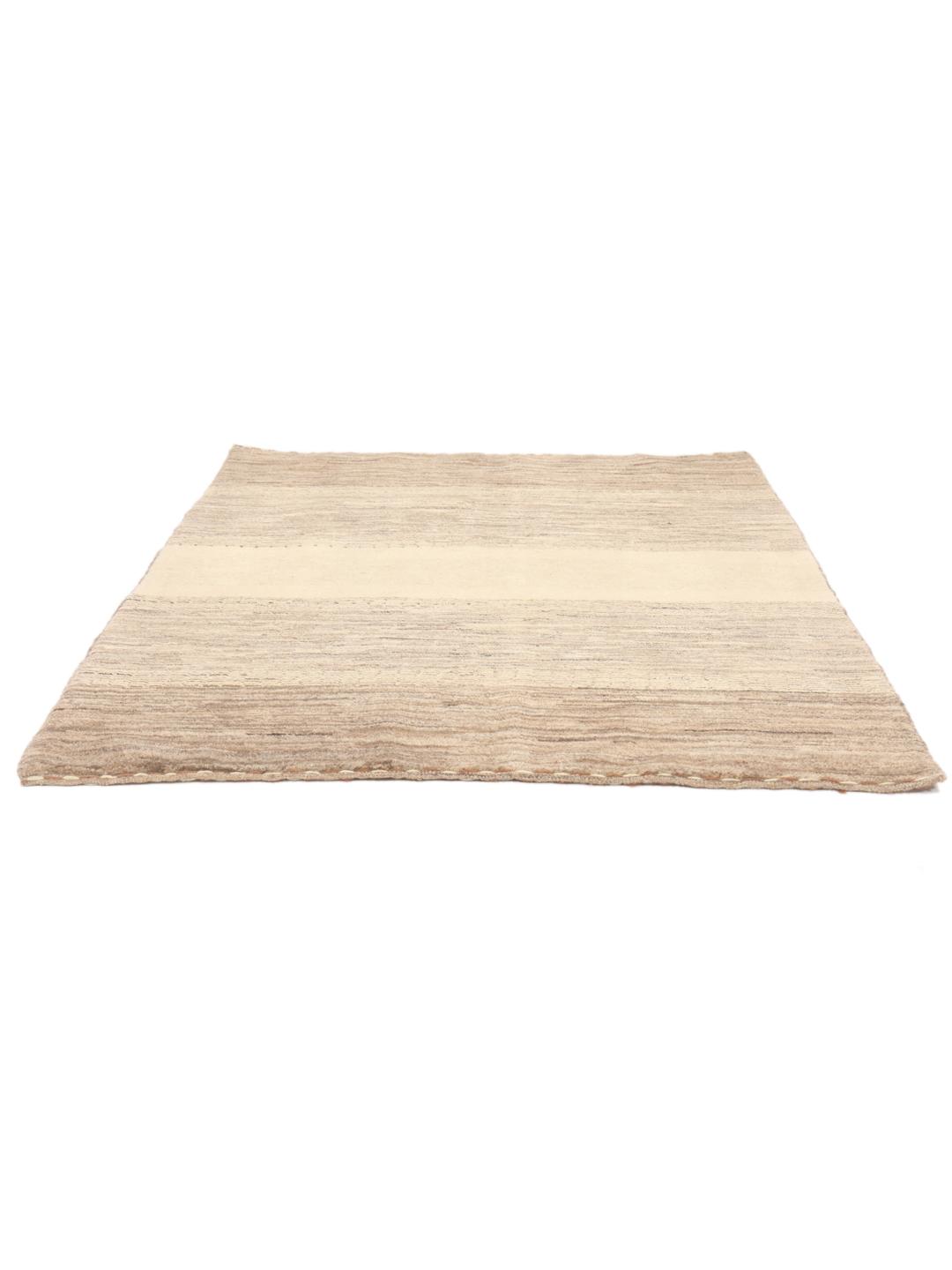
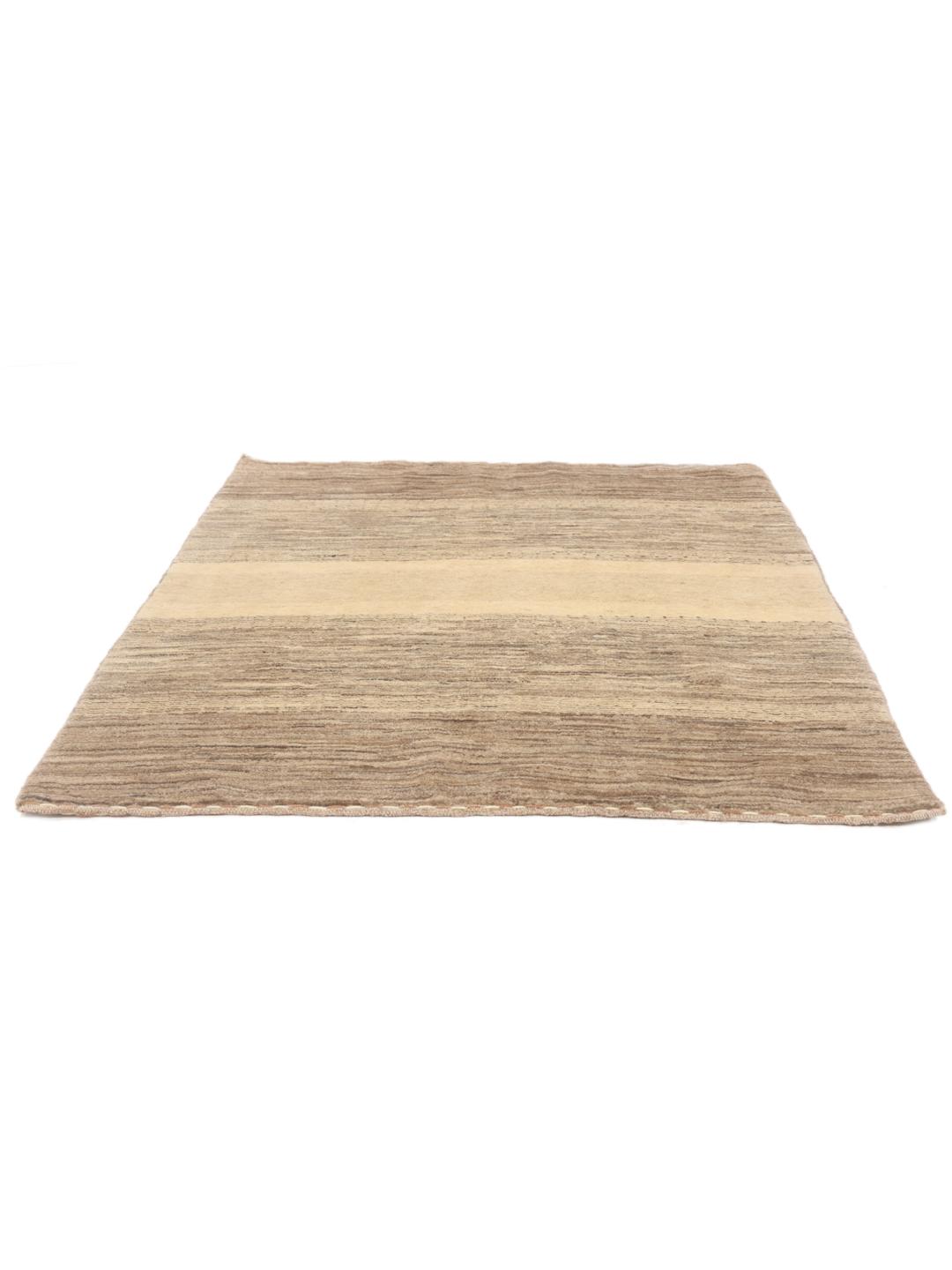
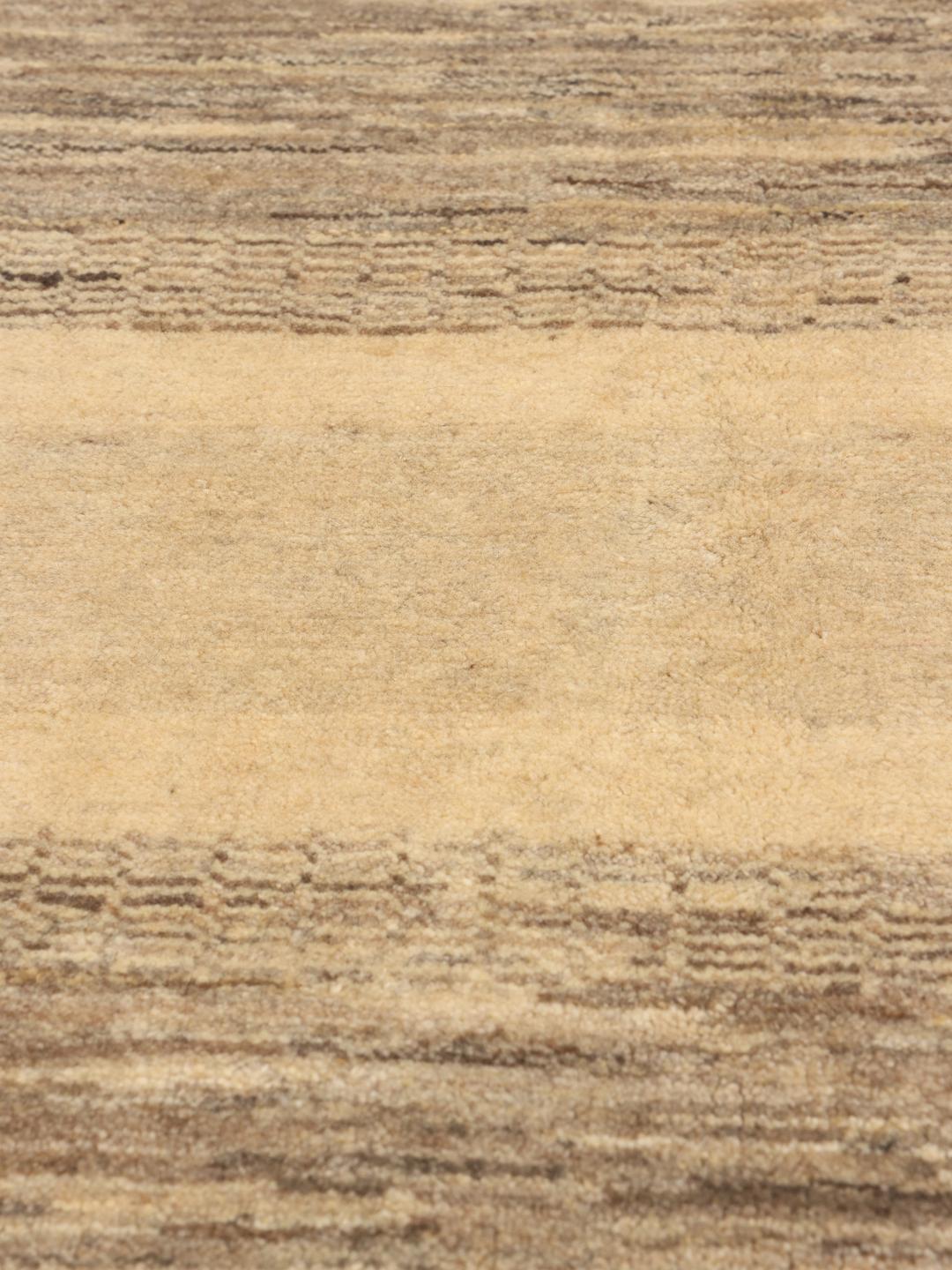
Visually, these rugs are defined by their minimalist approach. While city rugs often feature complex floral or medallion patterns, Gabbeh rugs rely on large, open fields of colour, simple geometric motifs, and the subtle variations of hand-dyed wool. This rug showcases a beautiful, understated composition that highlights the inherent depth of its earthy colour palette.
Owning a piece from this tradition is an opportunity to connect with a long-standing nomadic heritage. These rugs are highly valued by collectors for their authentic, soulful character and the visible human touch present in every row of knots, making them a meaningful addition to any home that values craftsmanship over mass production.