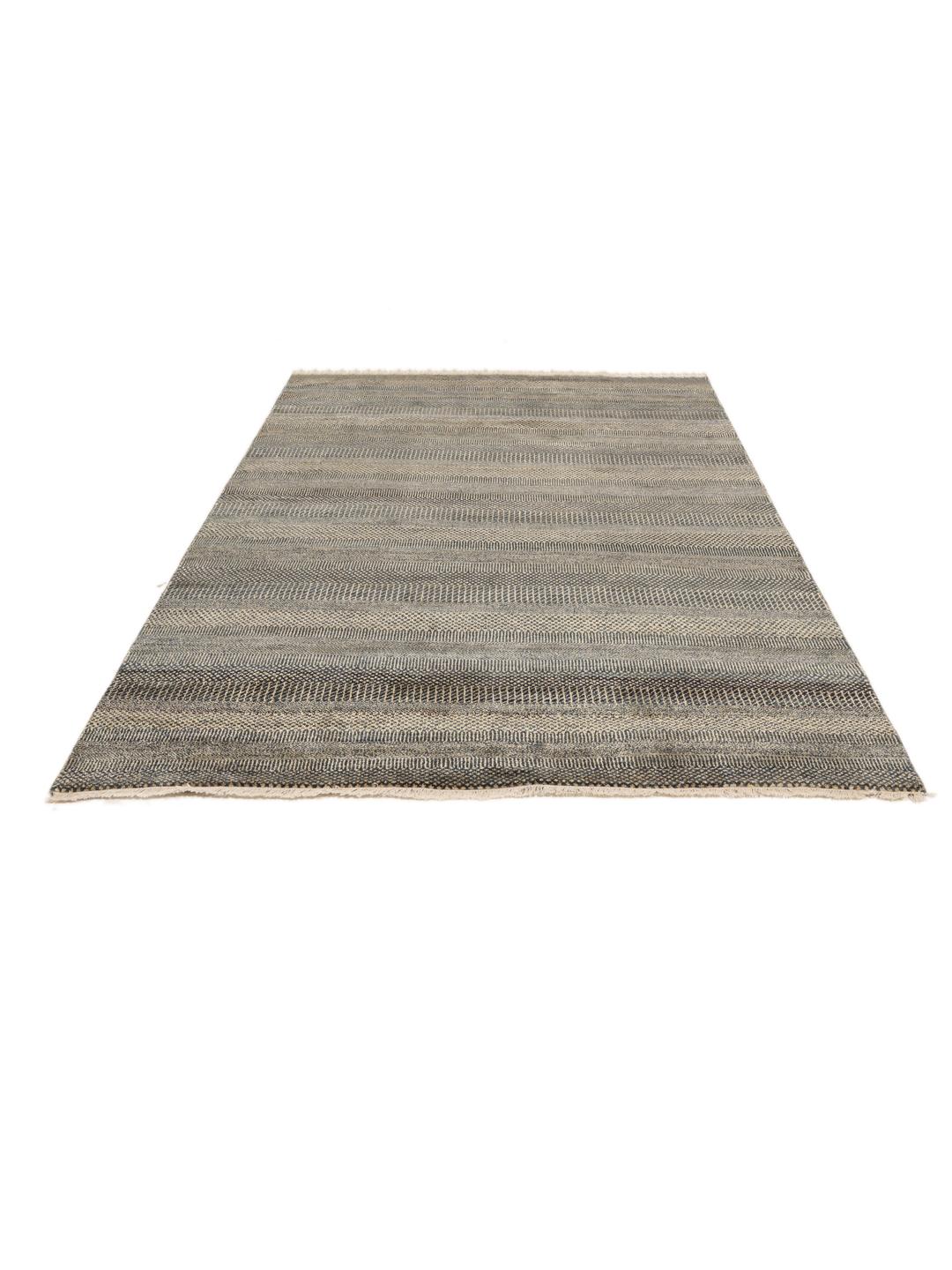
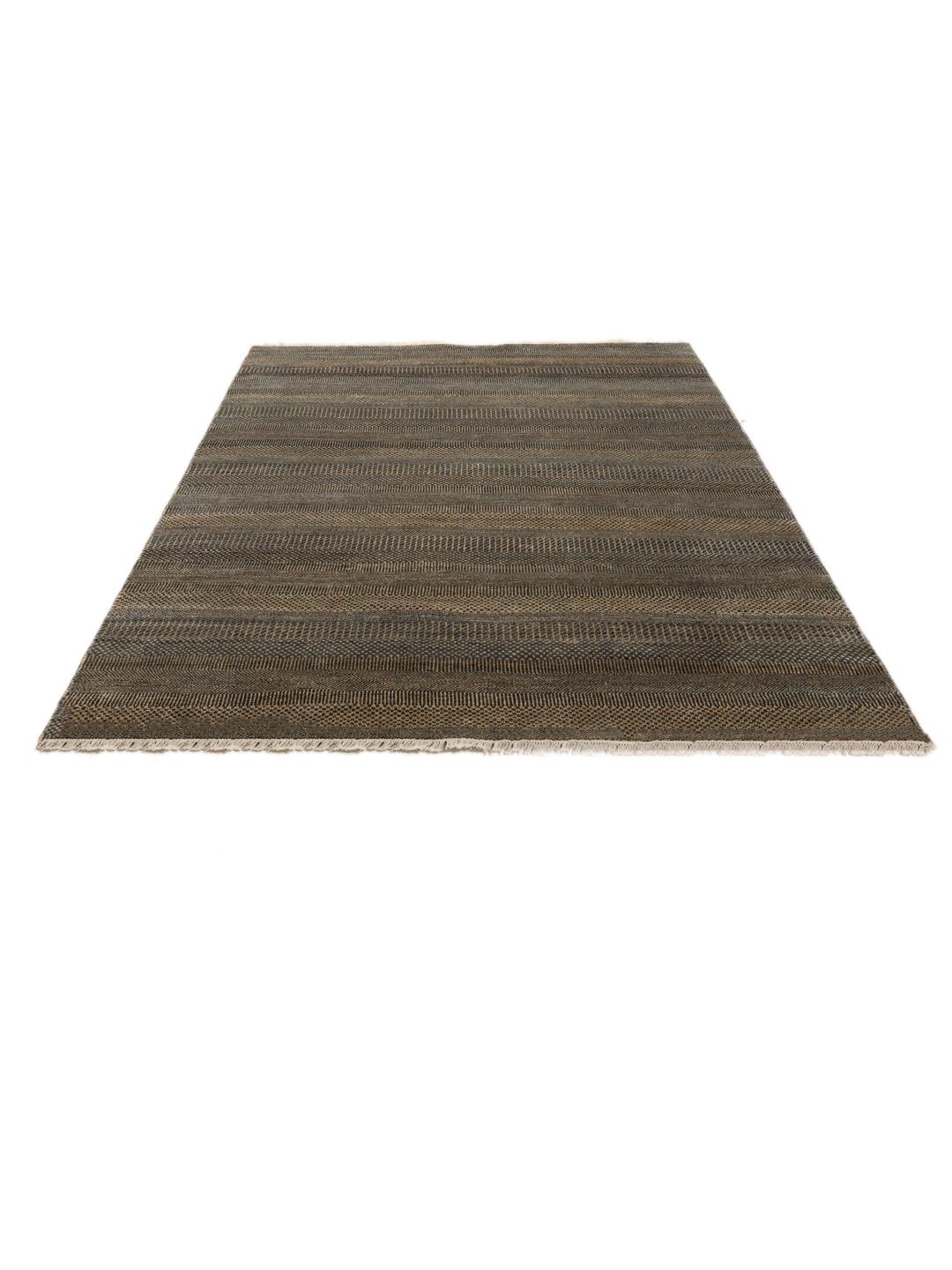
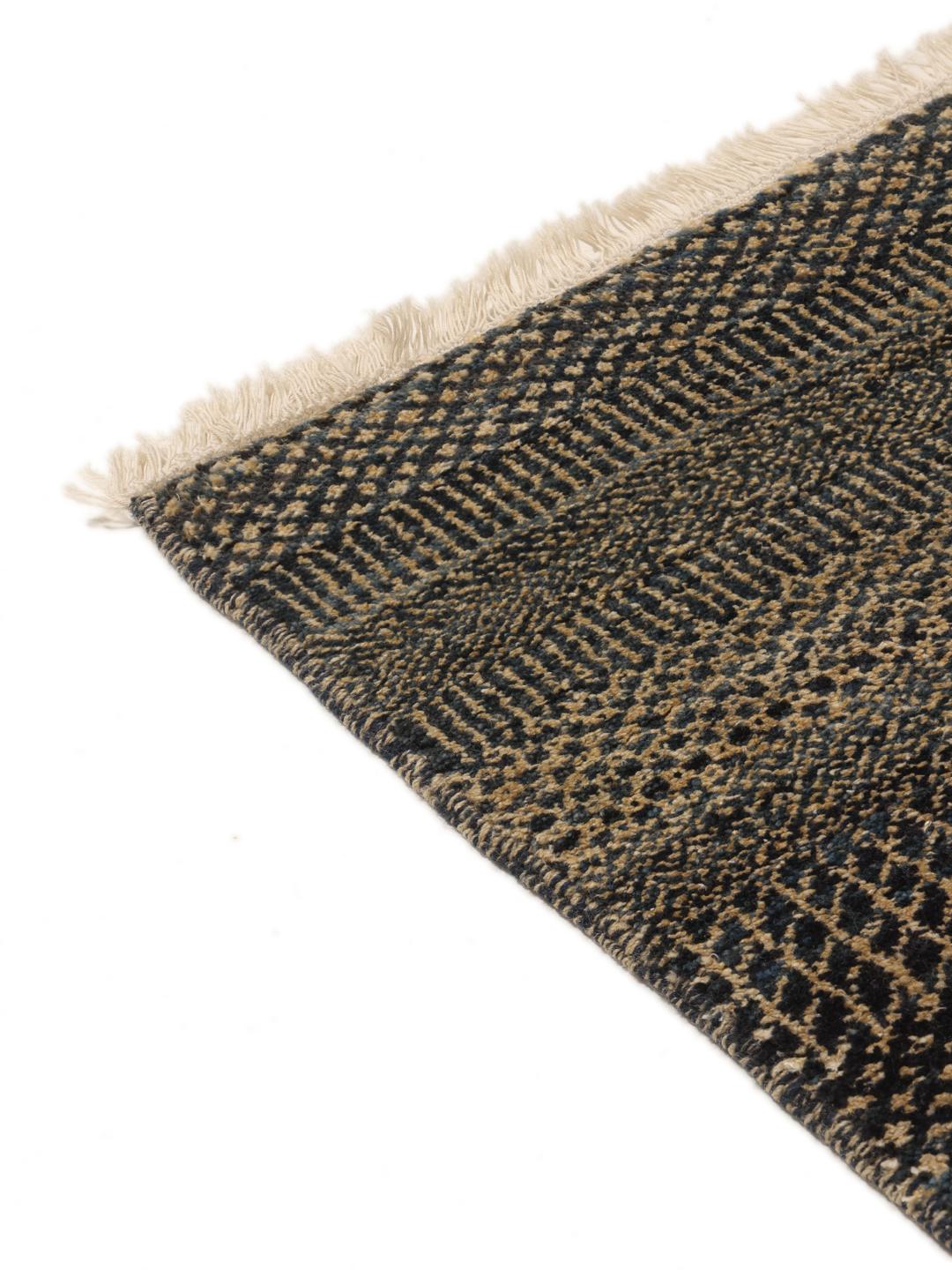
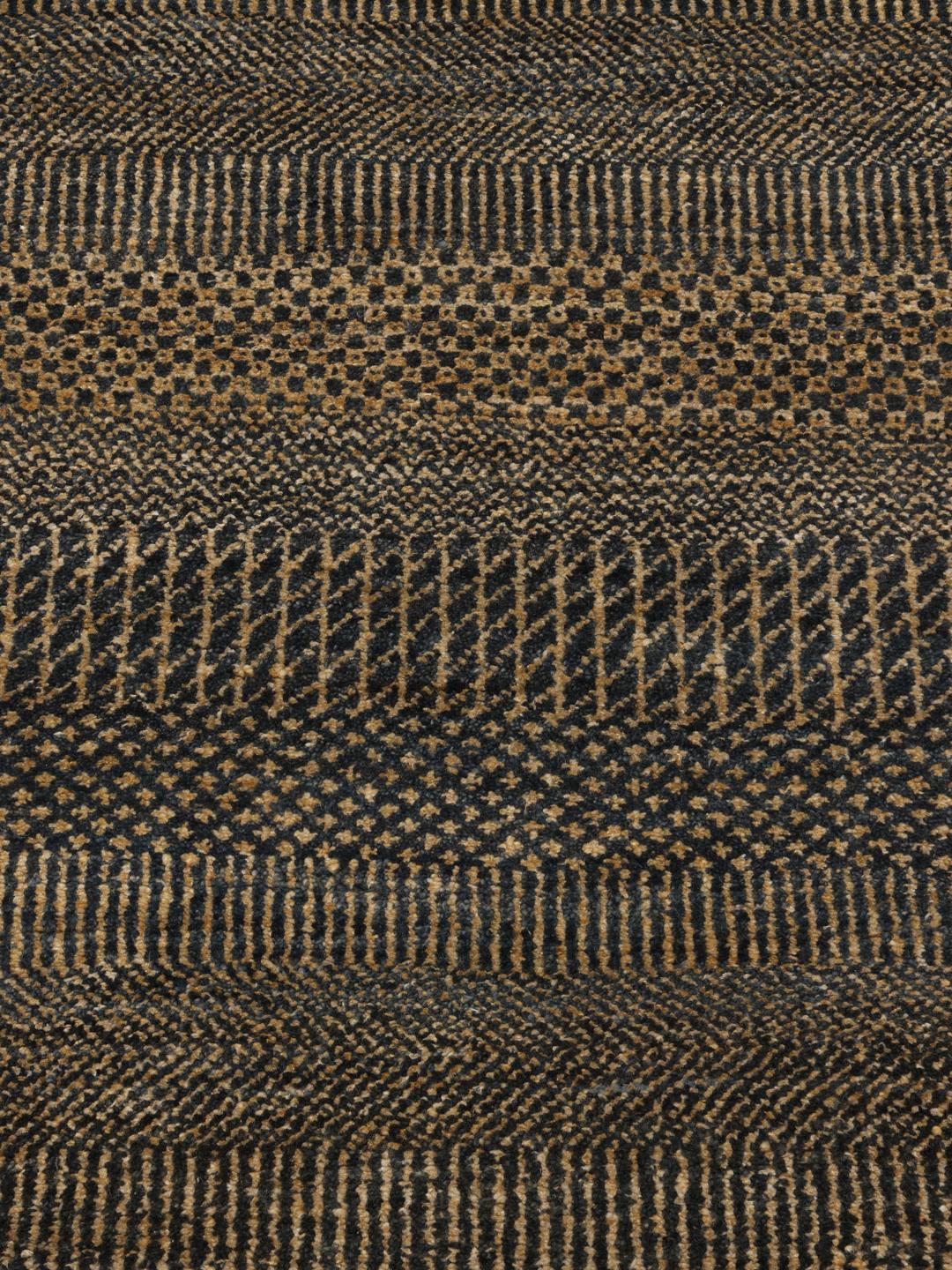
The Gabbeh tradition finds its roots in the nomadic cultures of the Middle East, where weavers historically created these rugs for their own daily use. These pieces were never intended for commercial sale but were crafted as functional, expressive objects for the home. Over time, the style migrated and evolved, with India becoming a modern hub for producing these rugs, combining traditional techniques with contemporary sensibilities.
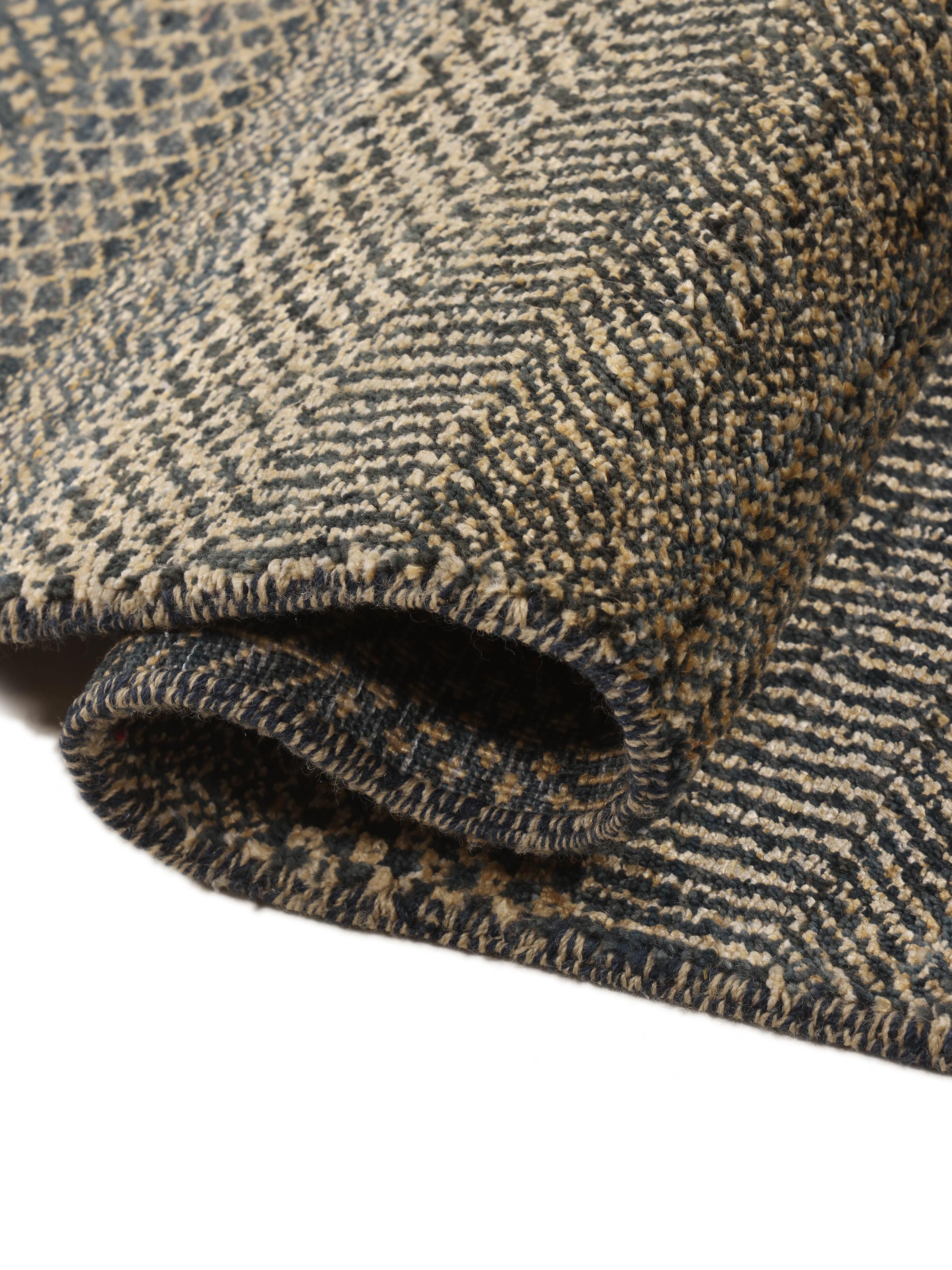
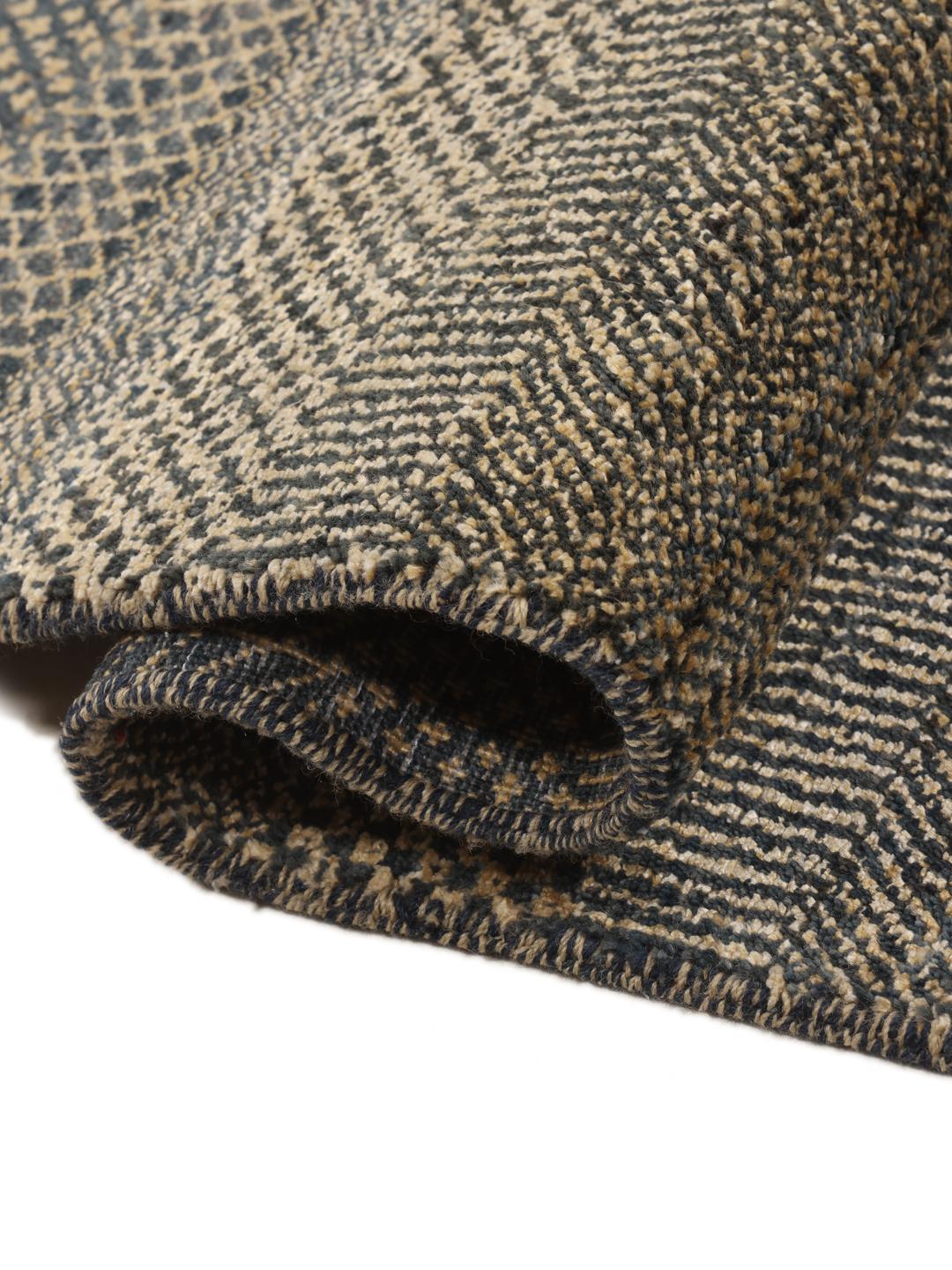
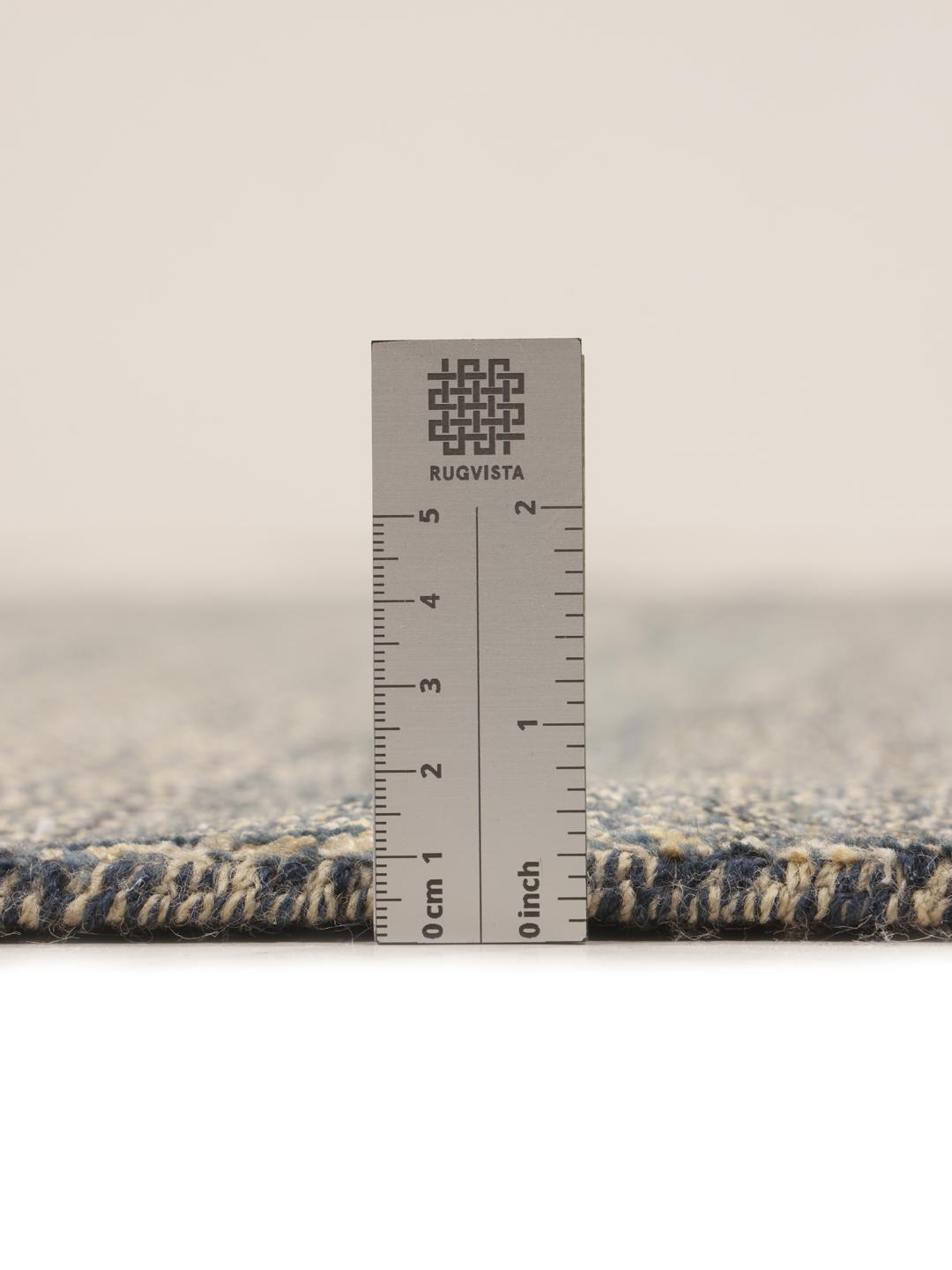
The term Gabbeh refers to a specific style of weaving that is characterised by its thicker, coarser, and more robust pile. Unlike more formal, ornate rugs, the Gabbeh focuses on a simpler, more organic aesthetic. This construction method involves using a heavier wool yarn, which creates a plush and highly durable surface. This technical approach is what gives these rugs their signature comfort and resilience, making them highly sought after for modern living.
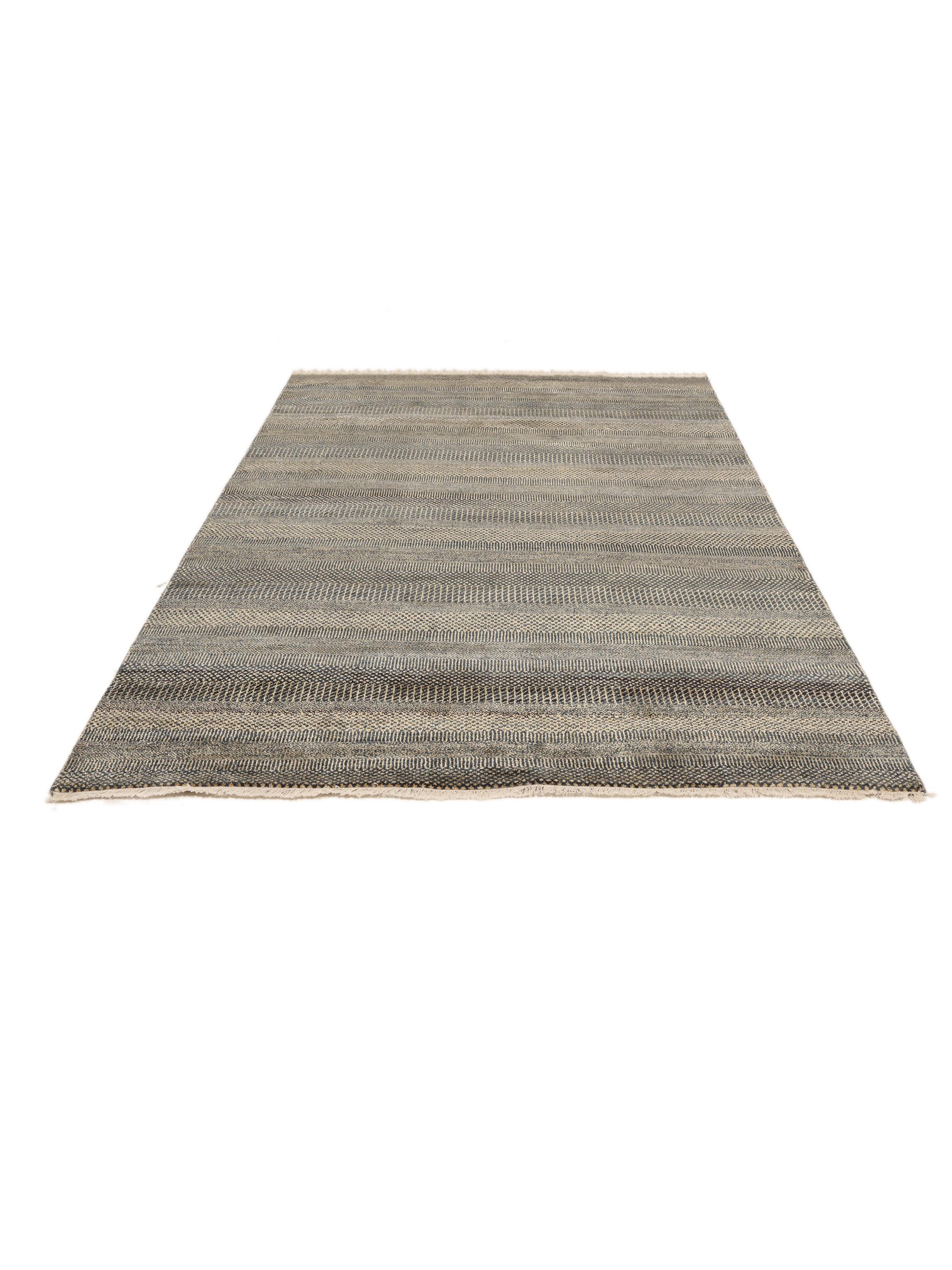
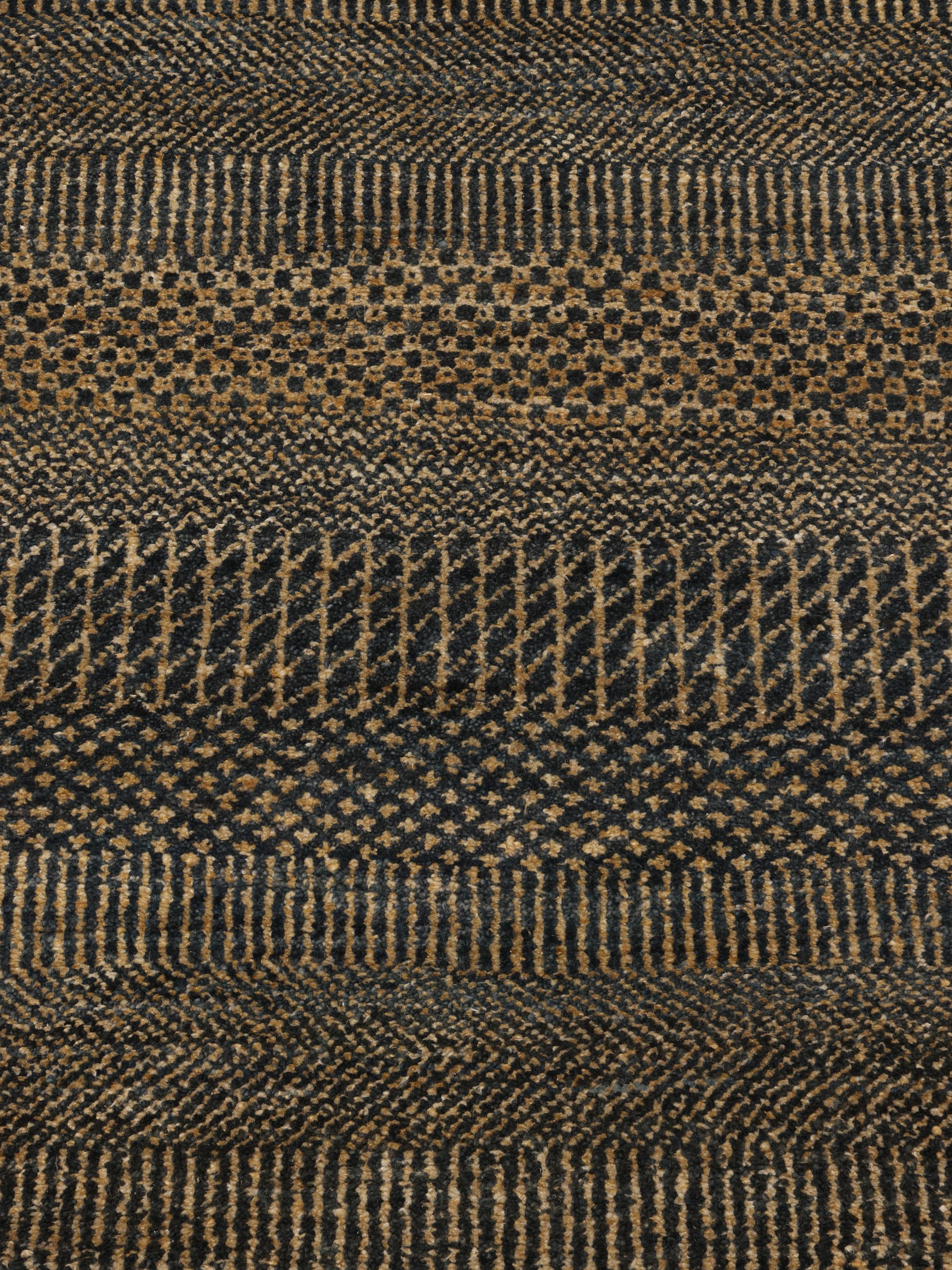
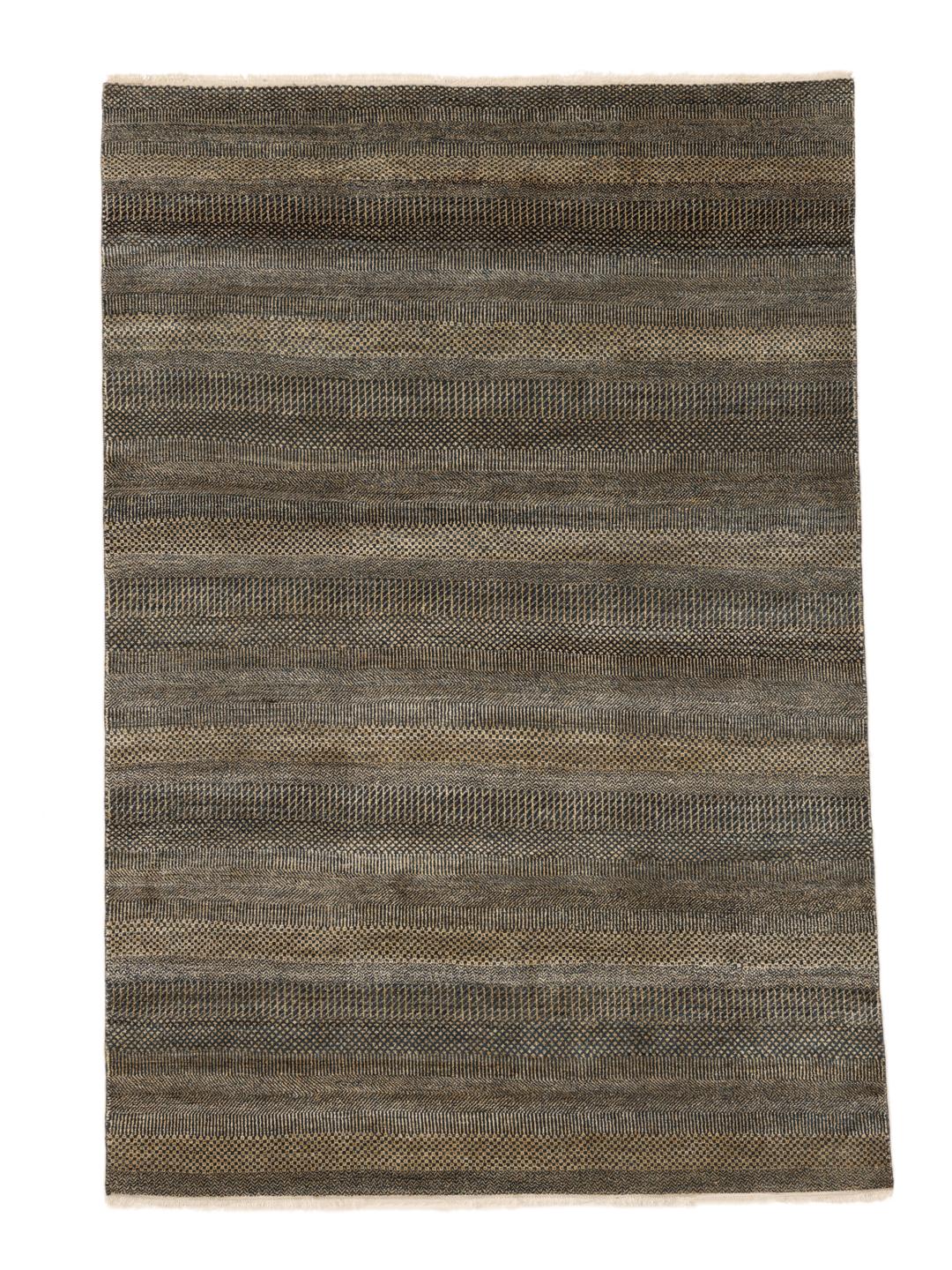
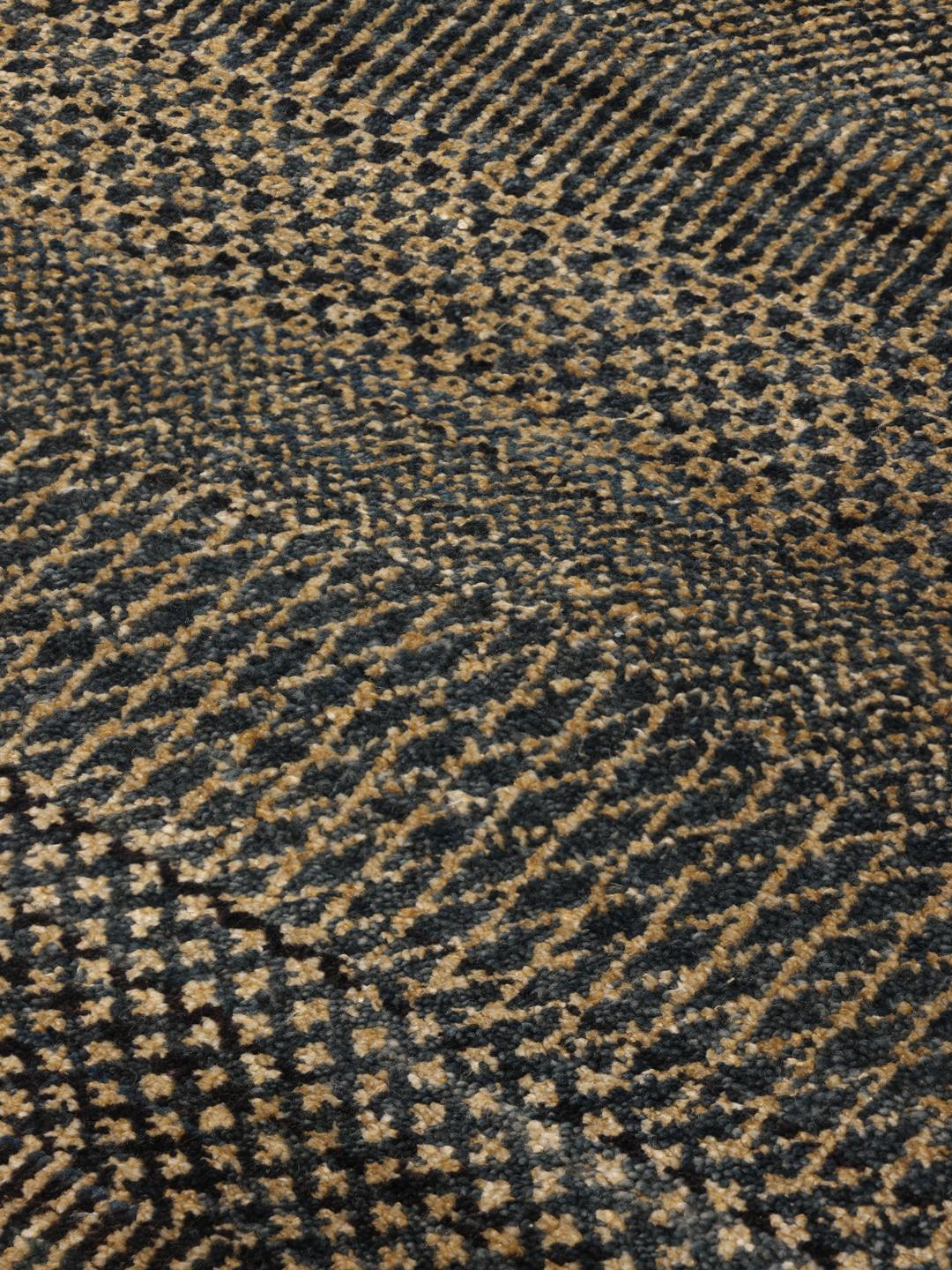
Visually, these rugs are defined by their minimalist and often abstract designs. While traditional nomadic versions might feature simple geometric motifs or stylised animals, modern interpretations often explore the beauty of solid or subtly variegated fields of colour. The emphasis is on the texture of the wool and the depth of the dye, allowing the natural character of the material to take centre stage rather than complex, repetitive patterns.
Owning a piece from this tradition is a way to connect with a long lineage of craft and cultural heritage. These rugs are valued by collectors not just for their aesthetic appeal, but for the skill required to produce them without the aid of modern technology. By bringing such a piece into your home, you are acquiring a work of art that represents a bridge between ancient nomadic values and contemporary interior design.