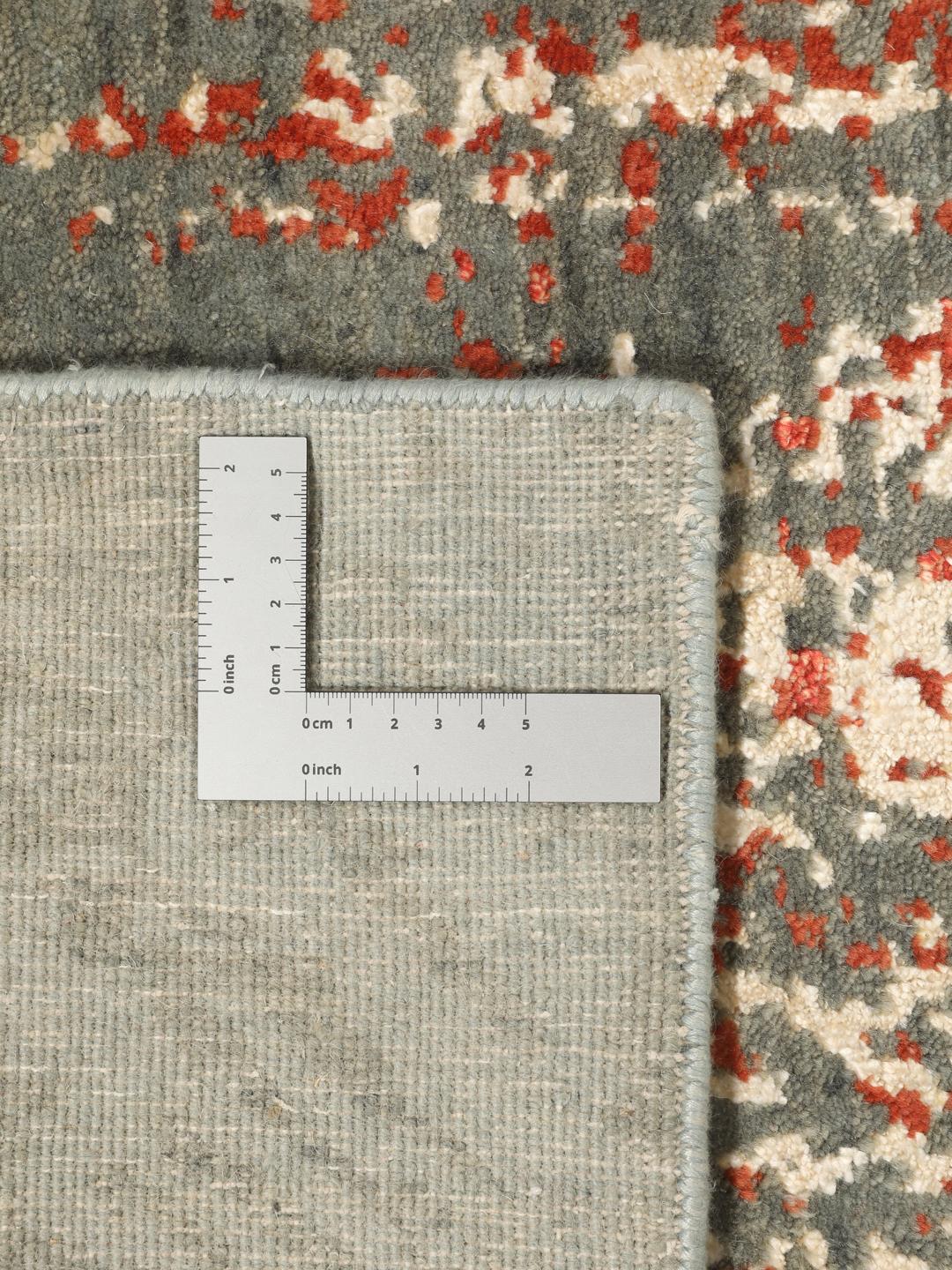
The tradition of rug making in India has deep historical roots, influenced by various cultures that have traversed the subcontinent over centuries. While the region is historically famous for its interpretation of classic motifs, contemporary Indian weaving has evolved to become a global leader in modern, artistic expressions. This shift allows artisans to merge ancient techniques with current design sensibilities, resulting in rugs that feel both grounded in heritage and fresh in aesthetic.
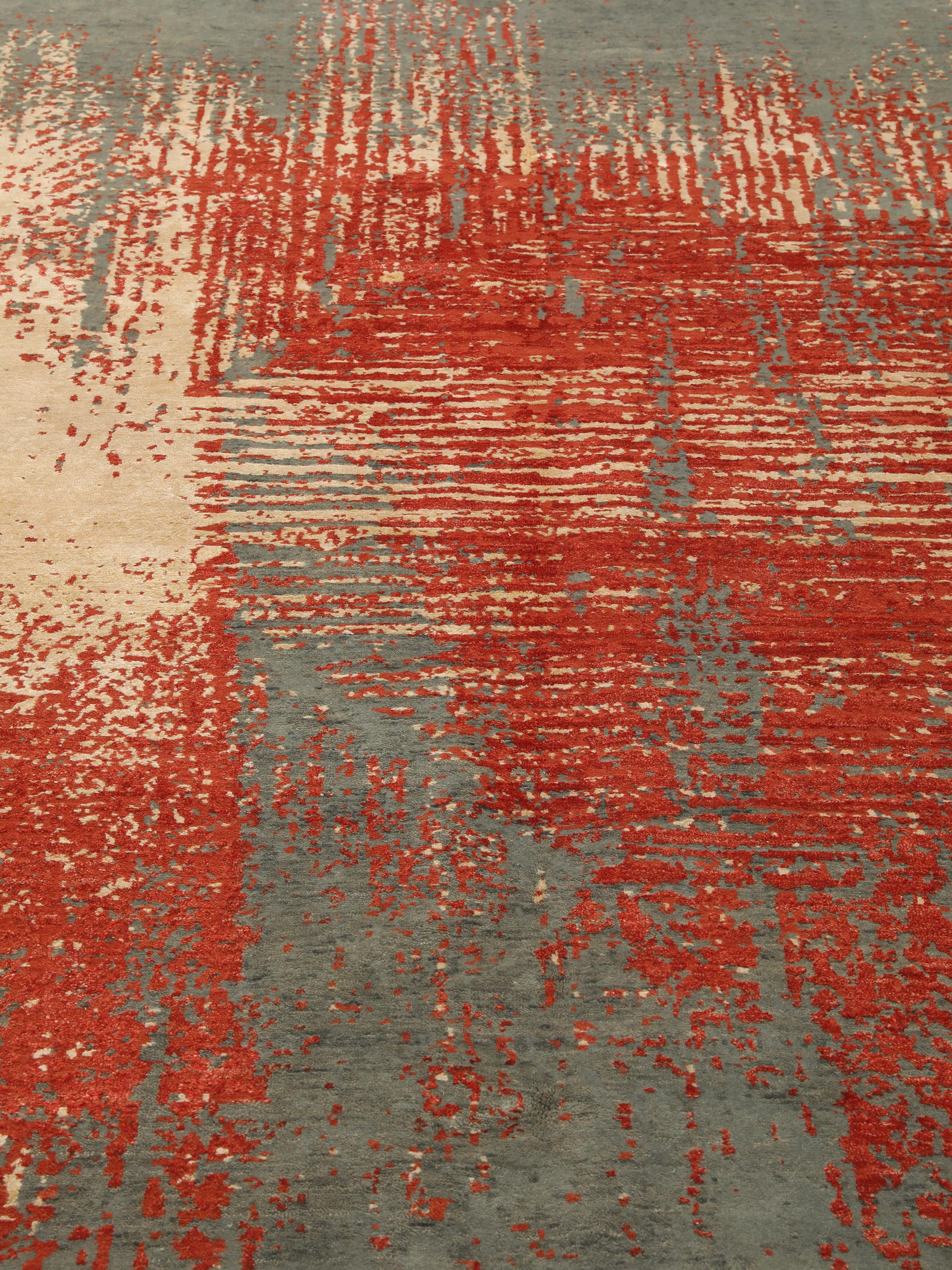
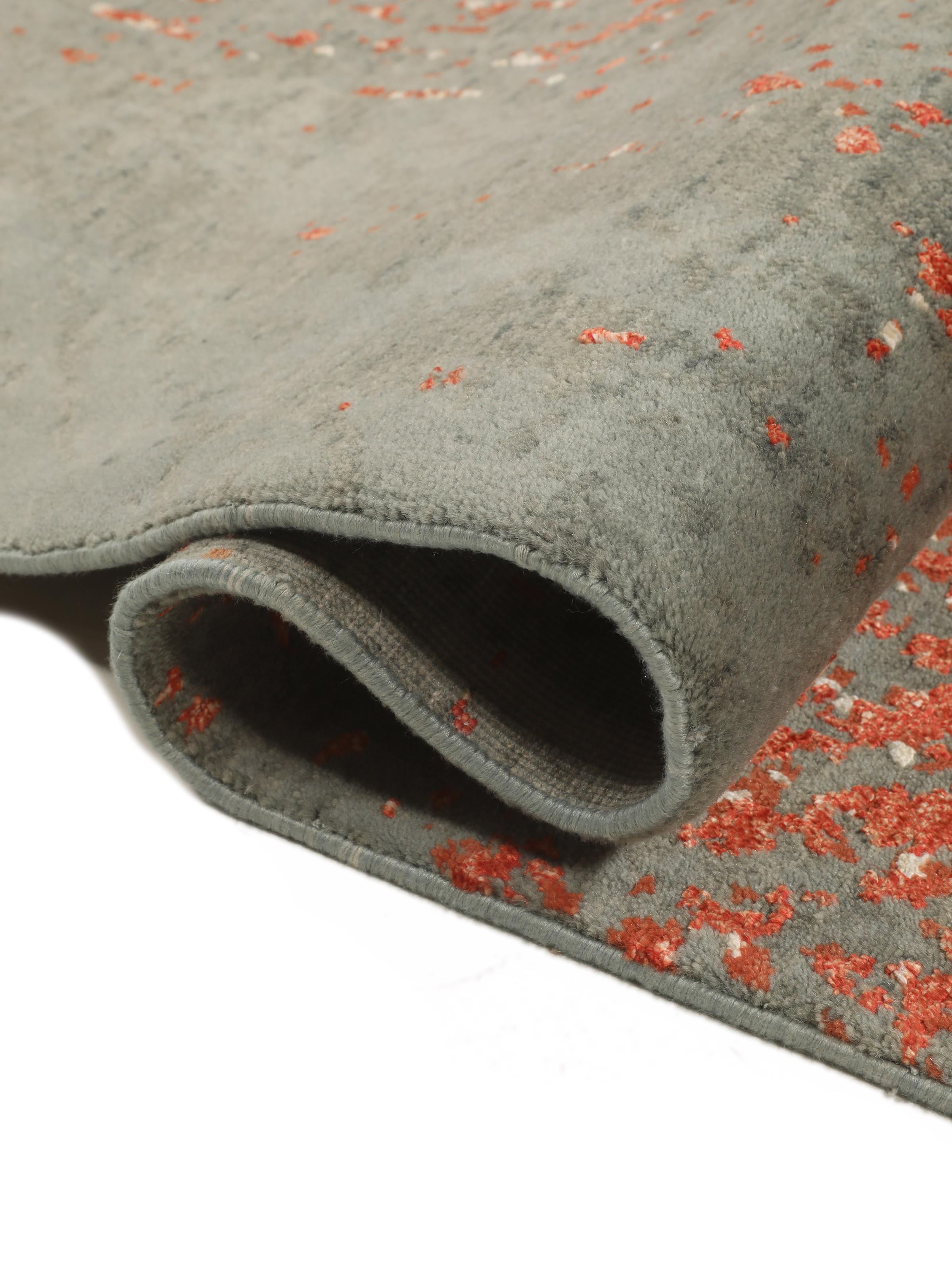
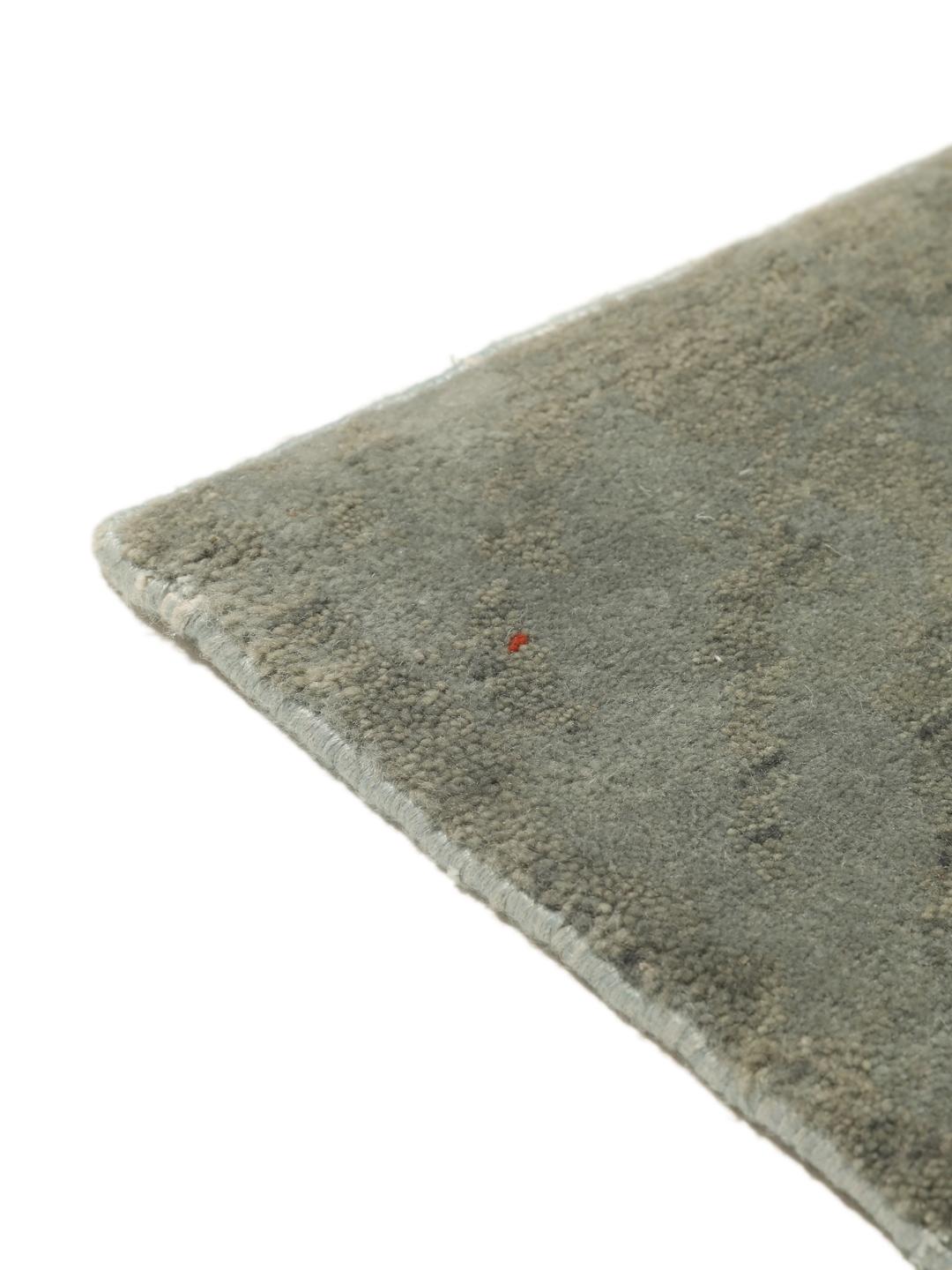
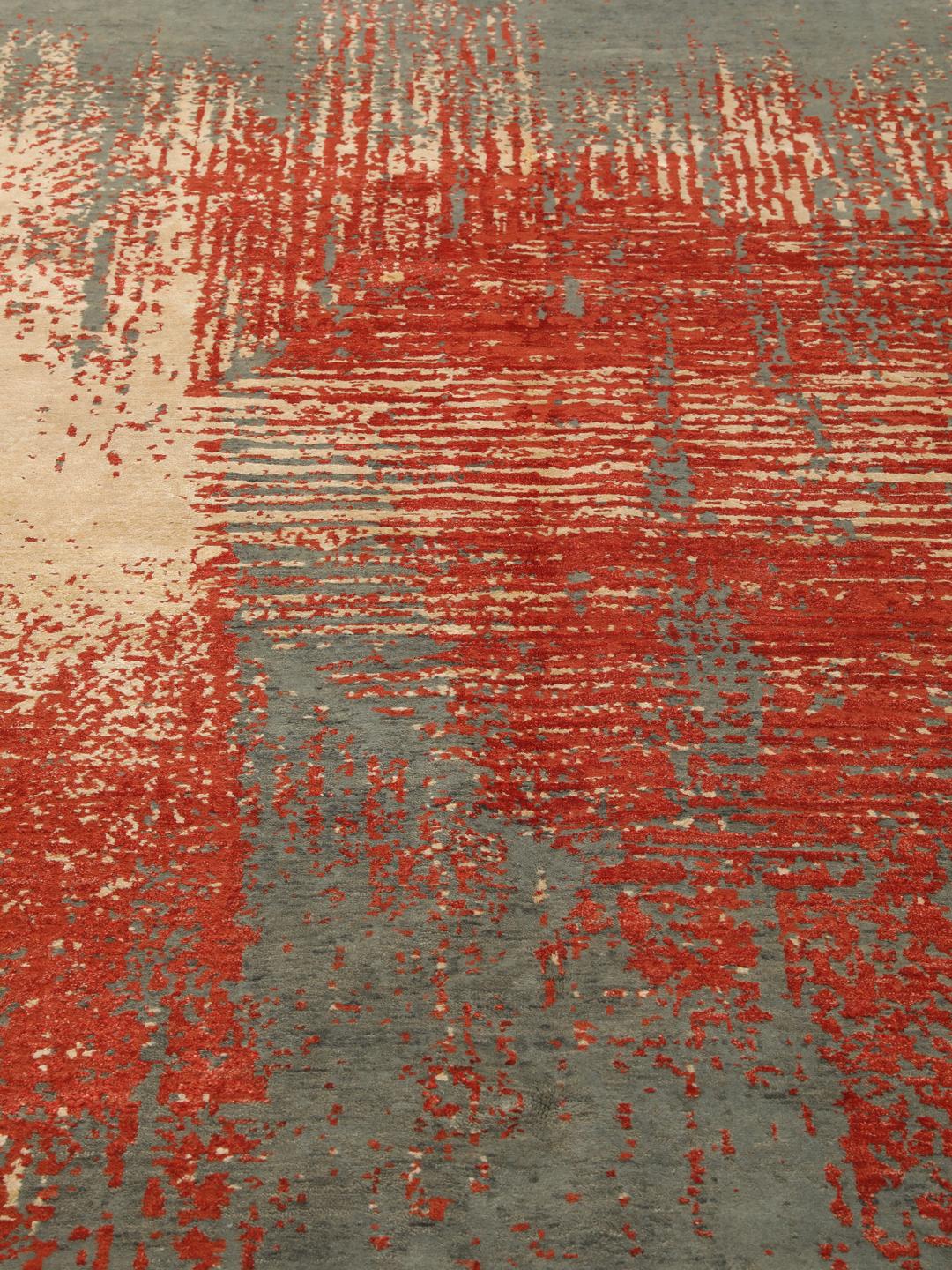
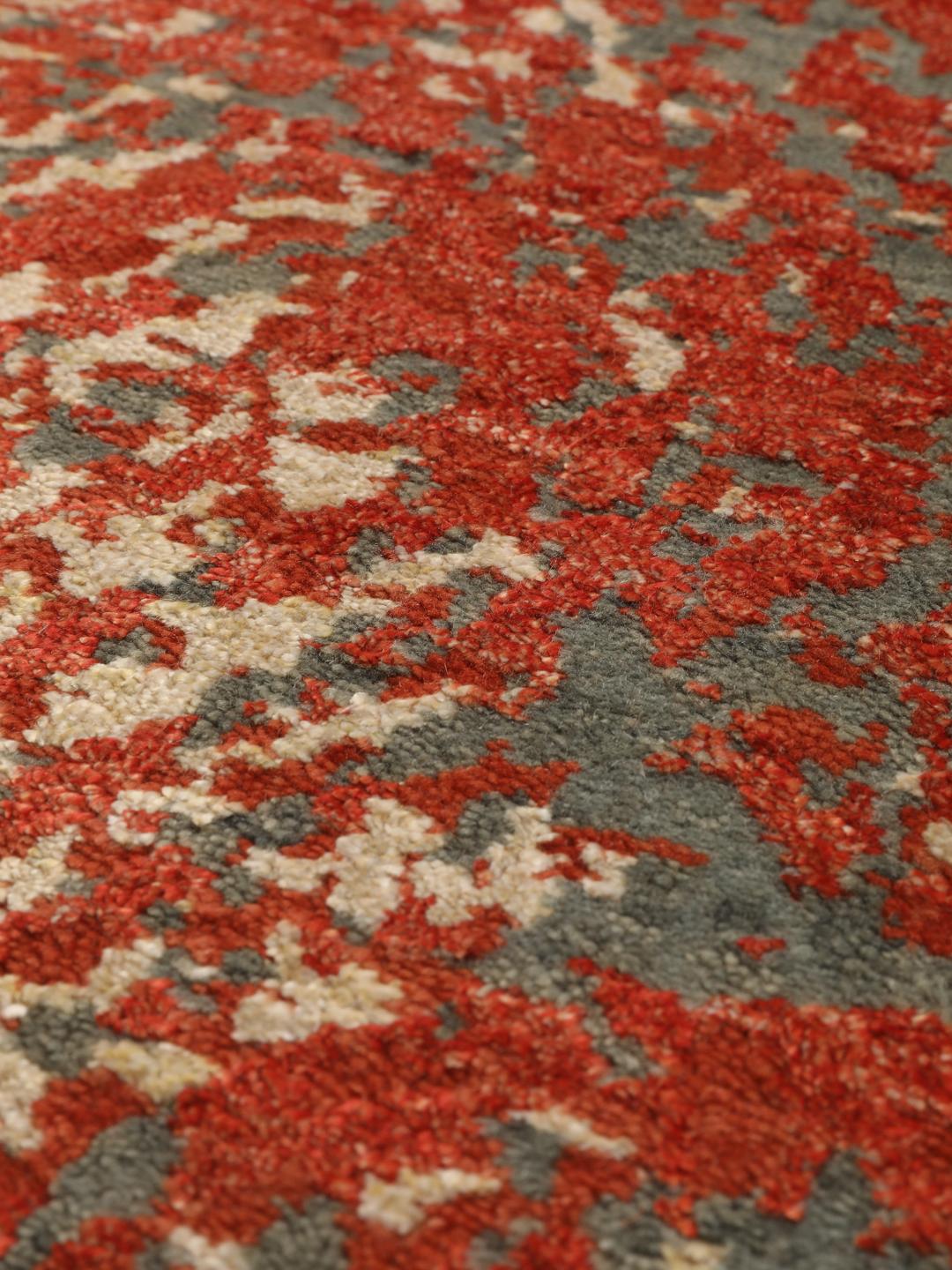
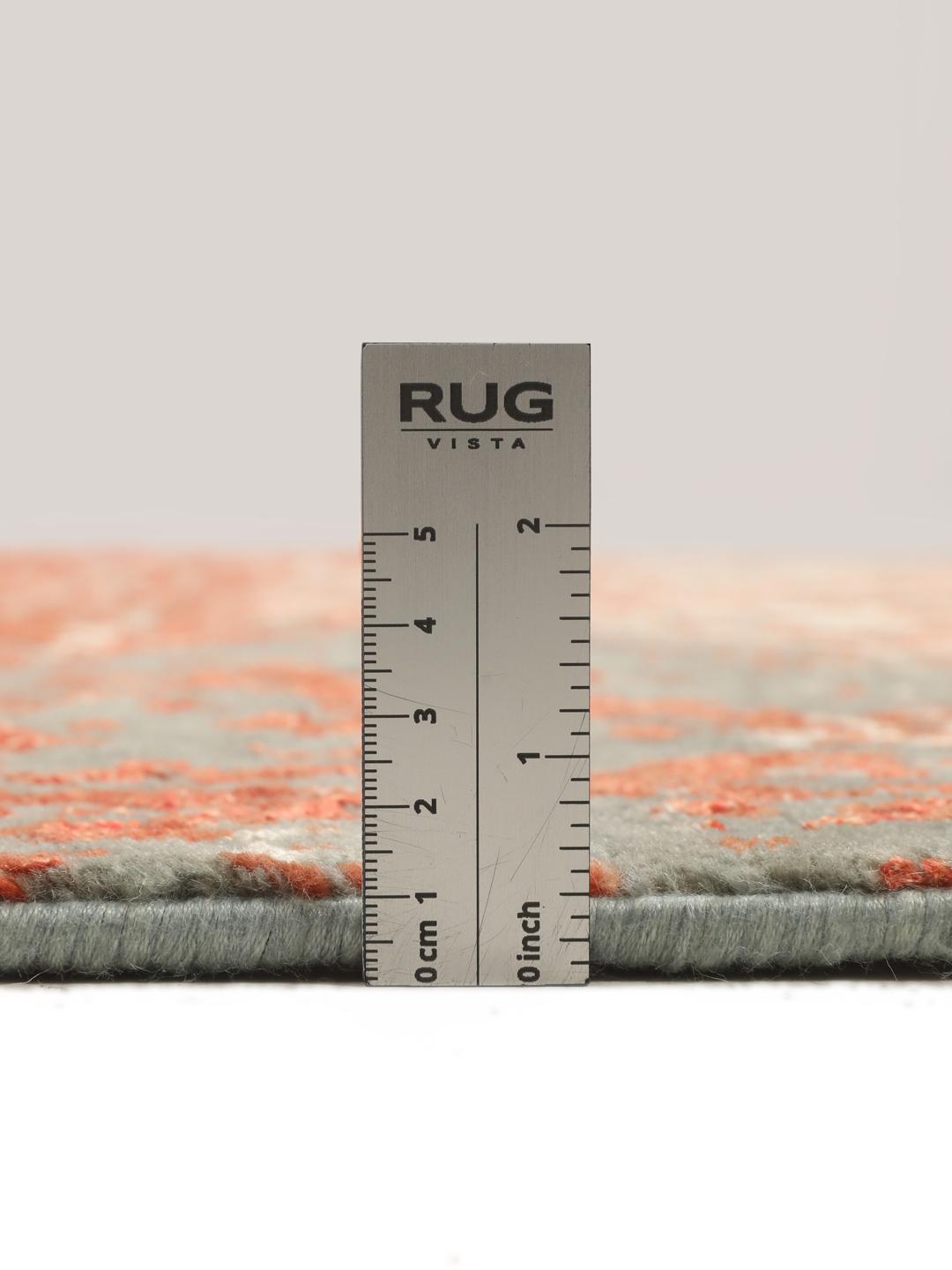
The term hand-knotted refers to the most traditional and labour-intensive method of rug production. In this technique, the artisan ties individual knots of wool onto a foundation of cotton. This process creates a structural integrity that is far superior to machine-made alternatives. The resulting pile is not only more durable but also possesses a depth of texture that allows colours to appear more vibrant and nuanced as light hits the surface.
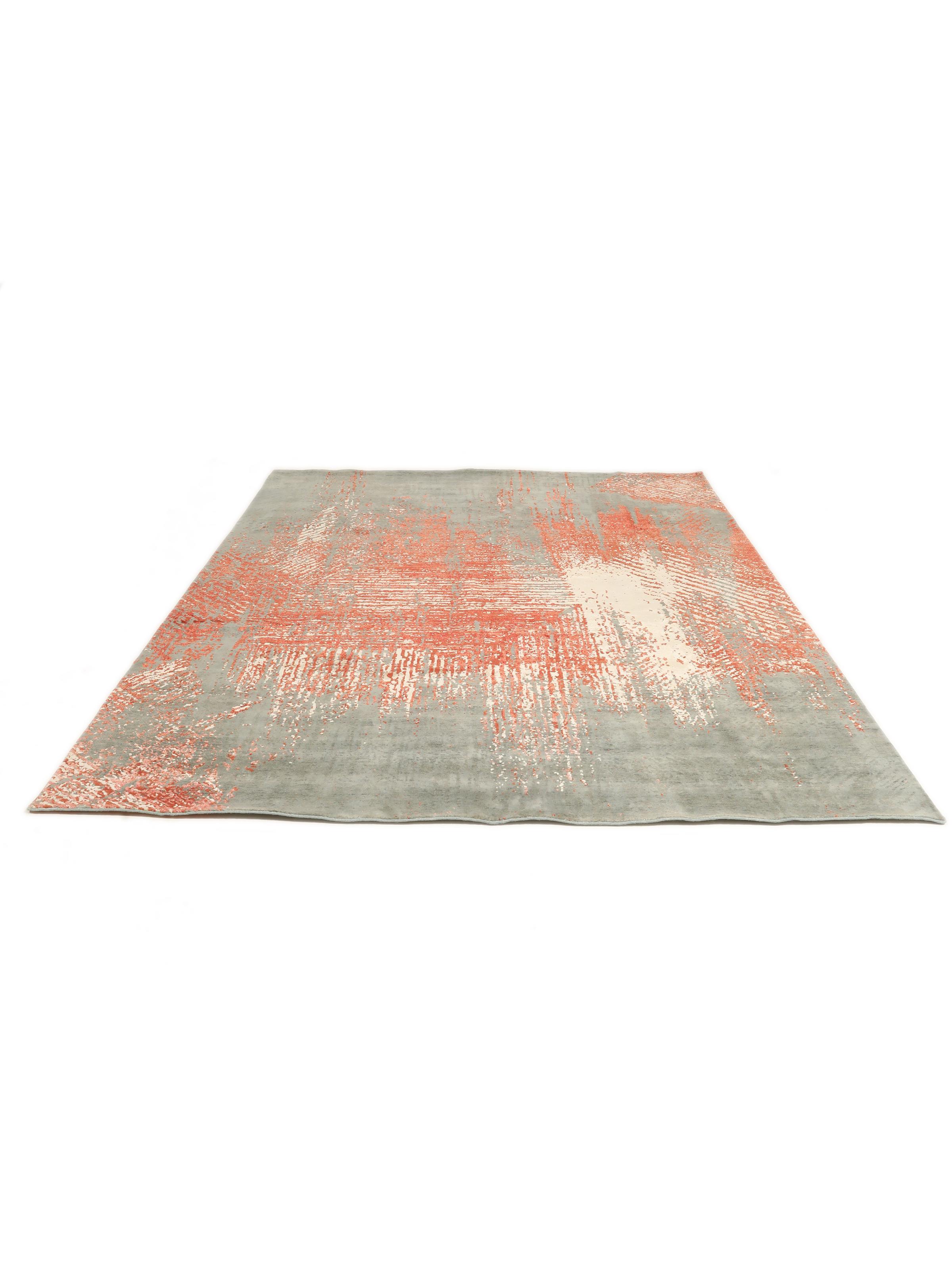
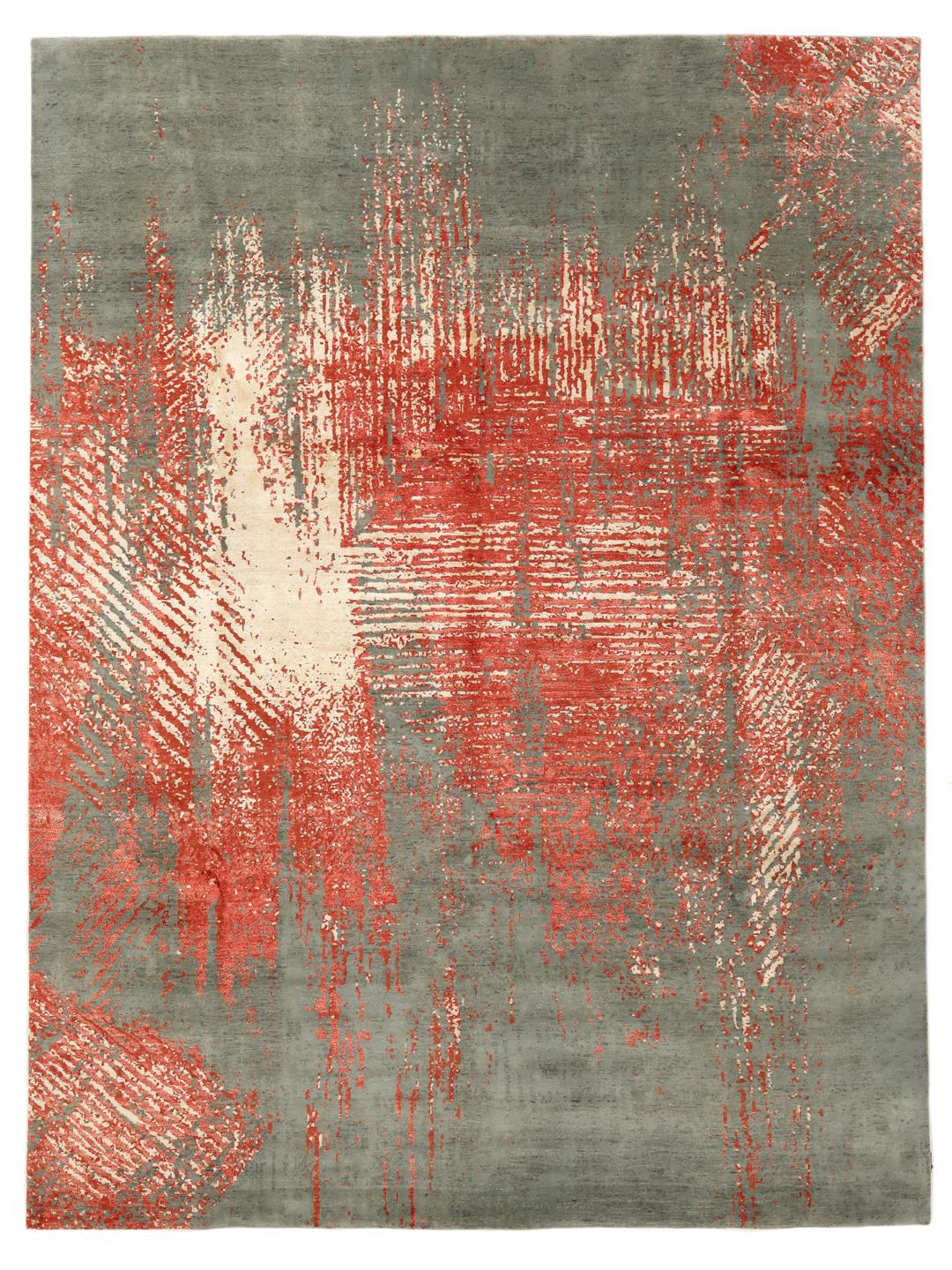
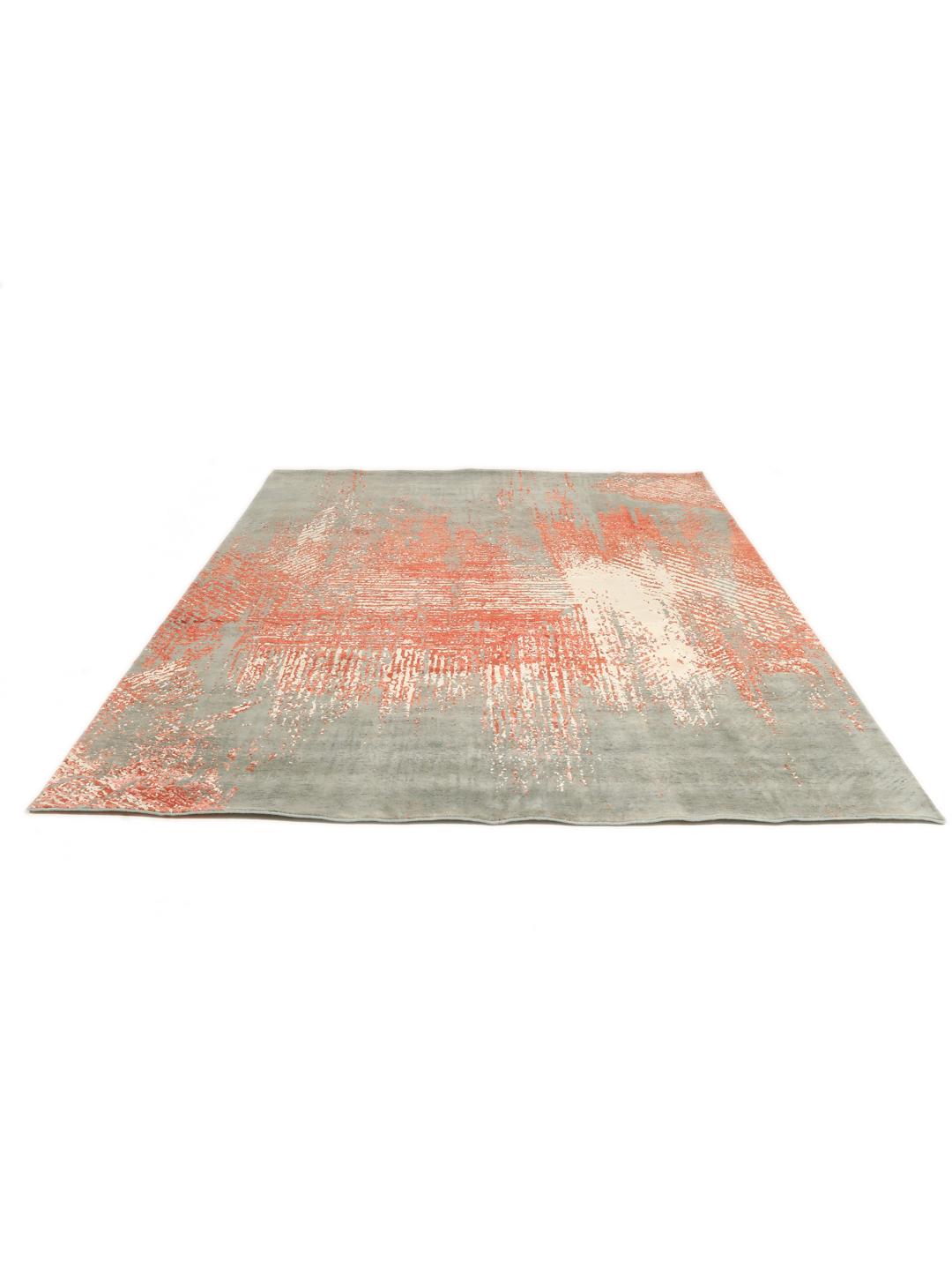
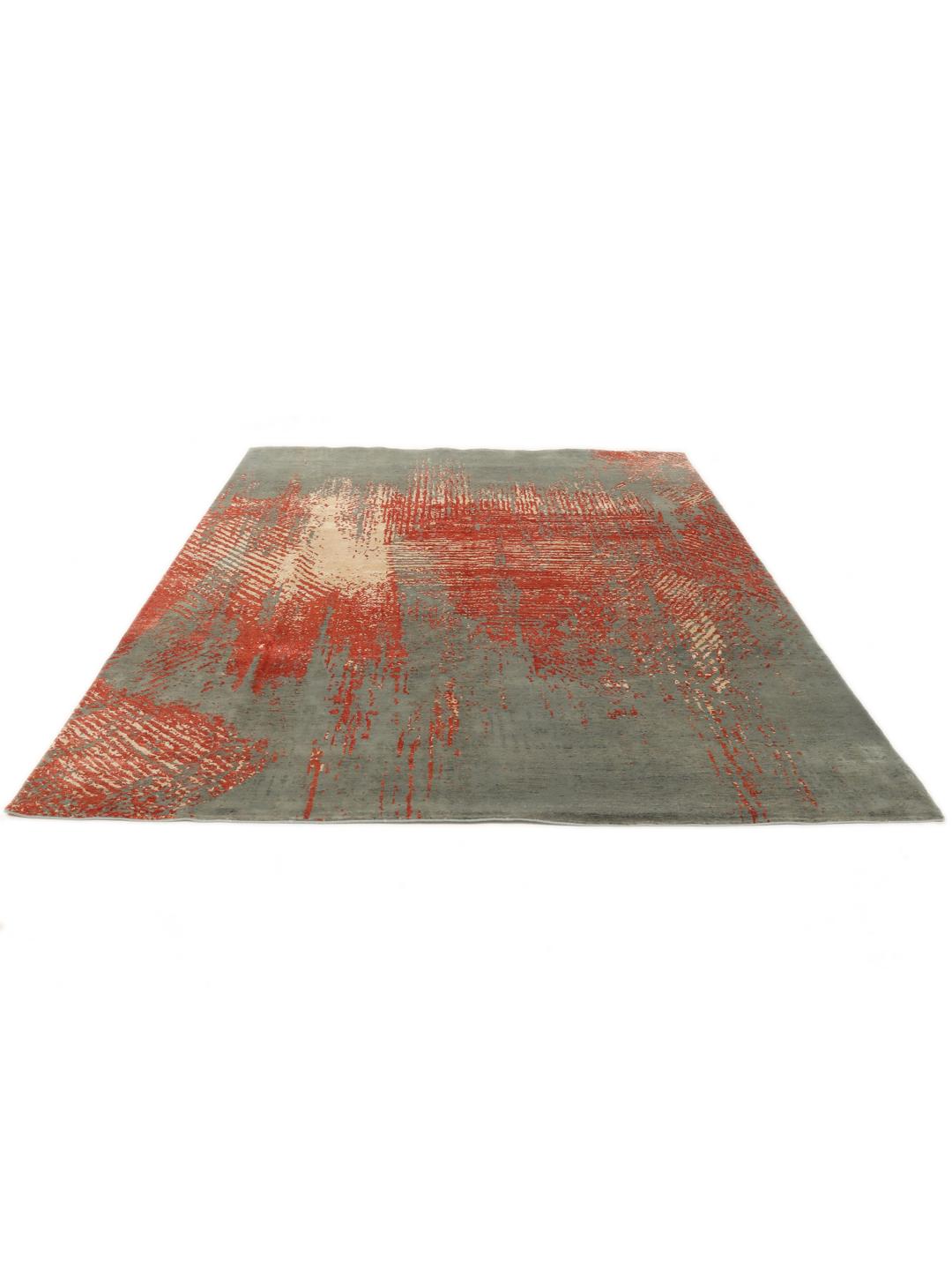
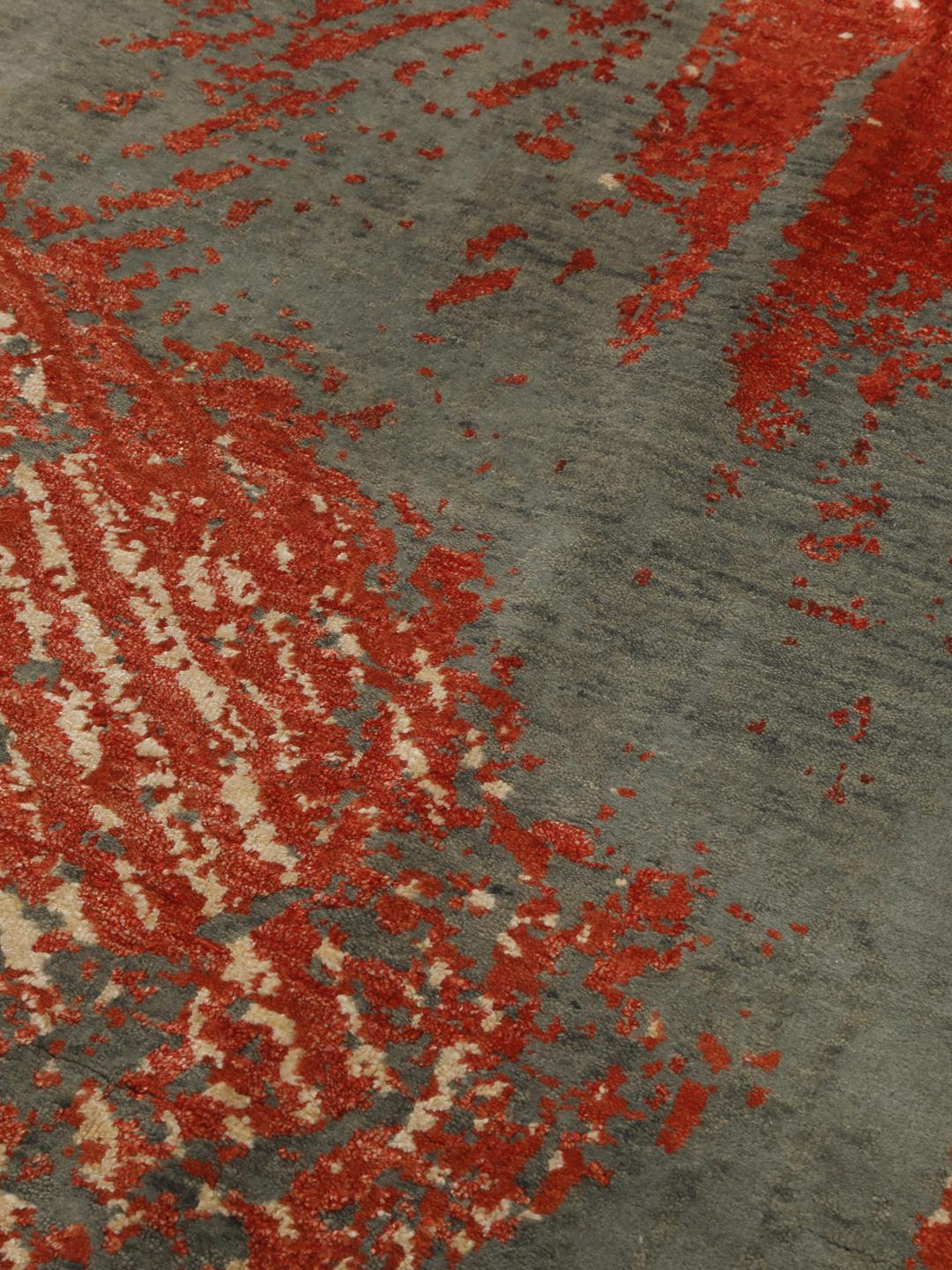
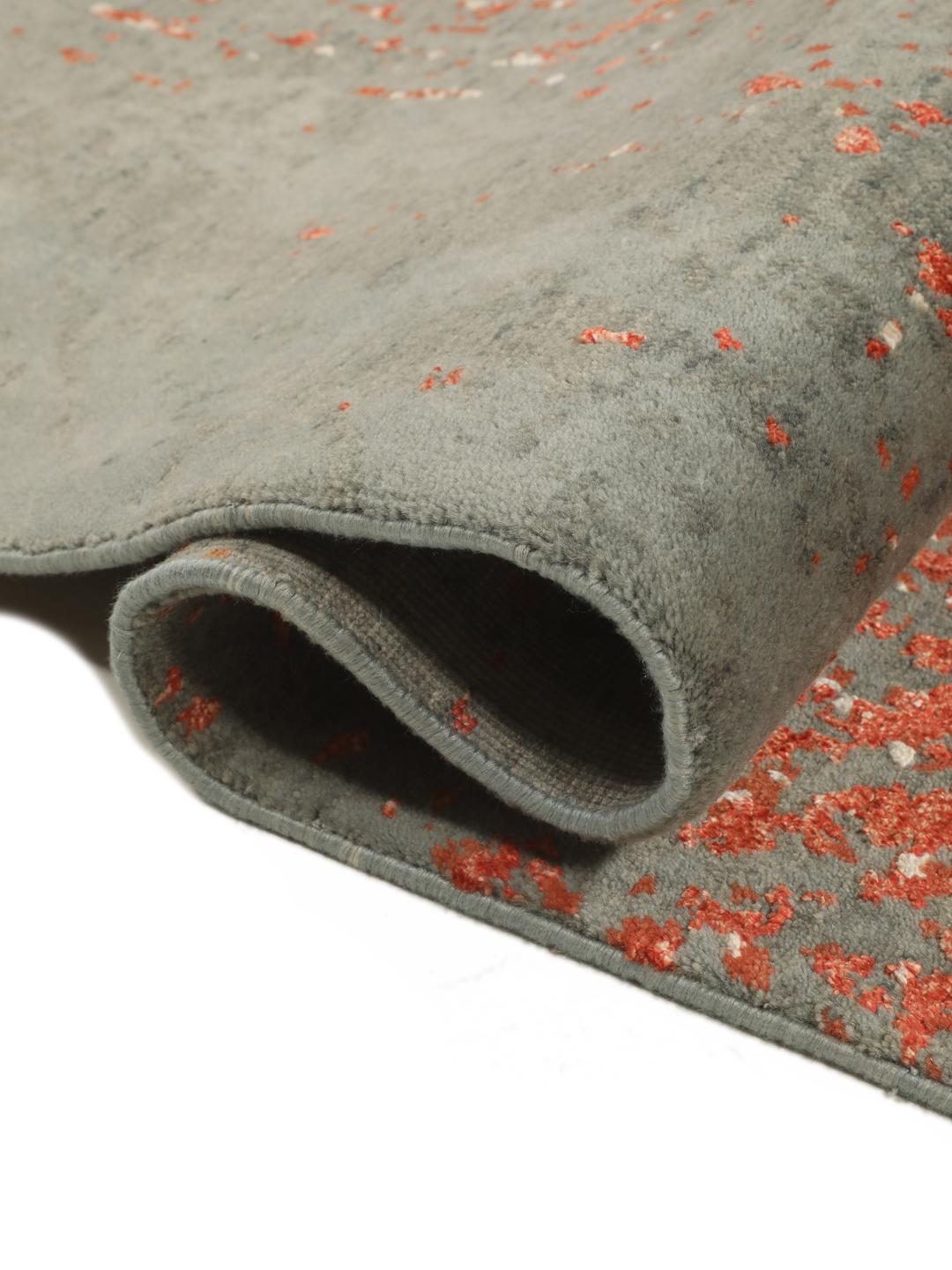
Modern rugs from this region often move away from traditional symmetry, instead embracing abstract and organic forms. The visual language of this rug, with its layered, wash-like effect, reflects a contemporary desire for movement and depth in home decor. By moving beyond rigid borders and central medallions, these rugs offer a more fluid, painterly approach to floor art that complements modern architecture.
Collecting a hand-knotted rug is an investment in human skill and cultural history. These pieces are valued for their ability to bring a sense of soul and character to a home, serving as a bridge between the hands that made them and the spaces they inhabit. By choosing a unique, hand-crafted item, you are participating in a long legacy of textile artistry that prioritises quality and personal expression over the convenience of mass manufacturing.