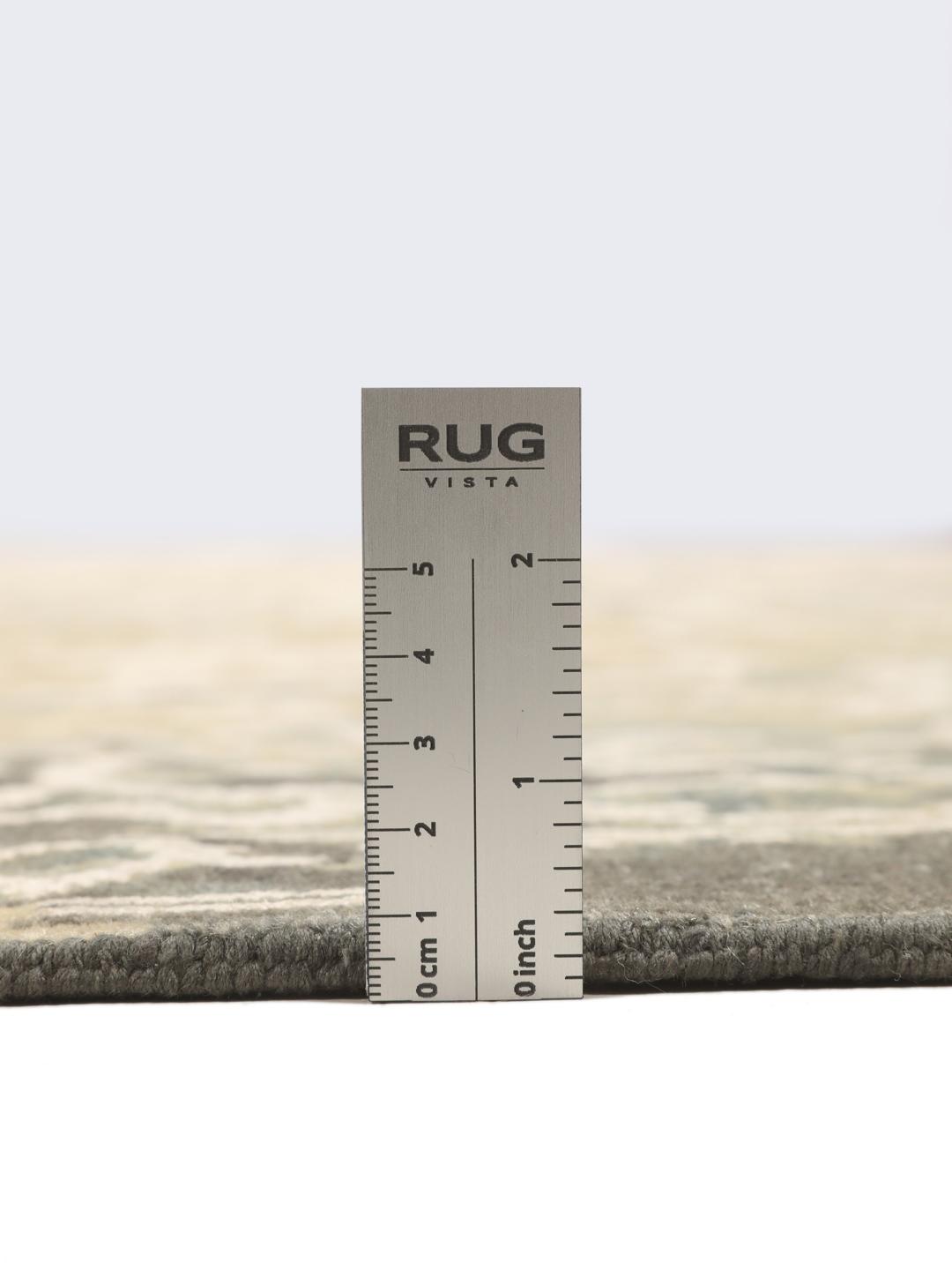
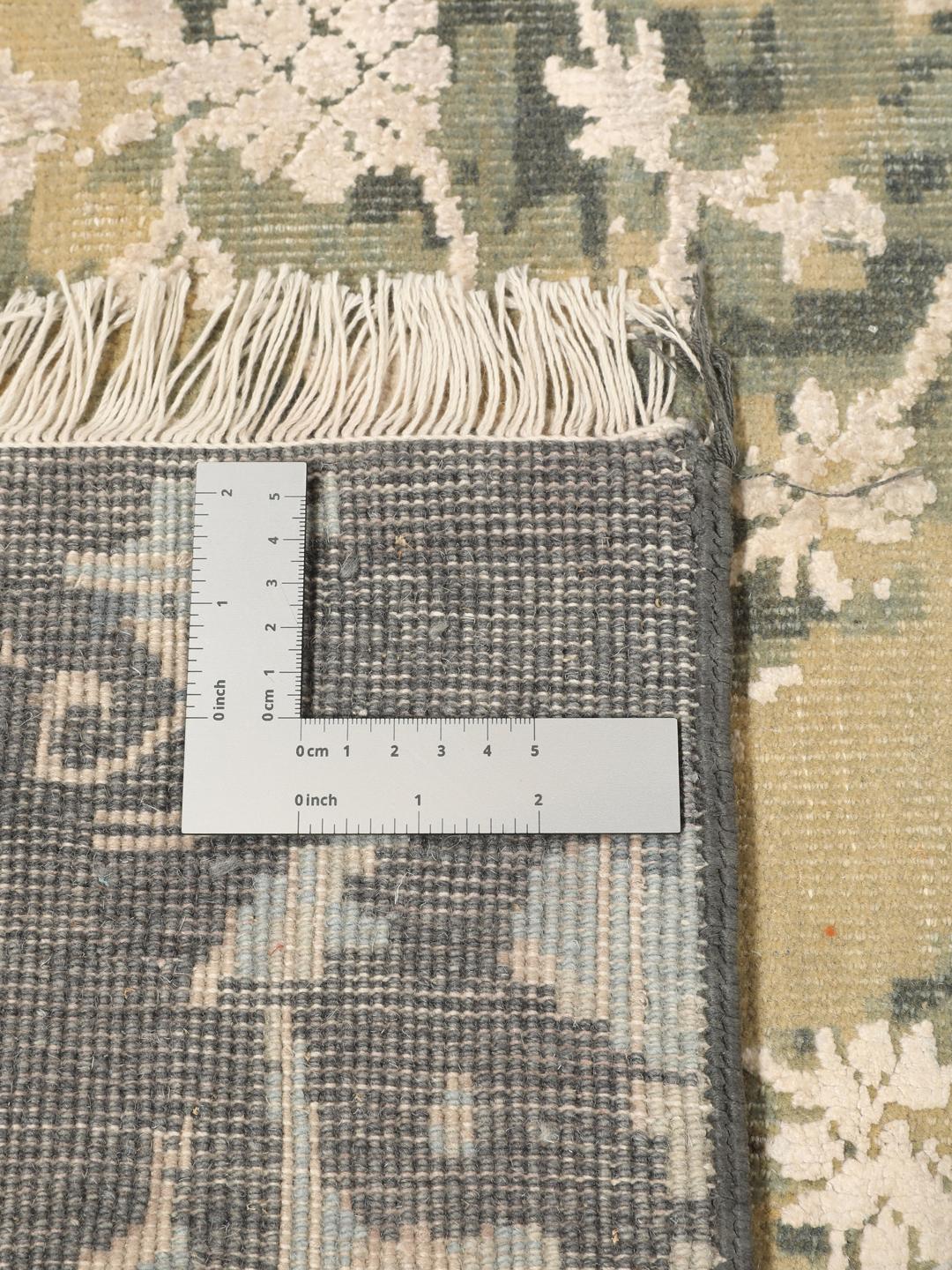
The tradition of rug weaving in India is a storied legacy that dates back centuries, heavily influenced by the cultural exchanges along the historic trade routes. While early Indian weaving was deeply connected to Middle Eastern techniques, the craft evolved to develop a distinct identity, incorporating local aesthetics and materials. Today, India is recognised as a global centre for high-quality, handcrafted rugs that seamlessly blend ancient wisdom with contemporary design trends.
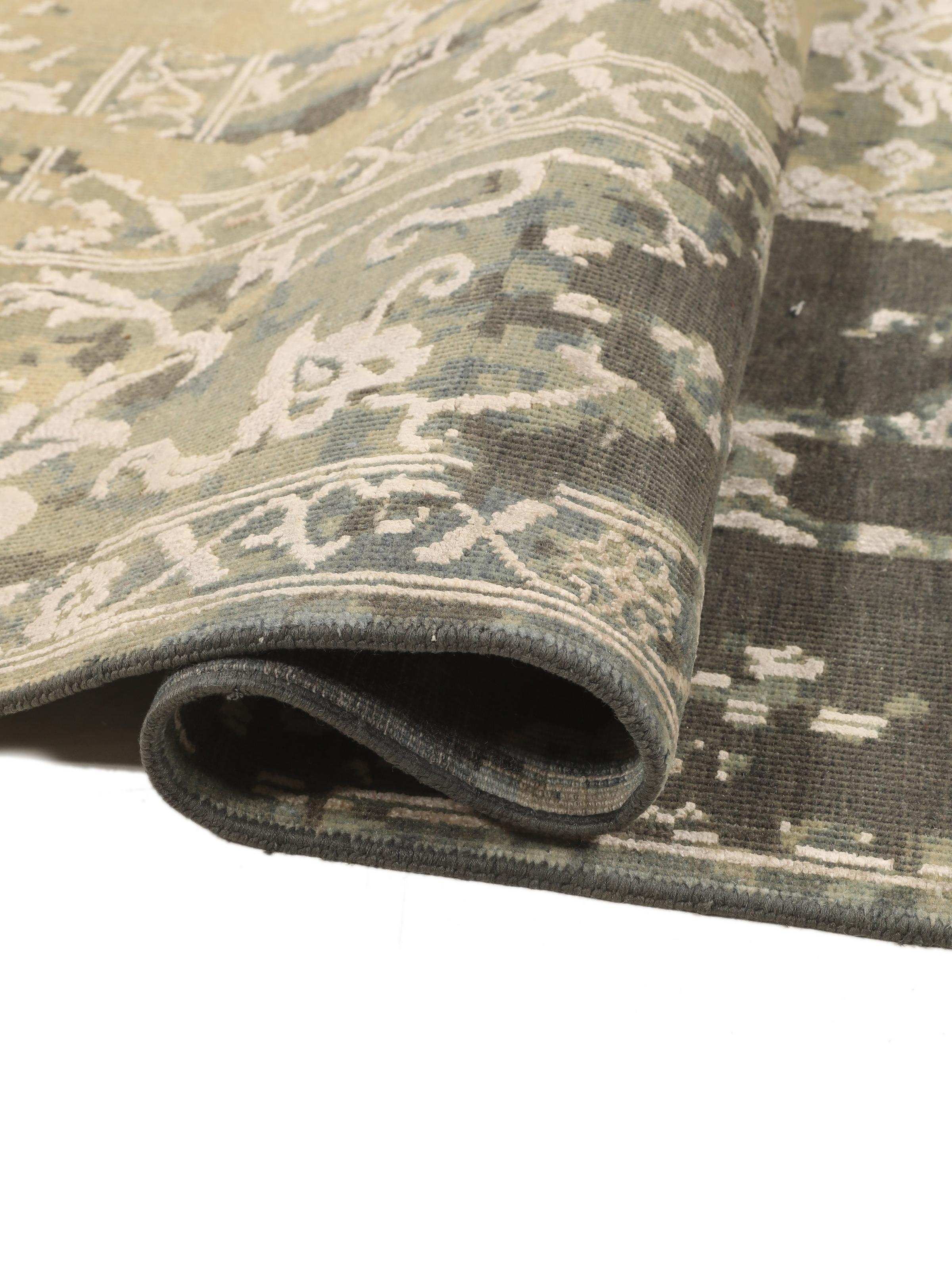
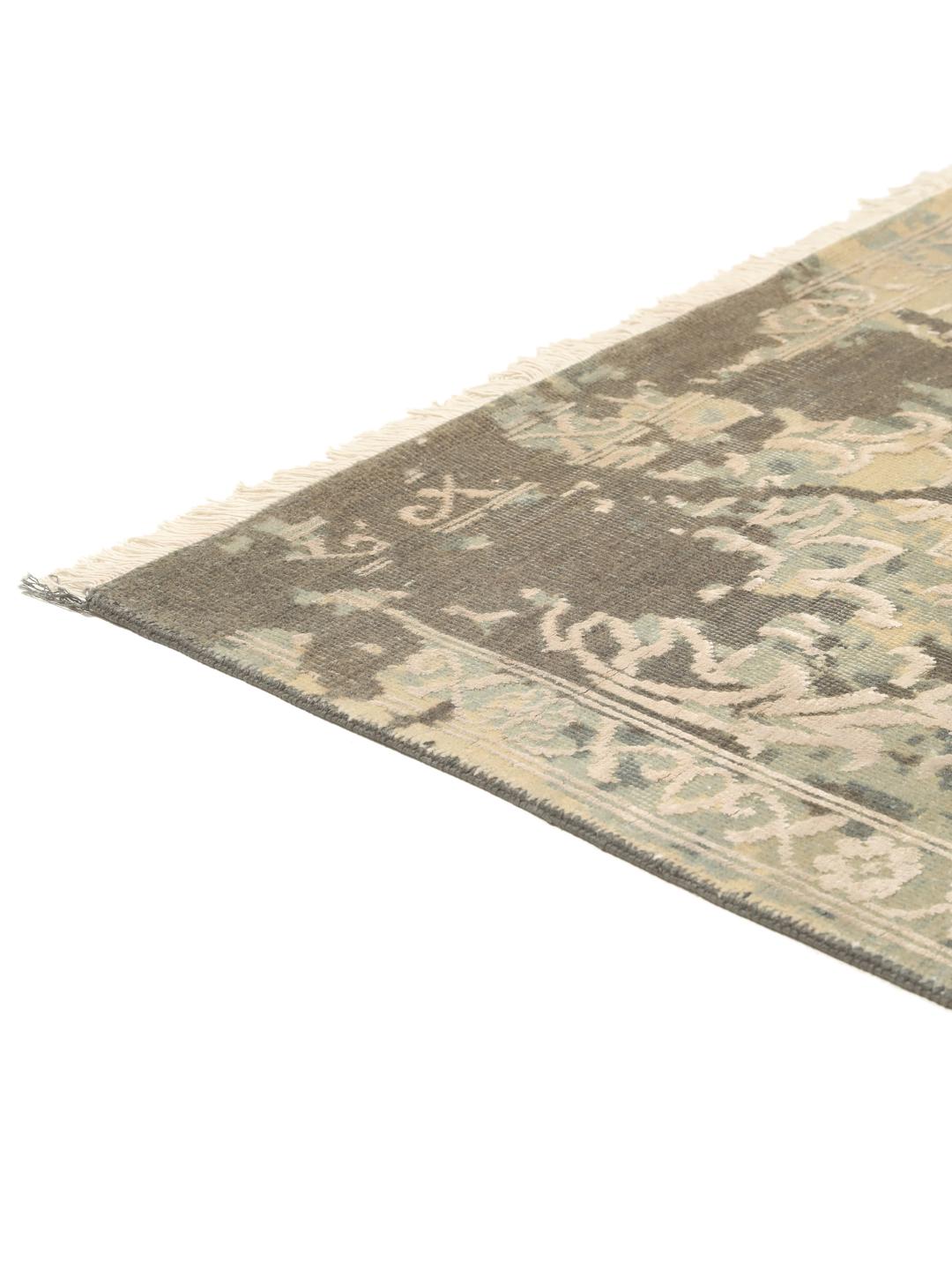
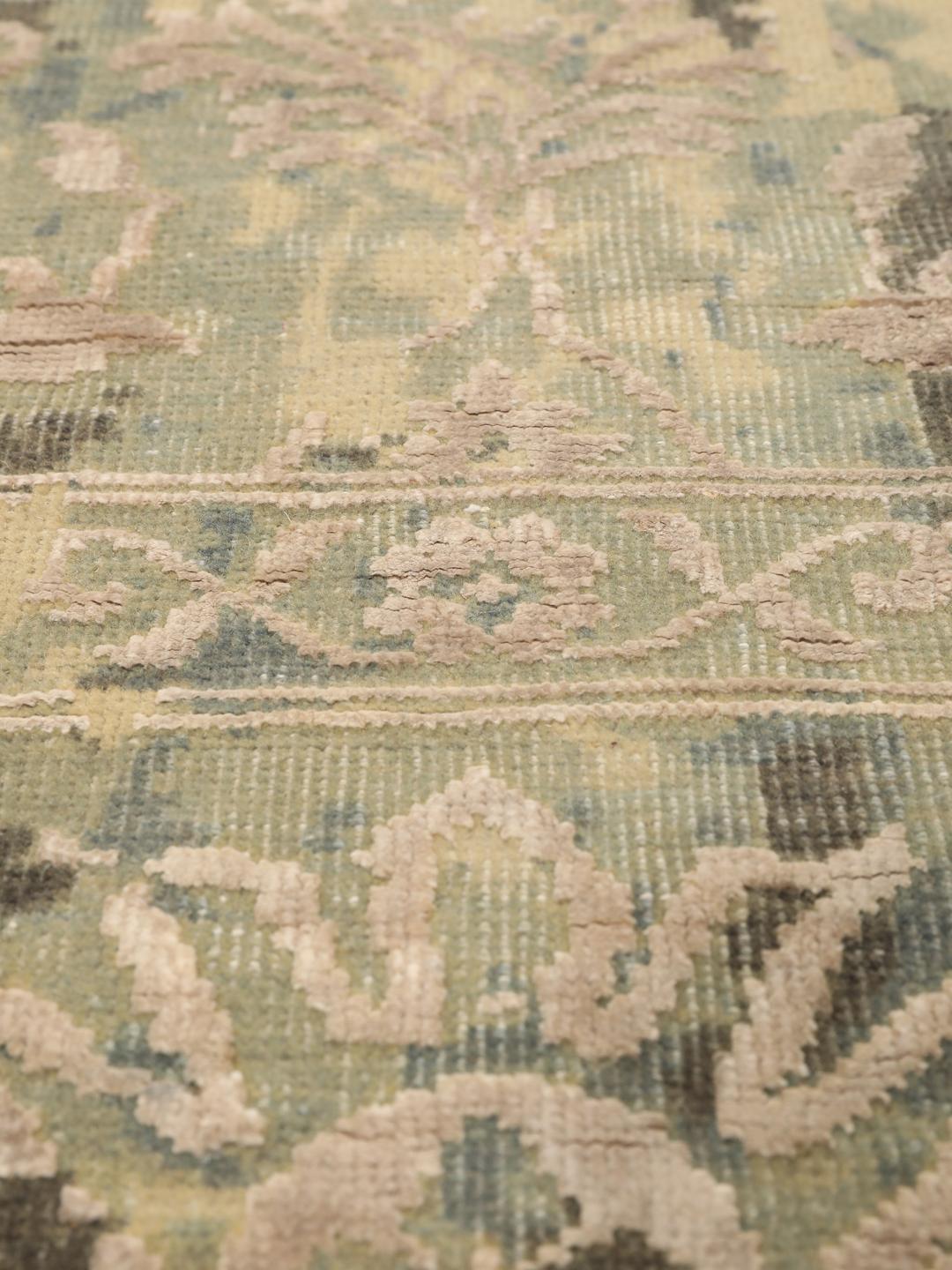
The term 'hand-knotted' refers to the most prestigious method of rug making, where every knot is tied individually by hand. This technical process is the hallmark of quality, allowing for complex patterns, superior pile density, and exceptional durability. Unlike other methods, this technique ensures that the rug can last for generations, as the strength of the foundation and the security of each knot provide a level of structural integrity that is simply not possible with machine-made alternatives.
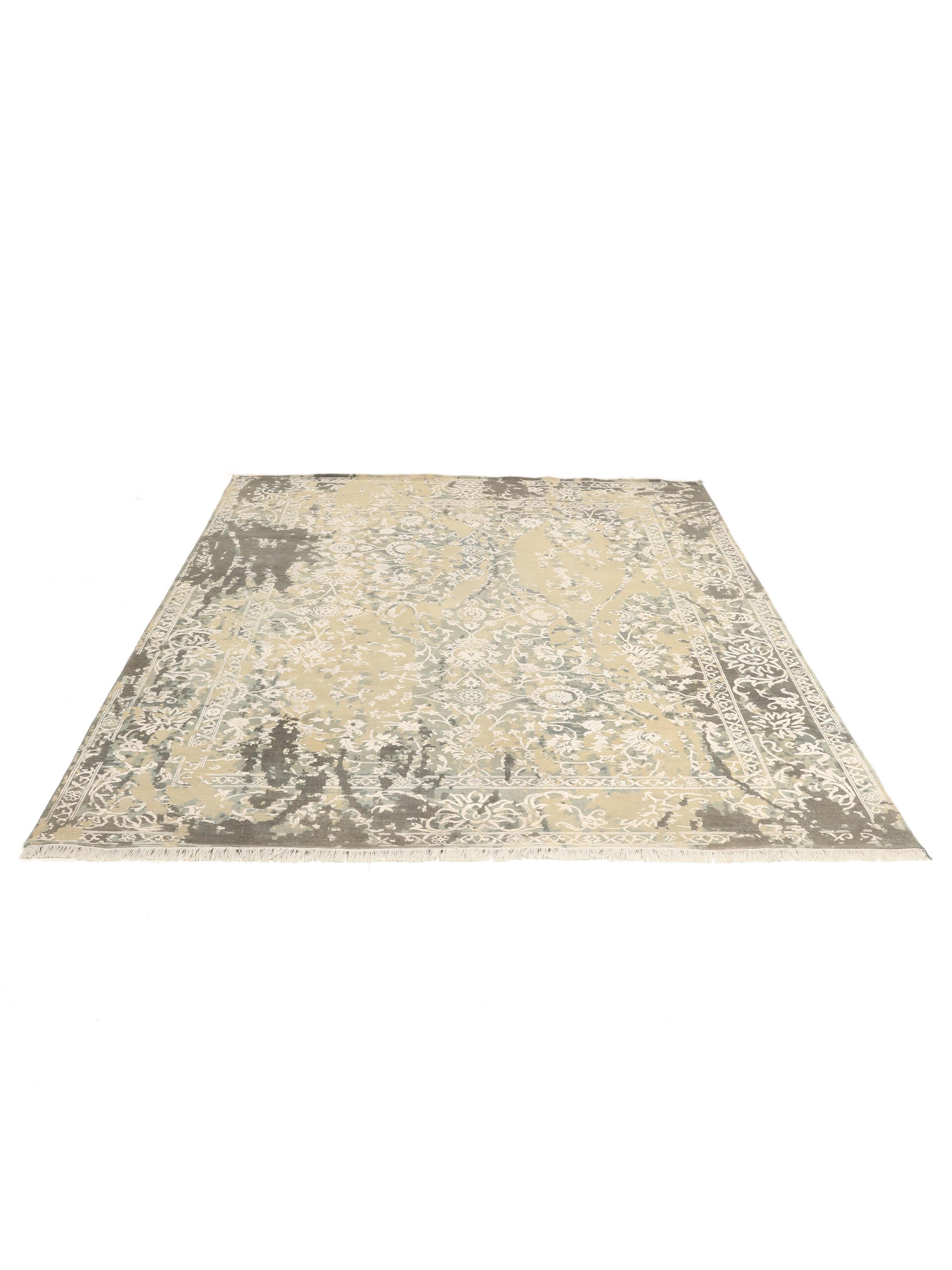
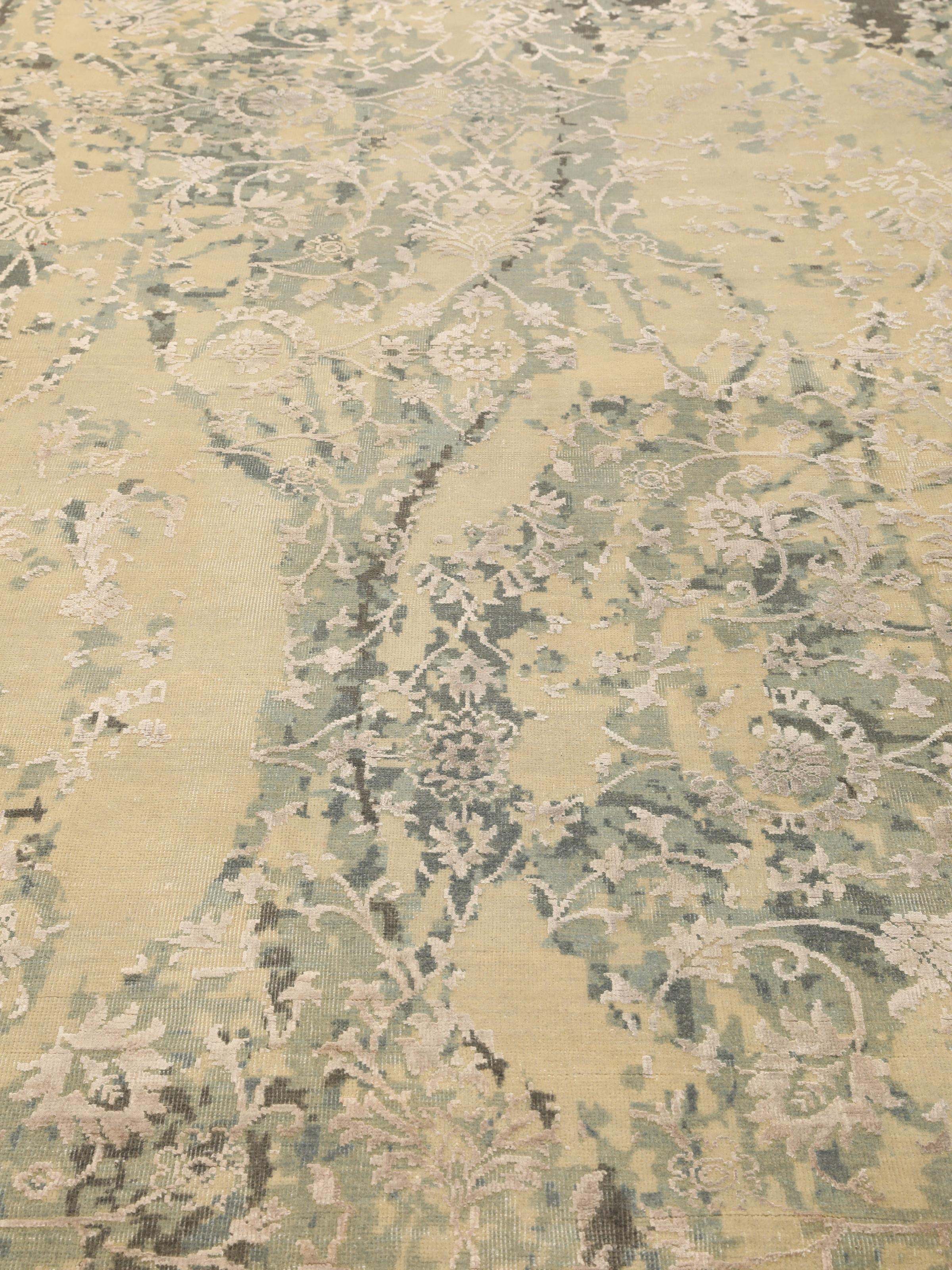
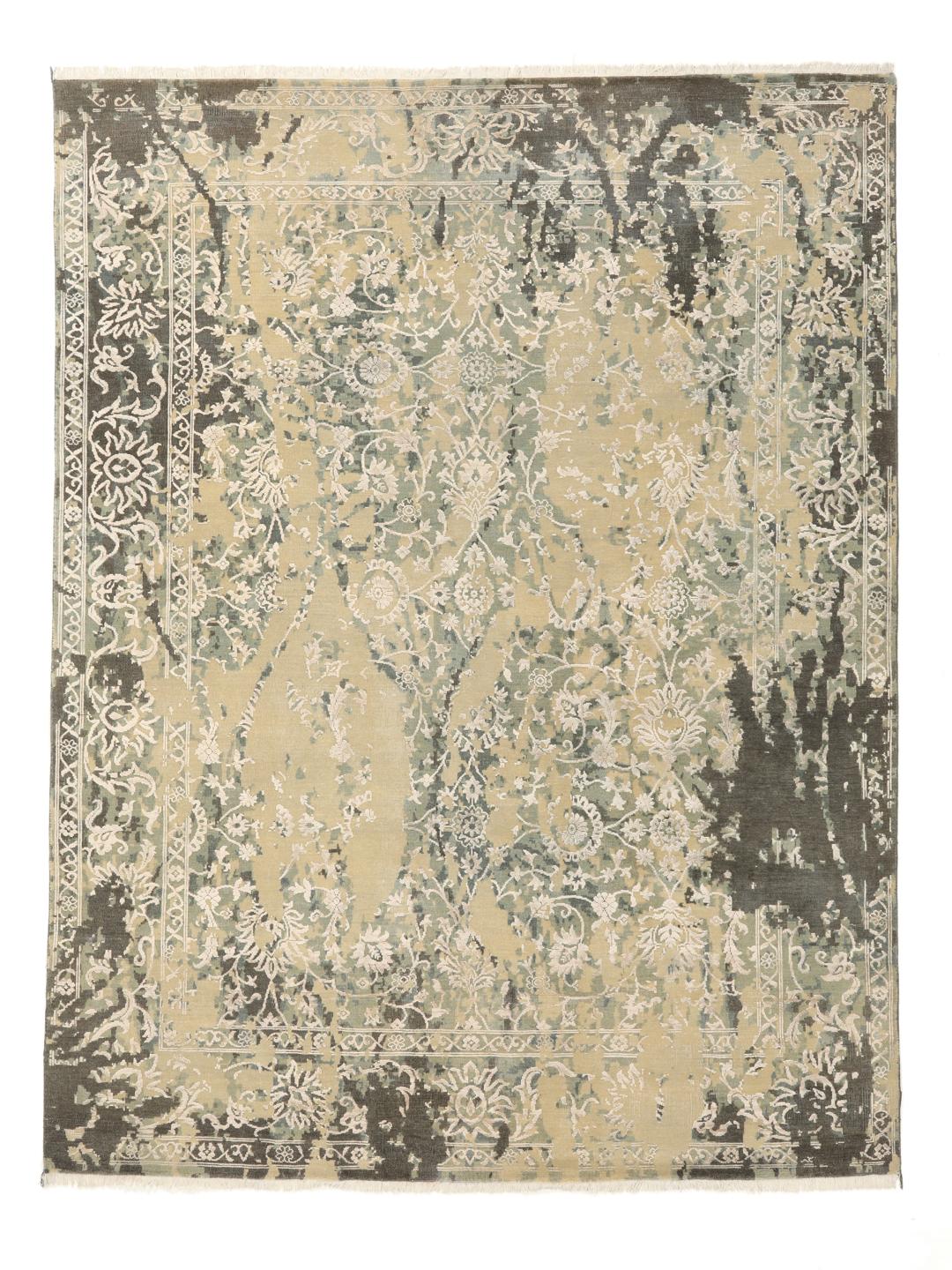
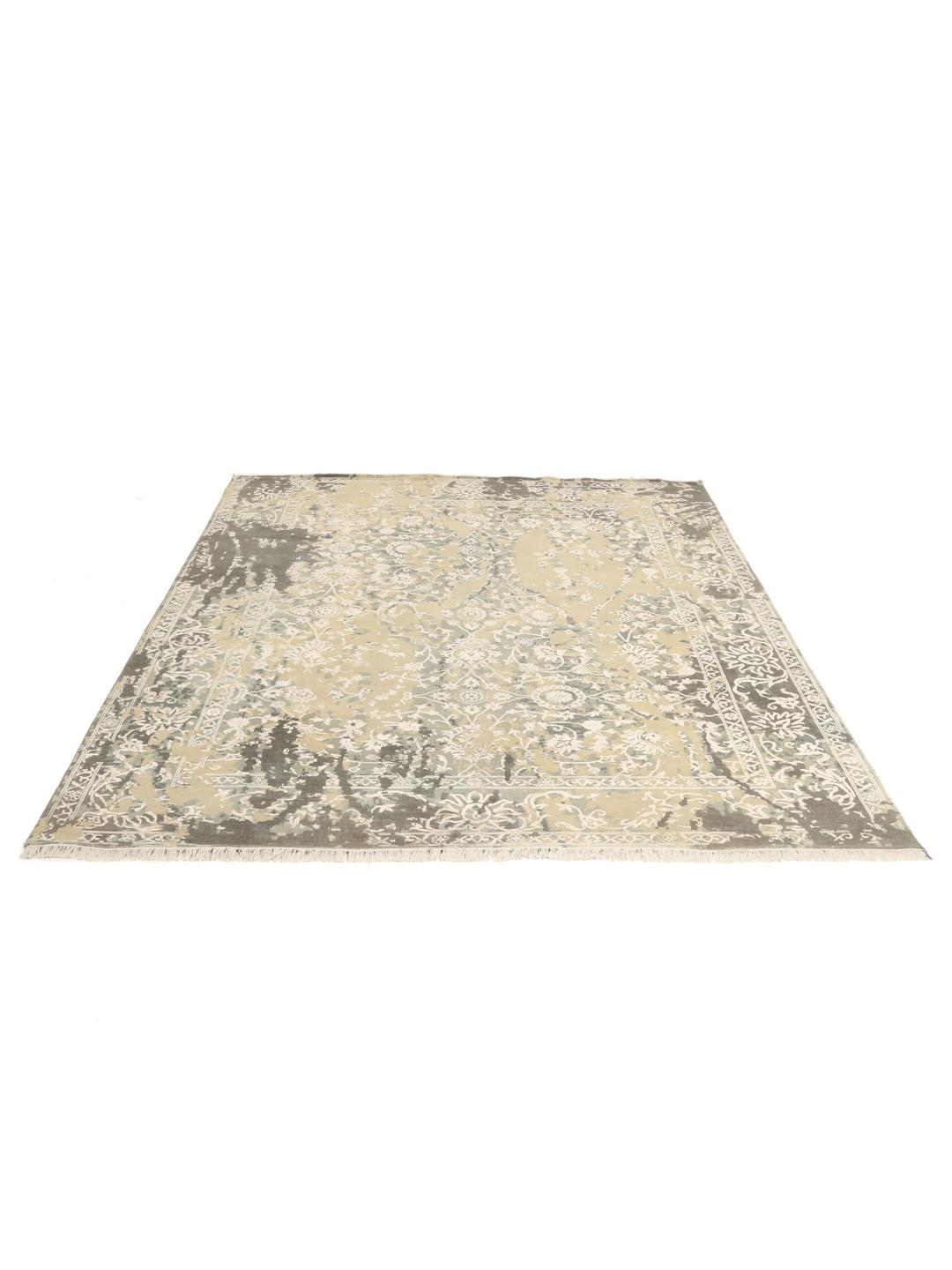
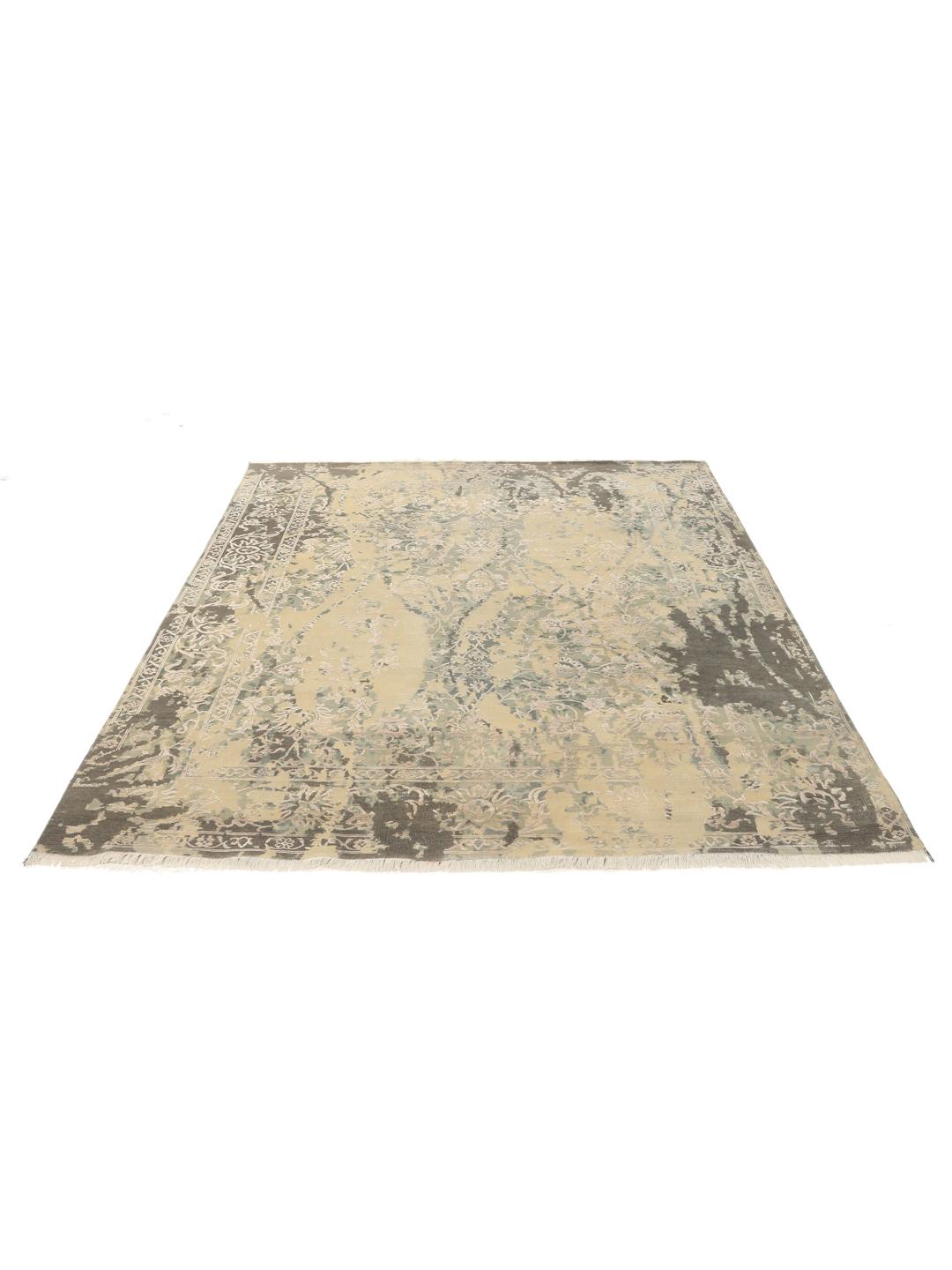
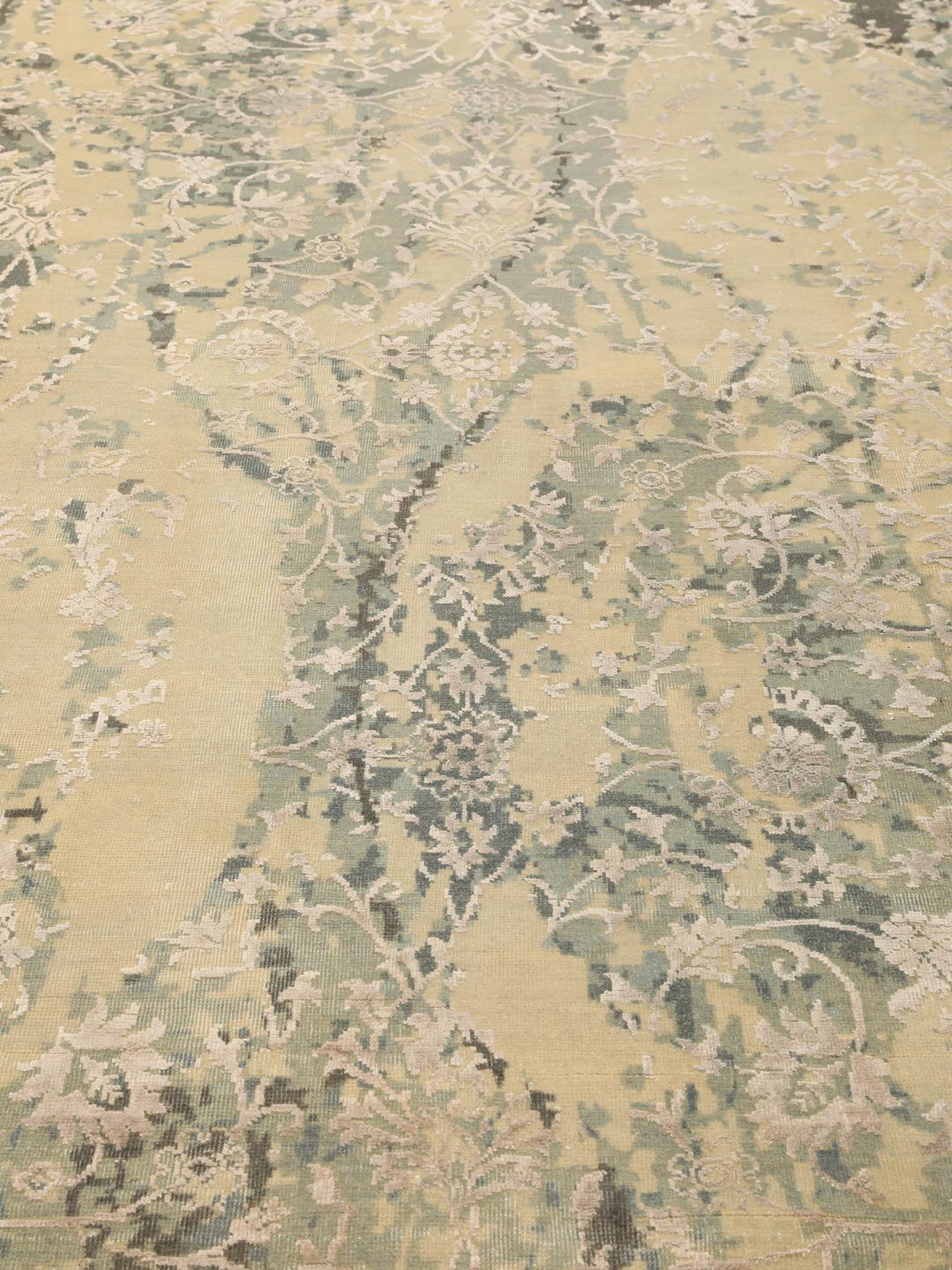
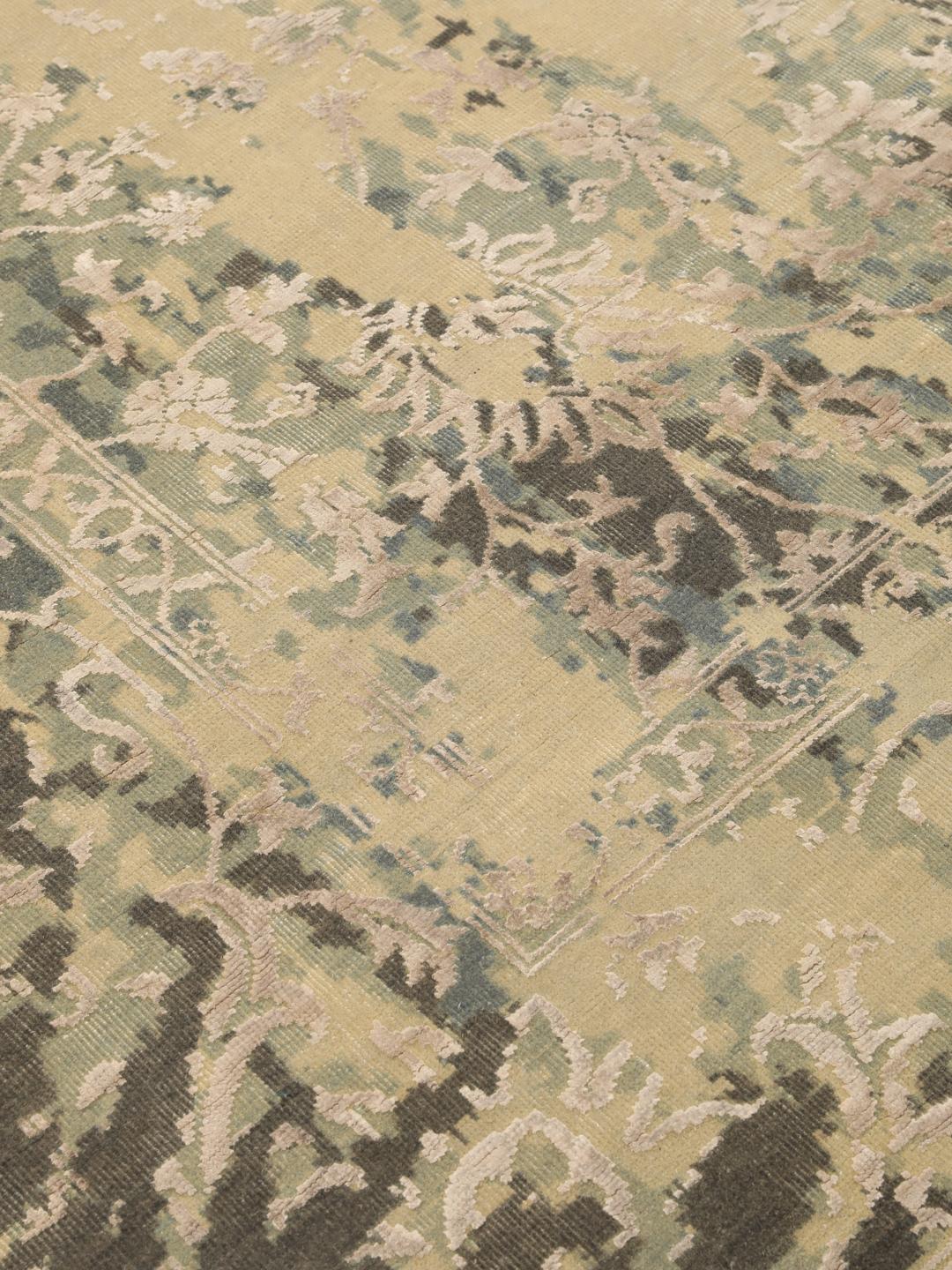
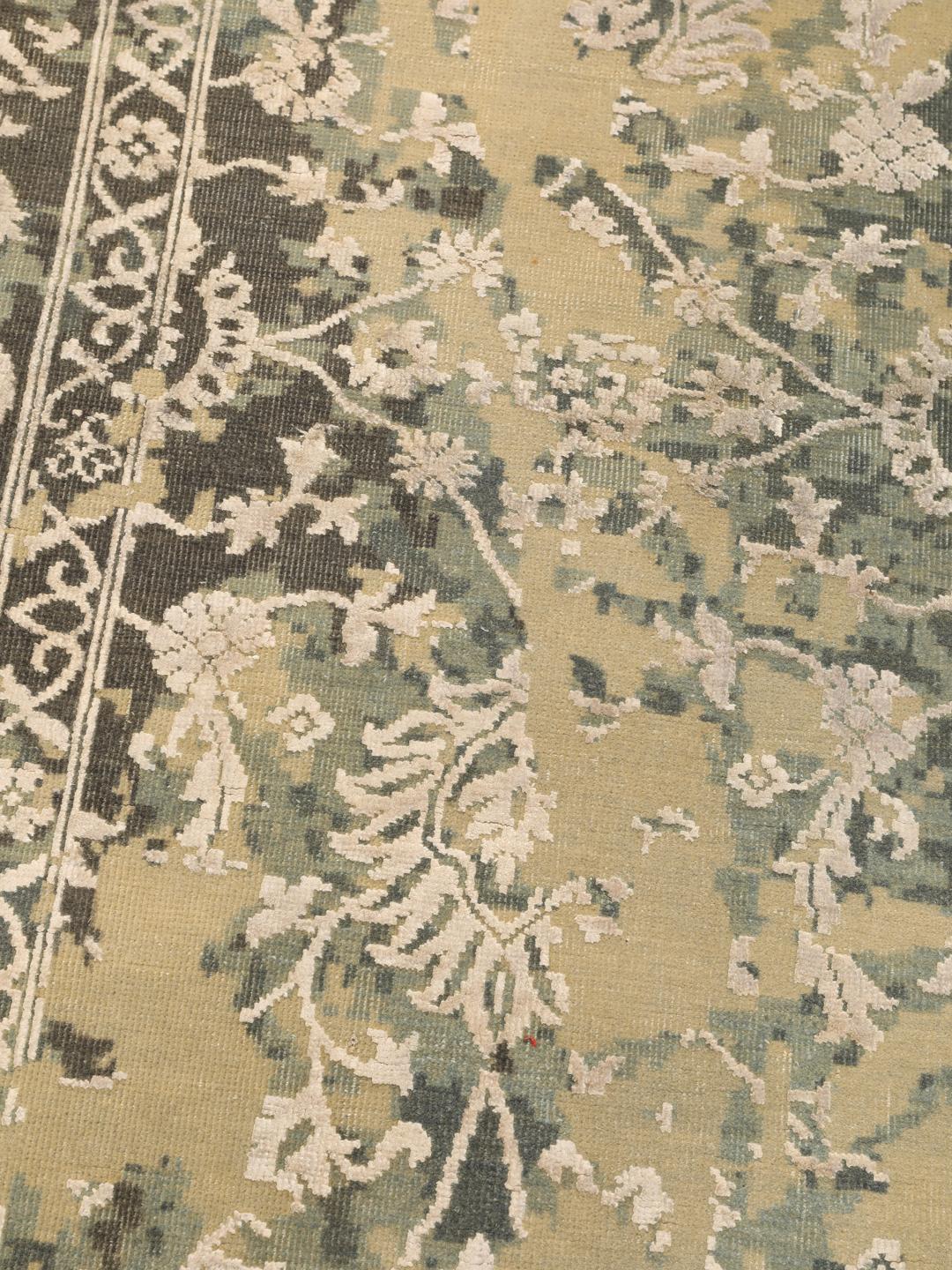
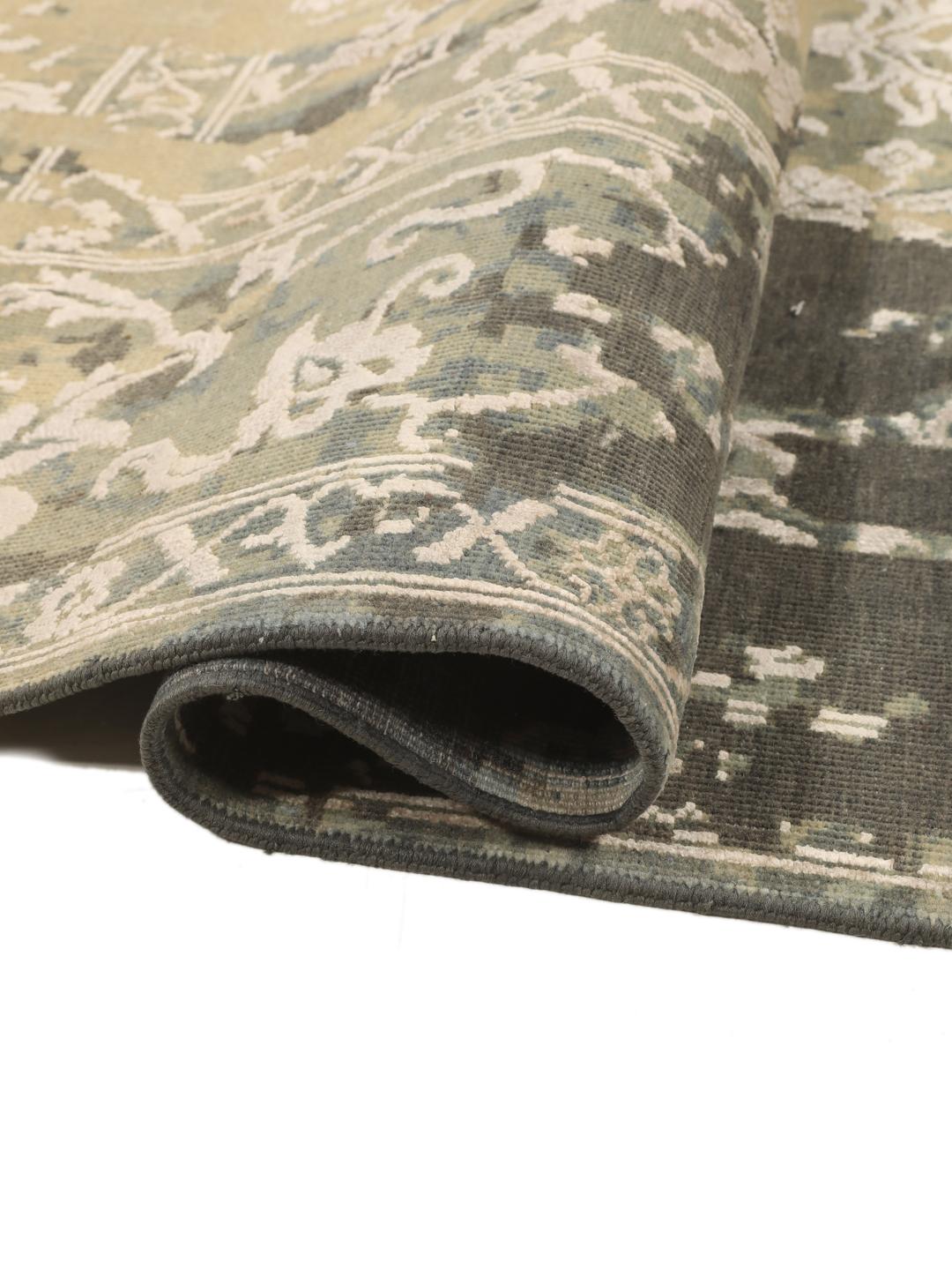
This rug features a sophisticated interpretation of traditional floral motifs, reimagined through a modern, abstract lens. The design uses a technique often referred to as 'distressing' or 'over-dyeing' to create a lived-in, vintage appearance that feels perfectly at home in current interior styles. The border, which maintains a more classical structure, acts as a frame for the more fluid and artistic field, creating a dialogue between the structured past and the expressive present.
Collecting a hand-knotted rug from this tradition is an investment in human skill and cultural heritage. These pieces are valued not only for their utility but for the narrative they bring into a home, representing hundreds of hours of human focus and creativity. Owning such a rug signifies an appreciation for slow, considered production and provides a tangible connection to the vibrant history of Indian textile artistry.