Chinese rug making is an ancient craft with a history that spans centuries, deeply rooted in the artistic traditions of the region. Historically, these rugs were highly prized for their sophisticated use of silk and Wool, often featuring designs inspired by nature, porcelain painting, and imperial motifs.
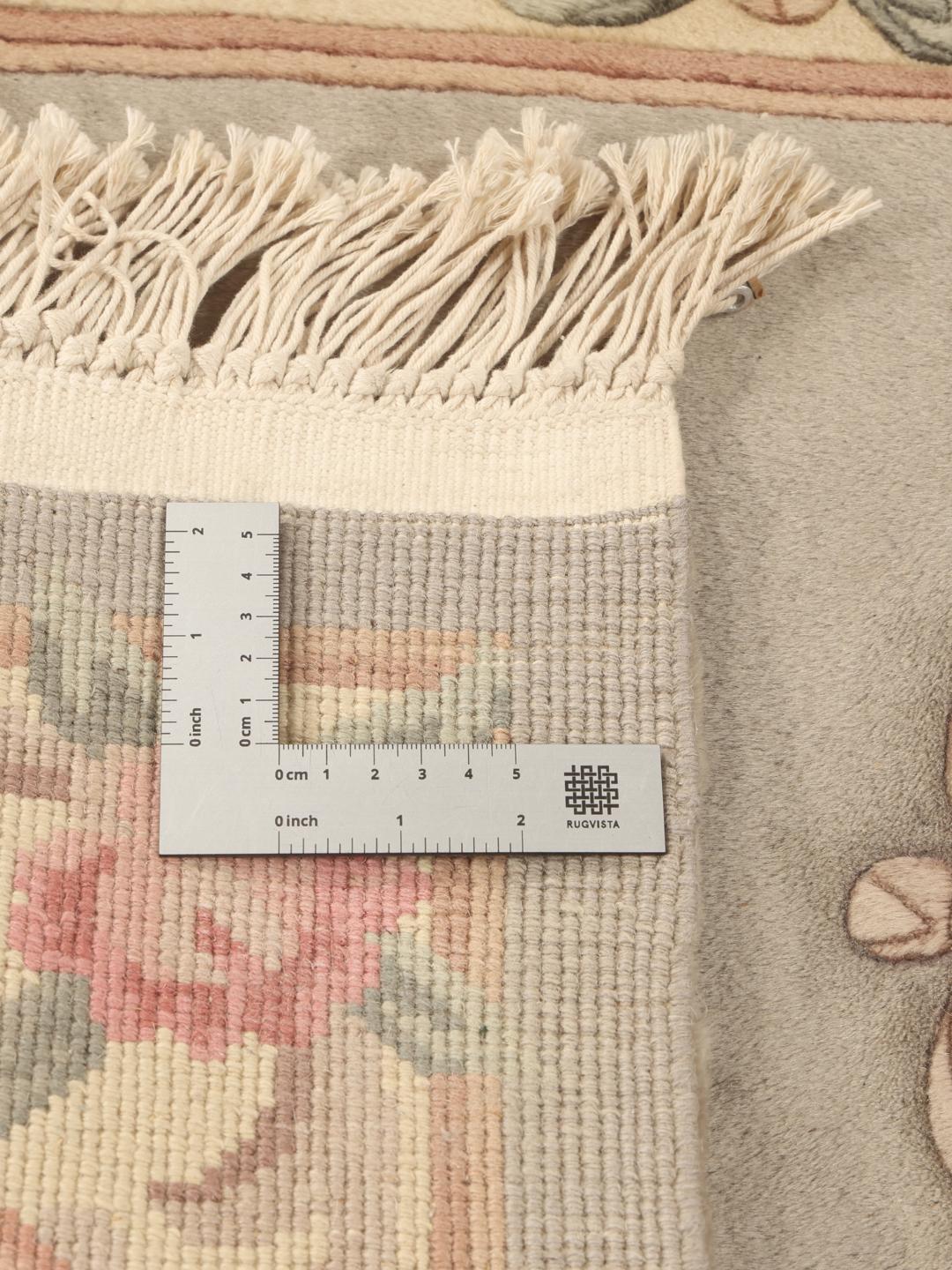
The term '90 line' refers to a traditional measurement of the rug's density, indicating the number of knots across a specific width. This technical standard is a hallmark of quality in Chinese weaving, ensuring that the pile is sufficiently dense to hold clear, vibrant patterns while maintaining a soft, luxurious handle.
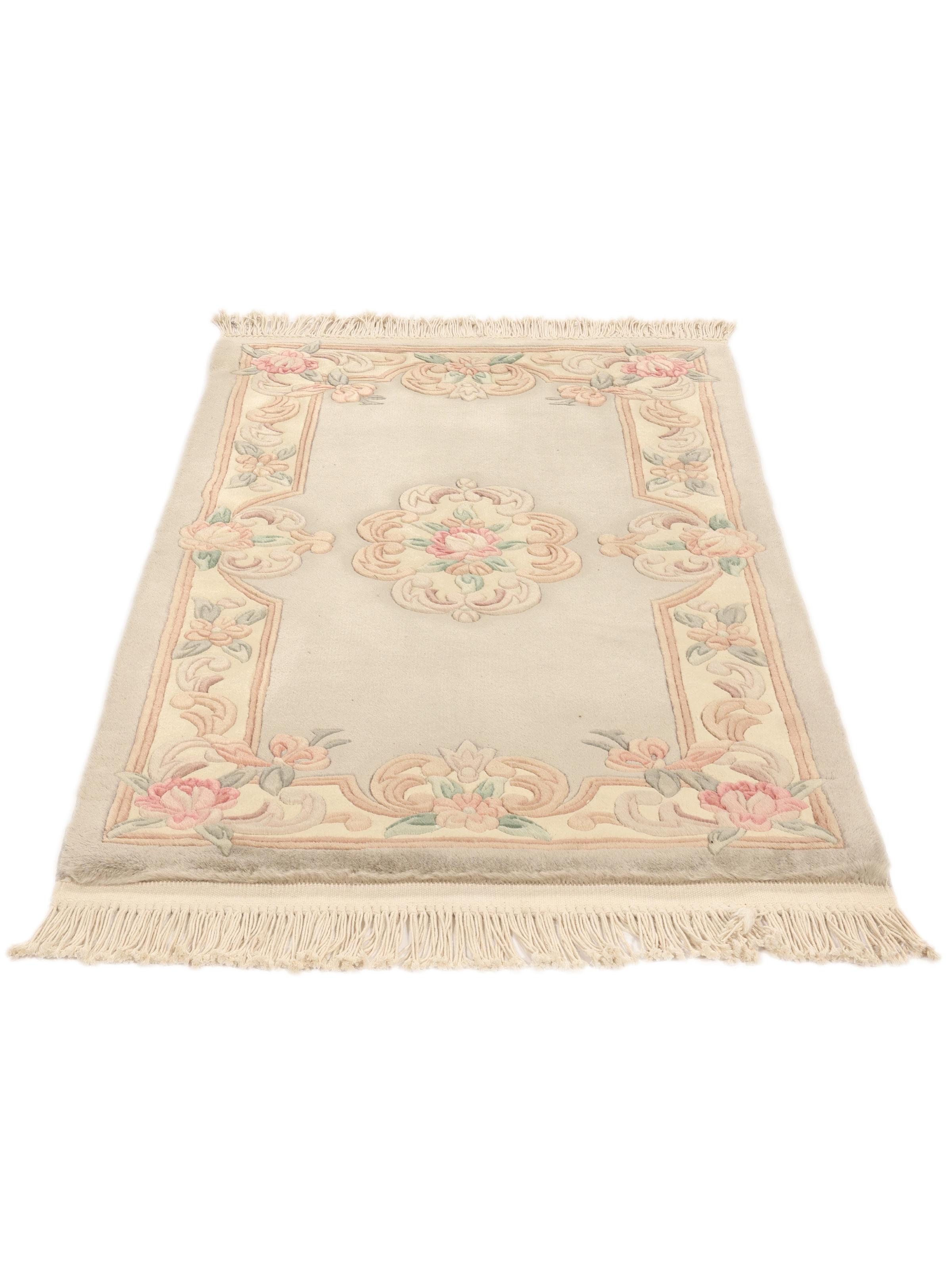
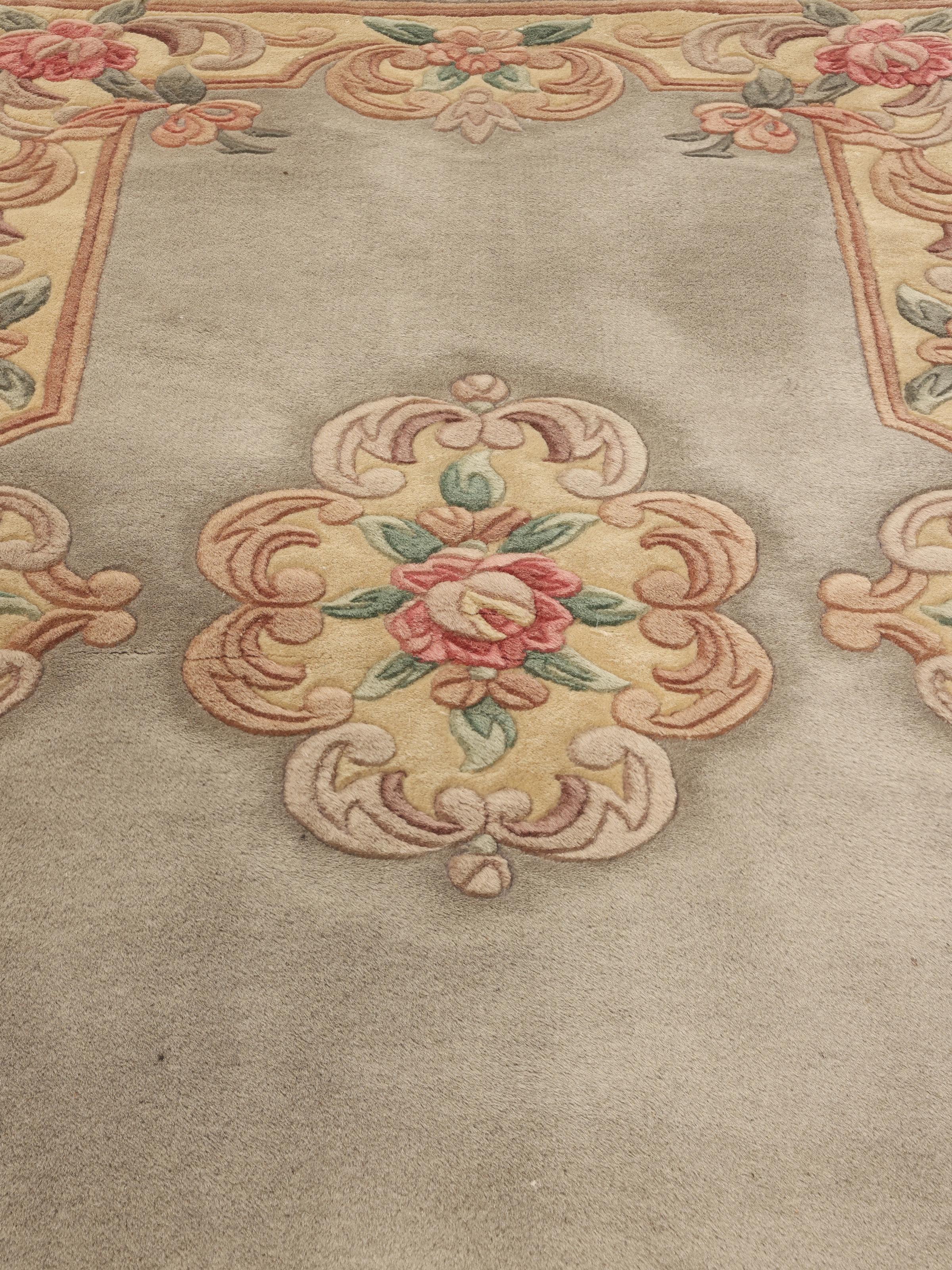
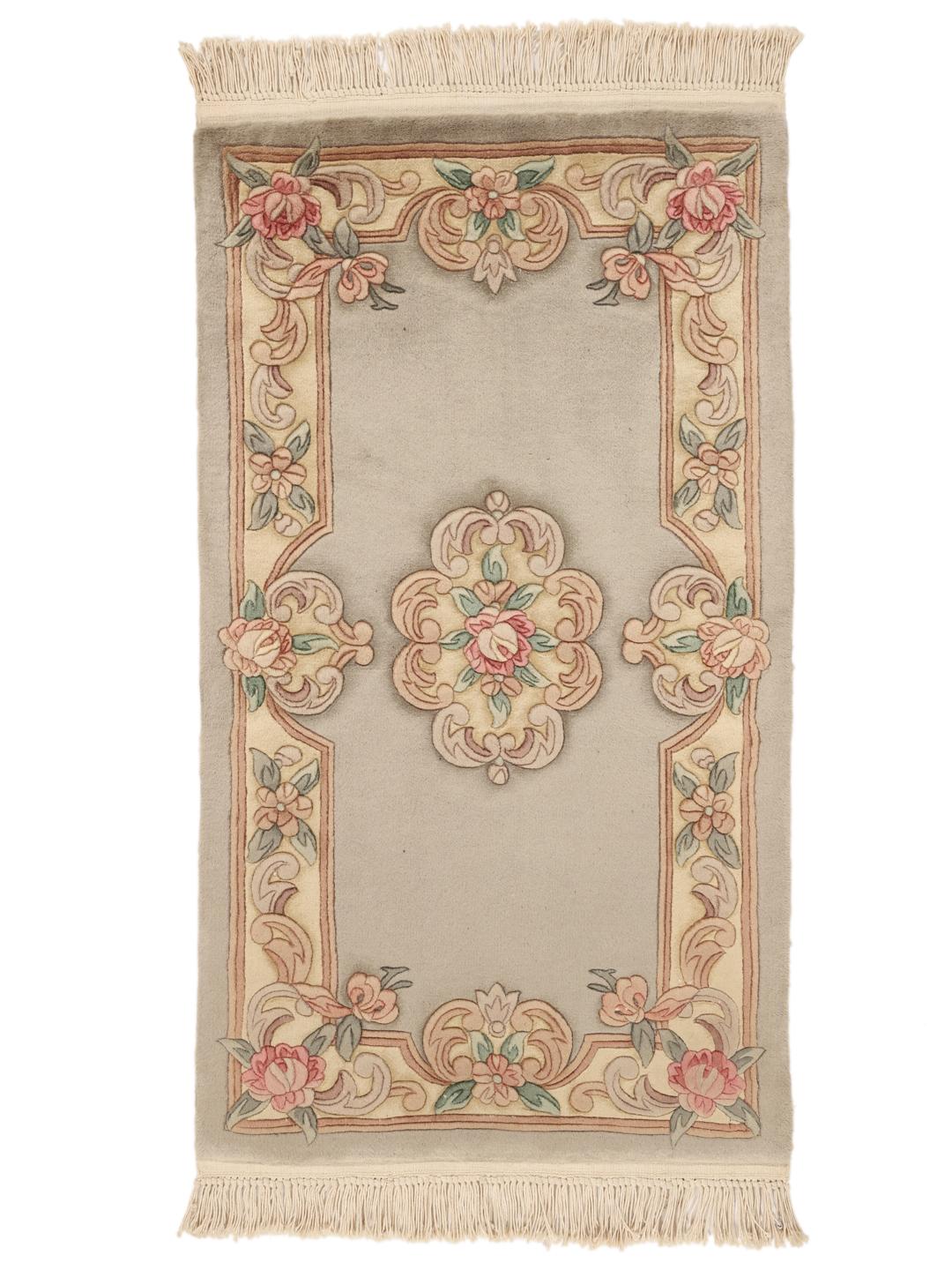
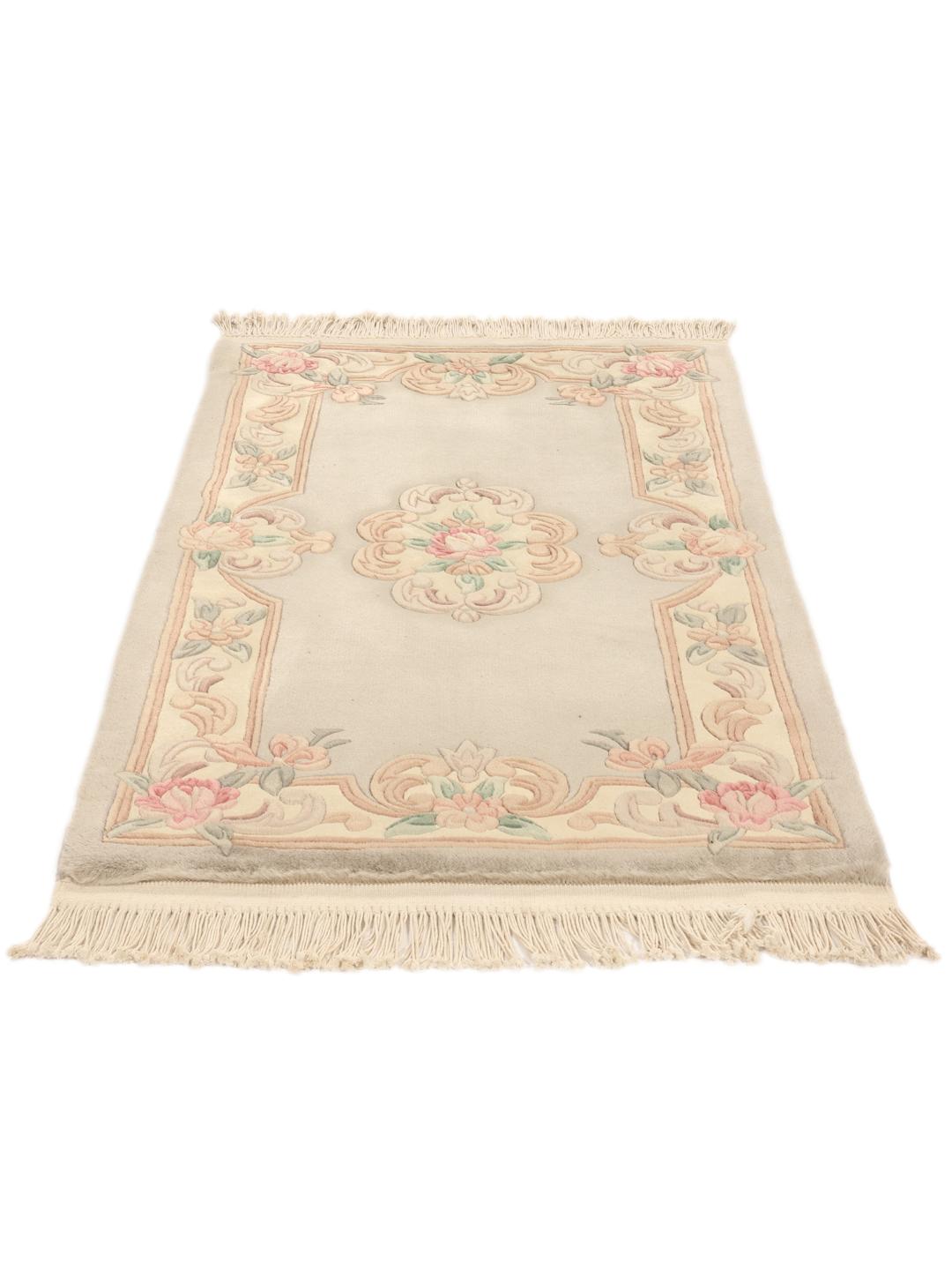
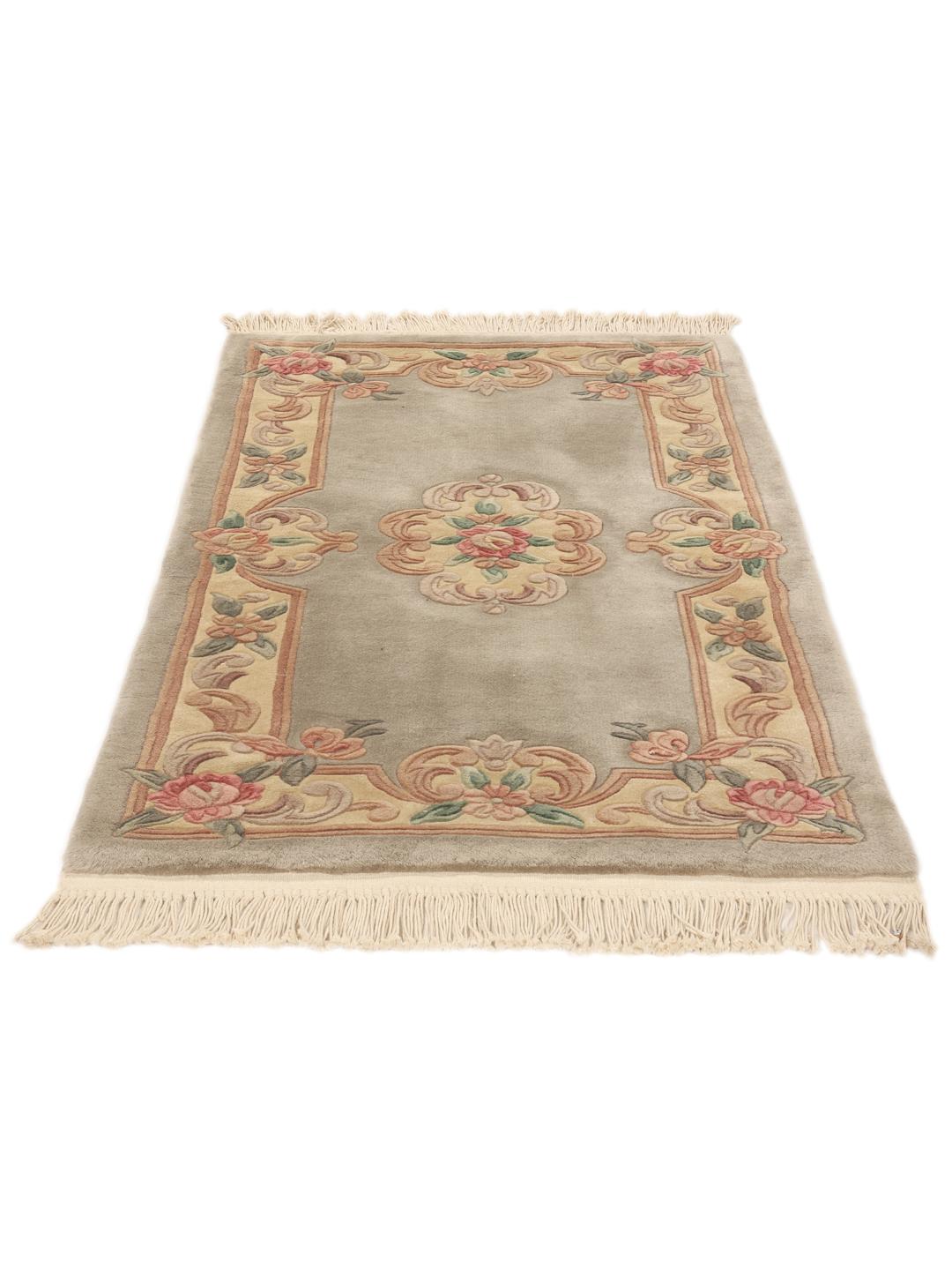
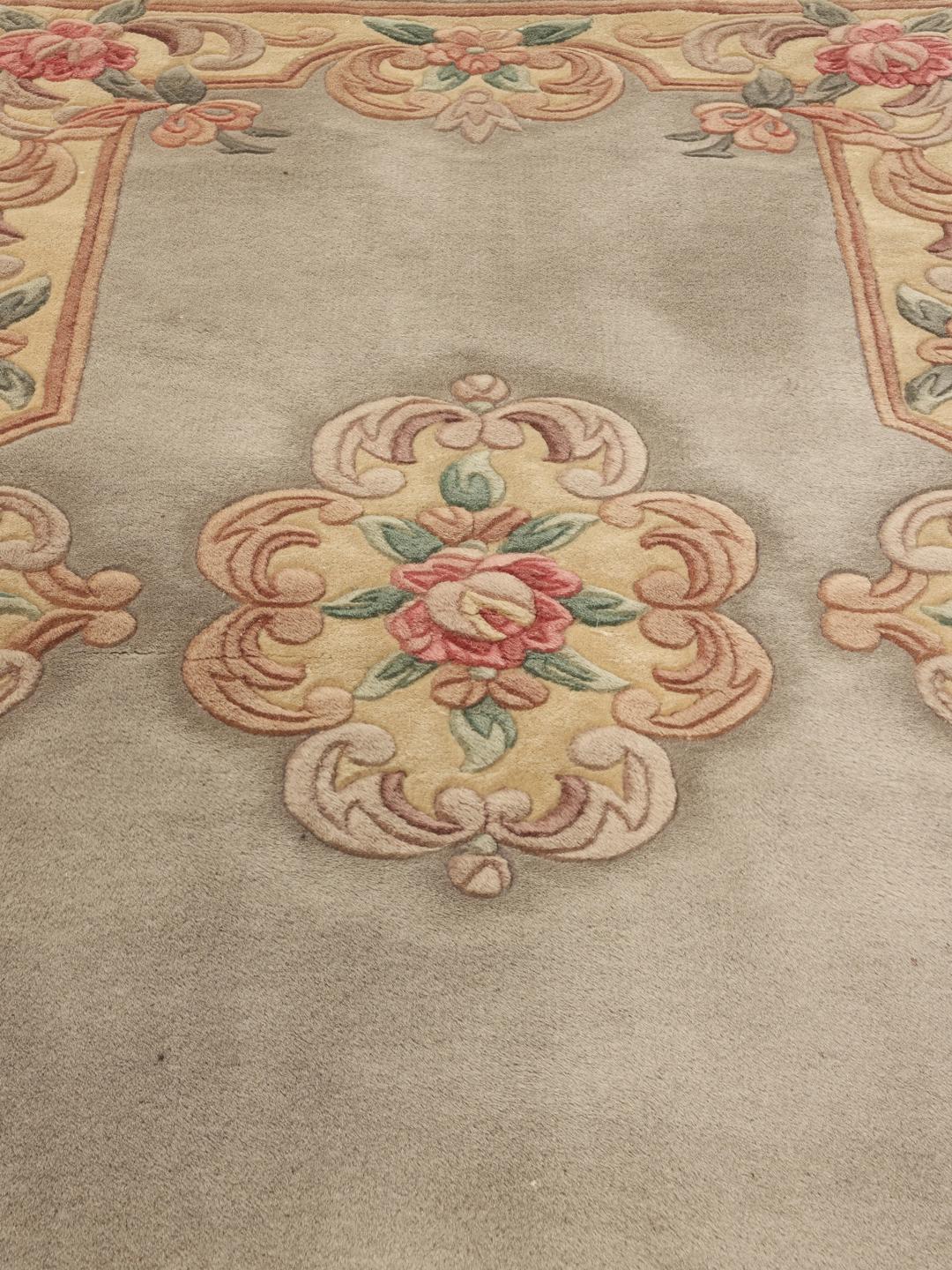
Visually, this rug follows the classic style of floral compositions, where central medallions and decorative borders work in harmony to create a sense of balance. The soft pastel palette is a nod to traditional Chinese aesthetics, which often emphasize harmony and natural beauty over bold or jarring contrasts.
Owning a hand-knotted rug from this region is an investment in human skill and cultural heritage. These pieces are collected not only for their aesthetic appeal but as symbols of a long-standing tradition of craft that values the slow, intentional creation of beauty for the home.