Chinese rug weaving has a history that spans centuries, evolving from functional floor coverings to refined artistic expressions. Historically, these rugs were highly prized in imperial courts, known for their sophisticated use of space and carefully balanced motifs that often incorporated symbols of harmony and nature.
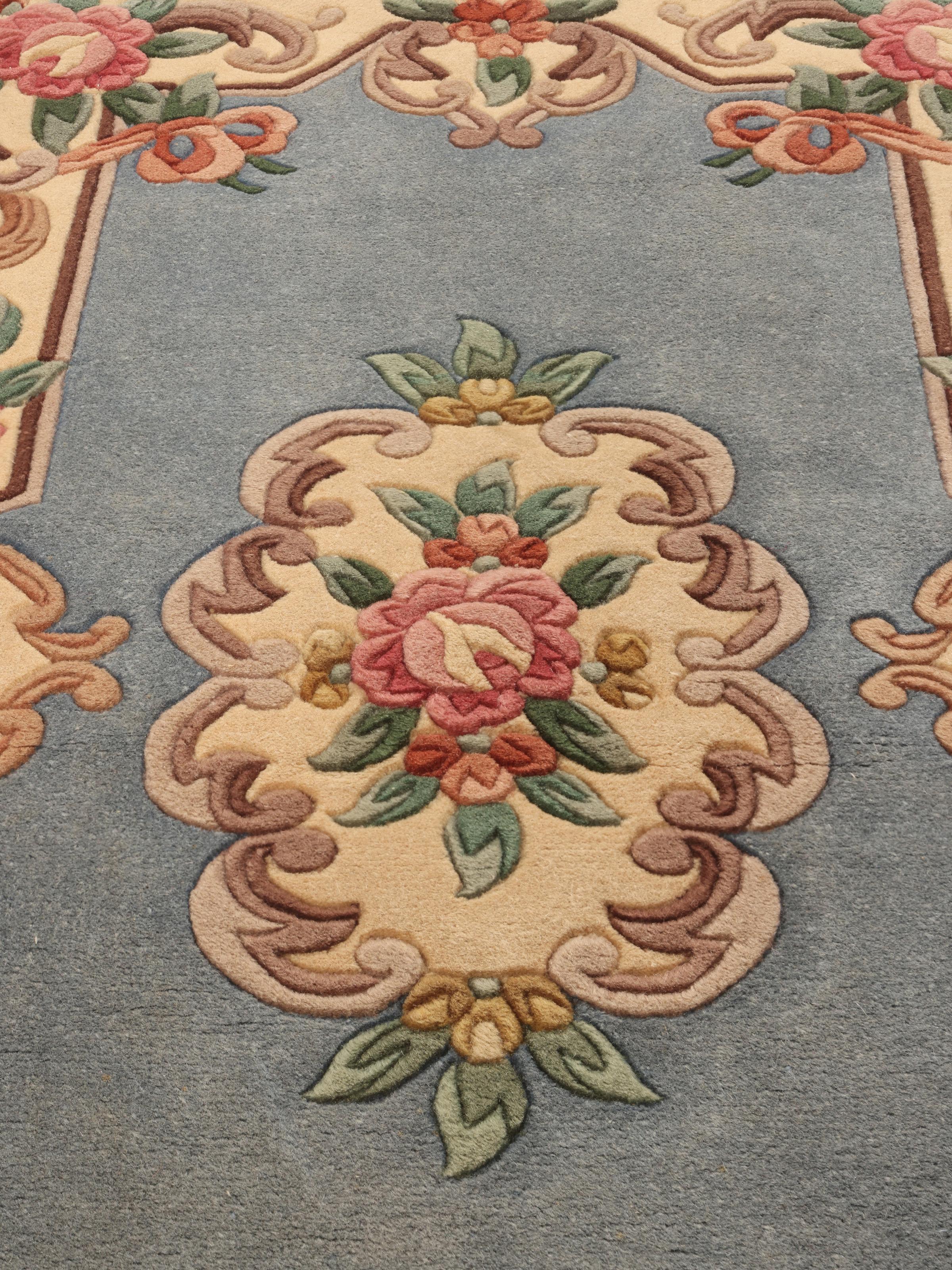
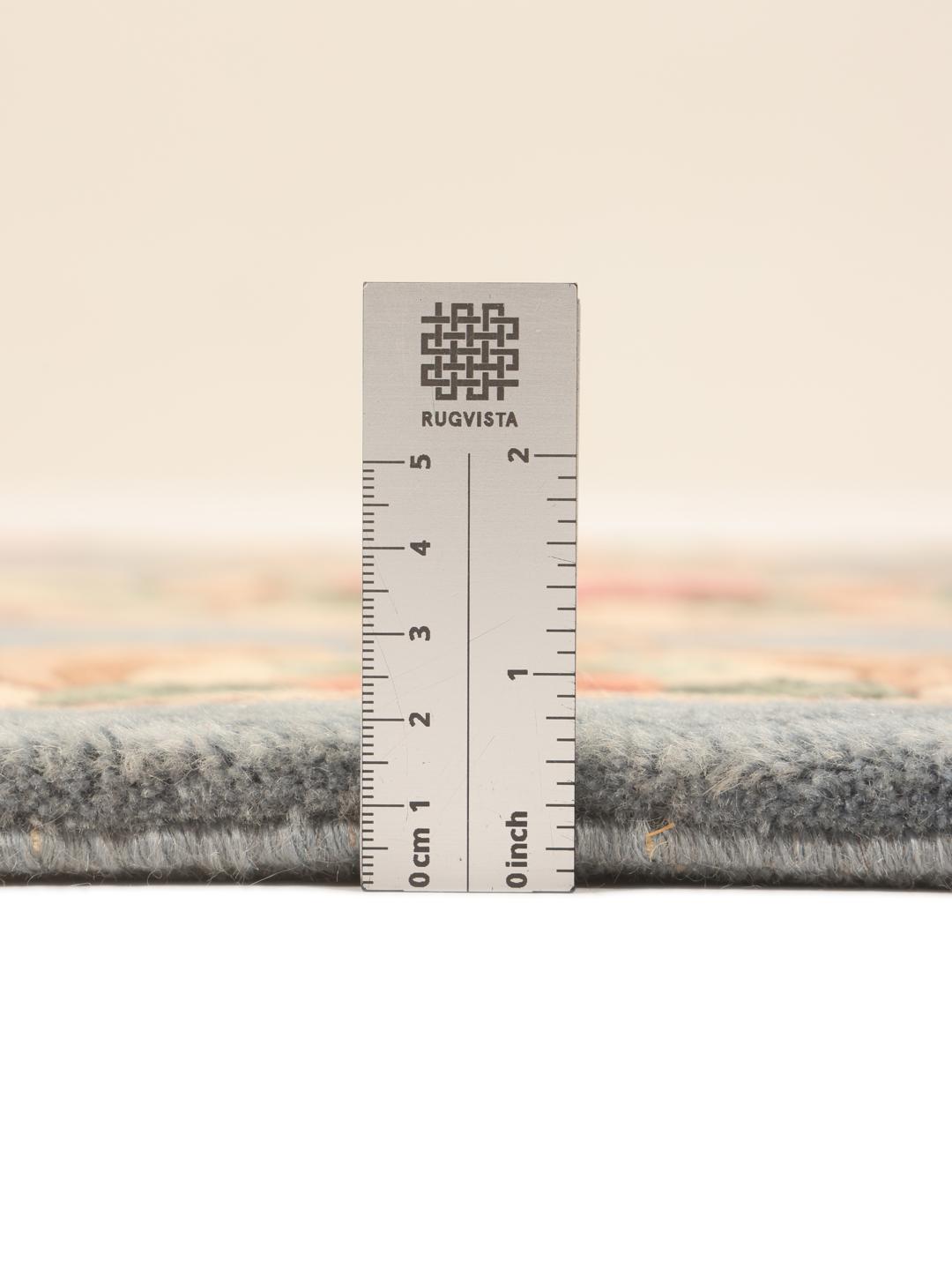
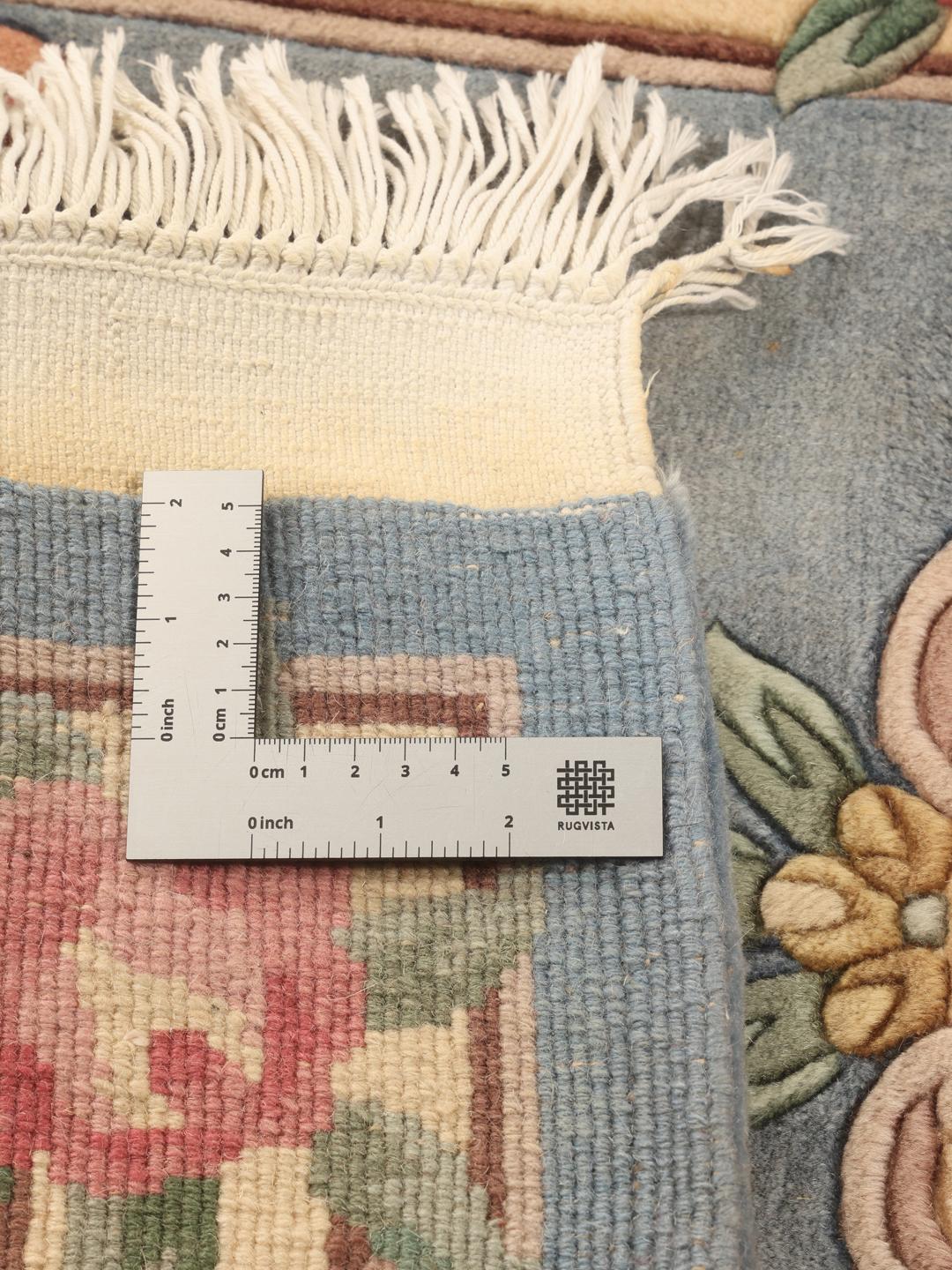
The terminology used to describe these rugs, such as the line count, refers to the density of the weave. This measurement is fundamental to the rug's quality, as a higher line count indicates a more detailed pattern, a tighter, more luxurious pile, and increased durability that helps the rug withstand the rigours of a busy home.
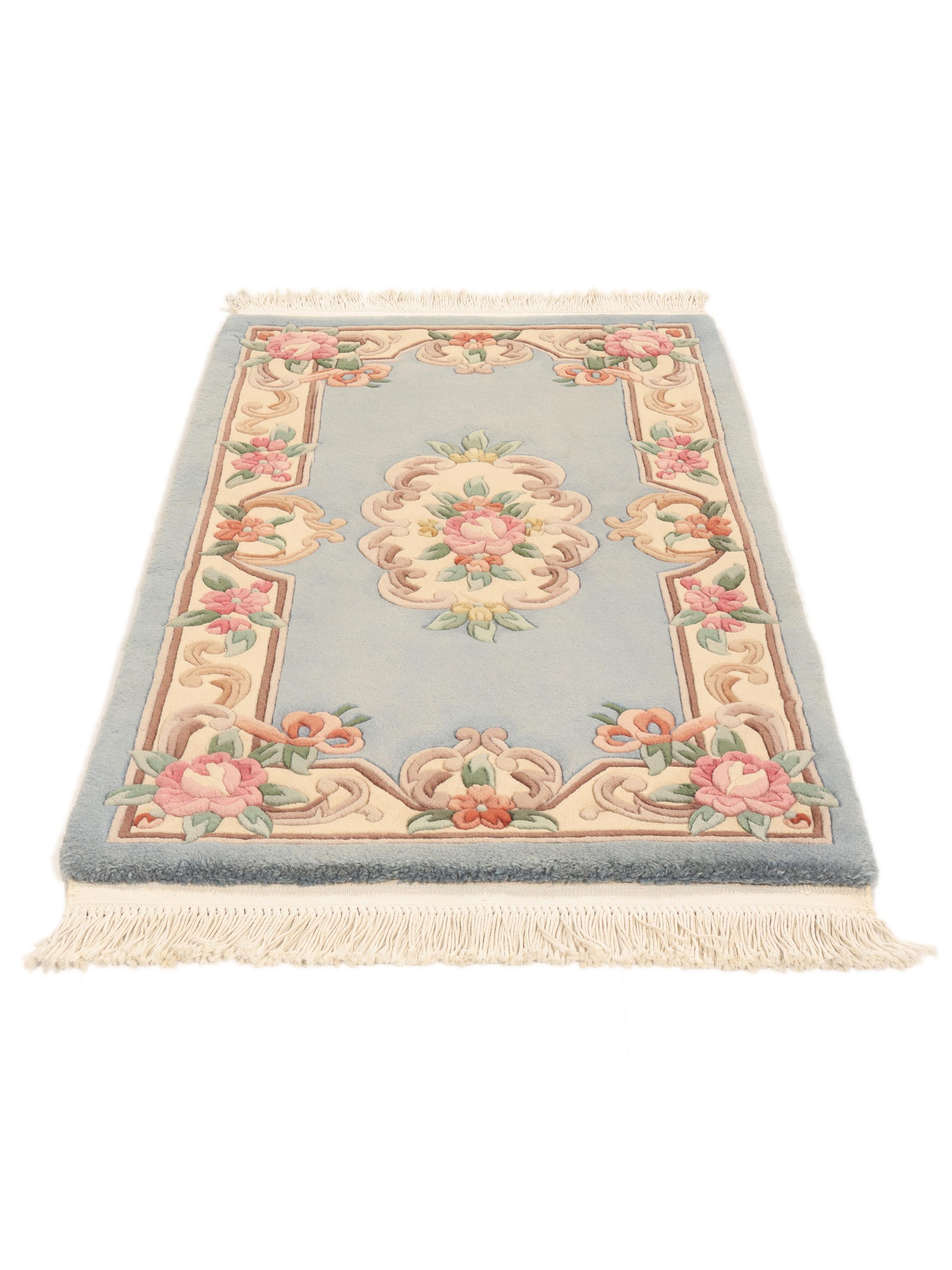
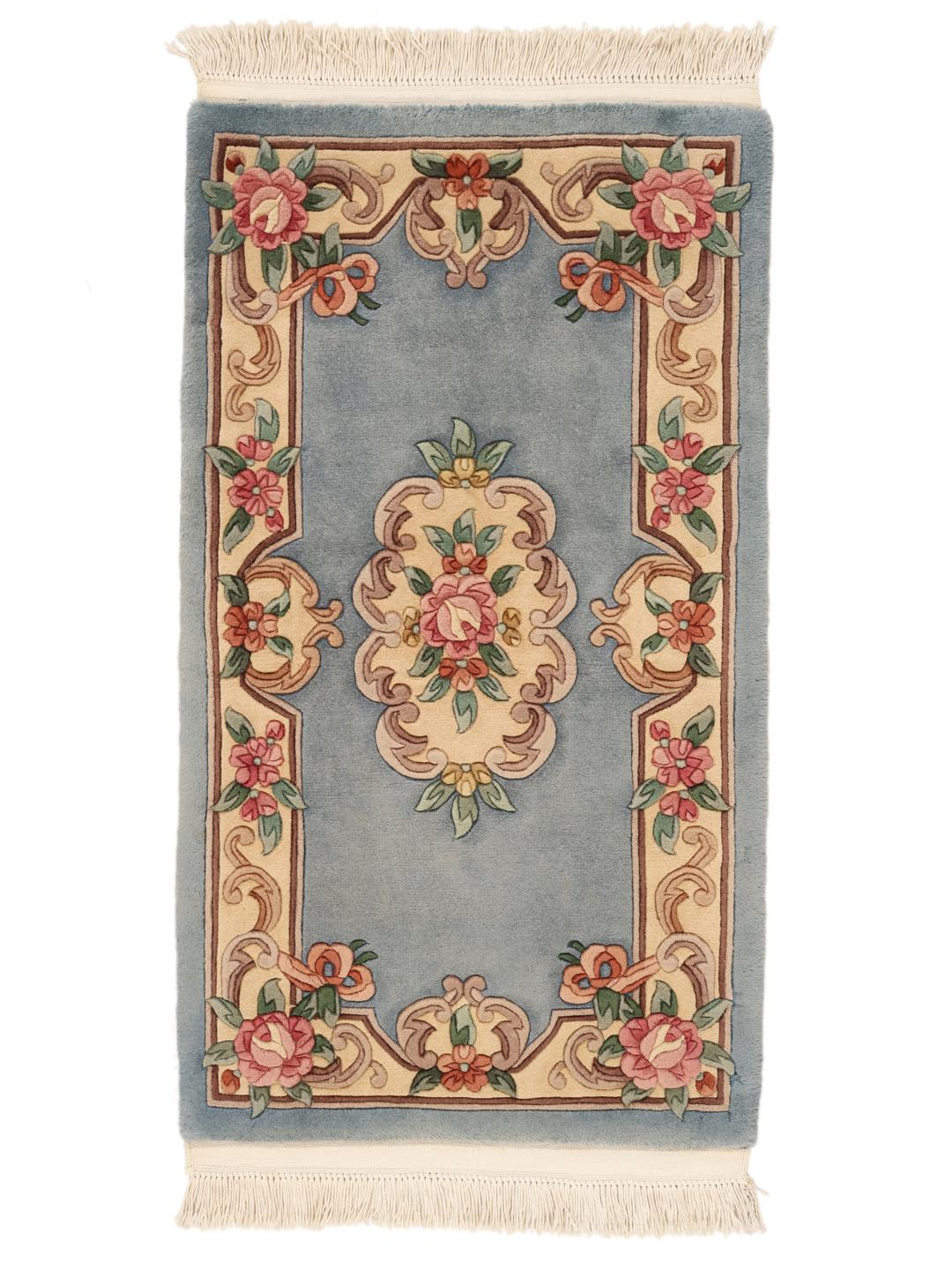
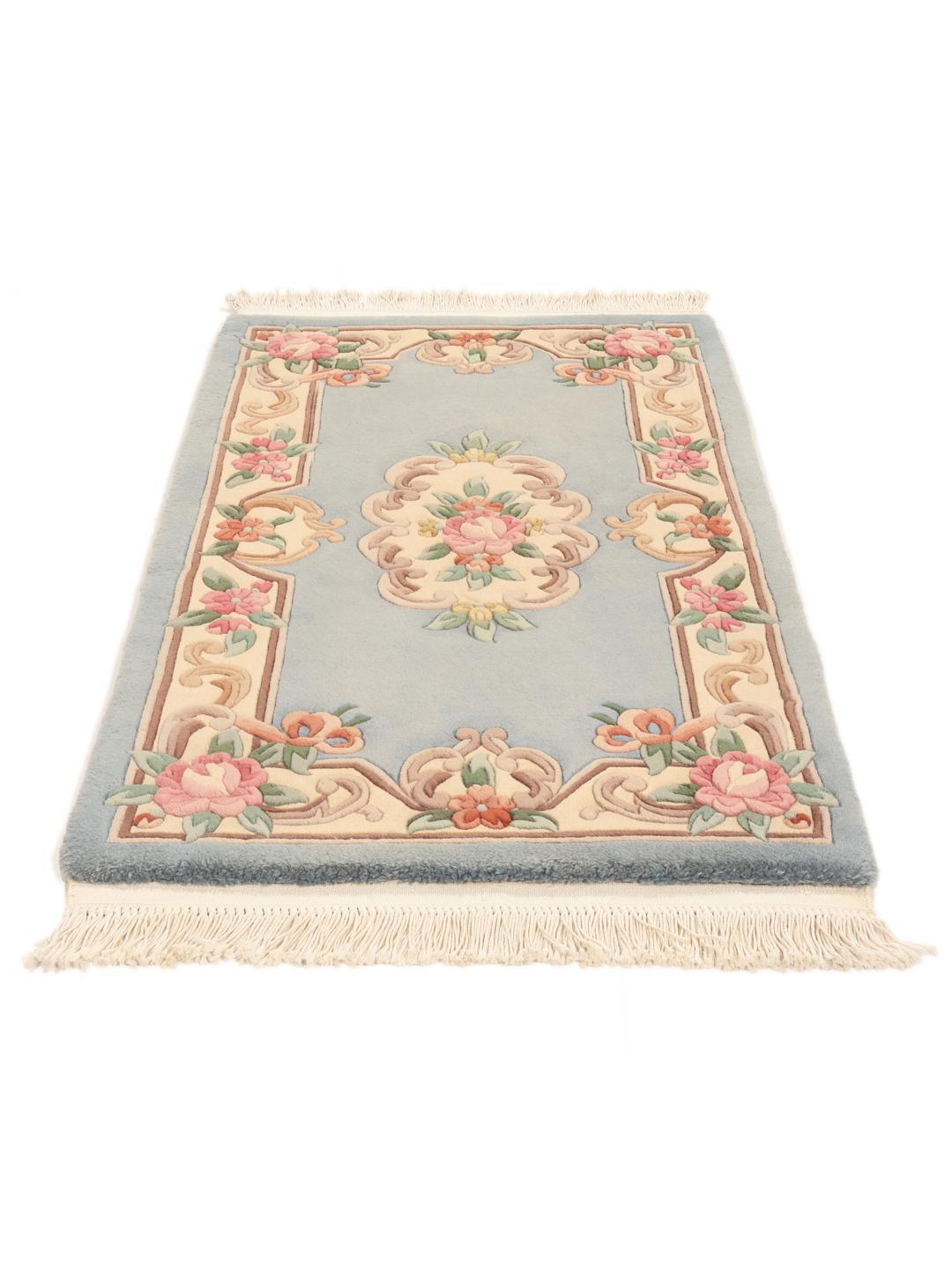
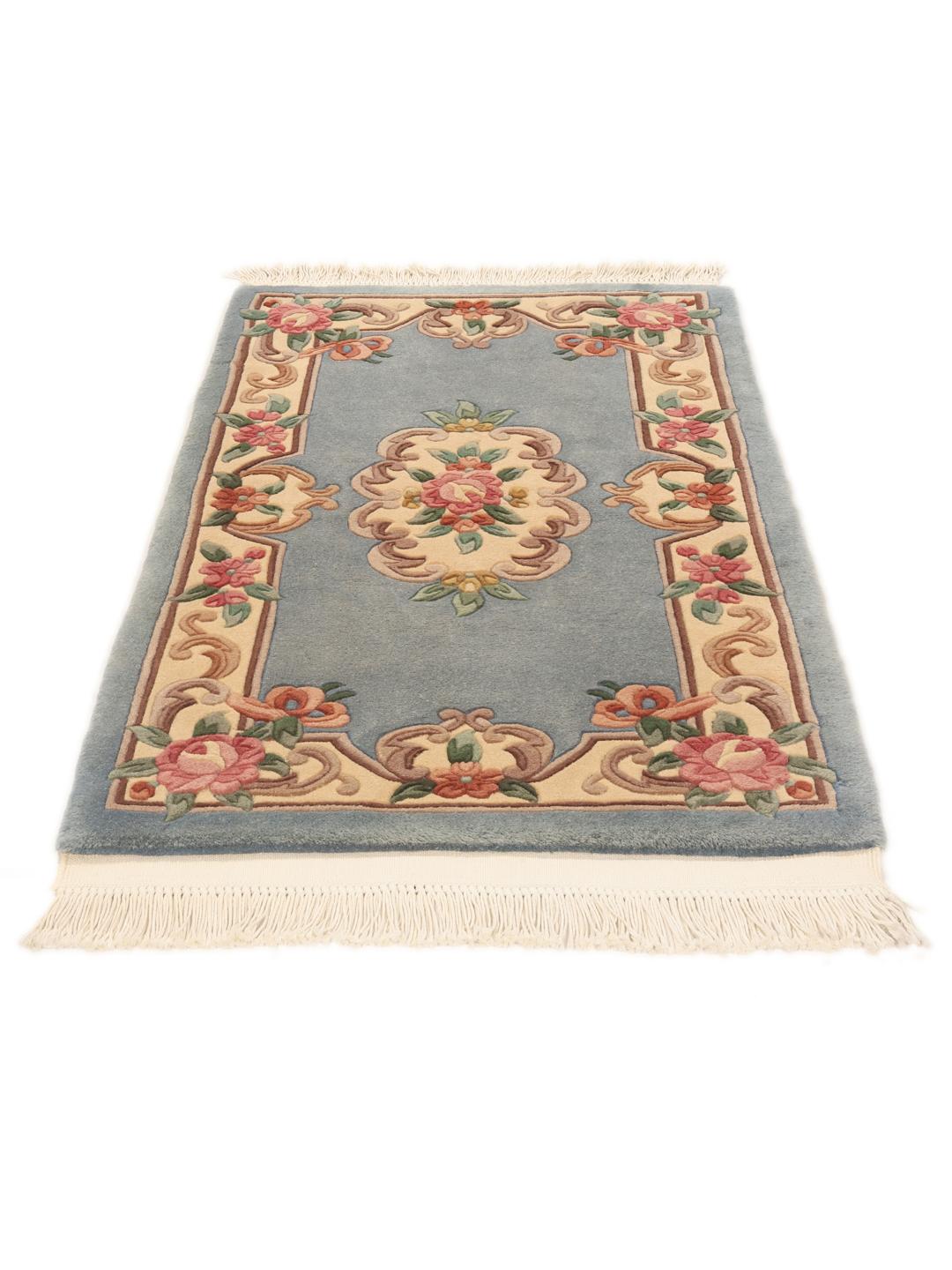
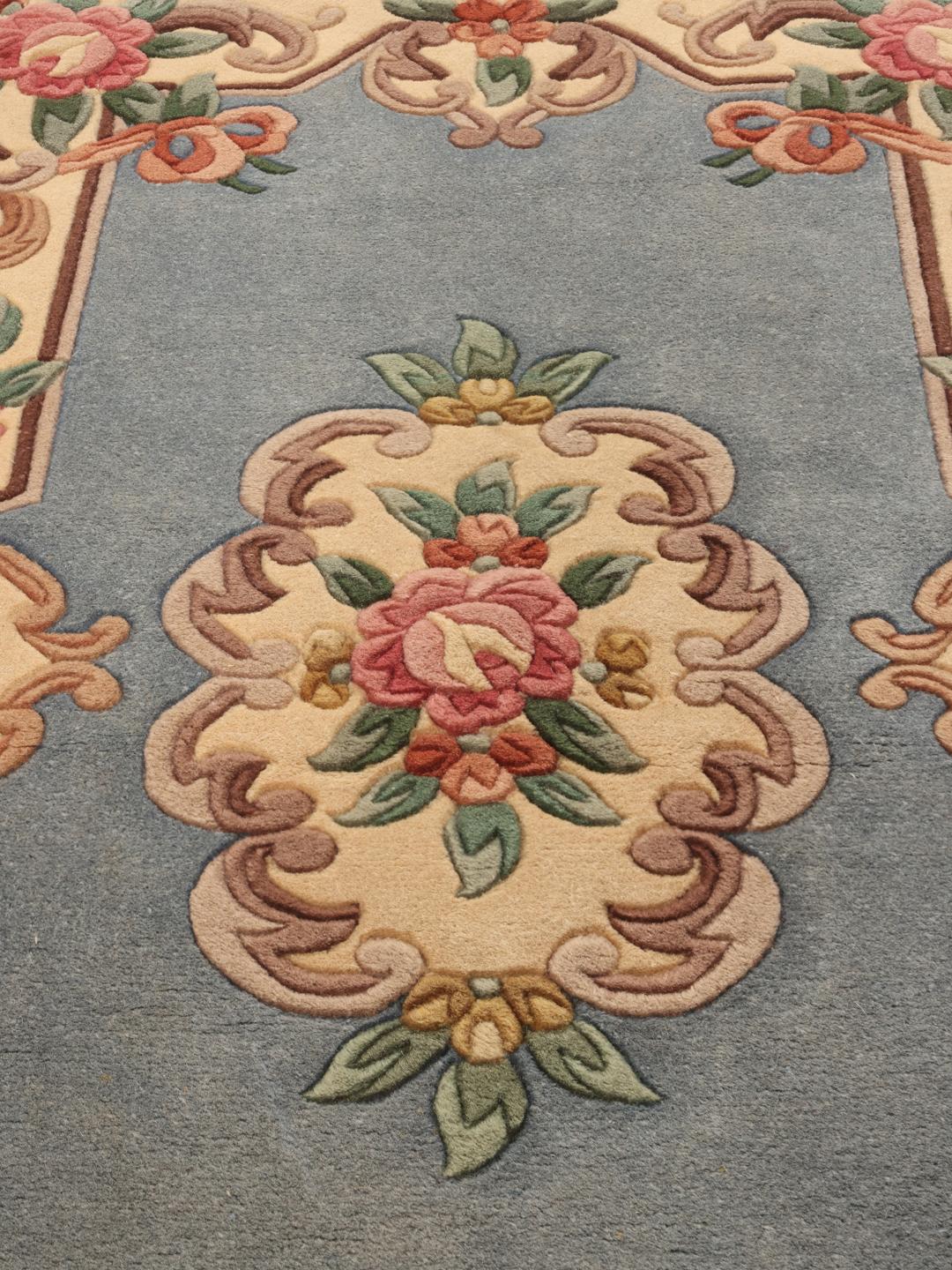
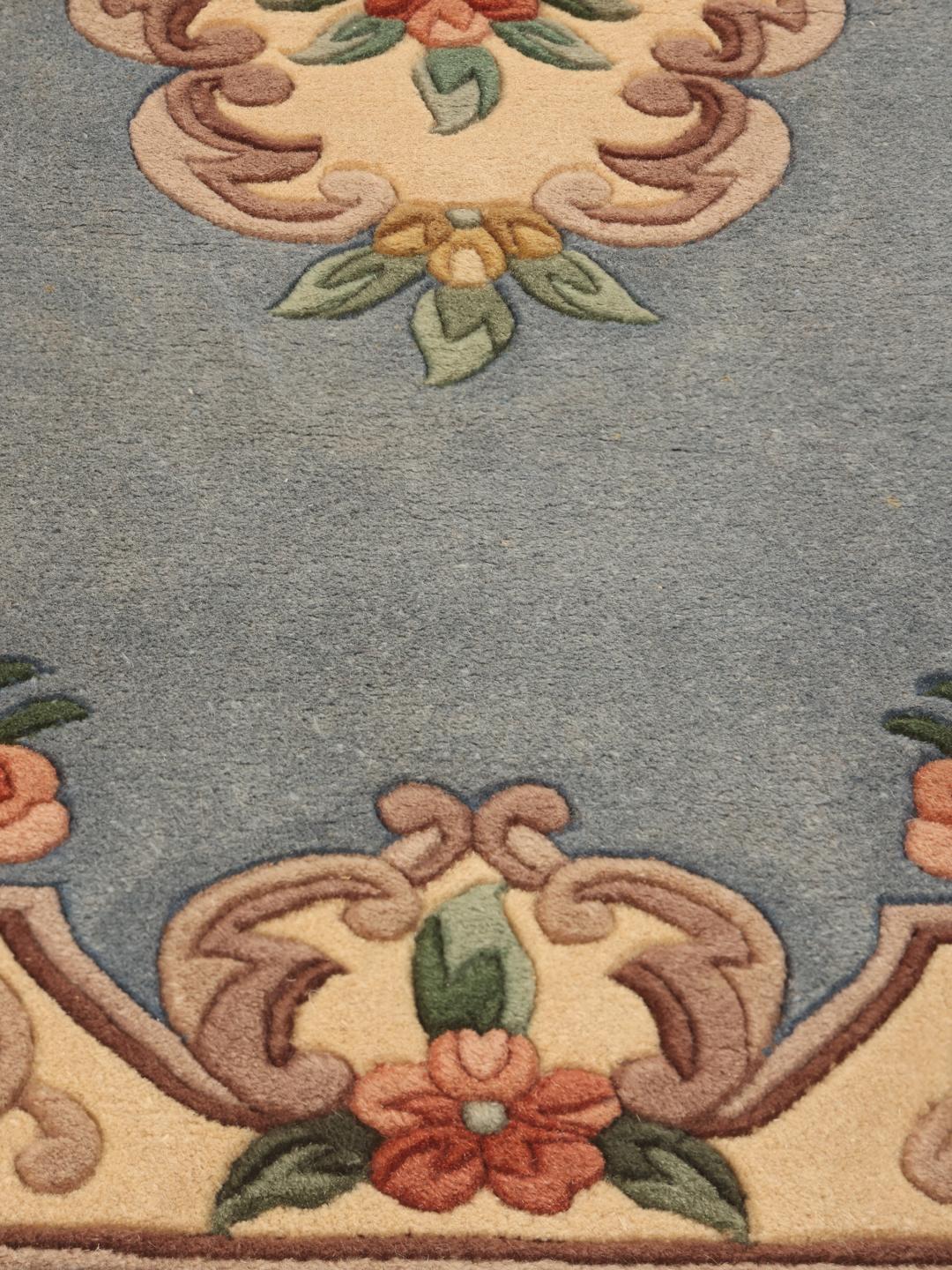
Signature design elements in traditional Chinese rugs often feature balanced floral medallions, elegant borders, and a sense of open space that sets them apart from the denser, all-over patterns found in other regional styles. The use of soft, naturalistic floral motifs is a hallmark of this tradition, reflecting a deep appreciation for the beauty of the natural world.
Owning a hand-knotted rug from this tradition is an investment in heritage and skill. These pieces are collected not only for their aesthetic appeal but also for the human story woven into every fibre, representing a standard of craftsmanship that remains a hallmark of high-quality textile production.