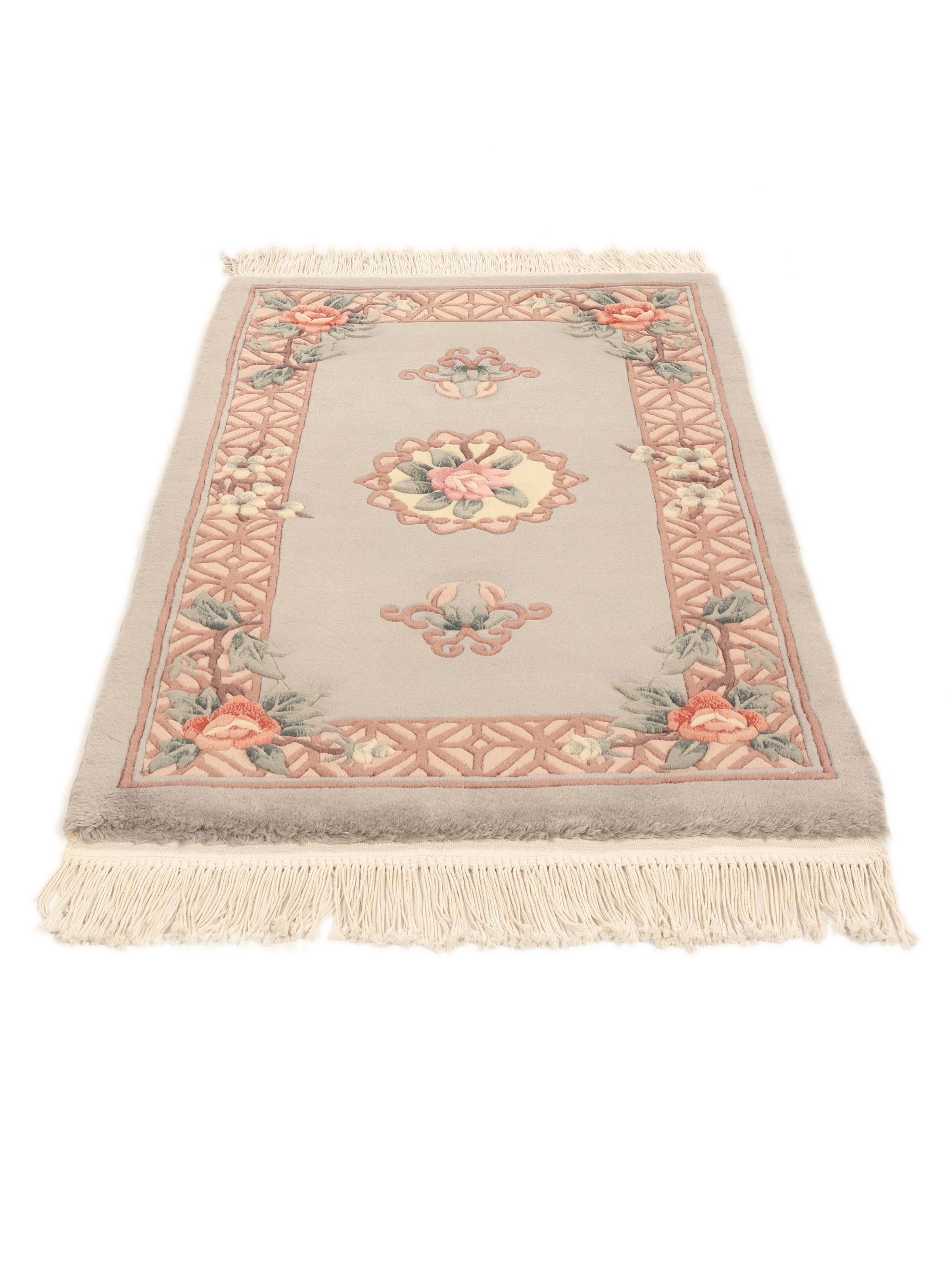
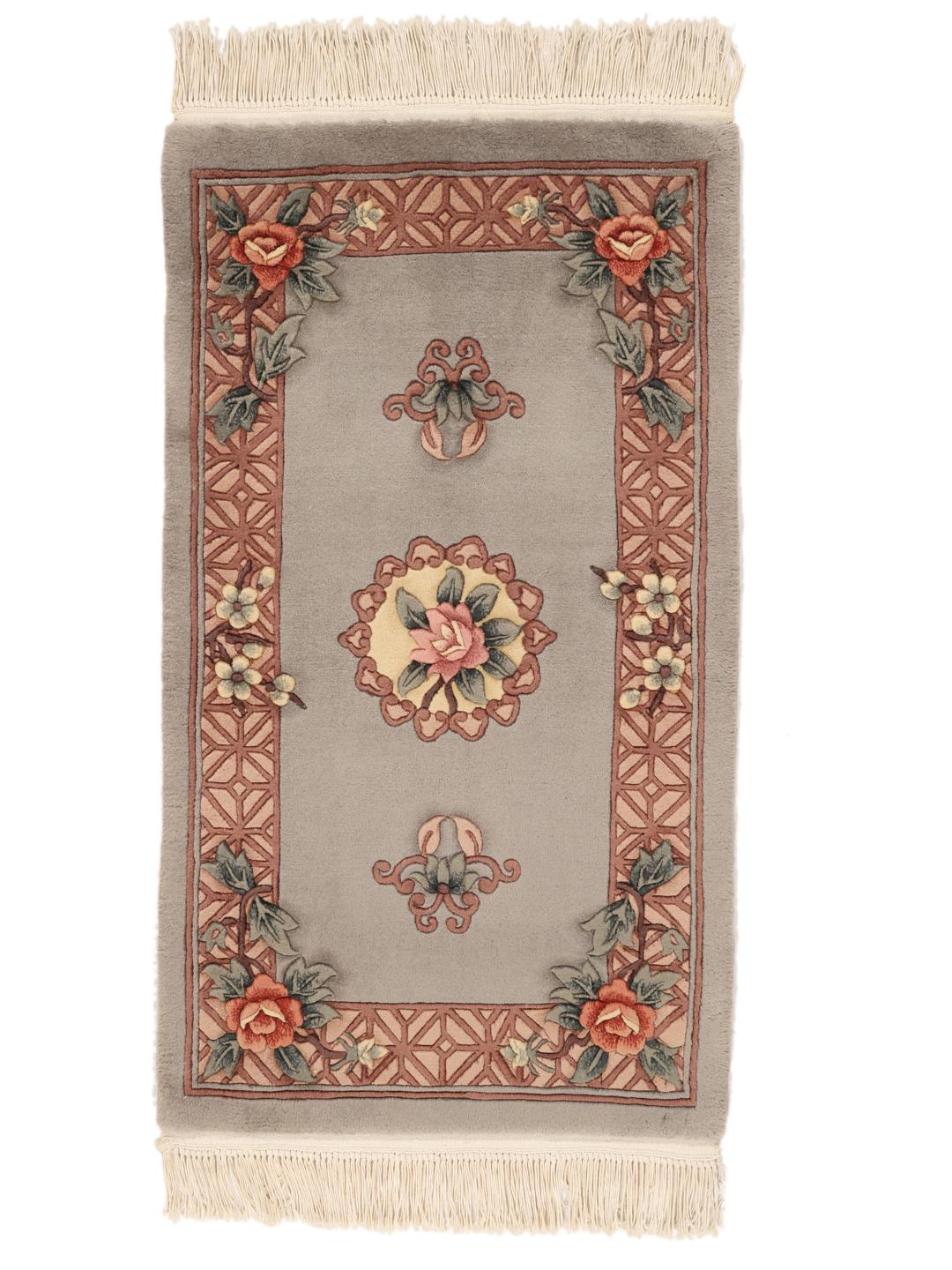
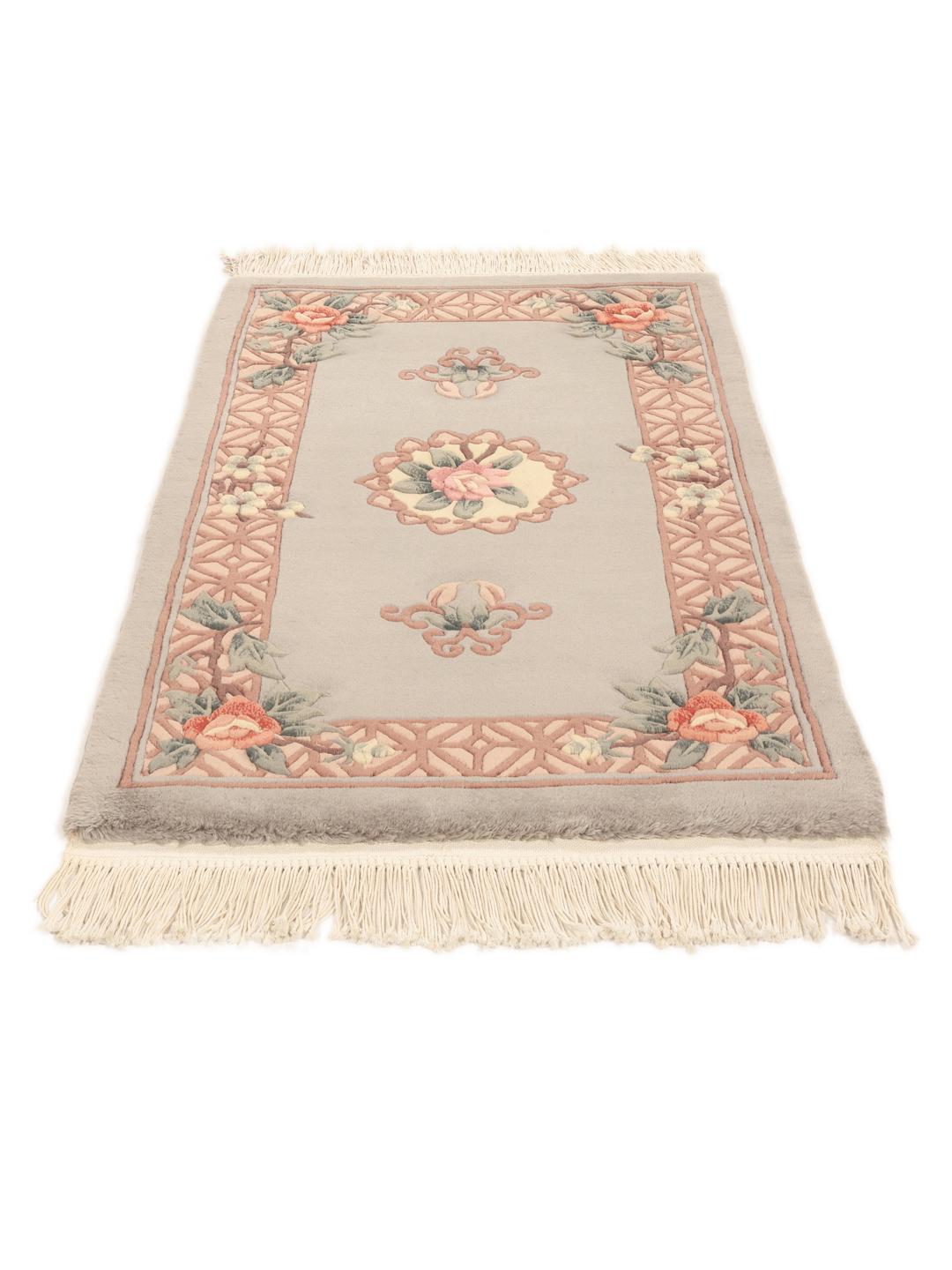
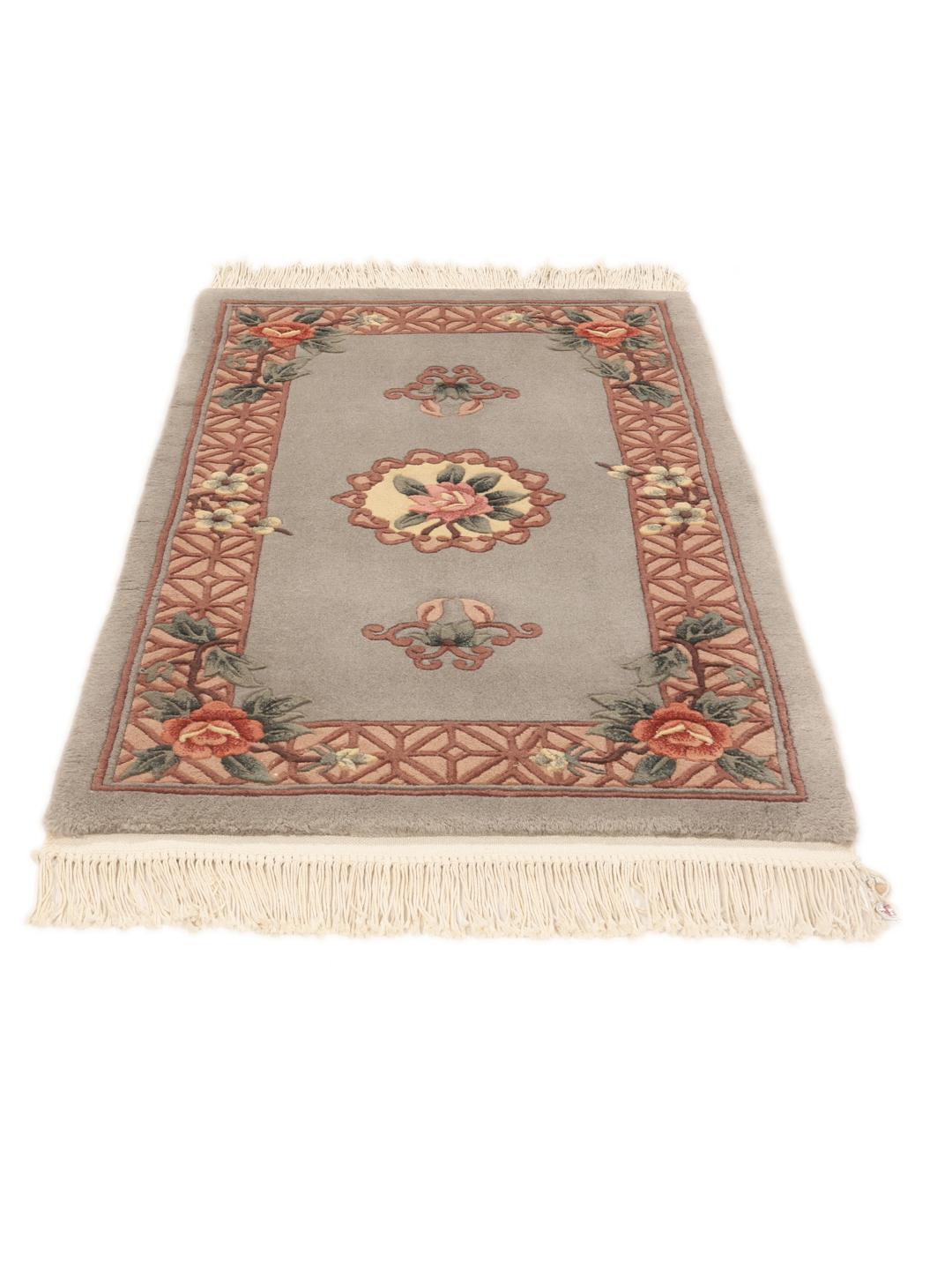
The history of Chinese rug making is deeply intertwined with the country's broader artistic traditions, often drawing inspiration from silk weaving, porcelain painting, and formal garden designs. These rugs have evolved from centuries-old foundations, blending traditional motifs with a refined aesthetic that prioritises balance, harmony, and subtle elegance.
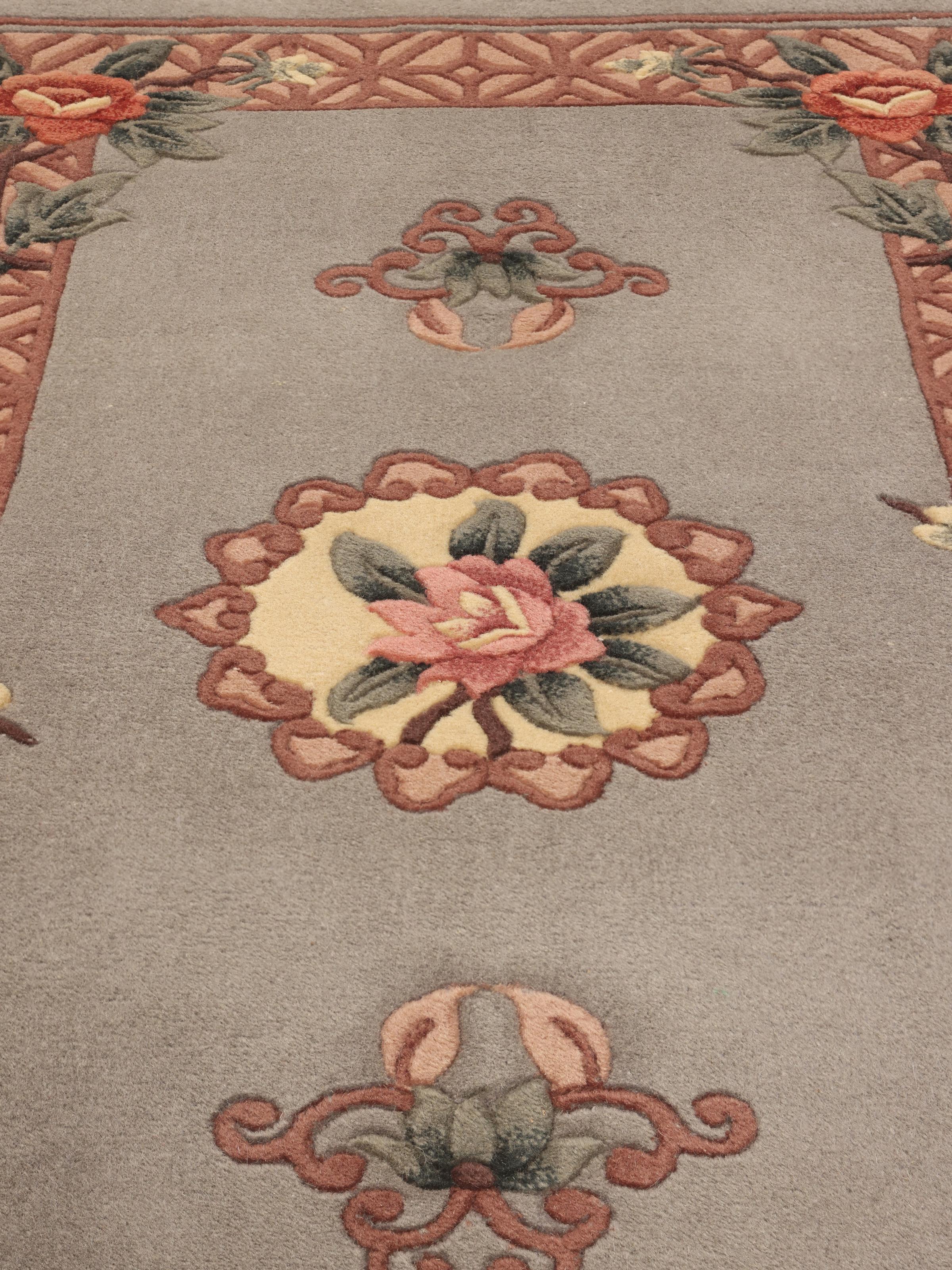
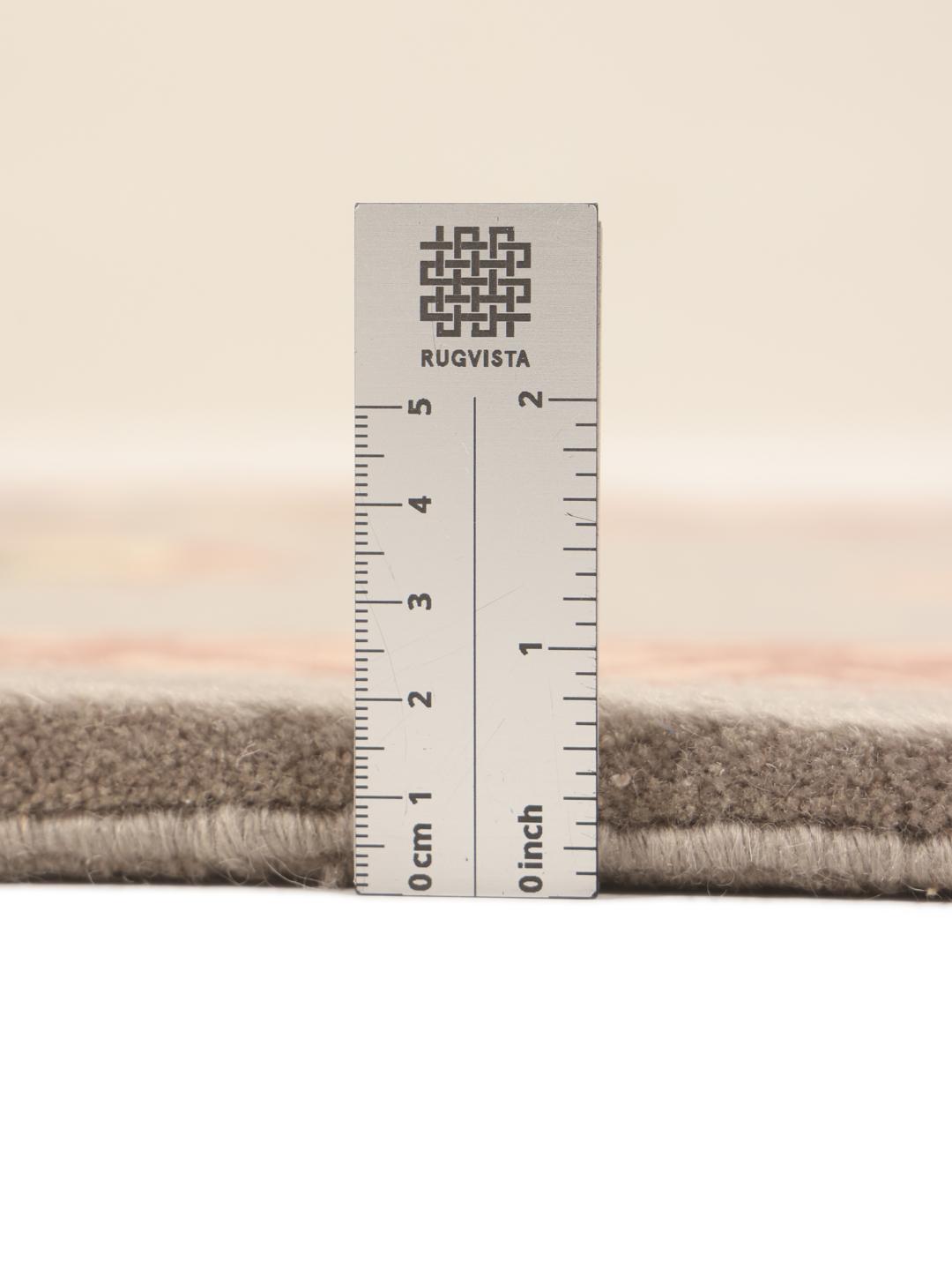
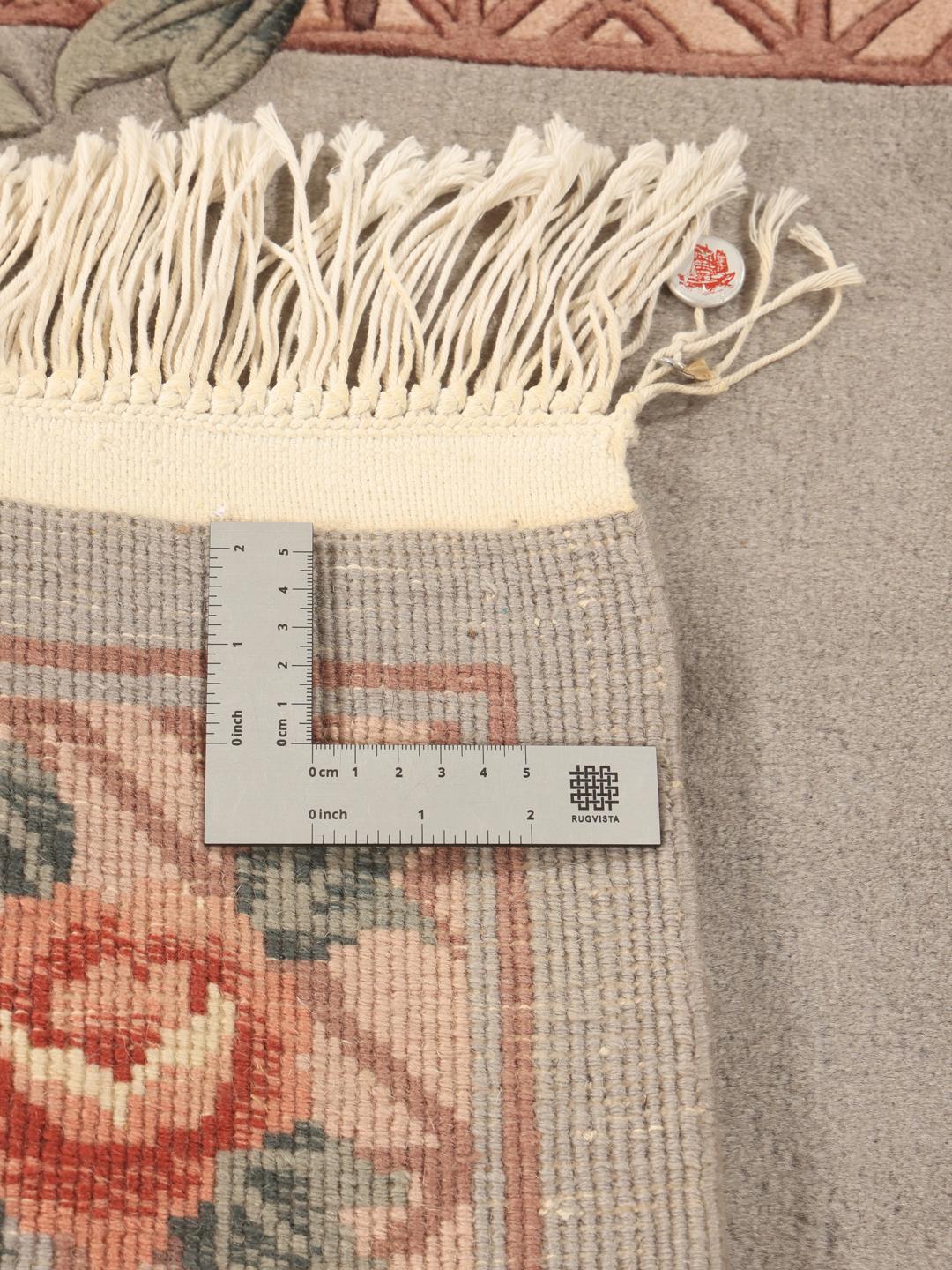
The term 90 Line refers to a traditional method of measuring the density of the knots, which essentially dictates the sharpness and clarity of the pattern. This measurement system has been used for generations to ensure that the pile density is sufficient to support complex, flowing floral designs while maintaining a luxurious, thick feel that is characteristic of fine Chinese craftsmanship.
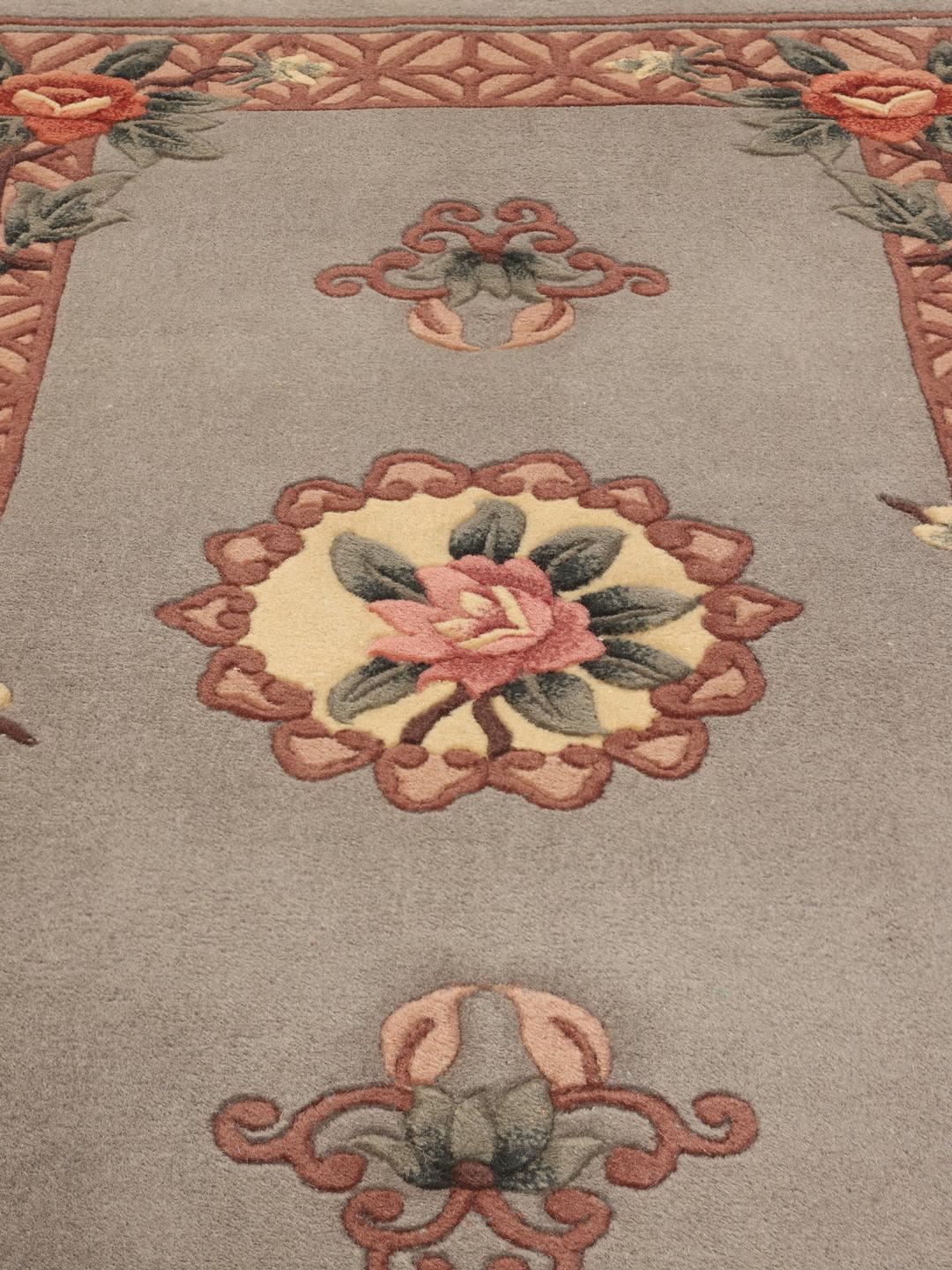
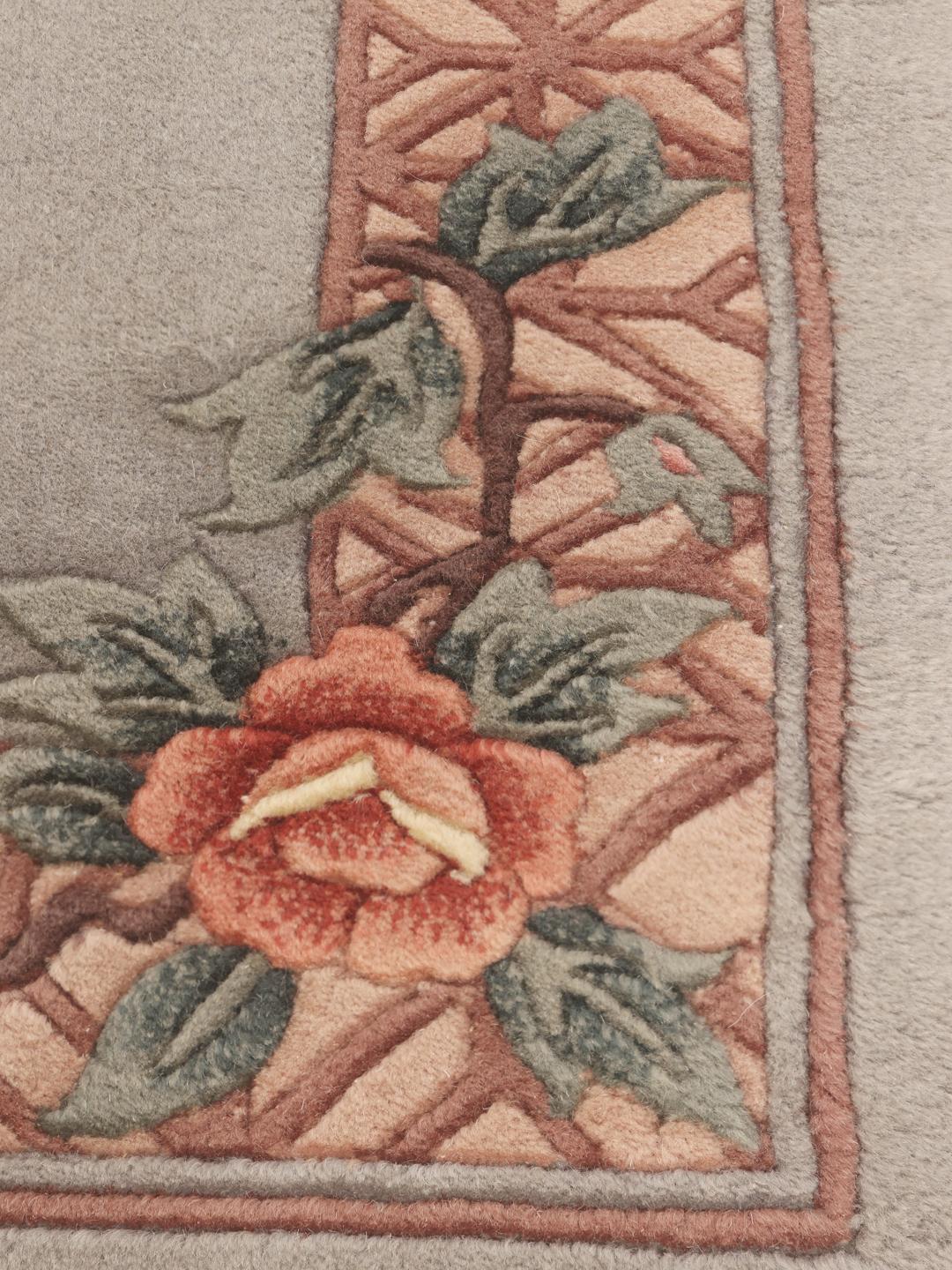
Signature design elements in this tradition often include balanced floral arrangements, central medallions, and structured borders that reflect a focus on symmetry and botanical beauty. The use of soft, muted tones combined with pops of colour in the floral elements is a hallmark of this style, intended to create a serene and welcoming atmosphere in the home.
Owning a hand-knotted rug from this tradition is a way to connect with a legacy of patience and precision. These pieces are valued by collectors and homeowners alike for their ability to balance functional durability with artistic expression, serving as a testament to the skill of the artisans who have preserved these techniques over time.