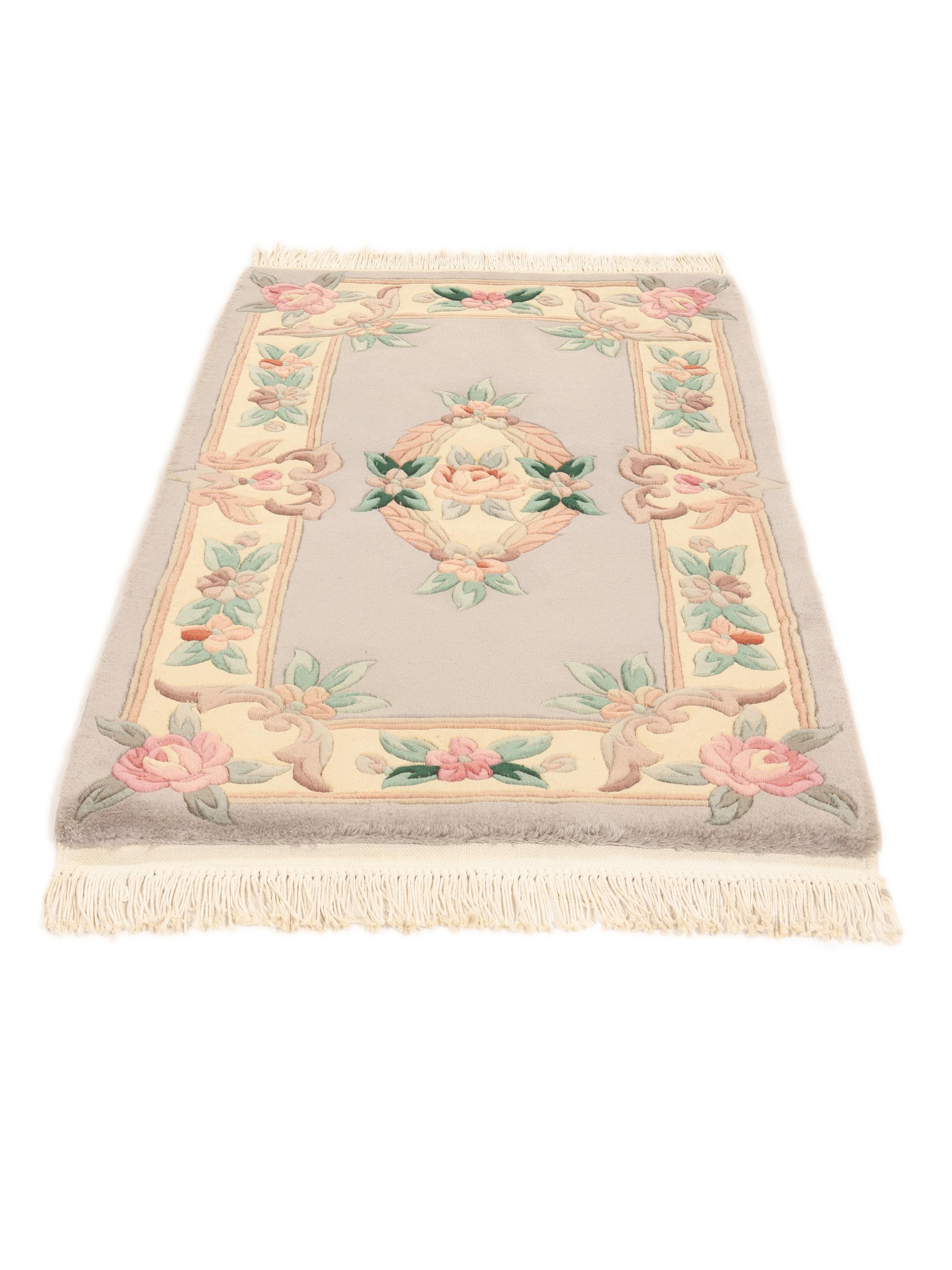
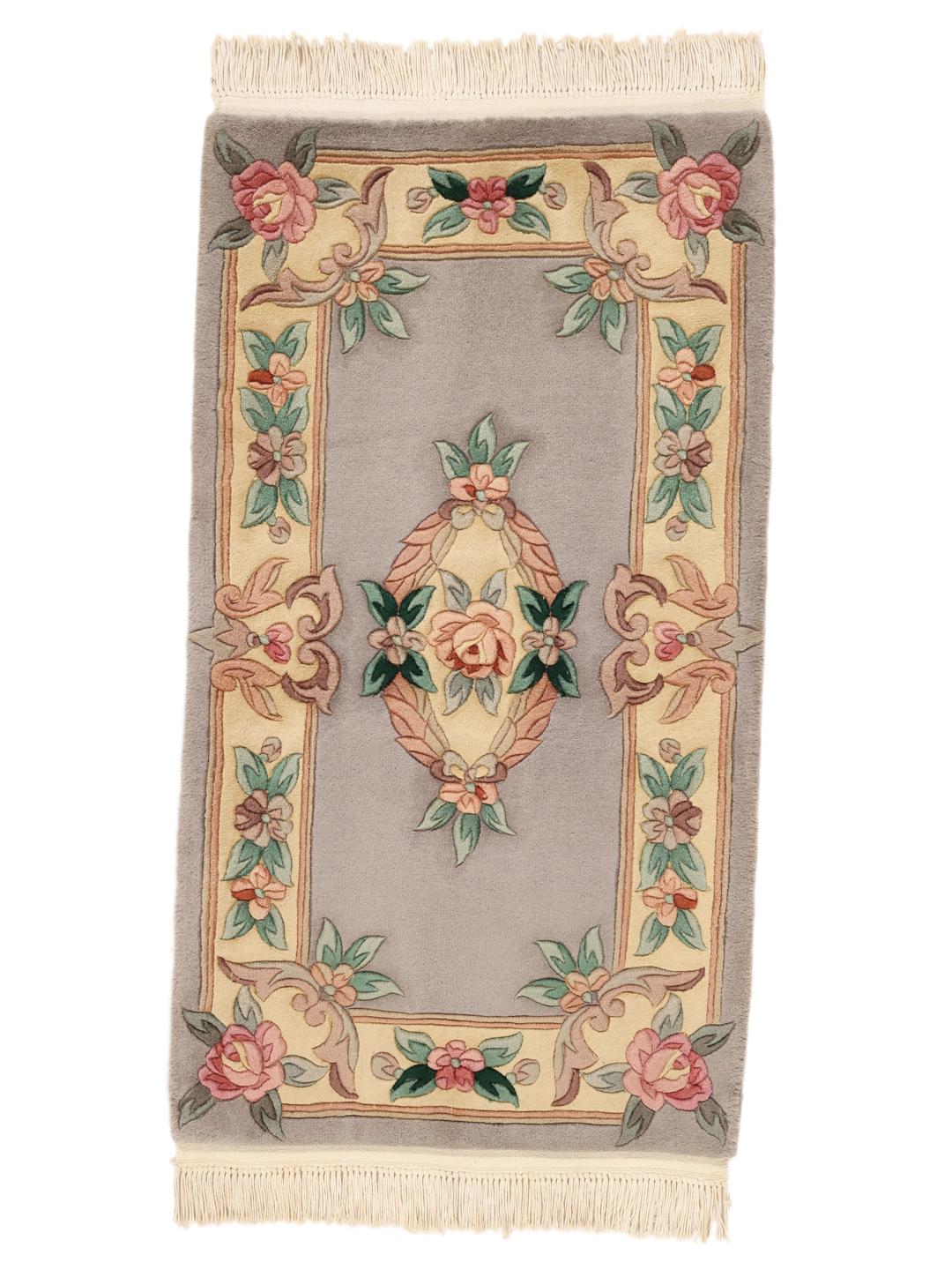
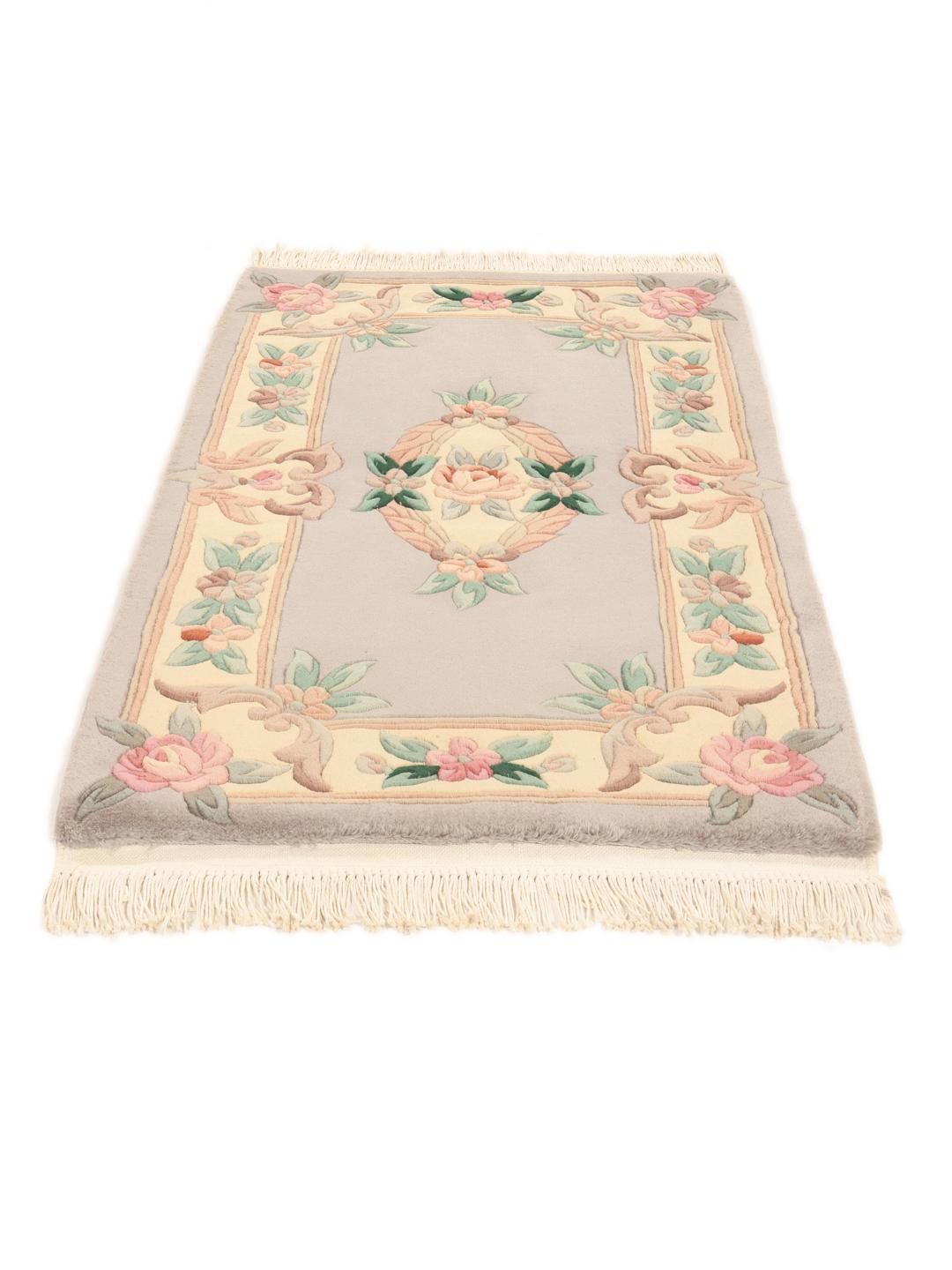
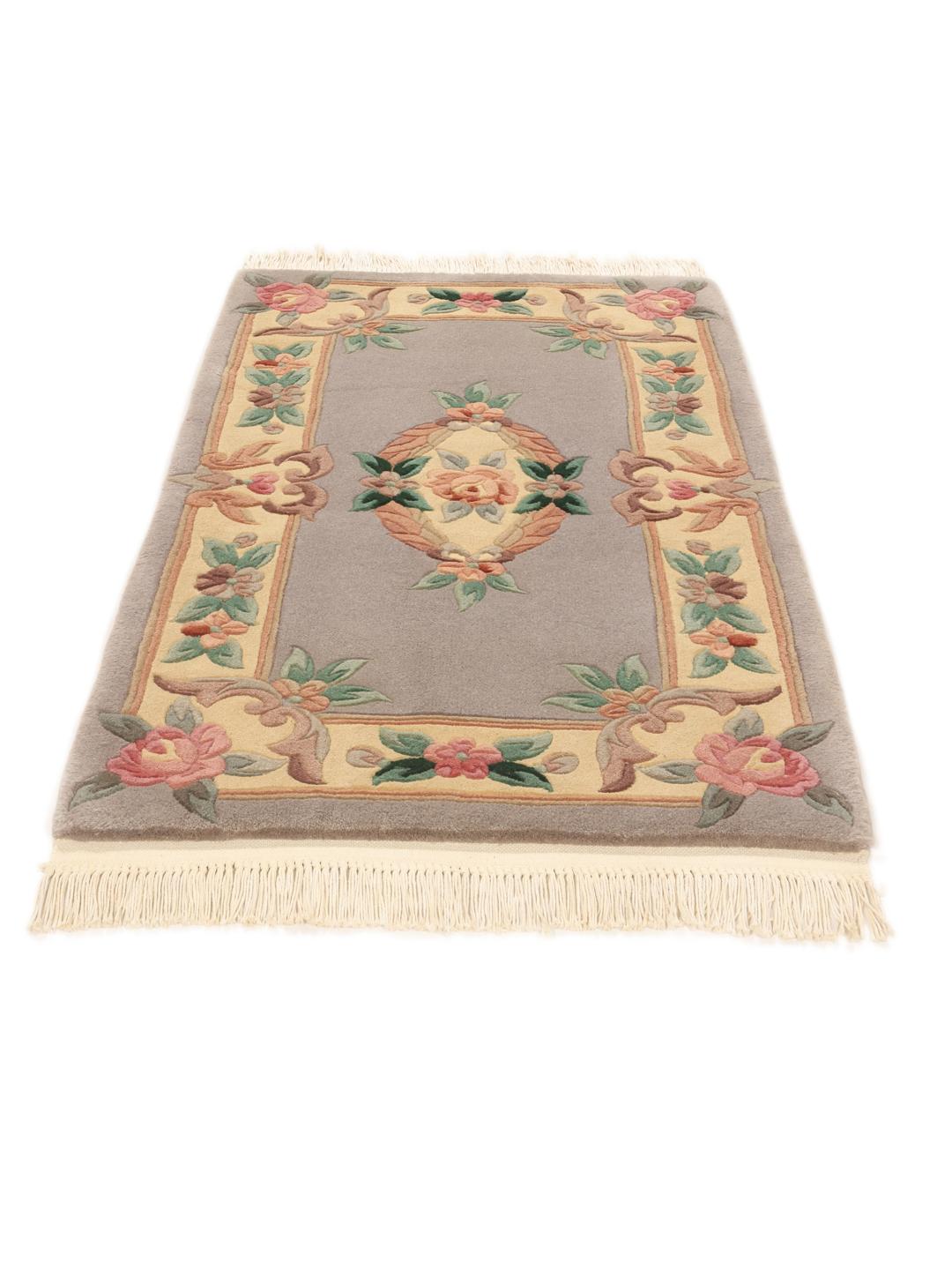
The history of rug making in China is a centuries-old tradition that has evolved from serving the imperial courts to becoming a globally recognised craft. Chinese rugs are celebrated for their distinct aesthetic, which often incorporates traditional motifs like lotus blossoms, peonies, and swirling clouds, all rendered with a balance and grace that is uniquely Eastern.
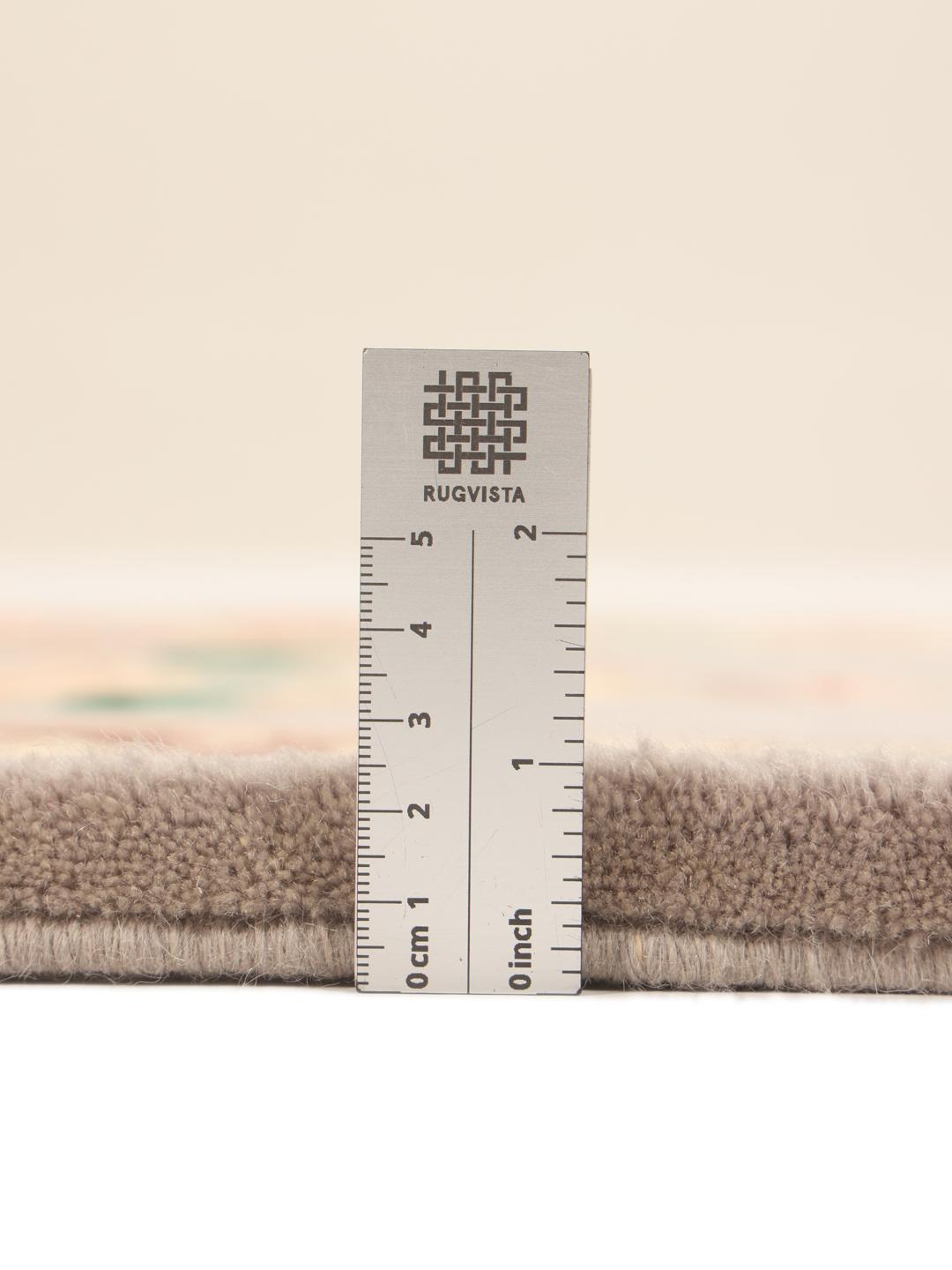
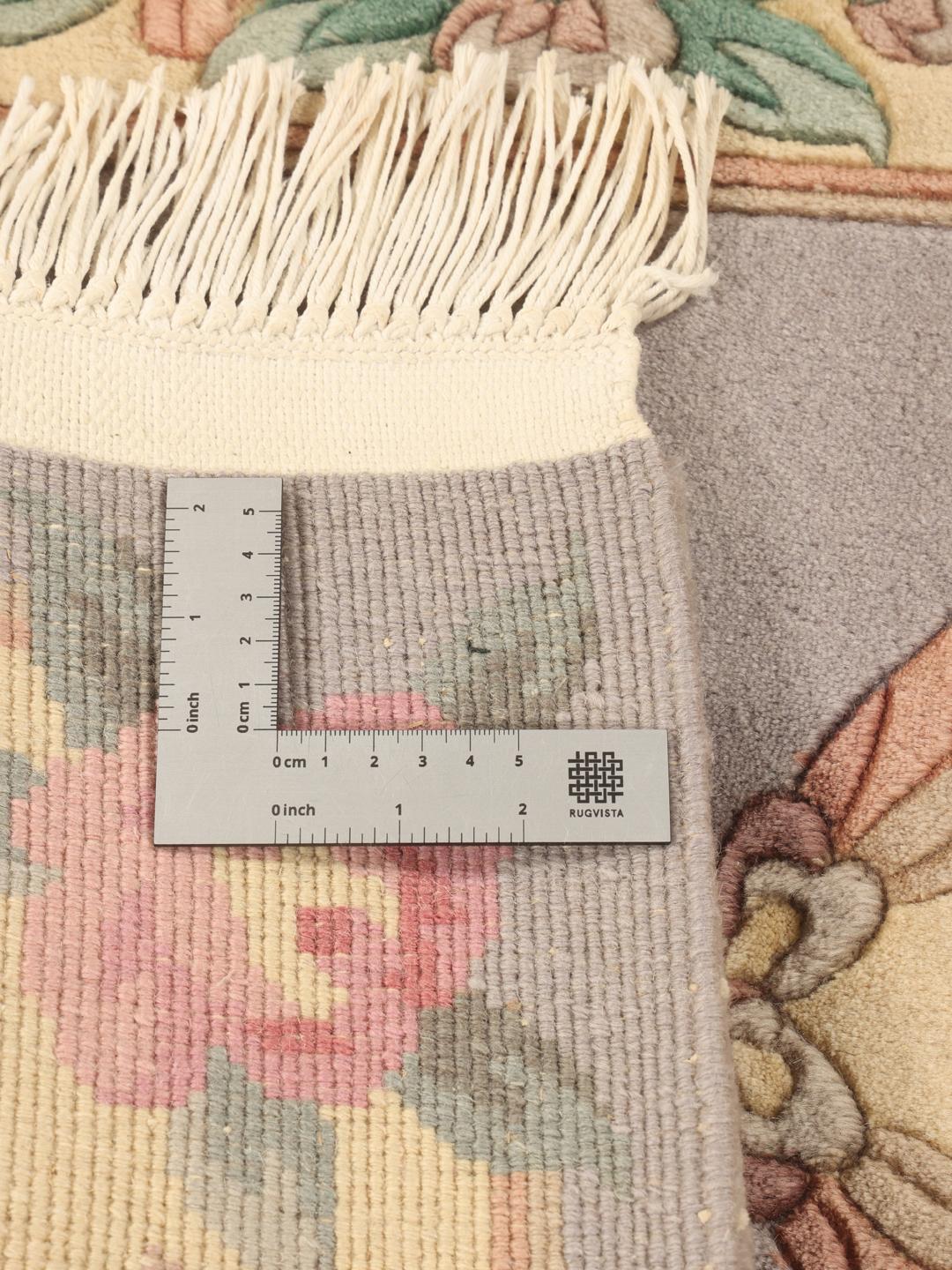
The term '90 Line' refers to a specific technical standard in Chinese rug production, denoting the number of knots per linear foot. This measurement is a reliable indicator of quality and texture, ensuring a pile that is dense enough to support intricate pattern work while remaining soft and welcoming underfoot. This technical foundation is what allows the delicate floral detailing to remain sharp and vibrant over time.
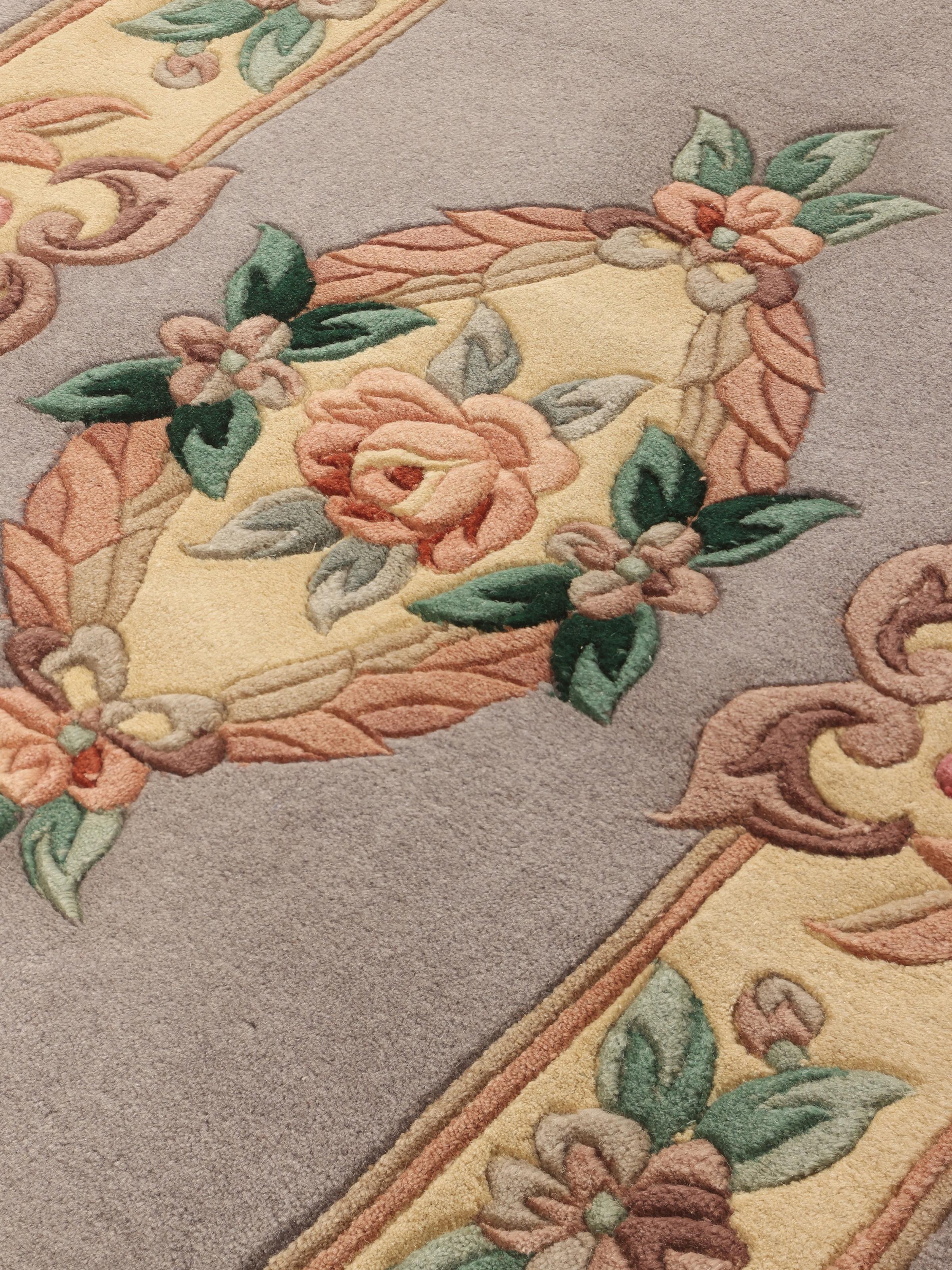
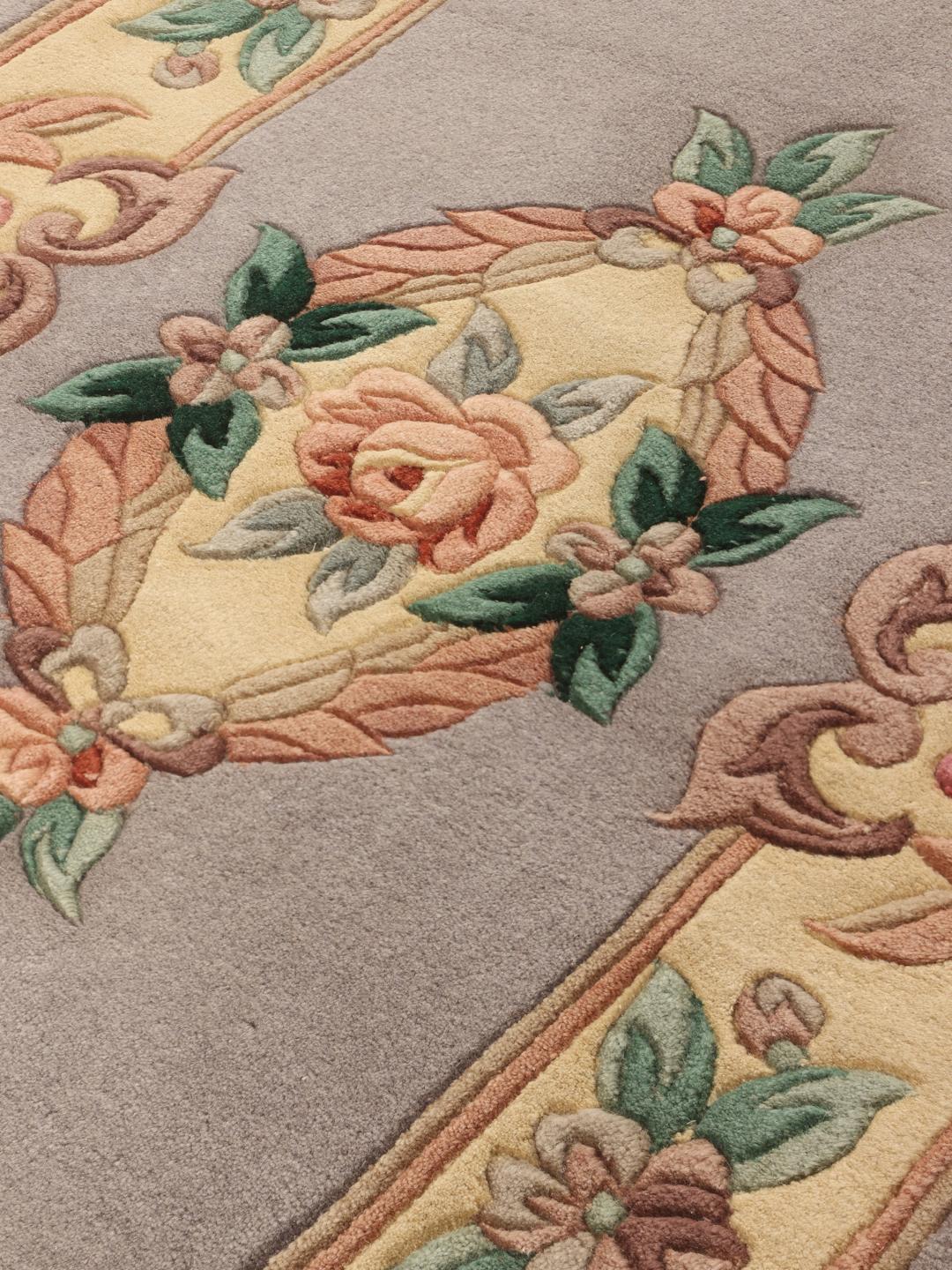
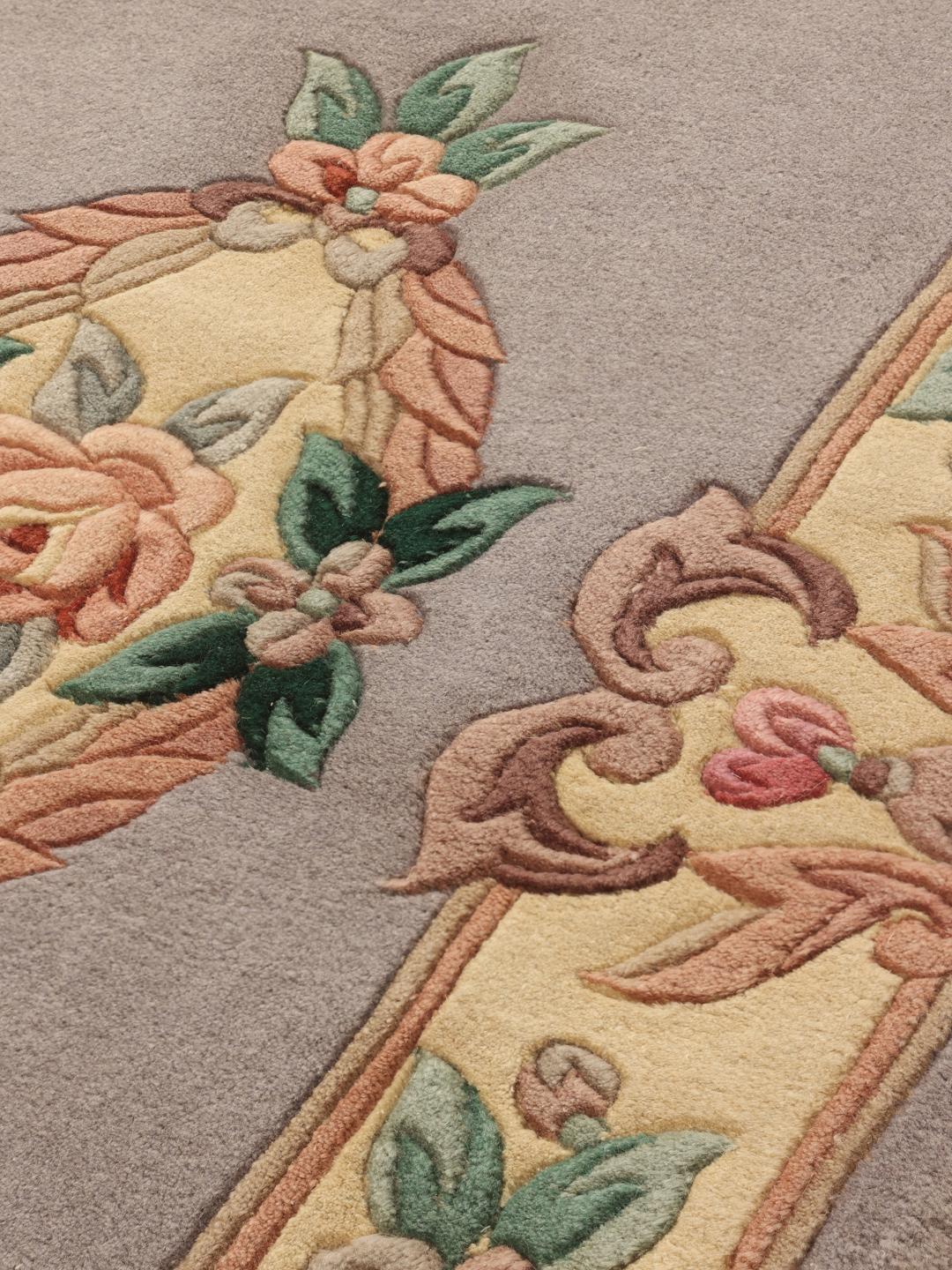
Visually, these rugs are defined by their sophisticated use of space and colour. Unlike the densely packed fields found in some other traditions, Chinese rugs often utilise a more open, airy composition, allowing individual motifs to stand out with clarity. The use of carved or embossed pile techniques is another hallmark, adding a subtle, three-dimensional quality to the floral elements that enhances their lifelike appearance.
Owning a Chinese rug is an investment in a storied craft tradition. These pieces are valued by collectors not just for their aesthetic beauty, but for the human skill and patience required to bring such intricate designs to life. To possess one is to connect with a lineage of artisans who have refined these techniques over generations, resulting in a floor covering that serves as both a functional object and a piece of cultural heritage.