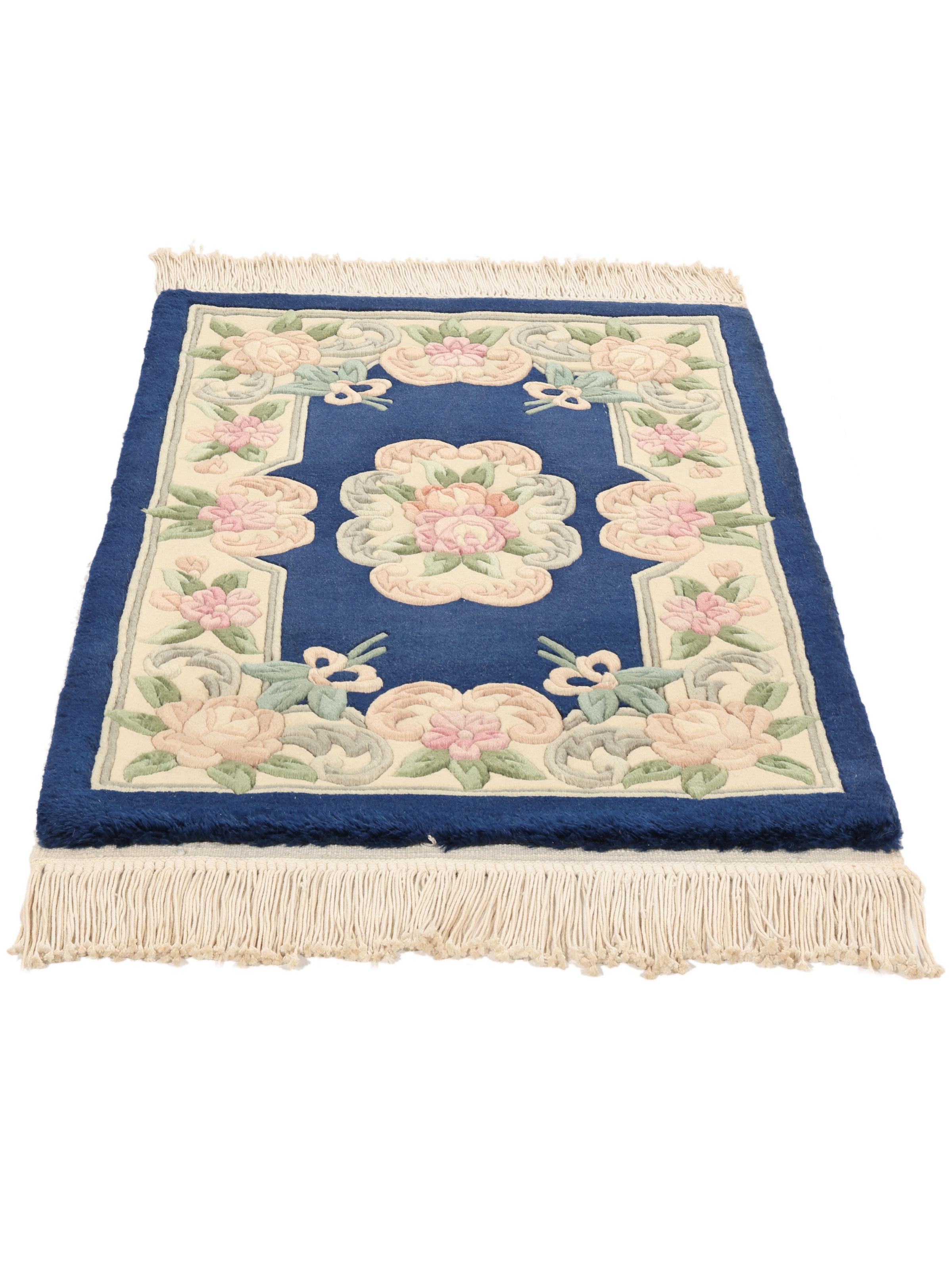
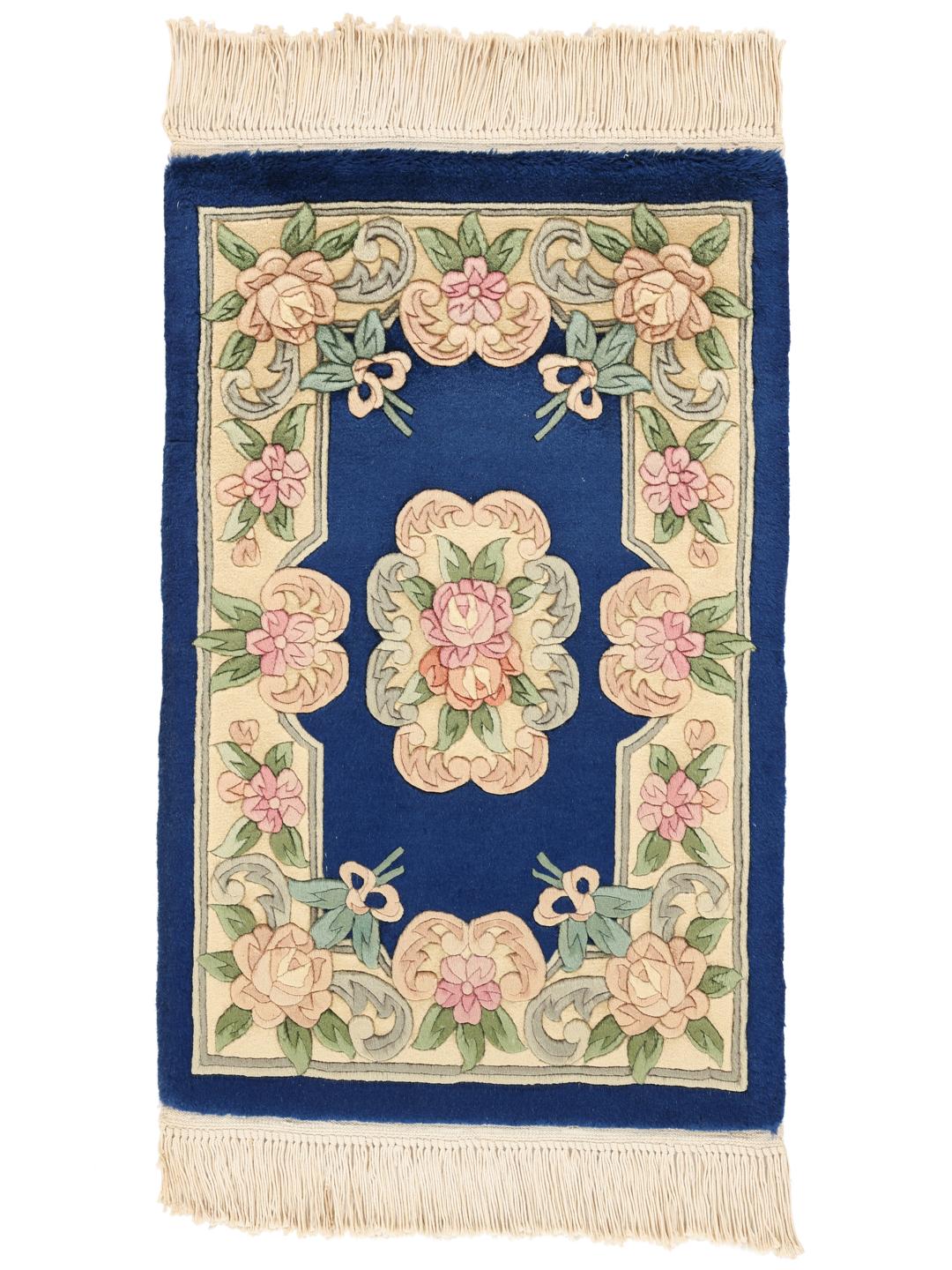
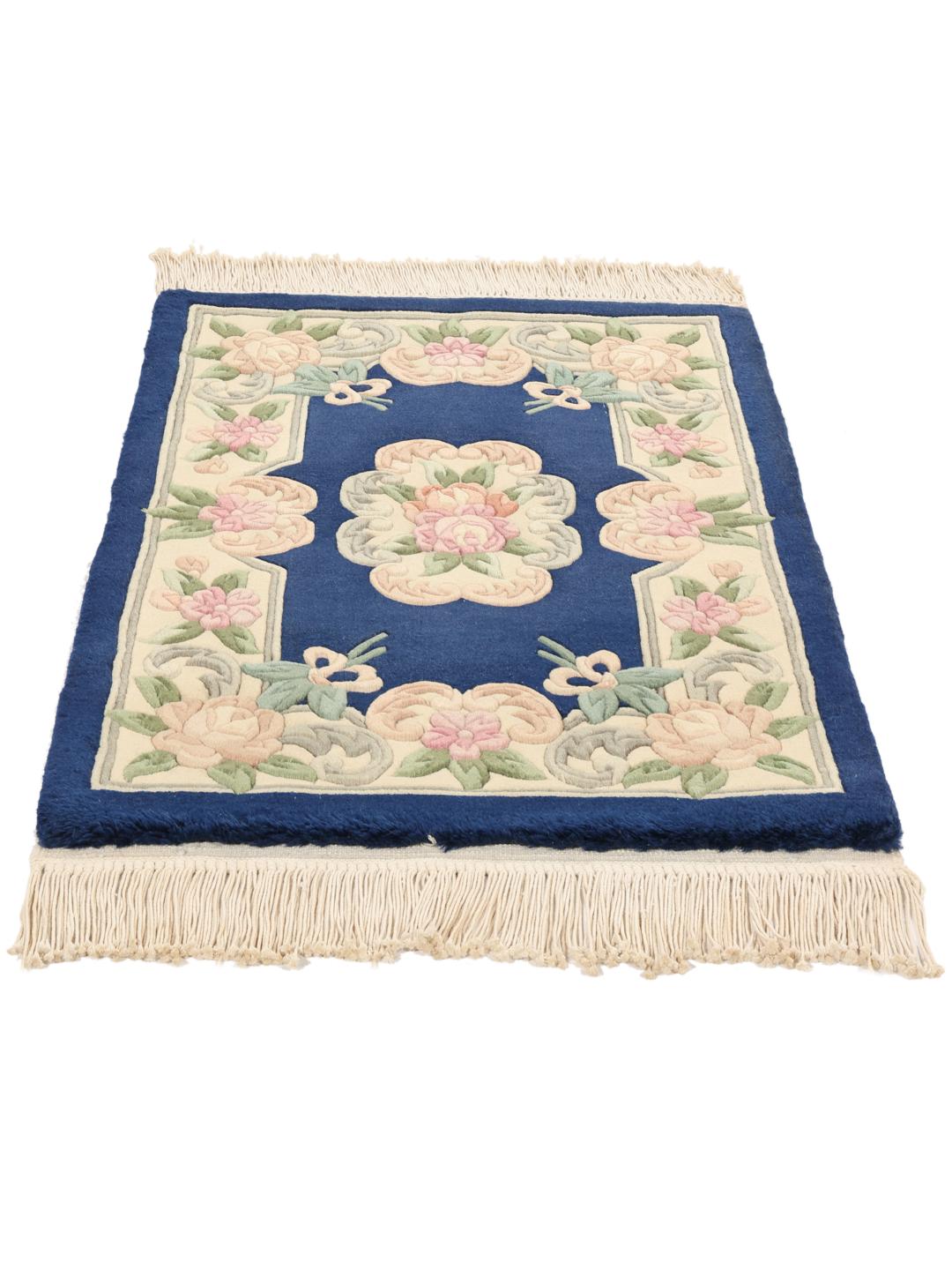
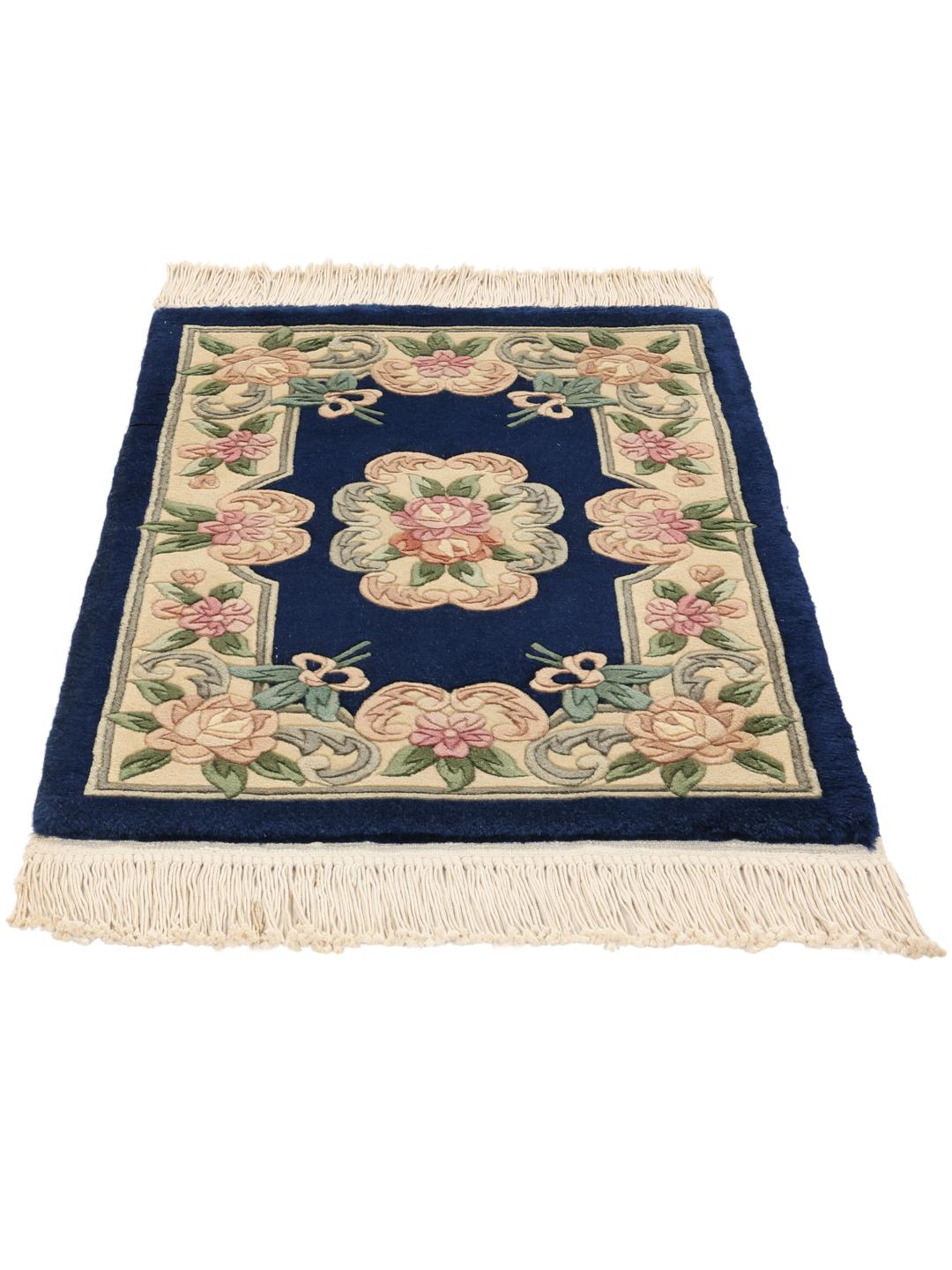
Chinese rug-making is a tradition deeply rooted in history, with a legacy that spans centuries of artistic development. Unlike many other regional traditions that focused heavily on nomadic or tribal aesthetics, Chinese rug artistry has historically been influenced by the refined designs found in imperial courts, silk textiles, and traditional porcelain painting. This heritage is reflected in the emphasis on balanced compositions and symbolic motifs that characterise the region's output.
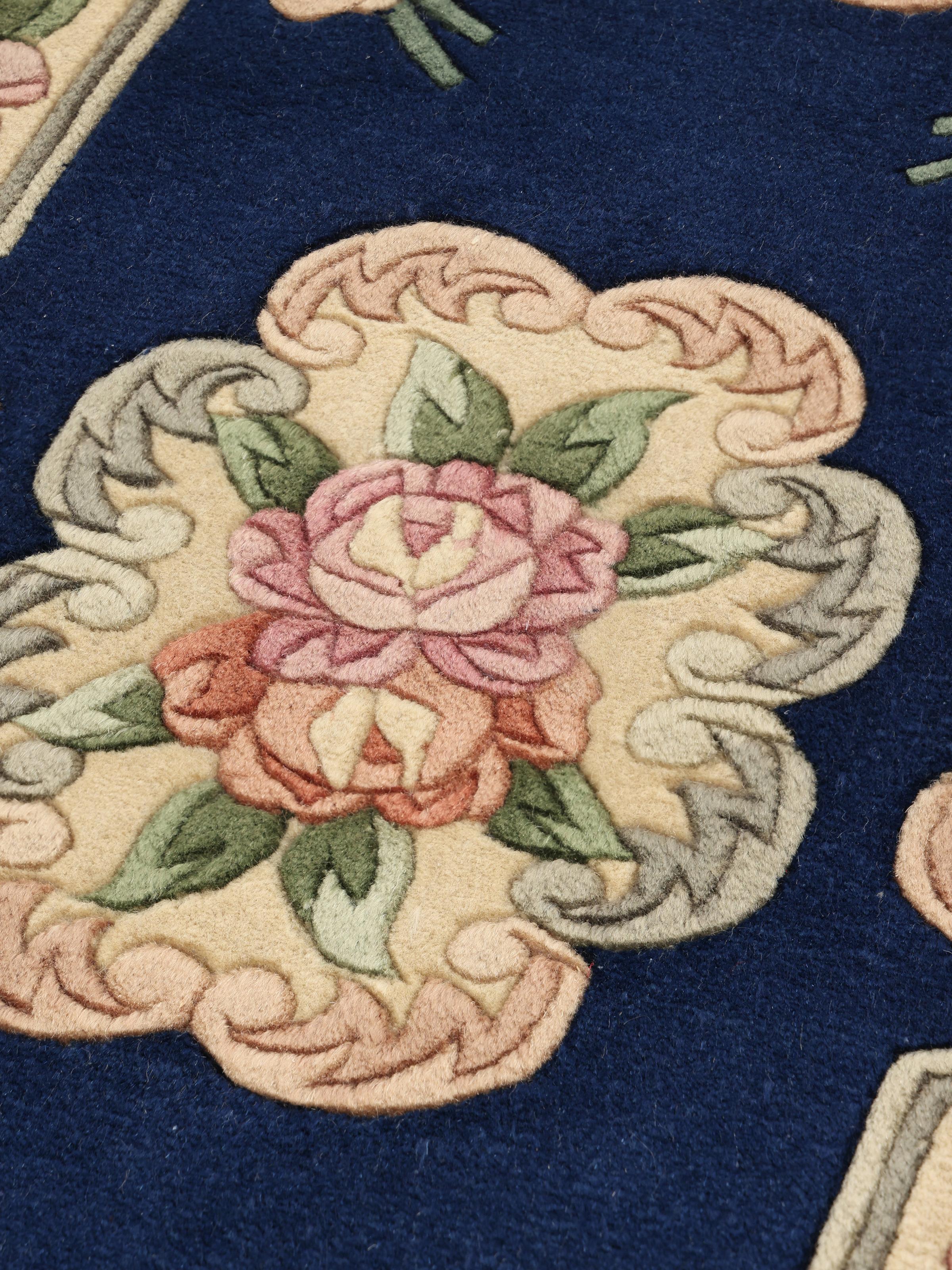
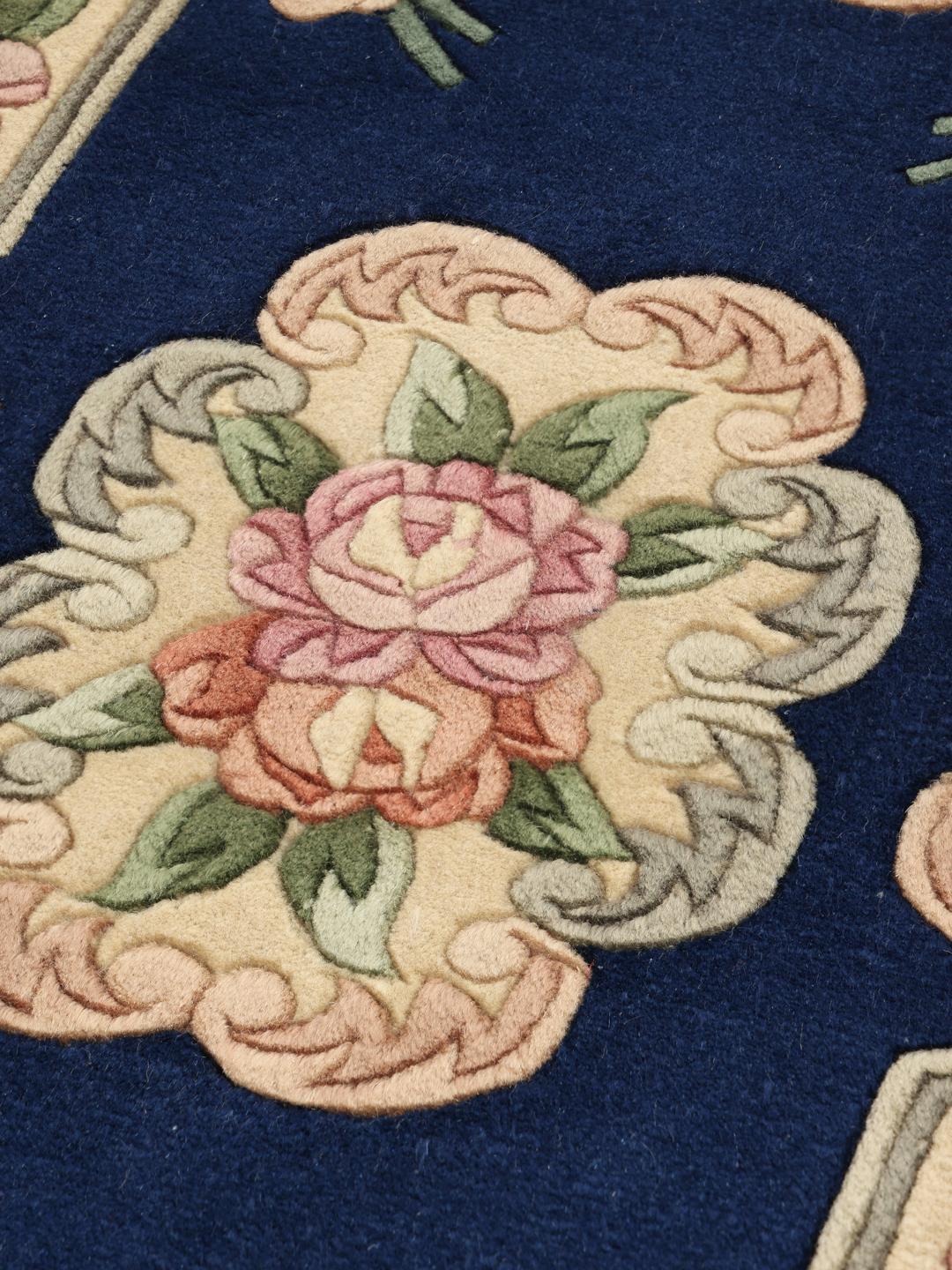
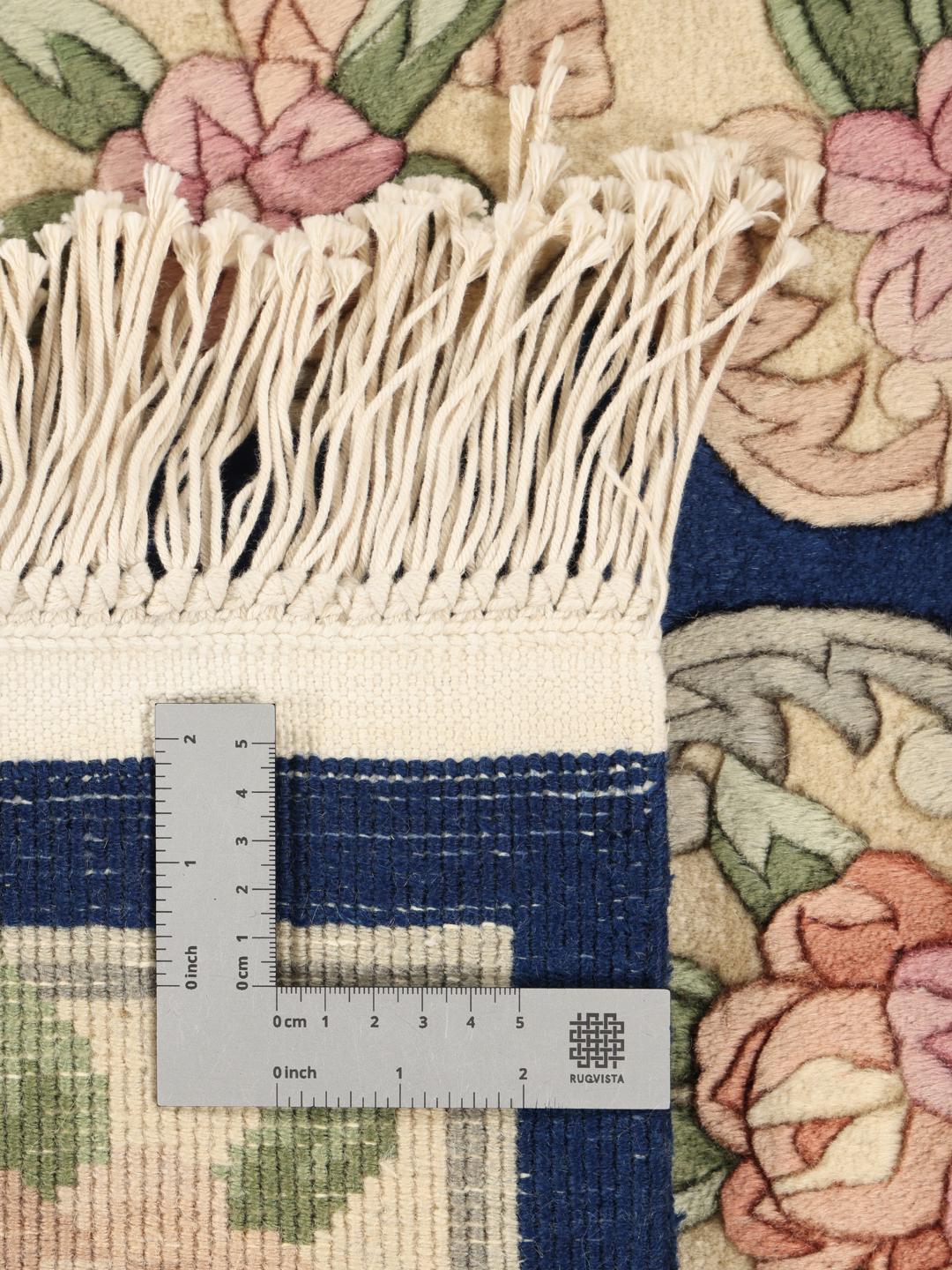
The term 'line' in the context of Chinese rugs, such as the 90 Line designation, refers to the traditional method of measuring knot density. It signifies the number of knots per linear foot, which directly dictates the clarity of the pattern and the density of the finished pile. A 90-line construction represents a deliberate balance of detail and durability, ensuring that the floral motifs appear sharp and well-defined while maintaining a luxurious, soft touch that is synonymous with fine Chinese craftsmanship.
Signature design elements in this tradition often include a variety of floral patterns, including peonies, lotus blossoms, and chrysanthemums, which are frequently rendered with a sense of depth and grace. These motifs are often arranged in a central medallion or a repeat pattern, framed by borders that draw the eye toward the centre. The colour palettes tend to be harmonious, utilising both bold, saturated tones and soft, muted pastels to create a sophisticated visual narrative.
Collectors and enthusiasts value these rugs for their elegance and the disciplined skill required to produce them. Owning a piece from this tradition is an opportunity to connect with a long-standing cultural history of textile arts. These rugs are not merely functional floor coverings but are regarded as lasting pieces of decor that bring a sense of historical narrative and artisanal dedication to any interior space they inhabit.