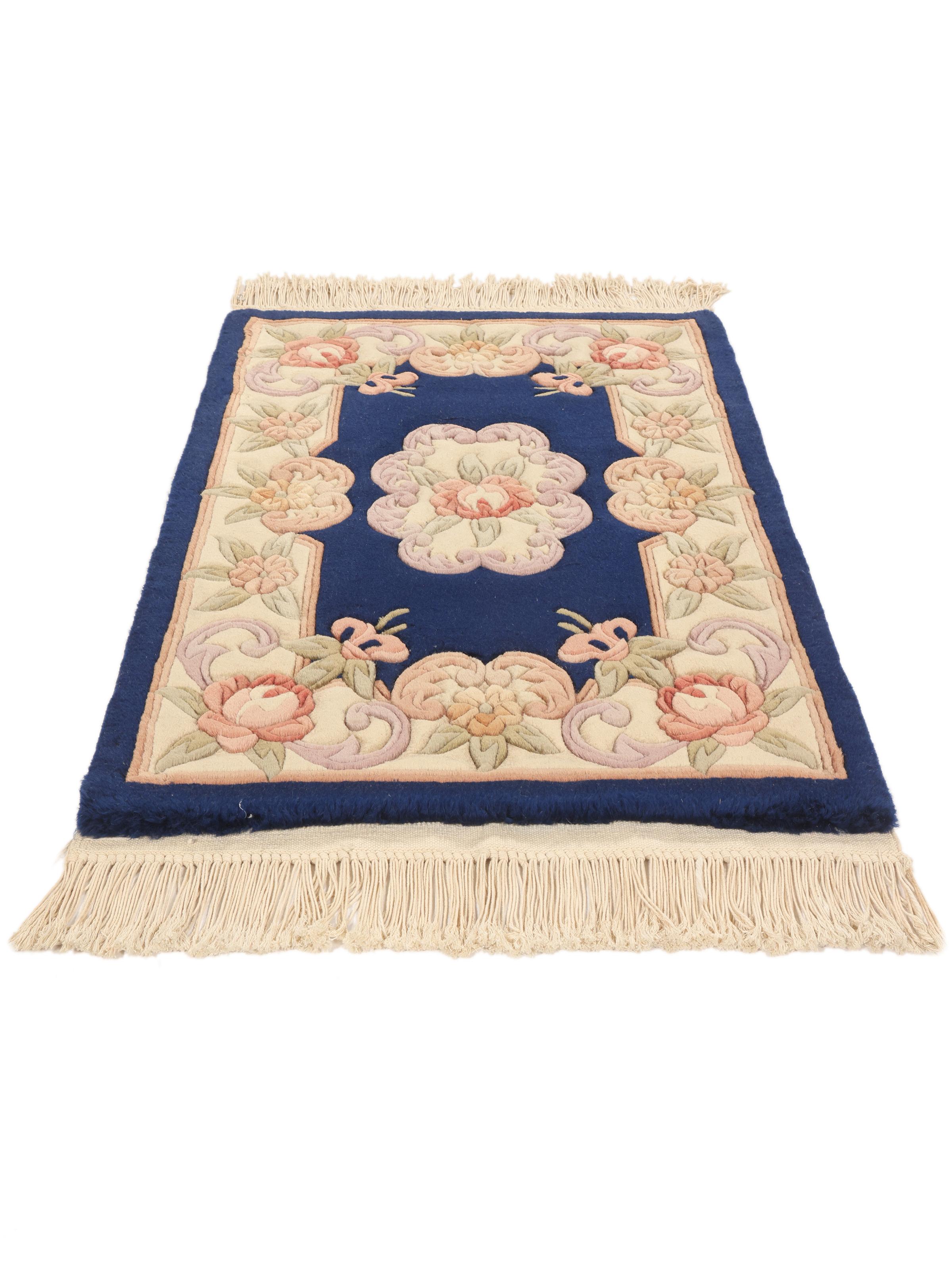
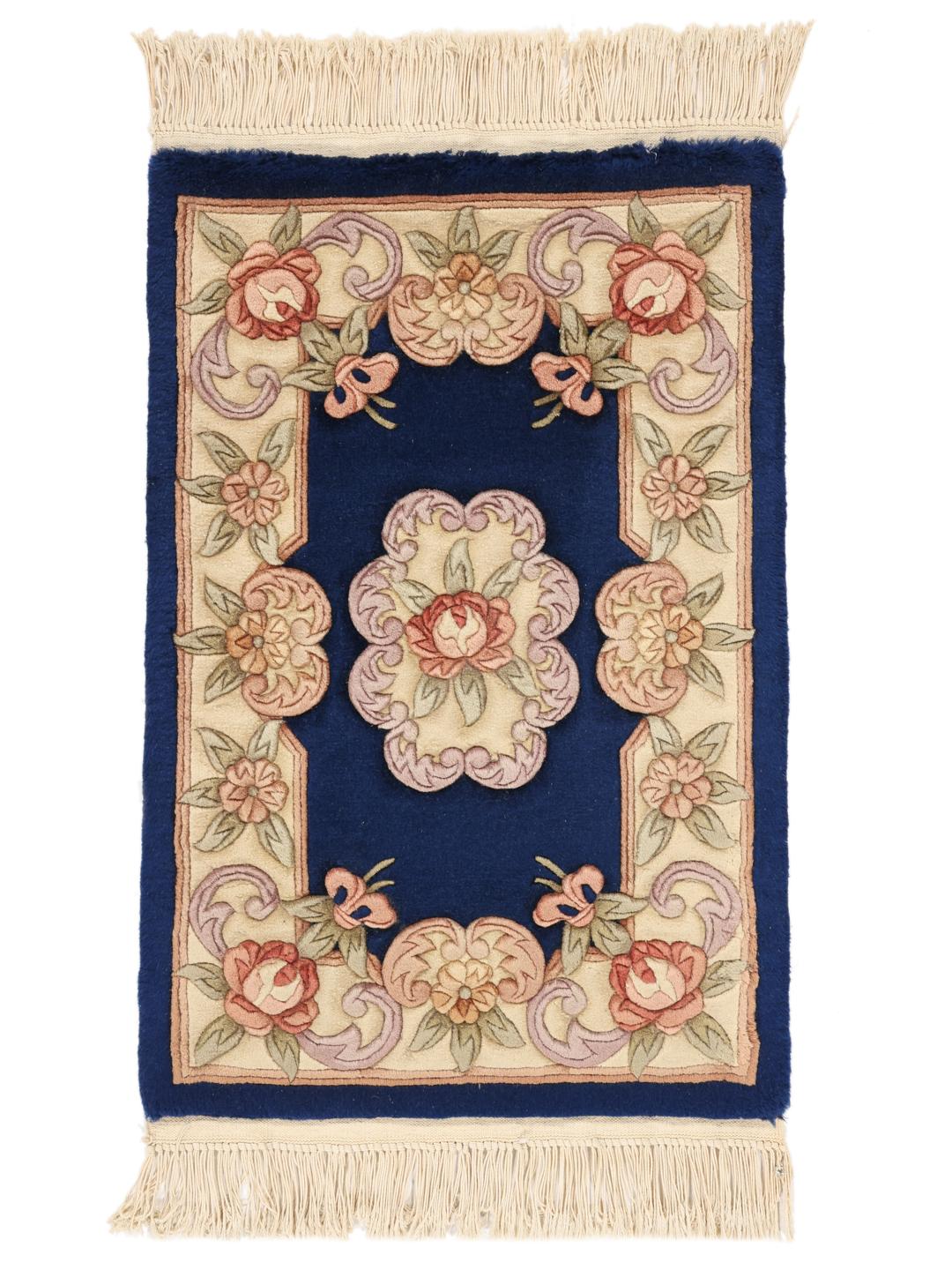
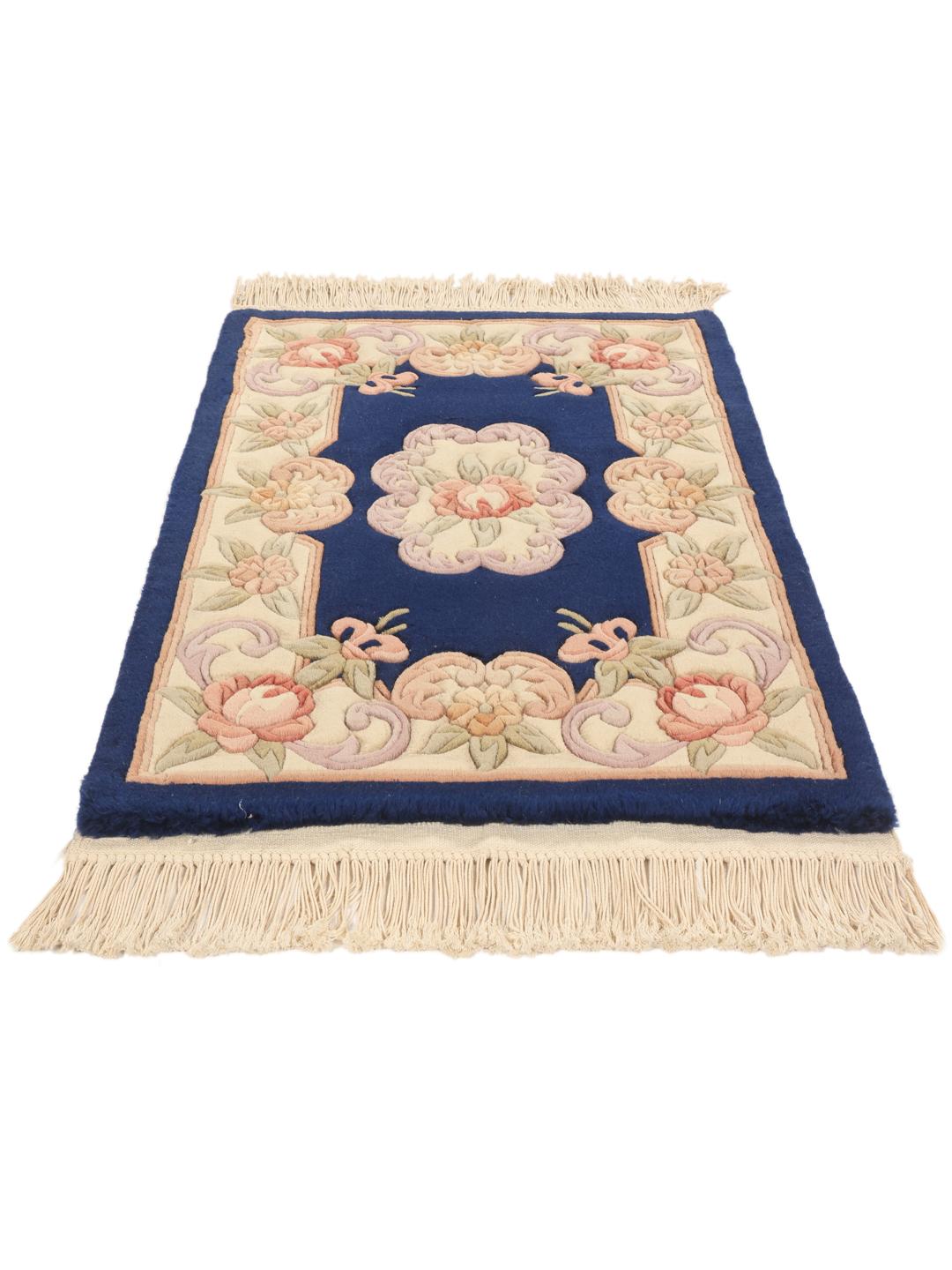
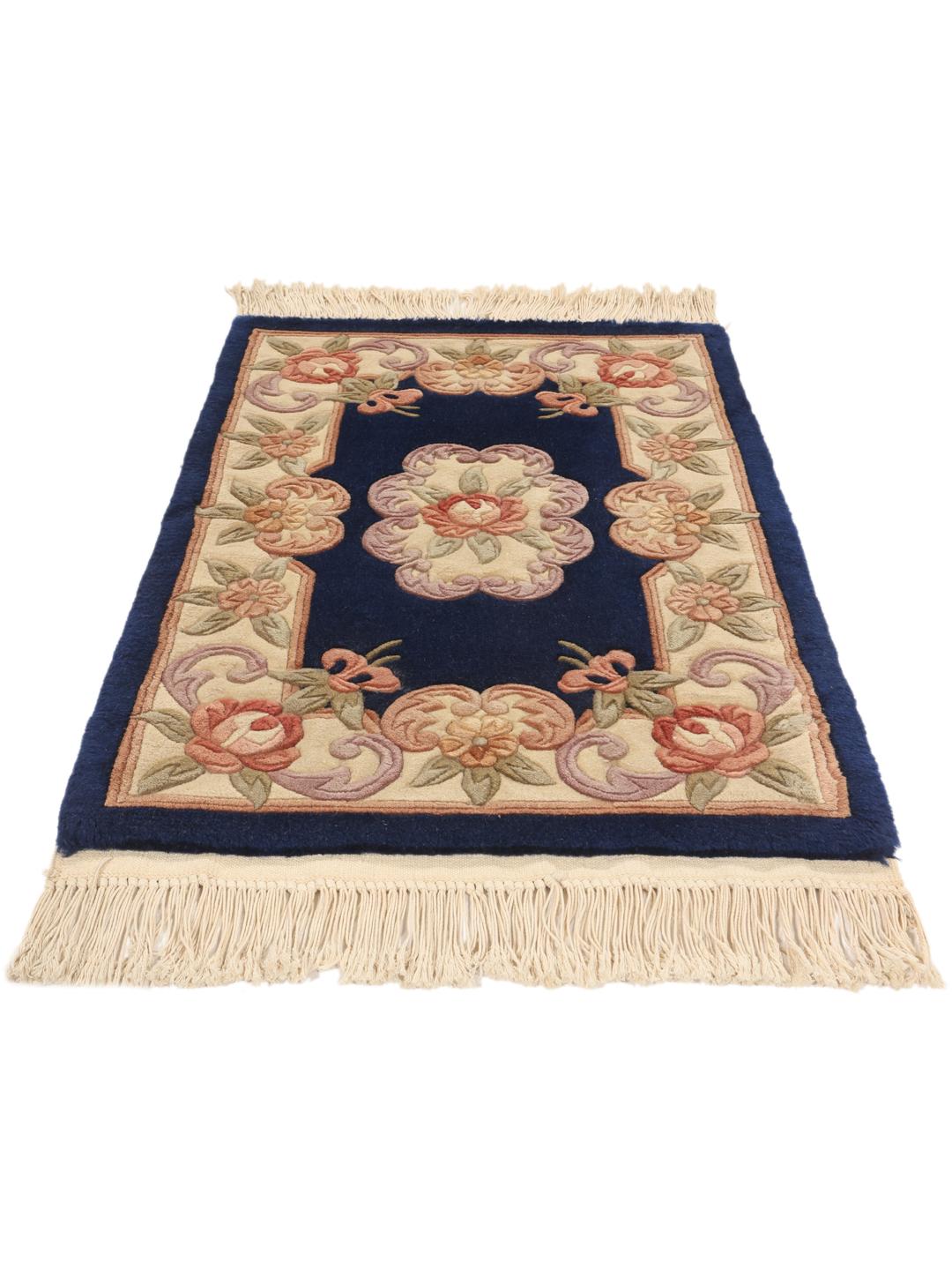
Chinese rug weaving has a storied tradition that spans centuries, evolving from functional floor coverings into highly sophisticated works of art. Often associated with the imperial courts, these rugs are celebrated for their balanced compositions and distinctively clean, open spaces that allow individual motifs to shine. This tradition has been carefully preserved and adapted over generations, maintaining a bridge between ancient craftsmanship and contemporary home aesthetics.
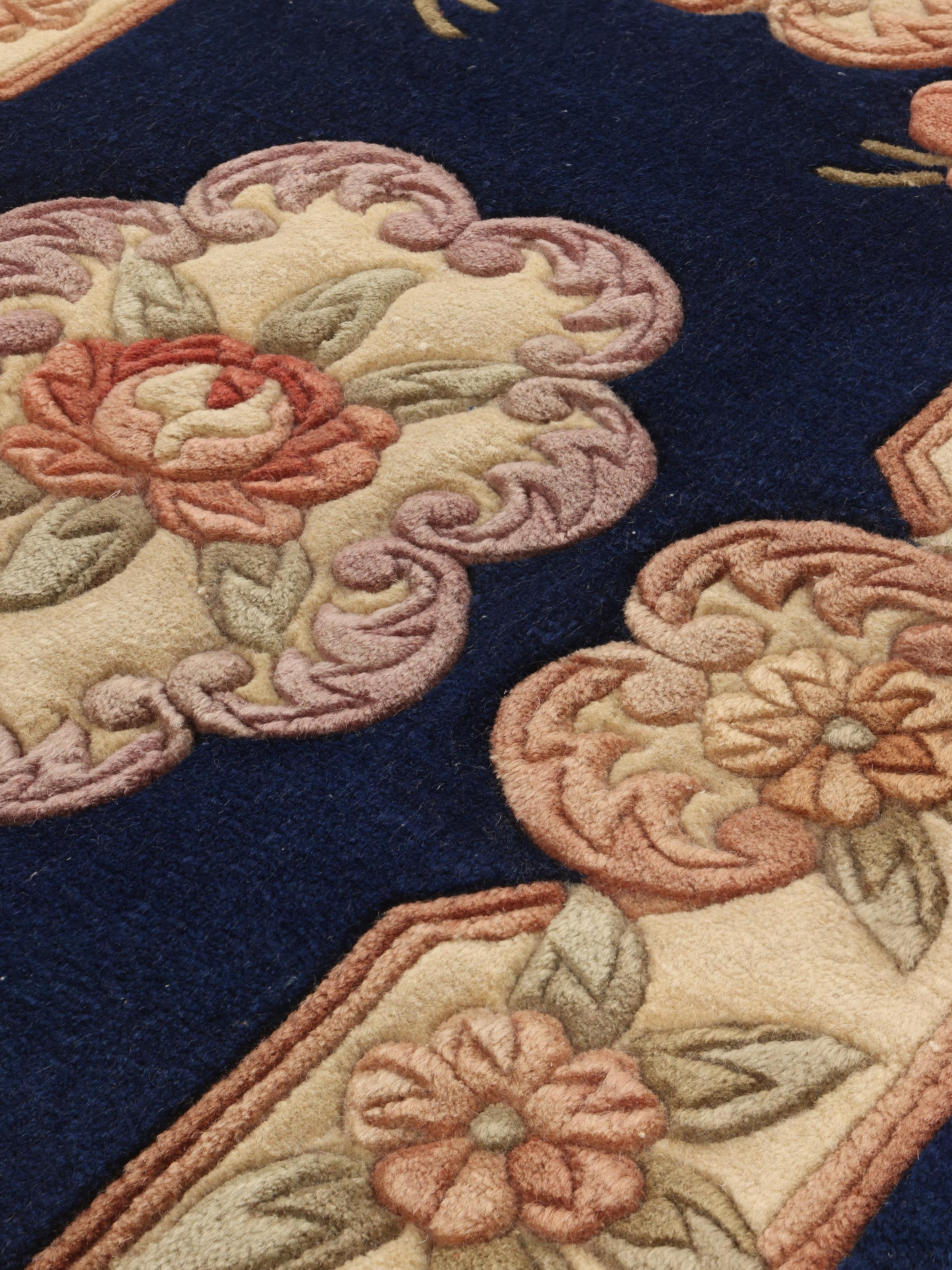
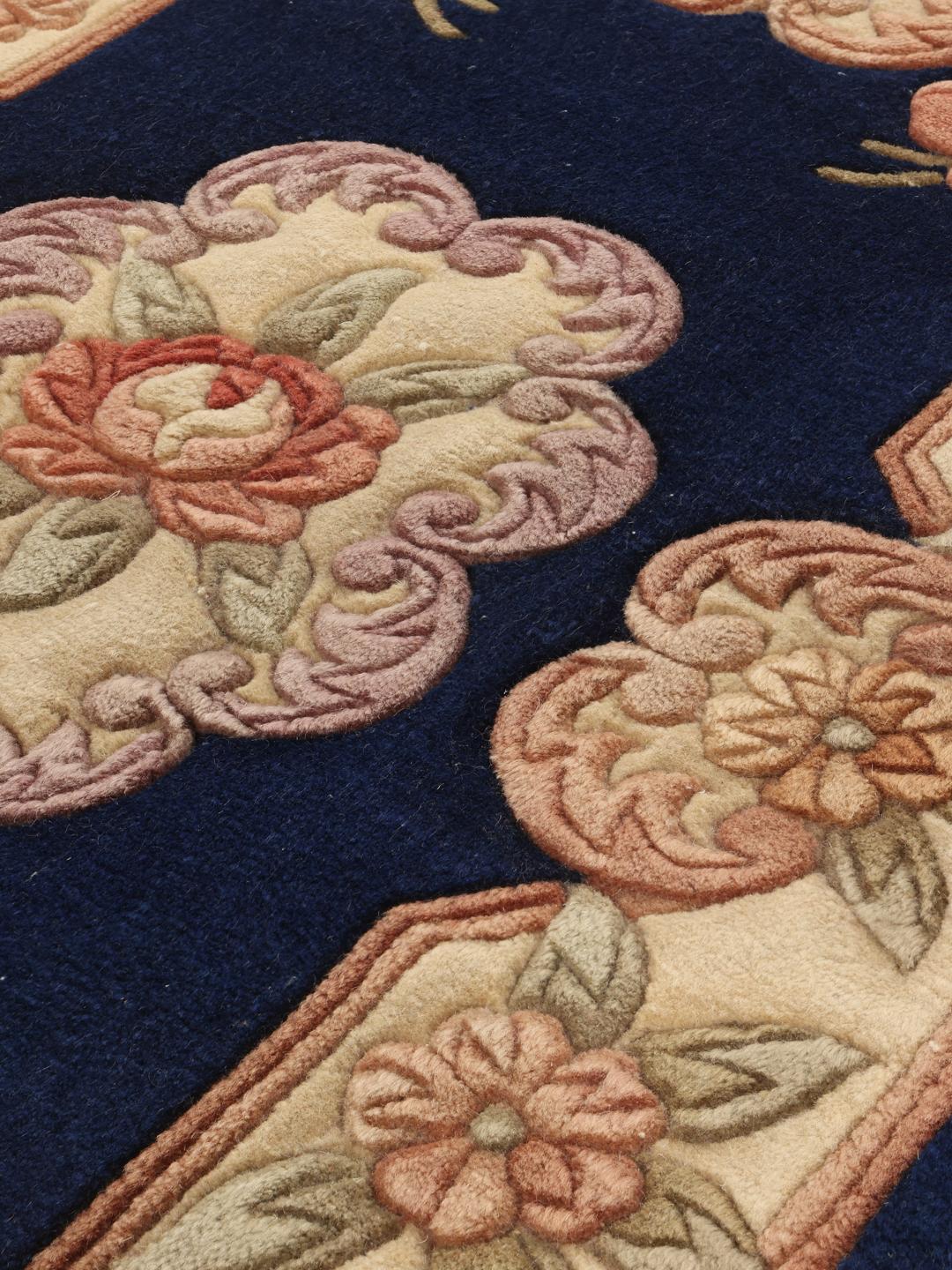
The term '90 line' refers to a traditional measurement of quality in Chinese rug production, indicating the density of the weave. This technical standard is essential for ensuring that the rug maintains its structural integrity and that the intricate designs remain vivid and legible. A higher line count translates to a more refined texture and a more durable pile, which is why rugs crafted to these standards are so highly regarded for their longevity.
Signature design elements in this category often feature floral imagery, such as peonies or lotus blossoms, which hold deep cultural significance. These motifs are frequently framed by ornate borders that draw the eye inward toward the central field. The use of colour in these rugs is typically harmonious, often relying on high-contrast backgrounds to highlight the delicate, flowing lines of the botanical elements.
Collecting a Chinese rug is an investment in a rich cultural legacy. These pieces are valued not only for the skill required to produce them but for their ability to bring a sense of history and poise into a modern setting. Owning such a rug is a testament to an appreciation for enduring craft, connecting your home to a long lineage of artisans dedicated to creating beauty that stands the test of time.