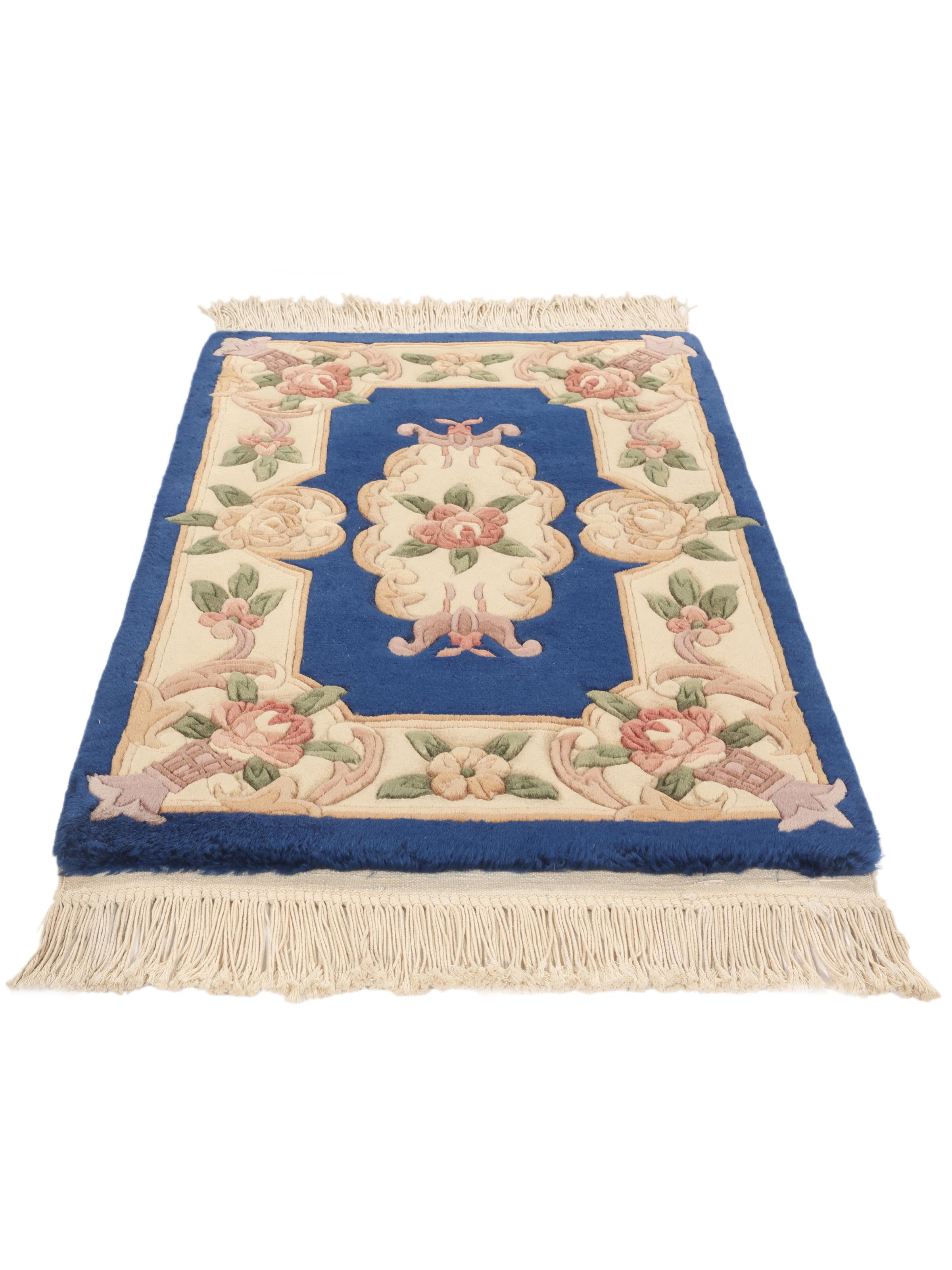
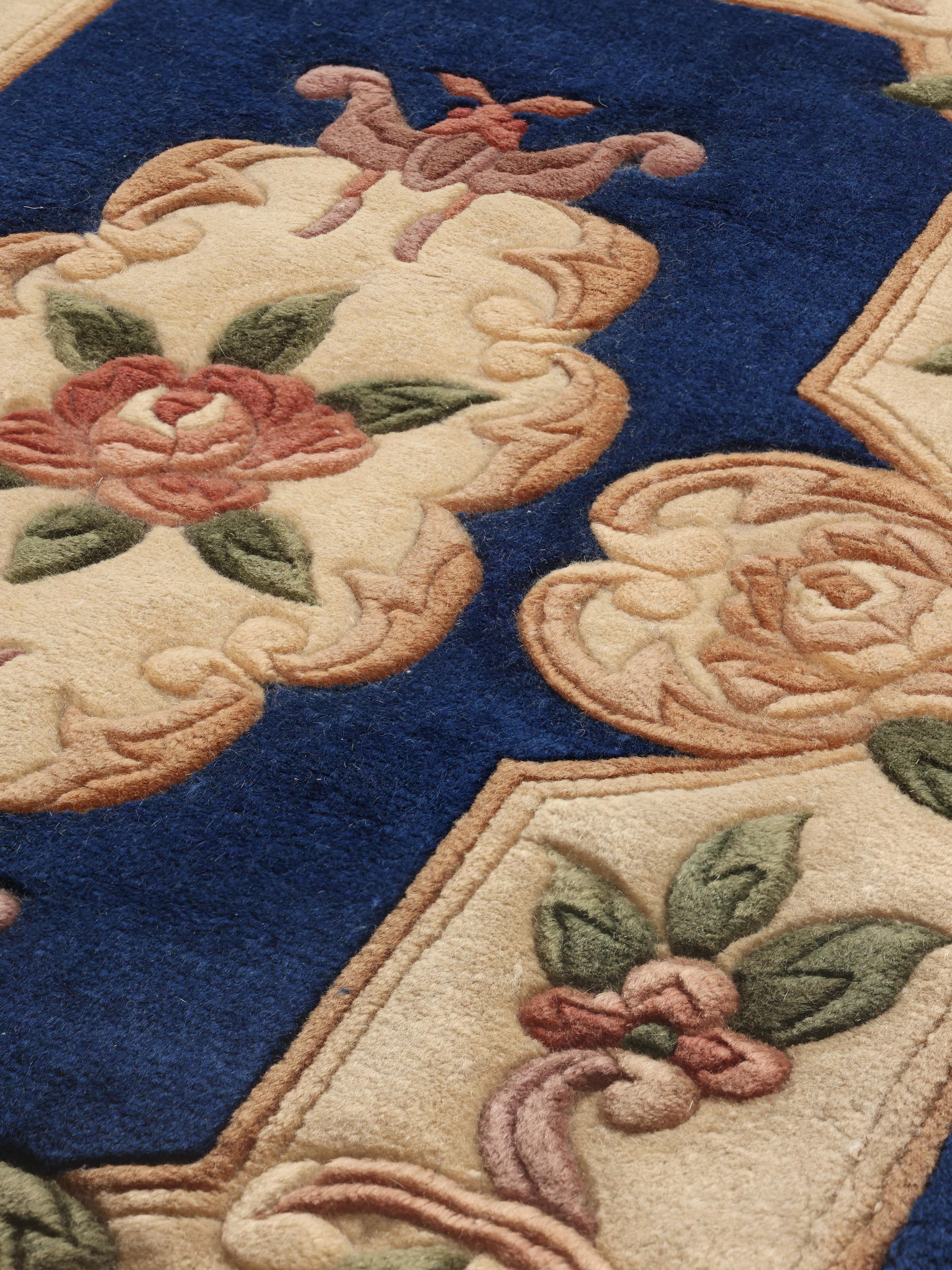
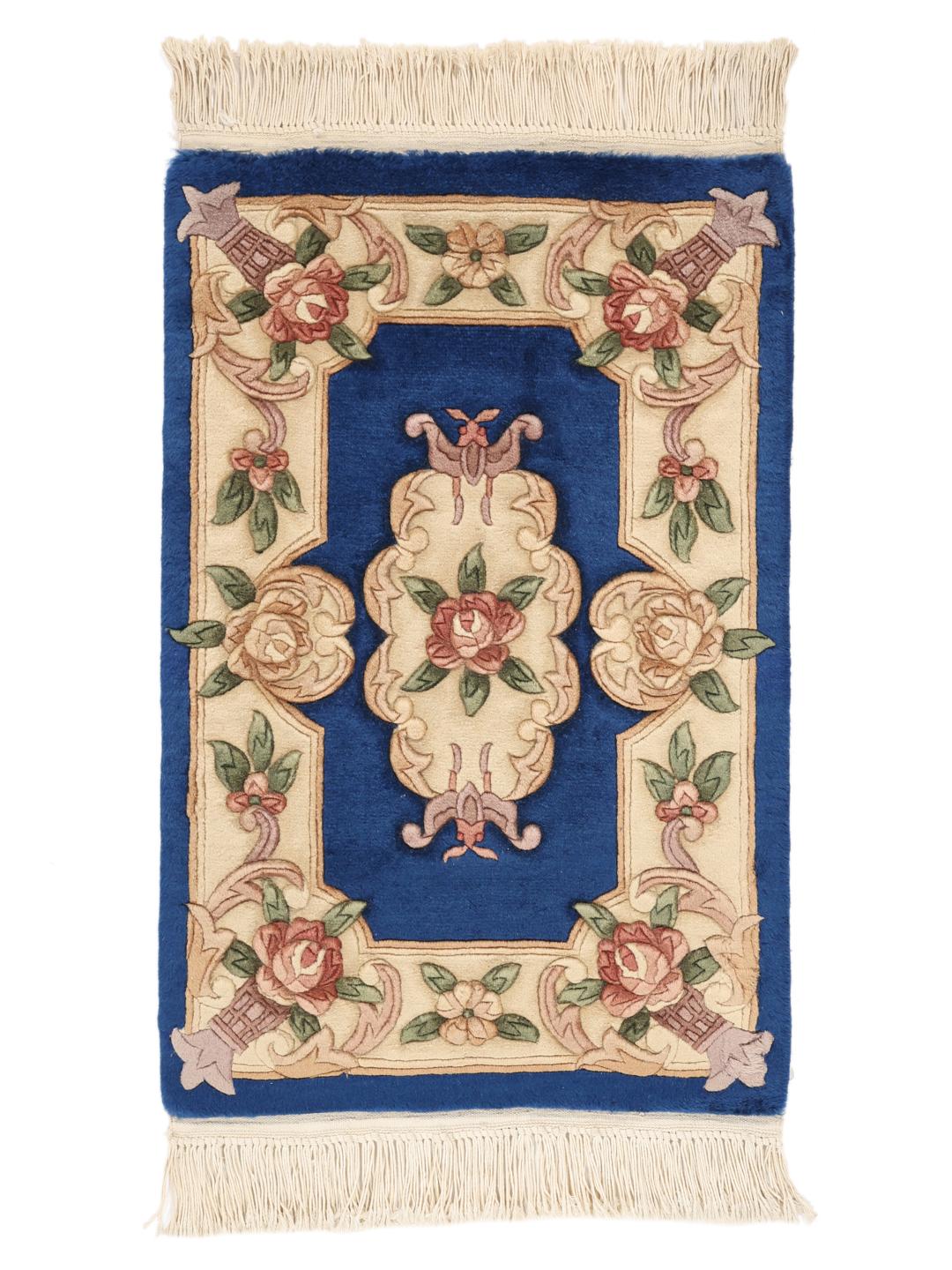
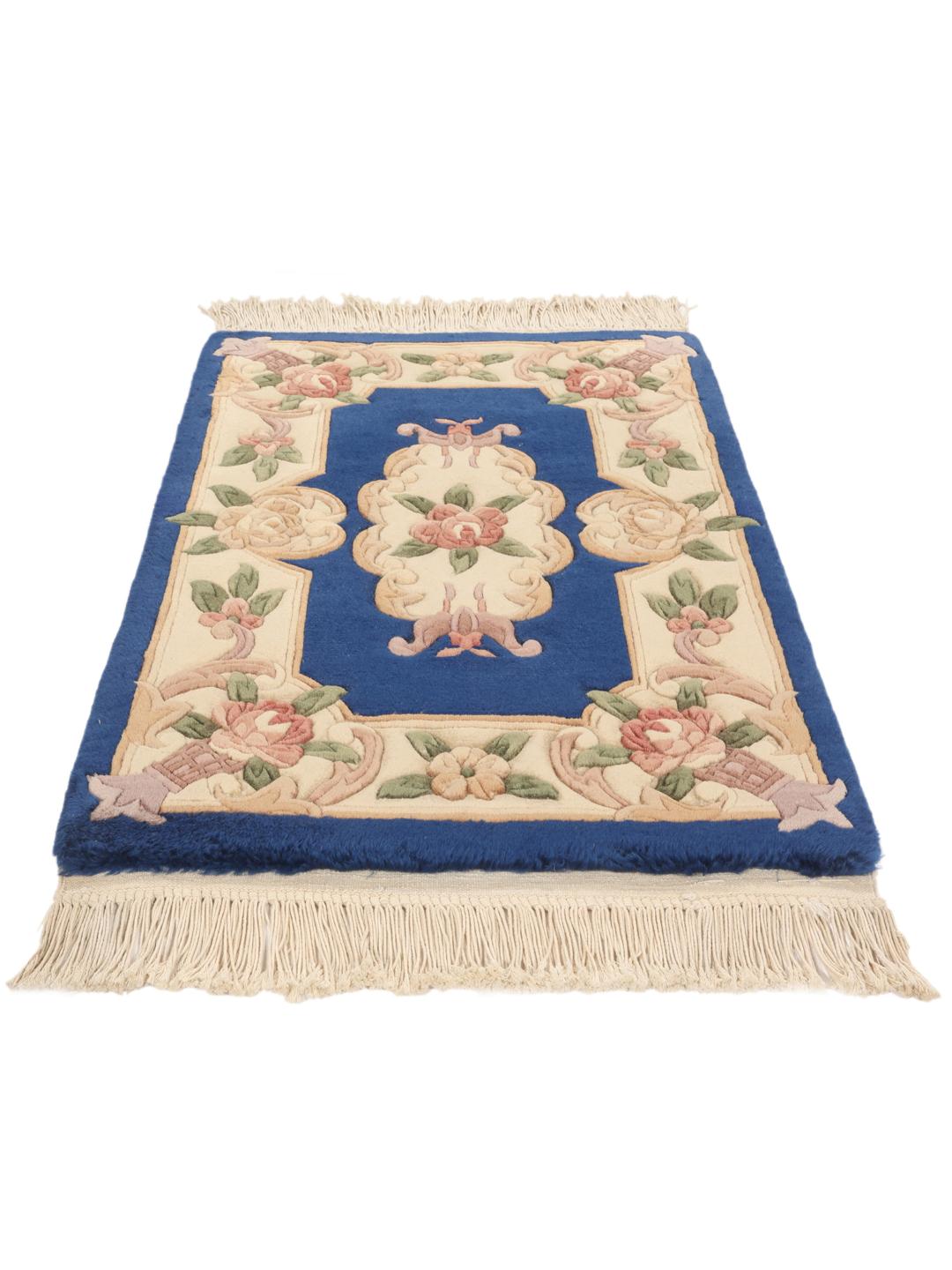
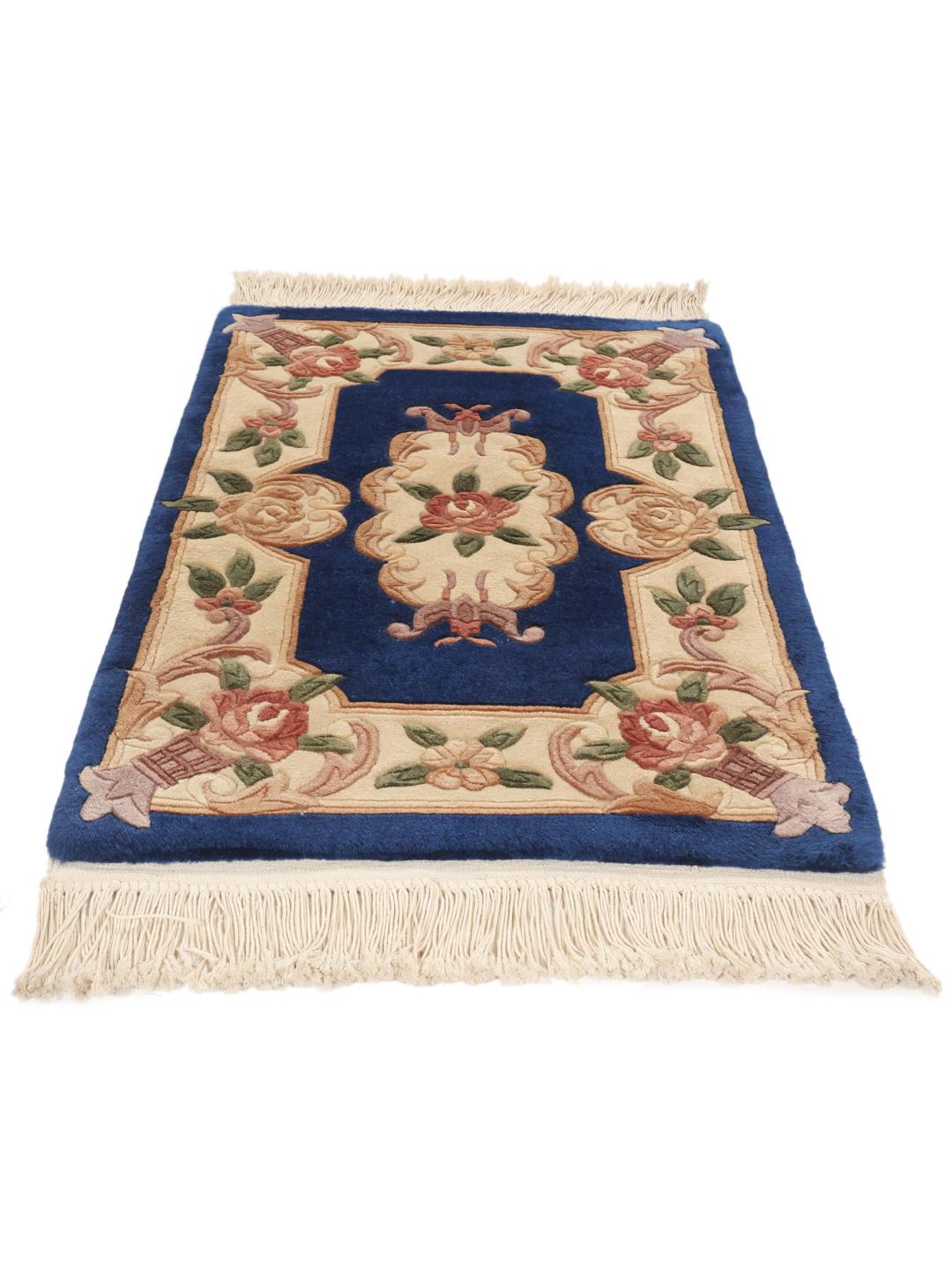
Chinese rug weaving has a storied past, with traditions that date back centuries, often reflecting the aesthetic values of the dynasties that fostered them. These rugs are renowned for their distinct visual language, which frequently incorporates floral patterns, medallions, and balanced compositions that emphasise harmony and symmetry.
The term 90 Line refers to a traditional system of measuring the quality and density of a rug based on the number of knots across a specific width. This method is a hallmark of Chinese craftsmanship, ensuring that the finished product has a consistent, uniform pile that is both soft to the touch and structurally sound.
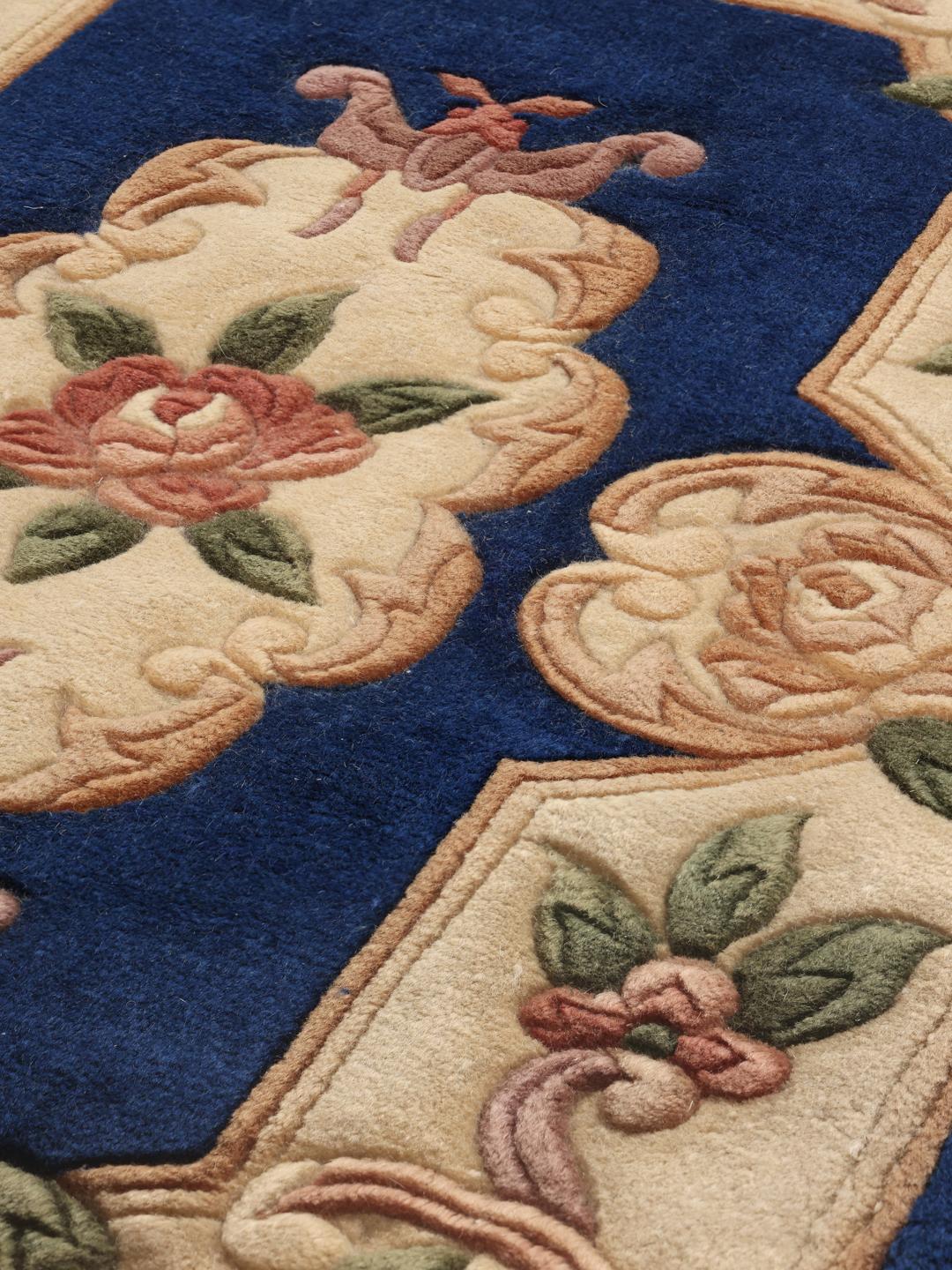
Floral motifs are a cornerstone of this tradition, often symbolising prosperity, beauty, and longevity in Chinese culture. The use of soft curves and organic shapes within these designs creates a welcoming atmosphere, while the formal borders frame the central field to provide a sense of order and balance.
Owning a hand-knotted rug from this tradition is an investment in cultural heritage and skilled labour. These pieces are valued for their ability to blend seamlessly into various interior styles while retaining a distinct, artistic identity that reflects the history of their origin.