Chinese rug-making is a storied tradition that spans centuries, evolving from functional floor coverings to highly prized artistic expressions. The region has long been celebrated for its unique approach to design, often drawing inspiration from nature, silk weaving, and imperial aesthetics, which have influenced the development of rugs across the globe.
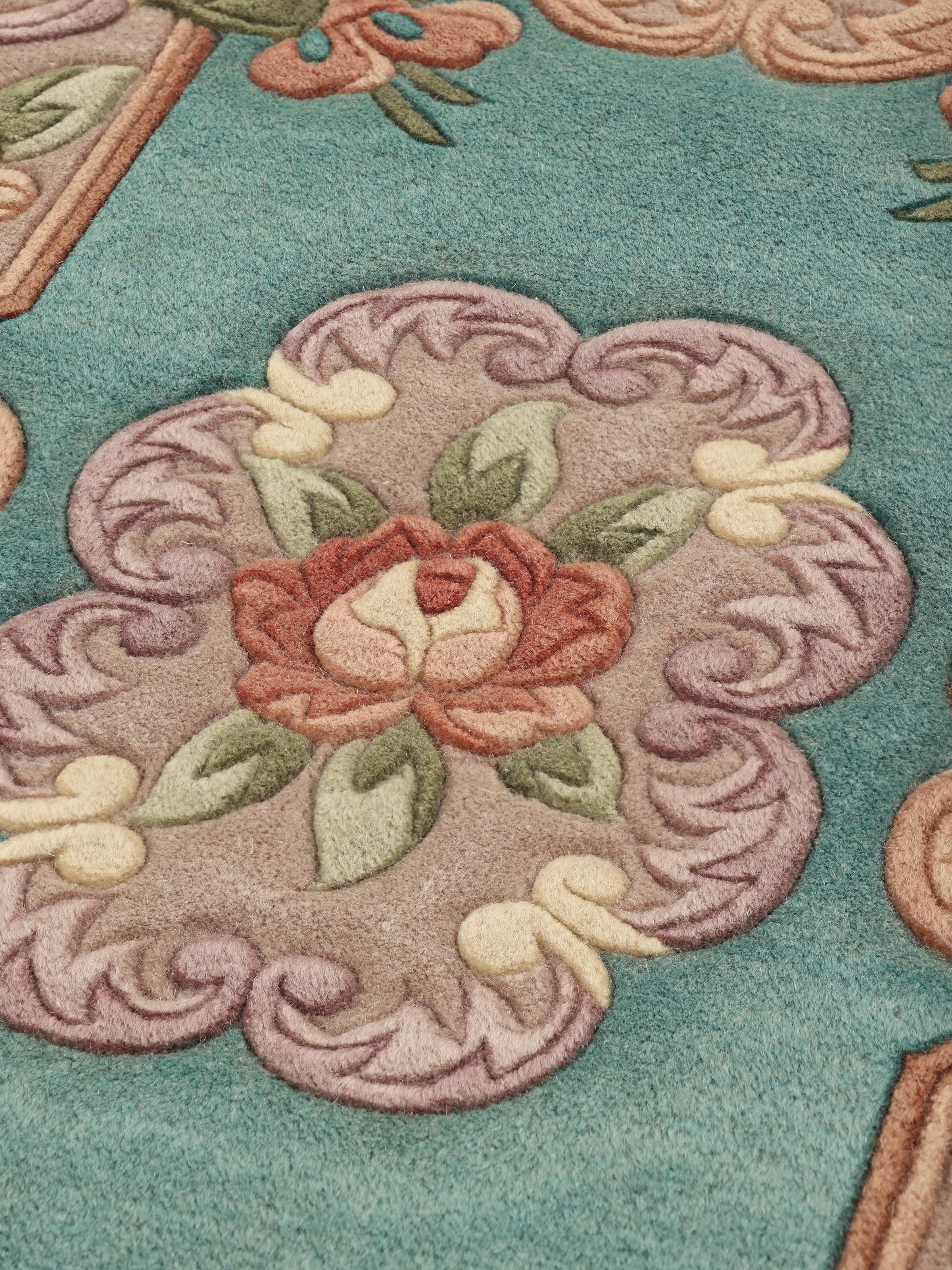
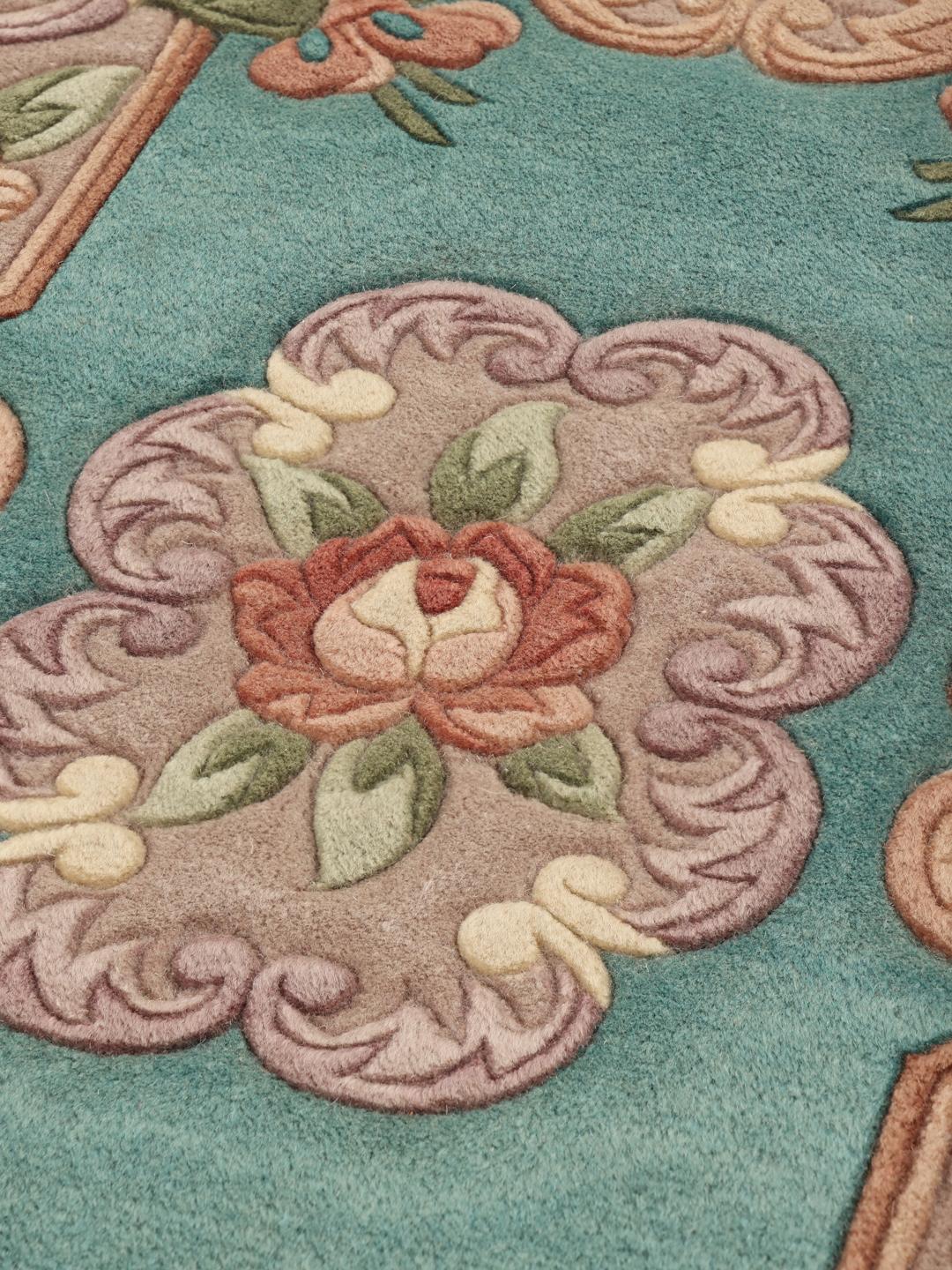
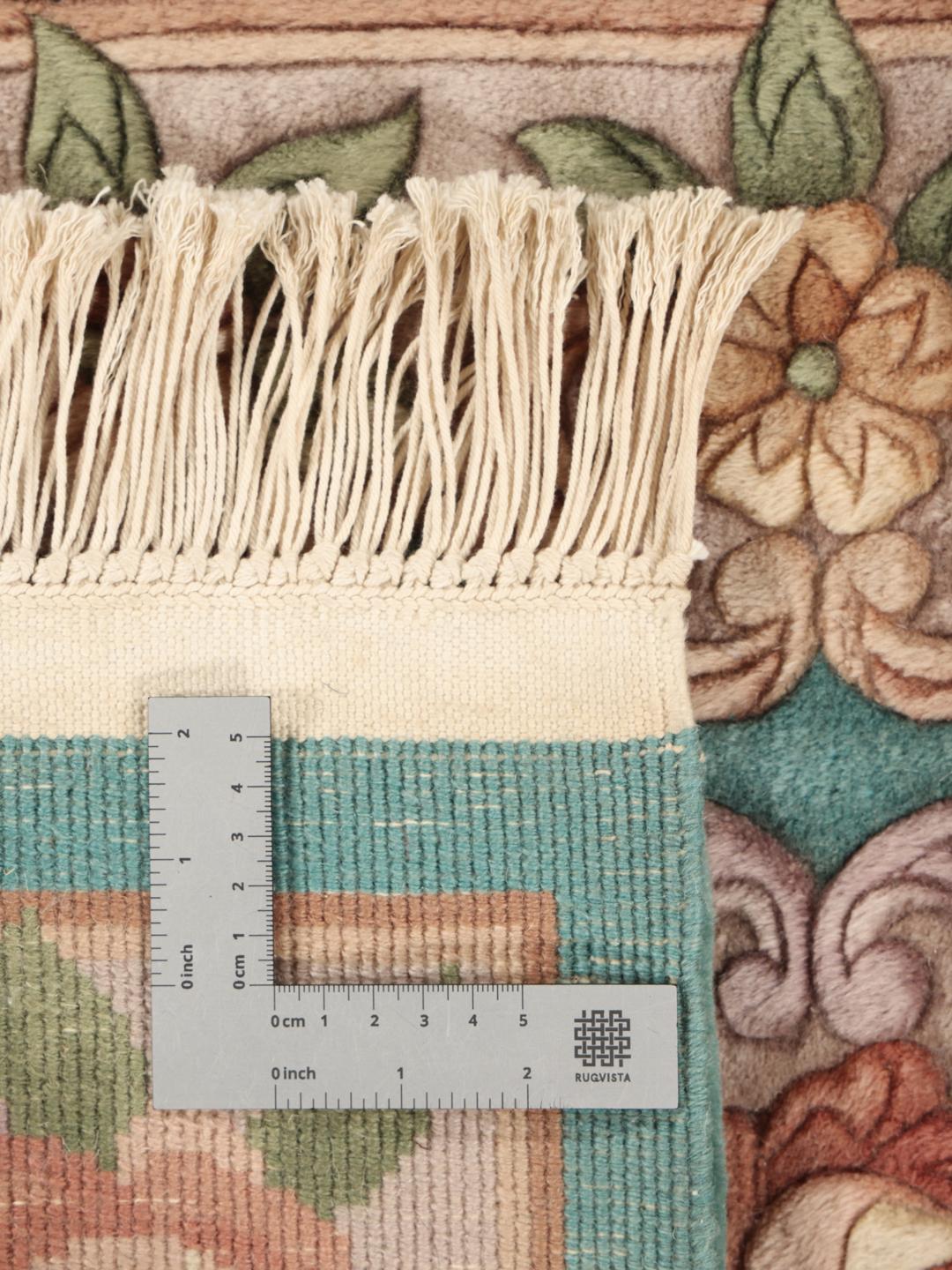
The term 90 Line refers to a traditional system of measuring the density of a rug based on the number of knots across a specific width. This method is a hallmark of Chinese craftsmanship, ensuring a consistent and refined texture. A higher line count signifies a more compact pile and greater detail in the finished design, providing a luxurious feel that is both soft to the touch and resistant to wear.
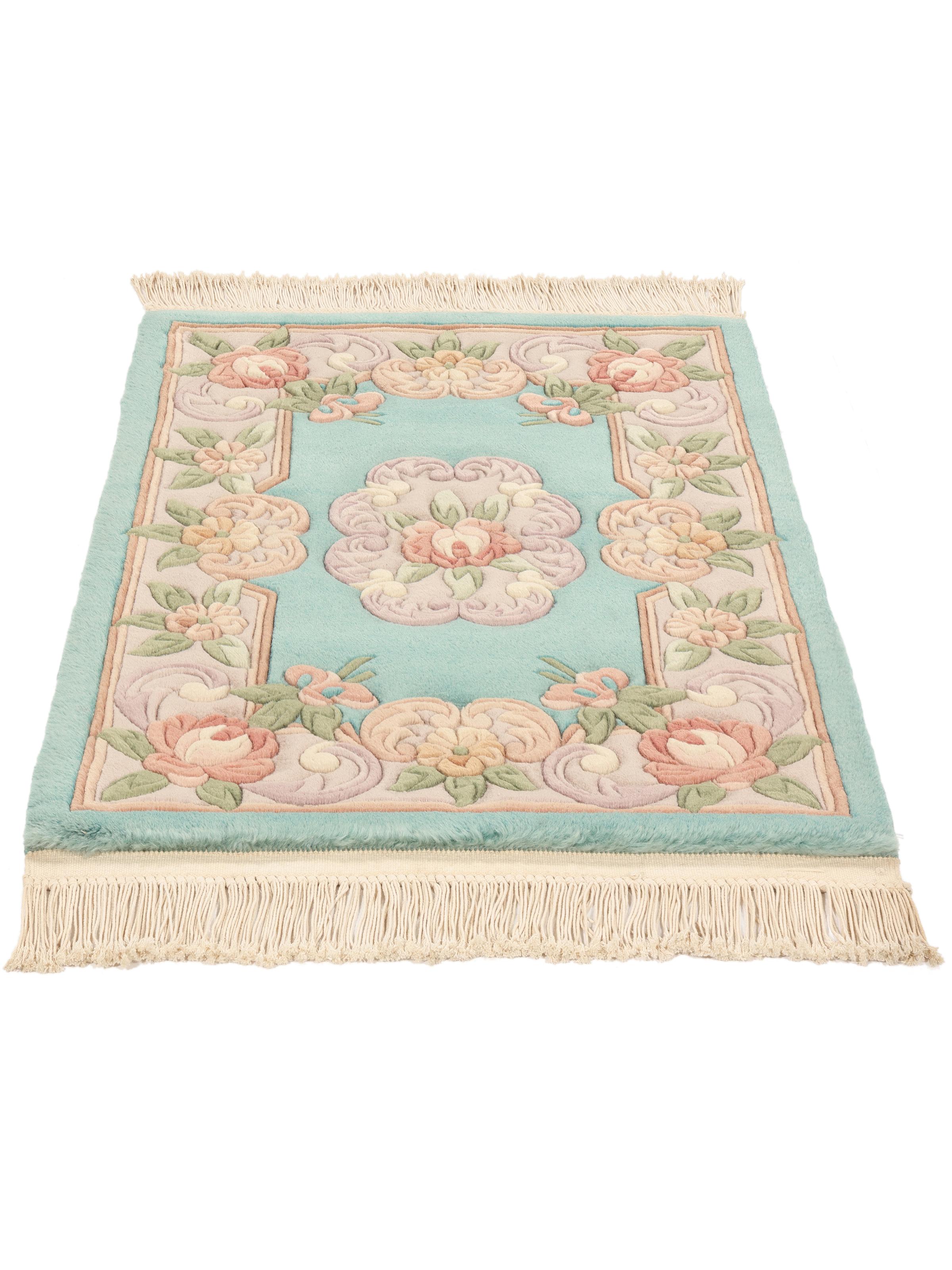
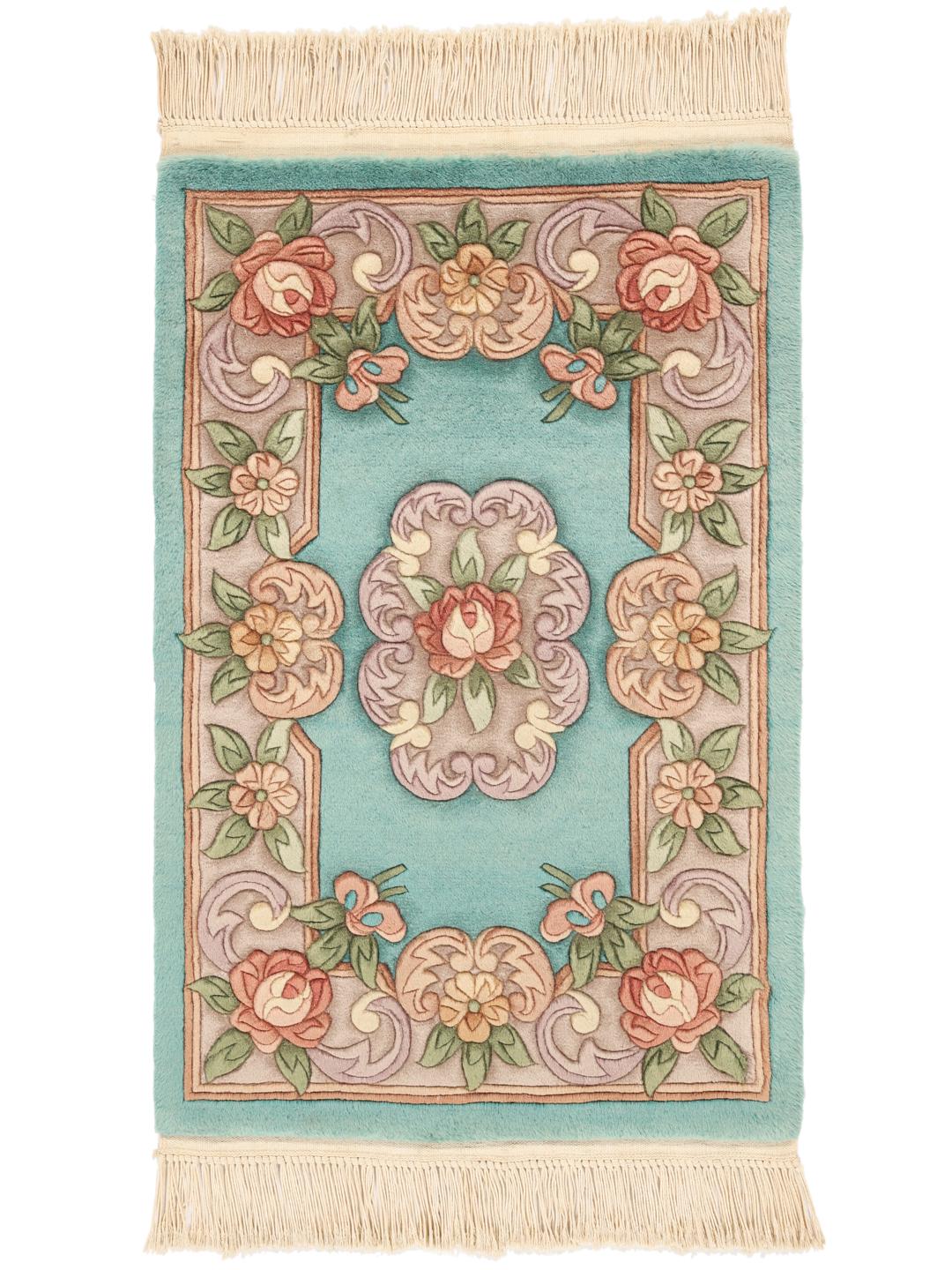
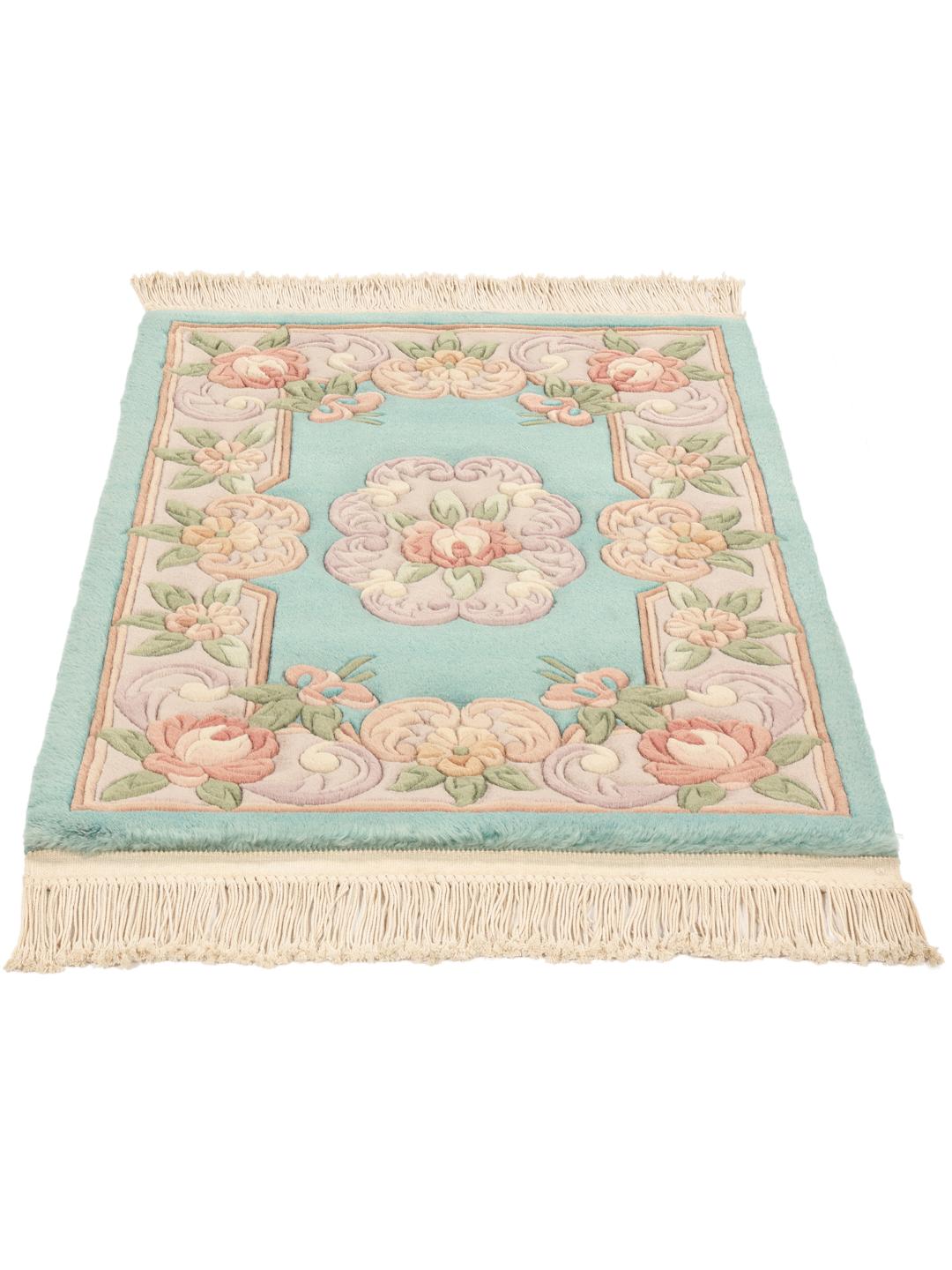
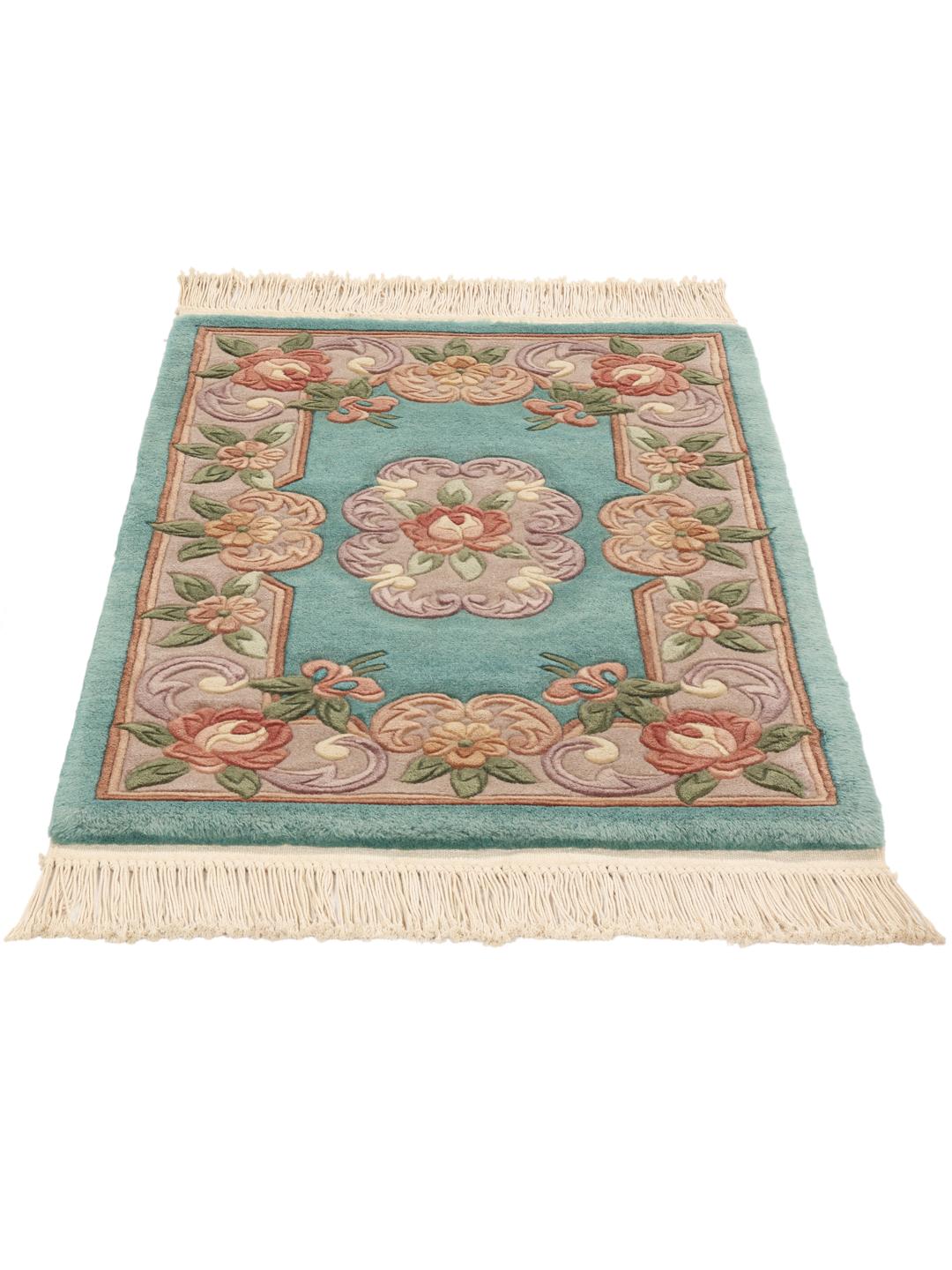
Signature elements in this tradition often include balanced, graceful floral arrangements and stylized borders that frame the central field. These patterns are deeply rooted in cultural symbolism, with flowers representing prosperity and harmony. The use of soft, harmonious colour palettes is a classic hallmark, meant to evoke a sense of peace and balance within the home.
Collecting rugs from this tradition is an act of preserving a rich heritage of skill and artistic vision. These pieces are valued not only for their beauty but for the immense human effort required to bring them to life. Owning one offers a connection to a long-standing legacy of craft, ensuring that your home is adorned with an item of genuine cultural and material weight.