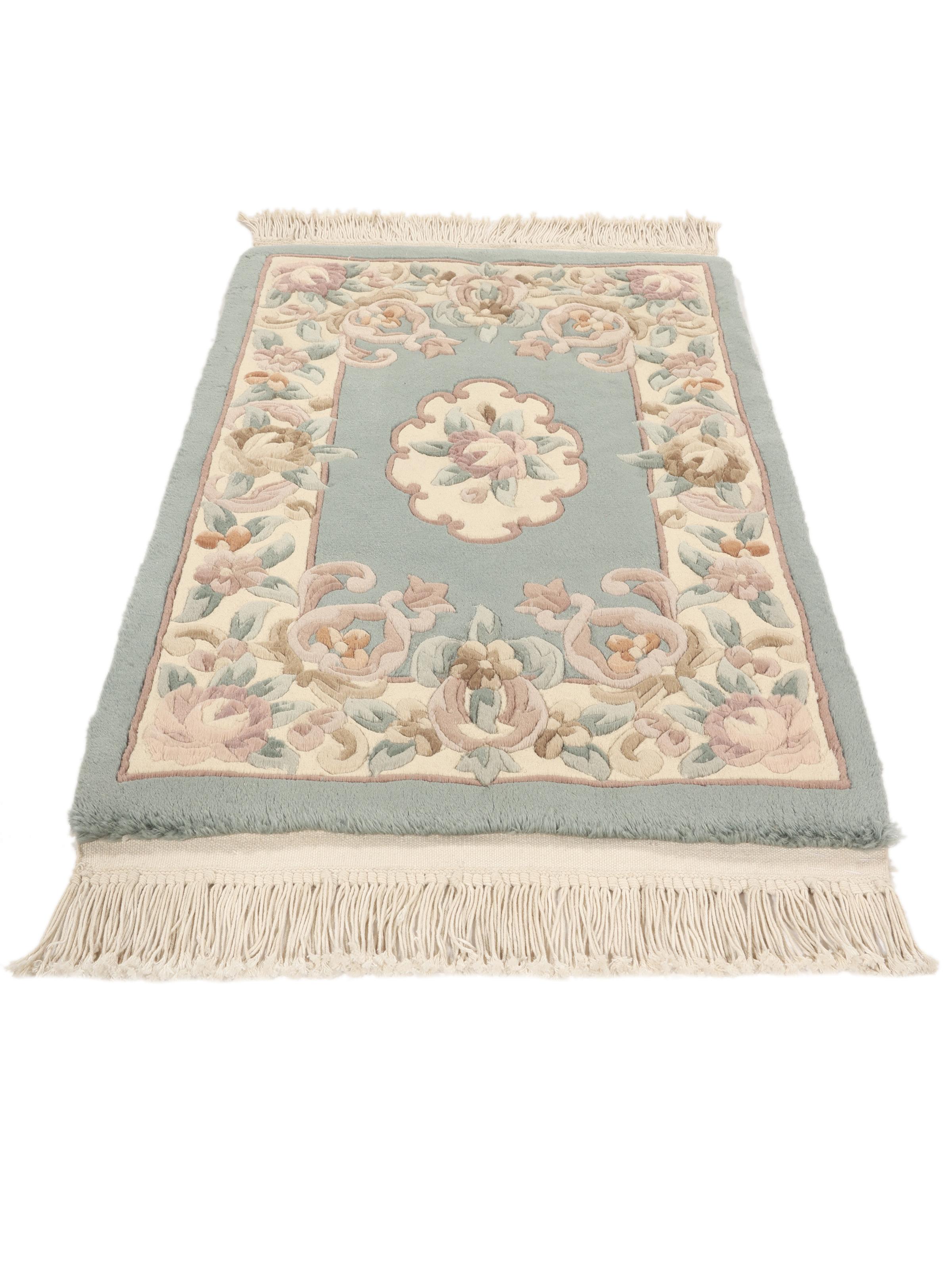
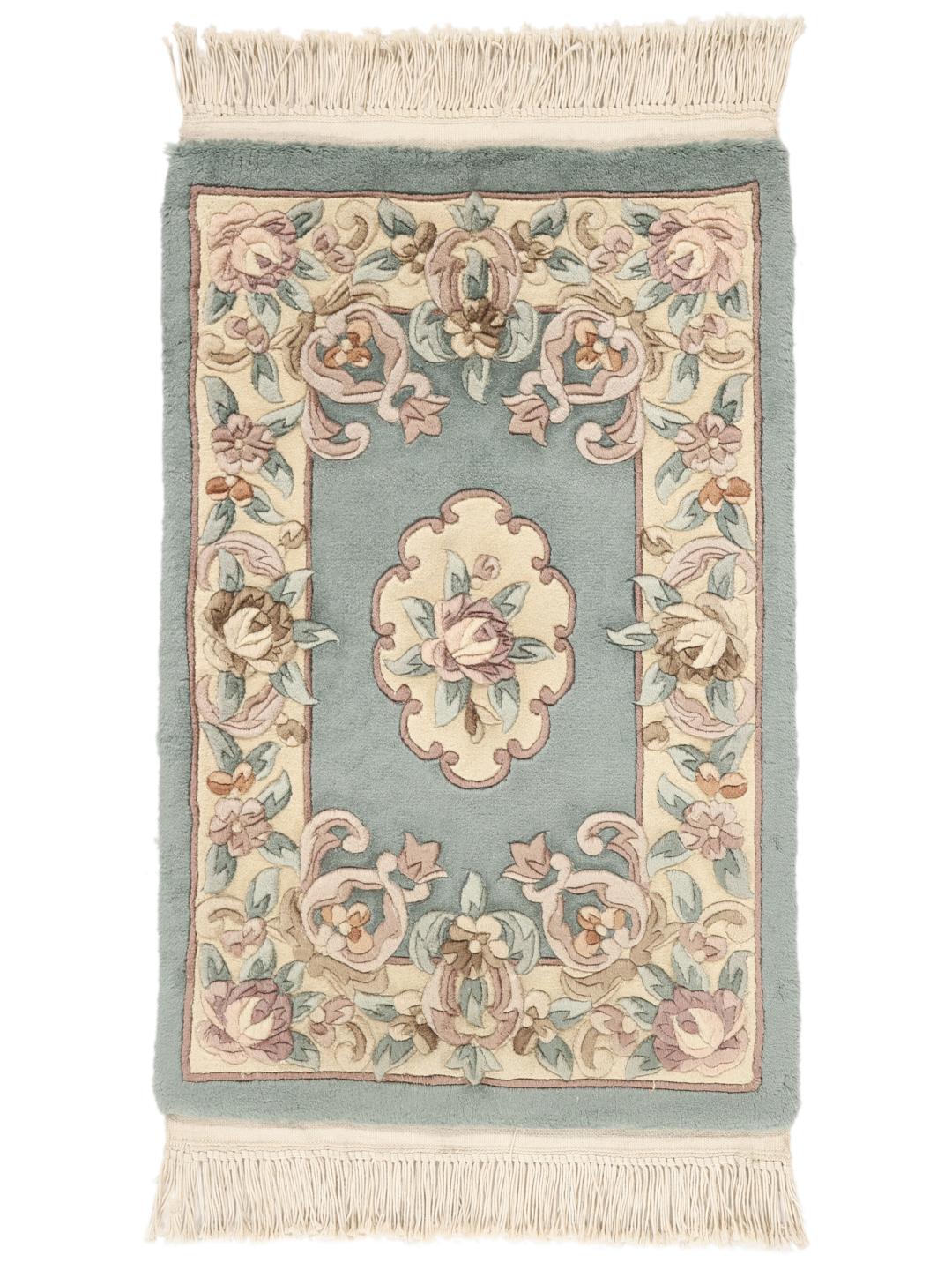
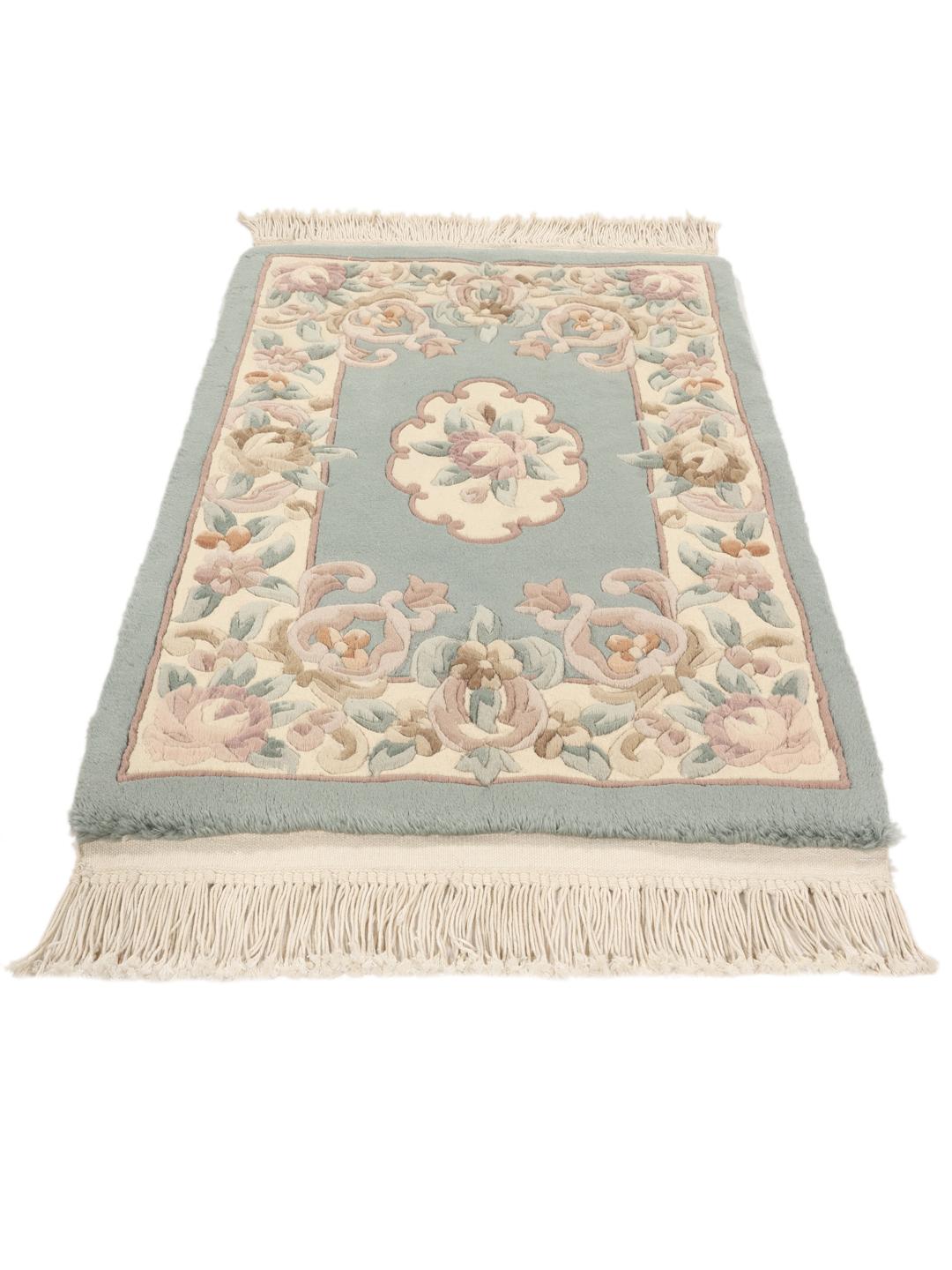
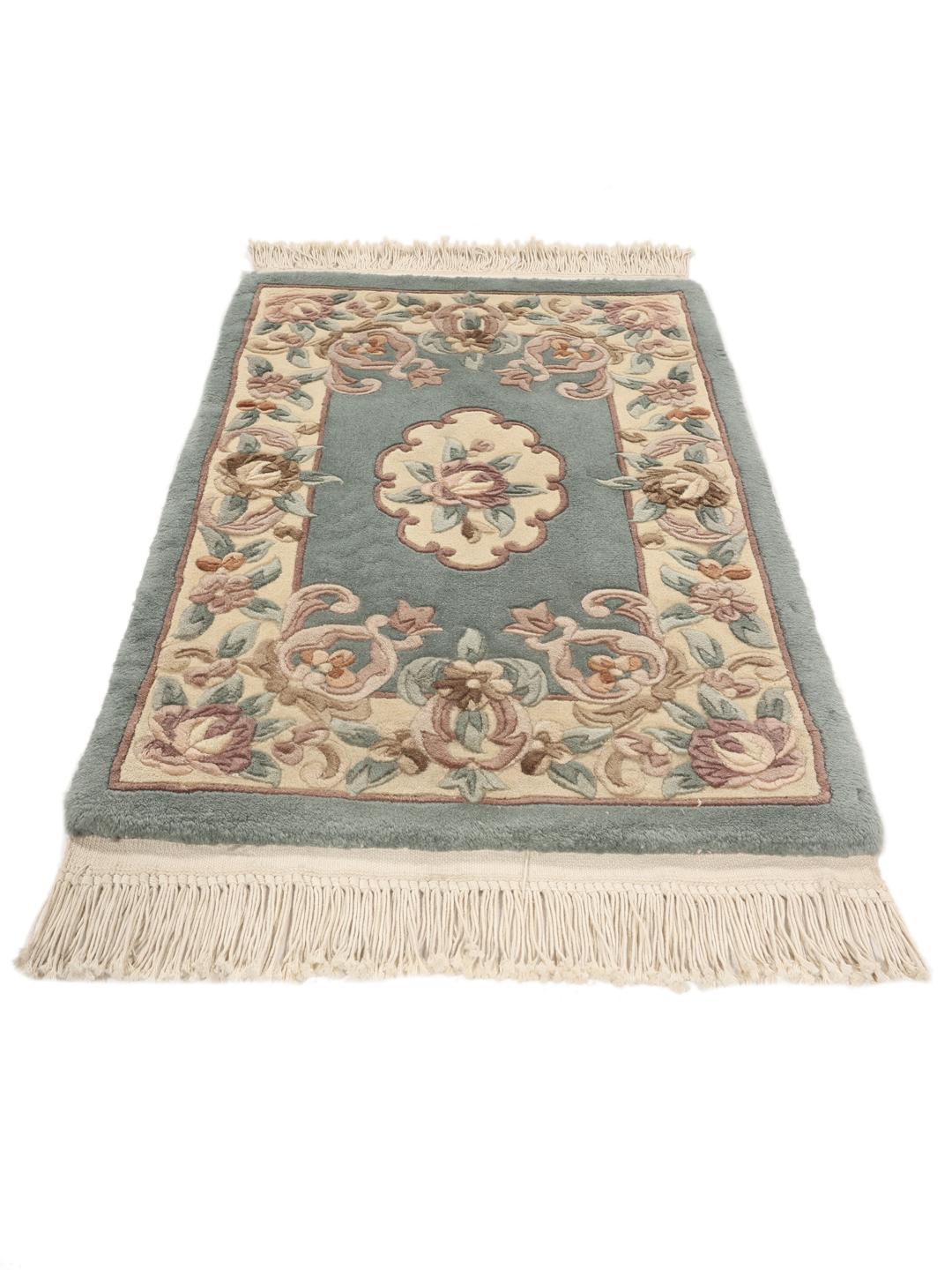
Chinese rug weaving has a history that spans centuries, evolving from the production of functional floor coverings for palaces and temples into a celebrated art form. The traditions associated with this region are known for their sophisticated use of space and their ability to integrate nature-inspired motifs into balanced, harmonious designs.
The term '90 Line' refers to a traditional measurement of quality in Chinese rug production, indicating the number of knots across a specific width. This technical standard has been a reliable benchmark for generations, ensuring that the resulting pile is sufficiently dense to hold intricate patterns while providing the durability required for daily use in a home environment.
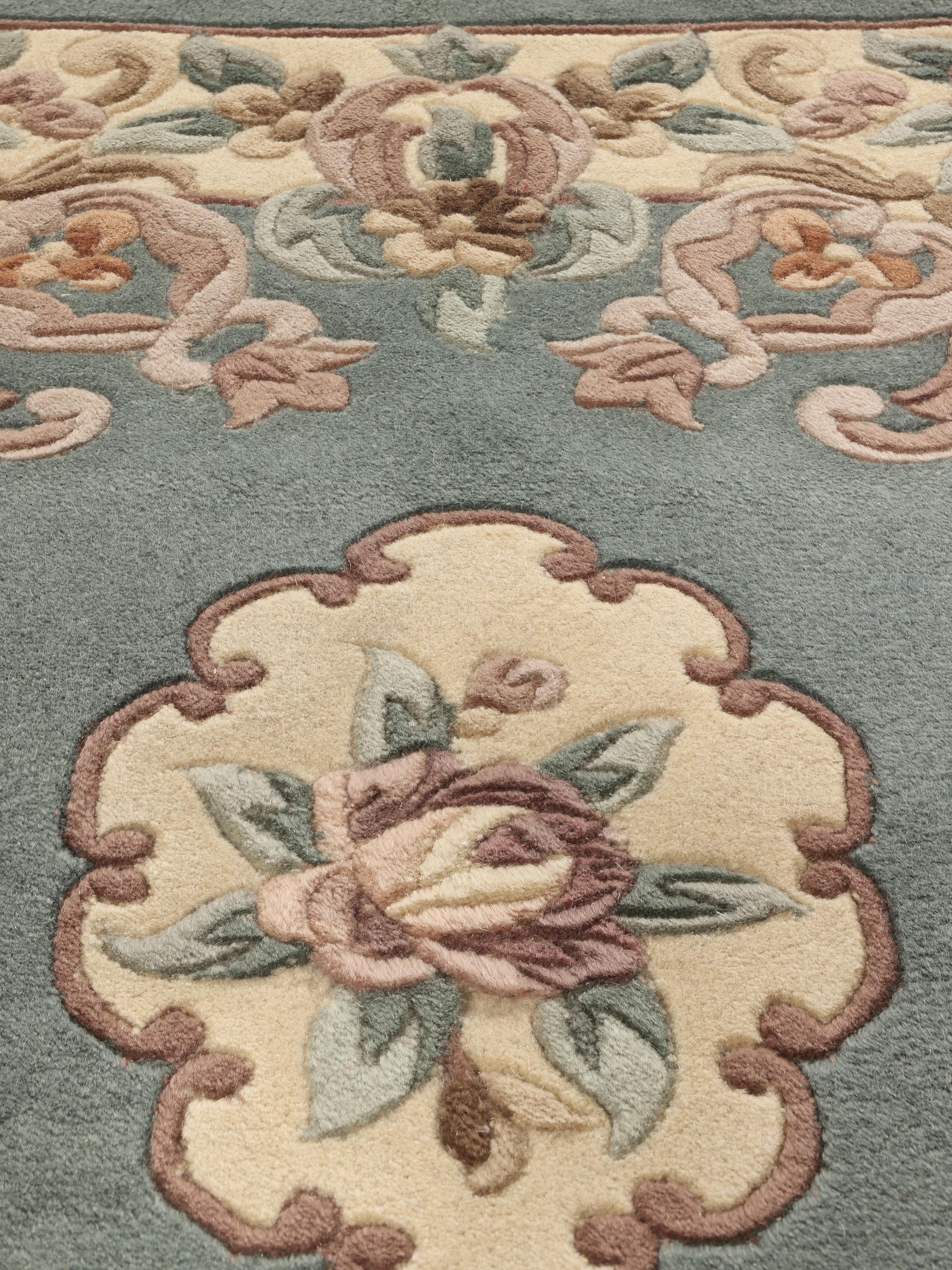
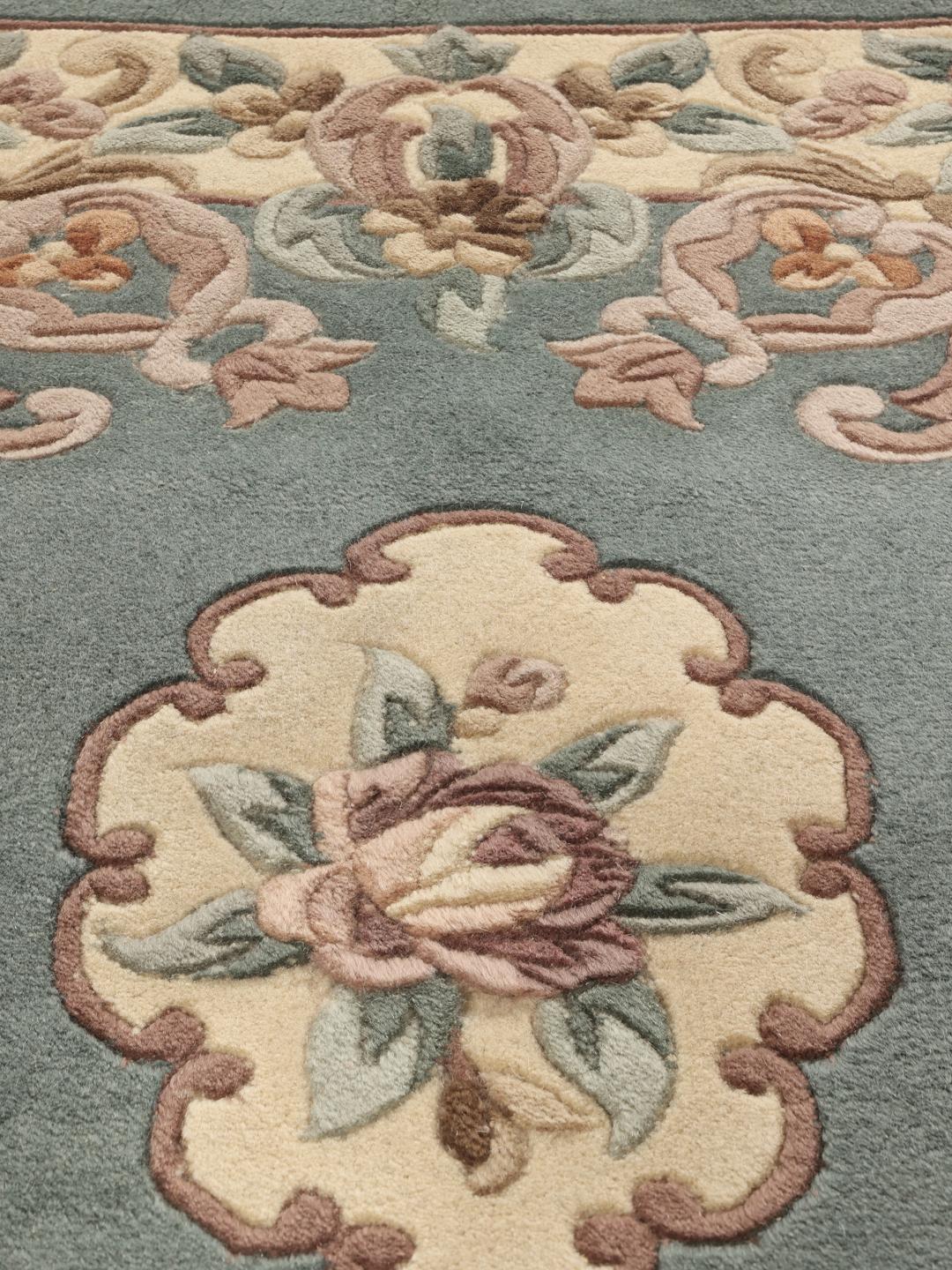
Floral patterns have long been a signature element of Chinese weaving, often drawing inspiration from classic motifs such as peonies, lotus flowers, and scrolling vines. These designs are not merely decorative but are deeply rooted in cultural symbolism, representing prosperity, beauty, and the natural cycle of the seasons.
Collecting rugs from this tradition is an investment in artistry and heritage. Because each piece is created by hand, it carries the unique perspective and skill of the artisan, making it a valued addition to any home. Owning such a piece is an opportunity to connect with a long-standing craft that prioritises both beauty and lasting utility.