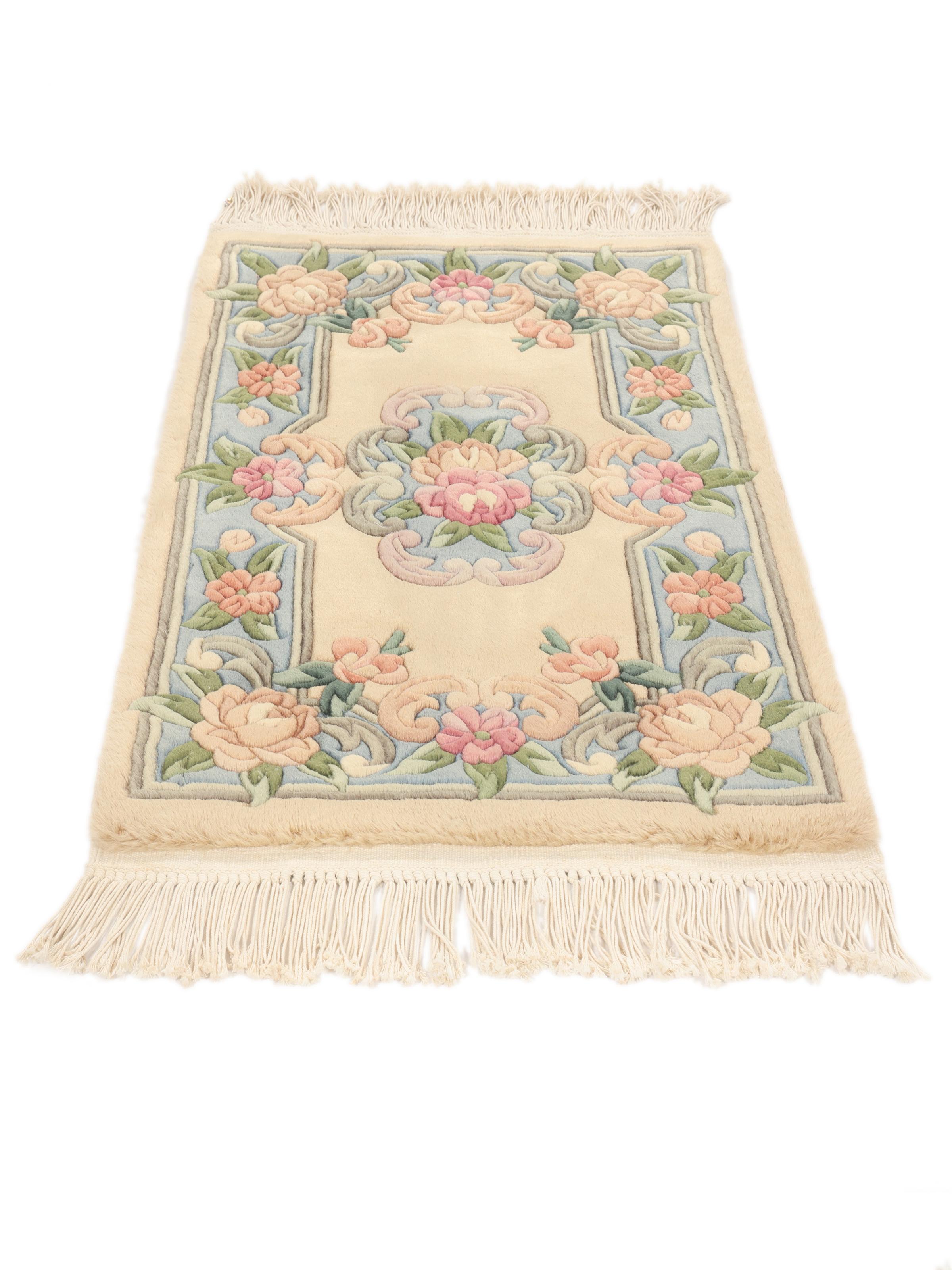
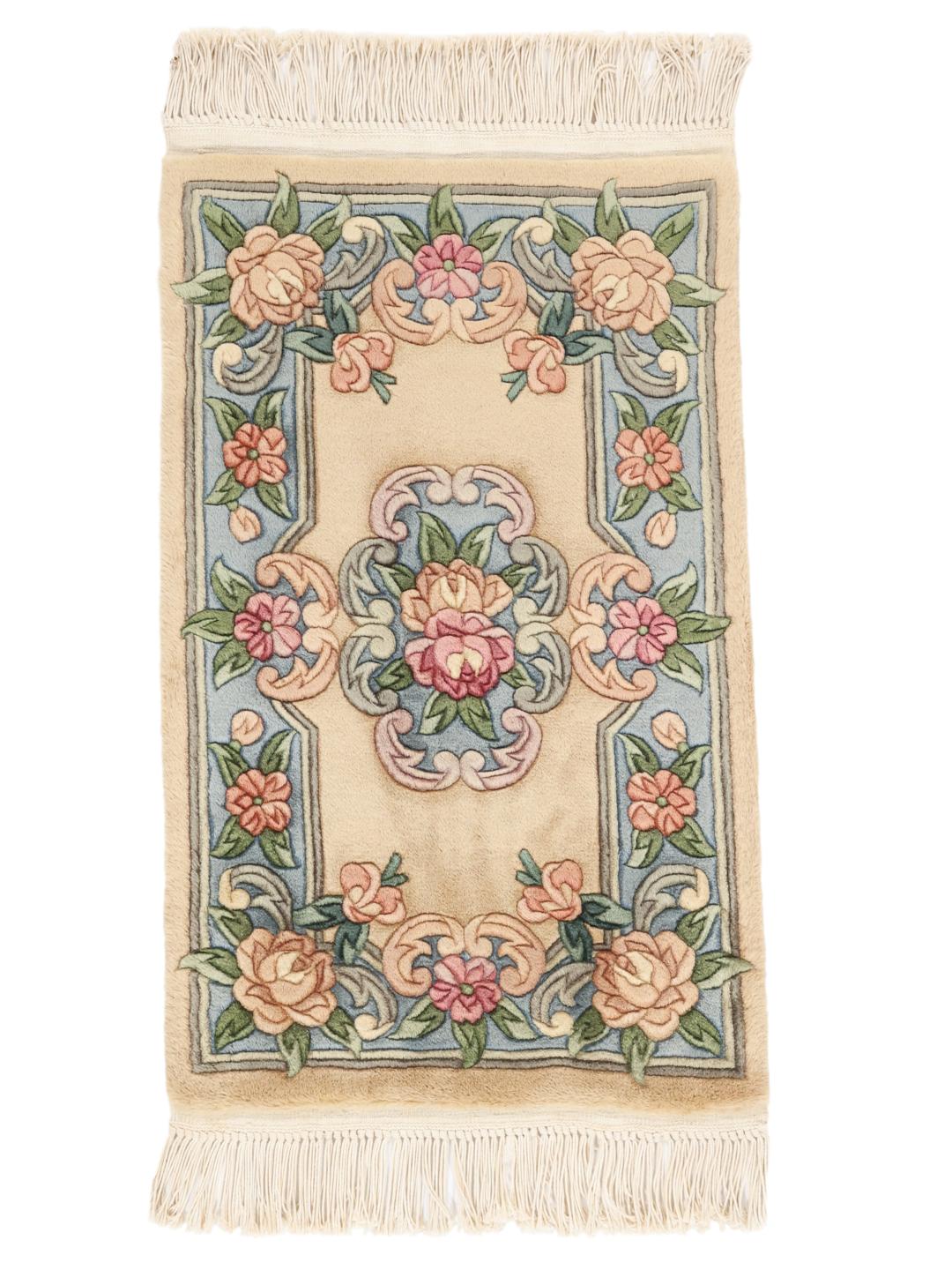
Chinese rug-making is a storied tradition that has evolved over centuries, blending local artistic sensibilities with the demands of global design. Historically, these rugs were highly prized for their symbolic motifs, often incorporating elements from nature and mythology to tell stories through pattern and colour.
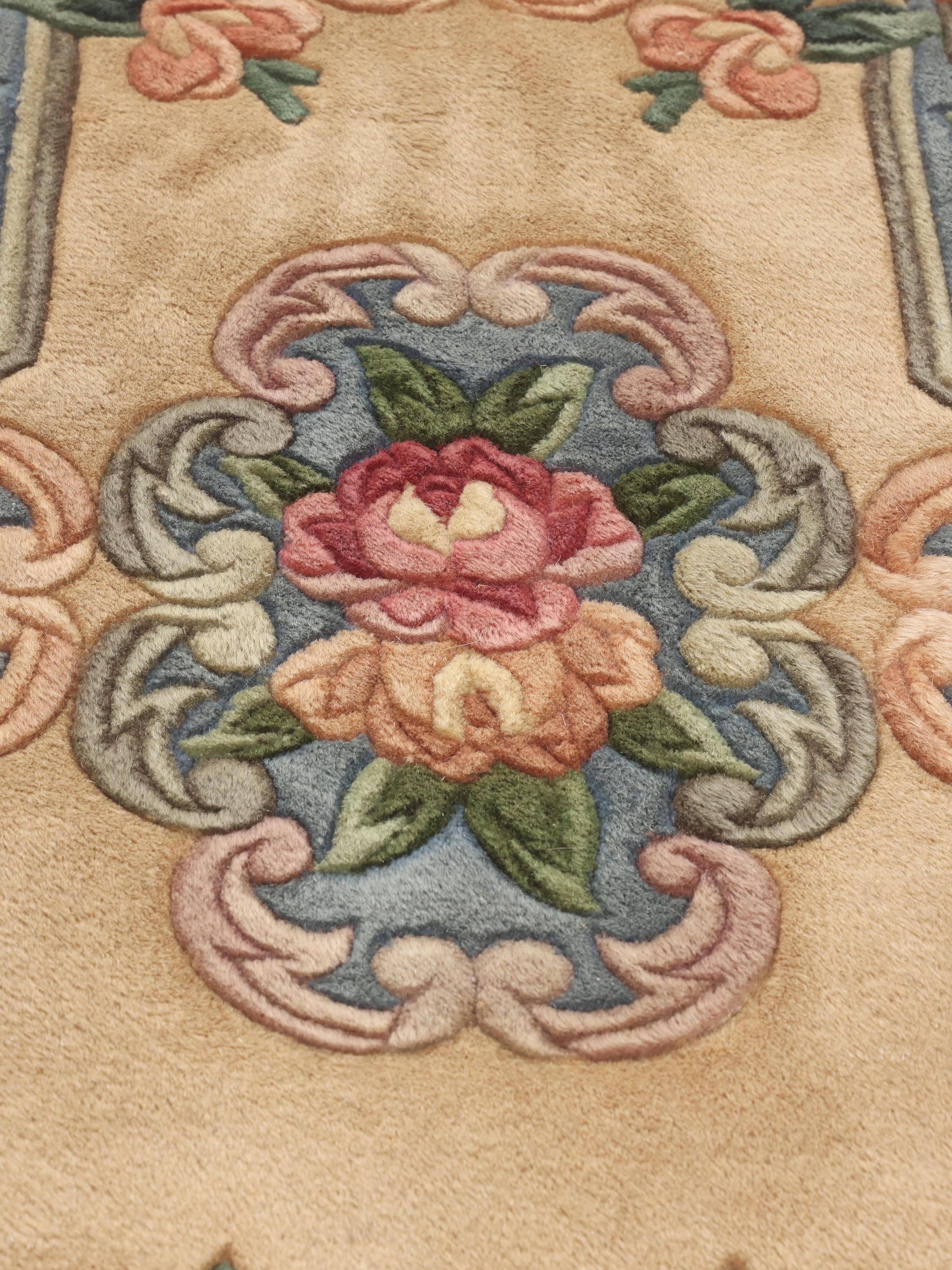
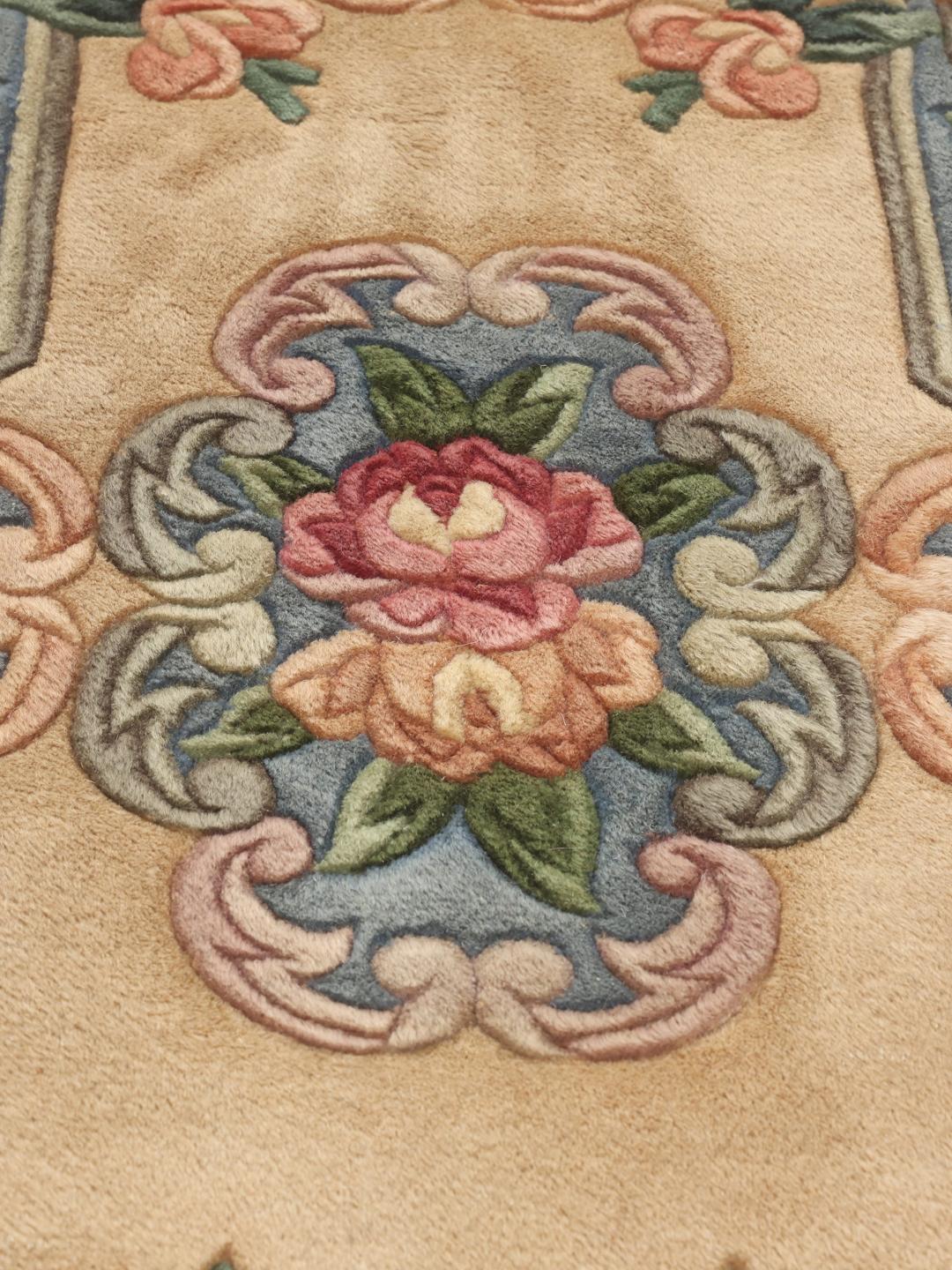
The terminology used to describe these rugs, such as the 90 Line, refers to the traditional method of measuring the fineness of the weave. This system indicates the number of warp threads found within a specific width, which directly correlates to the clarity of the design and the density of the pile. A higher line count allows for more sophisticated, fluid patterns and a more substantial feel underfoot.
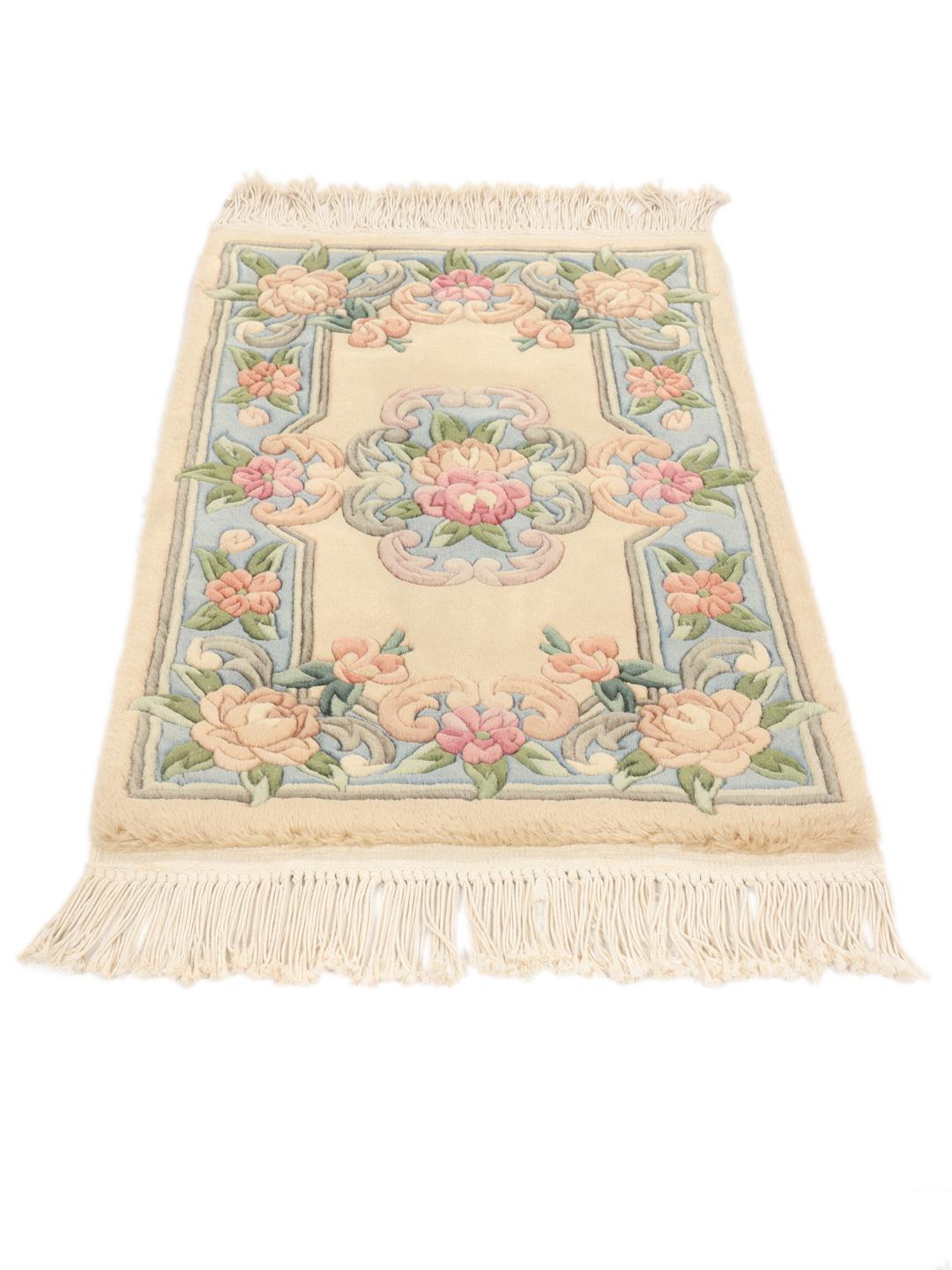
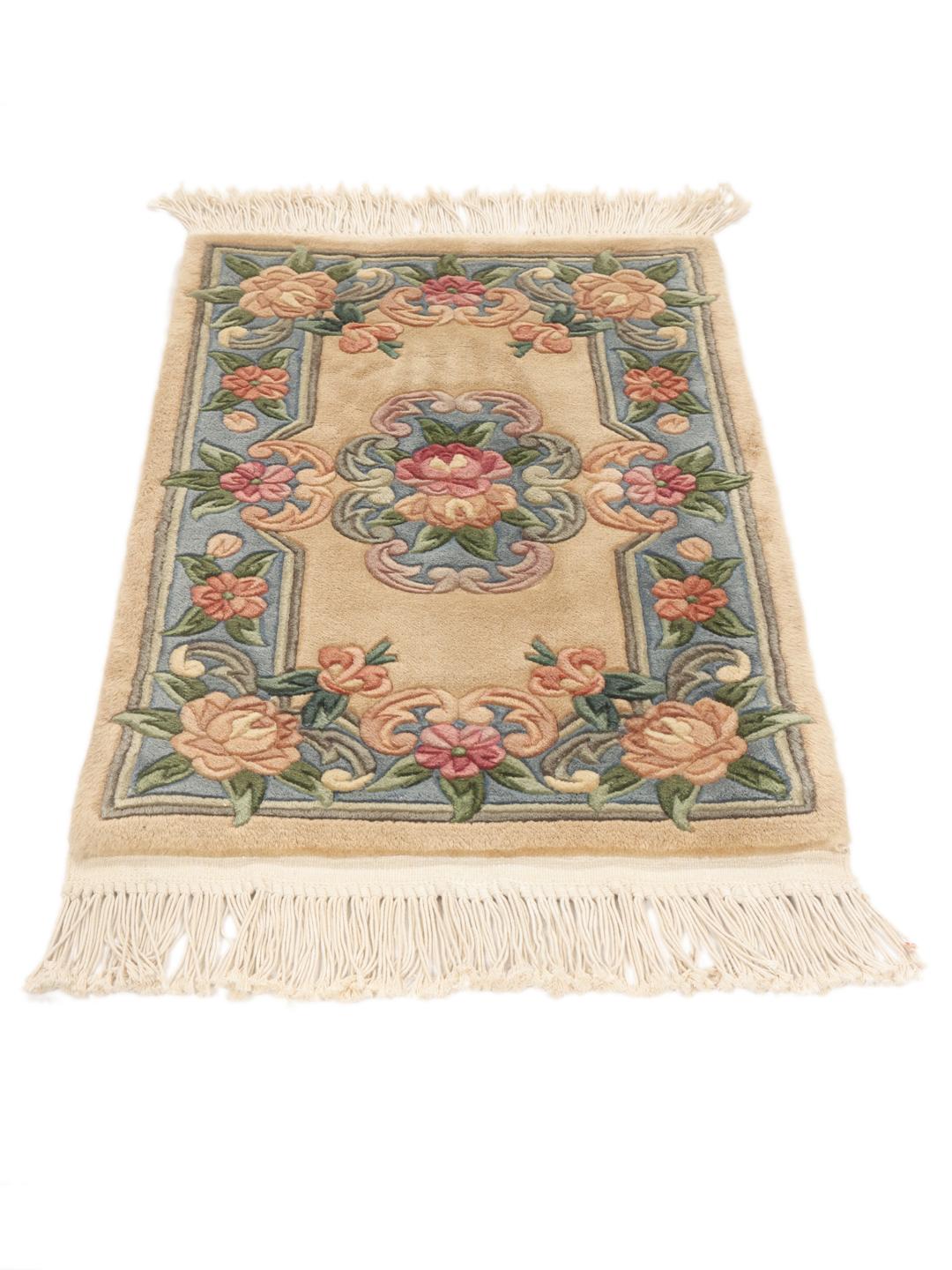
Signature design elements in this category often feature floral arrangements, lotus blossoms, and scrolling vines, which are frequently framed by clean, structured borders. The use of a central medallion is a classic trope, designed to draw the eye and provide a sense of balance, while the colour palettes are typically chosen to evoke serenity and grace.
Collecting these rugs is an investment in cultural heritage, as they represent a bridge between ancient craftsmanship and contemporary home styling. Owning a piece from this tradition means you are preserving a craft that relies on human touch and patience, resulting in a floor covering that carries a sense of history and a level of quality that is increasingly rare in the modern world.