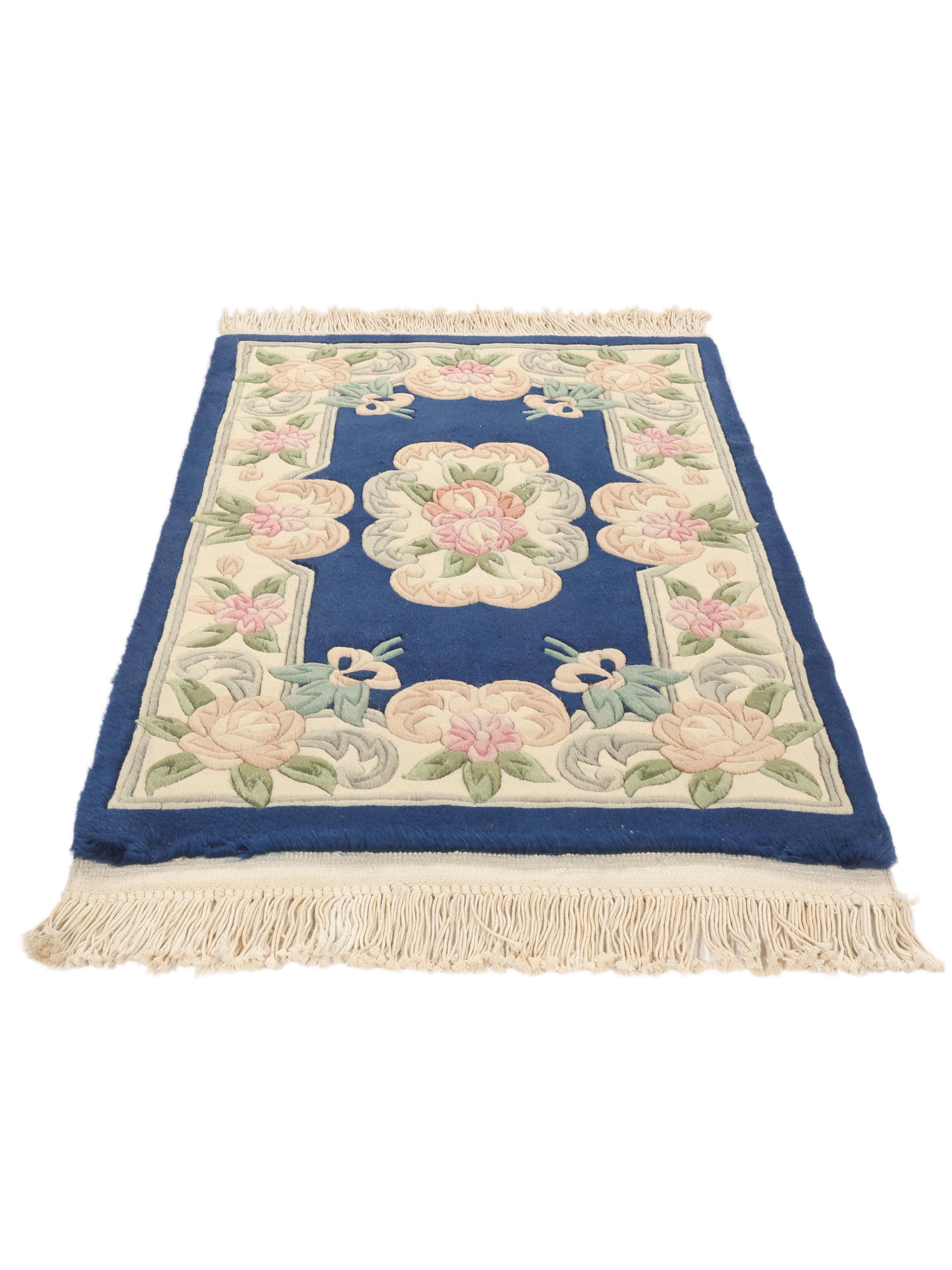
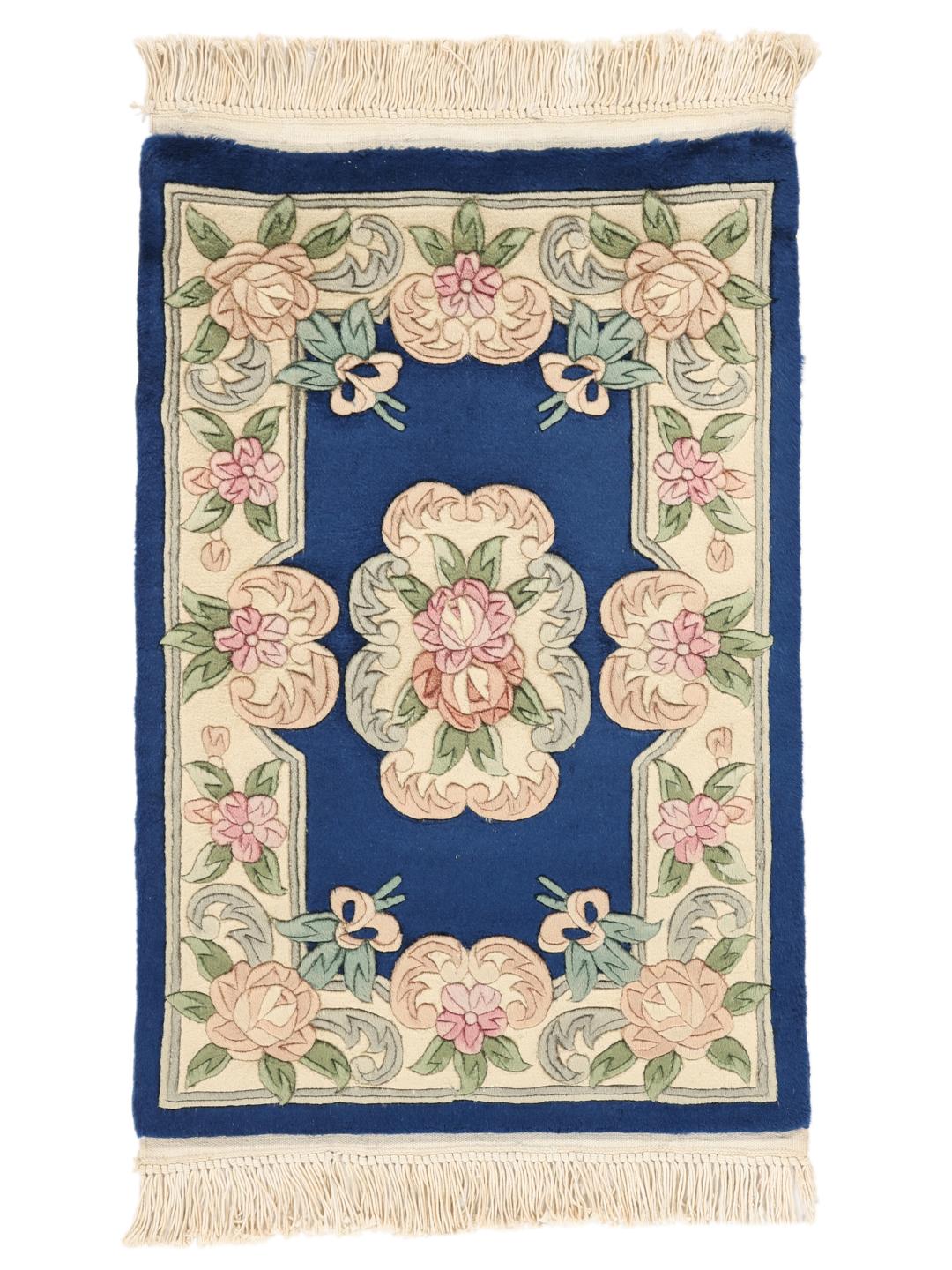
The history of Chinese rug weaving is a narrative of profound artistry that spans centuries. While these rugs were historically crafted for imperial palaces and religious temples, the tradition has evolved to incorporate a unique aesthetic that blends native motifs with global design influences, resulting in the sophisticated styles we recognise today.
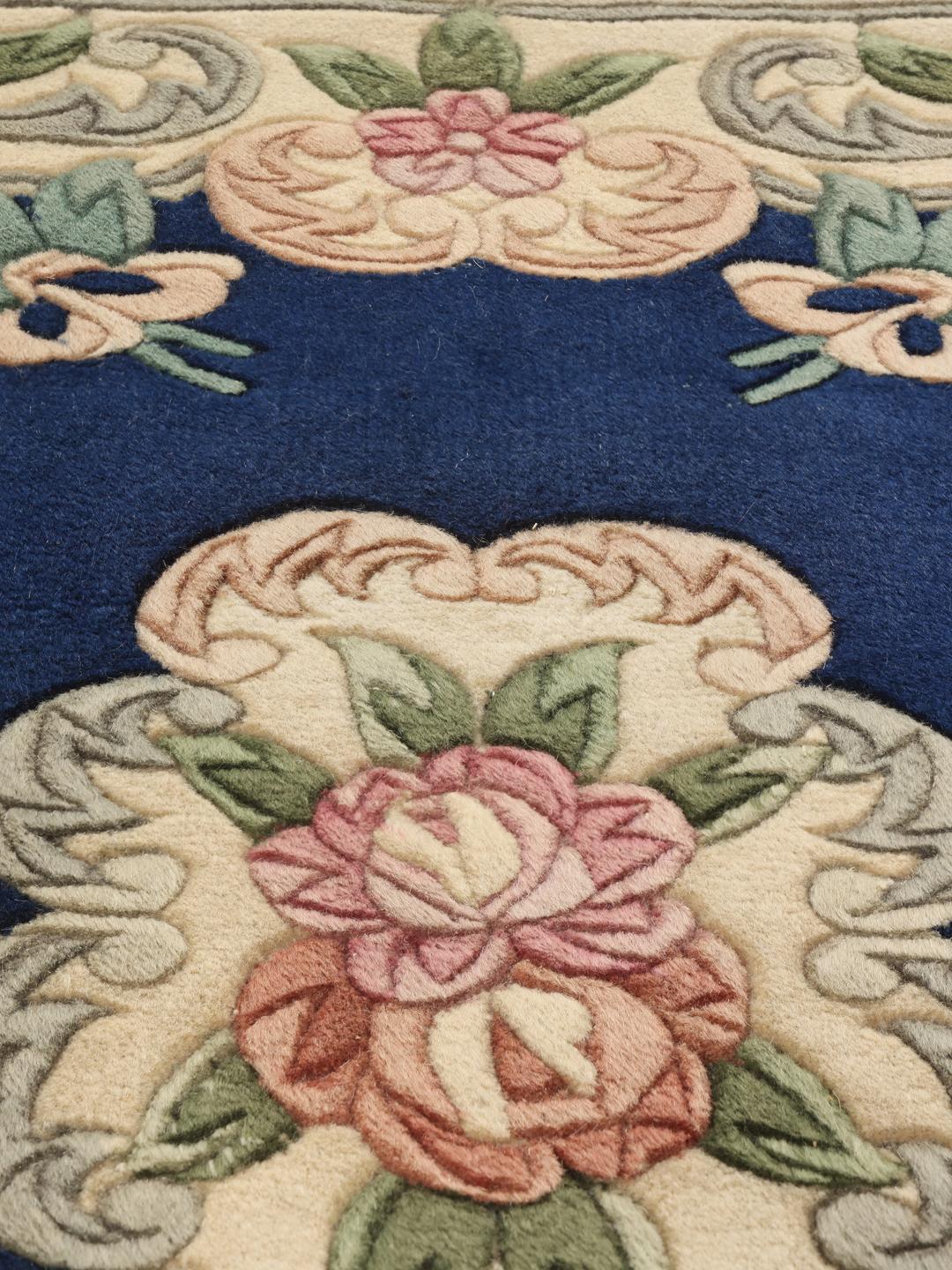
The 90-line designation refers to a specific traditional measurement system used in Chinese rug making, indicating the density of the weave. This technical standard ensures a consistent and sturdy pile, which is essential for achieving the sharp, clean lines often found in these floral-inspired patterns.
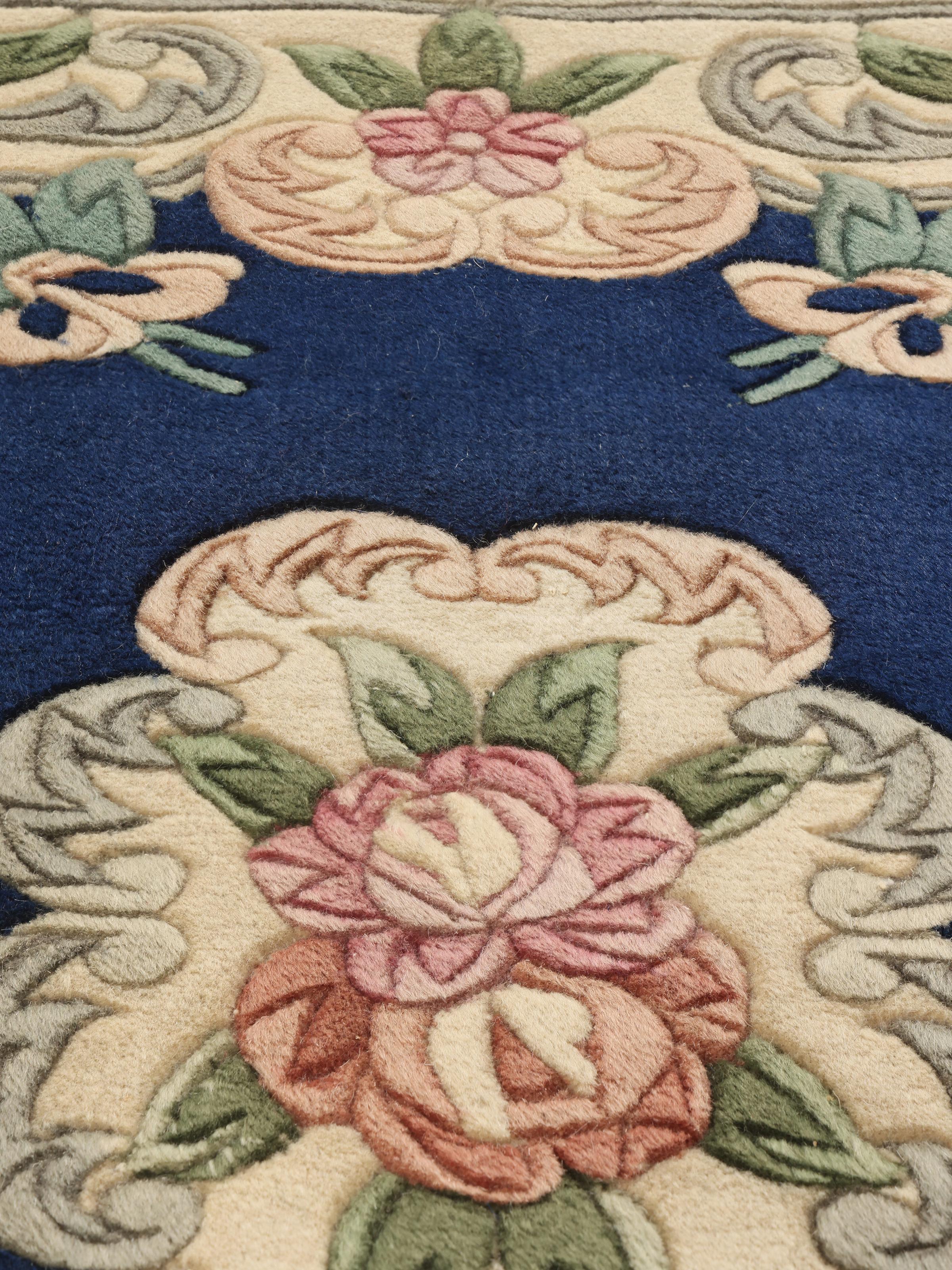
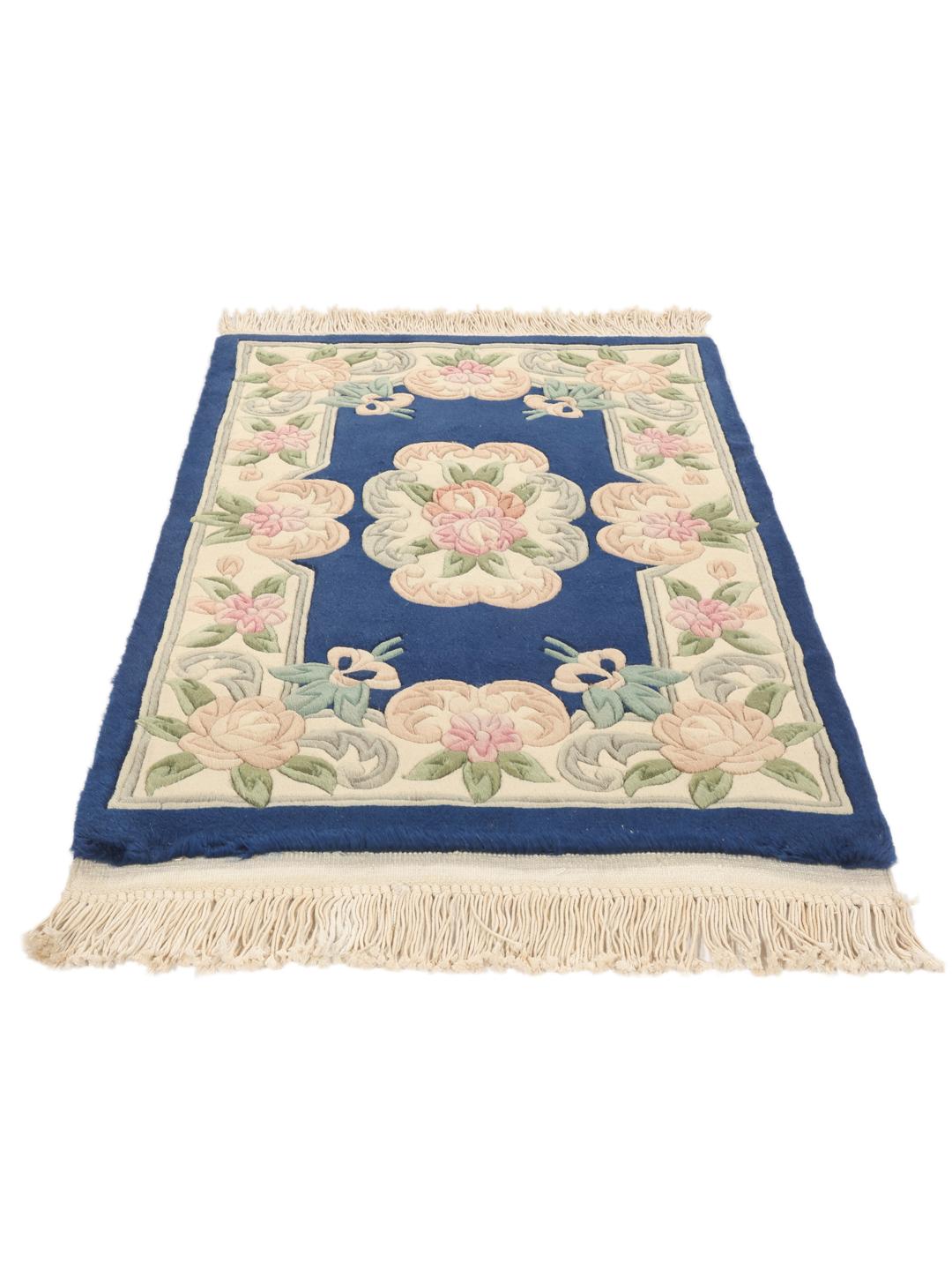
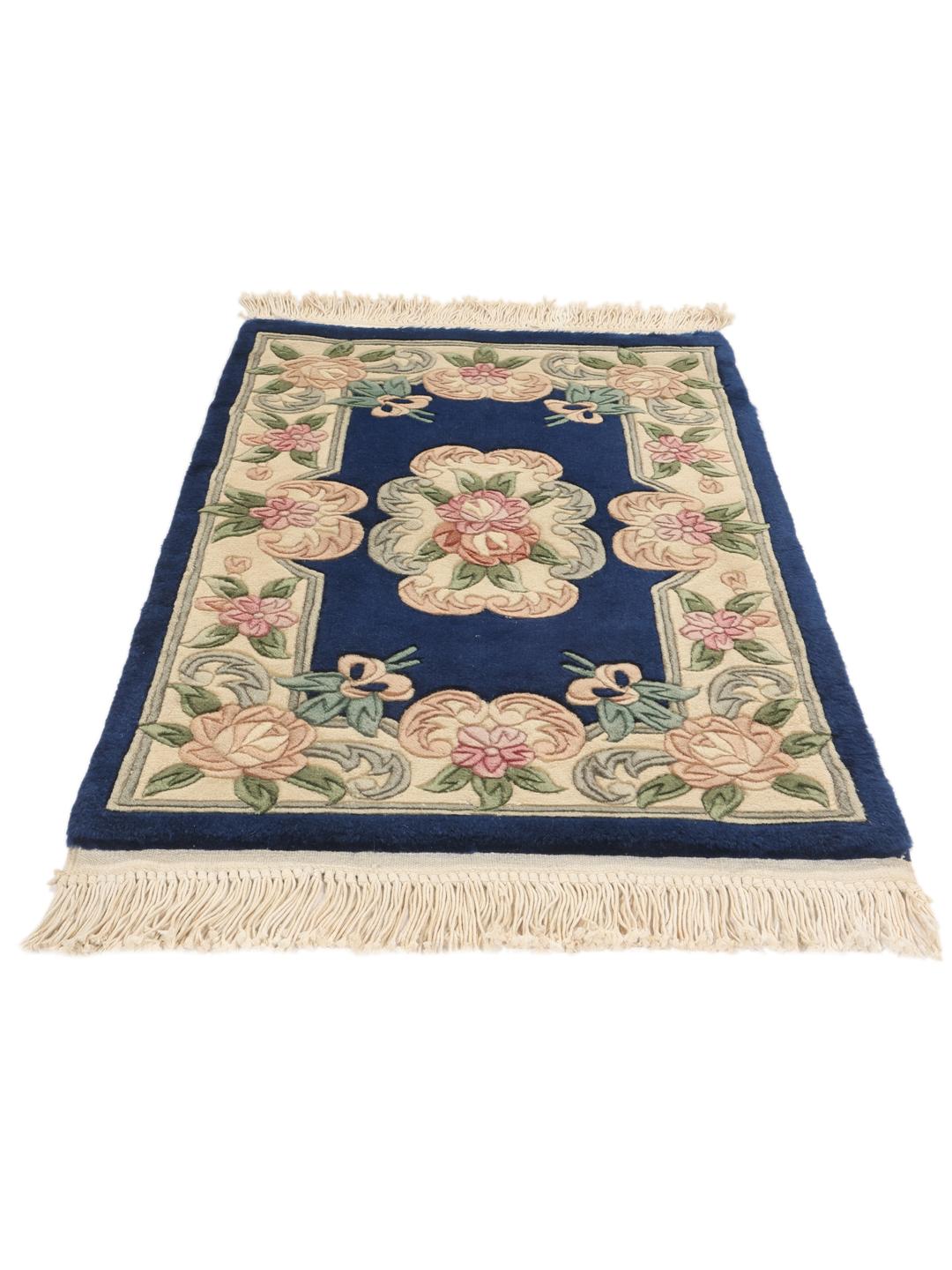
Chinese rugs are renowned for their signature use of deeply symbolic botanical motifs. You will often find depictions of peonies, chrysanthemums, and lotus blossoms, which are not merely decorative but carry cultural meanings of prosperity, purity, and longevity. The borders are typically formal and balanced, framing the central field to create a sense of complete visual order.
Owning a hand-knotted rug from this region is an investment in human skill and cultural heritage. These pieces are highly valued by collectors for their ability to balance intricate detail with a serene, clean appearance. By bringing one into your home, you are preserving a legacy of craft that has been passed down through generations of skilled artisans.