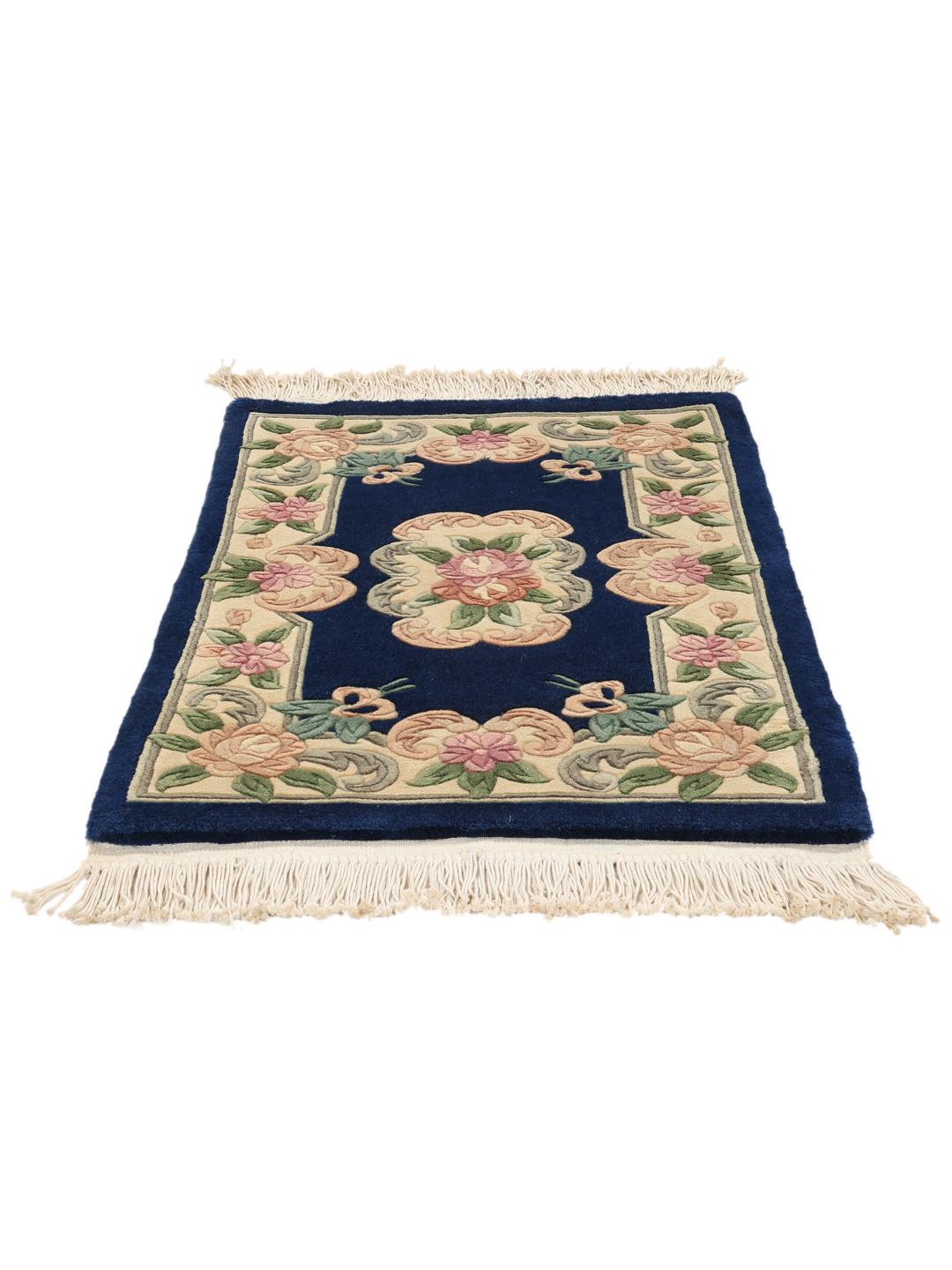
Chinese rug-making is an ancient art form that has evolved over centuries, blending local aesthetic traditions with sophisticated technical skills. Historically, rugs from this region were often commissioned for imperial use, and the techniques developed in these workshops have been passed down through generations, resulting in the distinct, high-quality pieces we admire today.
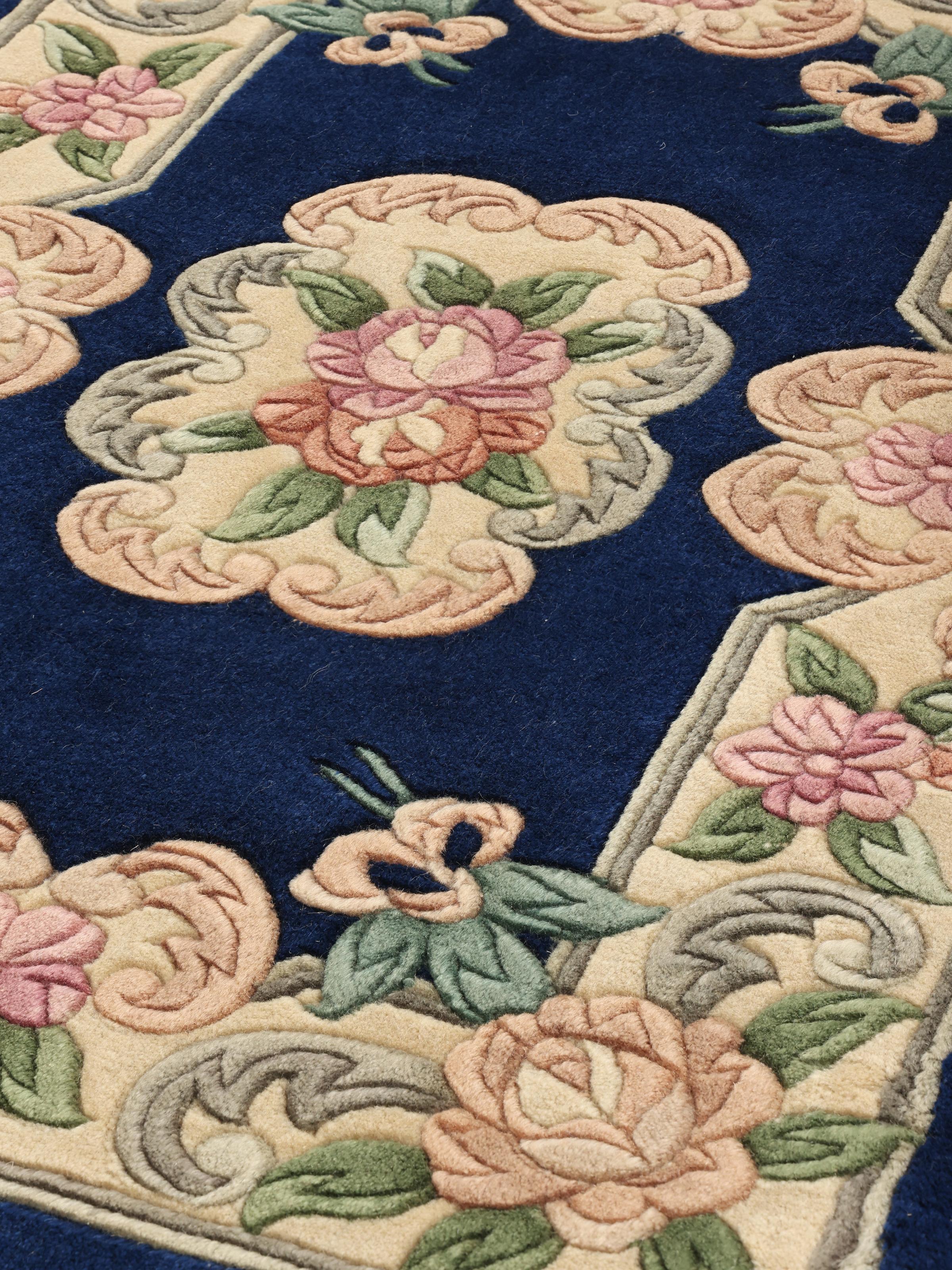
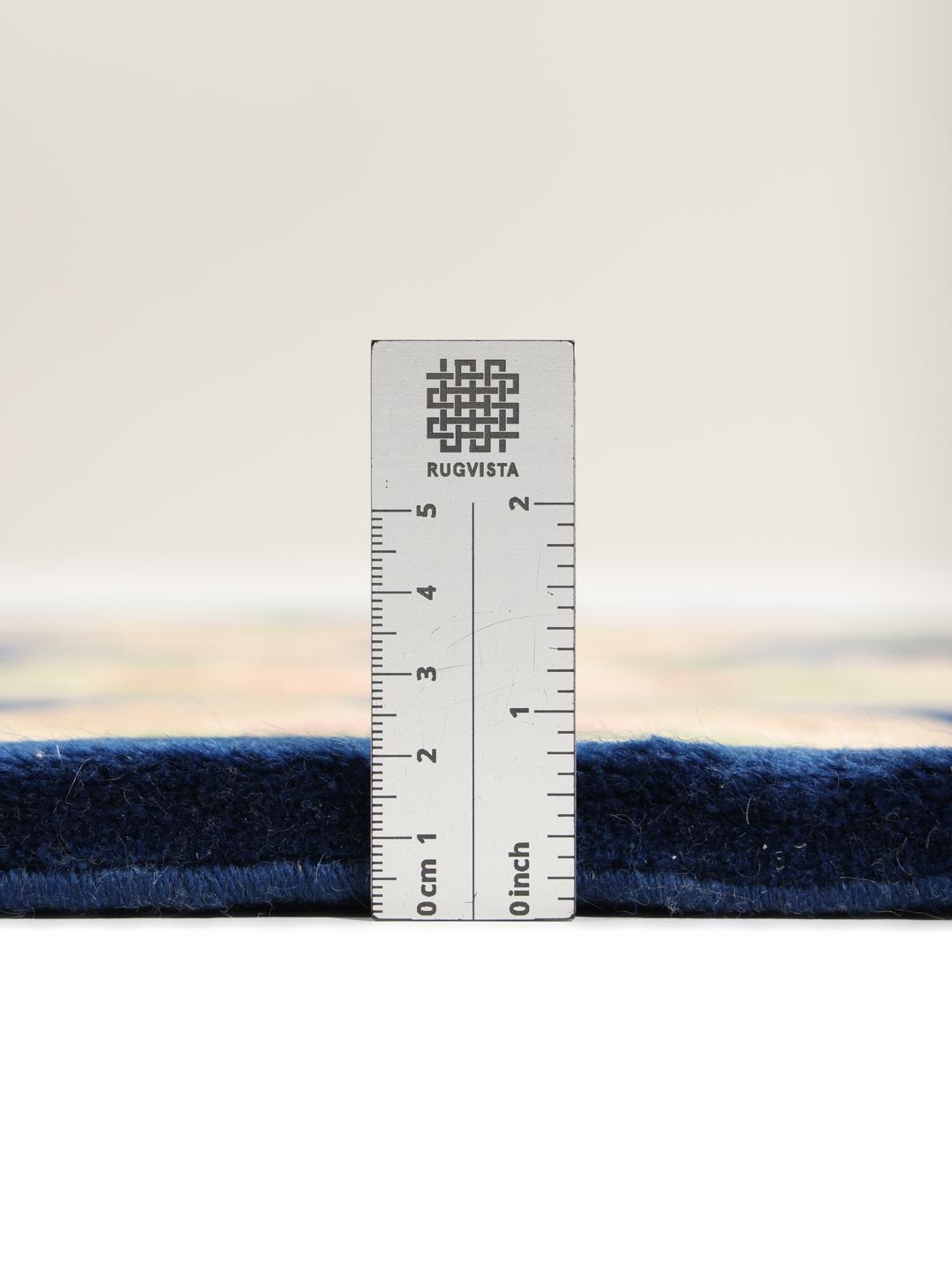
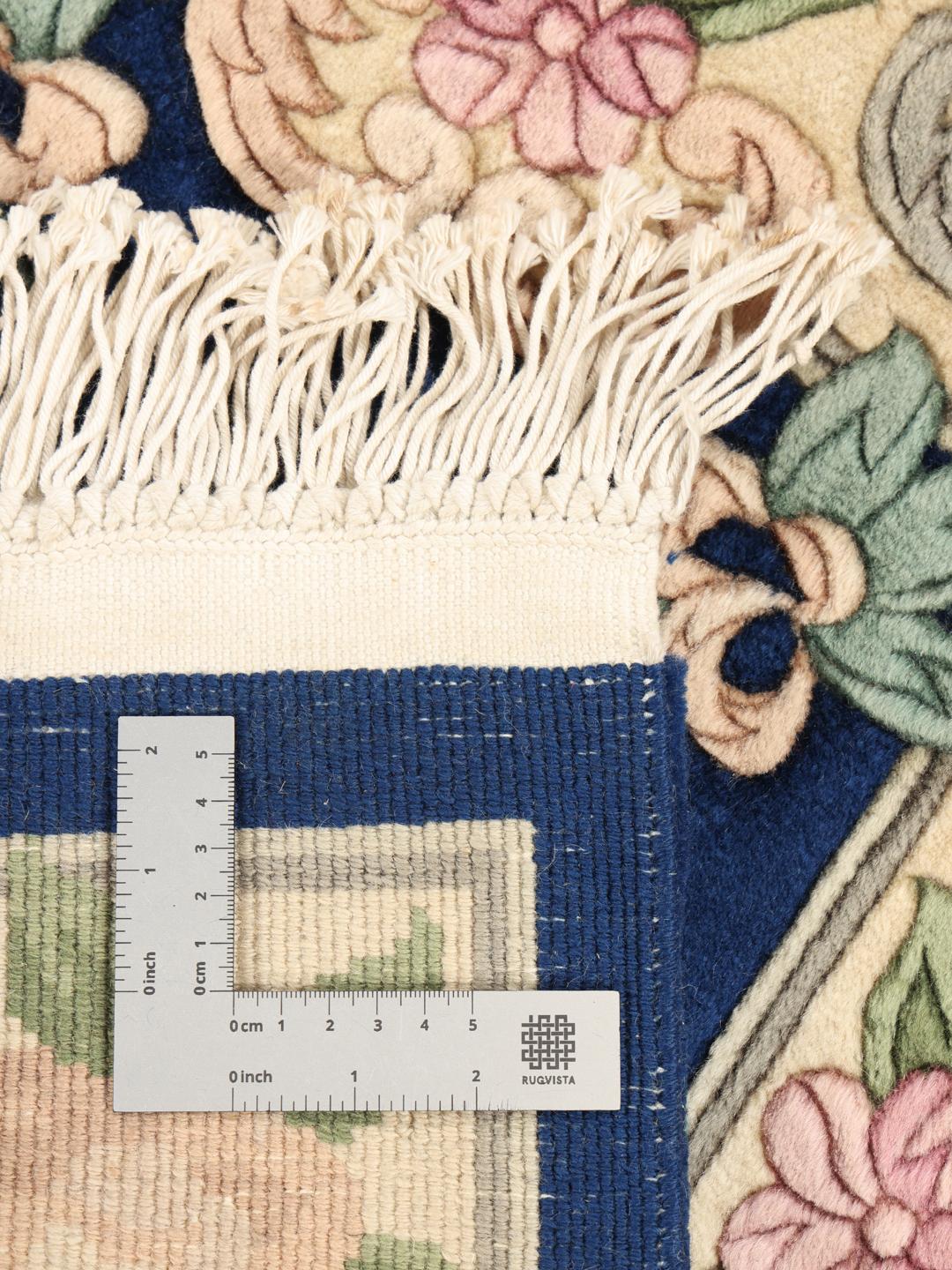
The term '90 Line' refers to a traditional method of measuring the density of the knots in a rug, which essentially tells us how many knots are present across a specific width. This specific technical standard ensures a balance between a fine, intricate design and a durable, thick pile that feels substantial and soft to the touch.
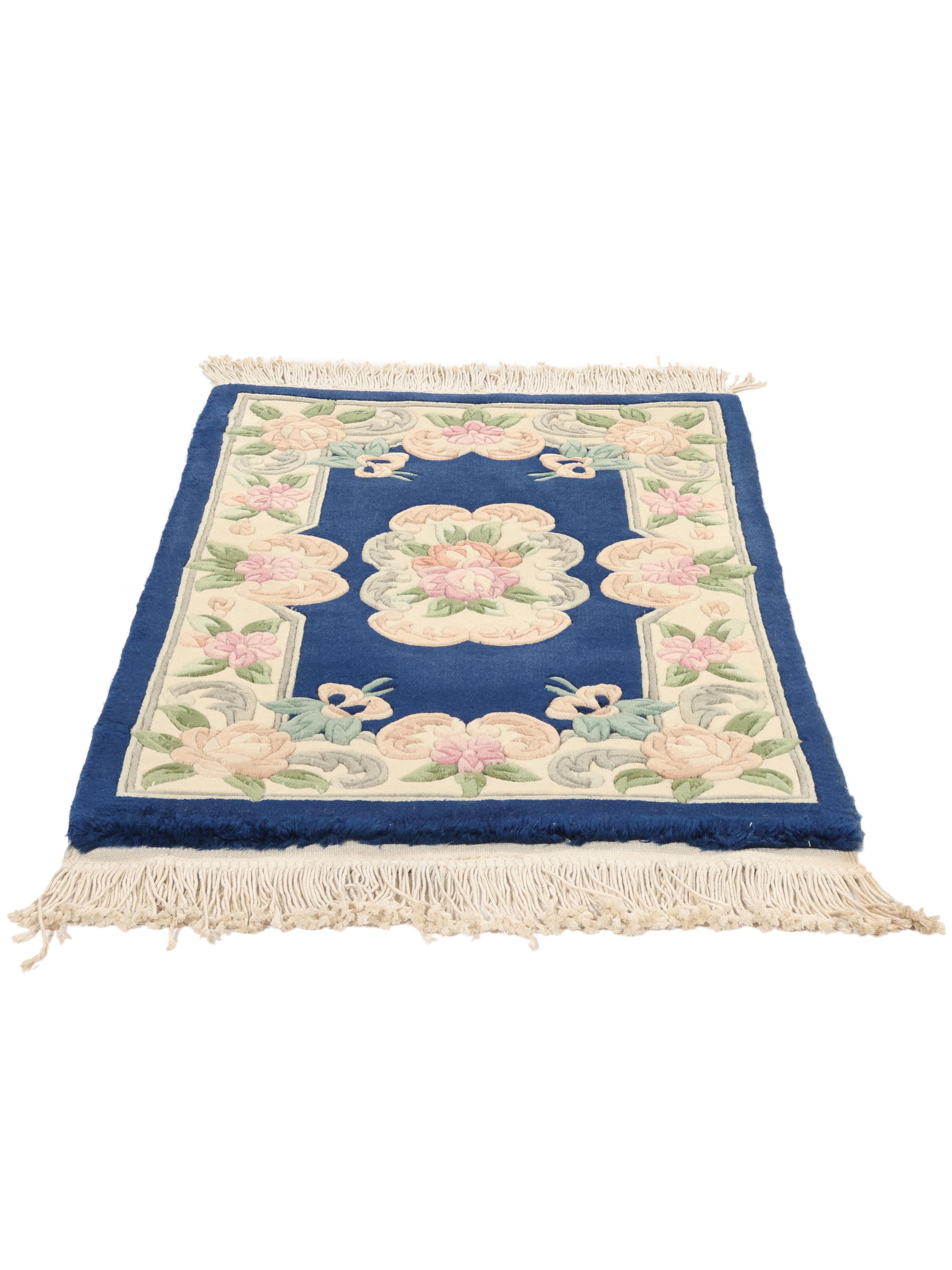
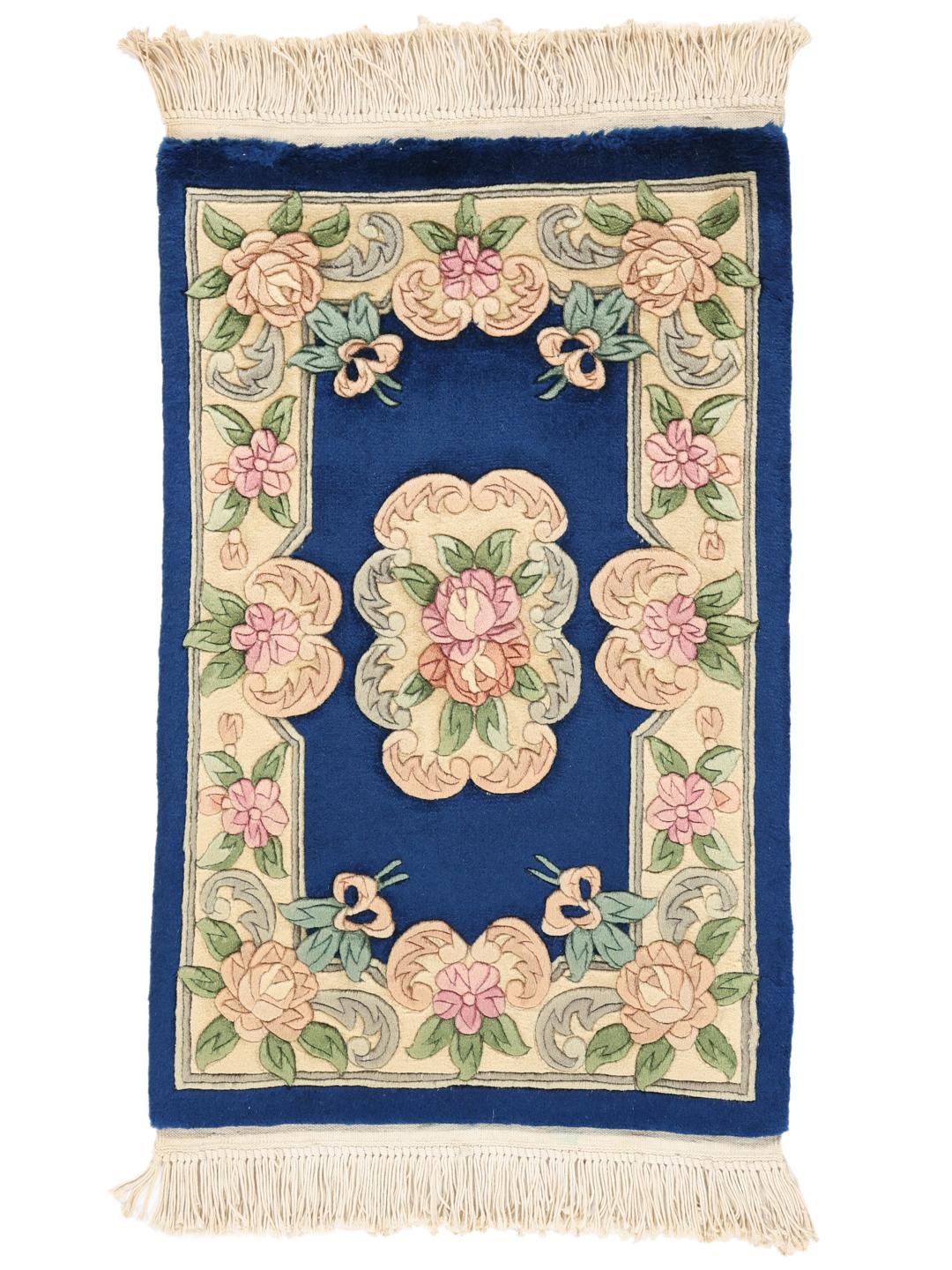
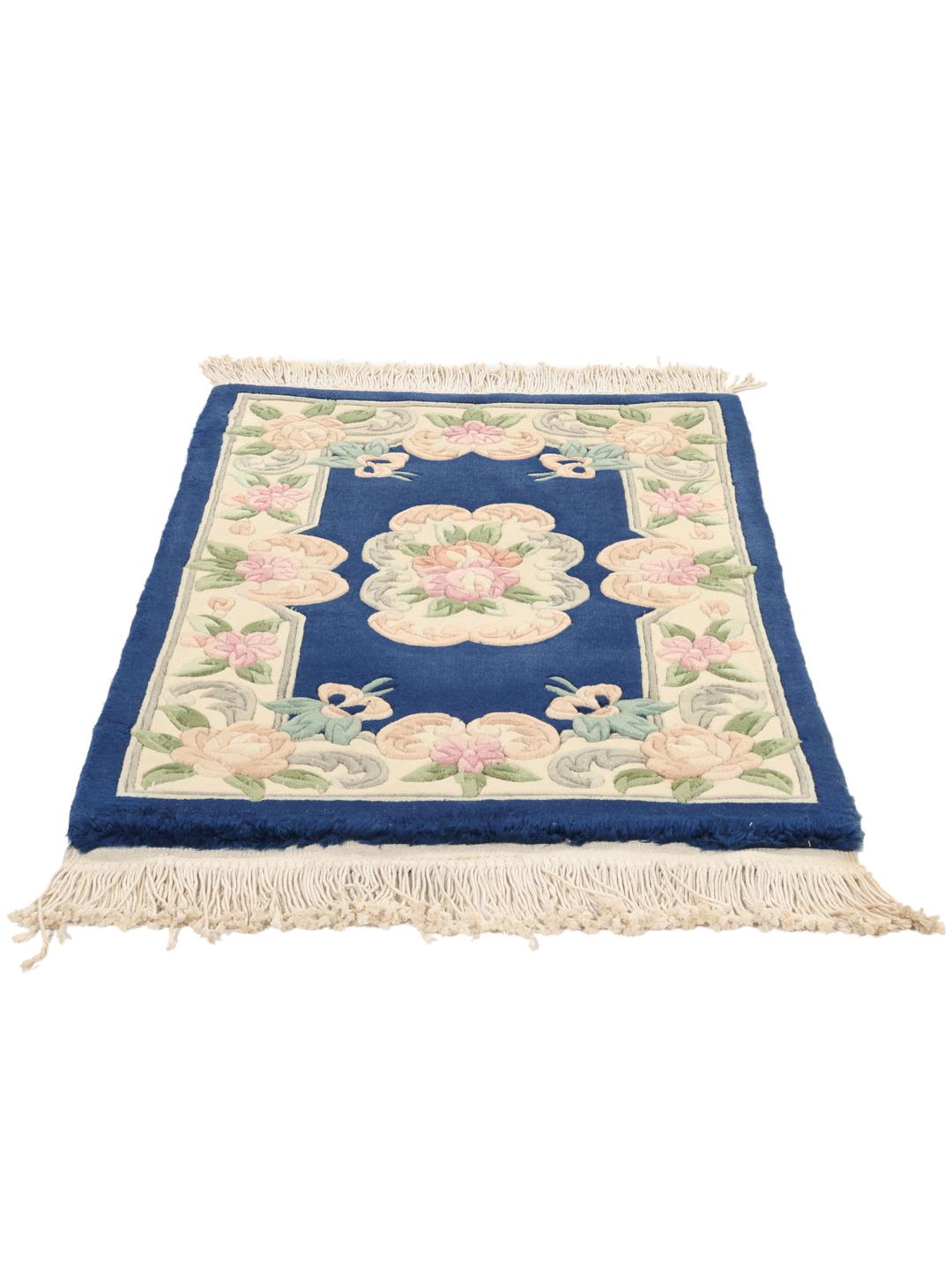
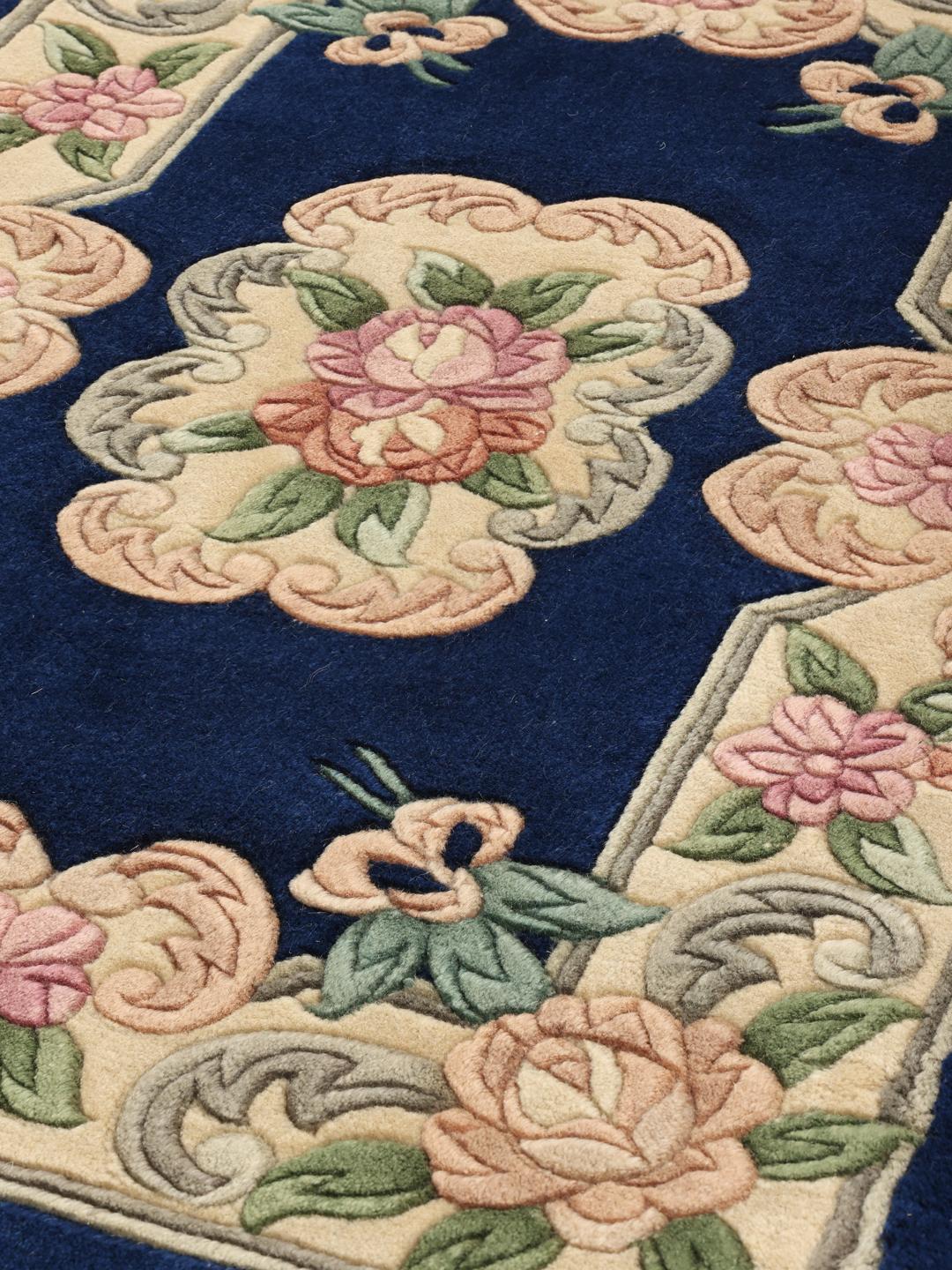
Signature elements of this tradition often include balanced, symmetrical layouts, such as the central medallion and floral borders seen here. These motifs are frequently inspired by nature and classical art, utilising a colour palette that emphasises clarity and contrast, which gives the rugs their iconic look and sense of harmony.
Owning a hand-knotted rug from this tradition is about more than just decoration; it is an appreciation of a craft that values patience and precision. These rugs are highly sought after by collectors who understand that the skill required to produce such a piece is a rare and valuable contribution to the world of interior design.