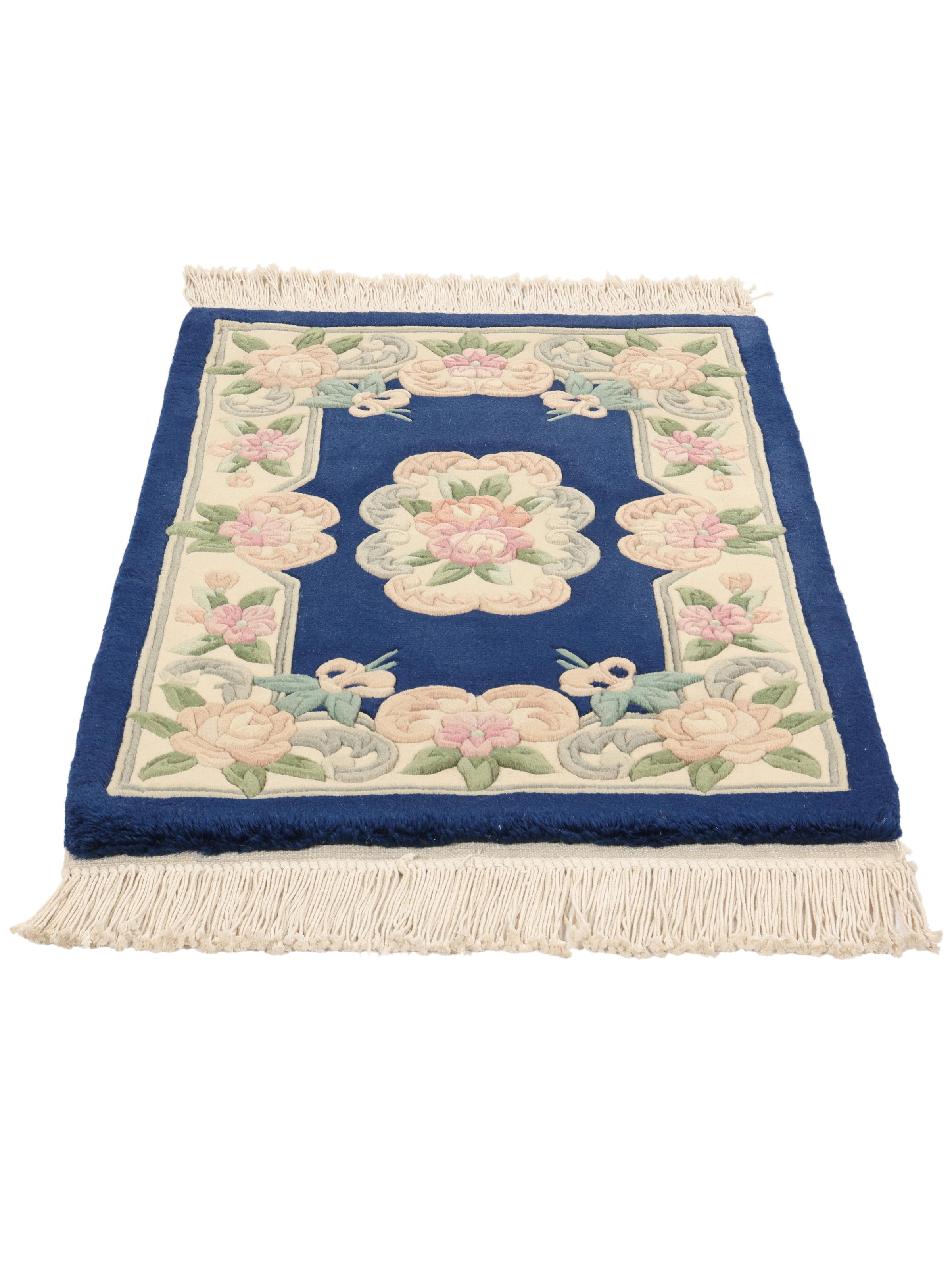
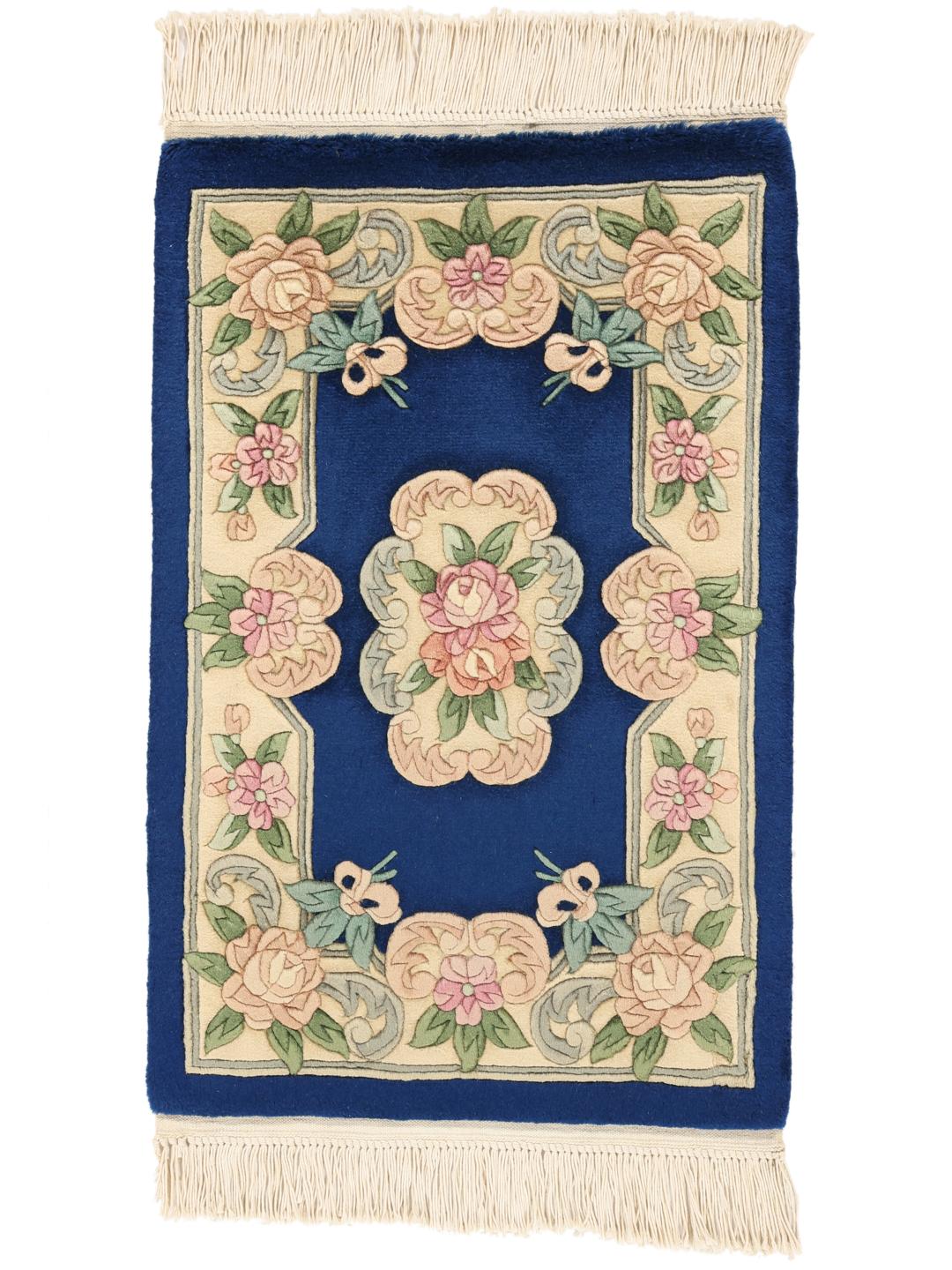
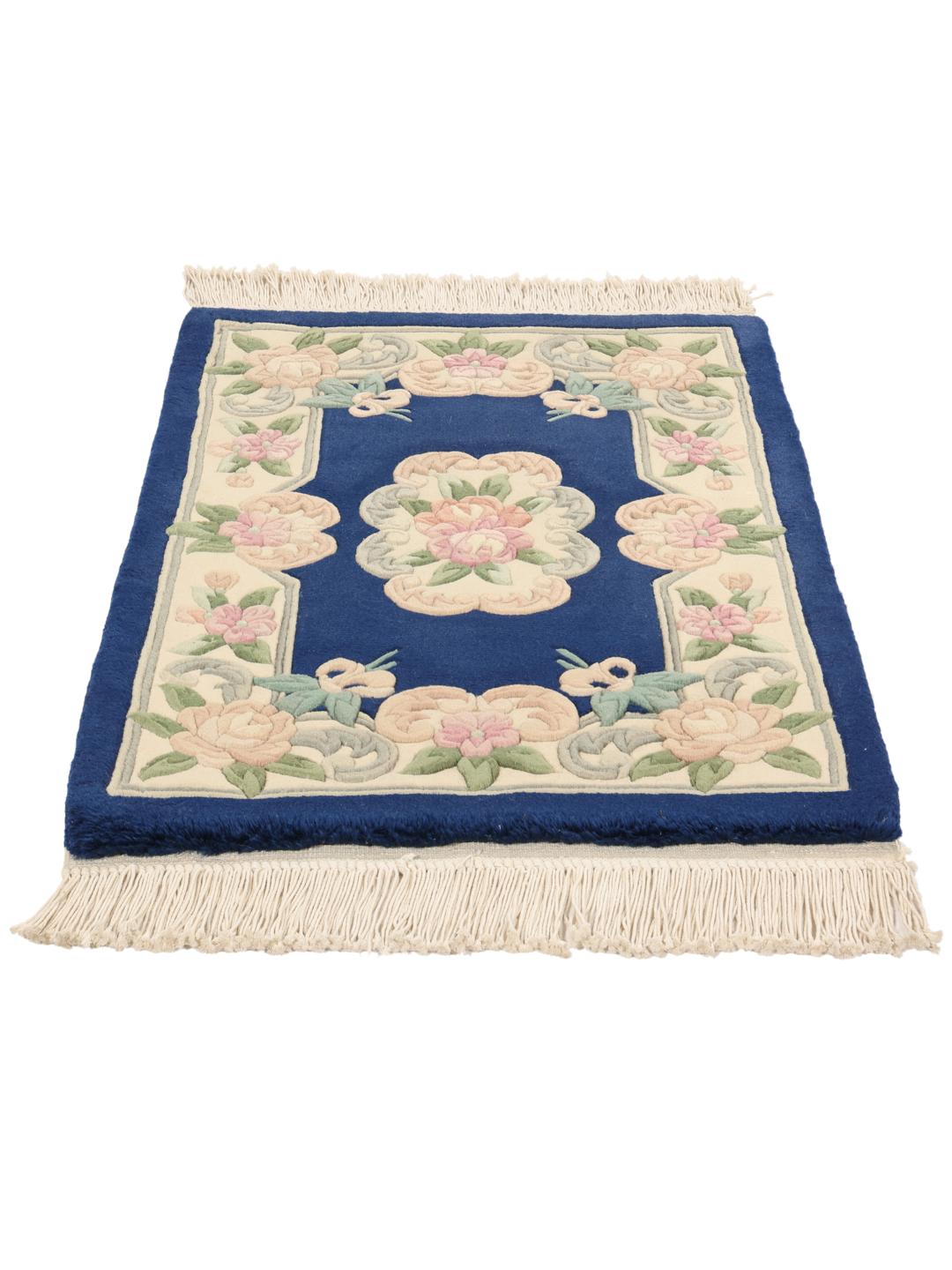
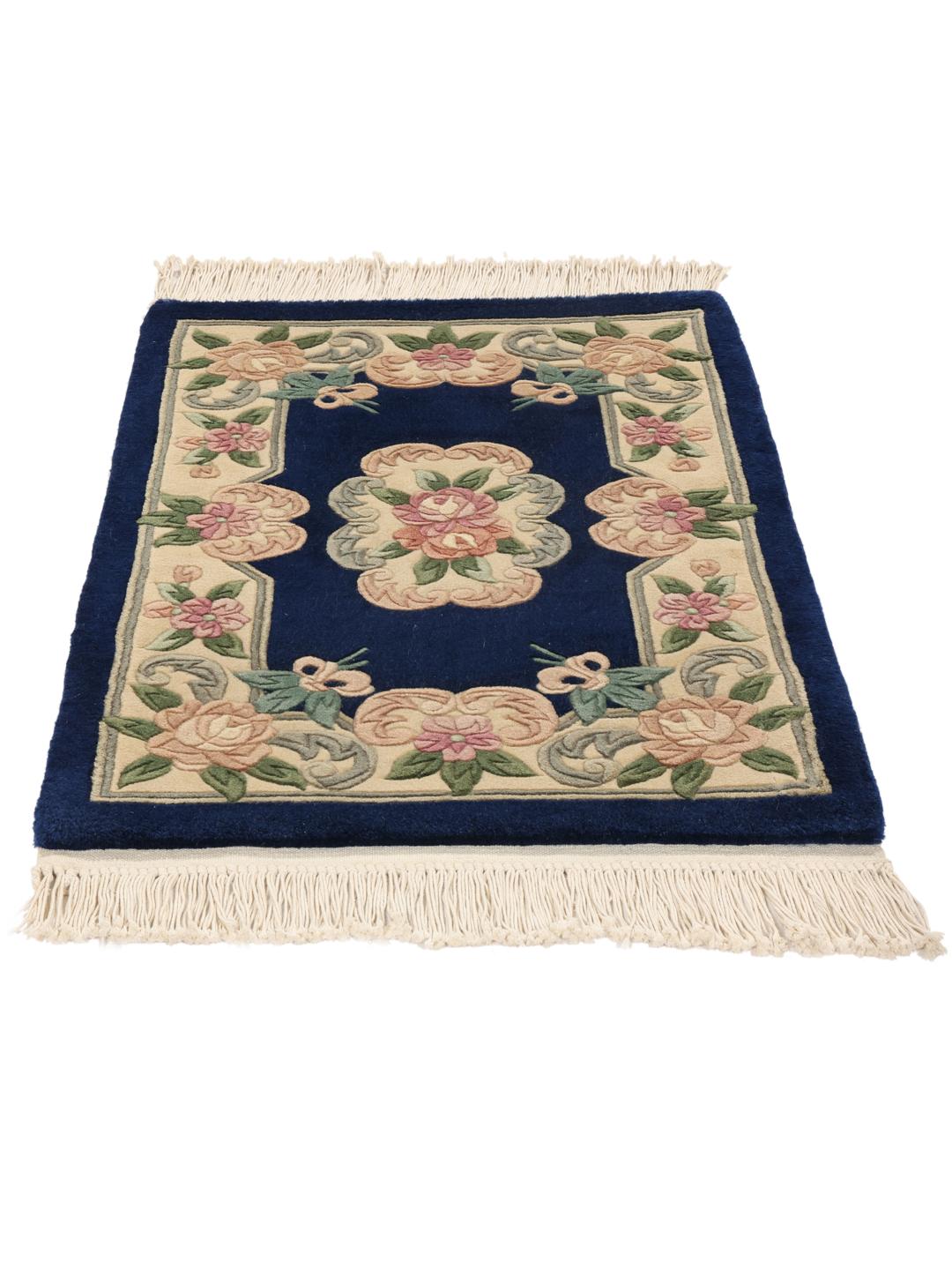
Chinese rug weaving is a tradition that spans centuries, evolving from ancient techniques used to create utilitarian mats into a sophisticated art form known globally for its distinct aesthetic. These rugs are deeply influenced by the artistic heritage of the region, often drawing inspiration from silk embroidery, porcelain patterns, and nature-inspired motifs.
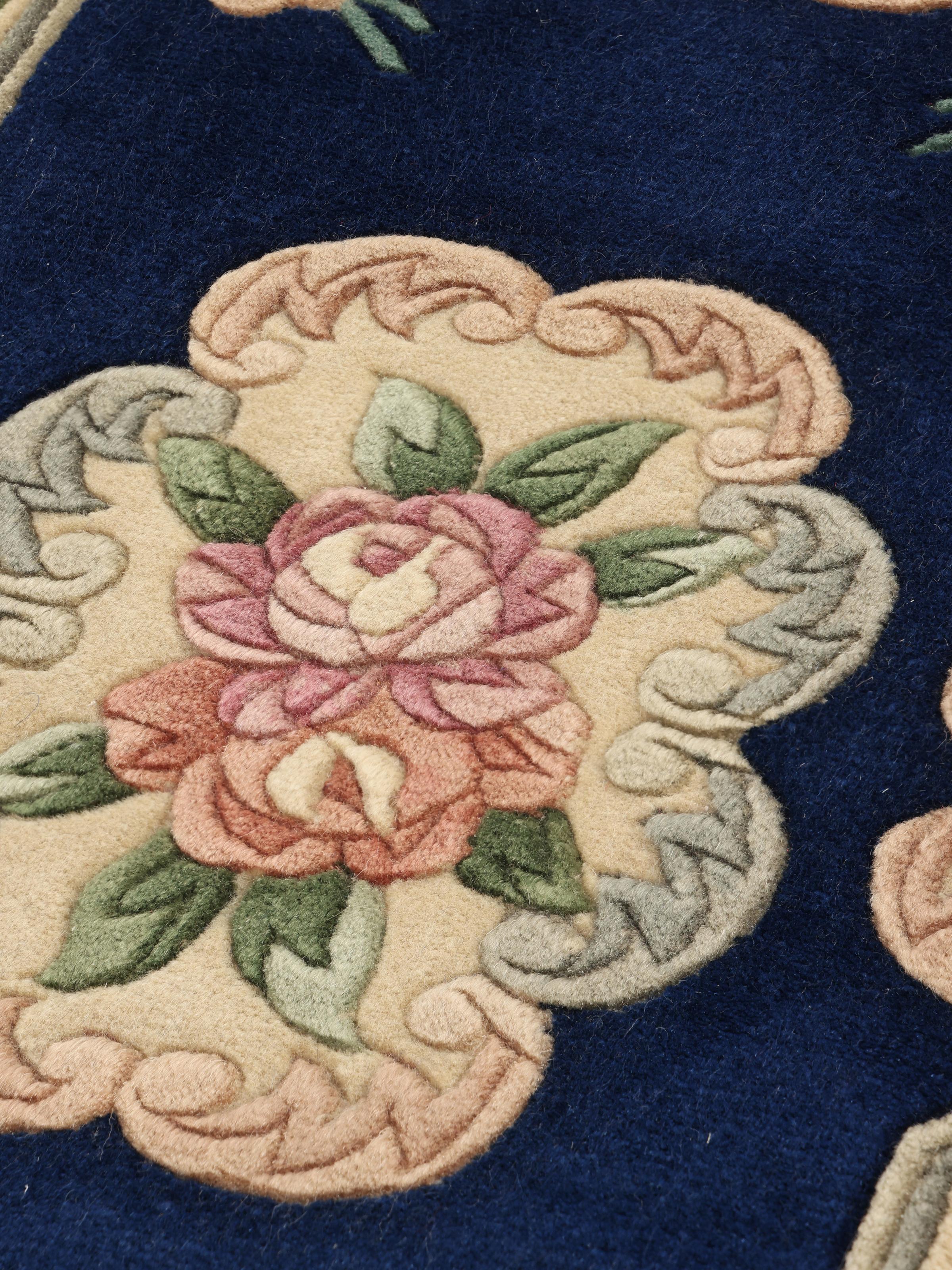
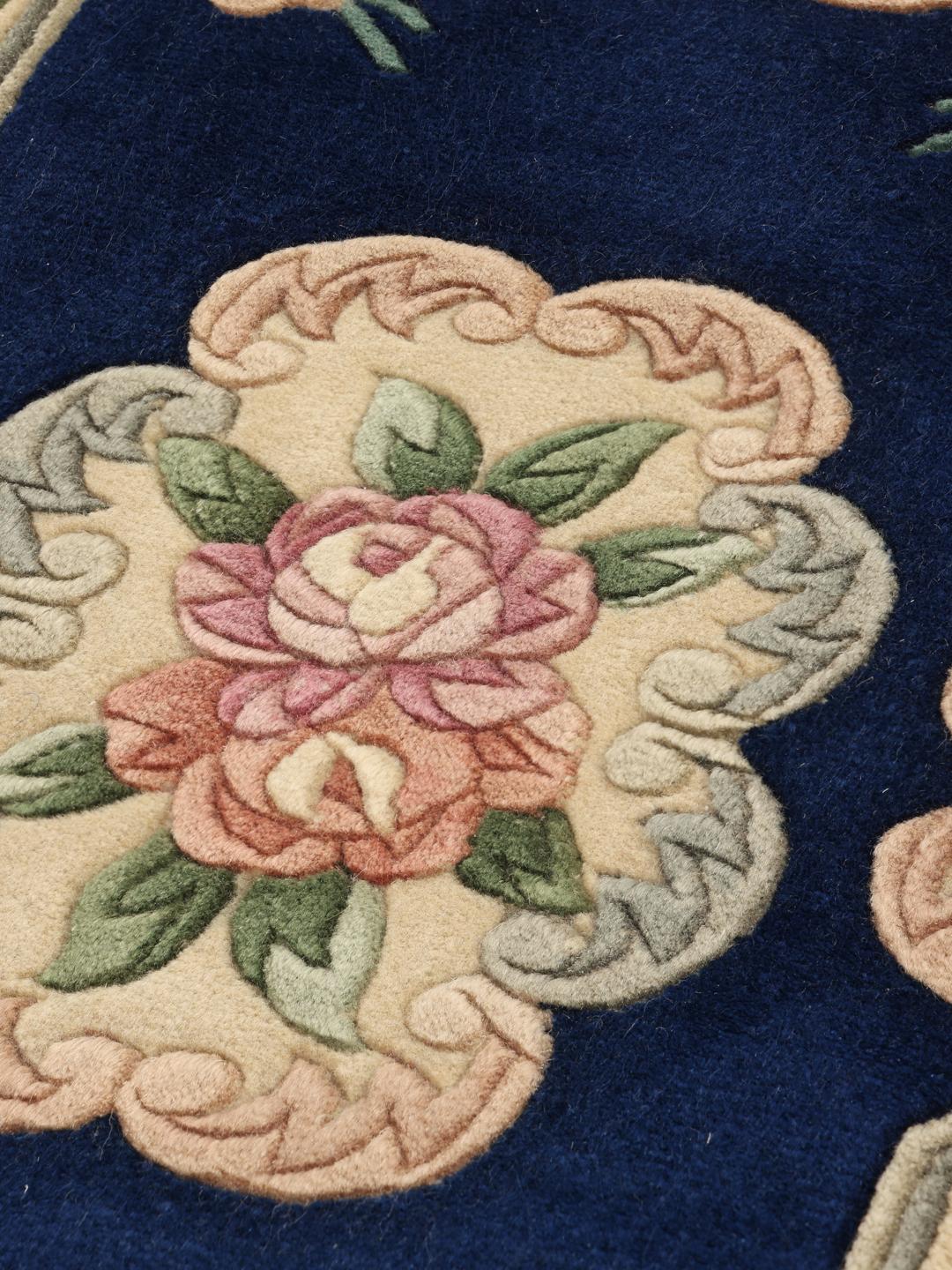
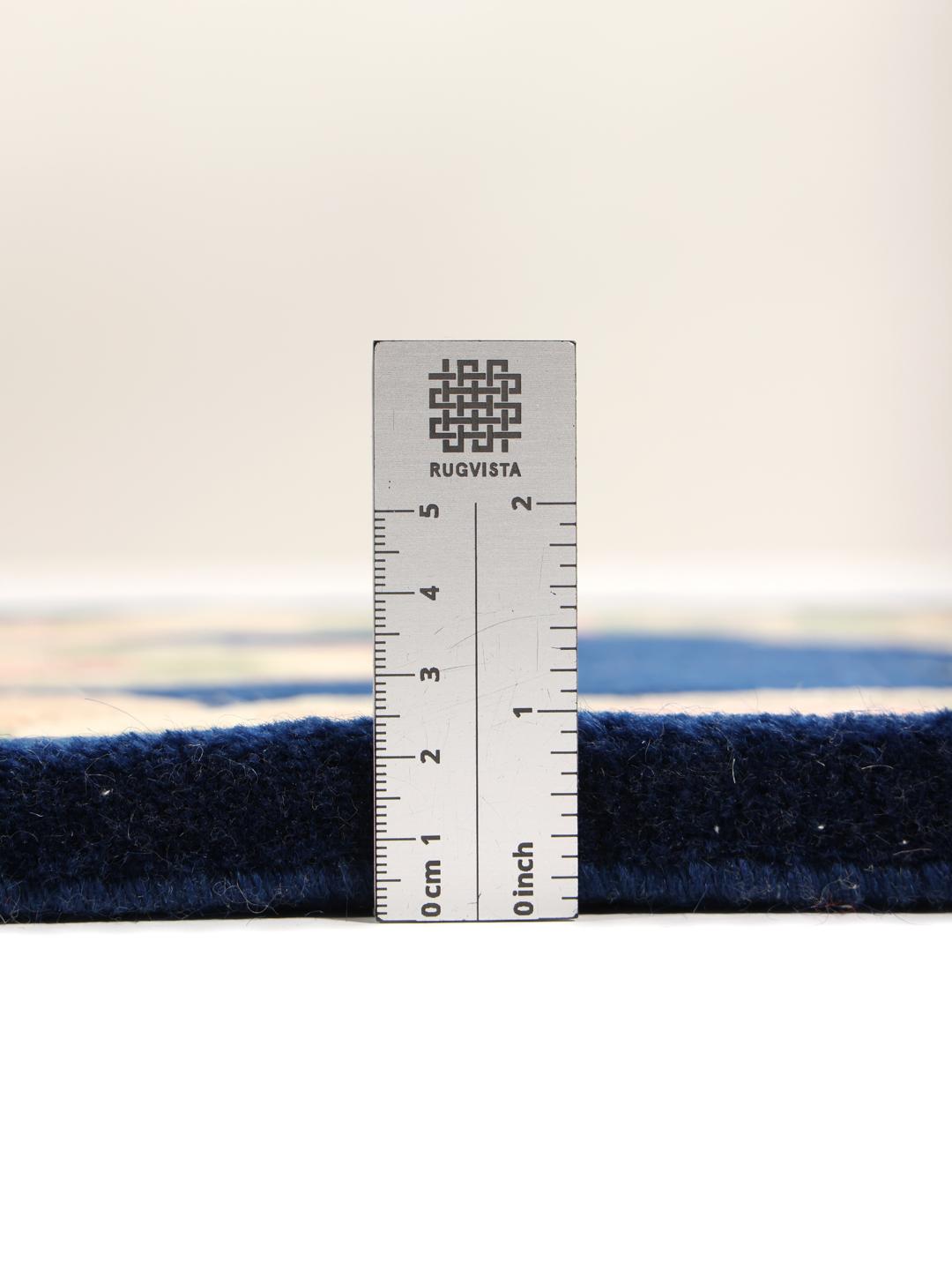
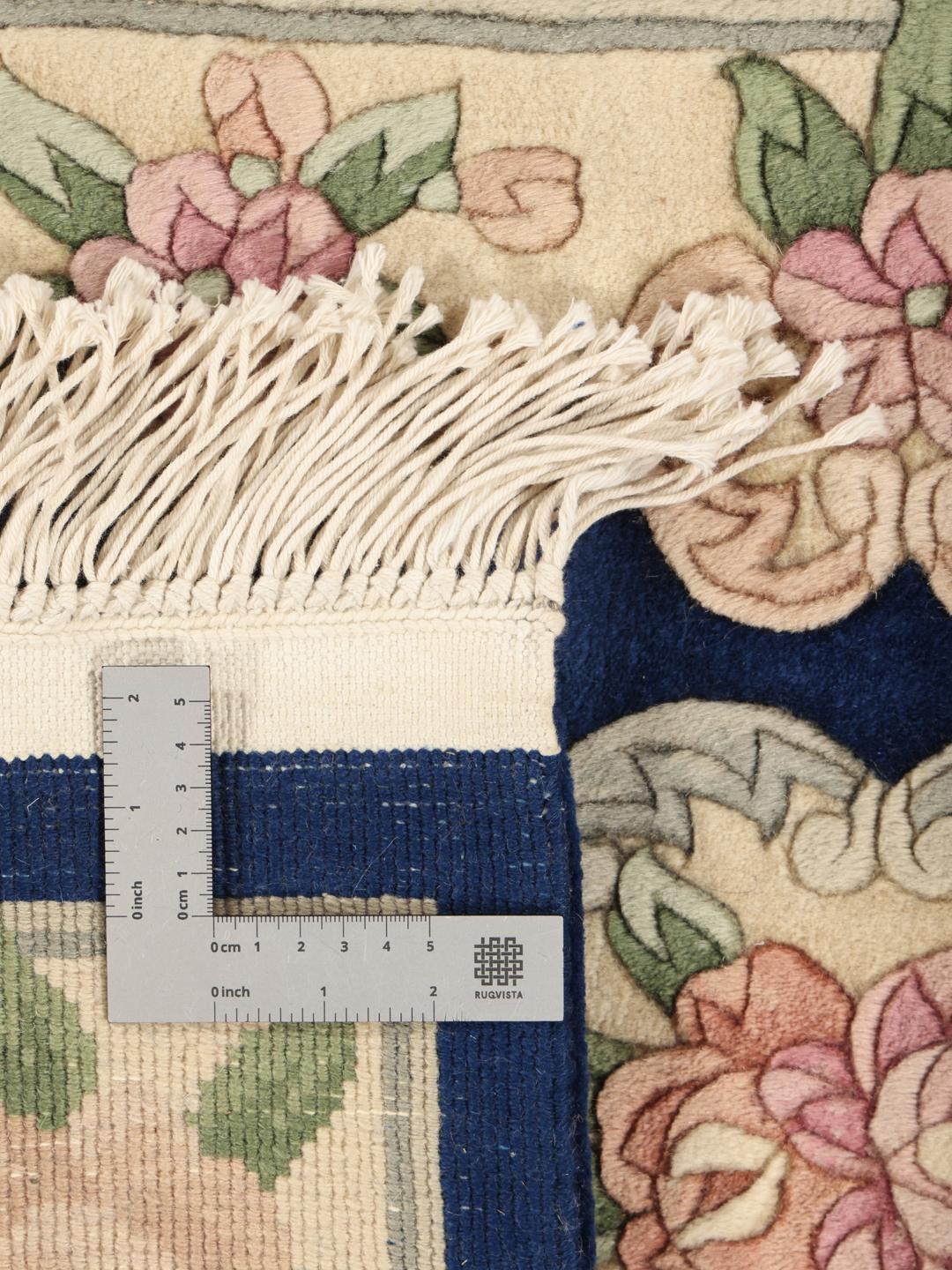
The term '90 Line' refers to a specific historical grading system used in the Chinese rug industry to indicate the density of the weave. This measurement relates to the number of knots along a fixed width, and historically, it serves as a reliable indicator of the rug's structural integrity and the clarity of its design. A higher line count allows for more intricate detail, ensuring that floral curves and soft edges appear crisp and defined.
Signature elements of this tradition include balanced, symmetrical layouts and a preference for natural themes. The floral motifs seen here are classic examples of the Chinese style, often symbolizing prosperity and harmony. The use of a soft, muted palette against a bold, saturated field is a hallmark that allows these rugs to complement a wide variety of interiors while remaining the focal point of the room.
Collecting a hand-knotted rug from this tradition is an investment in cultural heritage and human skill. Because these pieces are made by hand, they carry the unique signature of the artisan, making them highly valued by those who appreciate the intersection of history, design, and manual labour in their home decor.