Chinese rug weaving is an ancient tradition that has evolved significantly over centuries, blending artistic precision with deep cultural symbolism. Historically, these rugs were highly prized in imperial courts and temples, serving as both functional floor coverings and symbols of prosperity, often incorporating motifs that represent longevity, nature, and harmony.
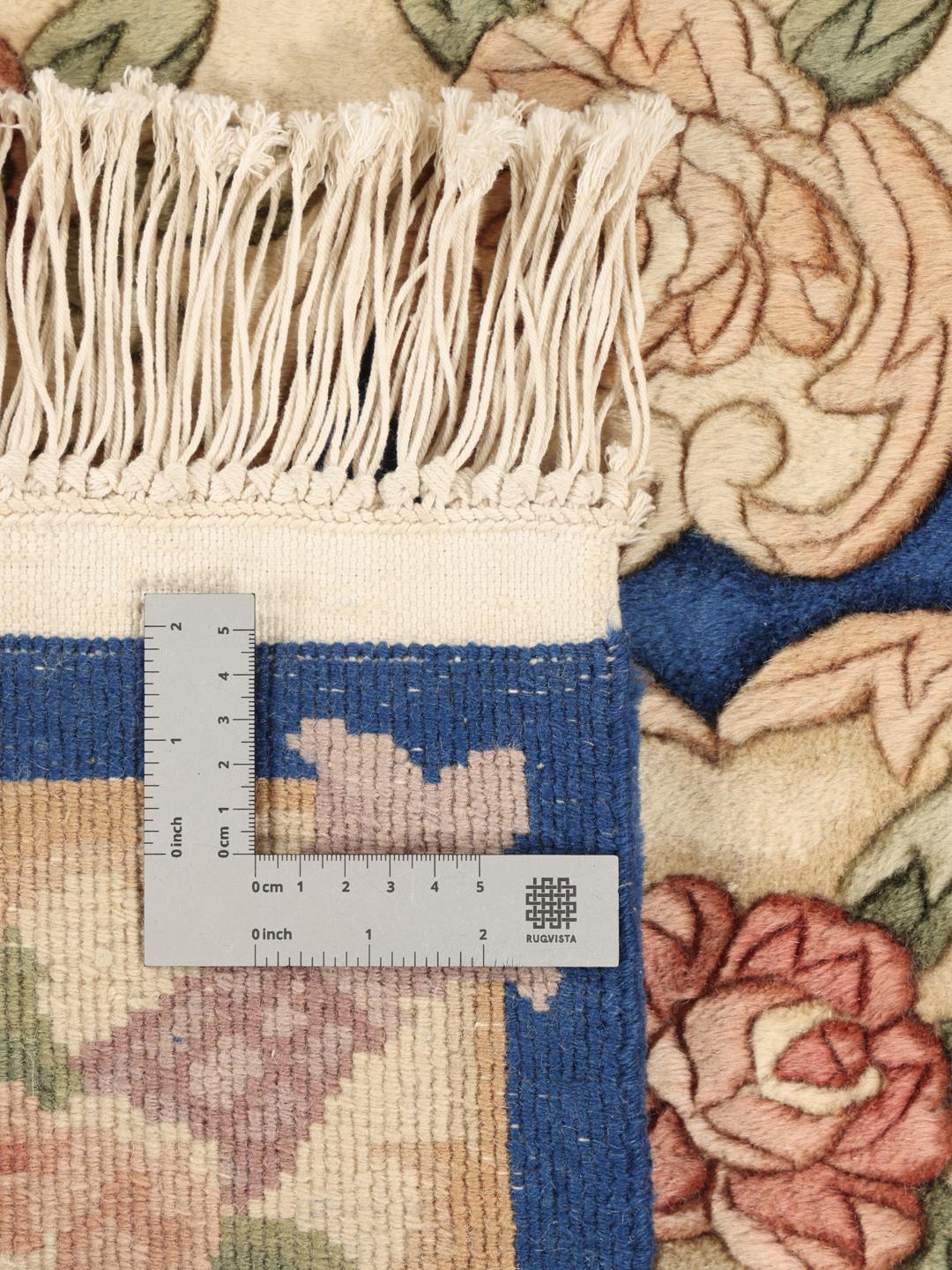
The term '90 line' refers to a traditional measurement system used in Chinese rug production, indicating the number of knots across a specific width. This technical standard has long been used to define the fineness and quality of the weave, ensuring that the finished product meets high expectations for both clarity of design and long-term durability.
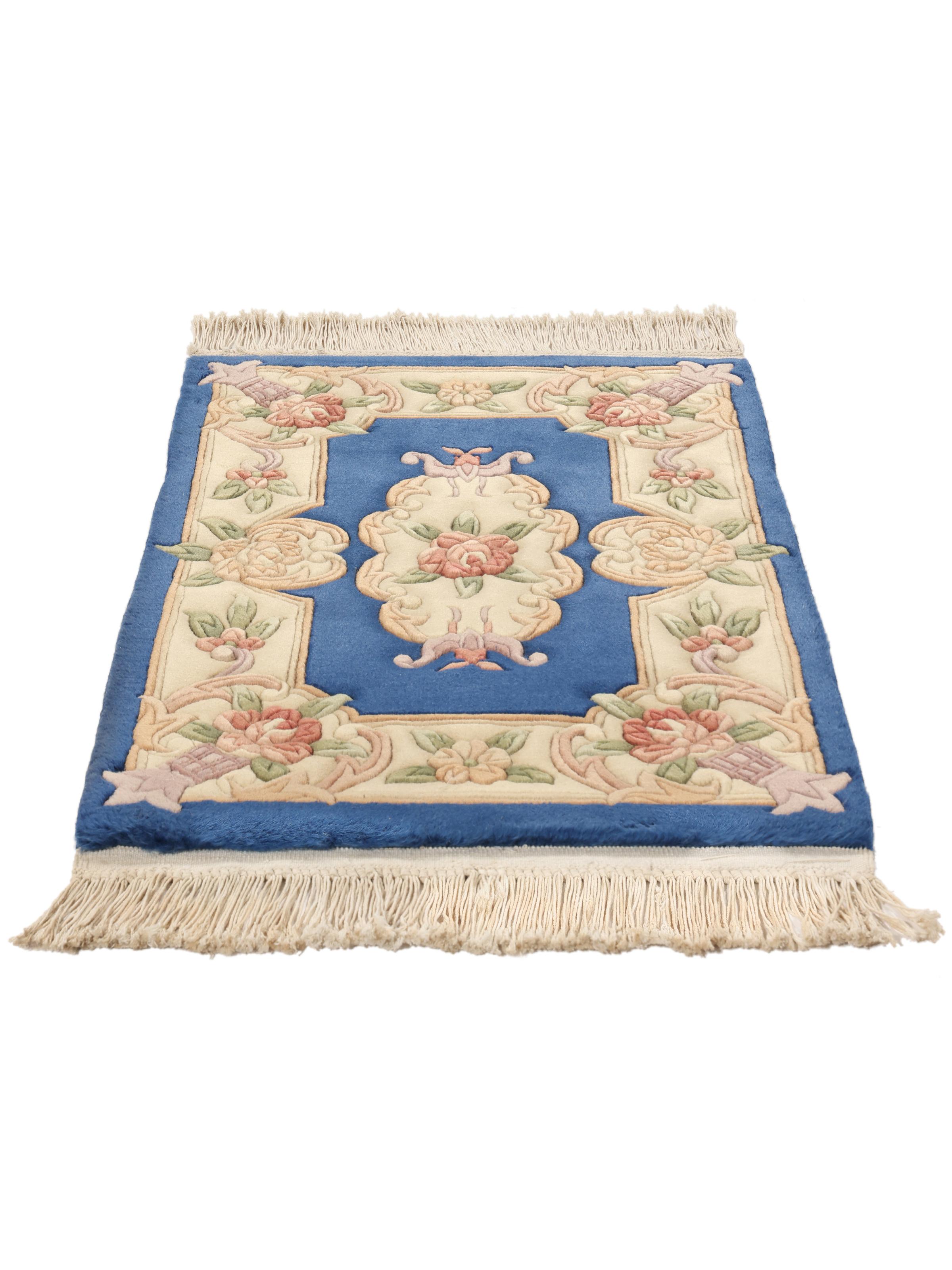
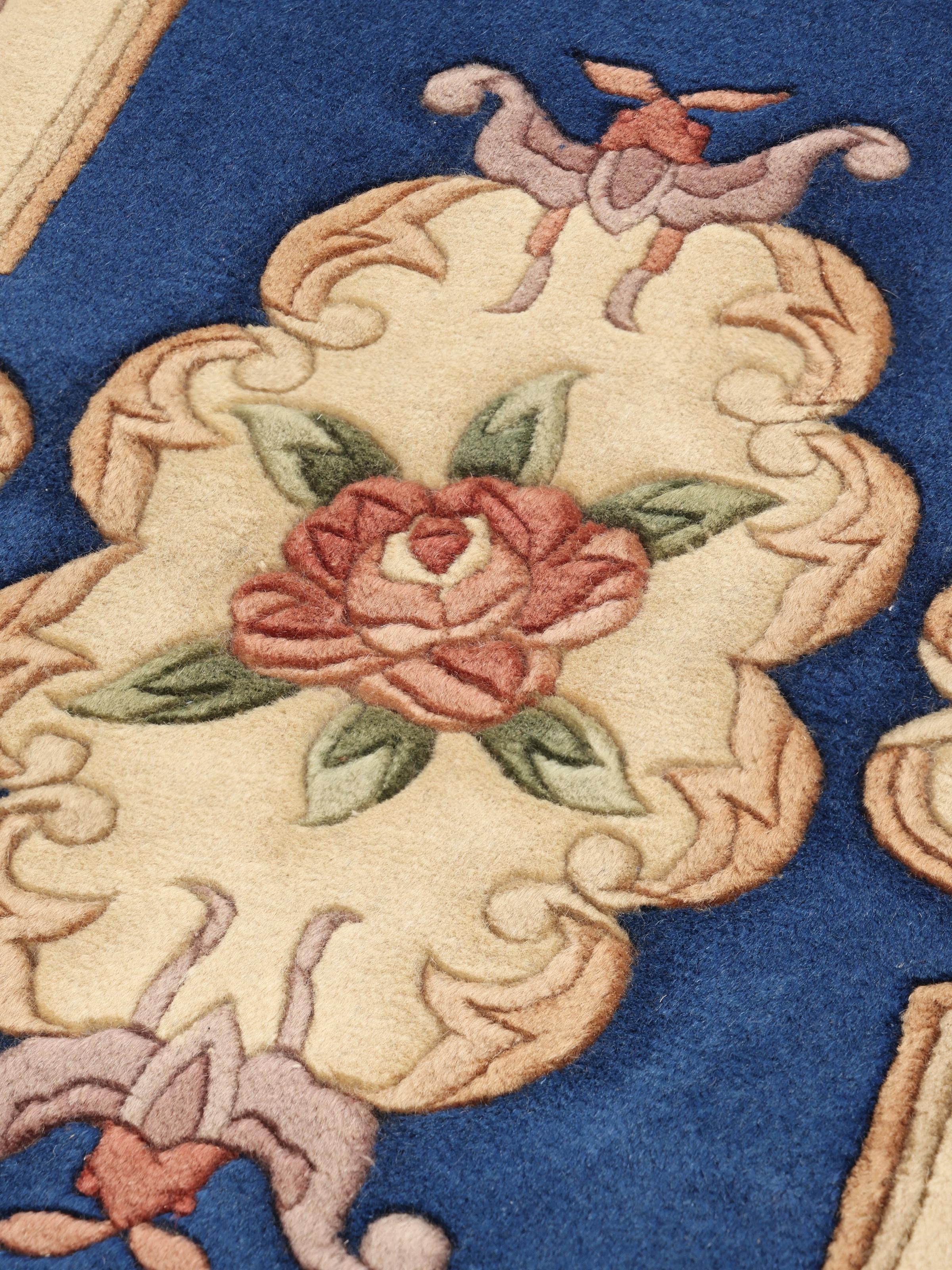
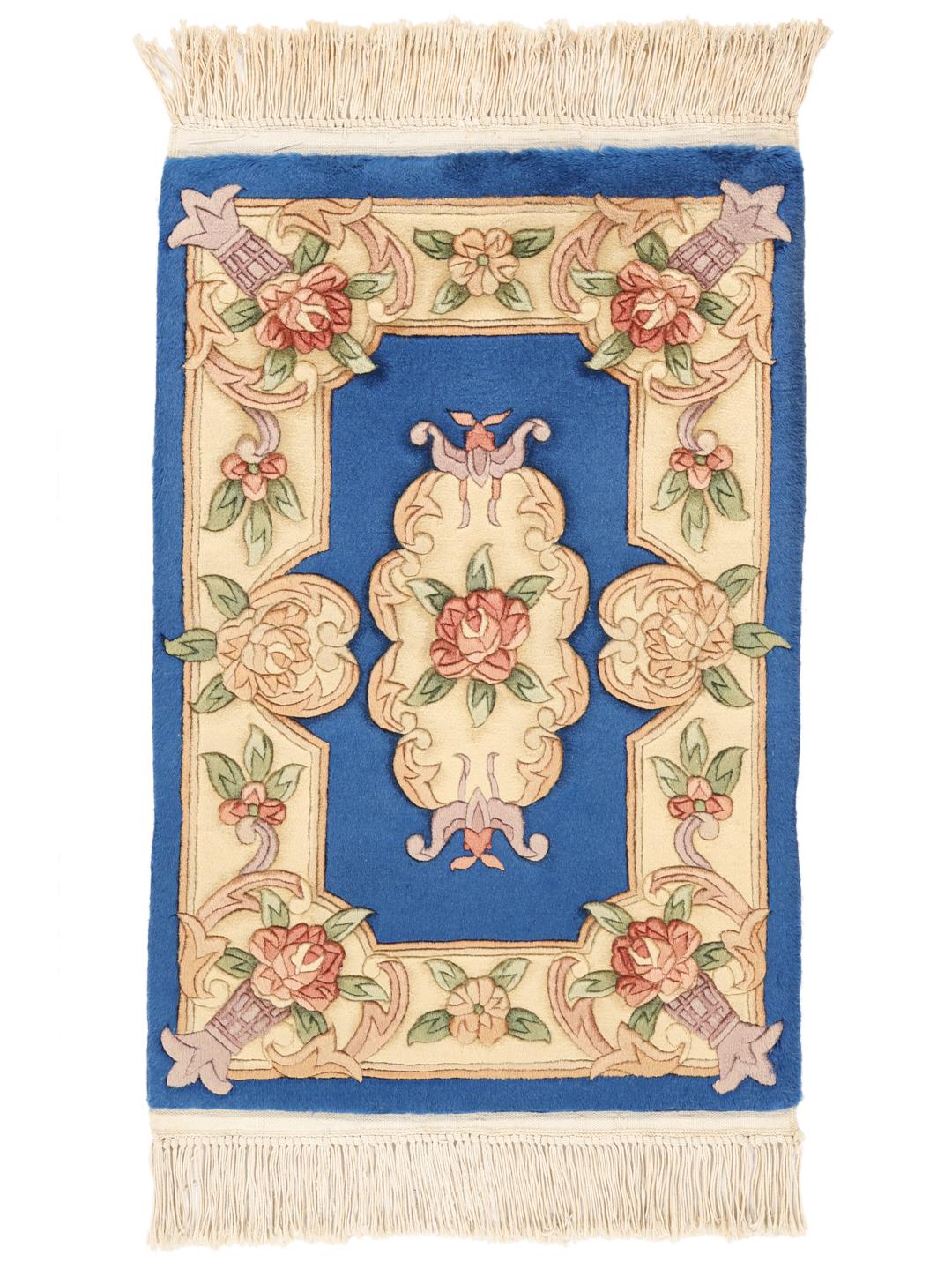
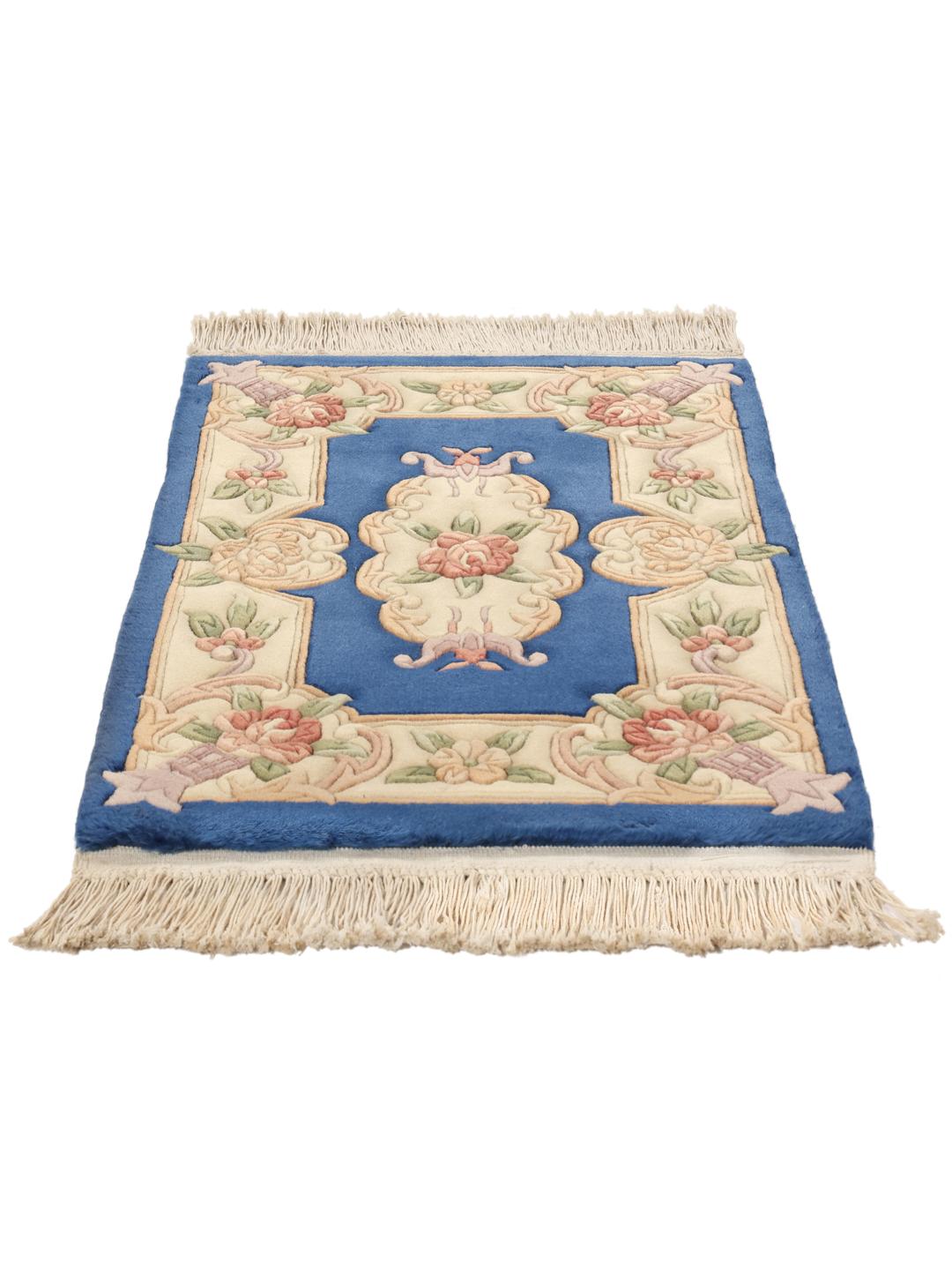
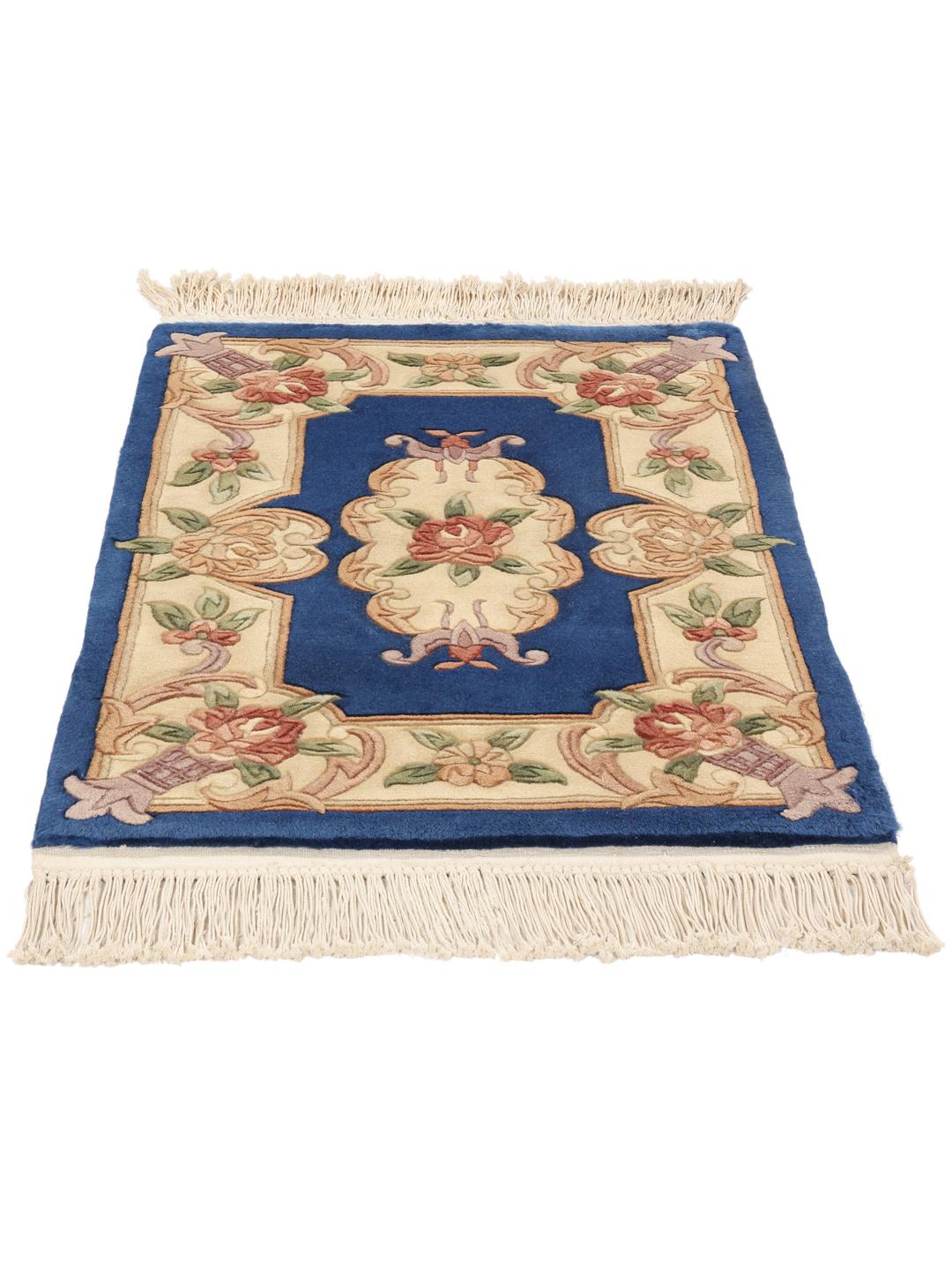
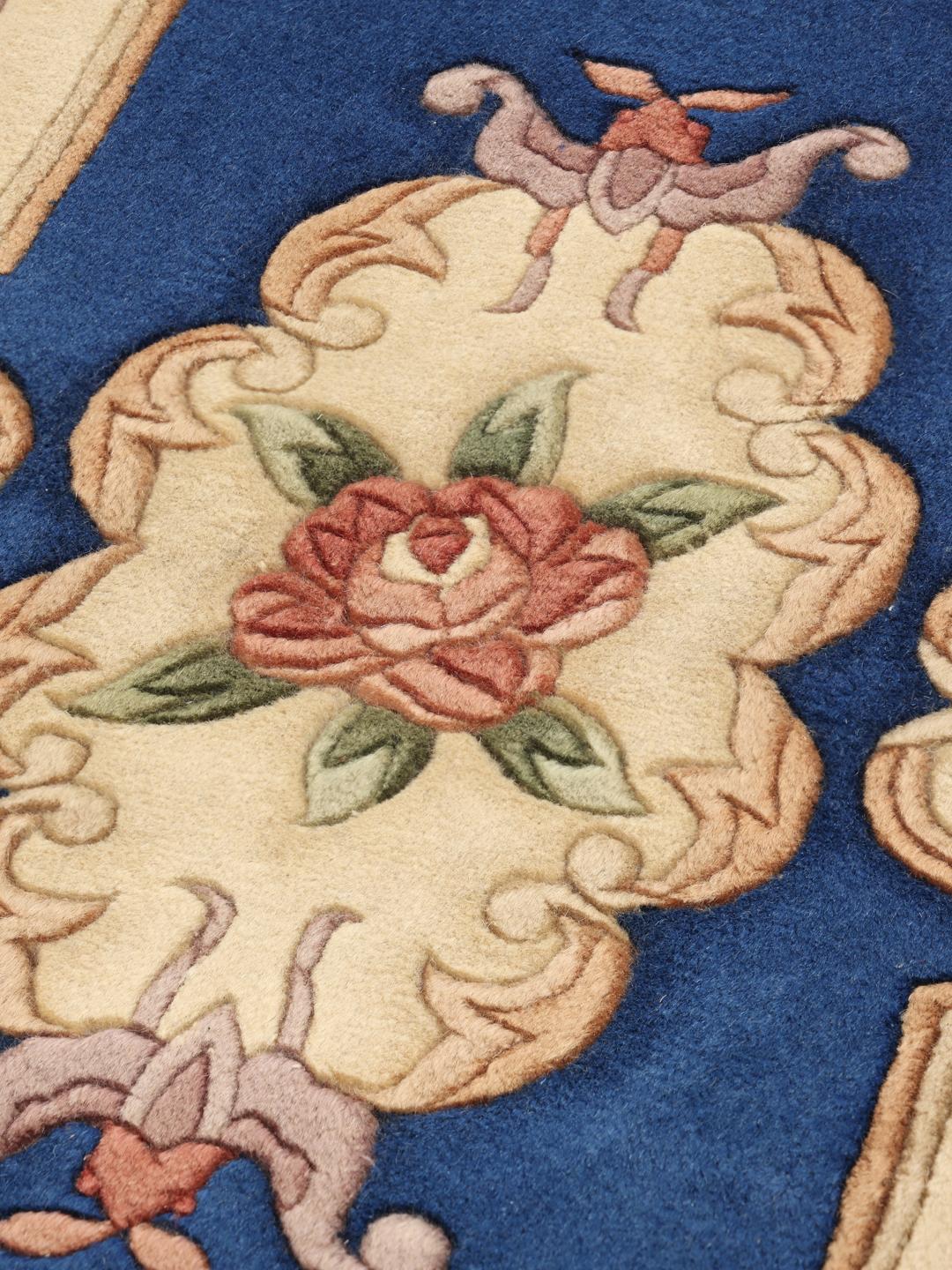
Visually, Chinese rugs are celebrated for their distinctive use of negative space and sculptural, embossed-style floral motifs. Unlike many other traditions that fill every inch of the field with pattern, these rugs often use a central medallion or a border-focused layout that allows the colours and the quality of the Wool to take centre stage, creating a look that is both elegant and serene.
Collectors value these rugs for their unique ability to bridge the gap between traditional craft and versatile, modern interior design. Owning such a piece is an opportunity to connect with a storied lineage of textile art, where each knot tells a story of cultural heritage and the enduring value of manual skill.