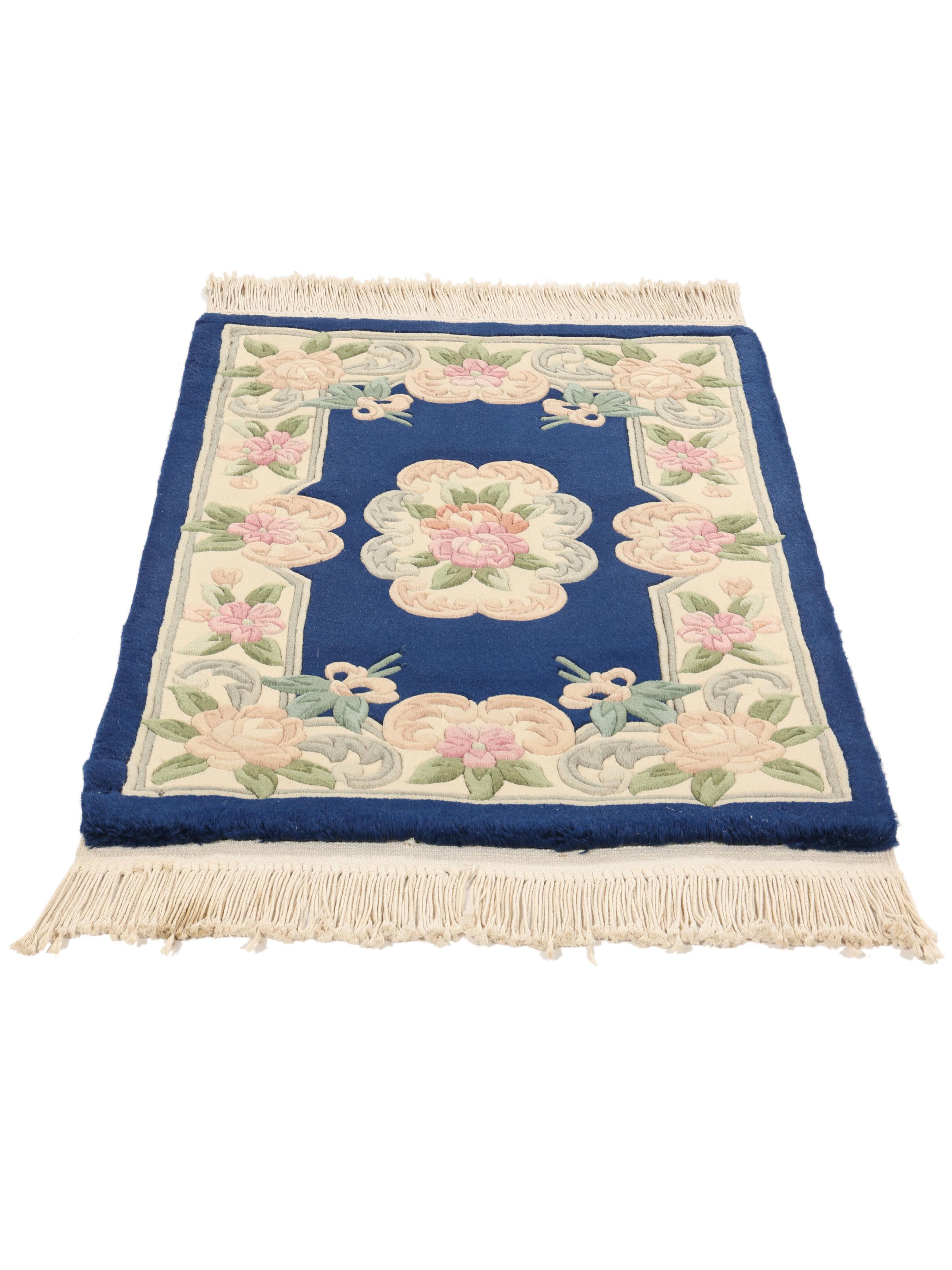
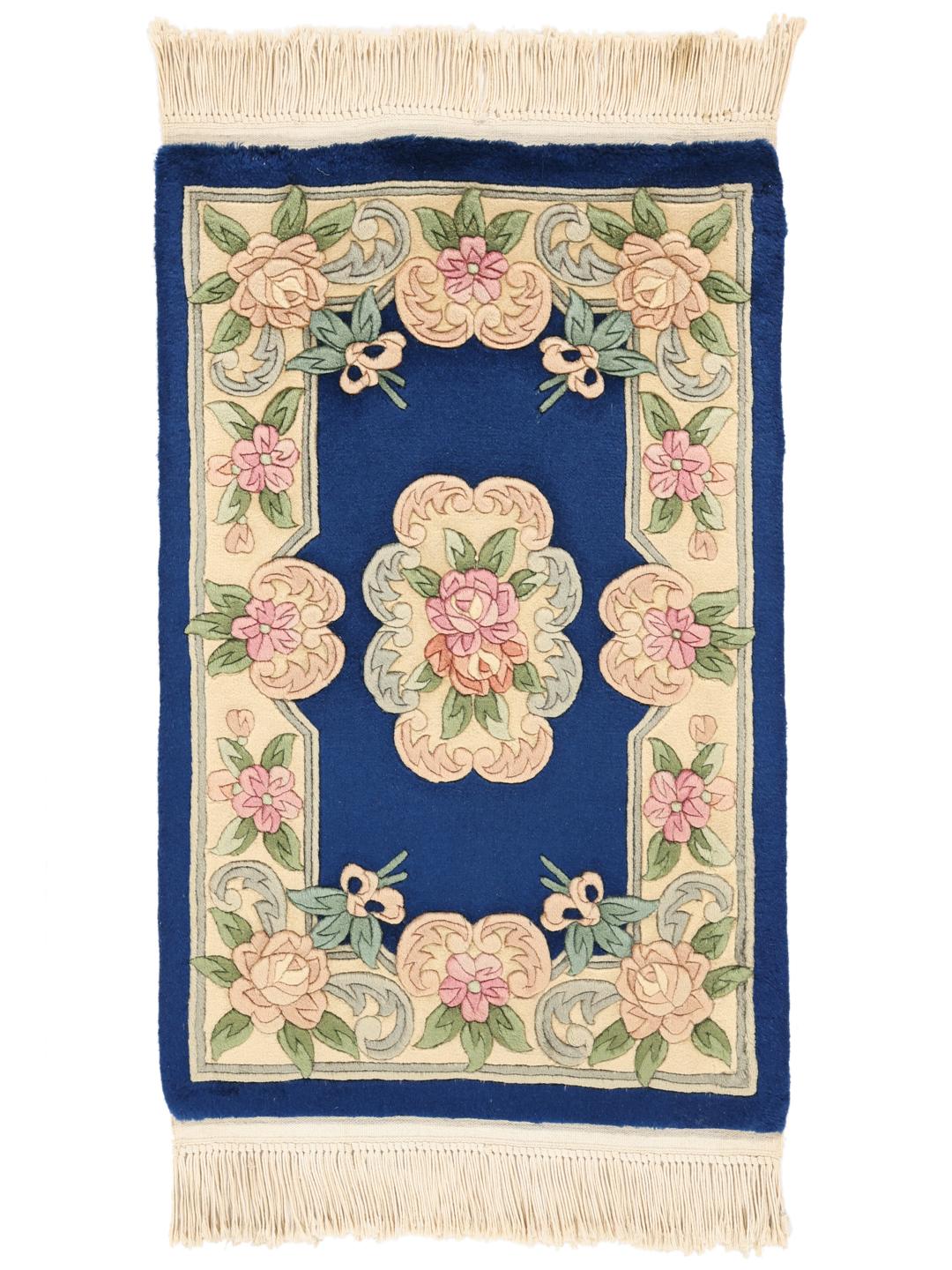
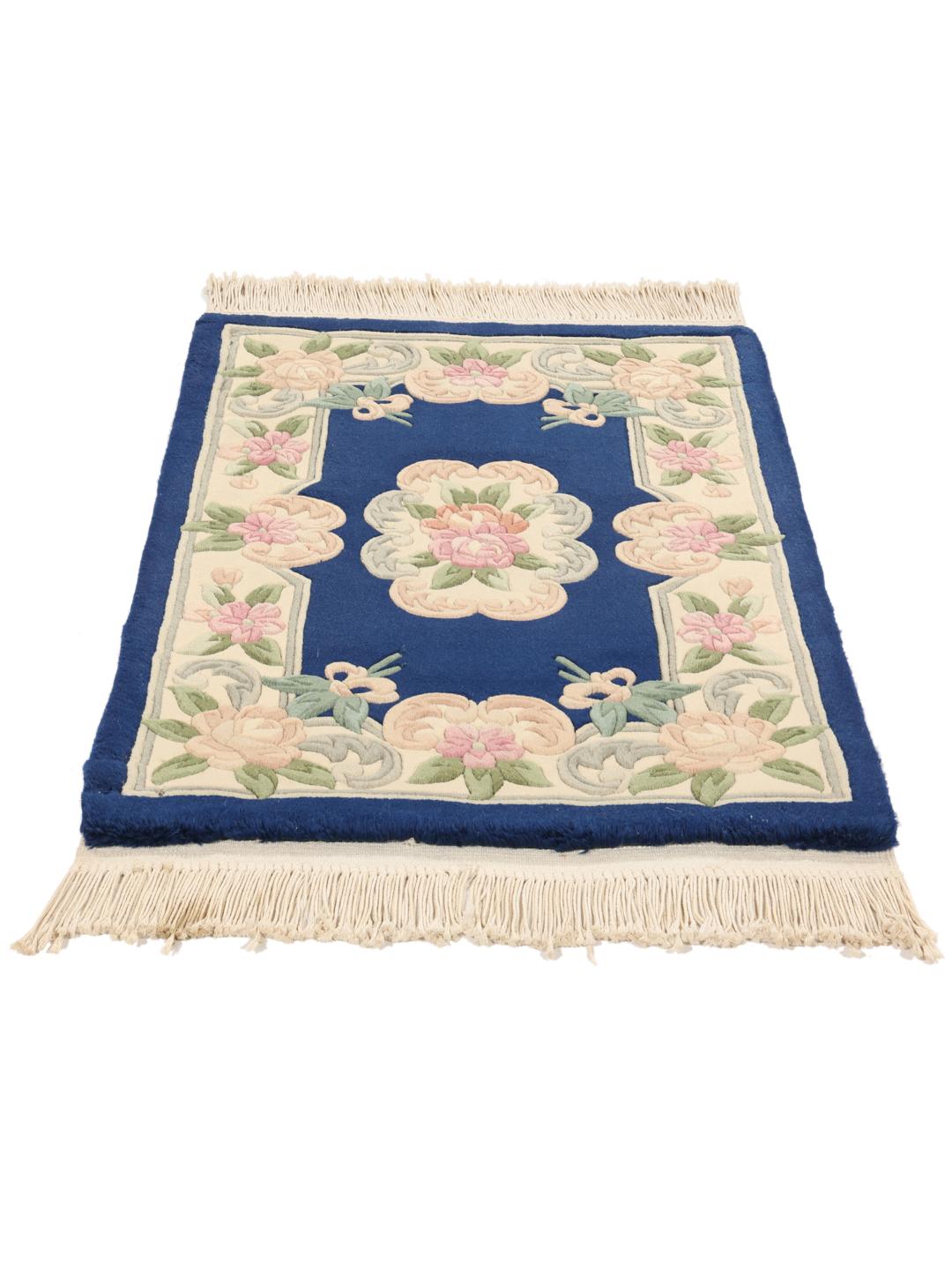
The tradition of rug weaving in China is a centuries-old craft that has evolved from functional floor coverings to highly regarded works of art. Historically, these rugs were often commissioned for imperial use or to adorn grand temples, featuring symbolic motifs that represented prosperity, longevity, and natural harmony.
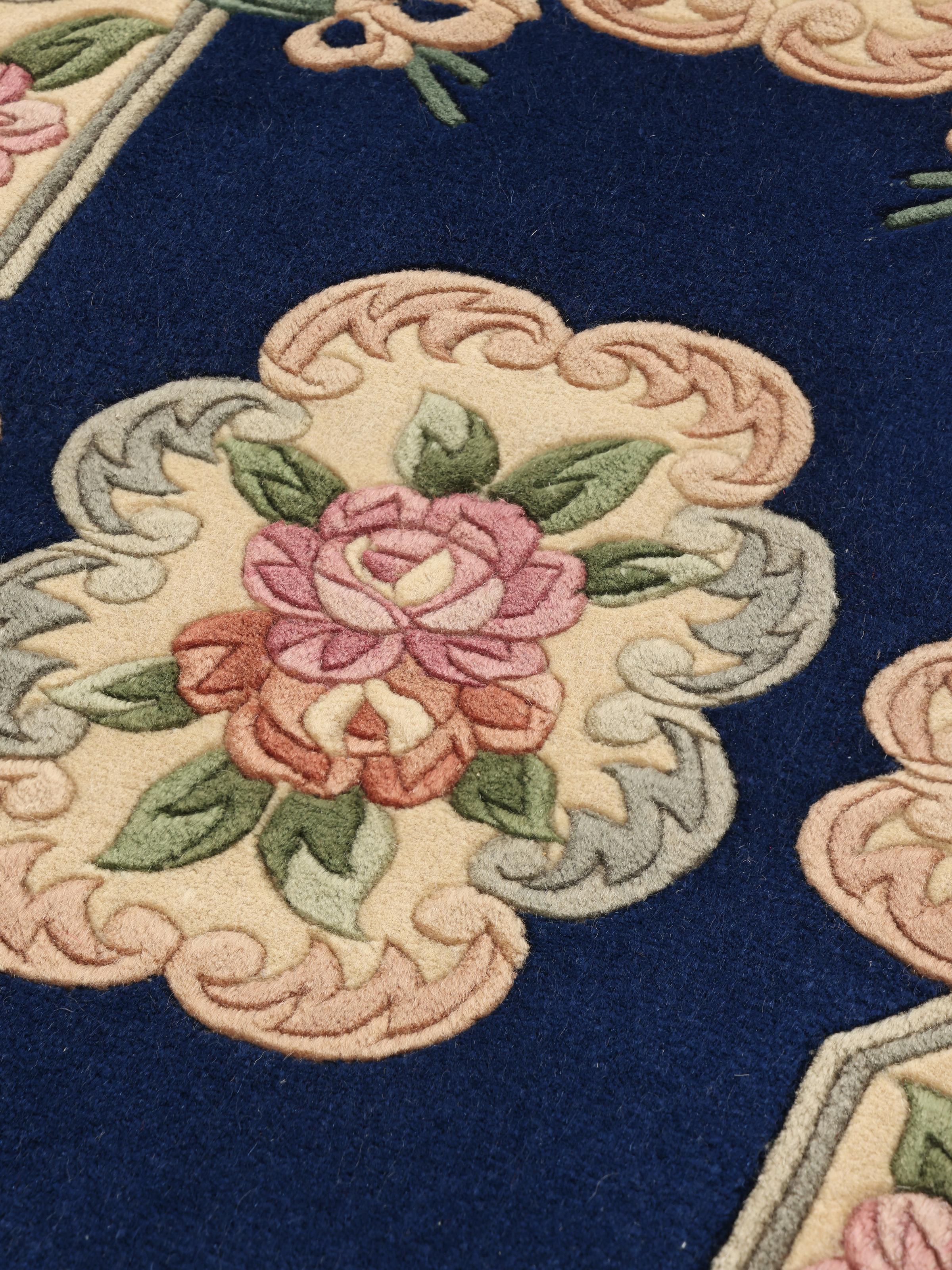
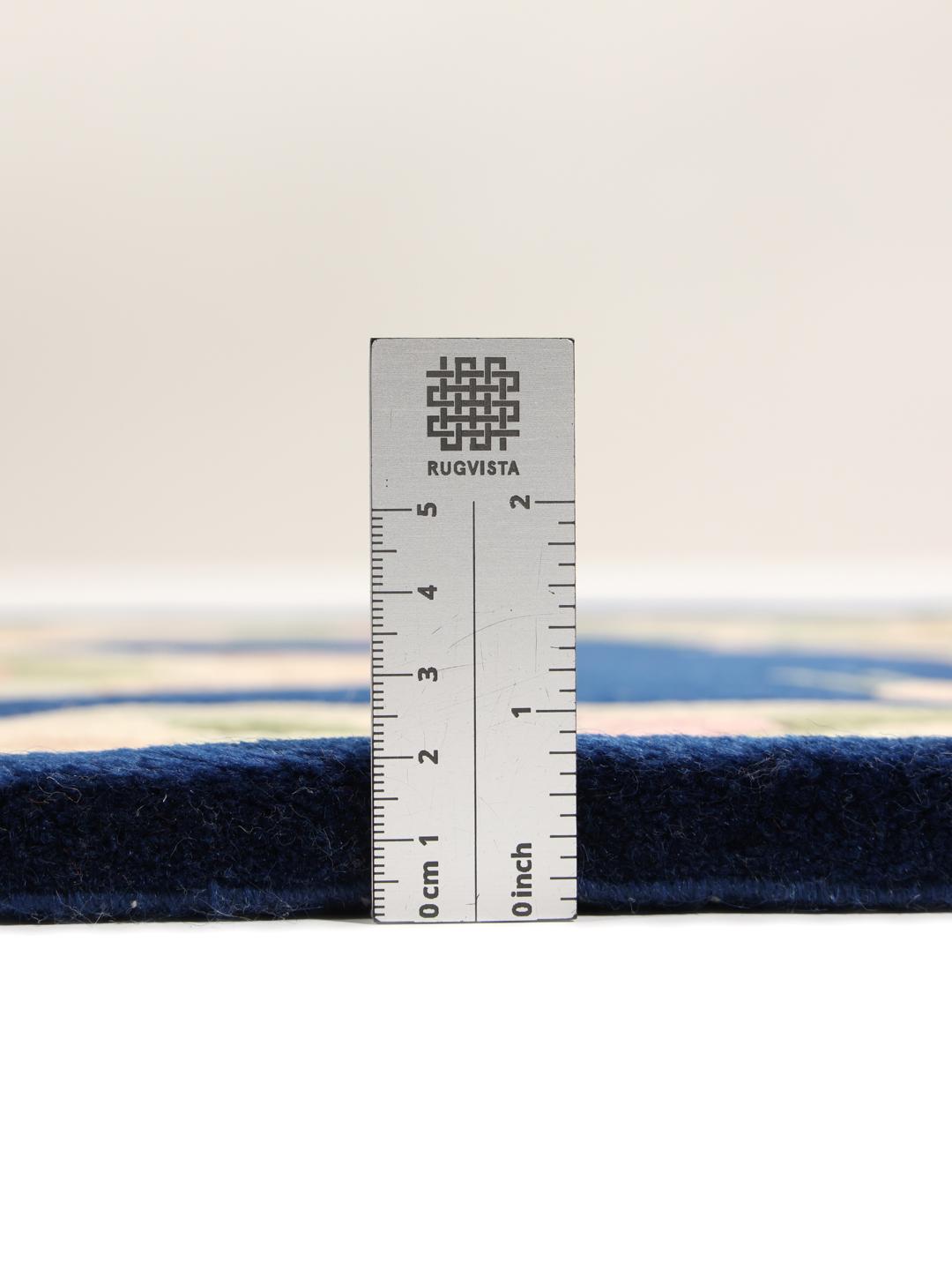
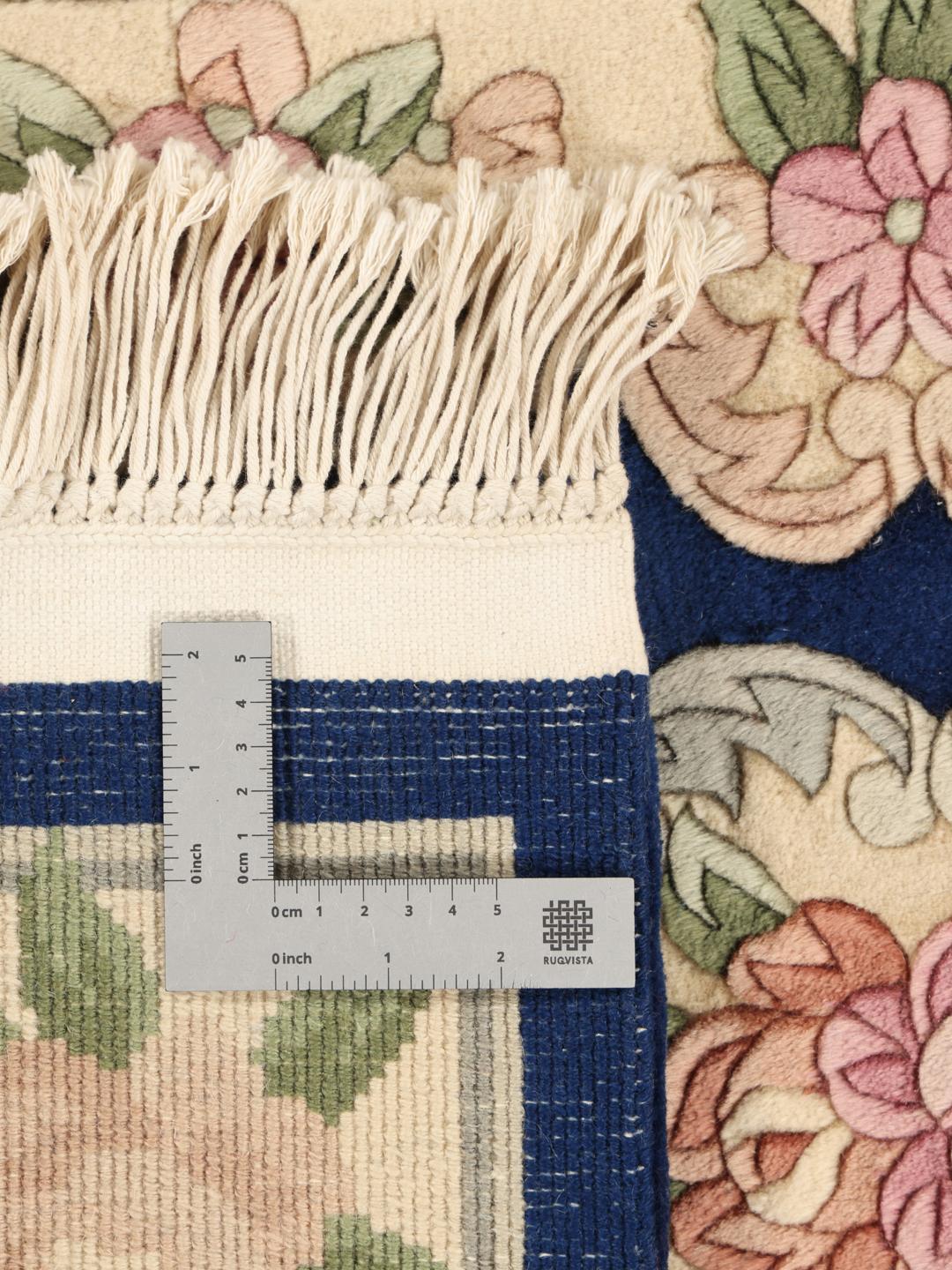
The 90-line classification refers to the density of the weave, a technical term that indicates the number of knots per linear foot. This specific construction method is a hallmark of Chinese rug making, designed to create a firm yet supple foundation that supports the deep, lush pile characteristic of this style.
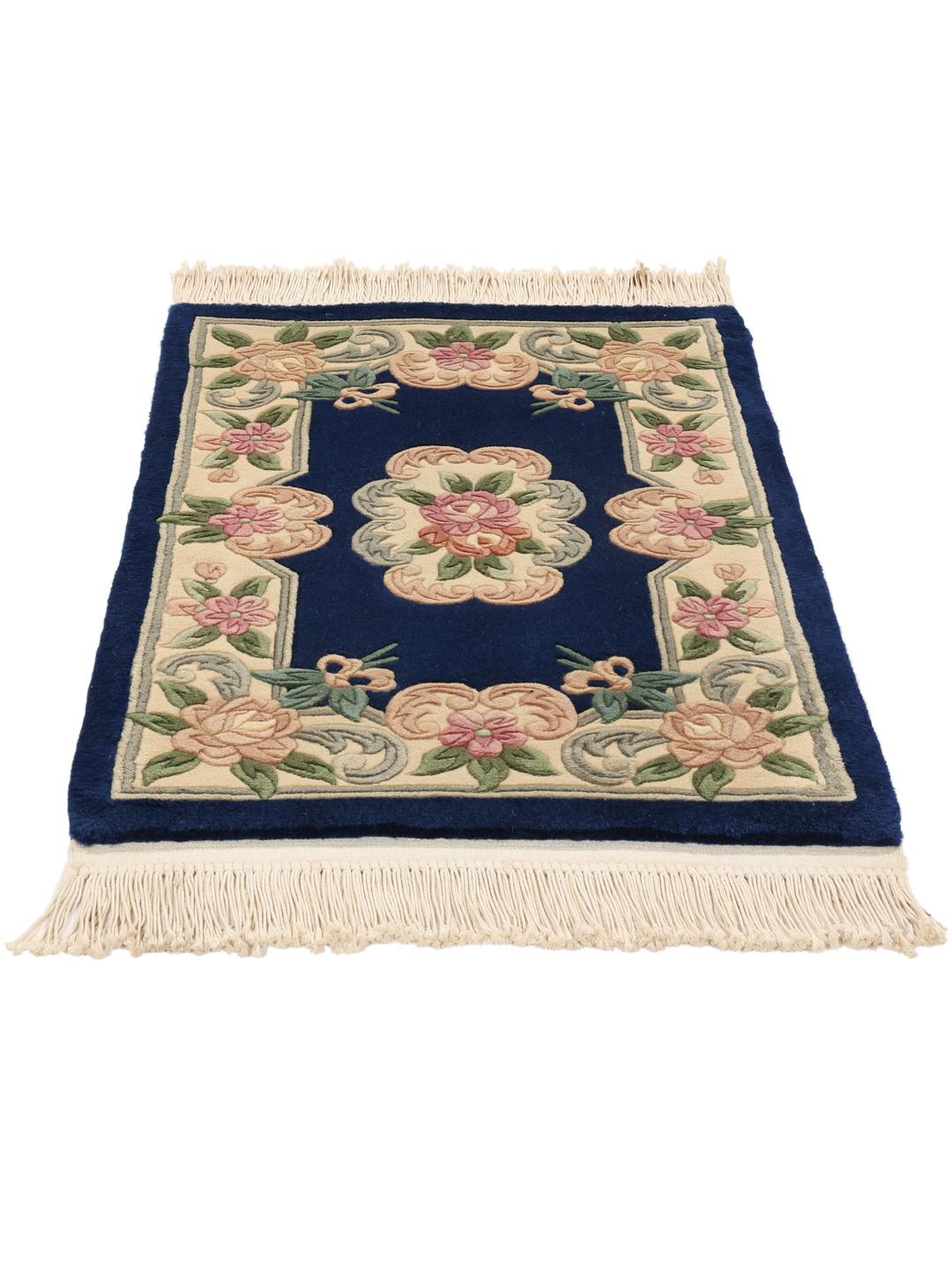
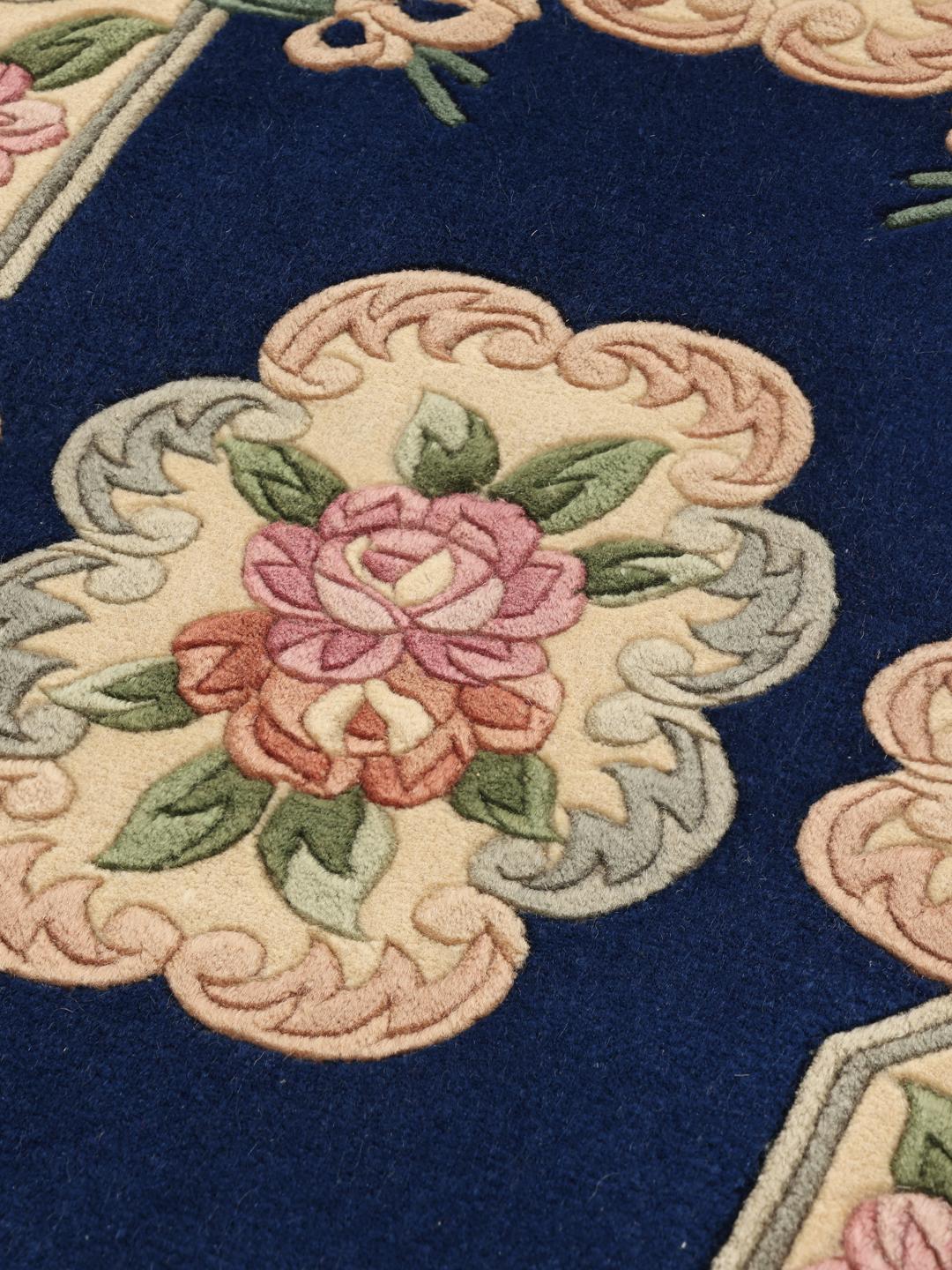
Floral patterns, such as the blossoms seen here, are central to the Chinese aesthetic tradition. Often inspired by classical garden scenes or traditional silk embroidery, these designs focus on balance and grace, using soft, organic shapes that contrast beautifully with the structured borders of the rug.
Owning a piece from this tradition is an opportunity to connect with a storied cultural heritage. These rugs are highly valued by collectors for their blend of technical precision and artistic expression, representing a dedication to beauty and quality that continues to be celebrated in homes around the world.