Chinese rug-making traditions have a storied history that spans centuries, evolving from functional floor coverings into highly refined works of art. Traditionally, these rugs were influenced by regional motifs, including floral patterns and symbolic imagery that reflected the philosophy and culture of the era. Over time, these designs have been refined to suit global tastes while maintaining their distinct cultural identity.
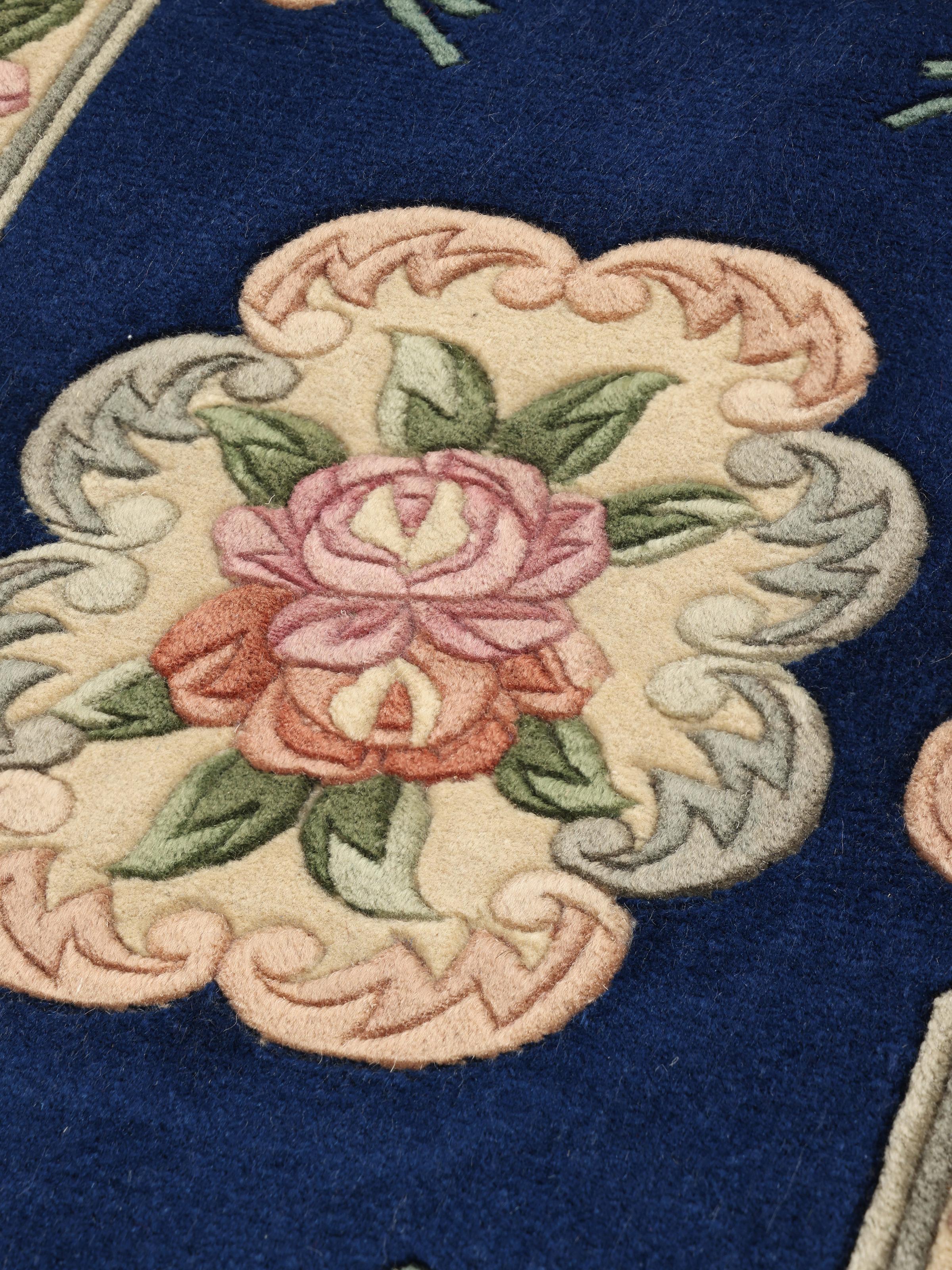
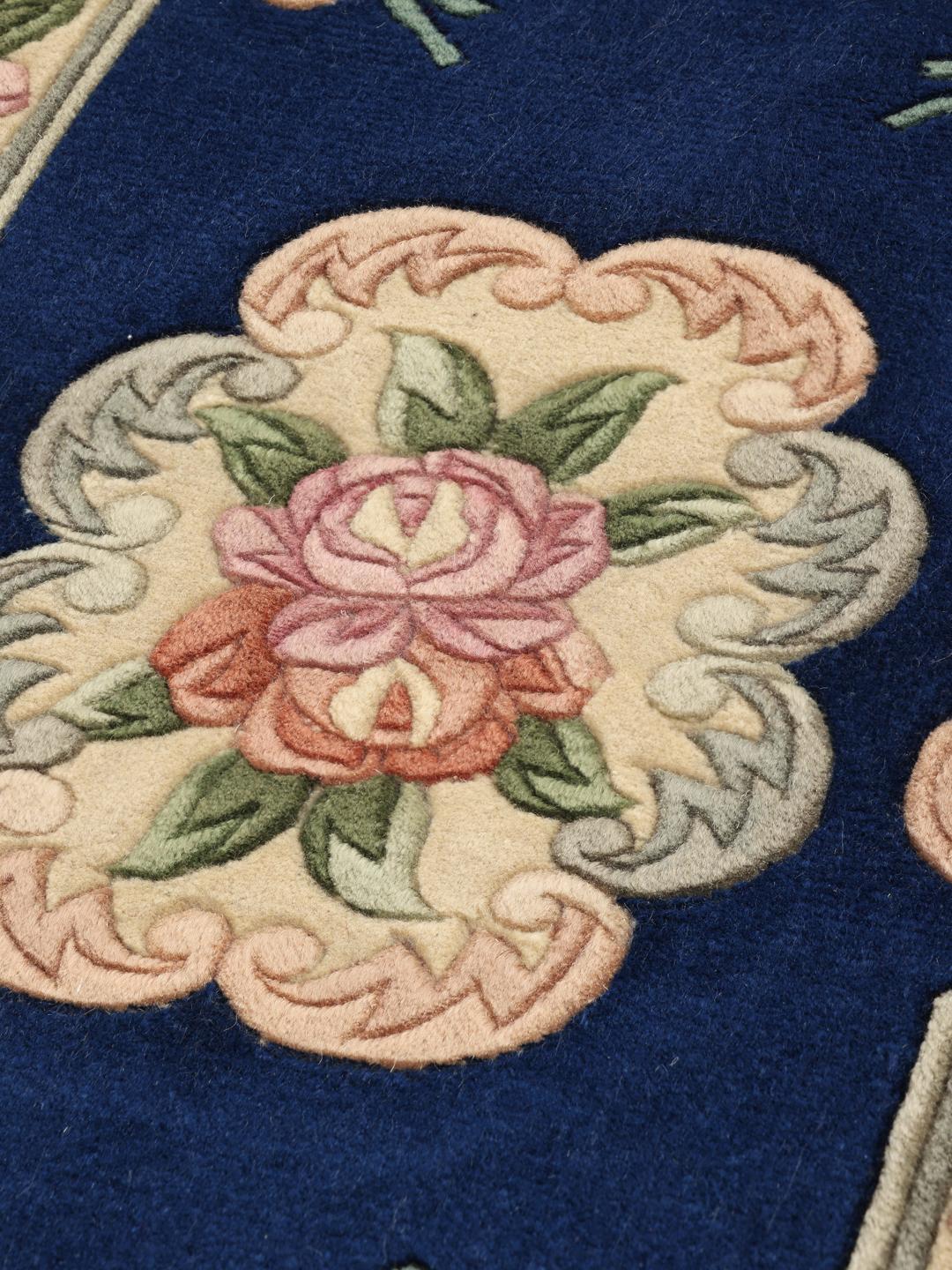
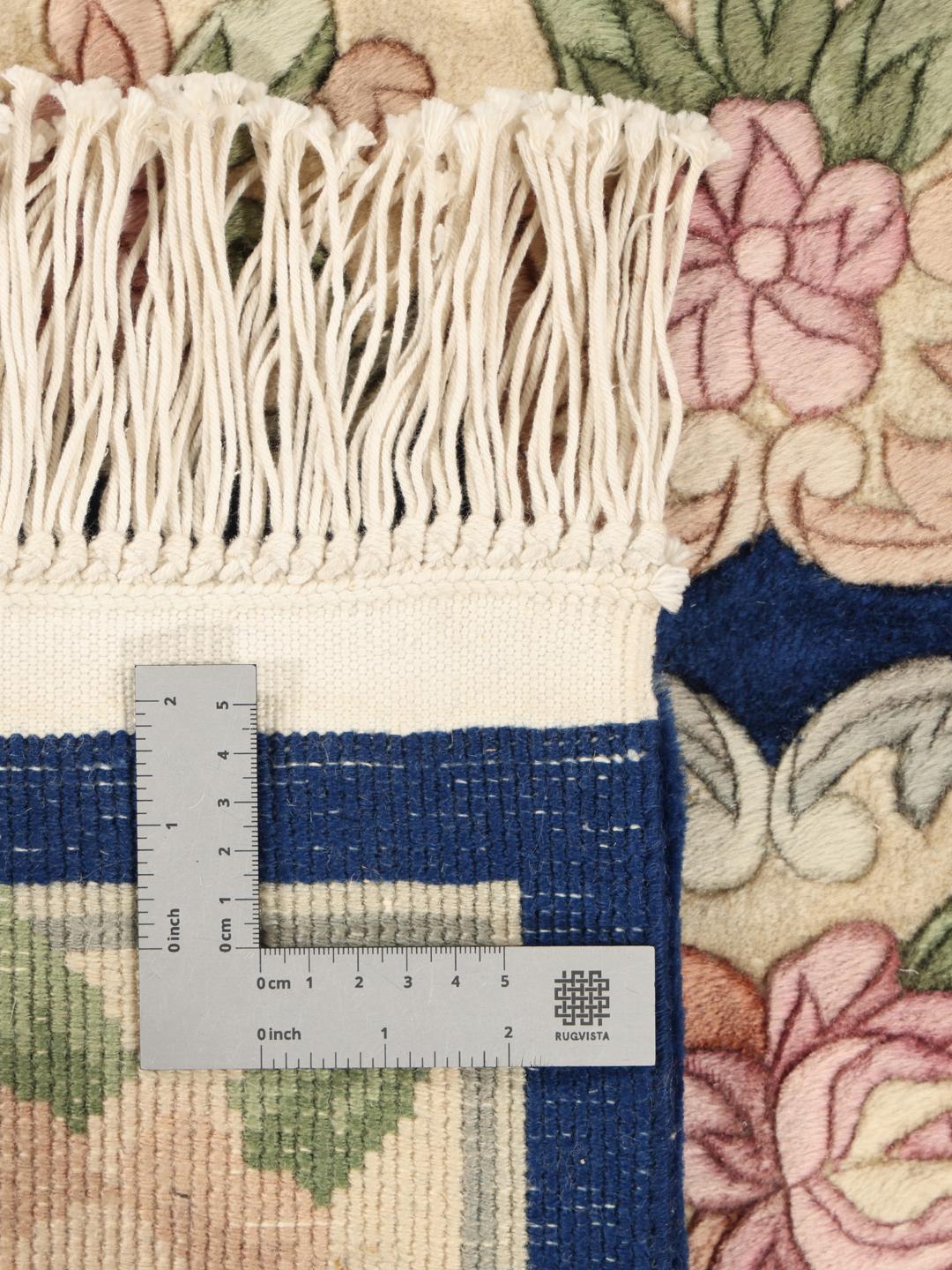
The term '90 Line' refers to a specific traditional grading system for Chinese rugs, signifying the density of the knots across a standard width. This measurement is vital as it dictates the clarity of the pattern and the structural integrity of the pile. A higher line count generally allows for finer, more intricate detail, ensuring that the floral motifs appear sharp and well-defined.
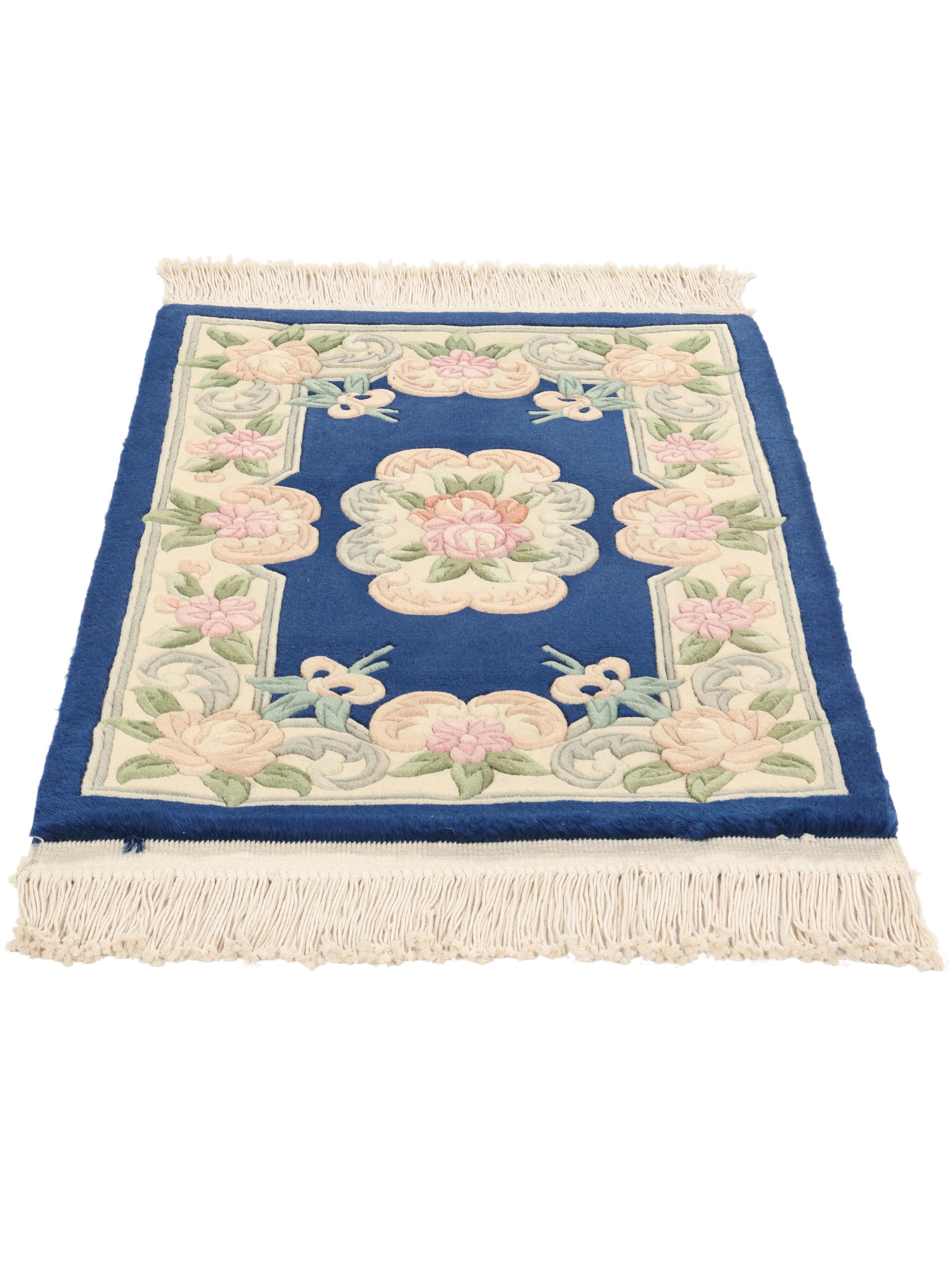
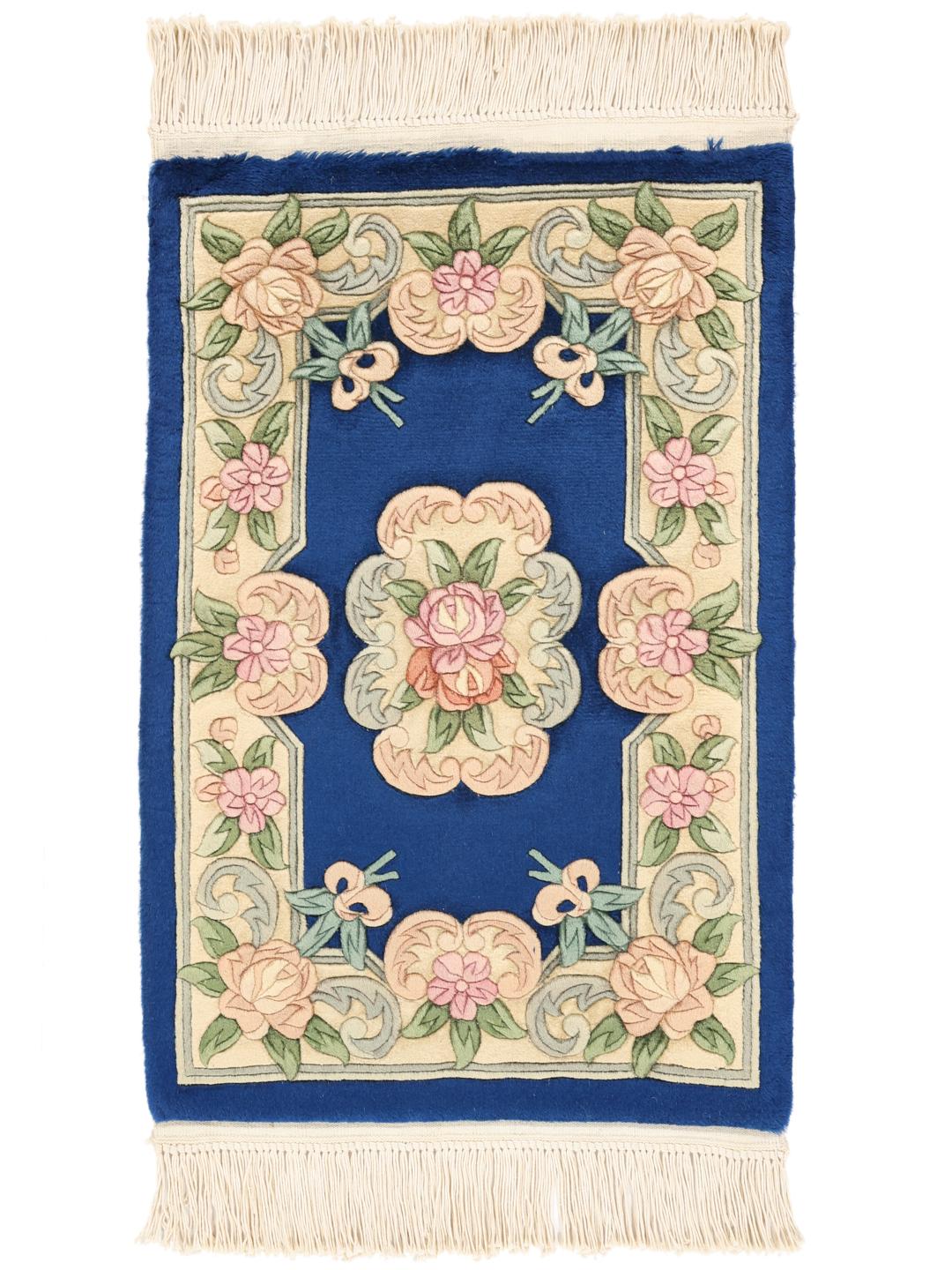
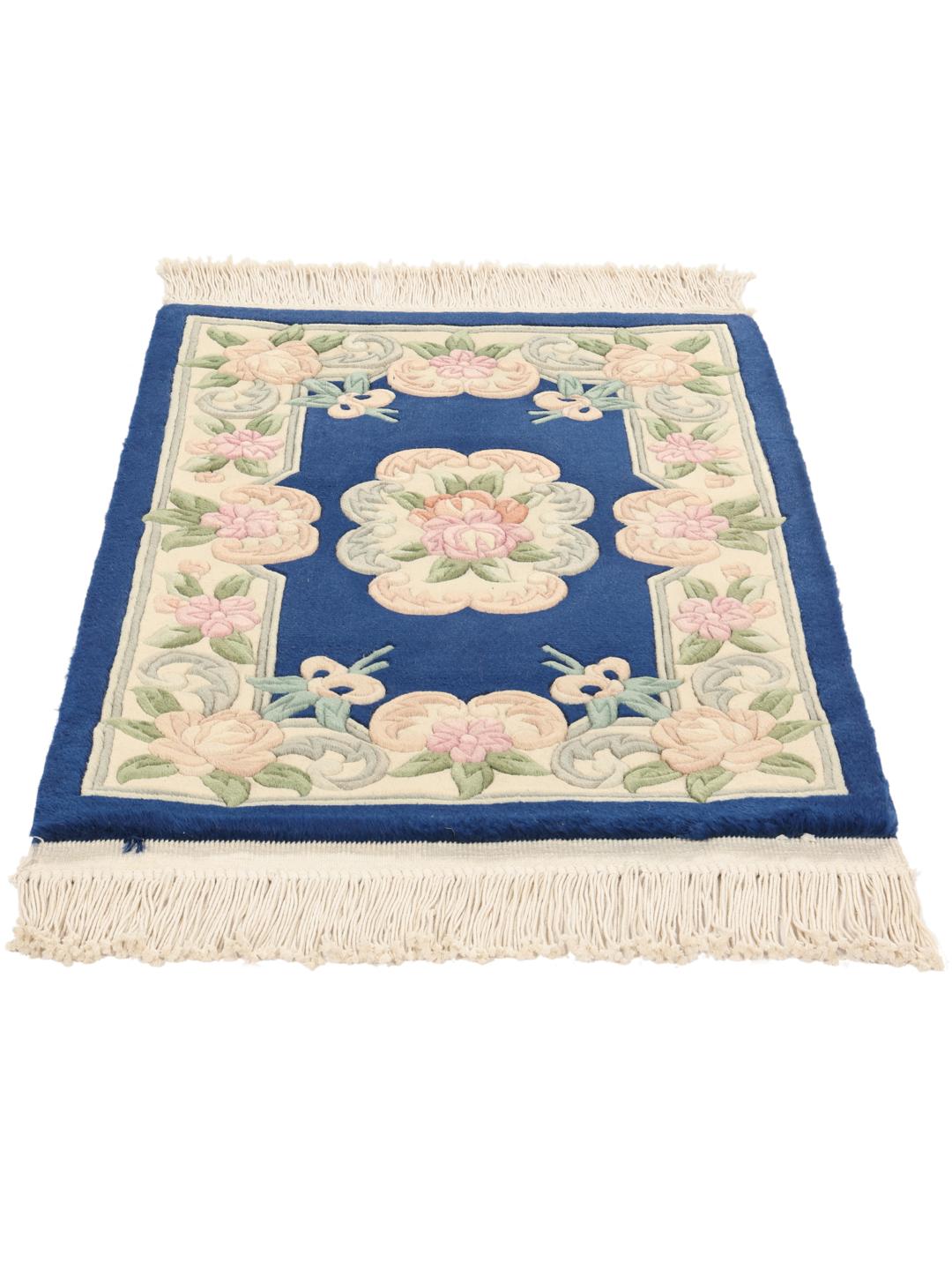
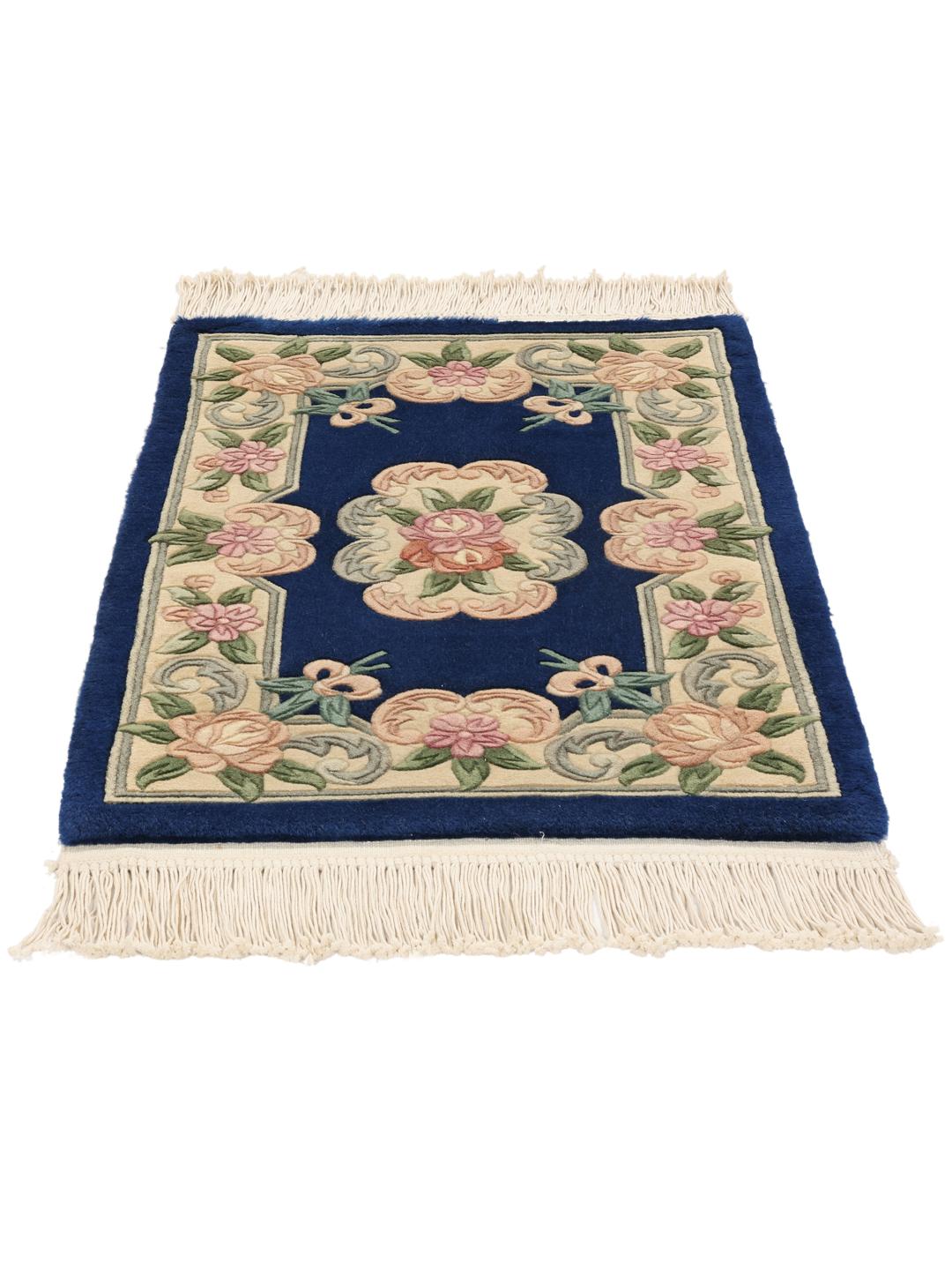
The visual language of this rug is deeply rooted in the classic floral traditions of the region. The use of repeating blossoms and delicate border work is designed to create a sense of balance, a hallmark of traditional Chinese design. The blue field is a deliberate choice, often used to symbolise elegance and calm, while providing a canvas that allows the lighter, soft-toned flowers to stand out clearly.
Owning a hand-knotted rug from this tradition is an appreciation of the skill and patience required to bring such a piece to life. These rugs are highly valued by collectors not only for their beauty but for the cultural heritage they represent. By bringing this piece into your home, you are continuing a long-standing tradition of craftsmanship that prioritises both aesthetic harmony and long-lasting quality.