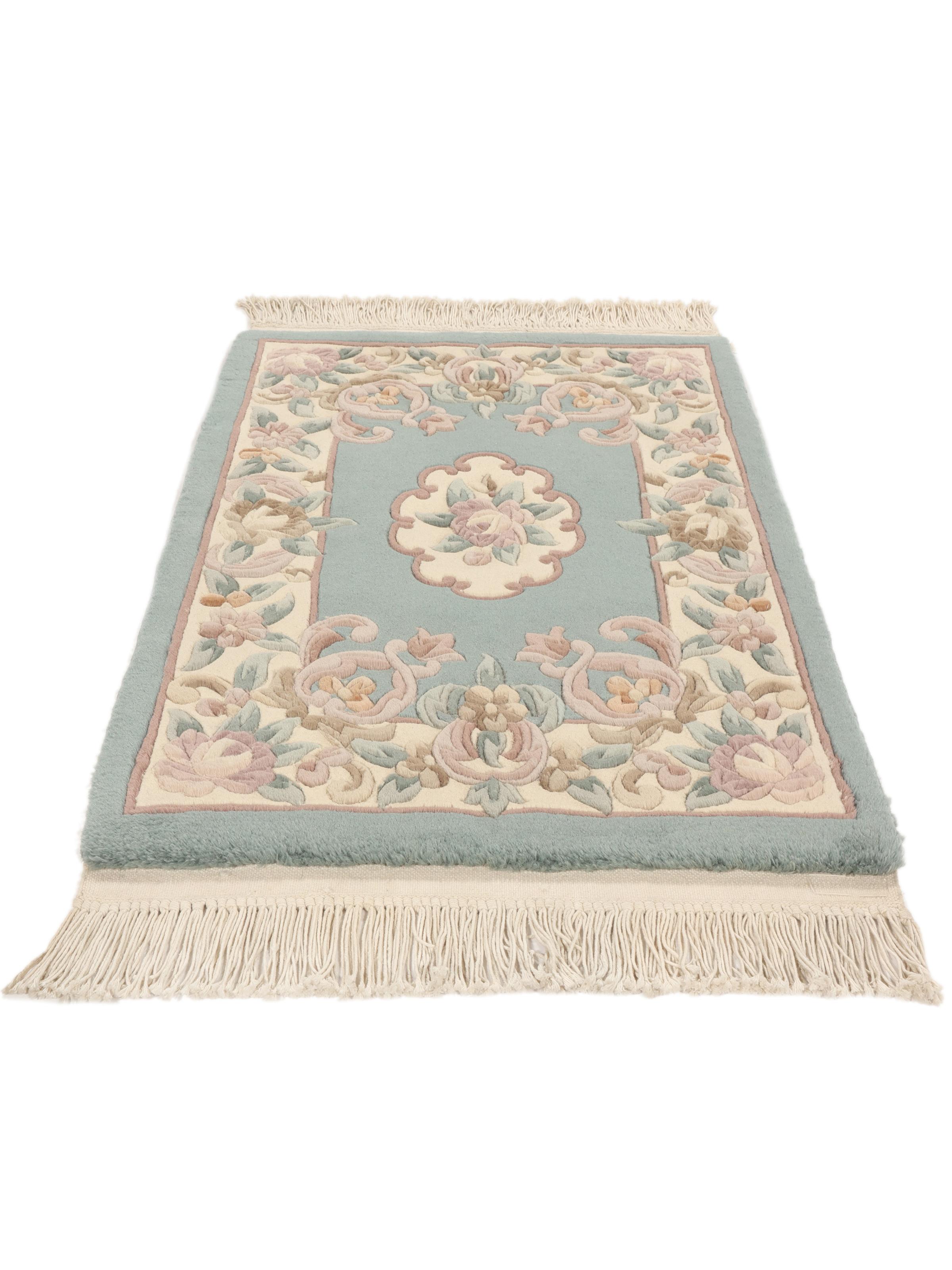
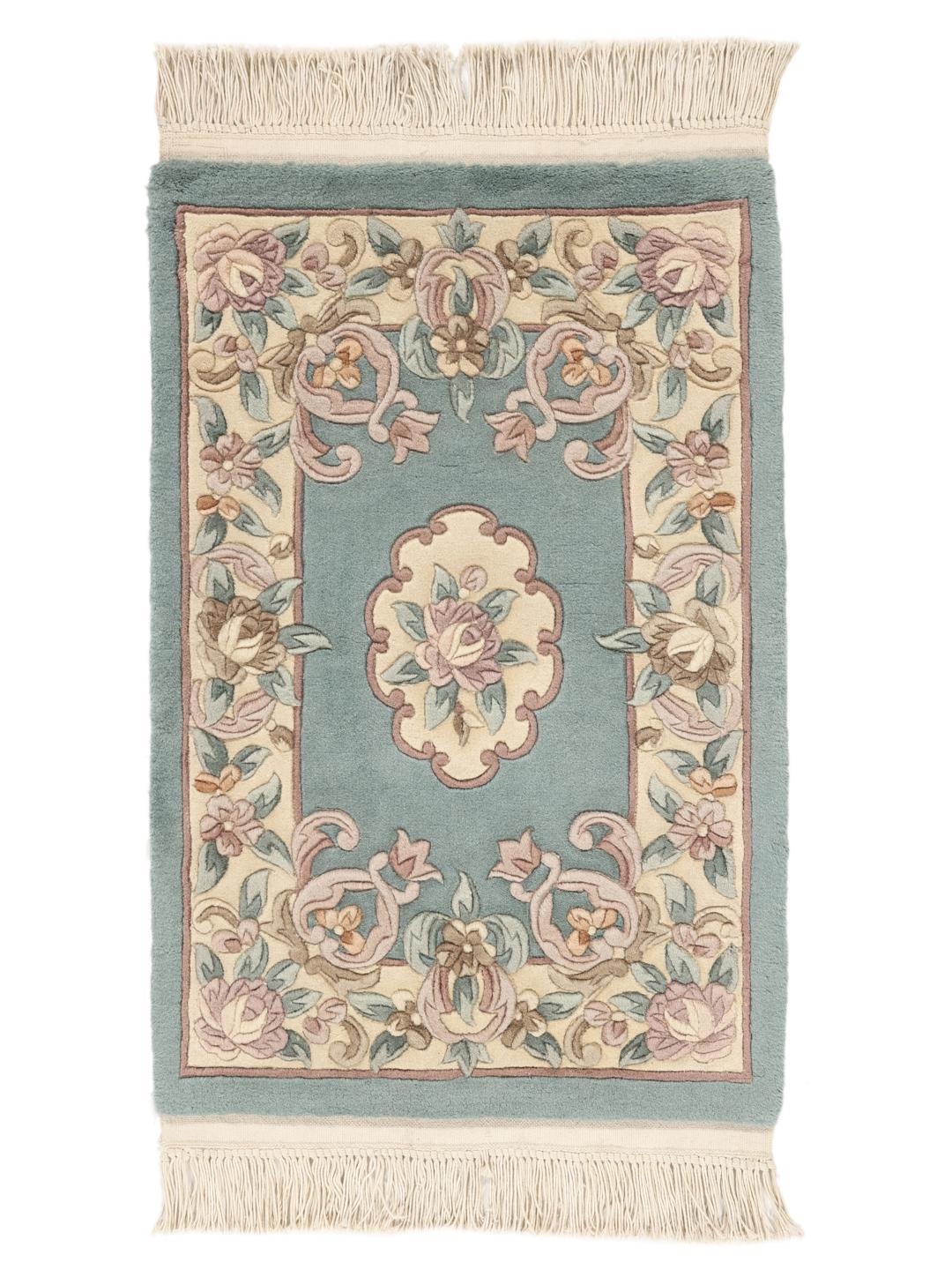
The history of rug weaving in China is deeply rooted in a culture that values both artistic expression and functional longevity. Unlike the more geometric traditions often seen in other parts of the world, Chinese rug traditions are famous for their focus on natural elements, such as intricate floral patterns, landscapes, and symbolic motifs. Over centuries, these designs have evolved to become icons of refined interior decor.
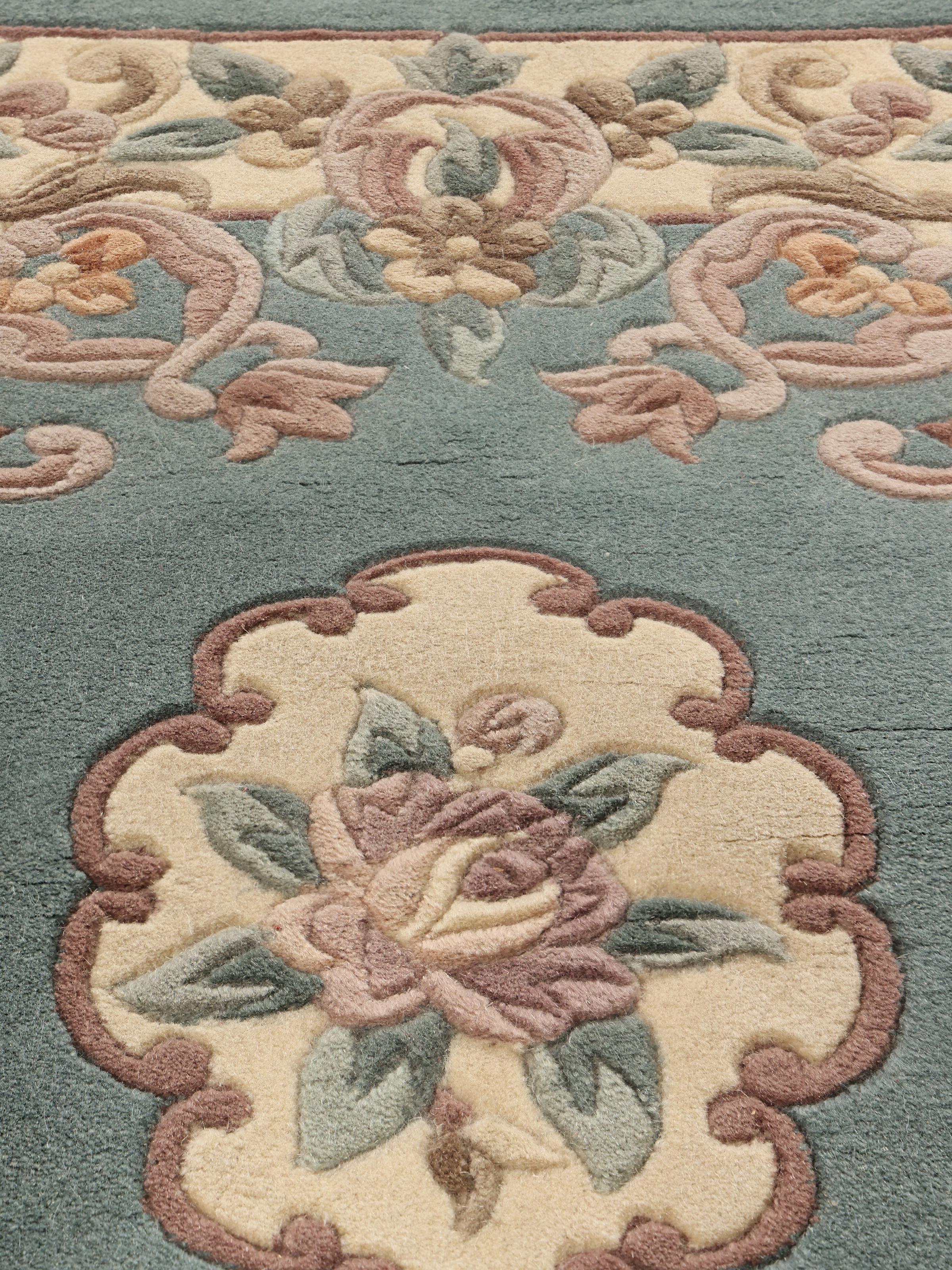
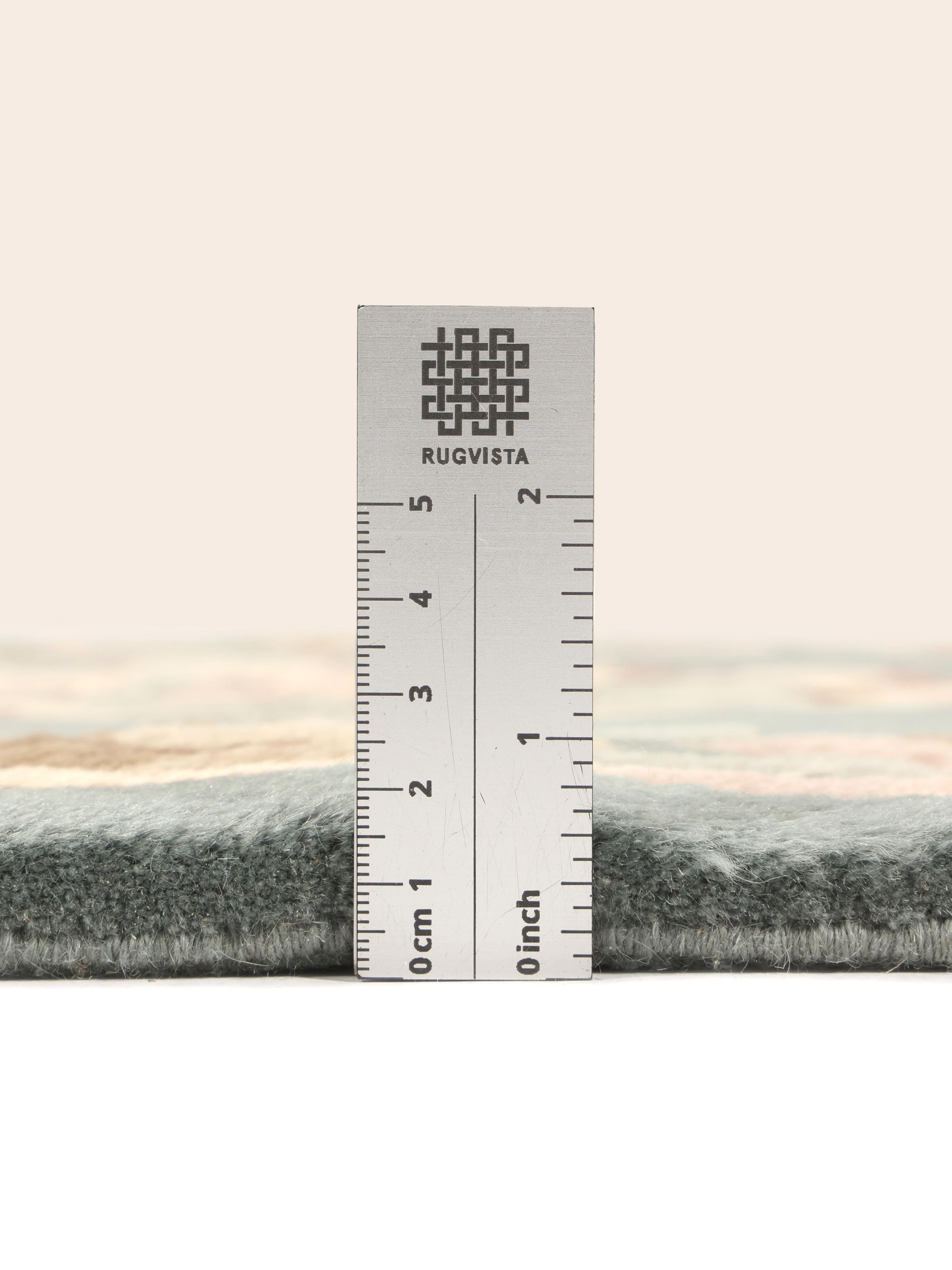
The term '90 Line' refers to a classic classification system used to describe the density of the weave in traditional Chinese rug making. This method historically signifies a specific number of knots across a standard width, which directly impacts the clarity of the design and the durability of the final piece. A higher line count allows for more detailed motifs and a more luxurious, firm pile that resists flattening over time.
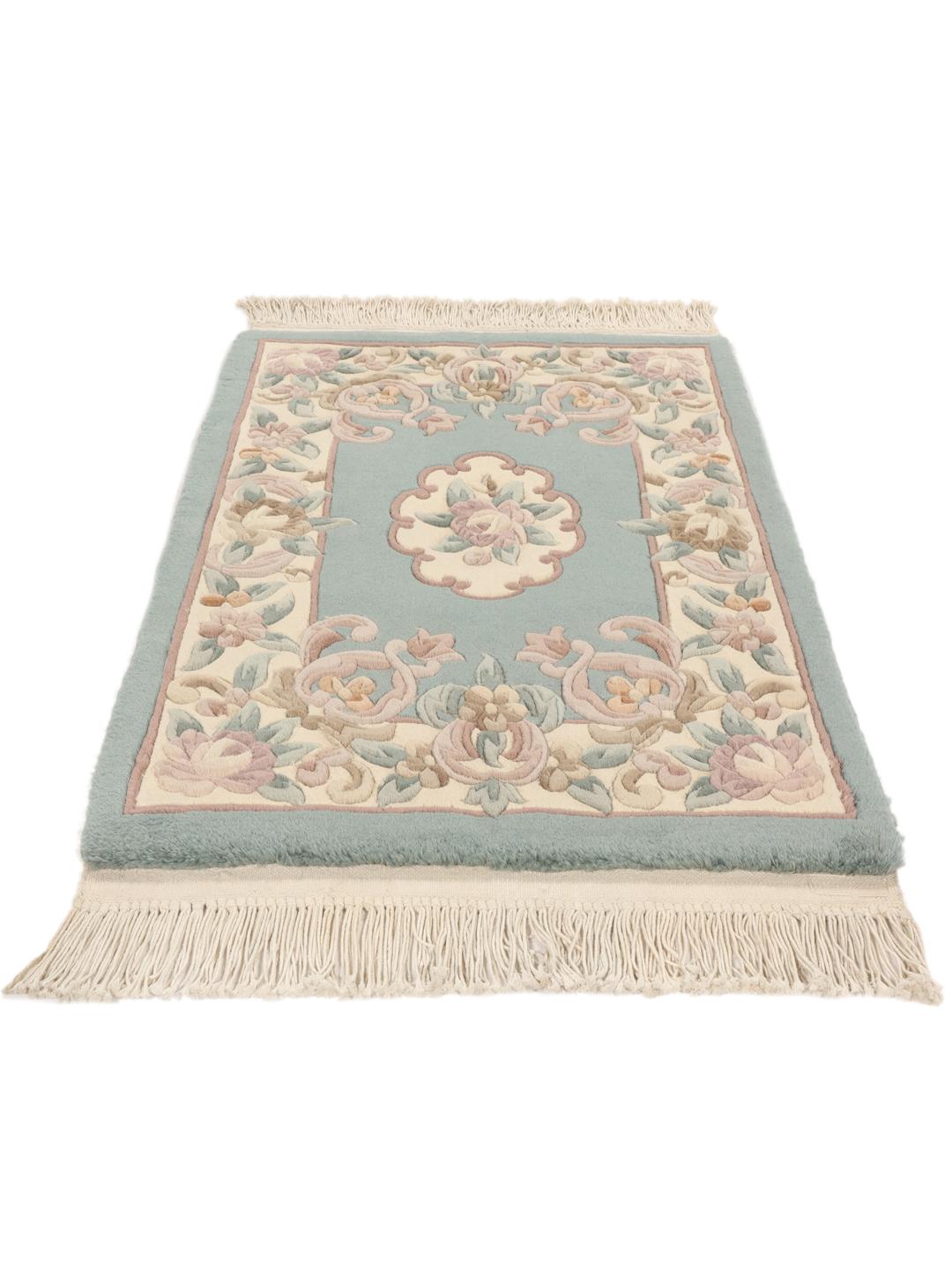
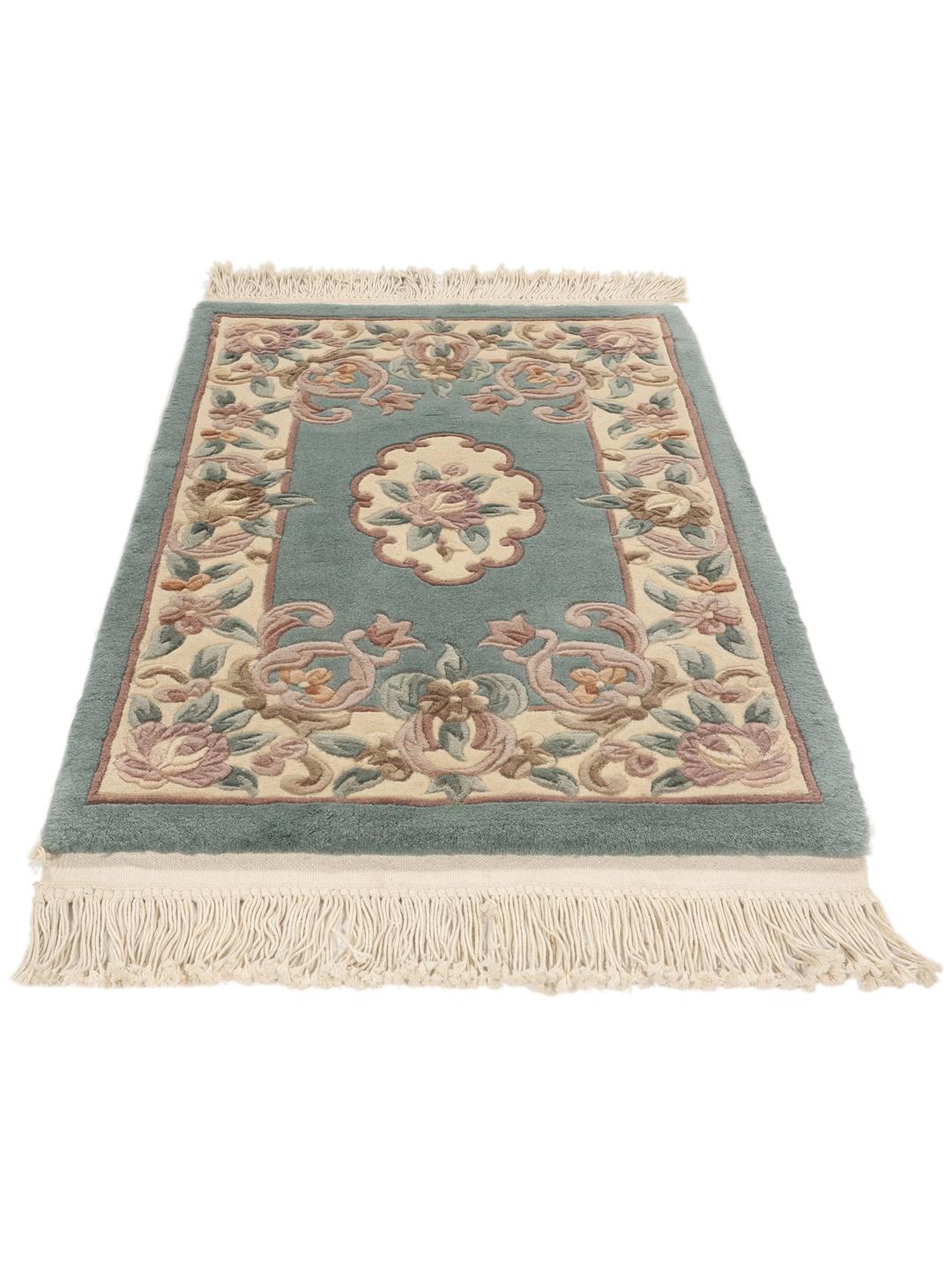
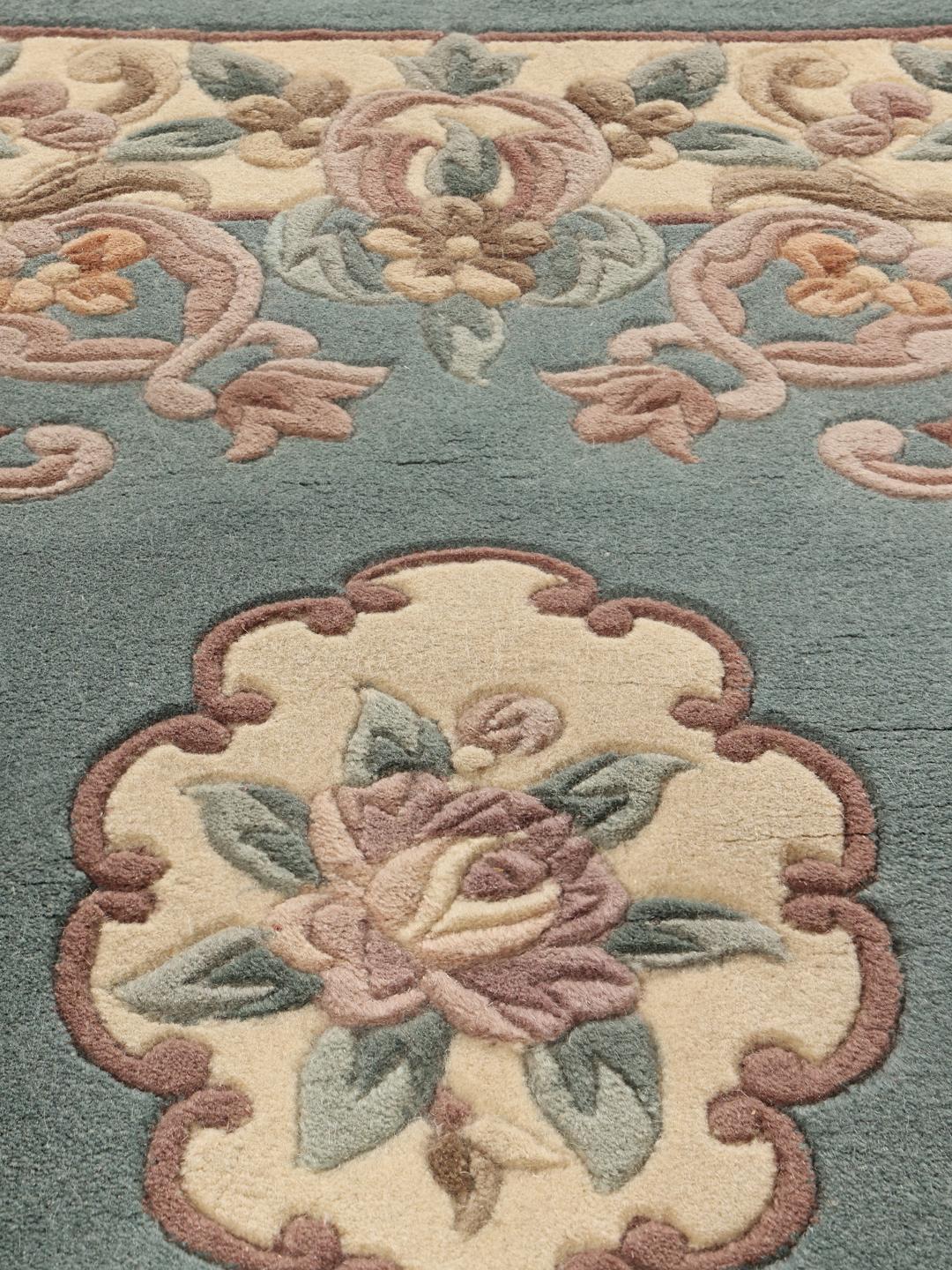
The visual language of this tradition is defined by its balanced compositions and the use of soft, harmonious colour palettes. Floral elements, such as the blossoms seen here, are often rendered with a sense of depth and fluidity. These designs were originally influenced by Chinese porcelain and silk painting, which explains the sophisticated, painterly quality that makes these rugs stand out in a room.
Collecting a rug from this tradition is an act of preserving a specific craft heritage that has been refined over generations. These pieces are valued not only for their aesthetic beauty but for the immense human effort required to complete them. Owning one is a way to bring a piece of this rich, artistic history into your home, ensuring that the legacy of these dedicated artisans continues to be appreciated.