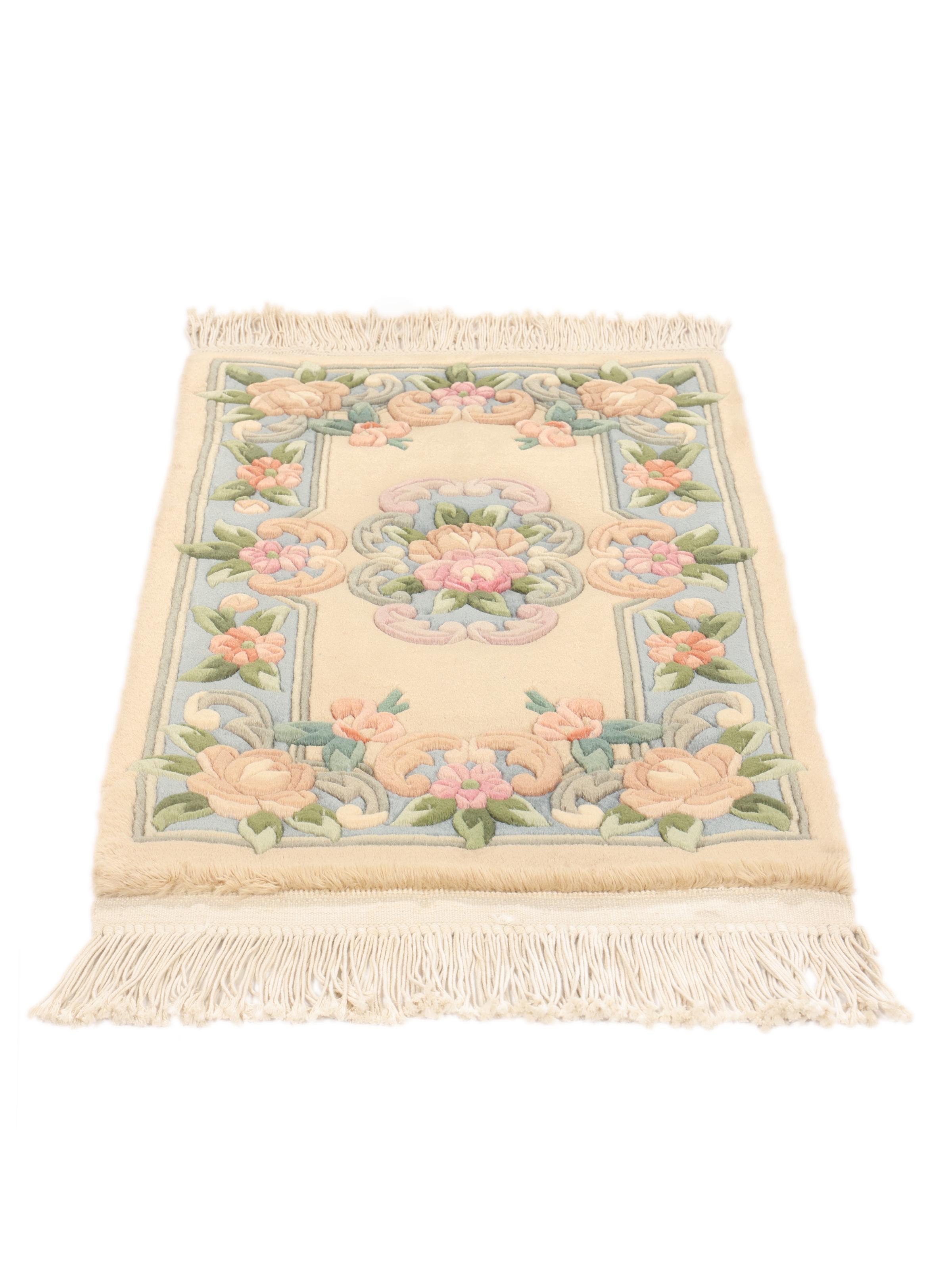
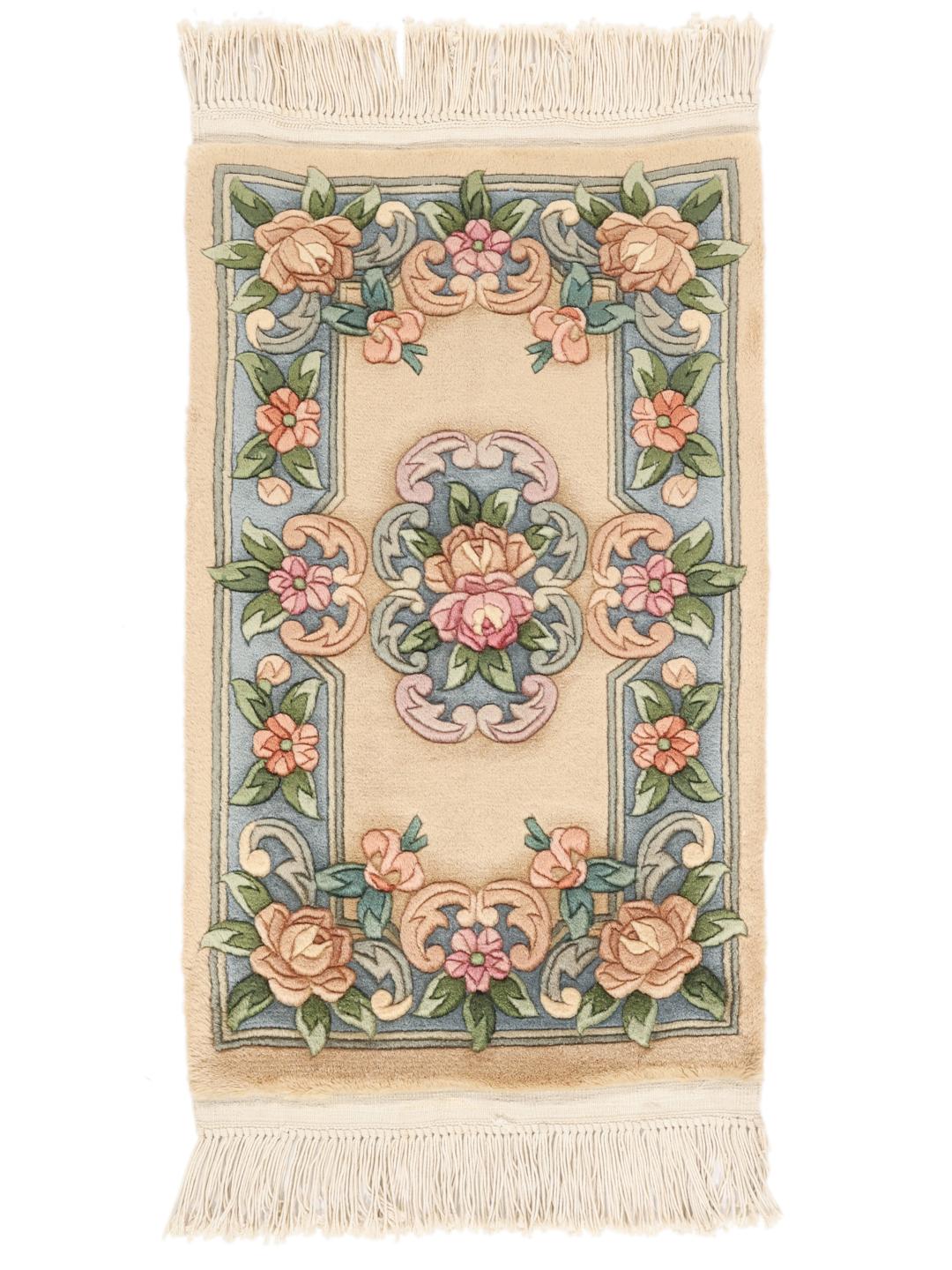
The history of Chinese rug-making is deeply rooted in centuries of artistic tradition, with a unique stylistic evolution that distinguishes it from other regional crafts. While many Middle Eastern traditions focus on dense, geometric tribal patterns, Chinese rugs have historically been characterised by their use of negative space, symbolic motifs, and a refined, painterly approach to floral and landscape designs.
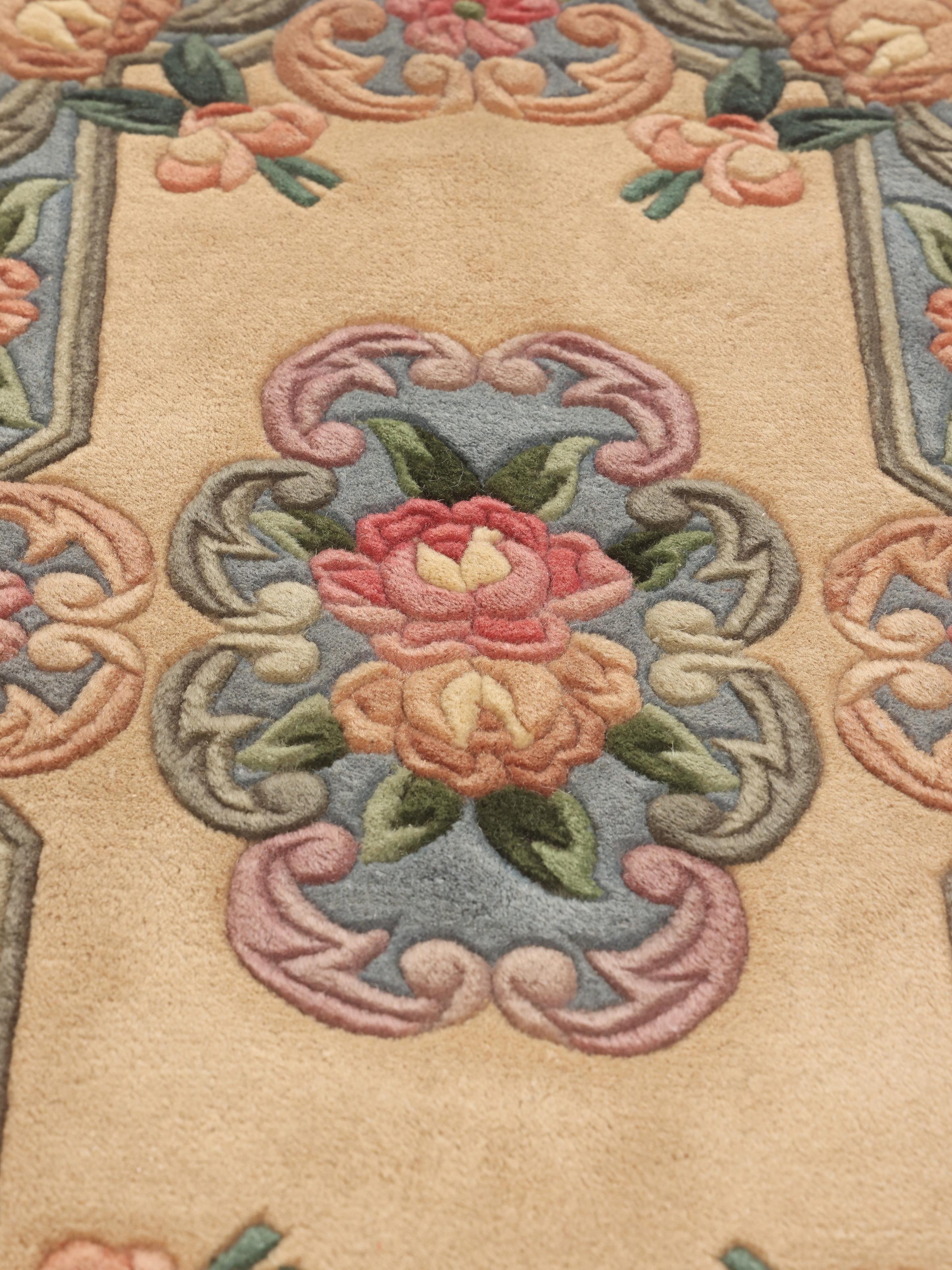
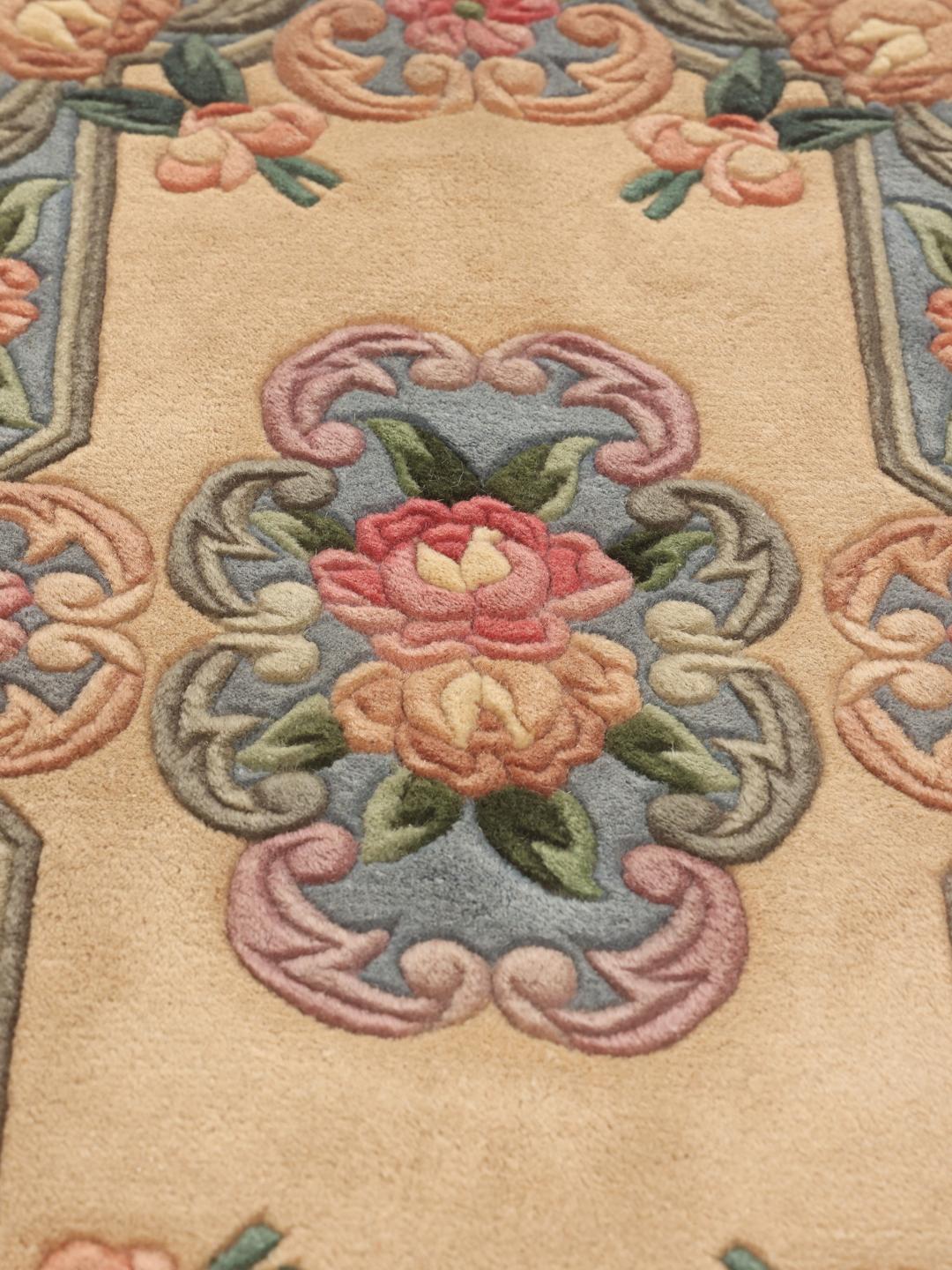
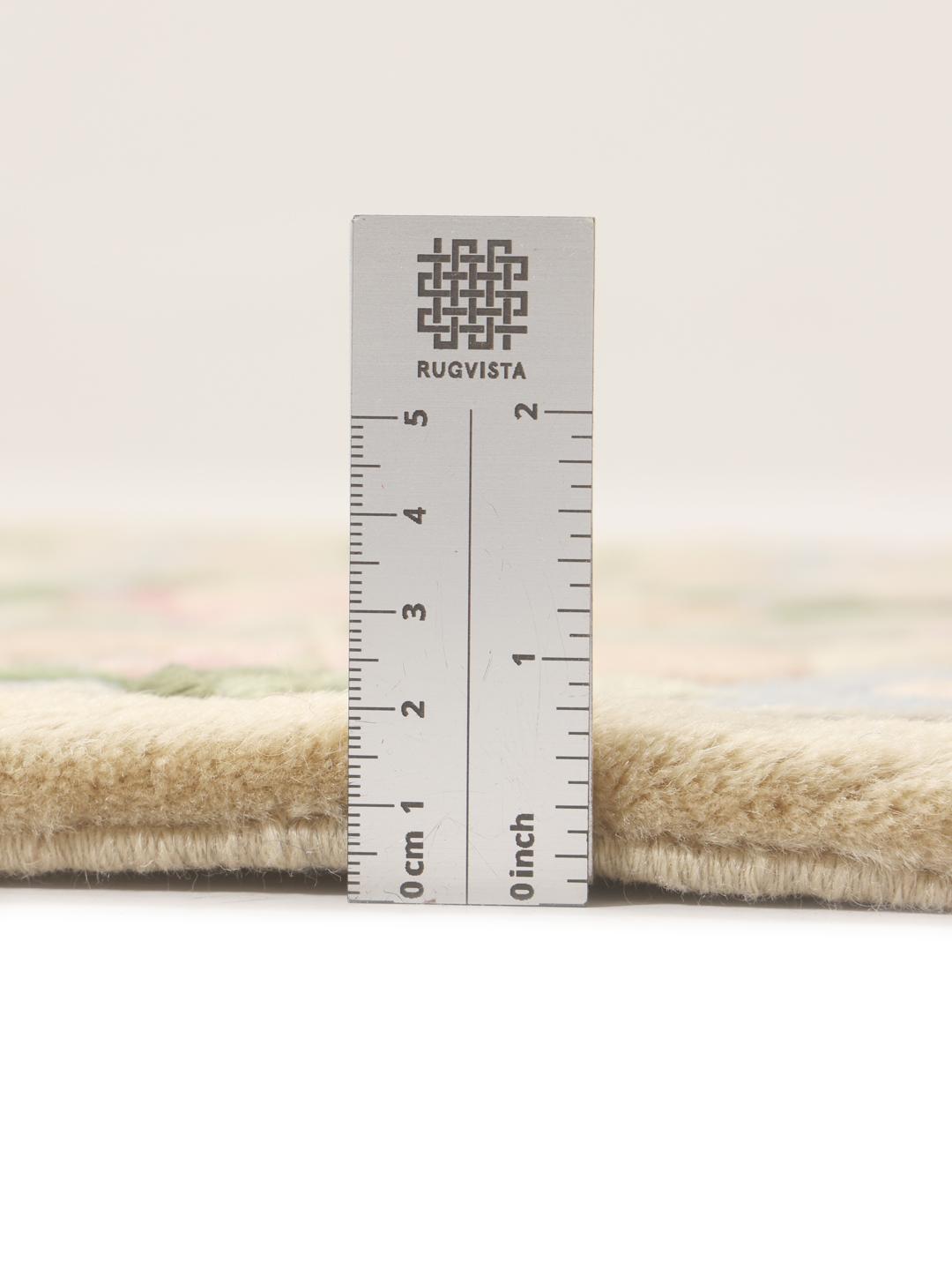
The 90-line classification refers to a traditional measurement of quality based on the number of warp threads per foot, which directly dictates the complexity and detail of the patterns. This specific technique allows for clear, defined motifs and a consistent pile height. For the owner, this means a rug that balances detailed artistry with a practical, durable surface that is built to last.
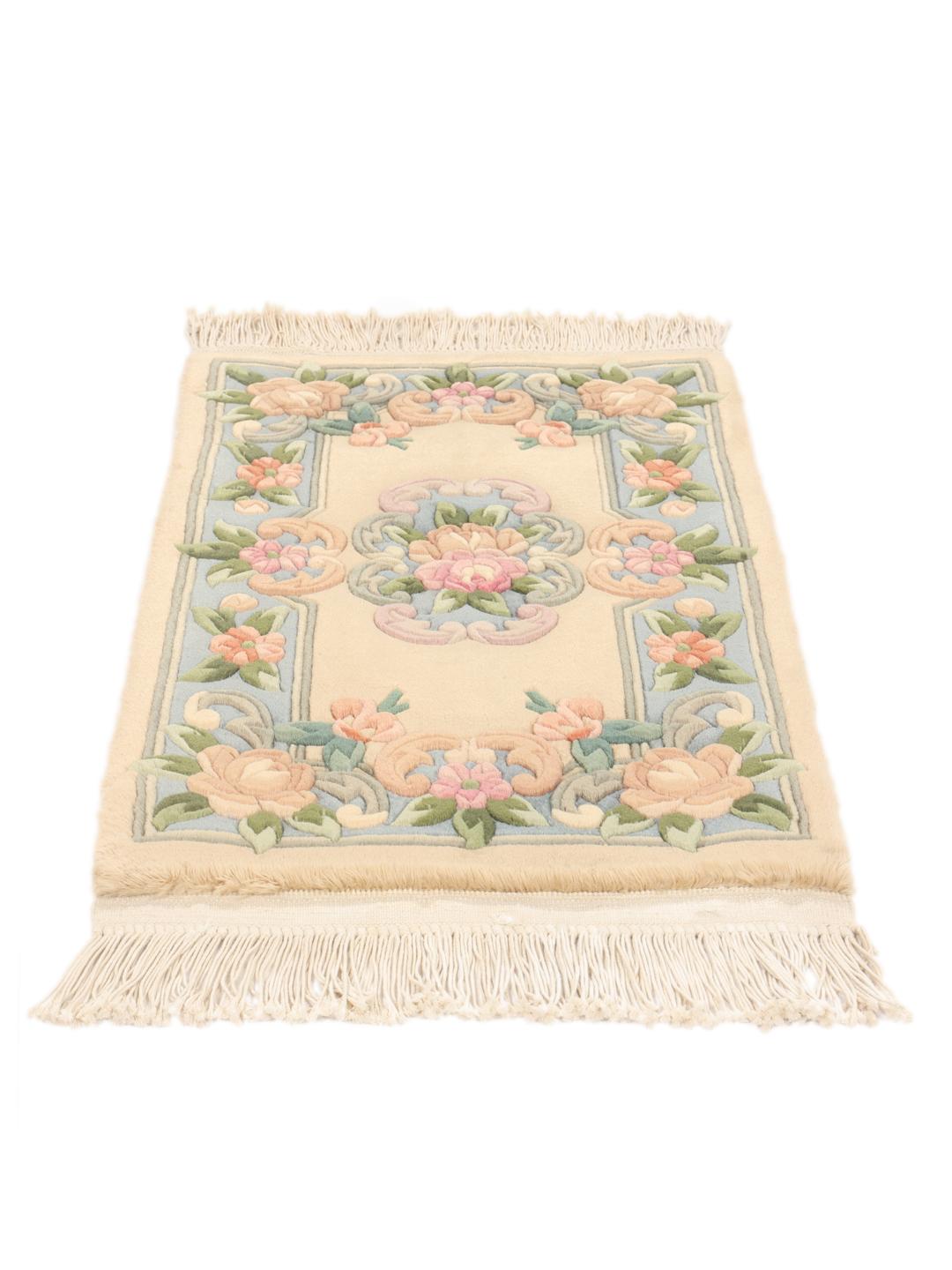
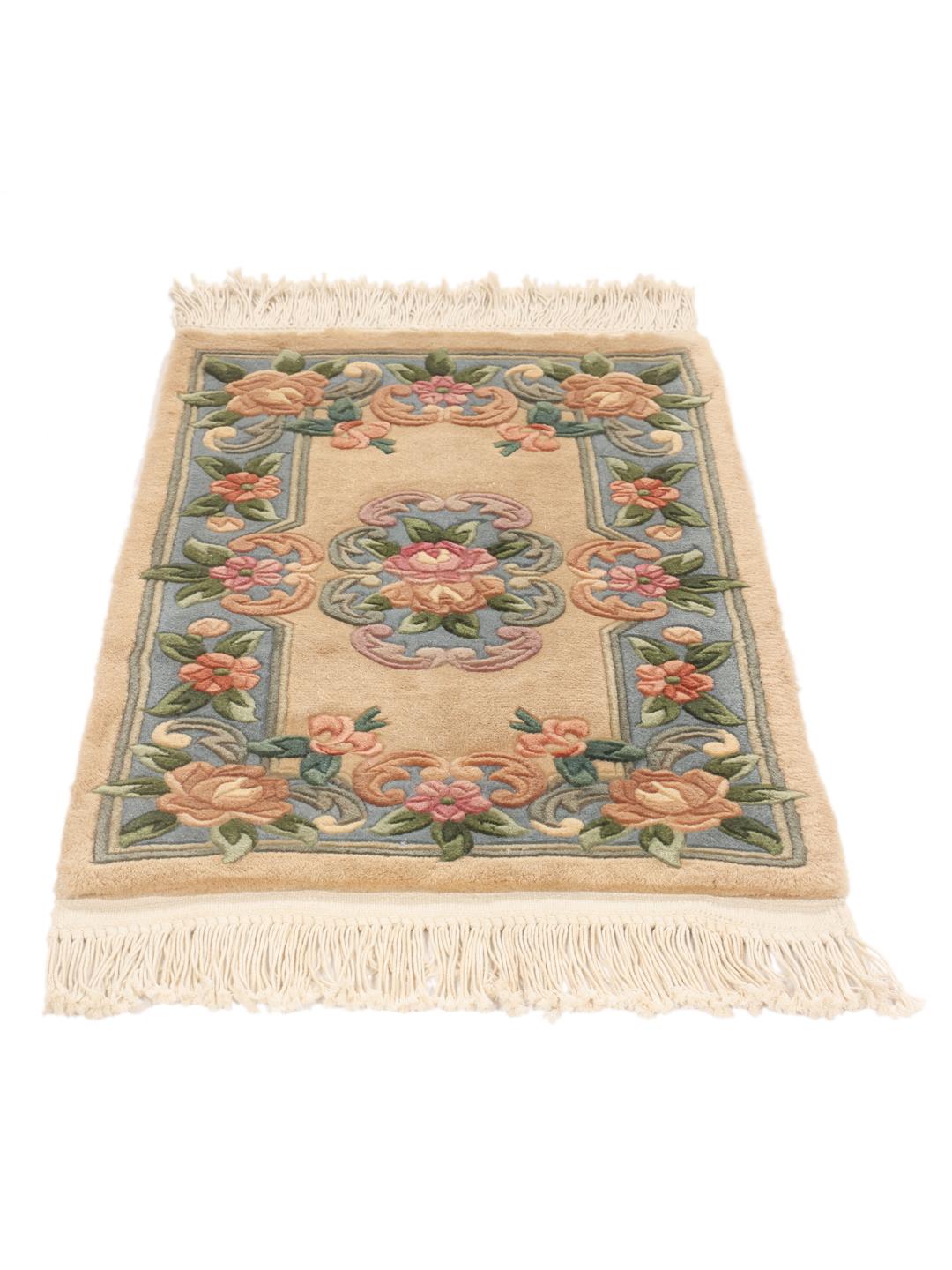
Floral motifs are a hallmark of this tradition, often representing prosperity, longevity, and natural beauty. These designs are frequently framed by formal, decorative borders that ground the central imagery, creating a sense of balance and harmony. The use of soft, natural colours is intentional, designed to complement rather than overwhelm an interior space, reflecting an aesthetic that values tranquillity.
Collecting a hand-knotted rug from this tradition is an investment in human skill and cultural heritage. Each piece acts as a bridge to the past, preserving techniques that have been passed down through generations of weavers. Owning such a rug is a way to bring a piece of this rich artistic legacy into your home, celebrating the dedication required to transform raw materials into a lasting work of art.