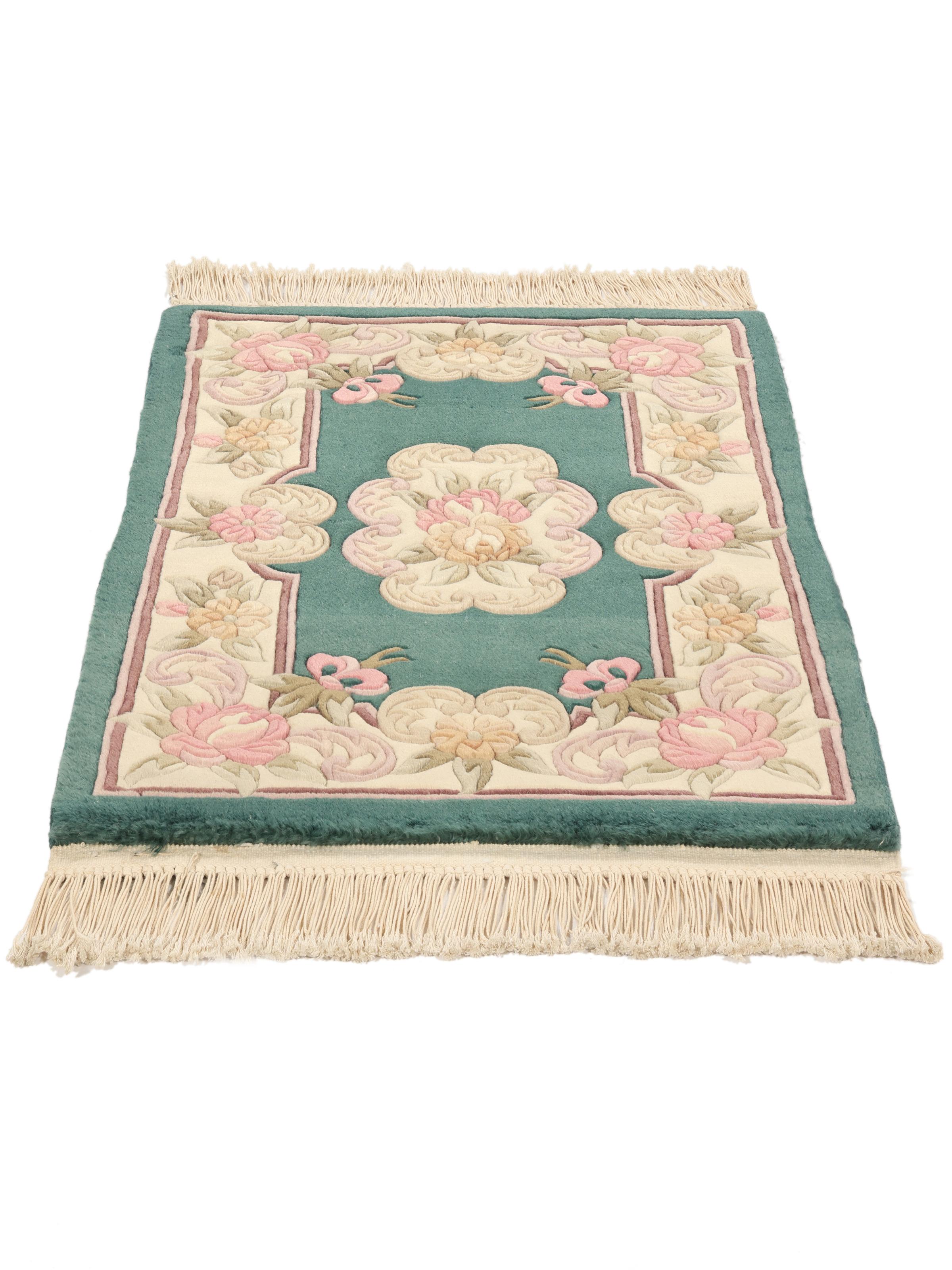
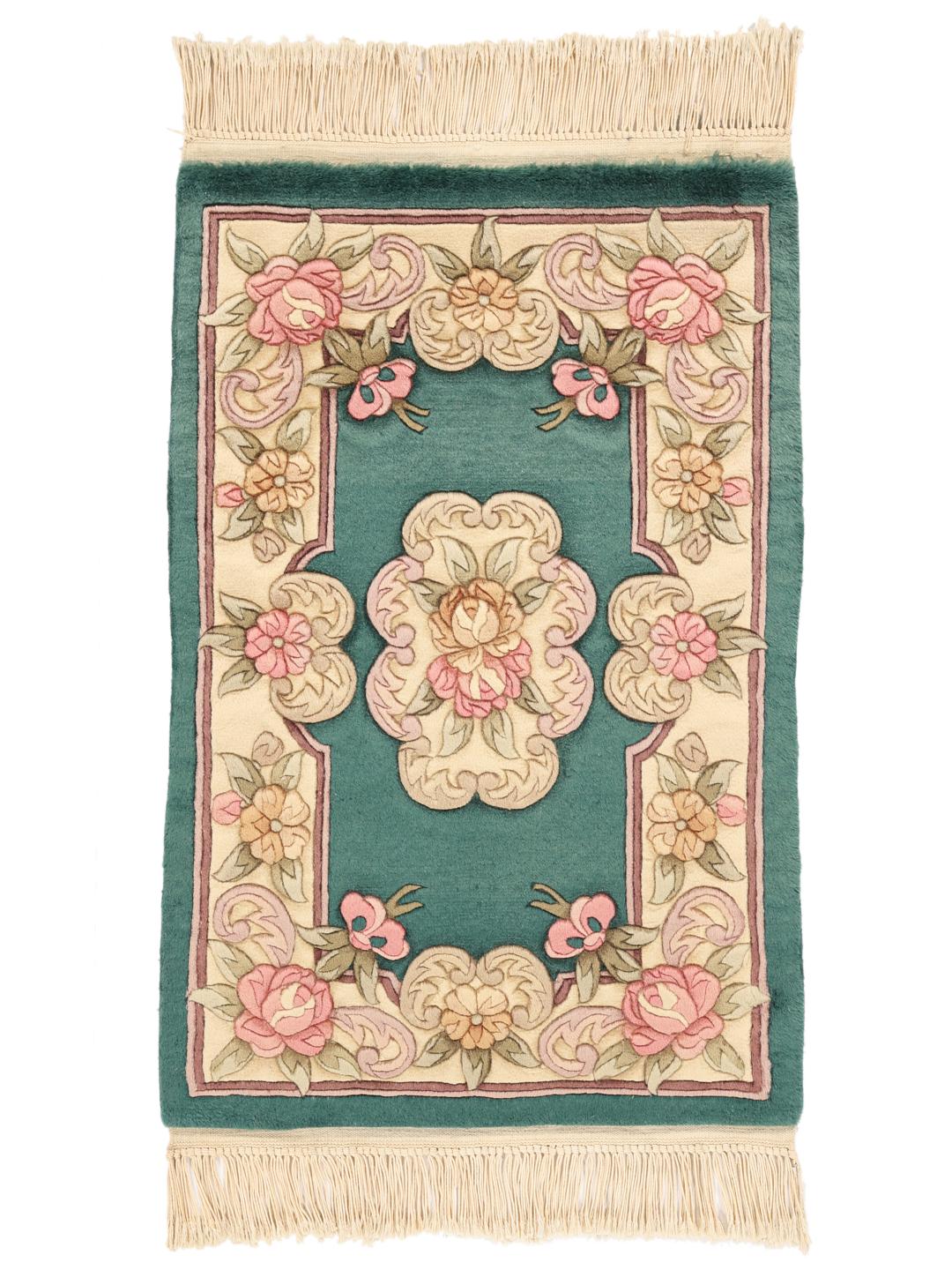
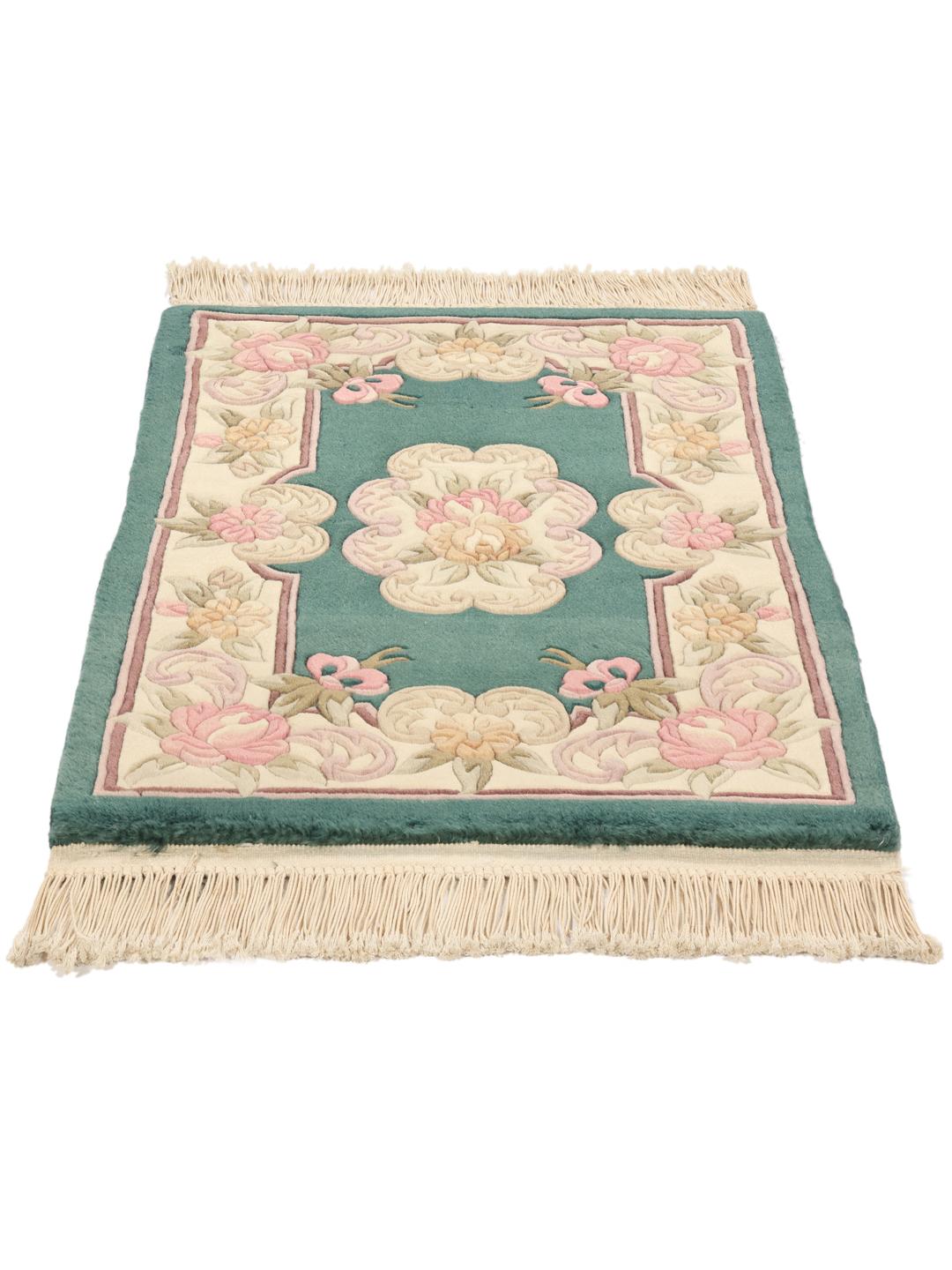
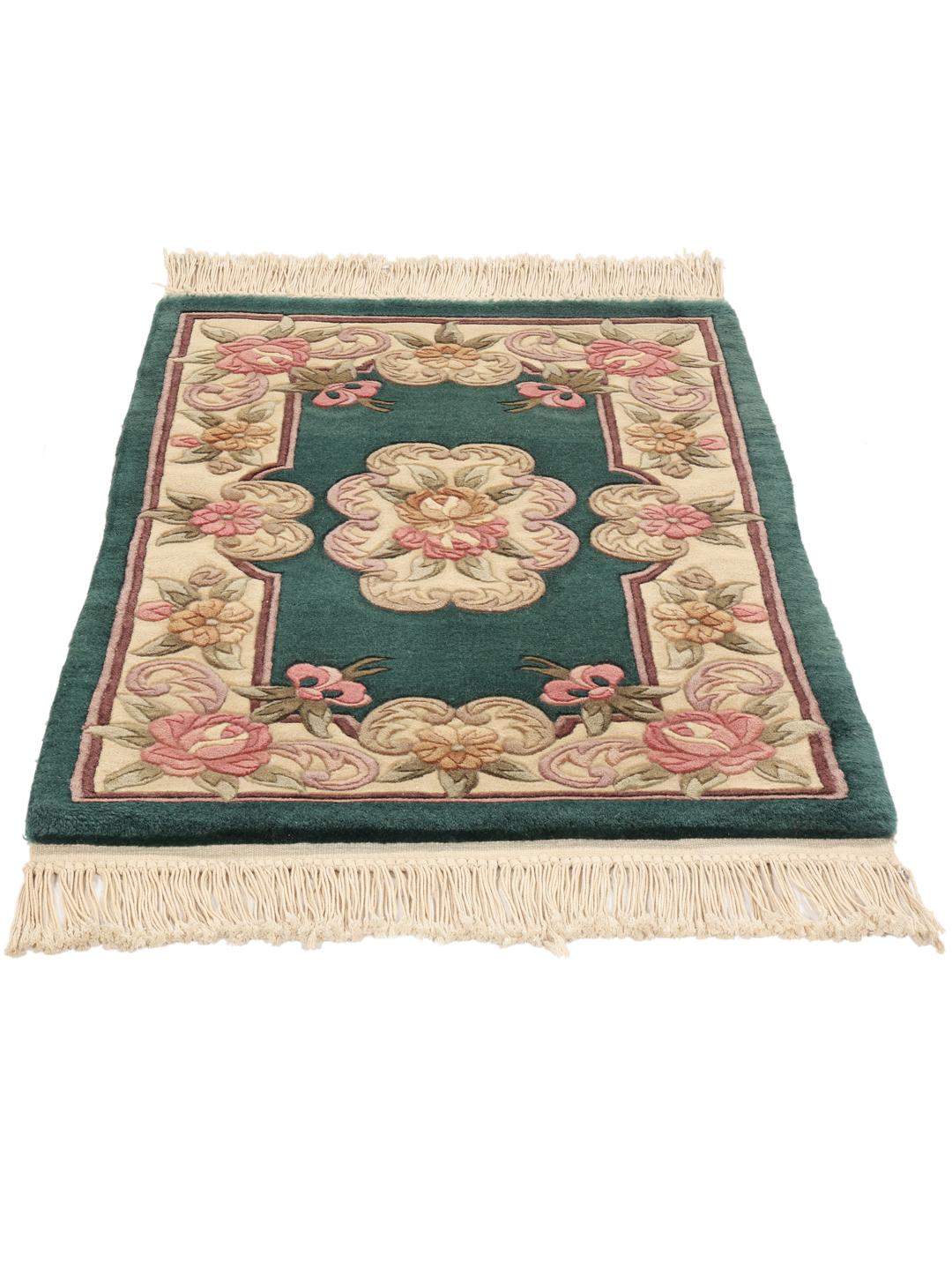
The history of rug-making in China is a storied tradition that spans centuries, deeply rooted in the artistic heritage of the East. Chinese rugs are renowned for their unique approach to design, often drawing inspiration from nature, mythology, and Buddhist symbolism, which creates a distinct visual language that differs from other regional traditions.
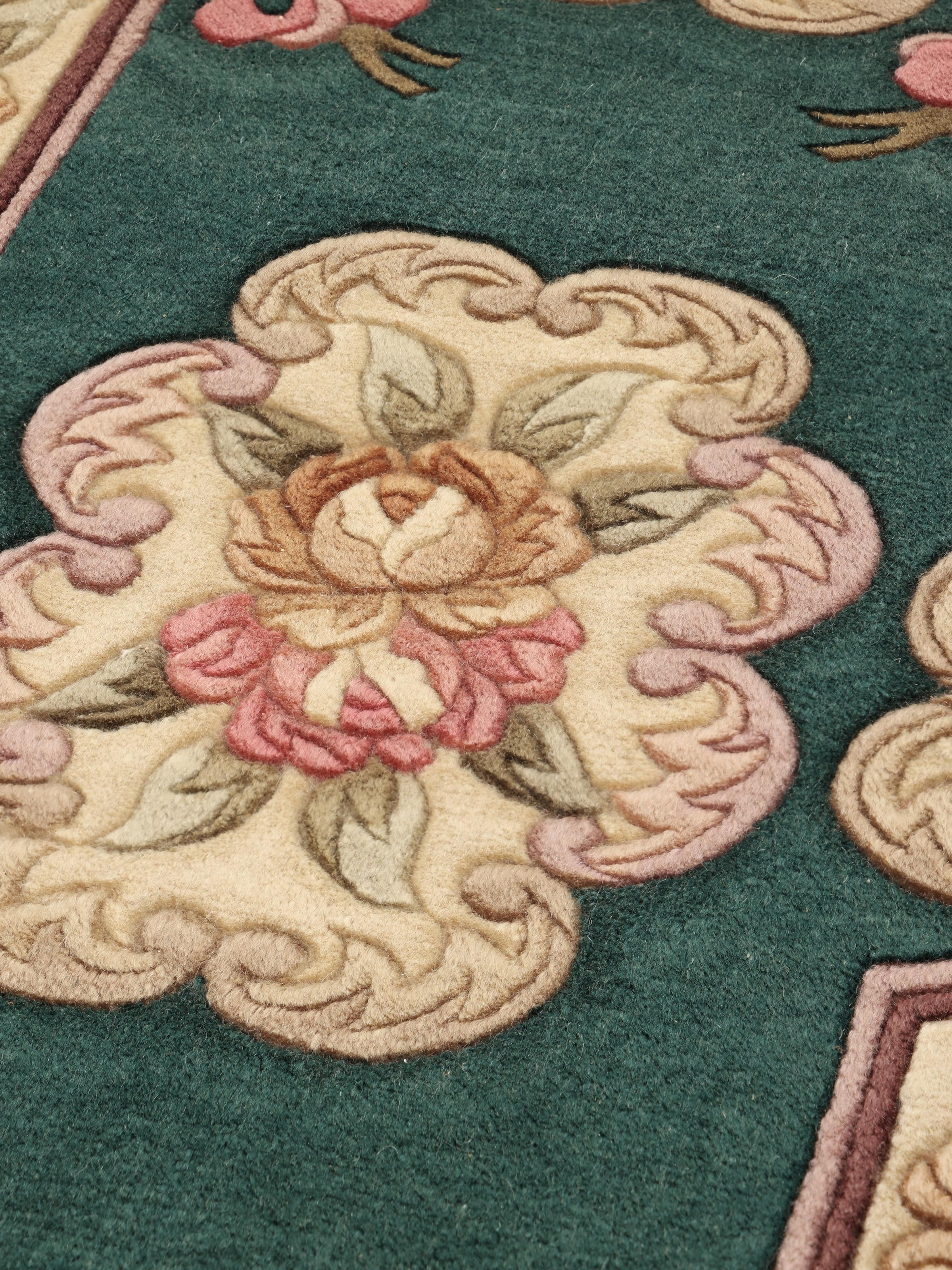
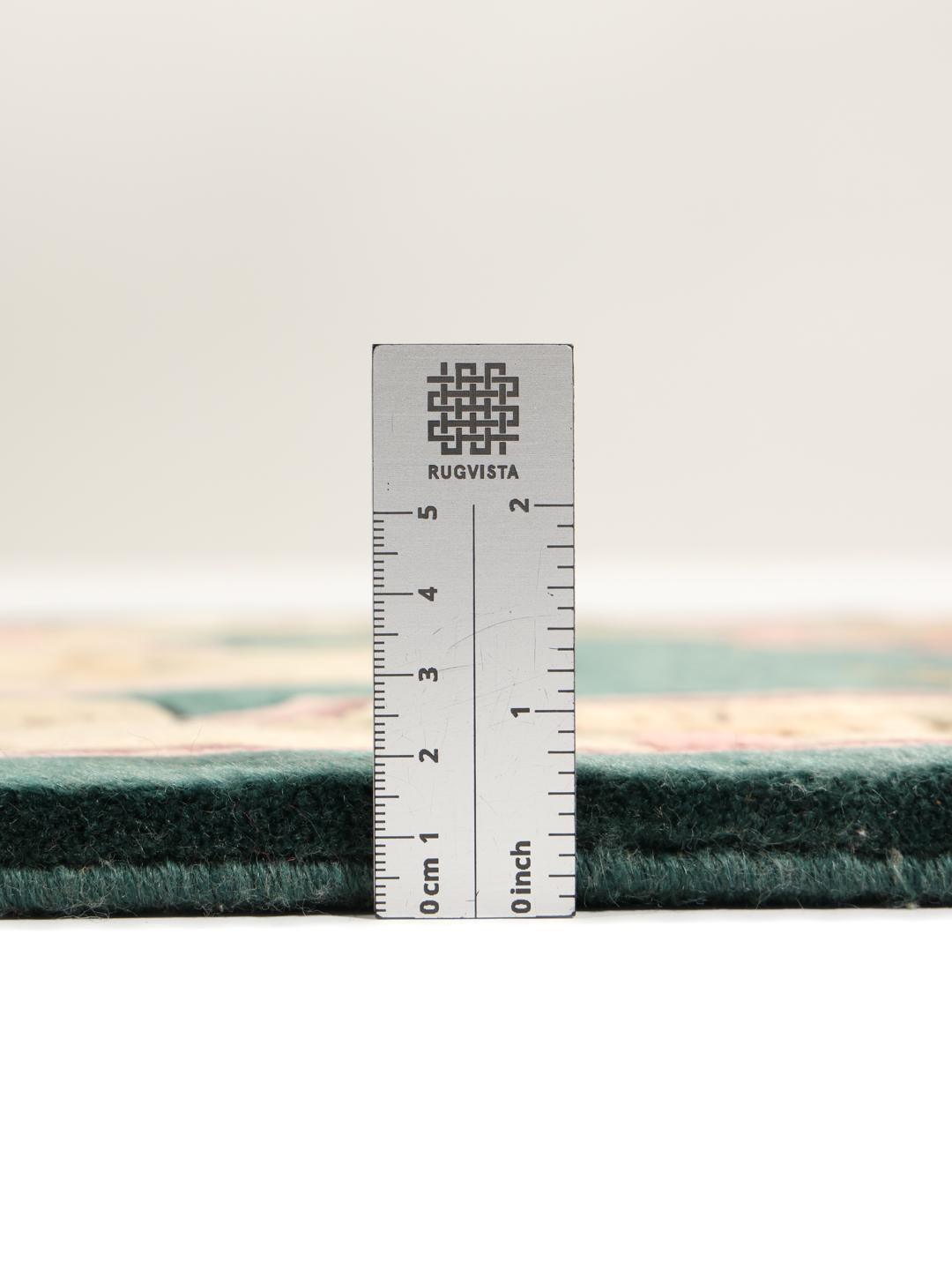
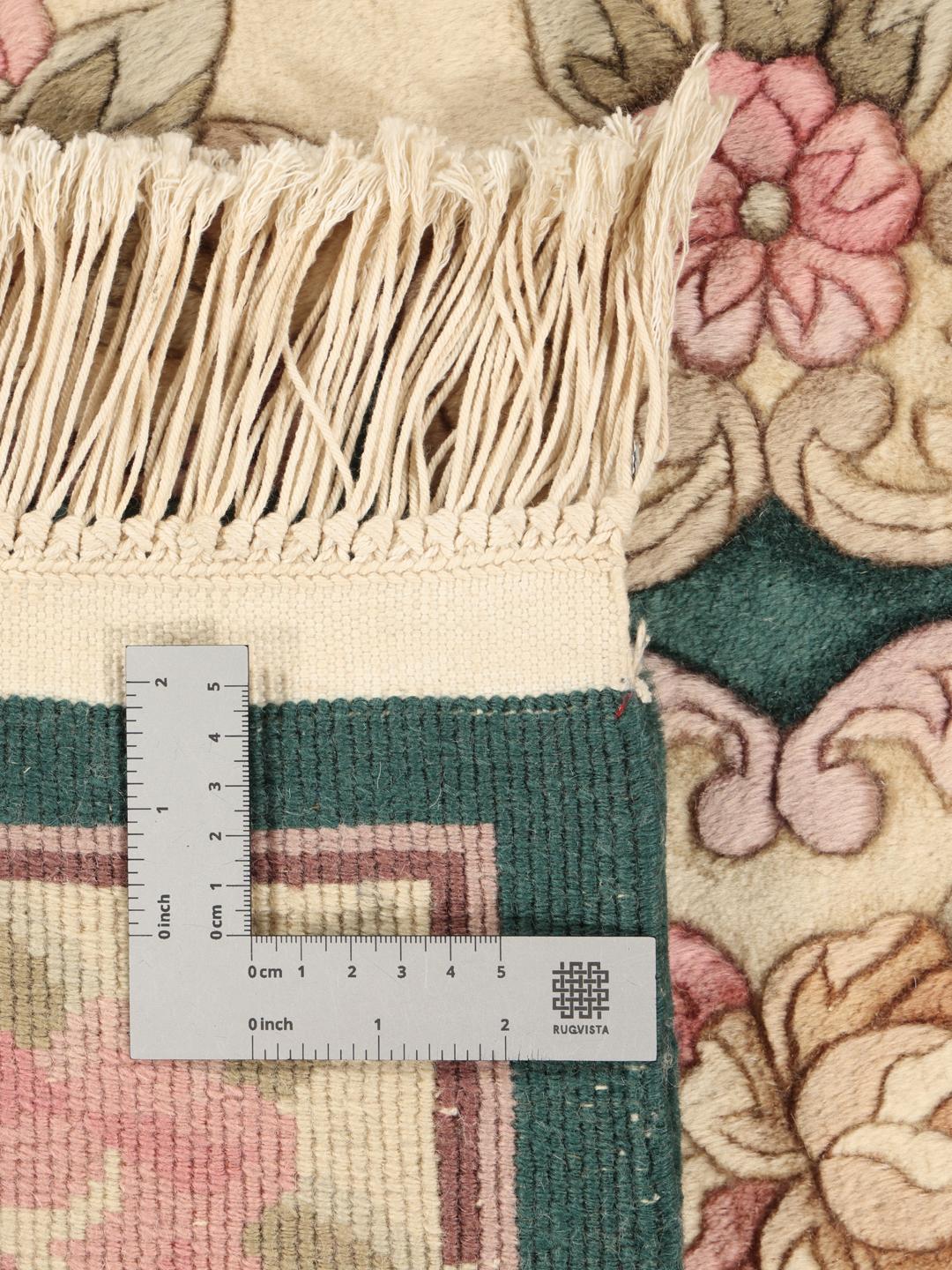
Technically, the 'line' count in Chinese rug terminology refers to the density of the weaving, which directly influences the crispness of the patterns and the longevity of the finished piece. This method of construction is designed to create a resilient pile that can withstand daily use while maintaining its intricate decorative details, showcasing the mastery of the weavers who have refined these techniques over generations.
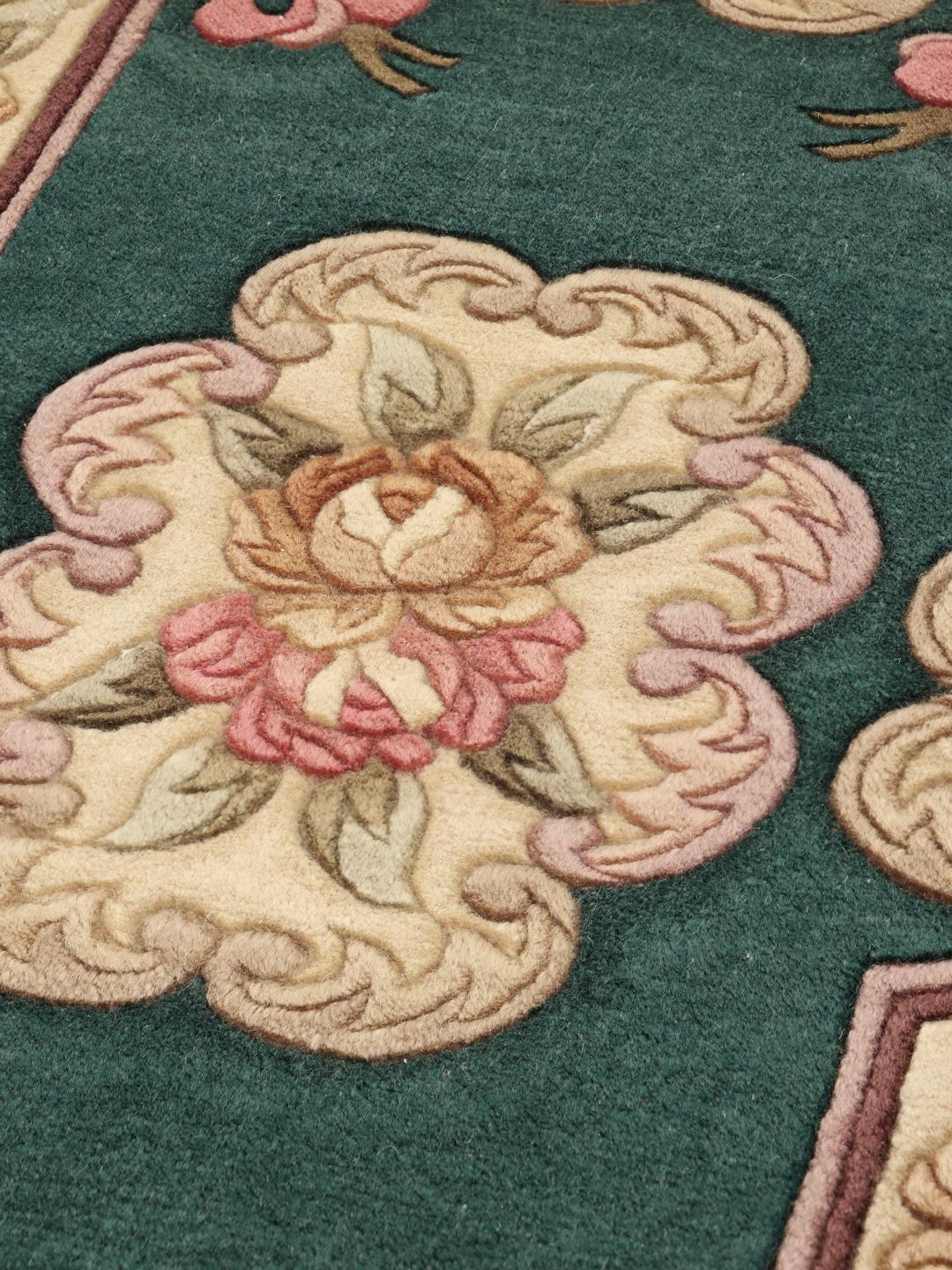
Signature elements of this tradition often include asymmetrical floral arrangements and stylized botanical motifs, which are meant to evoke feelings of prosperity and peace. The use of a central medallion or flowing floral borders is a hallmark of the style, often rendered in a palette that balances vivid, saturated tones with softer, neutral accents to create a cohesive and sophisticated look.
Collecting a piece from this tradition is an investment in both history and craft. These rugs are highly valued for their artistic integrity and the human story behind each knot. Owning one is an opportunity to connect with a long-standing cultural legacy, providing your home with a piece that carries real weight and character beyond its functional purpose.