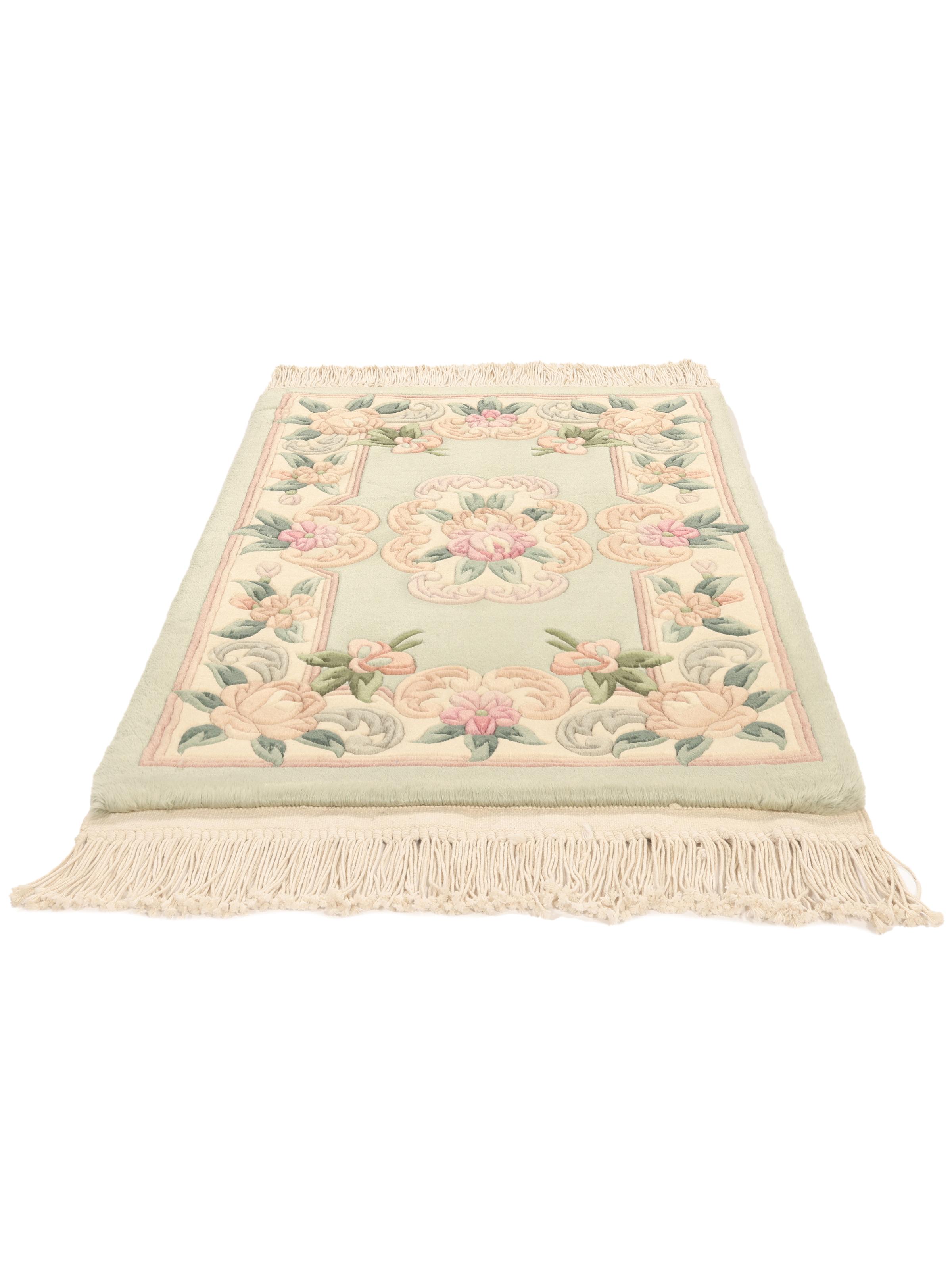
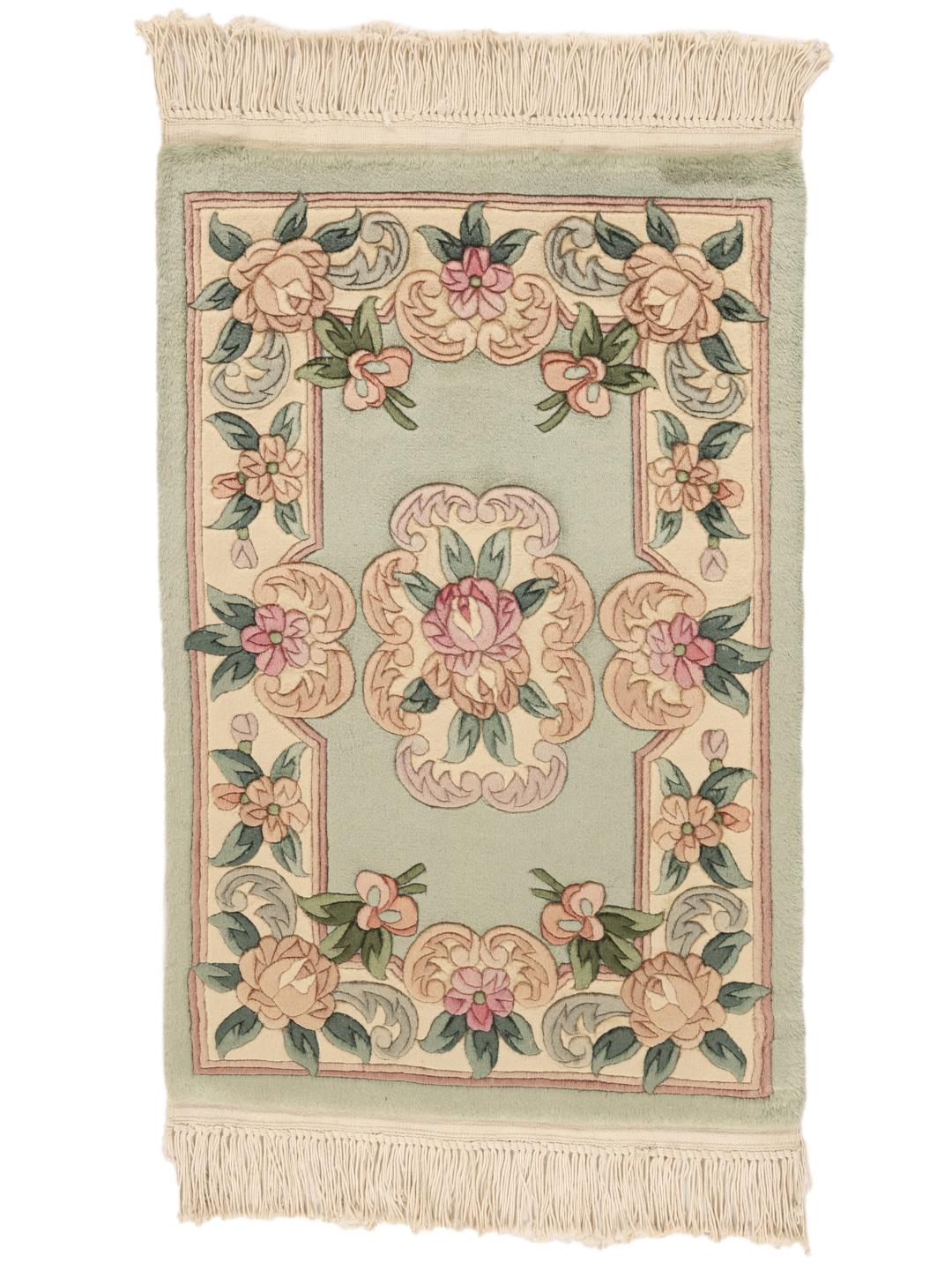
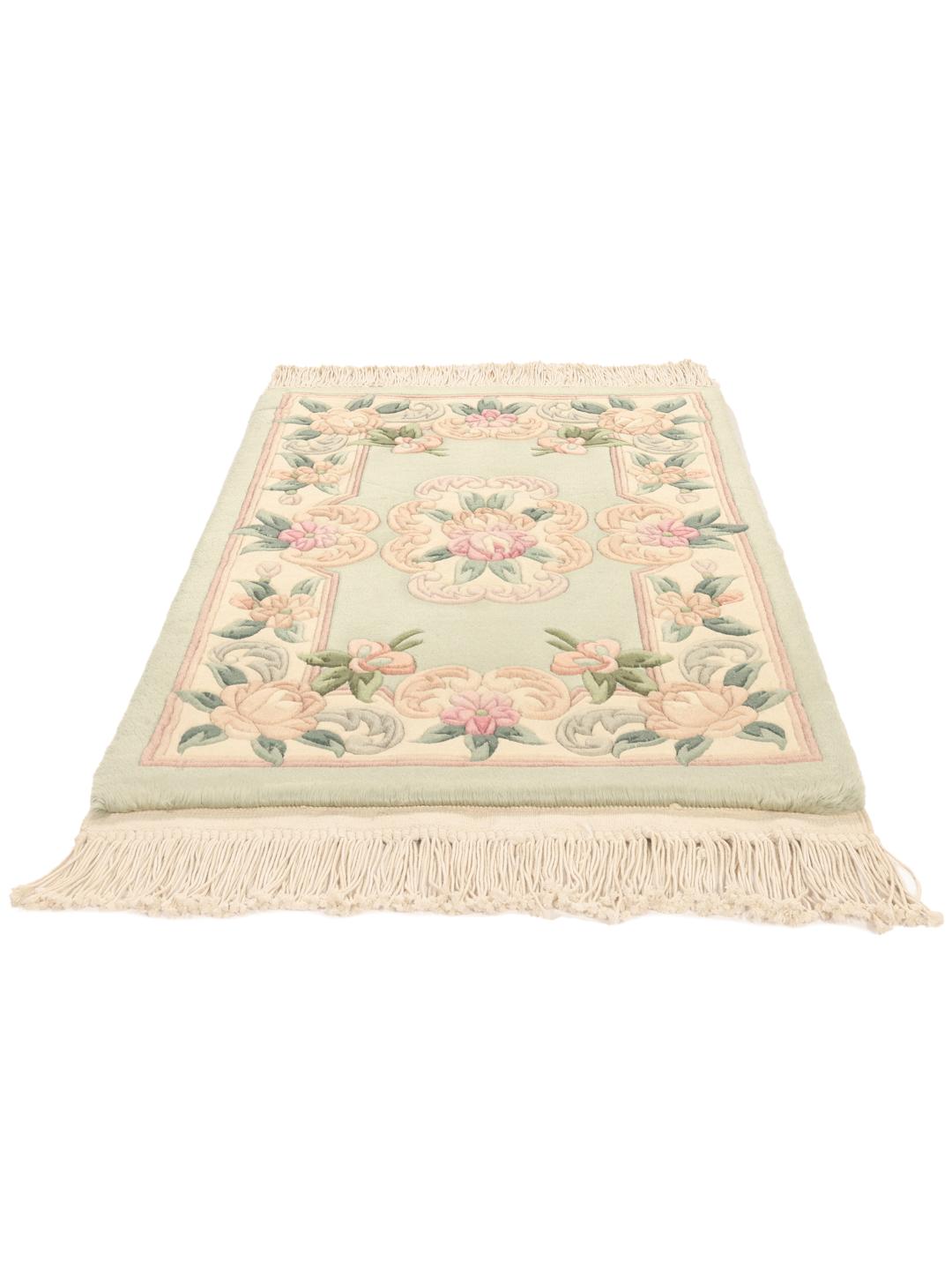
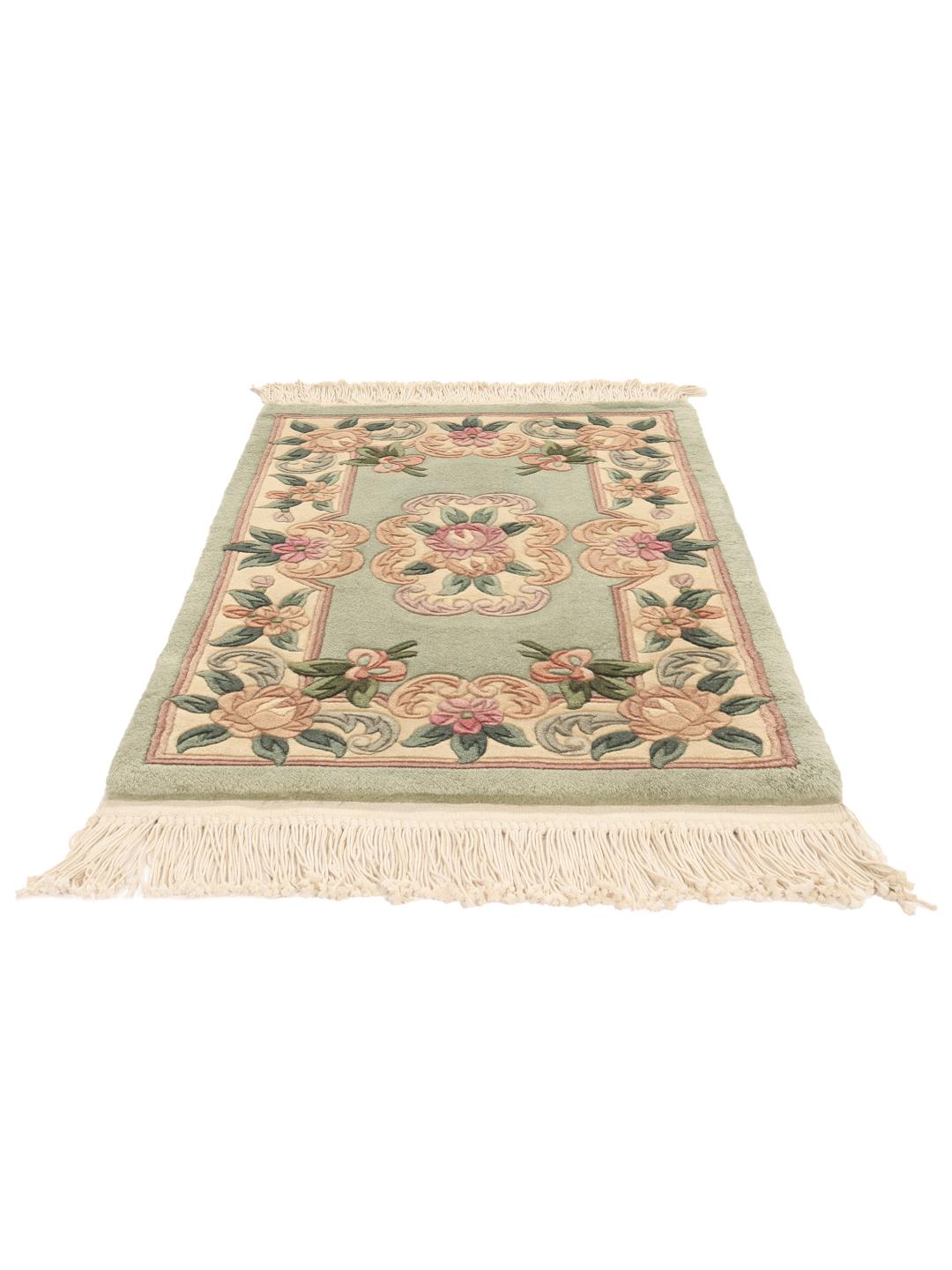
The history of rug making in China is deeply rooted in a tradition of elegance and refined artistry. Historically, Chinese rugs were often crafted for imperial use, drawing inspiration from classical motifs found in porcelain, silk textiles, and traditional landscape paintings. This legacy of artistic sophistication continues to influence the designs produced in the region today.
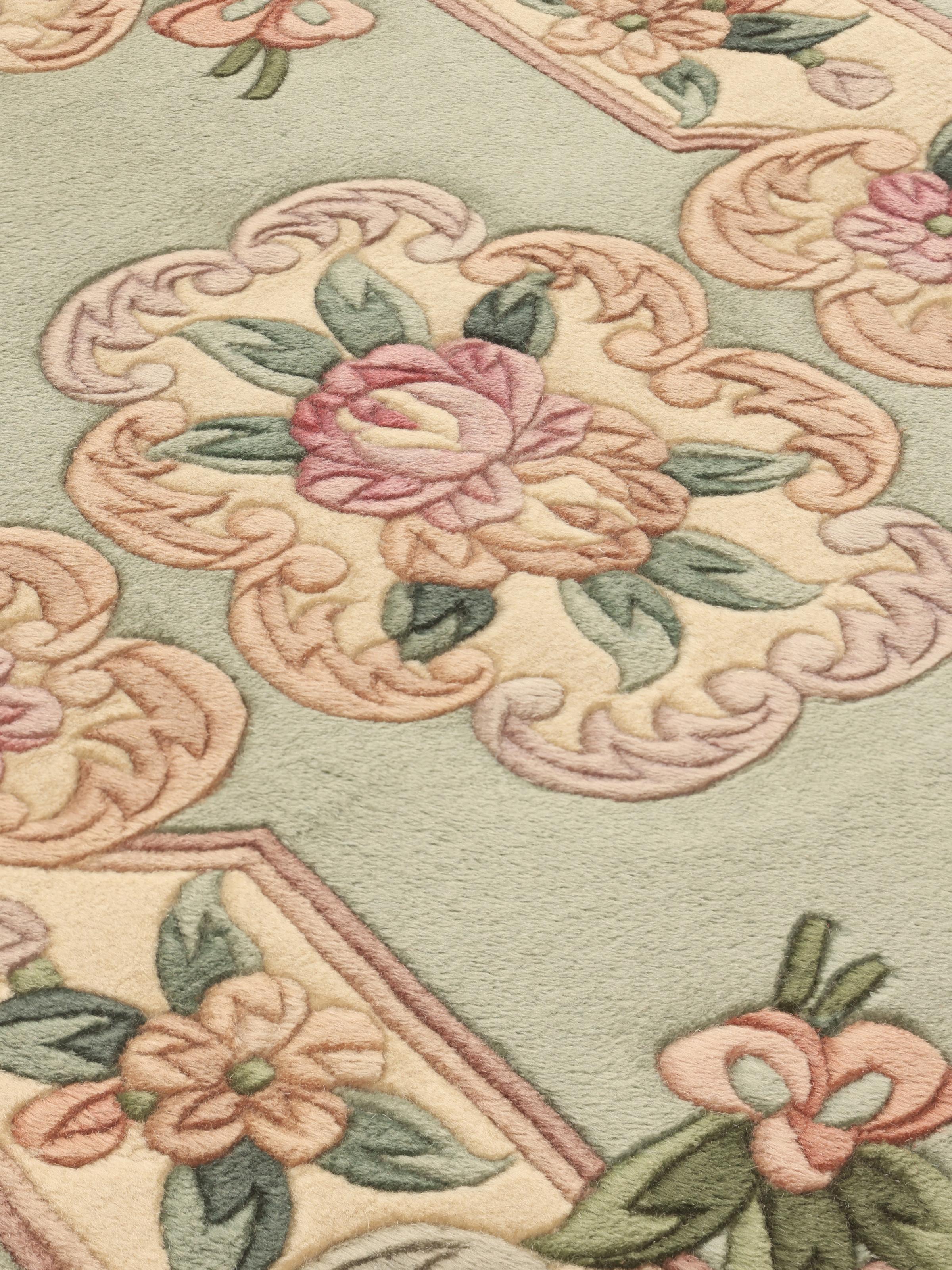
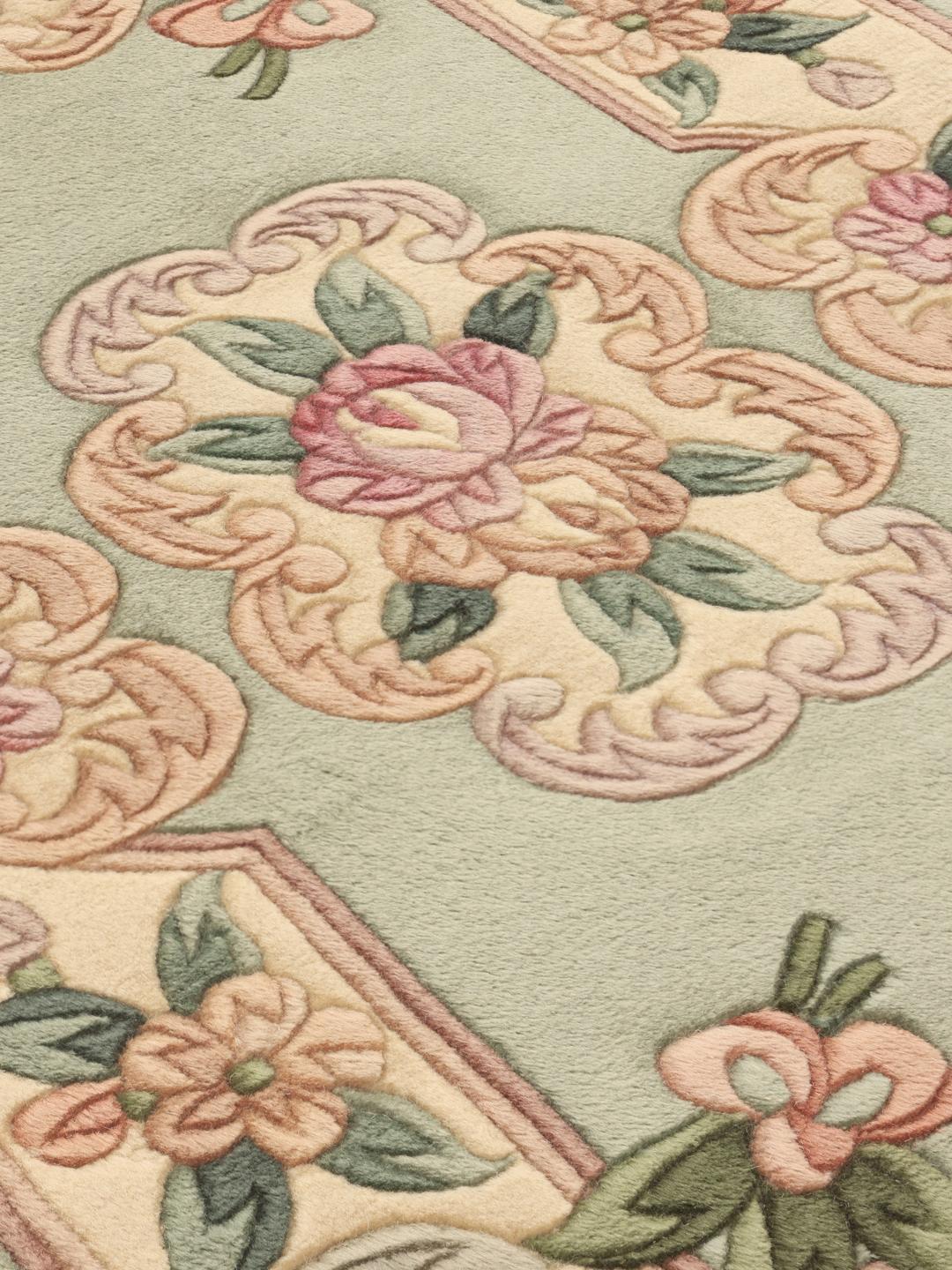
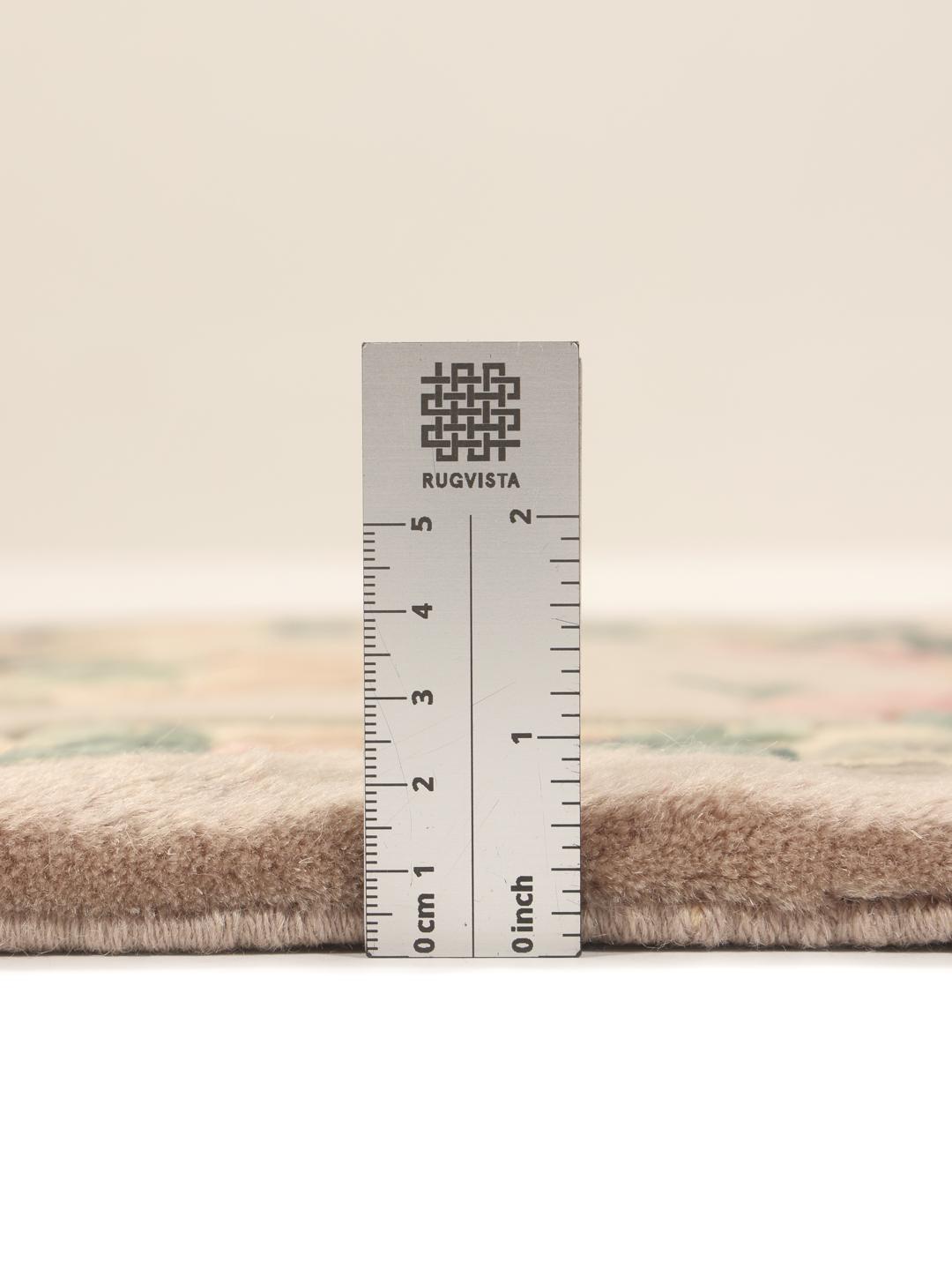
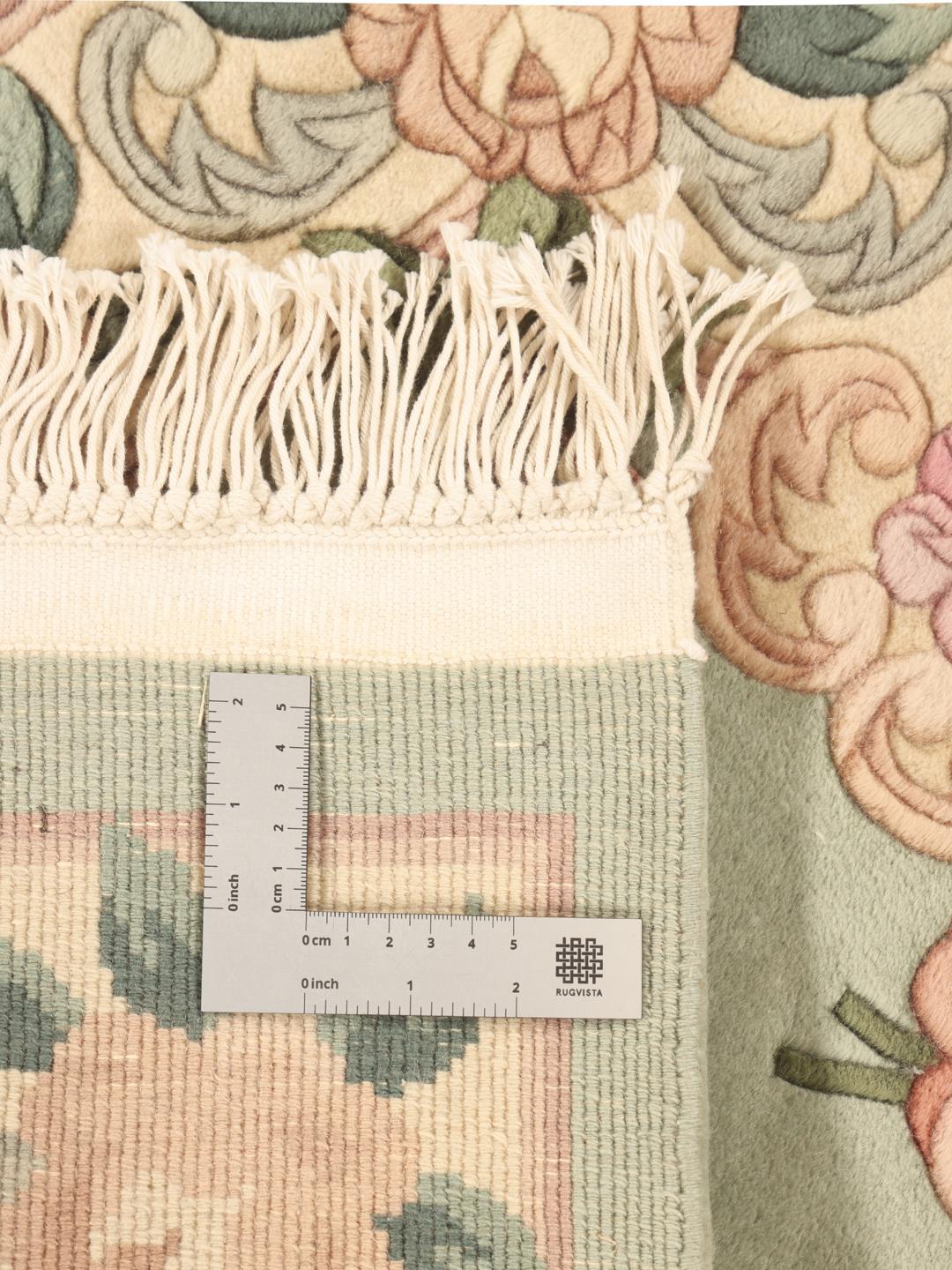
The term 90 line refers to a traditional system of measuring knot density in Chinese rug production, specifically indicating the number of knots per linear foot. This specific density is chosen to balance fine detail with a plush, comfortable pile, ensuring the rug possesses both visual clarity in its floral patterns and a satisfying, soft texture.
Floral motifs are a hallmark of this tradition, often symbolising prosperity, longevity, and beauty. The delicate botanical arrangements seen here reflect a long-standing appreciation for nature in Chinese design, where flowers like the peony or lotus are frequently depicted to evoke a sense of tranquillity and grace within the home.
Owning a hand-knotted rug from this tradition is an invitation to enjoy a piece of cultural history. These rugs are valued not only for their aesthetic beauty but for the human skill and heritage they represent. By choosing a one-of-a-kind piece, you are supporting a craft that has been preserved and refined over generations, bringing a unique sense of character and legacy into your living environment.