Chinese rug weaving is a tradition that spans centuries, evolving from ancient craft roots into a sophisticated art form that is recognised worldwide. Traditionally, these rugs were often commissioned for temples or imperial use, which fostered a culture of extreme precision and artistic detail that continues to influence the craft today.
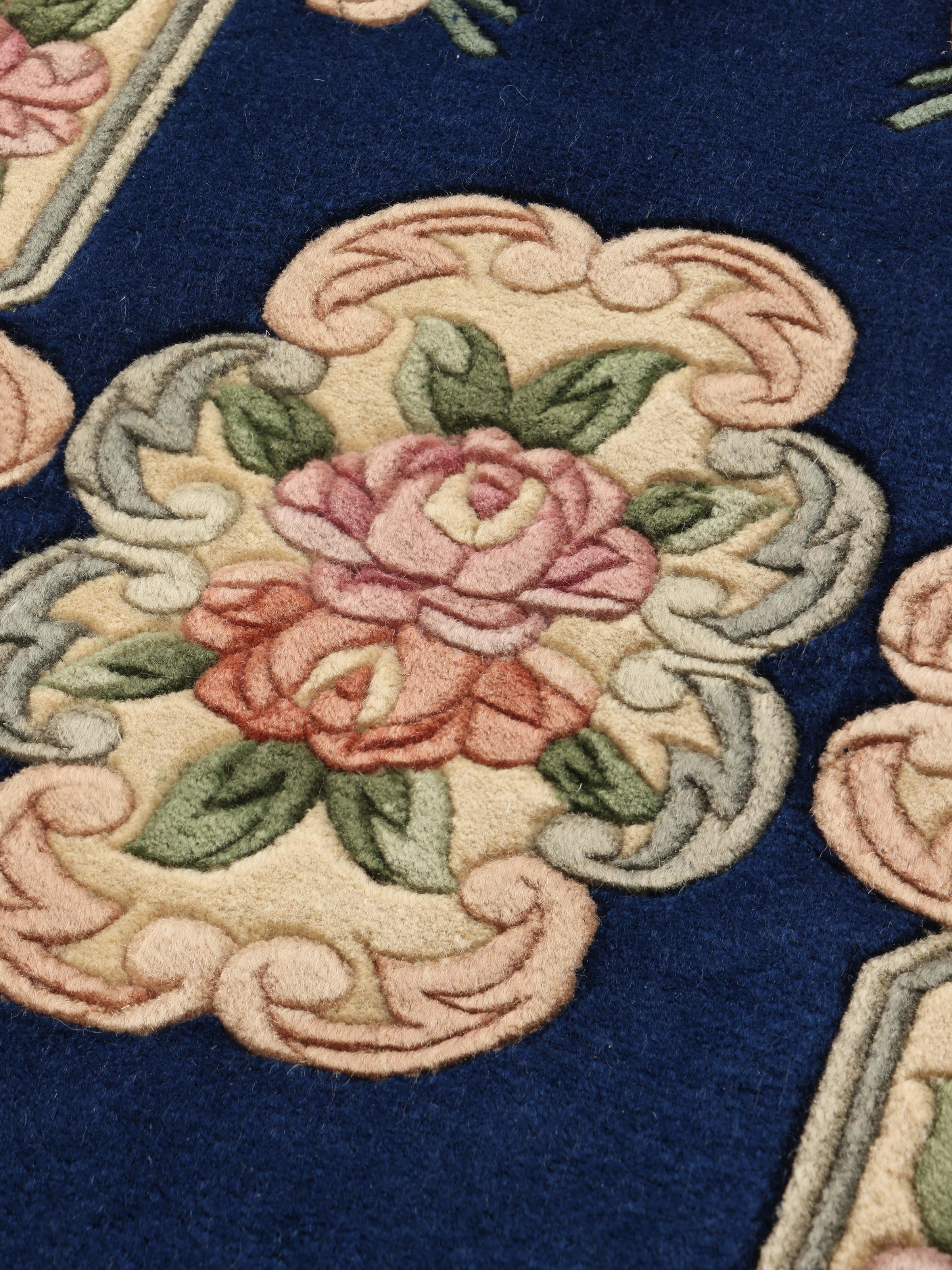
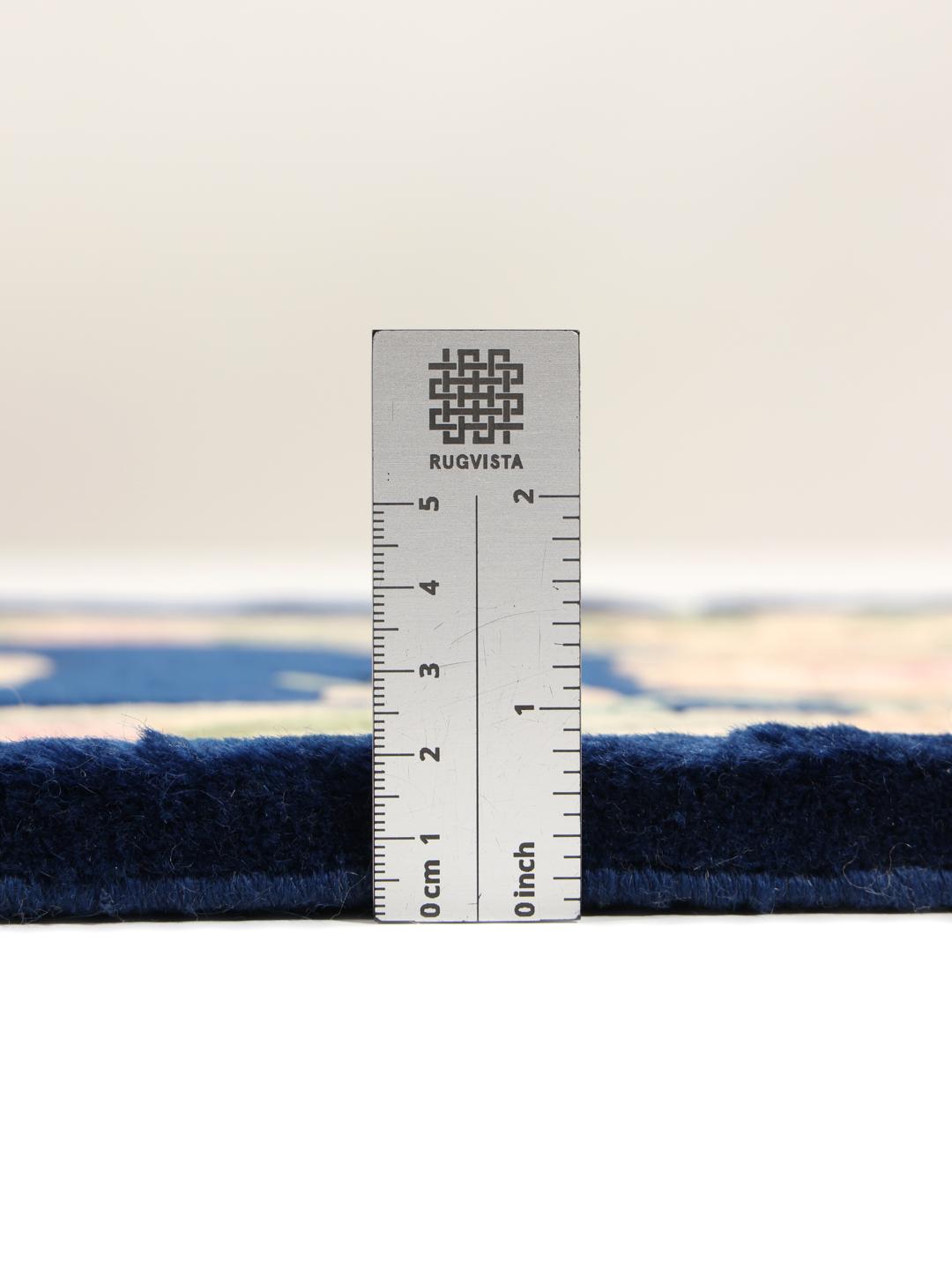
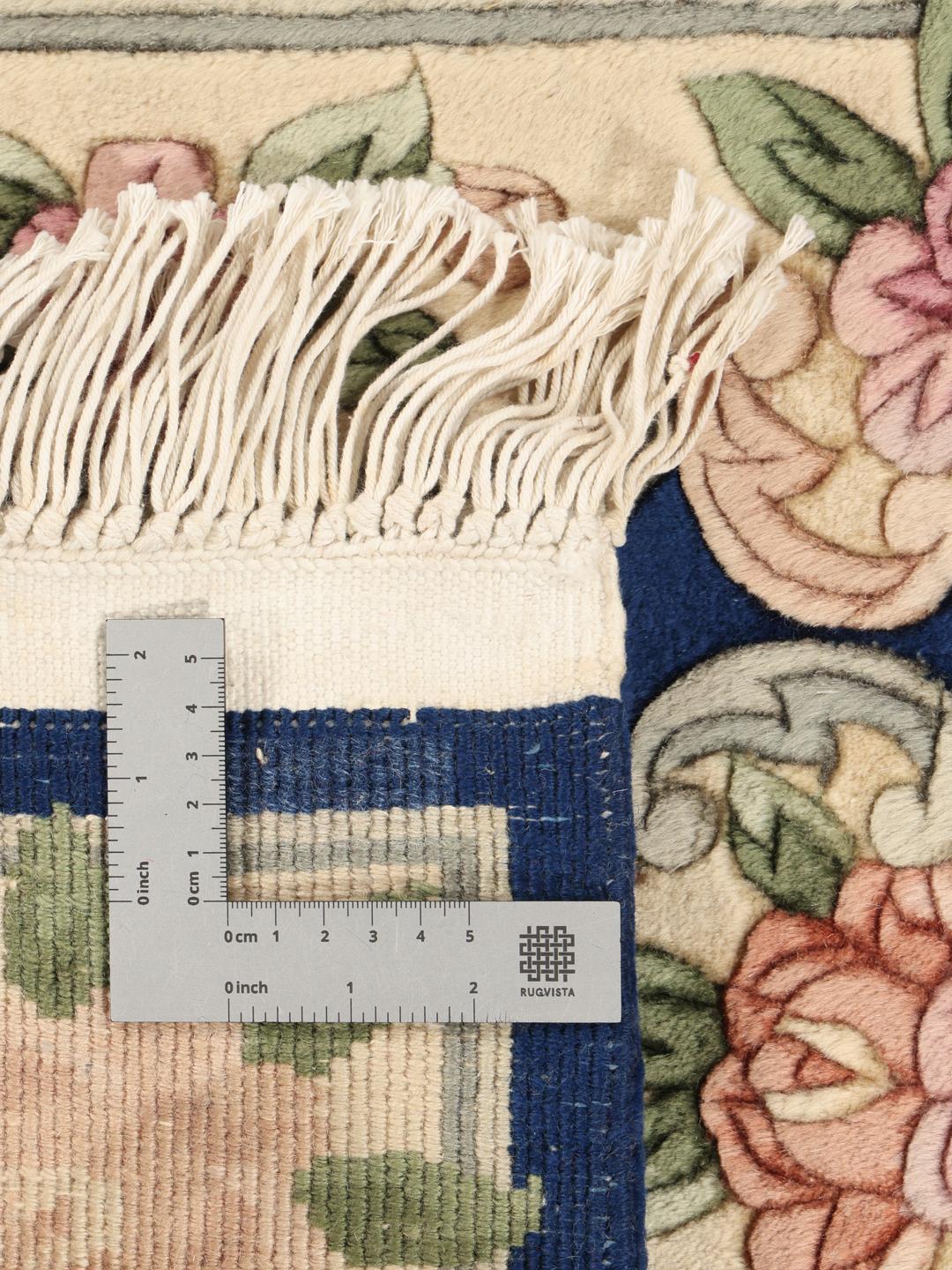
The term '90 Line' refers to the traditional method of measuring density in Chinese rug production, which relates to the number of knots per linear foot. This specific construction technique is designed to create a very dense, plush pile that is famous for its longevity and ability to maintain a soft, cushioned feel even after years of daily use.
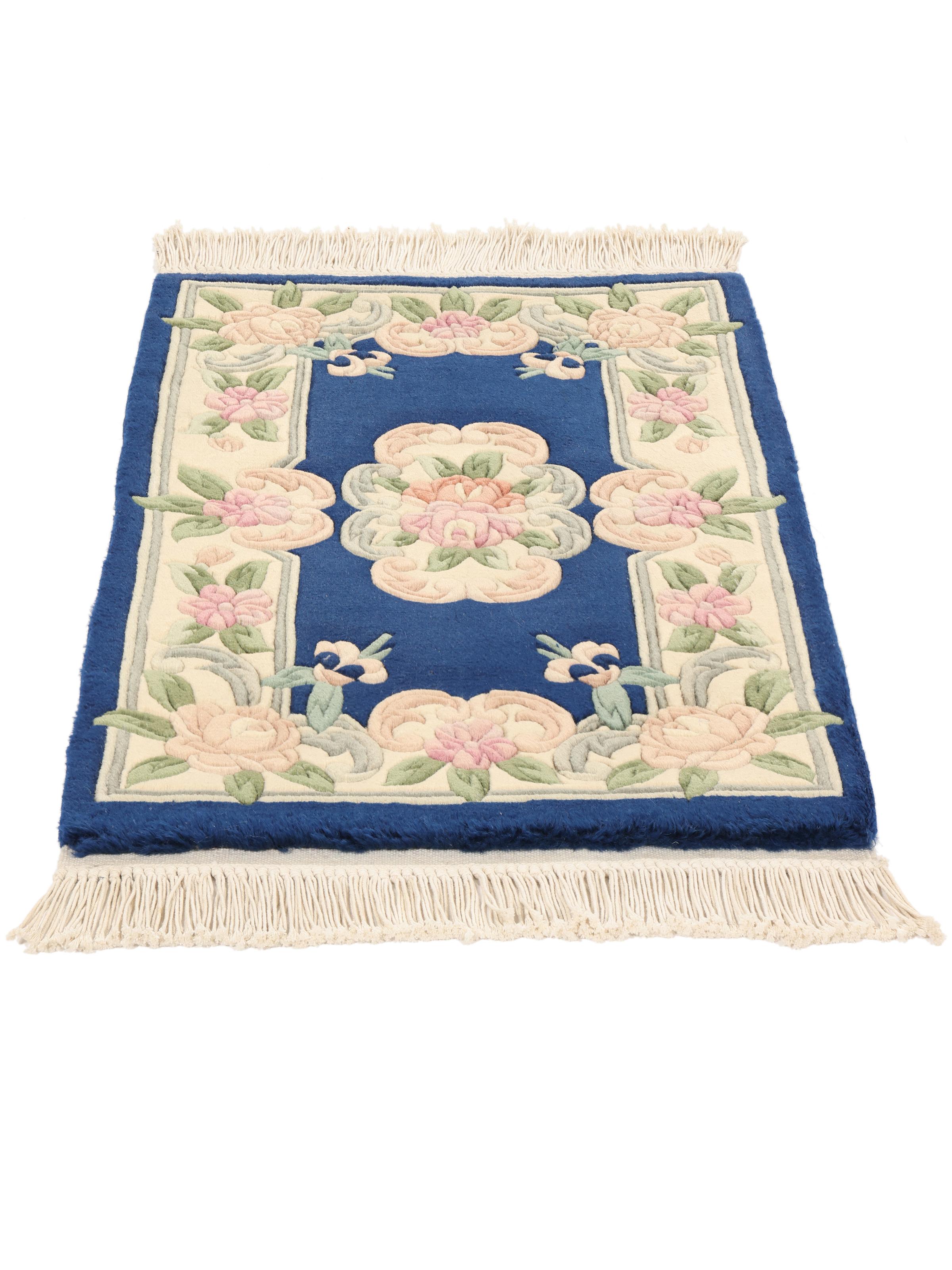
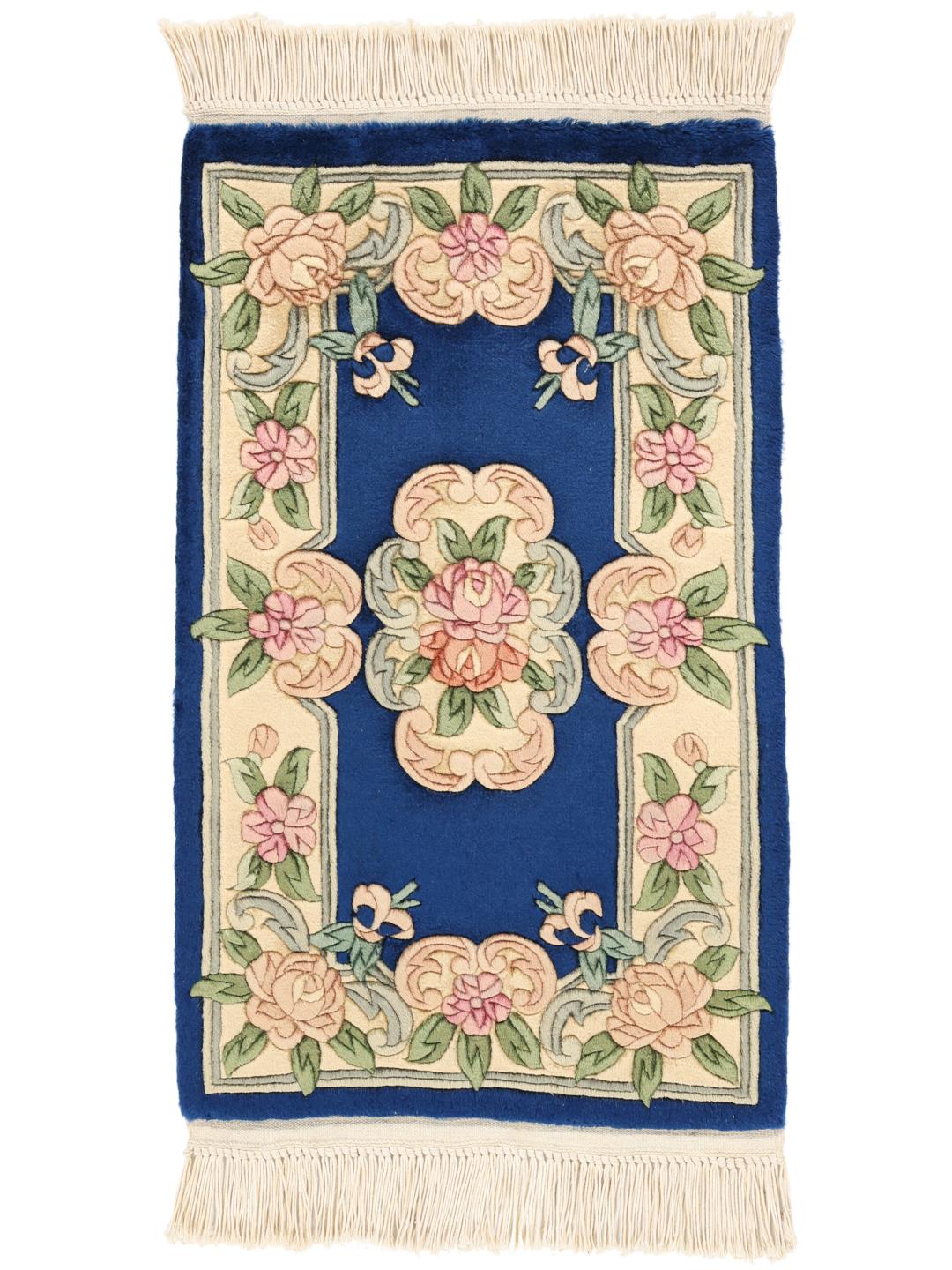
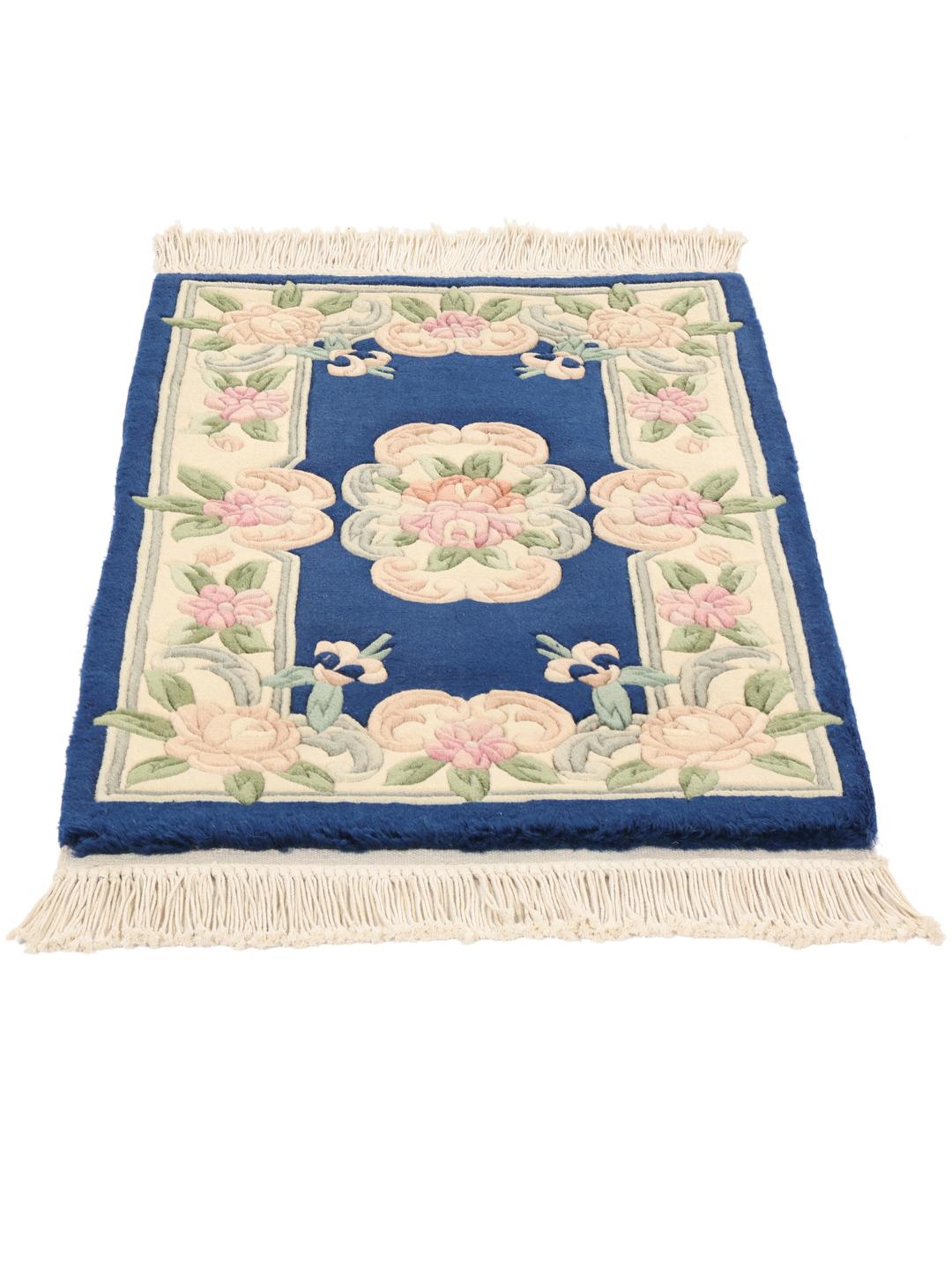
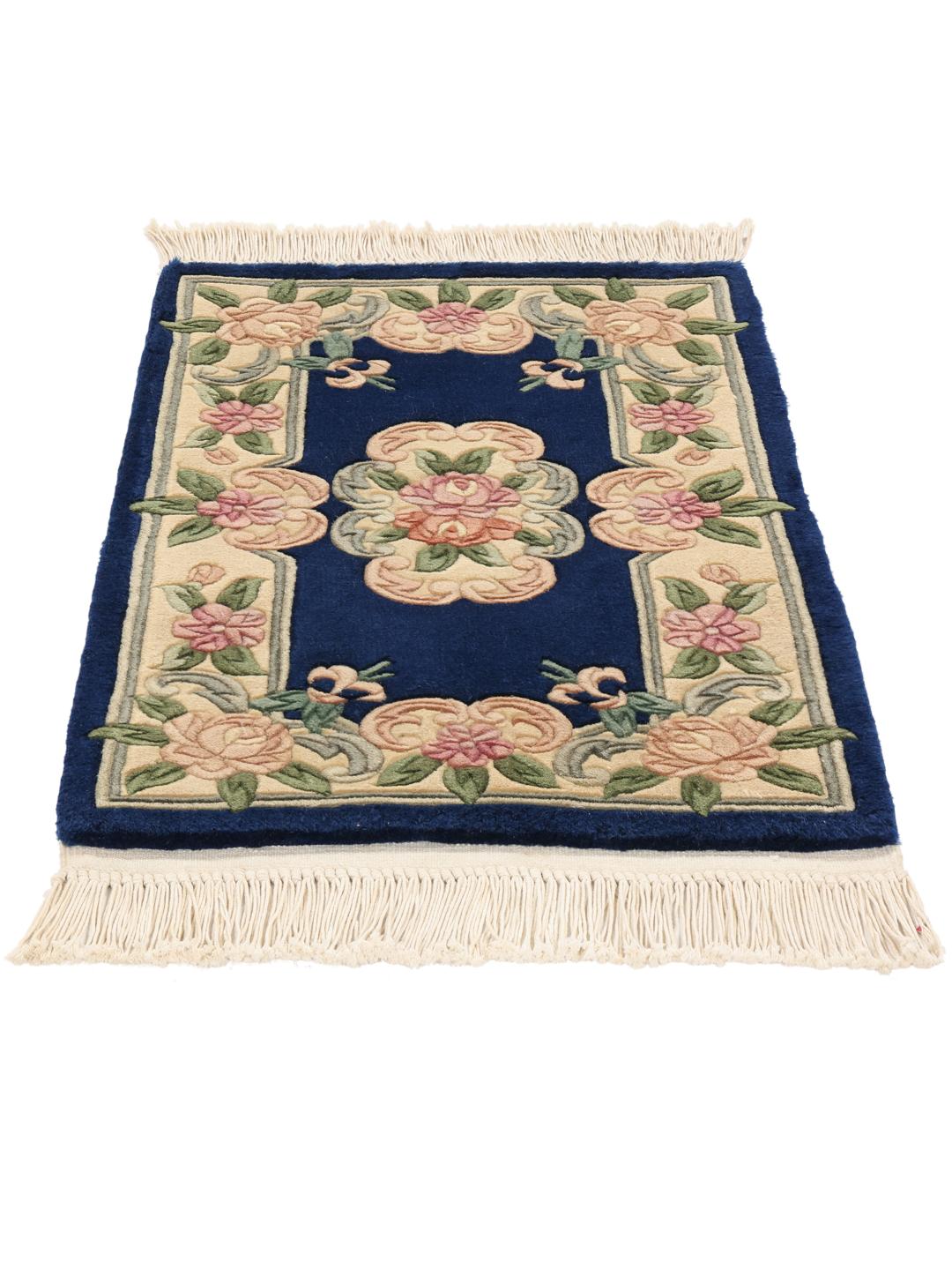
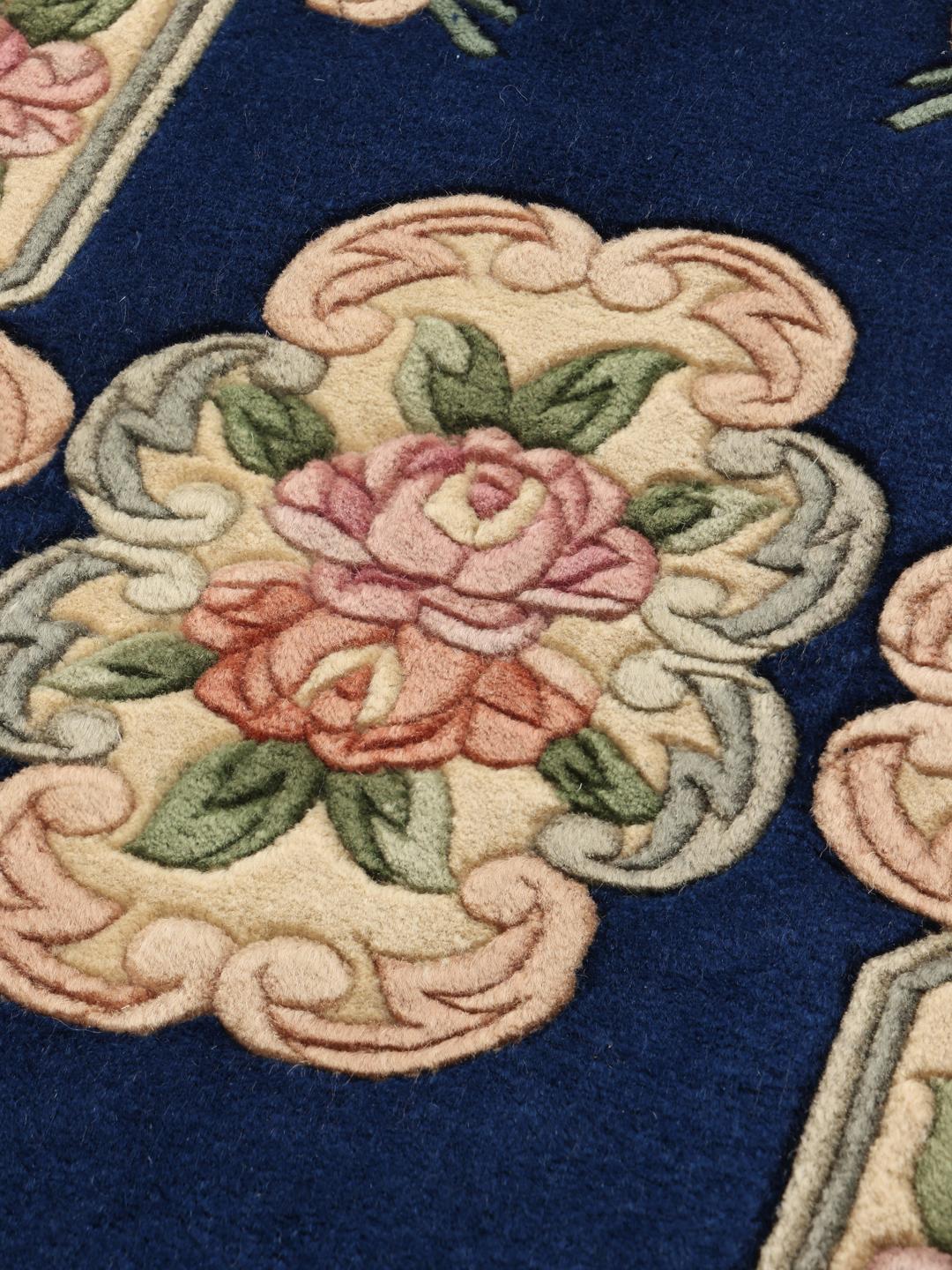
The visual language of Chinese rugs is deeply symbolic, often incorporating floral motifs, scrolls, and medallions that represent prosperity and harmony. The use of a central medallion surrounded by ornate borders is a hallmark of this tradition, creating a balanced and harmonious composition that draws the eye and anchors a room.
Owning a hand-knotted rug from China is an investment in a storied heritage of textile art. Collectors value these pieces not only for their beauty but for the immense skill required to produce them, ensuring that each rug serves as a lasting testament to the artisan's patience and dedication to their craft.