Chinese rug weaving has a long and storied history, evolving over centuries from functional floor coverings to highly regarded works of art. Traditionally, these rugs were often commissioned for imperial palaces or temples, featuring symbols and motifs that reflected the philosophical and cultural values of the time.
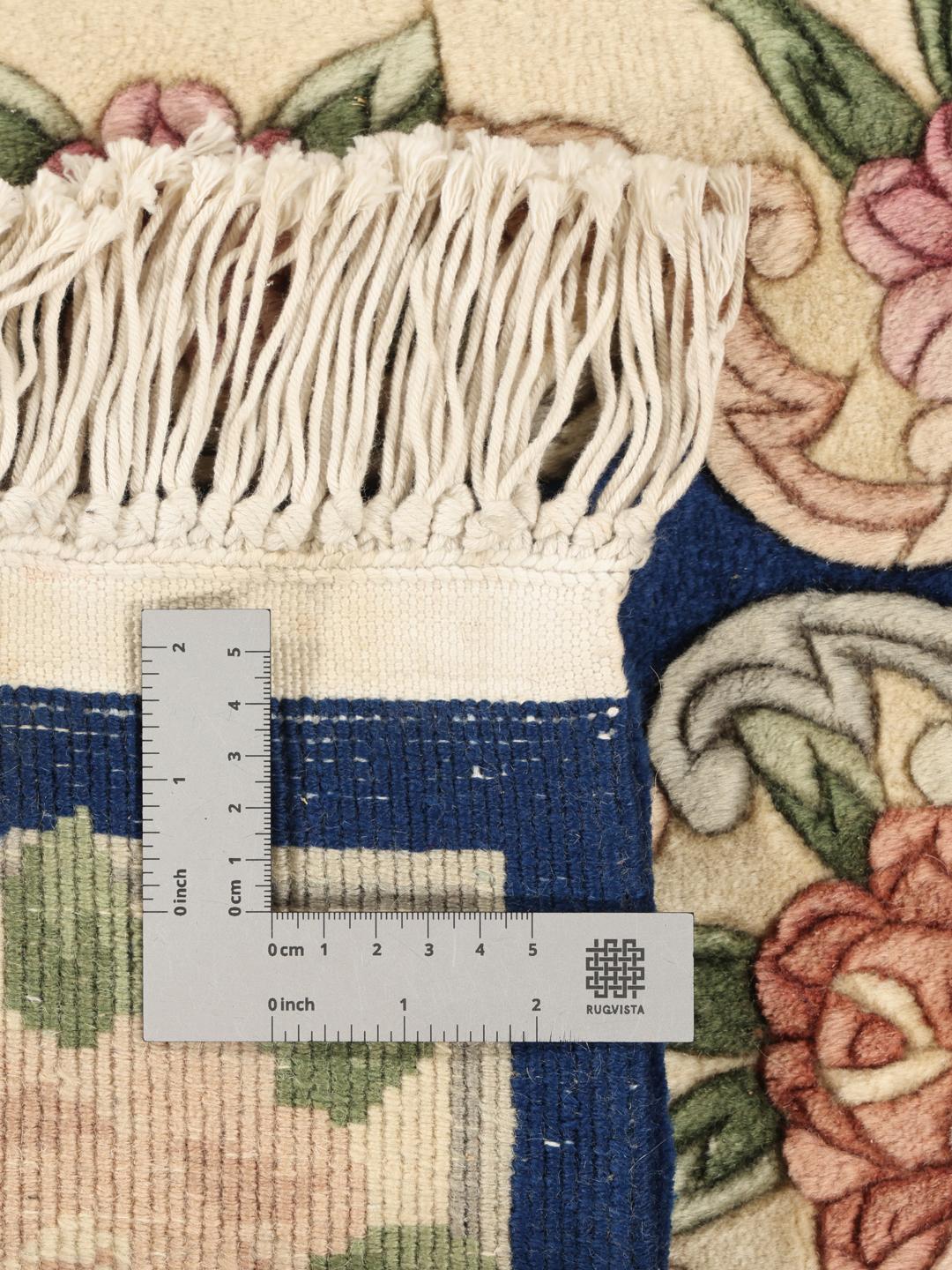
The 90 line designation is a traditional measure of quality in Chinese rug making, referring to the number of knots across a specific width. This standardised approach has allowed artisans to maintain a consistent level of craftsmanship while allowing for the intricate, curvilinear floral designs that have become a hallmark of the region's style.
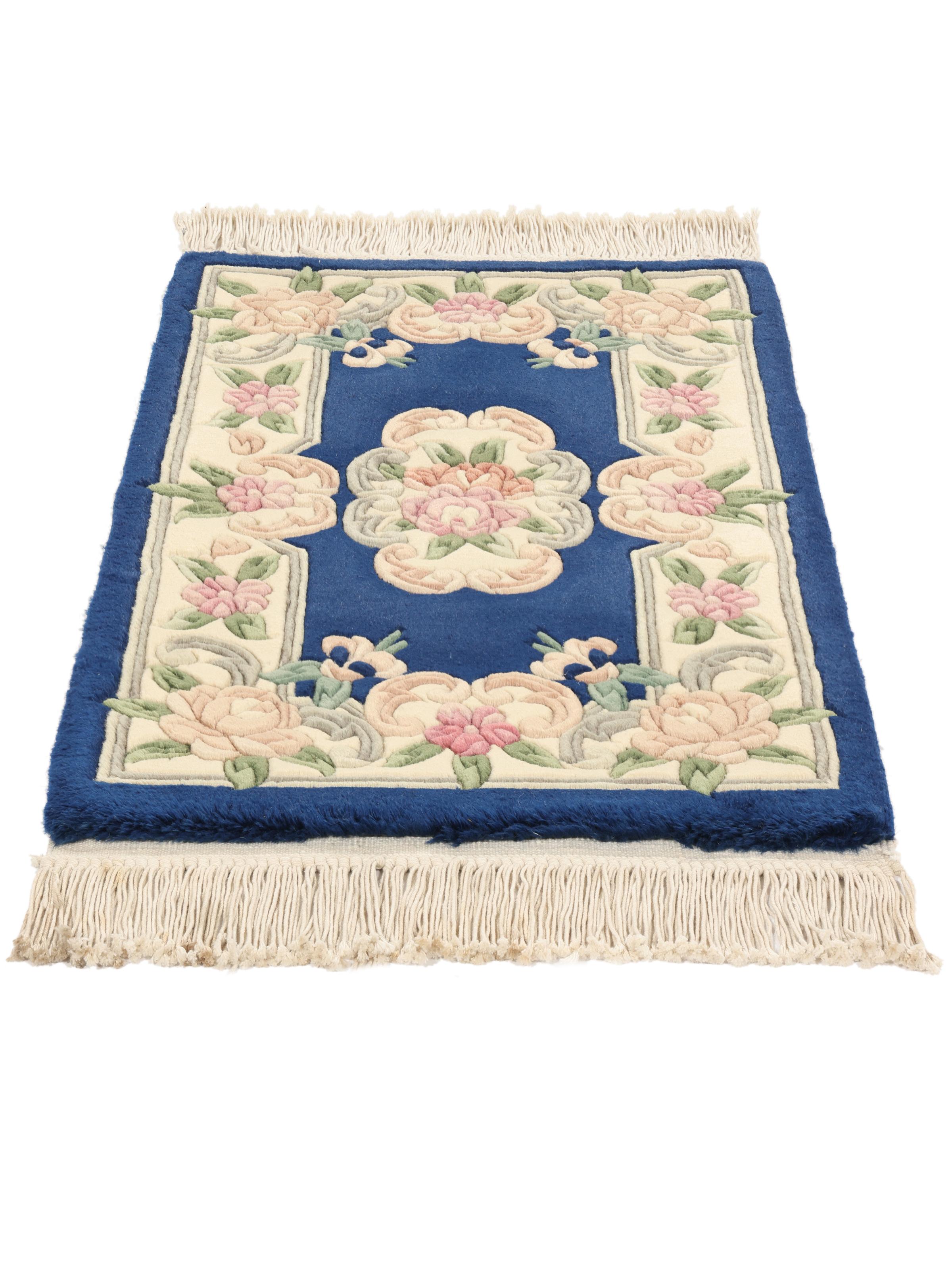
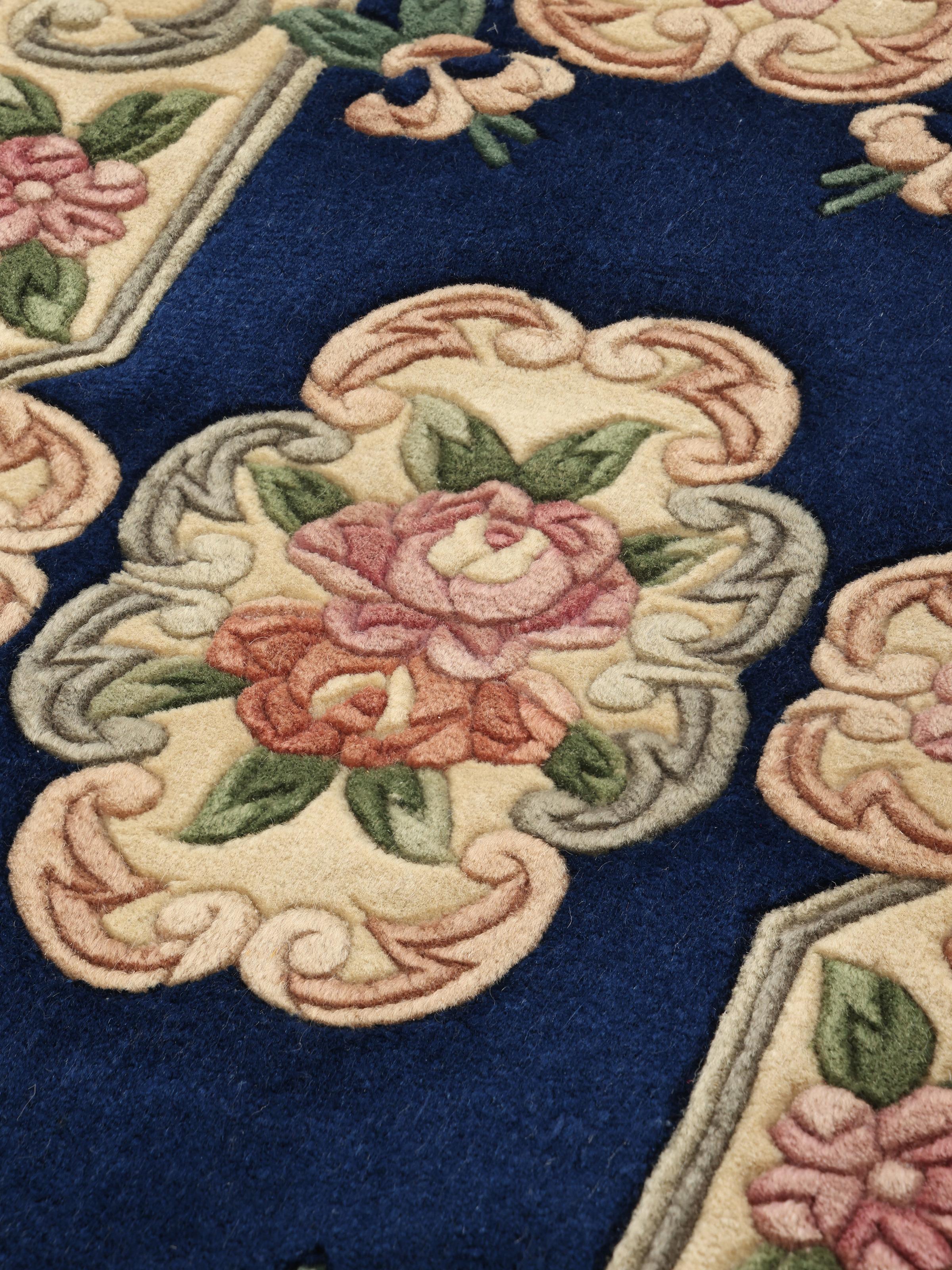
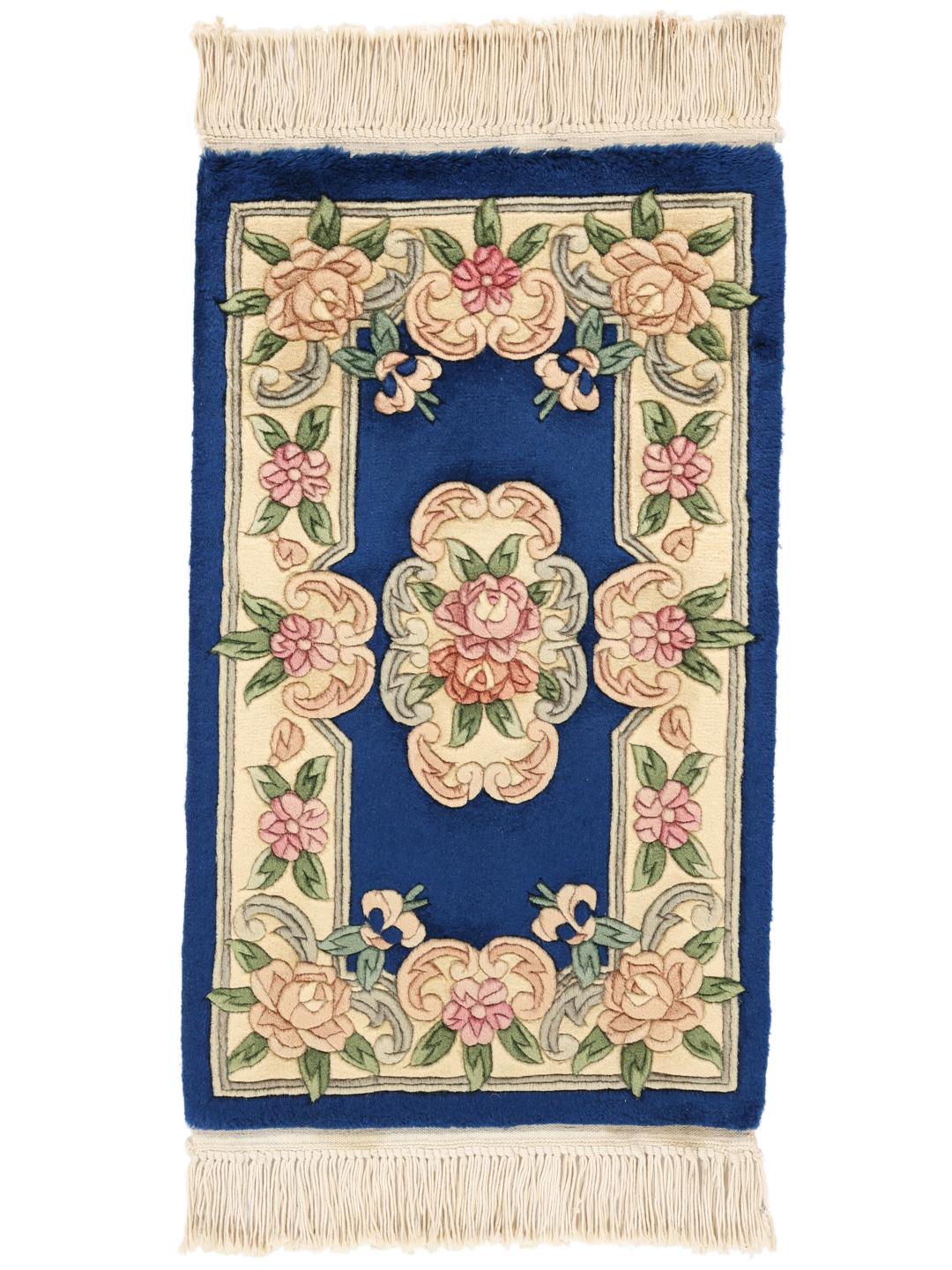
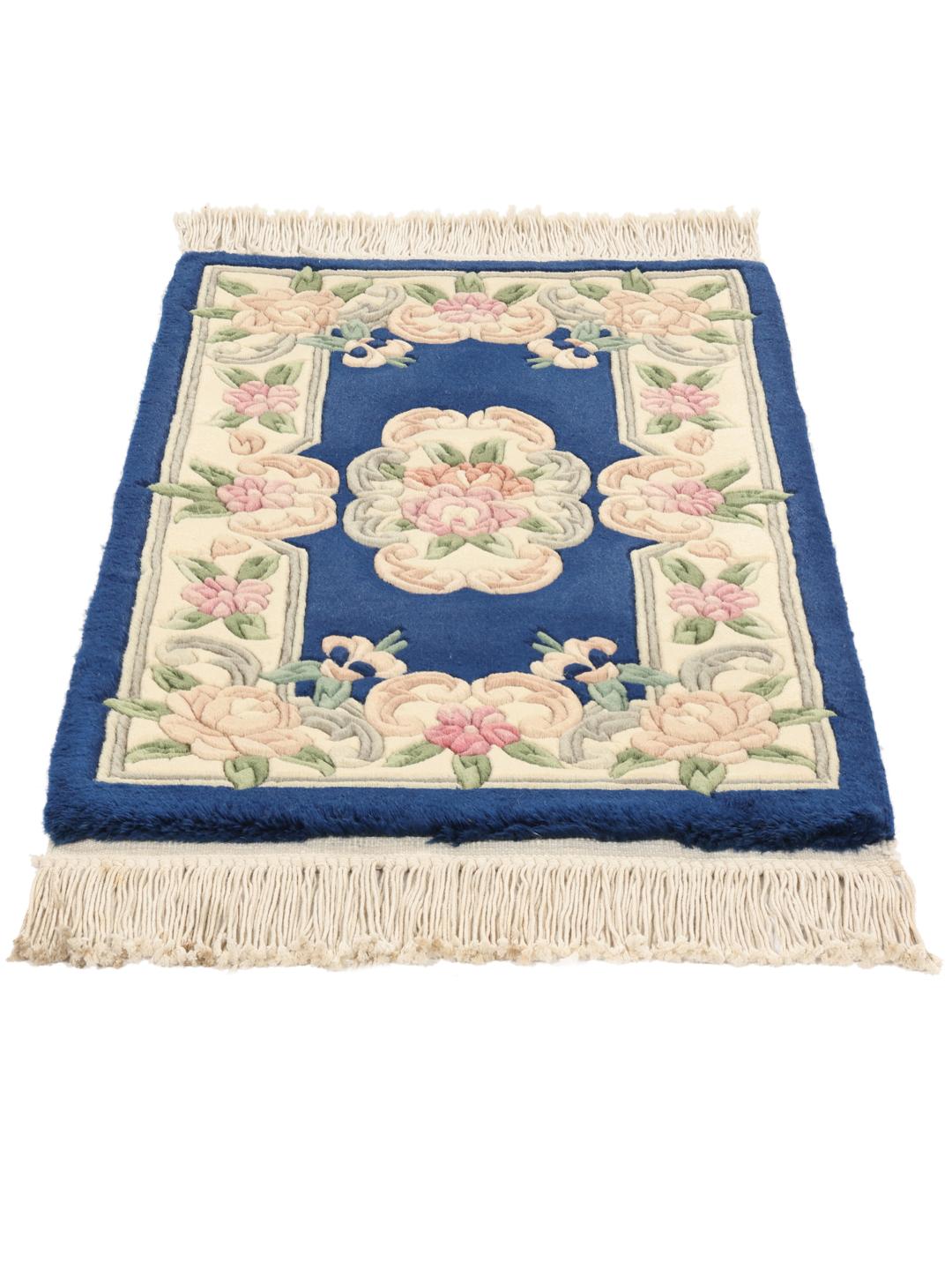
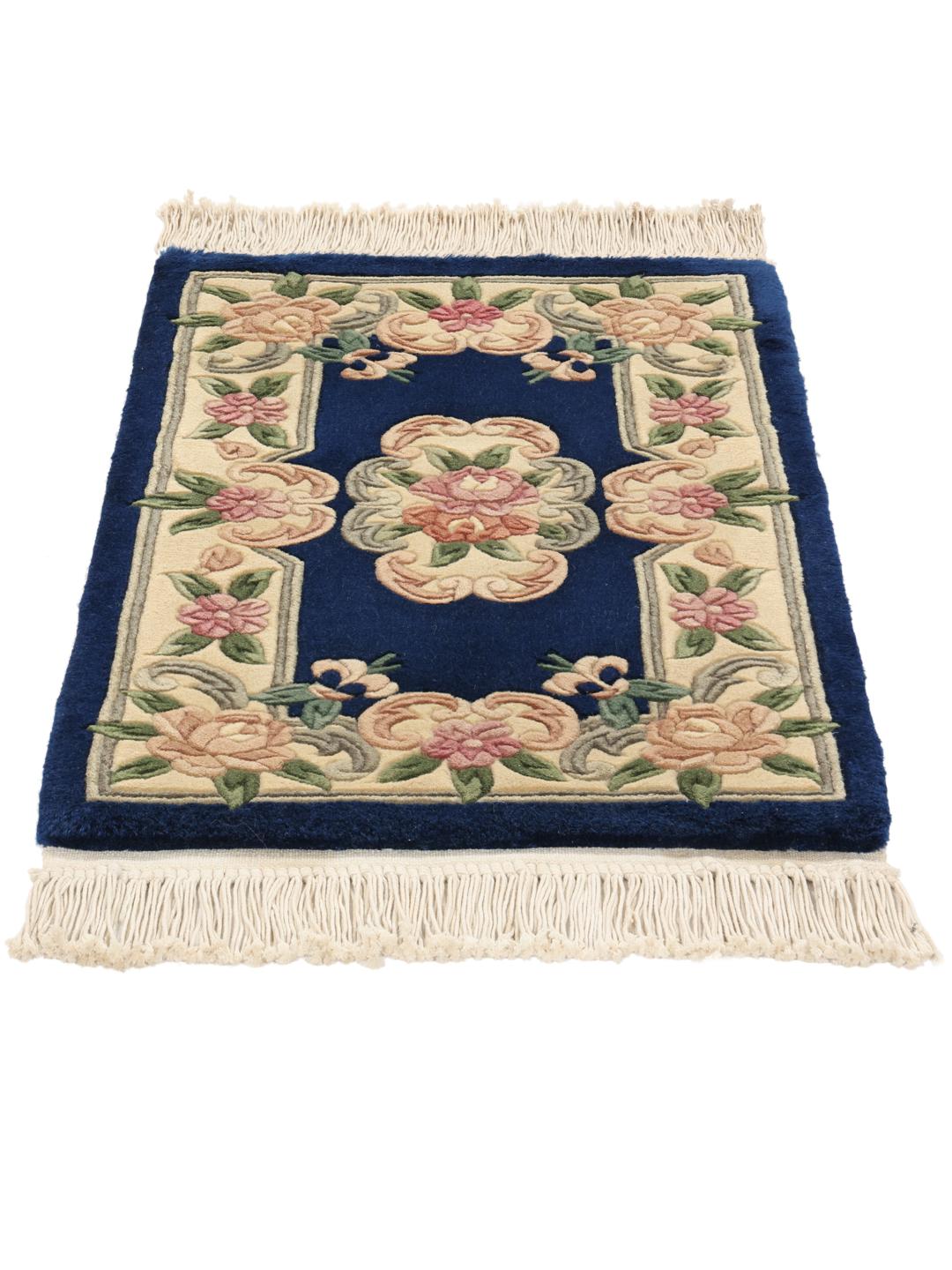
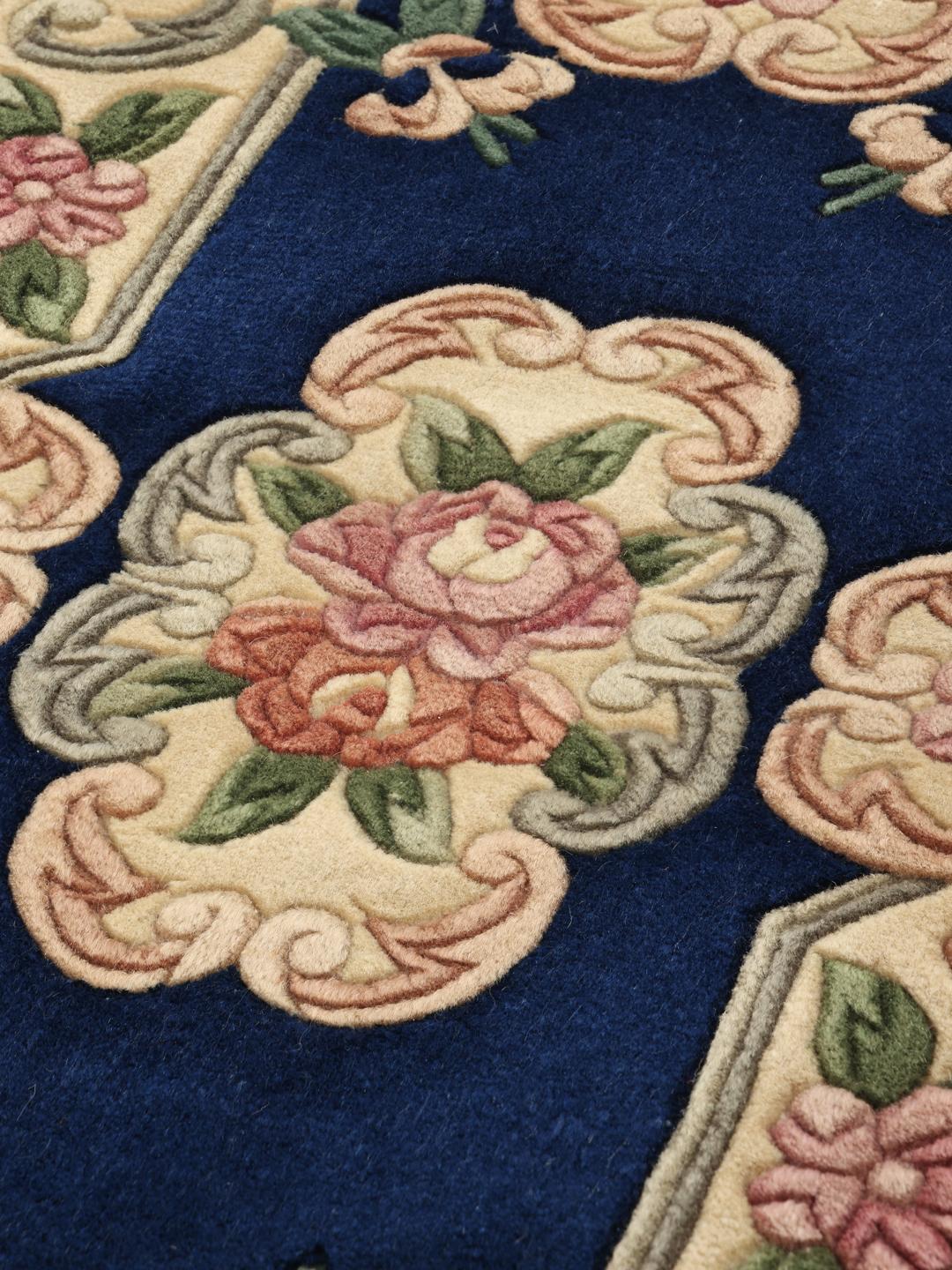
The visual language of these rugs often centres on natural themes, with flowers, vines, and scrolls arranged in a harmonious, balanced composition. The use of a central medallion surrounded by a decorative border is a common feature, designed to draw the eye inward and create a sense of order and tranquillity in any room.
Owning a hand-knotted piece from China is an opportunity to connect with a craft tradition that has been passed down through generations. These rugs are valued not just for their aesthetic appeal, but for the skill and cultural heritage they represent, making them cherished items for collectors and home enthusiasts alike.