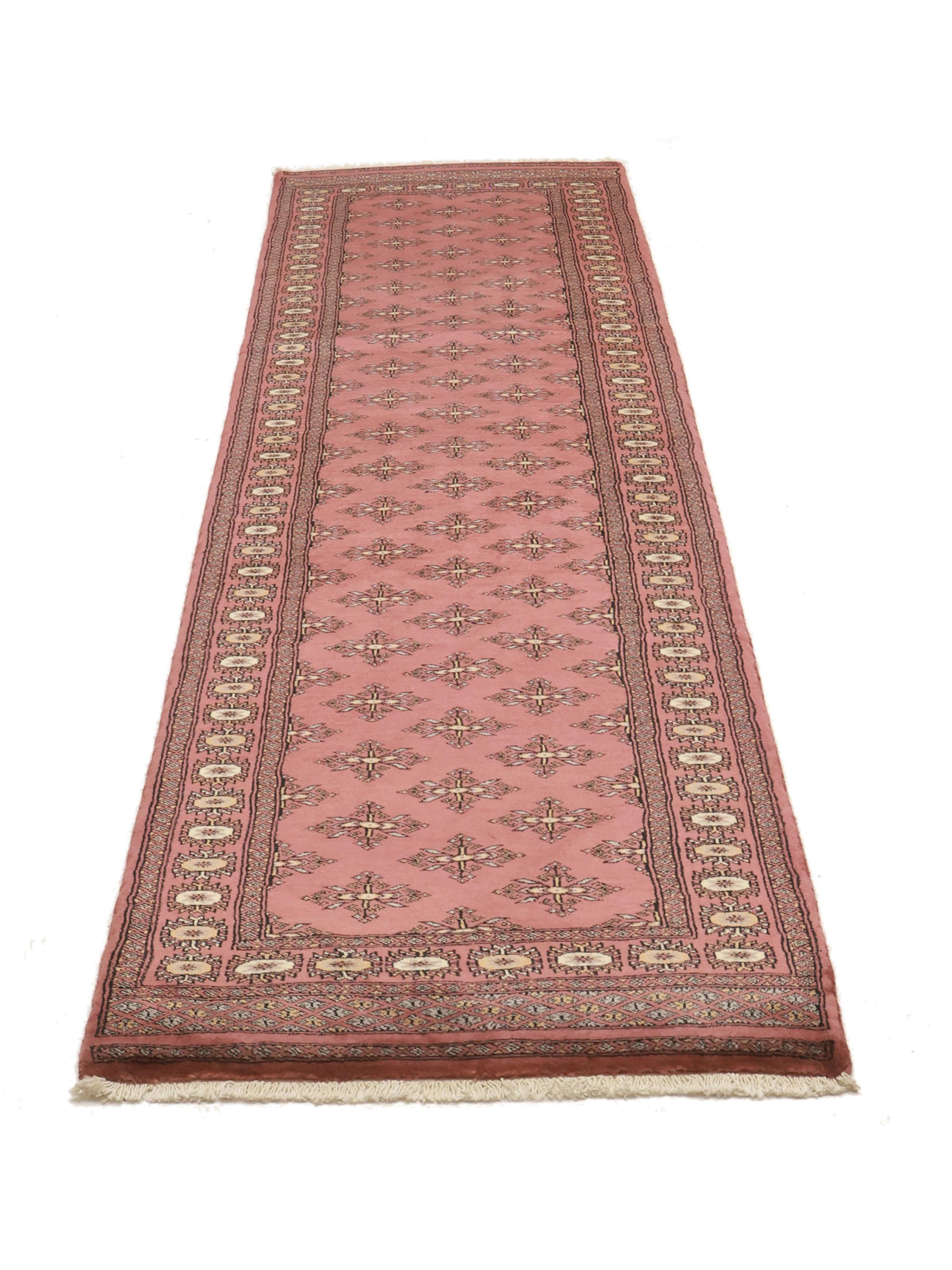
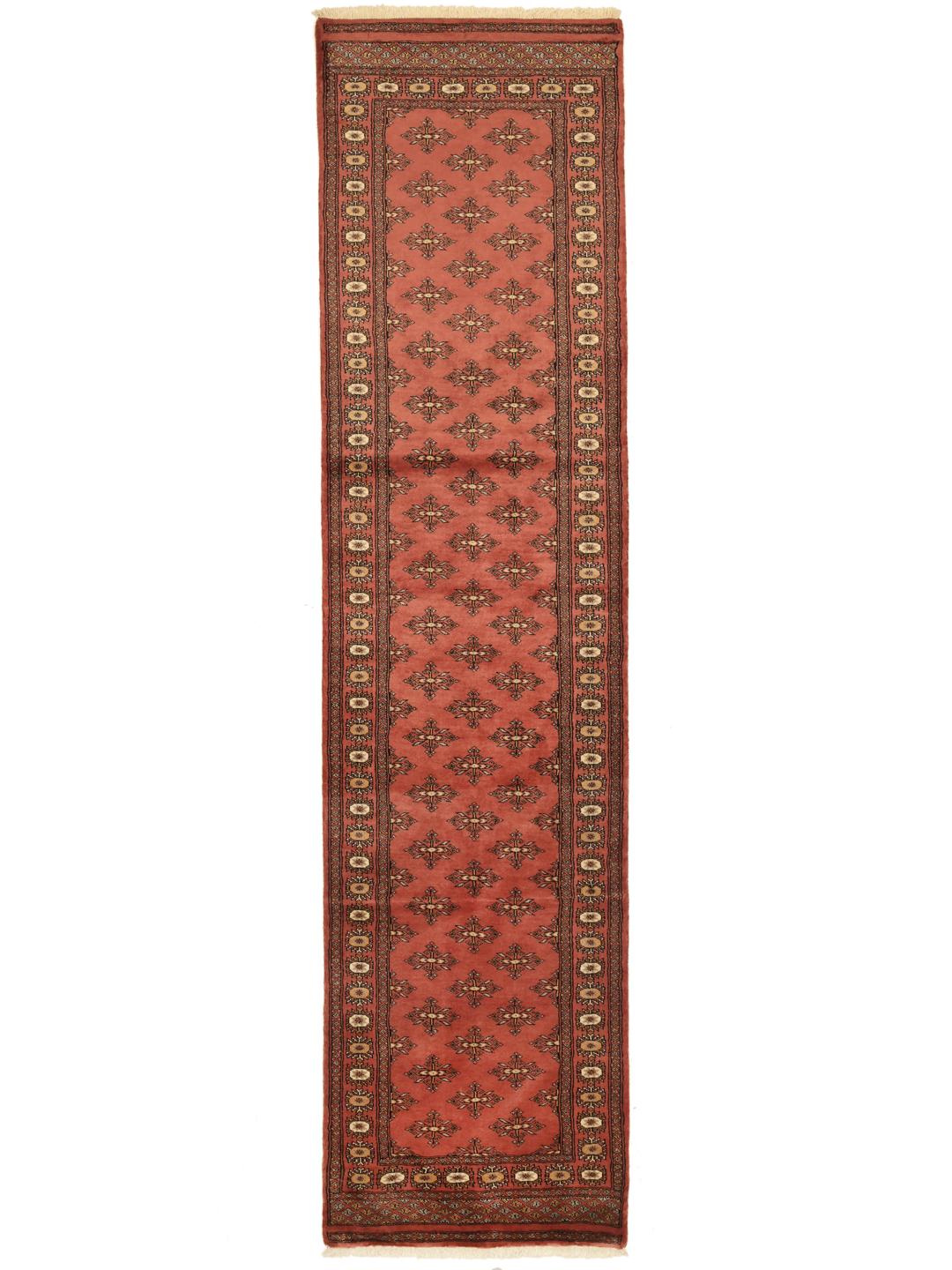
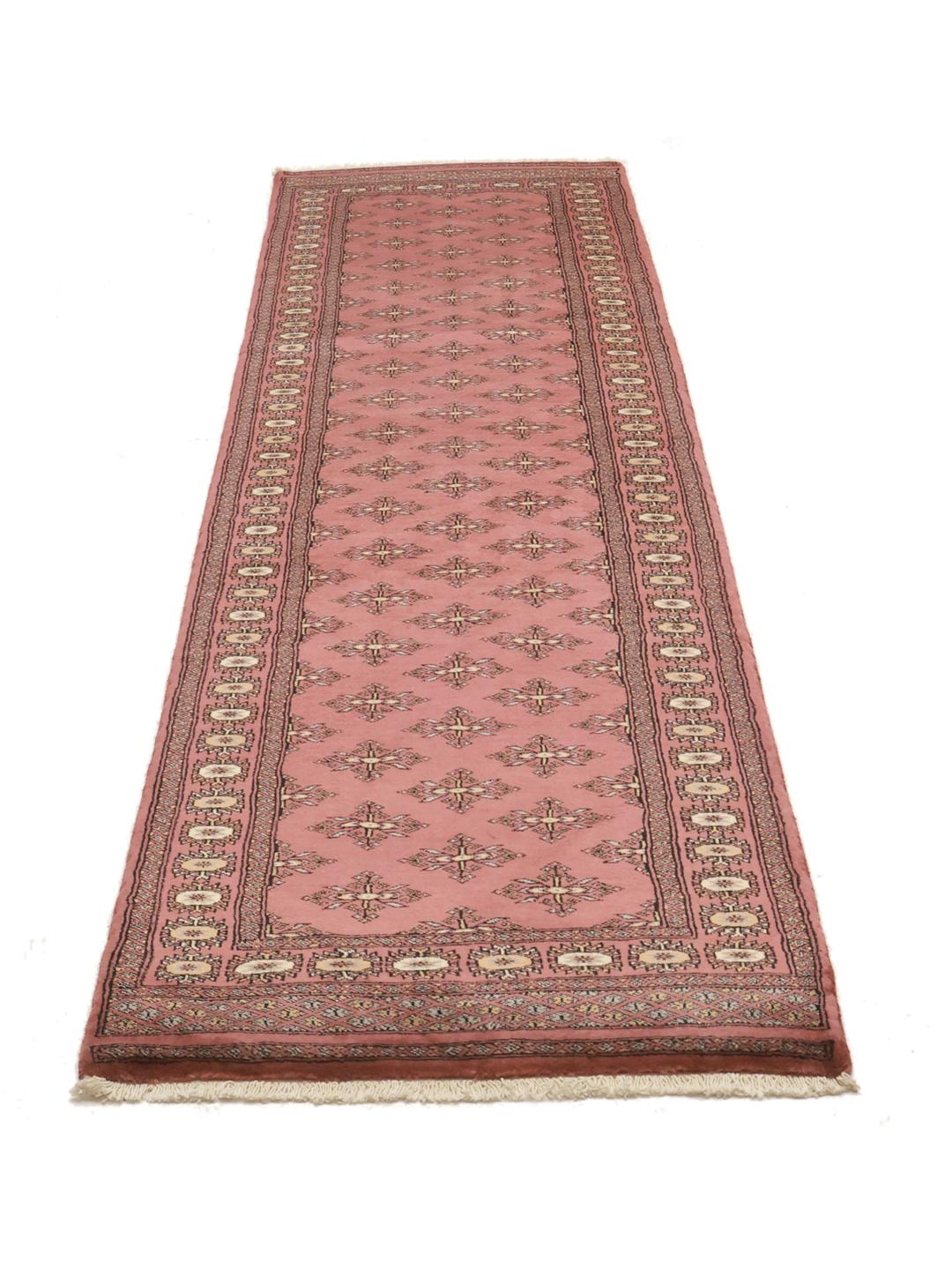
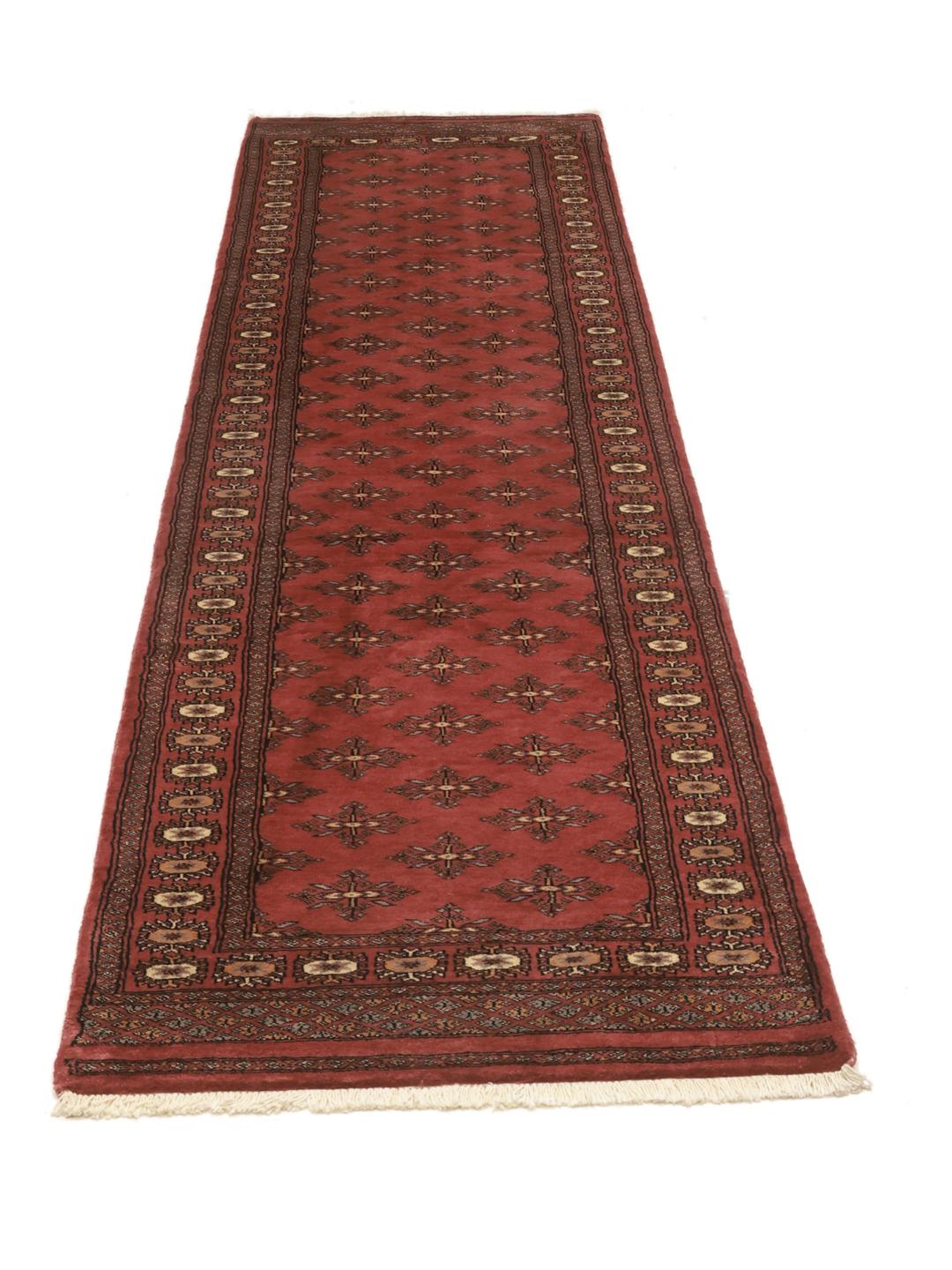
Bokhara rugs take their name from the ancient Silk Road trading hub of Bukhara in Central Asia, where nomadic weaving traditions flourished.
Over generations, the craft migrated across borders, and today some of the finest examples are meticulously hand-knotted by skilled artisans in Pakistan.
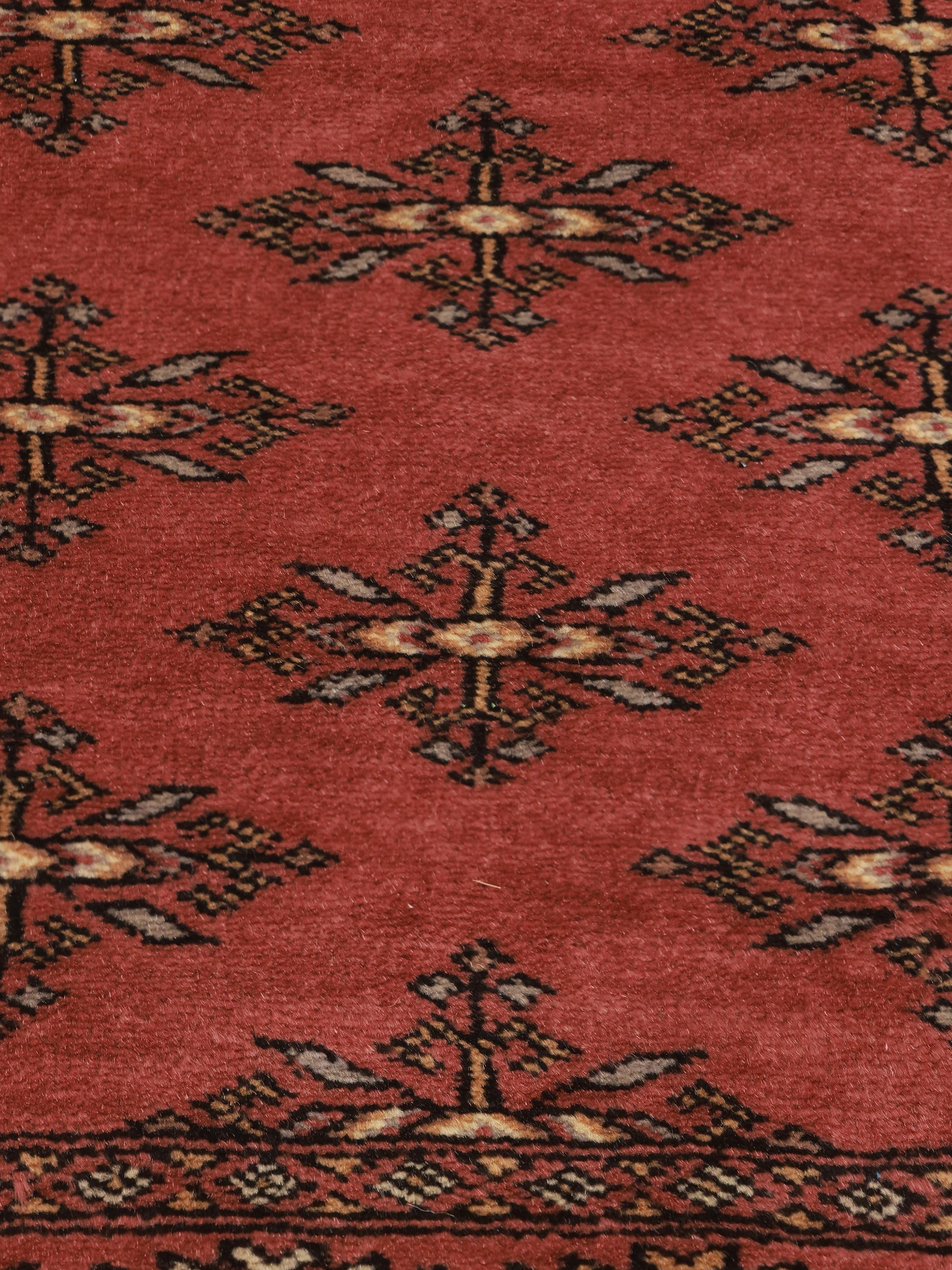
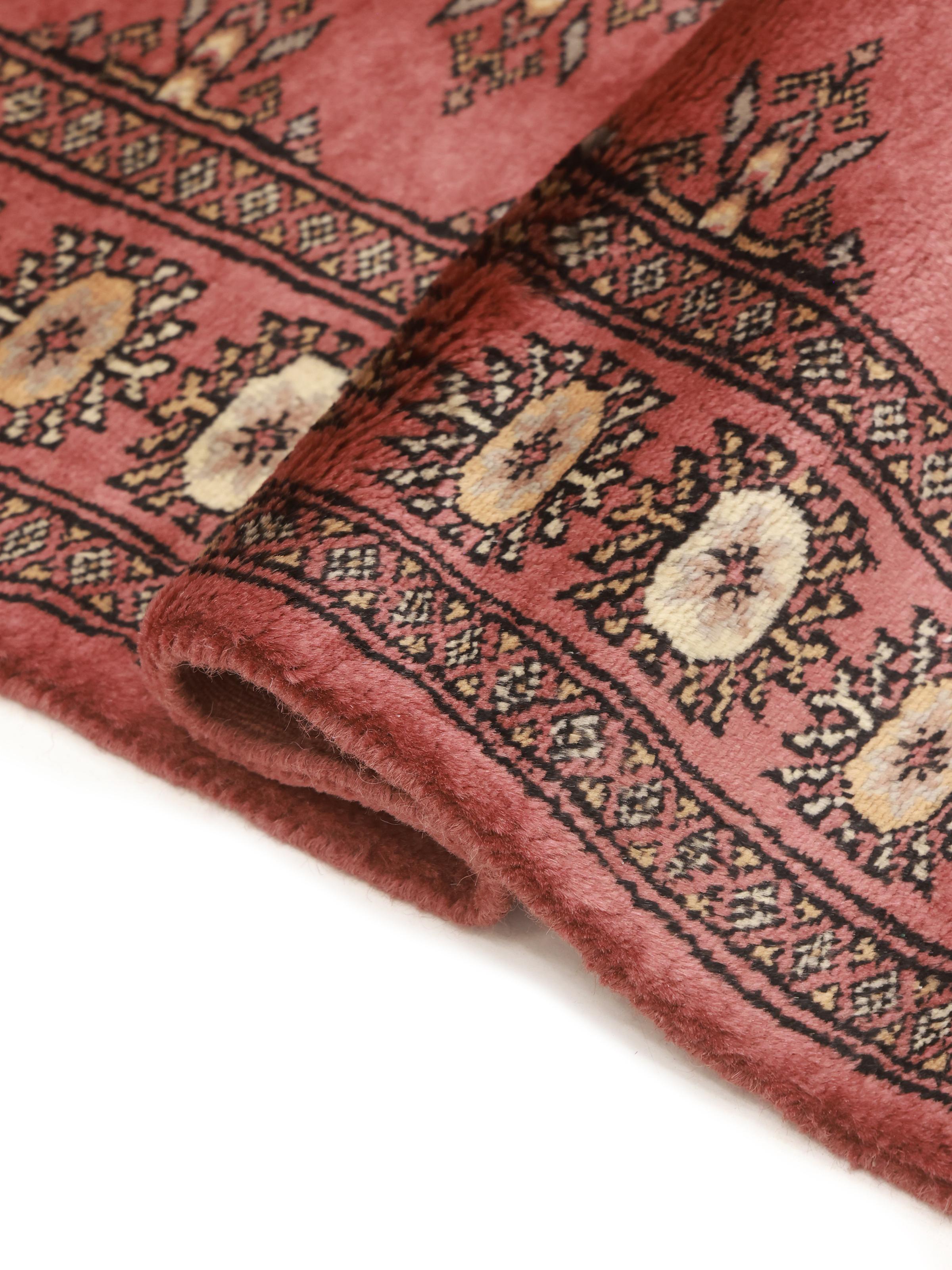
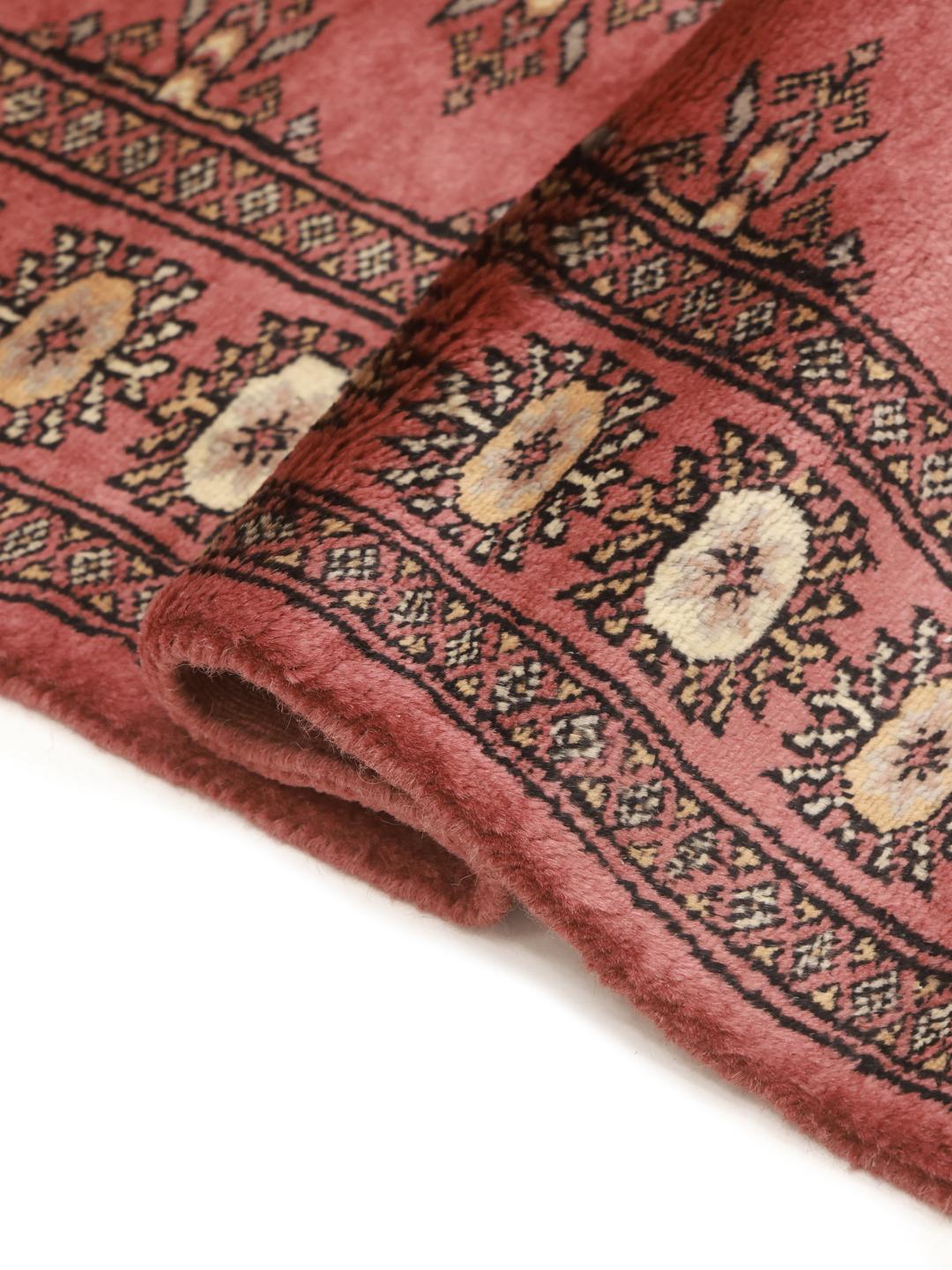
The designation 3ply indicates that the pile is constructed using three separate strands of wool twisted together before knotting.
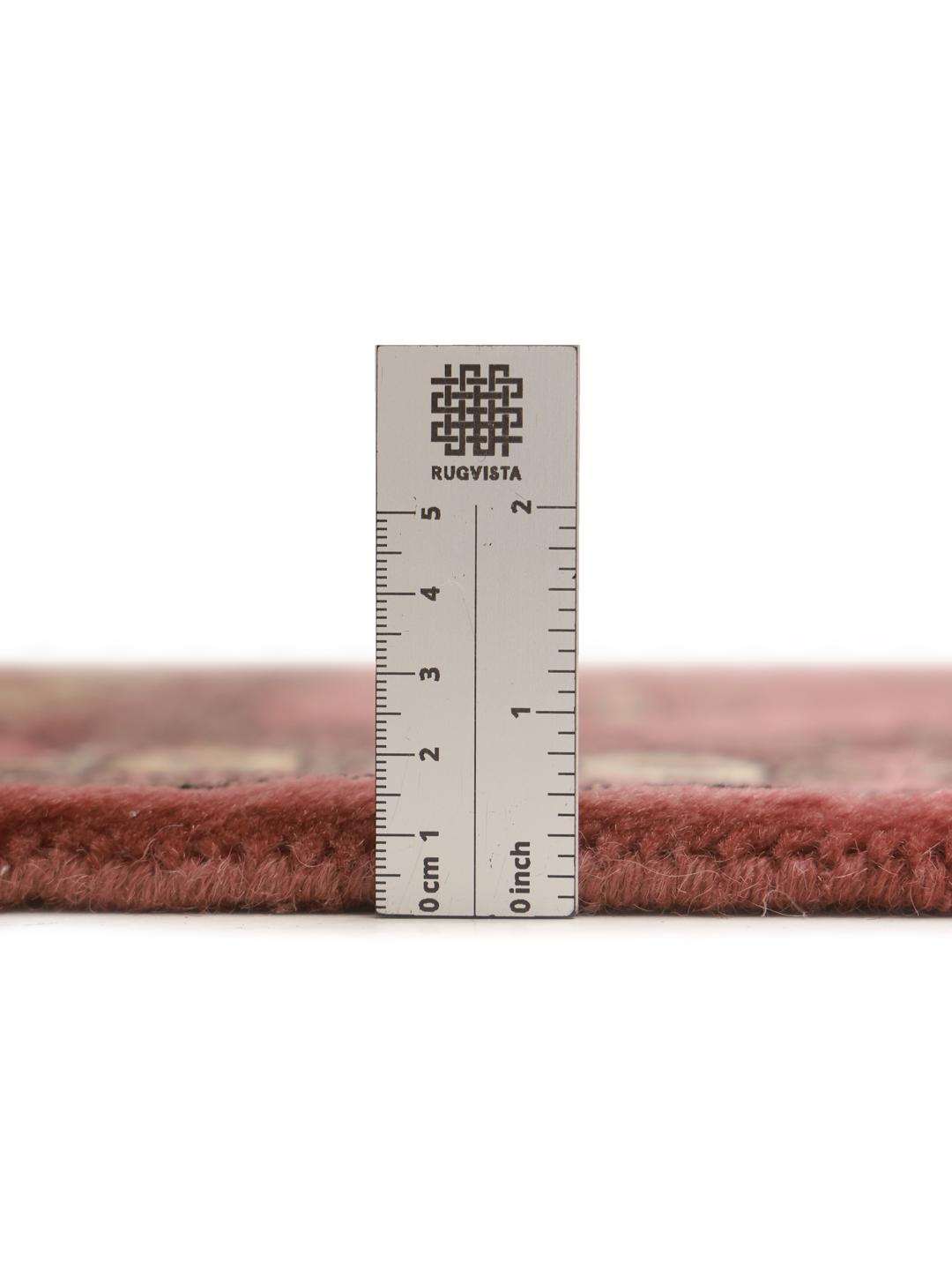
This specific technique produces a denser, heavier, and exceptionally resilient pile that stands up well to everyday wear while maintaining a soft, inviting touch.
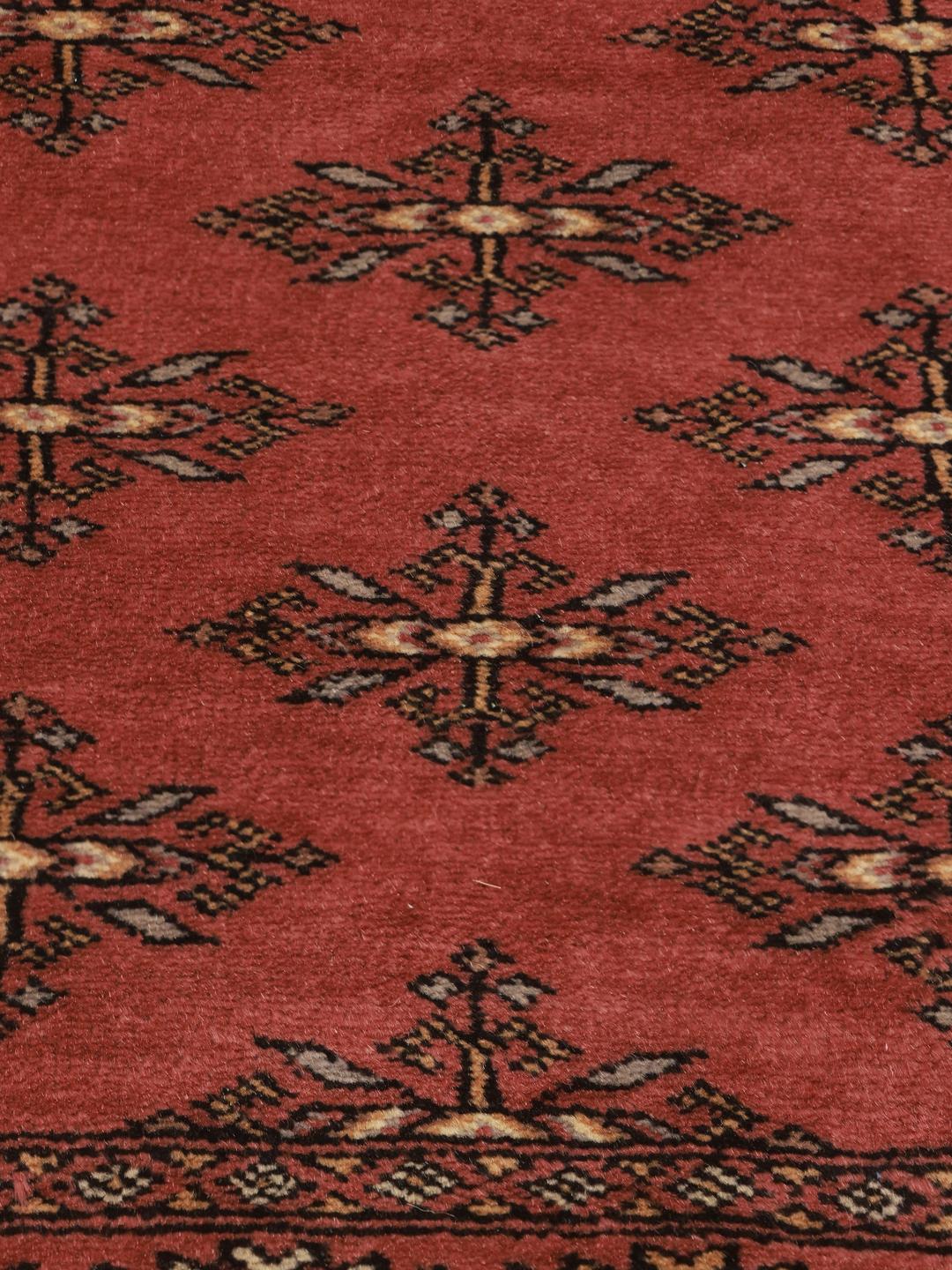
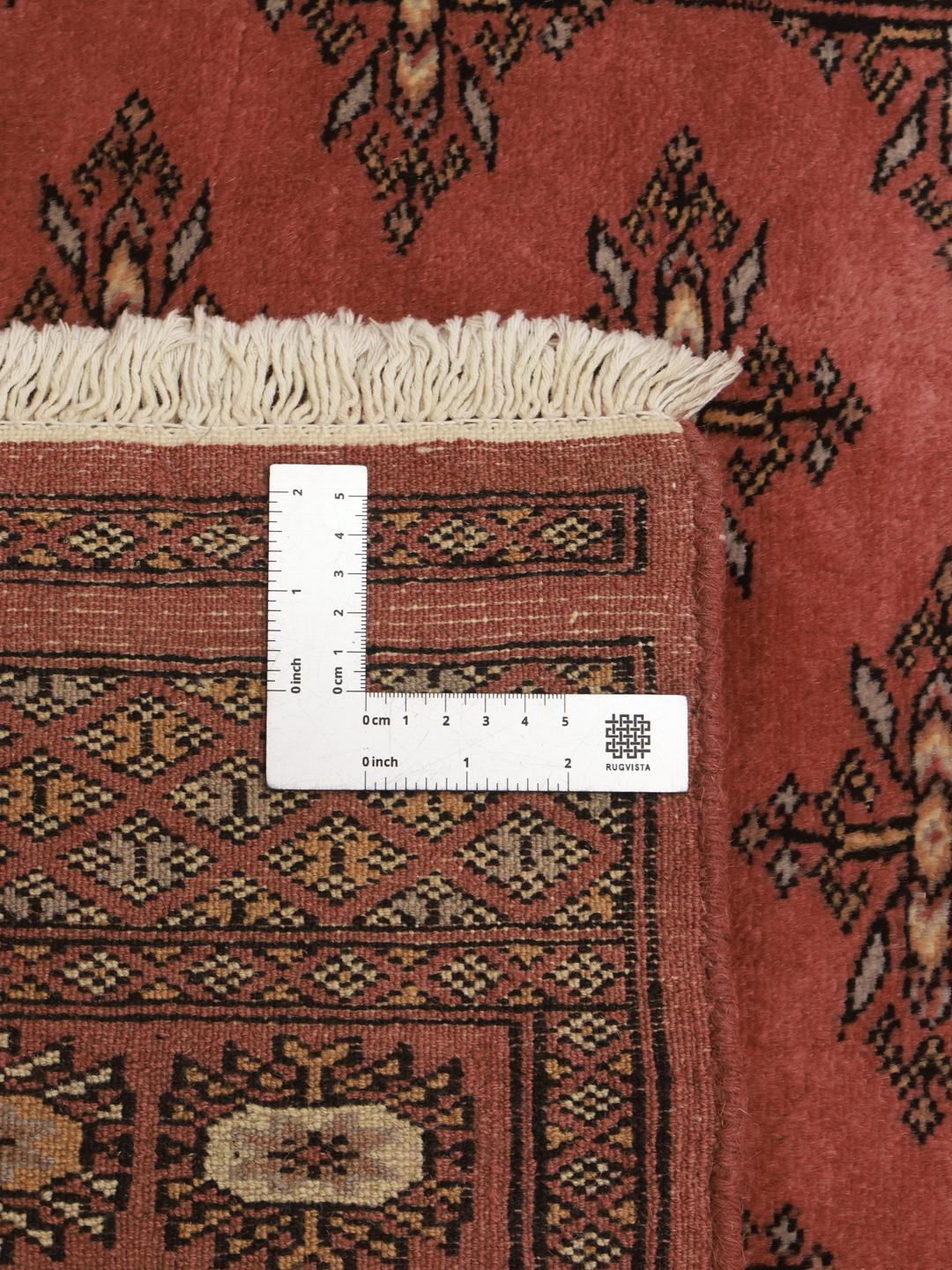
The visual language of the Bokhara tradition is defined by its repeating gul motifs, which are stylised, octagonal elephant-foot medallions arranged in neat rows across the field.
Enclosed by a formal geometric border, these timeless patterns have been passed down through centuries of weaving families.
Collecting a Bokhara rug means acquiring a piece of living cultural heritage.
The immense skill required to tie hundreds of thousands of knots by hand represents a tradition of craftsmanship that values longevity, patience, and enduring aesthetic appeal.