Bokhara rugs take their name from the ancient Silk Road city of Bukhara in Central Asia, historically a major trading hub where nomadic and settled weaving traditions met. Over generations, Turkmen artisans migrated and brought these distinctive weaving techniques to neighboring regions, particularly Pakistan, where the craft of creating fine Bokhara rugs continues to thrive today.
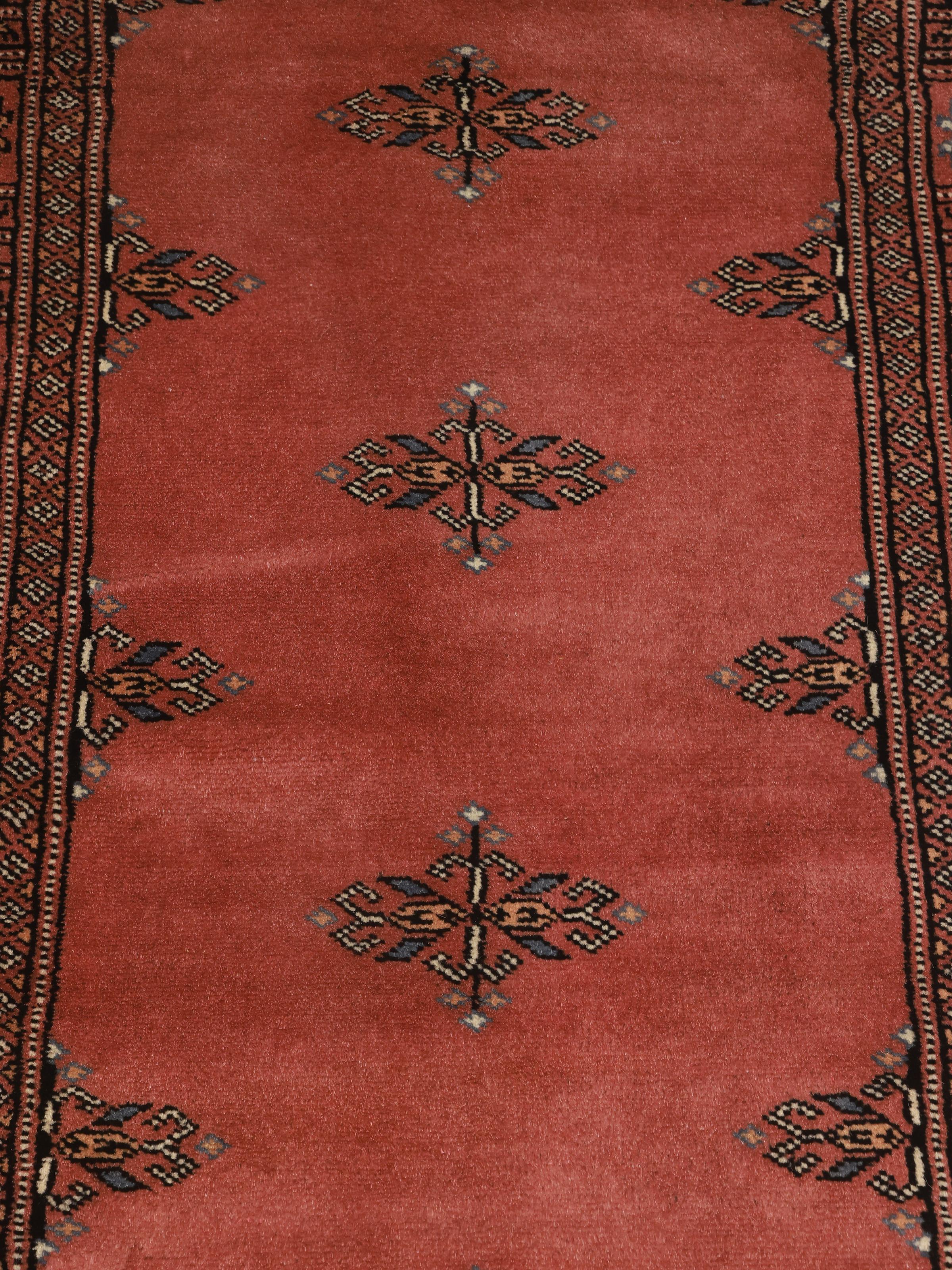
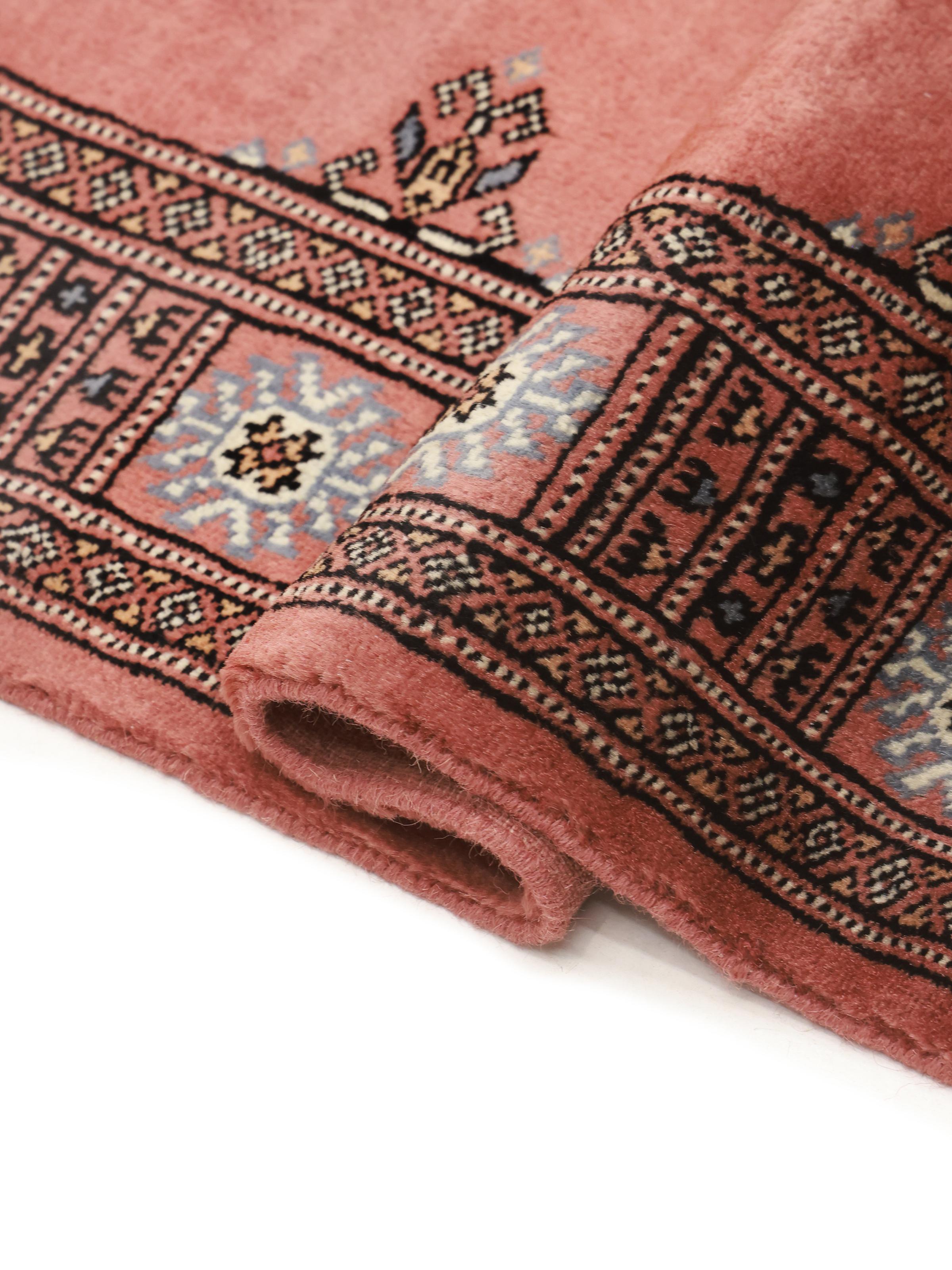
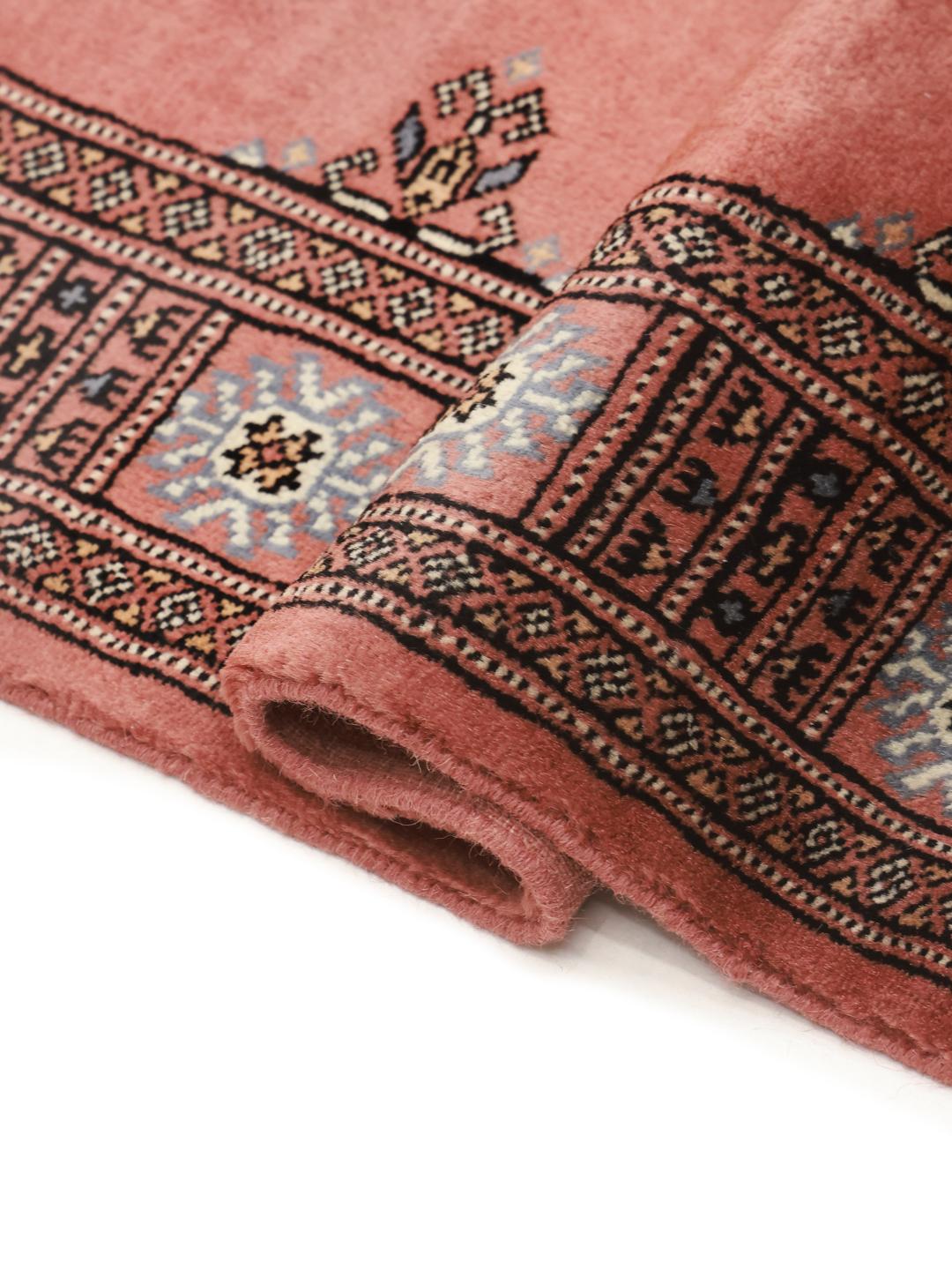
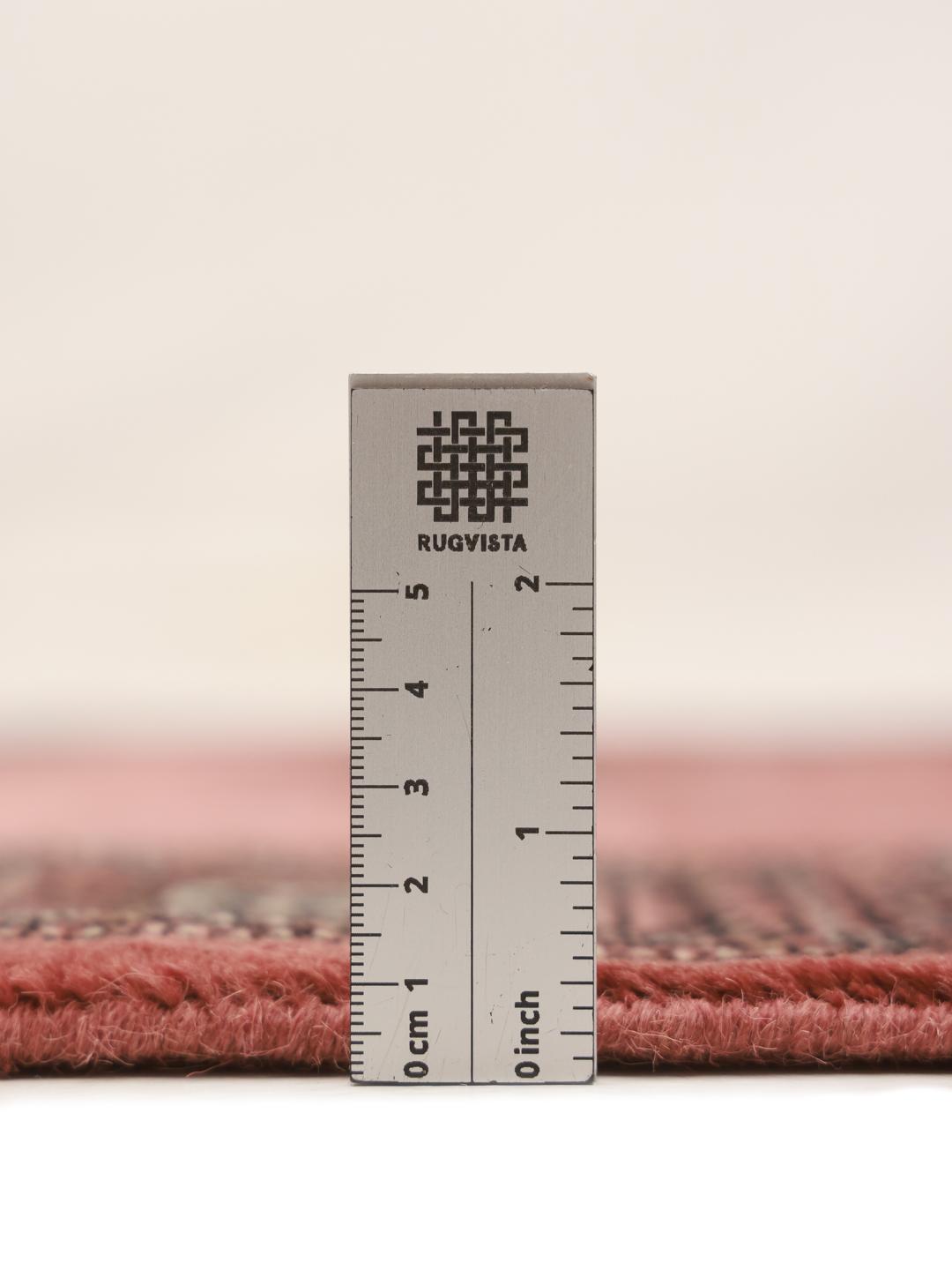
The 3ply designation in the construction refers to the use of three individual strands of wool twisted together before knotting. This technique produces a notably thicker, denser, and more lustrous pile compared to standard single or double-ply constructions, adding both longevity and a rich visual depth to the surface.
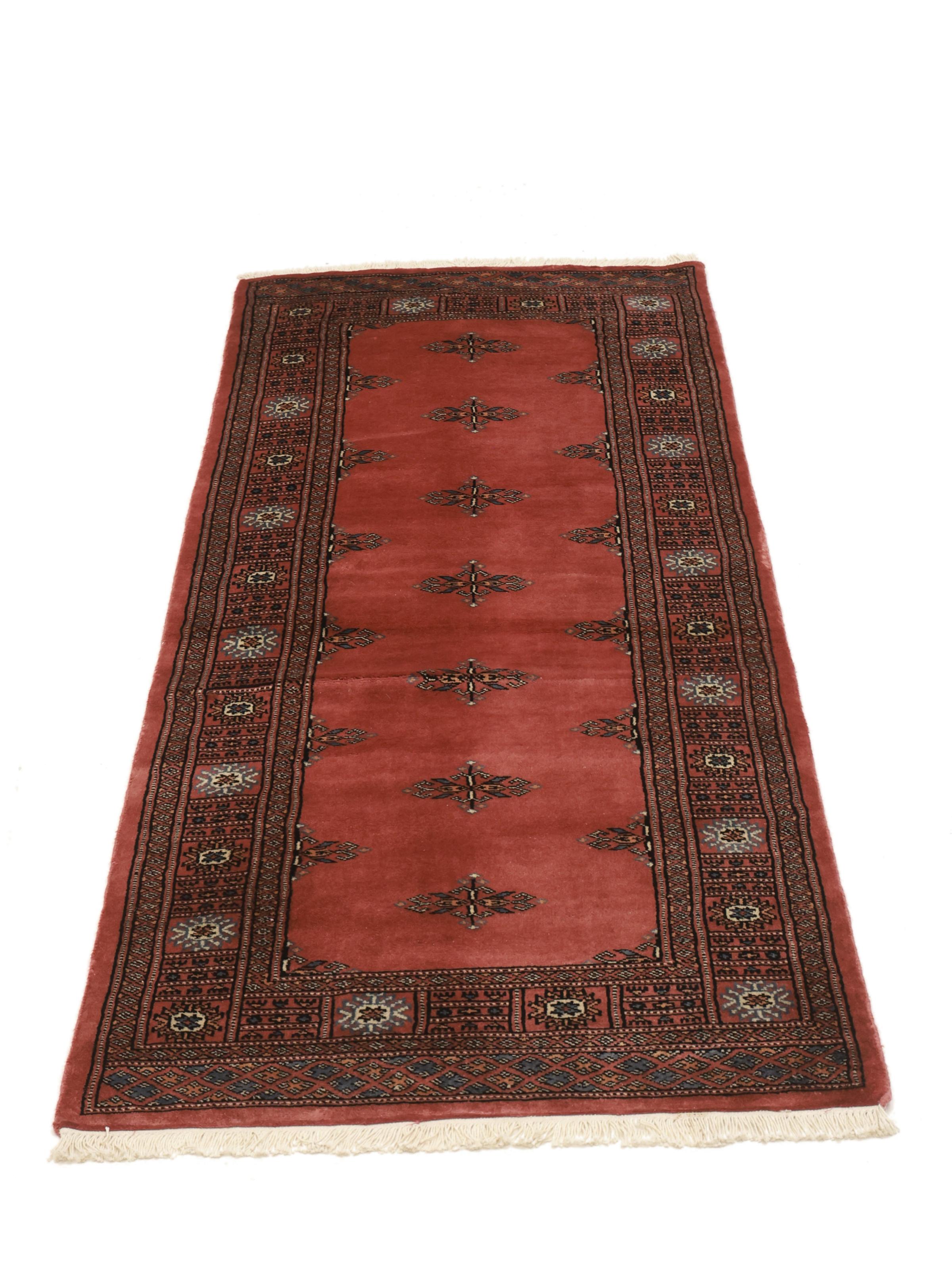
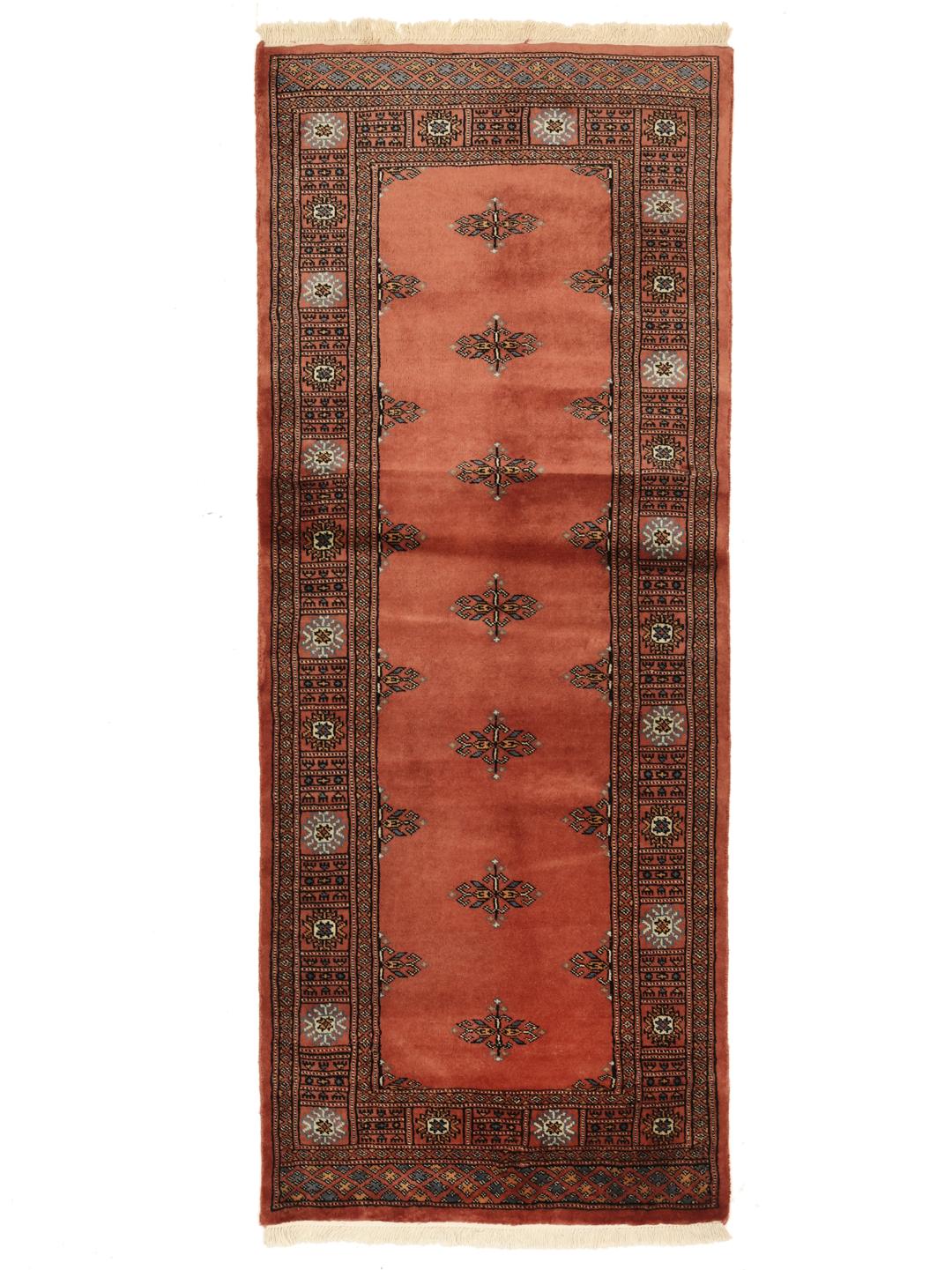
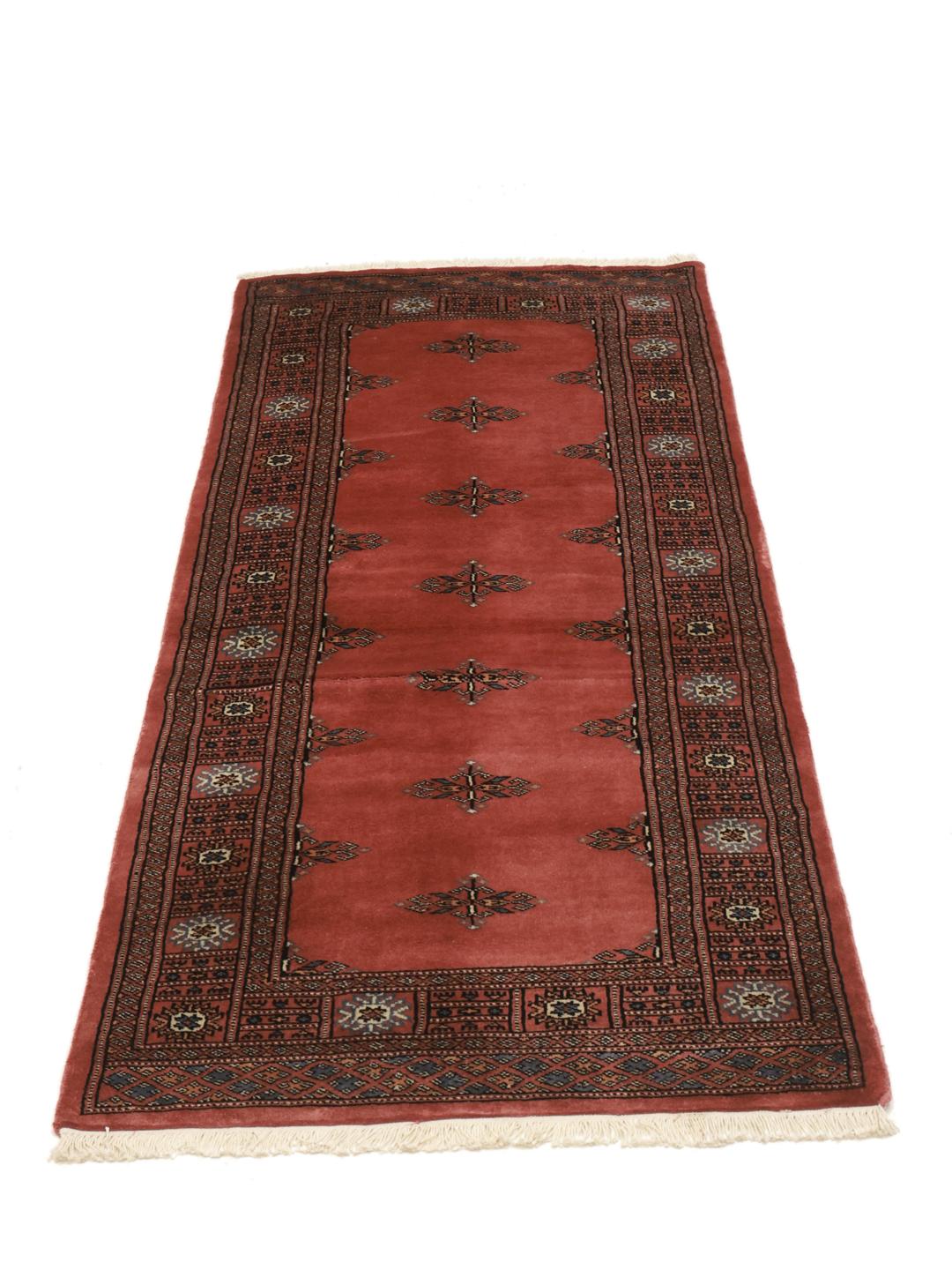
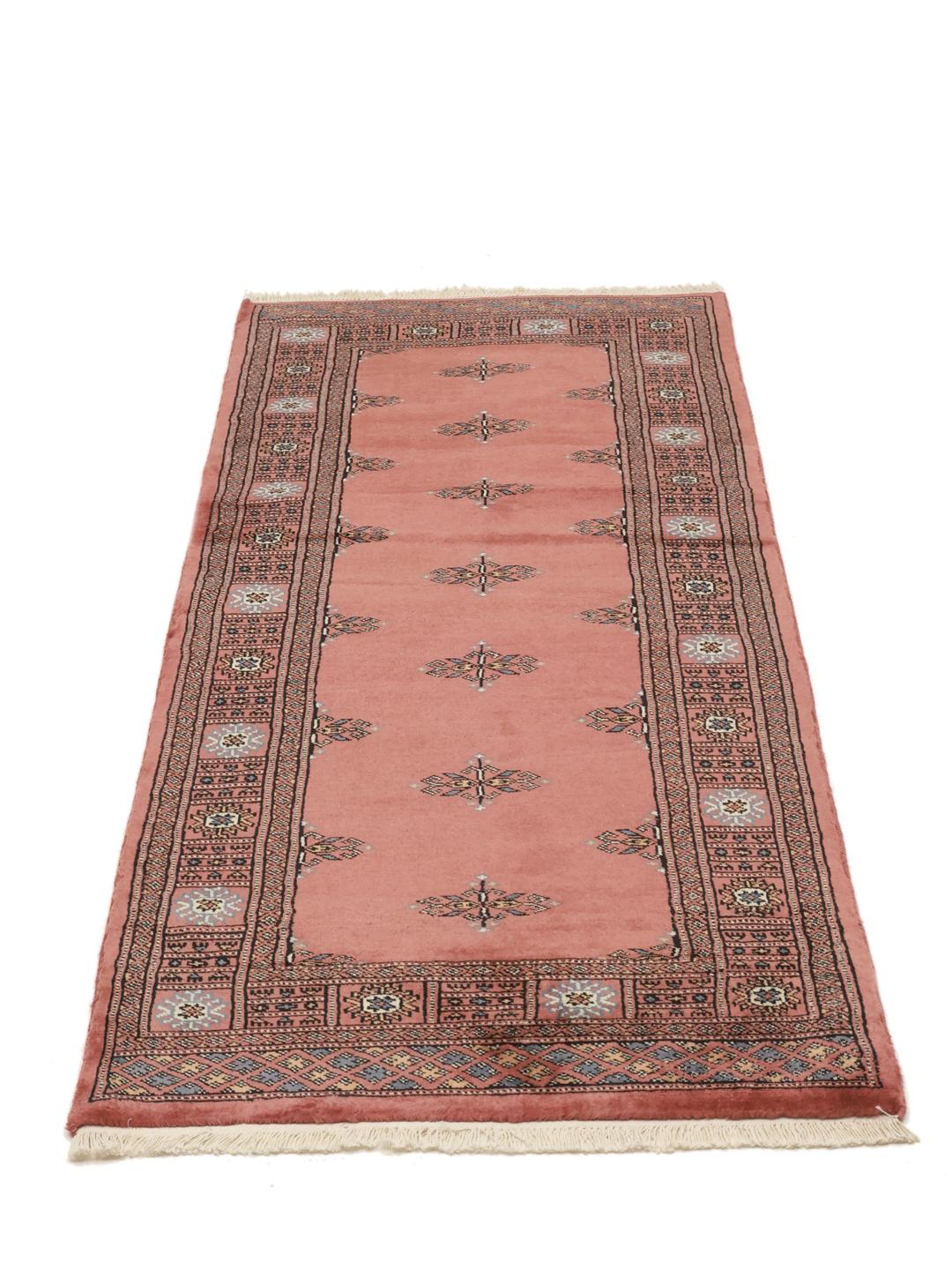
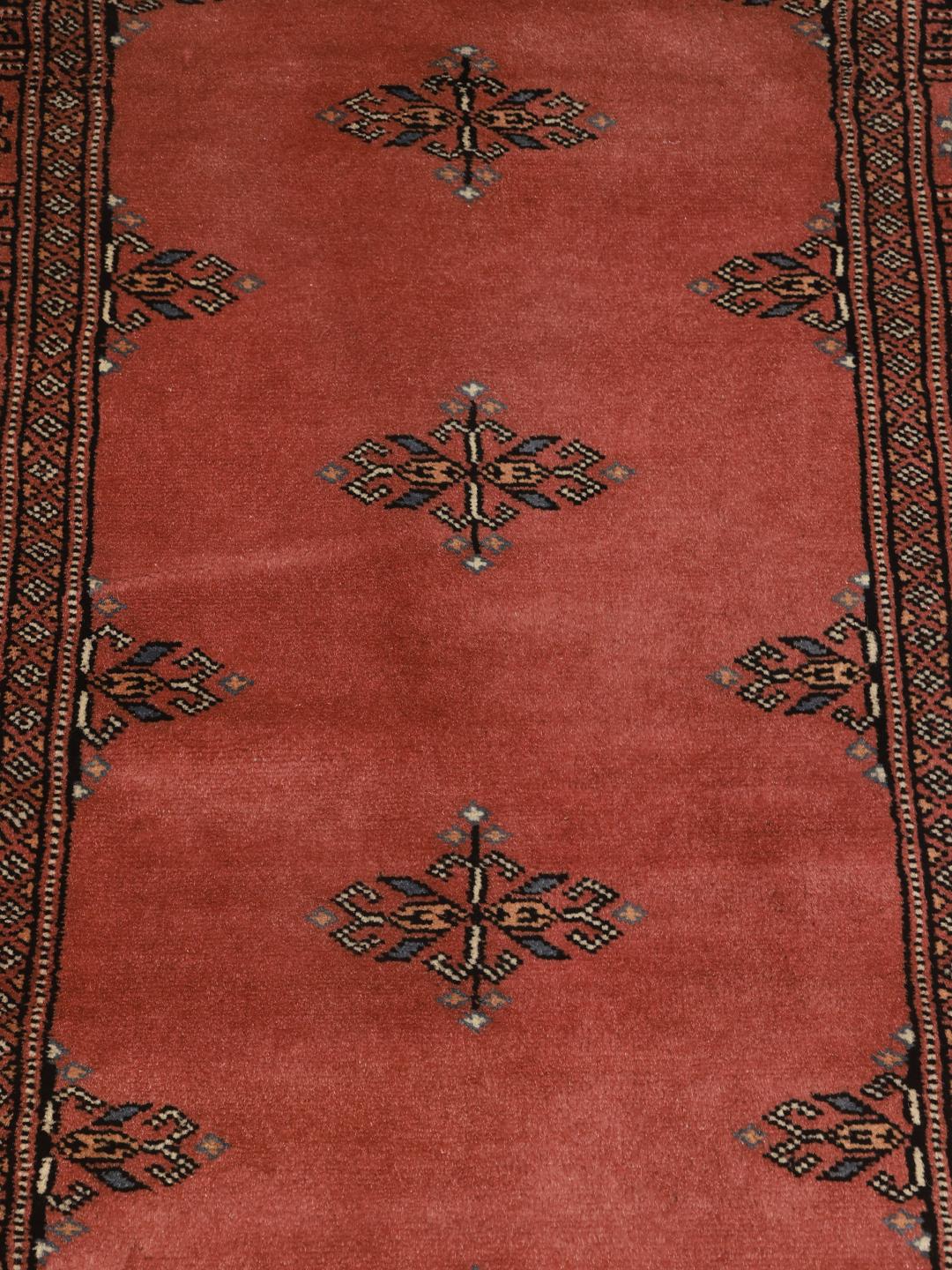
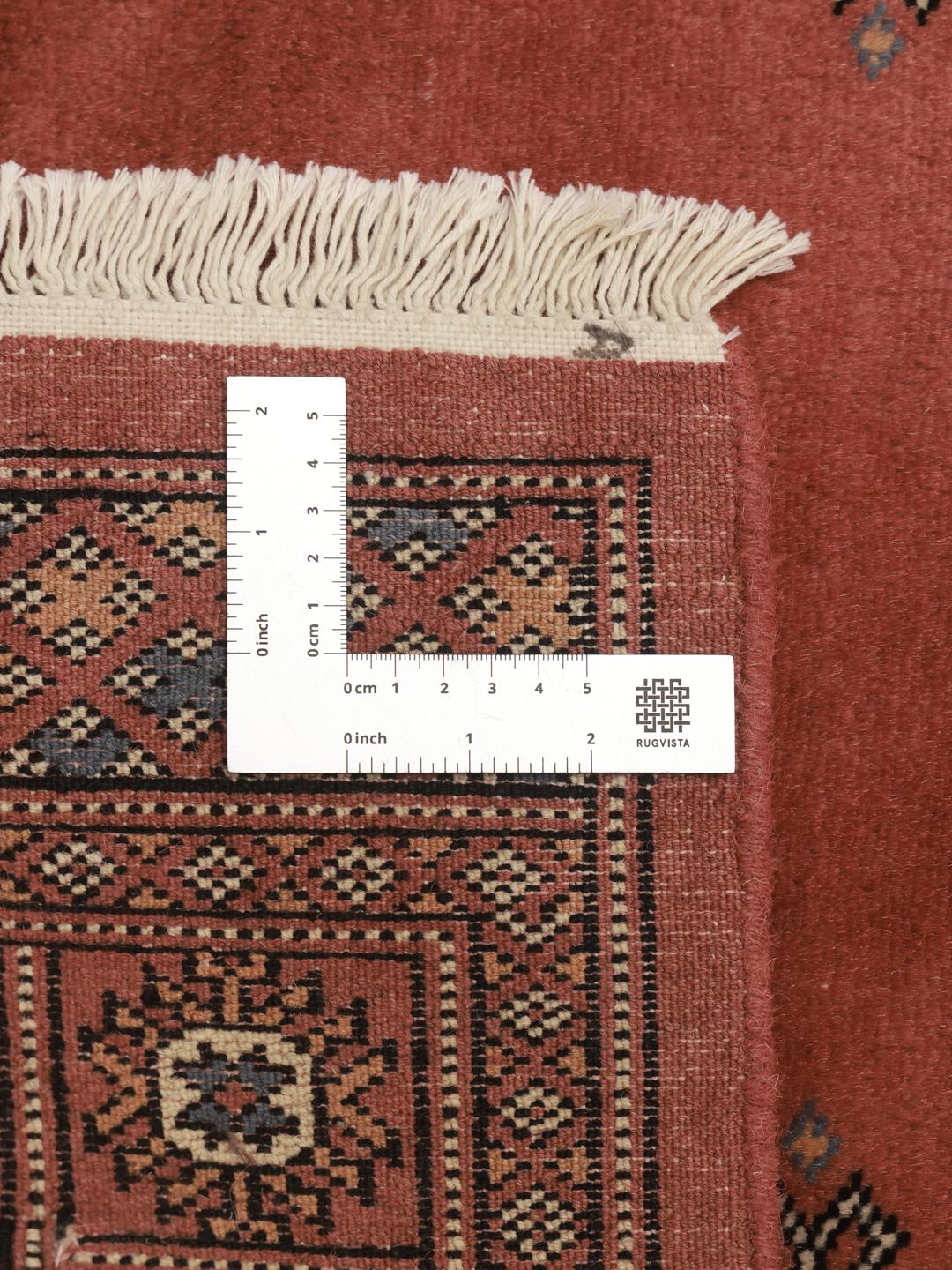
Visually, this tradition is defined by repeating gul motifs, which are octagonal or elephant-foot shaped medallions arranged in orderly rows across the field. These central symbols are typically enclosed by structured geometric borders, creating a balanced and harmonious composition rooted in centuries of design heritage.
Owning a hand-knotted Bokhara runner means welcoming a piece of cultural history into your home. Collectors and design enthusiasts value these rugs for their enduring wool quality, skilled execution, and the comforting sense of heritage they bring to modern living spaces.