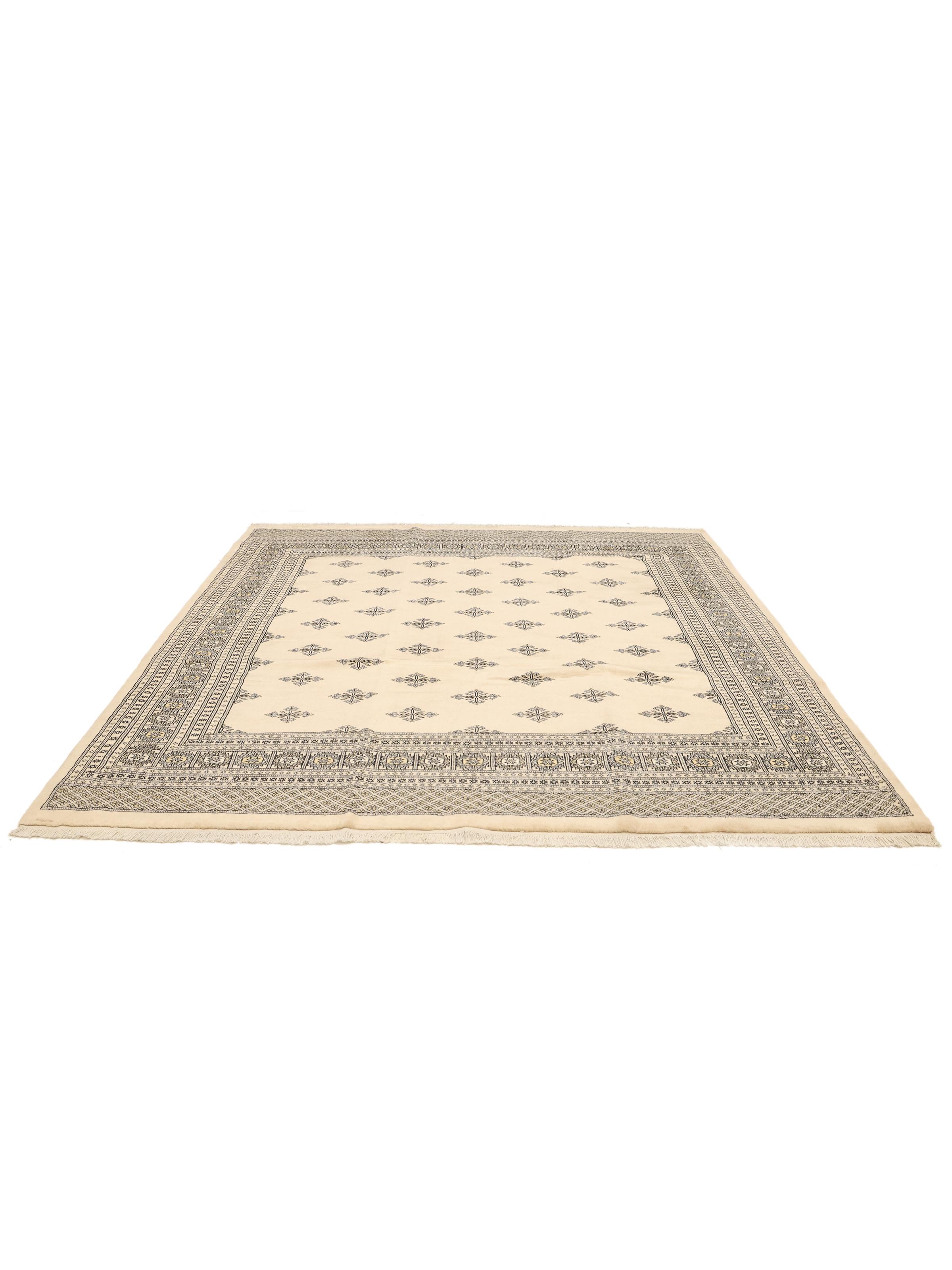
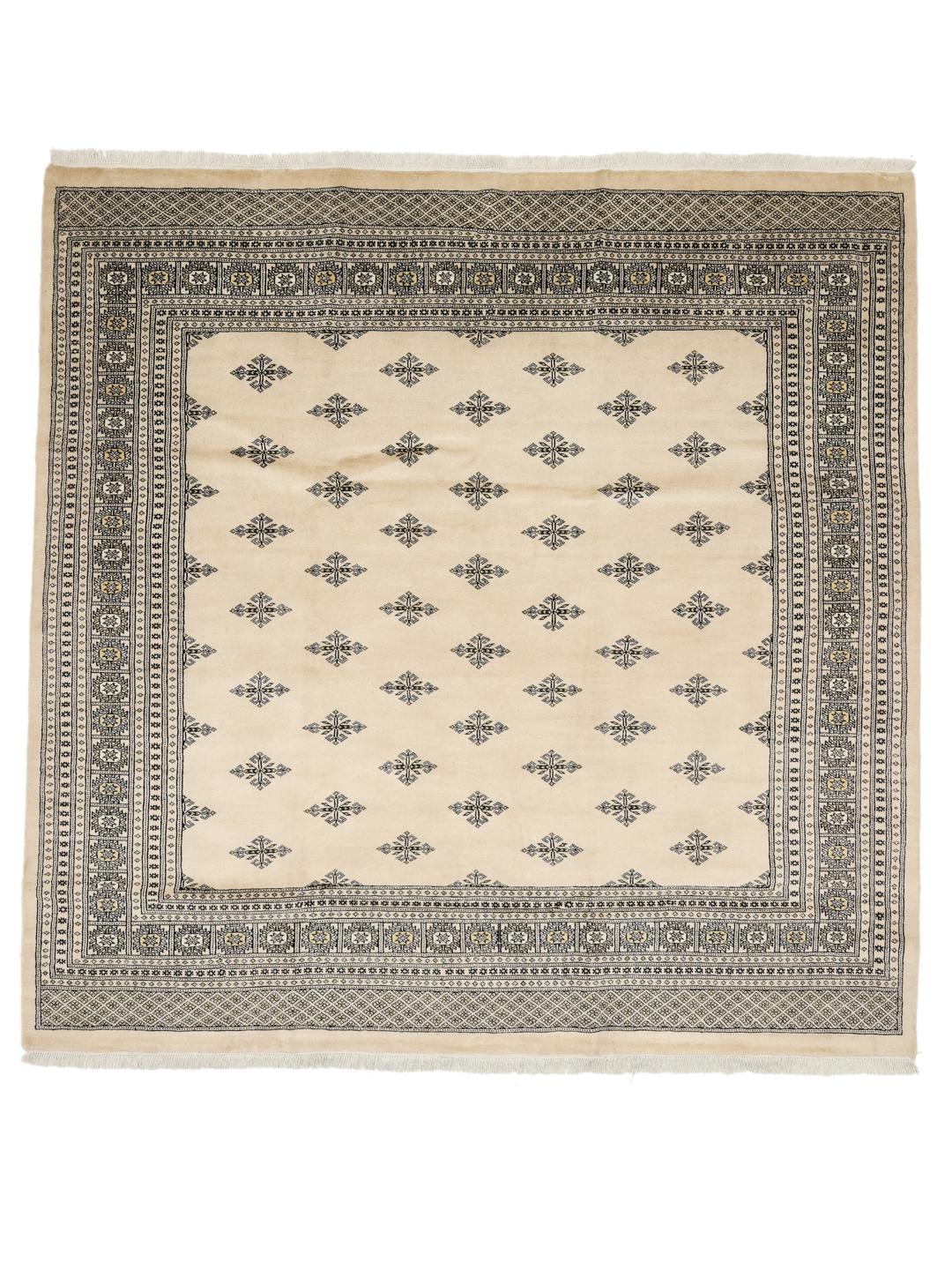
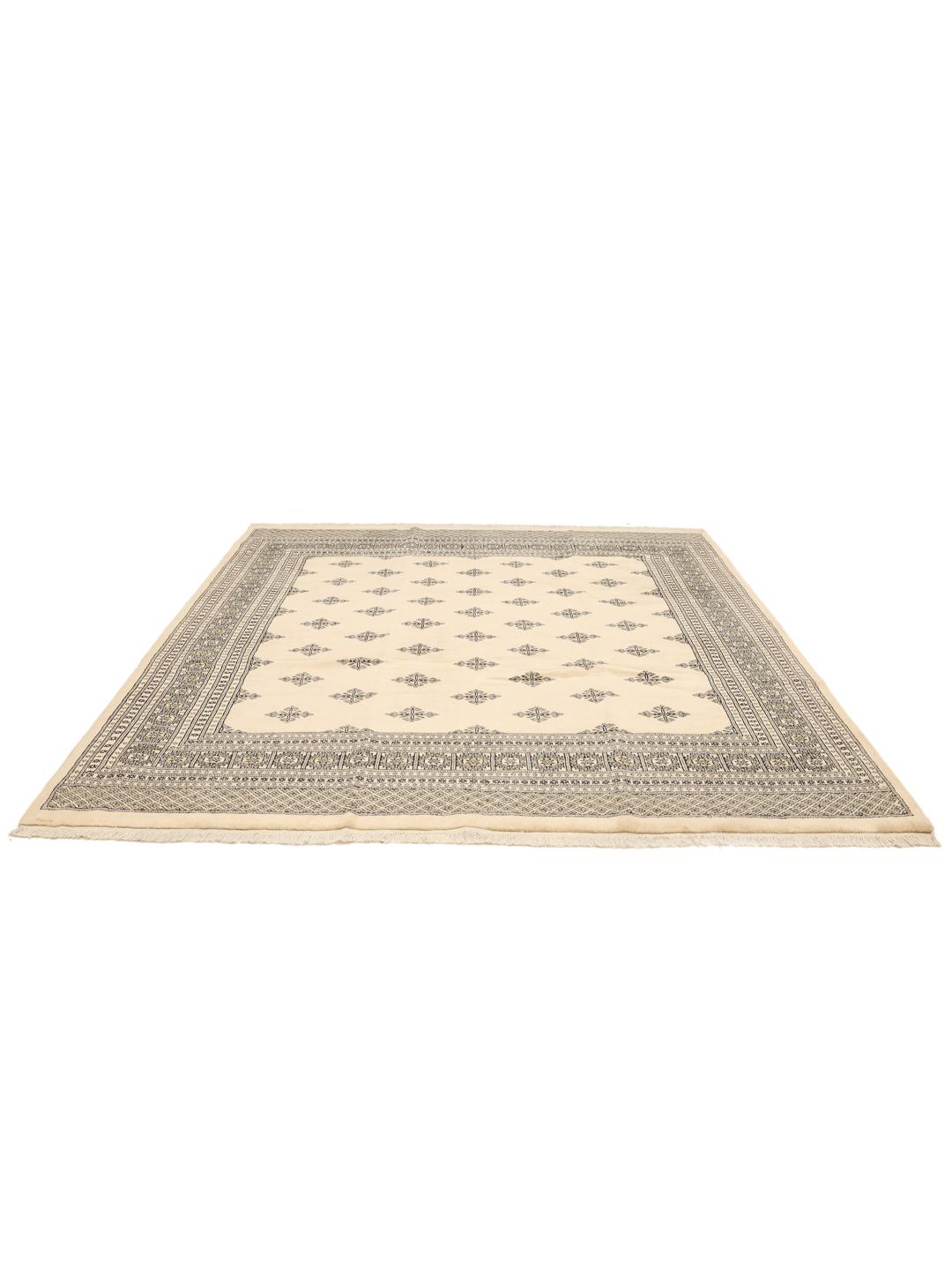
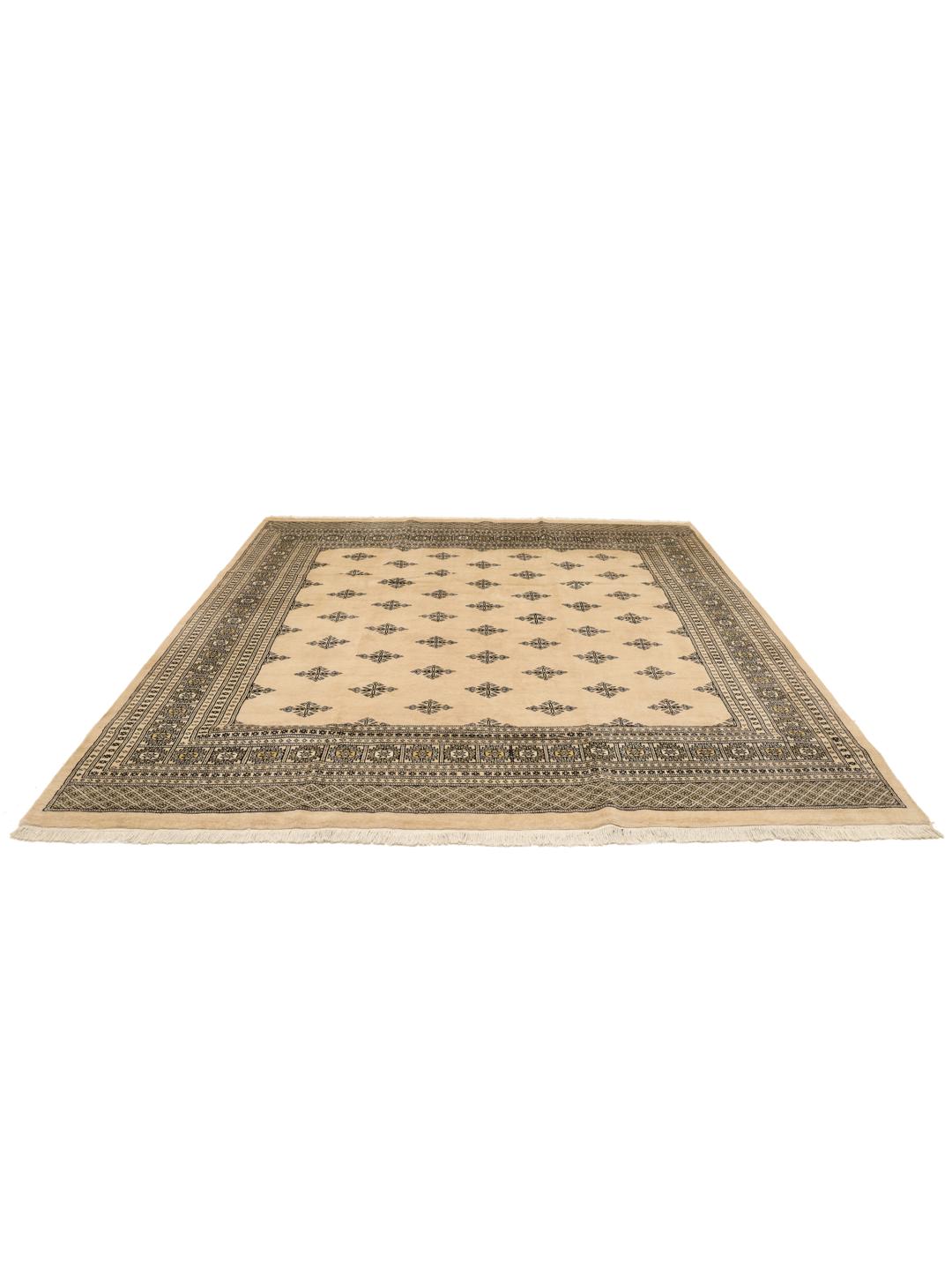
Bokhara rugs are celebrated for their sophisticated elegance and deep historical roots. While the name originates from the ancient Silk Road city of Bukhara in present-day Uzbekistan, the production of these iconic rugs migrated over centuries. Today, the most refined and high-quality examples are primarily crafted in Pakistan, where artisans have perfected these traditional designs for generations.
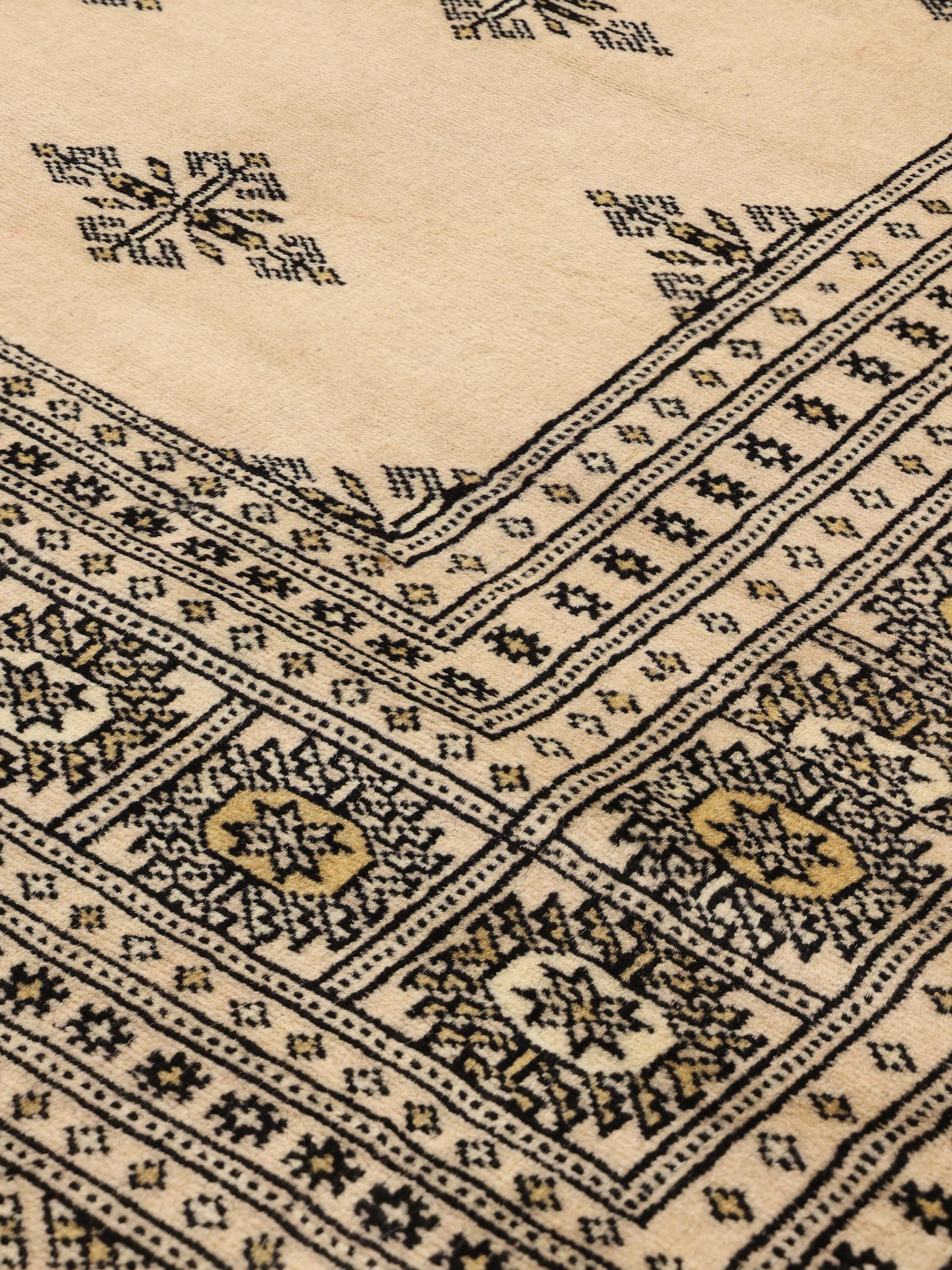
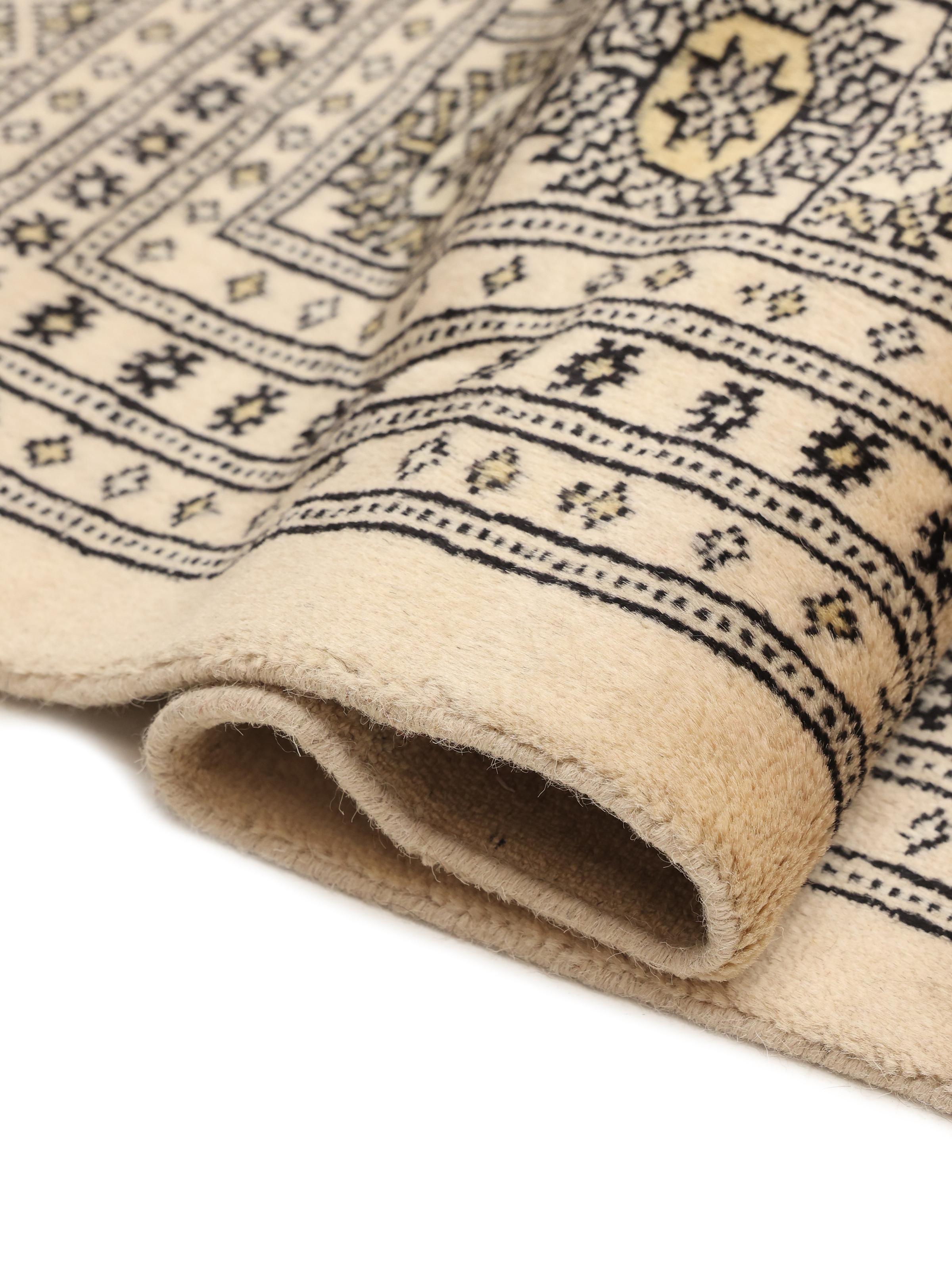
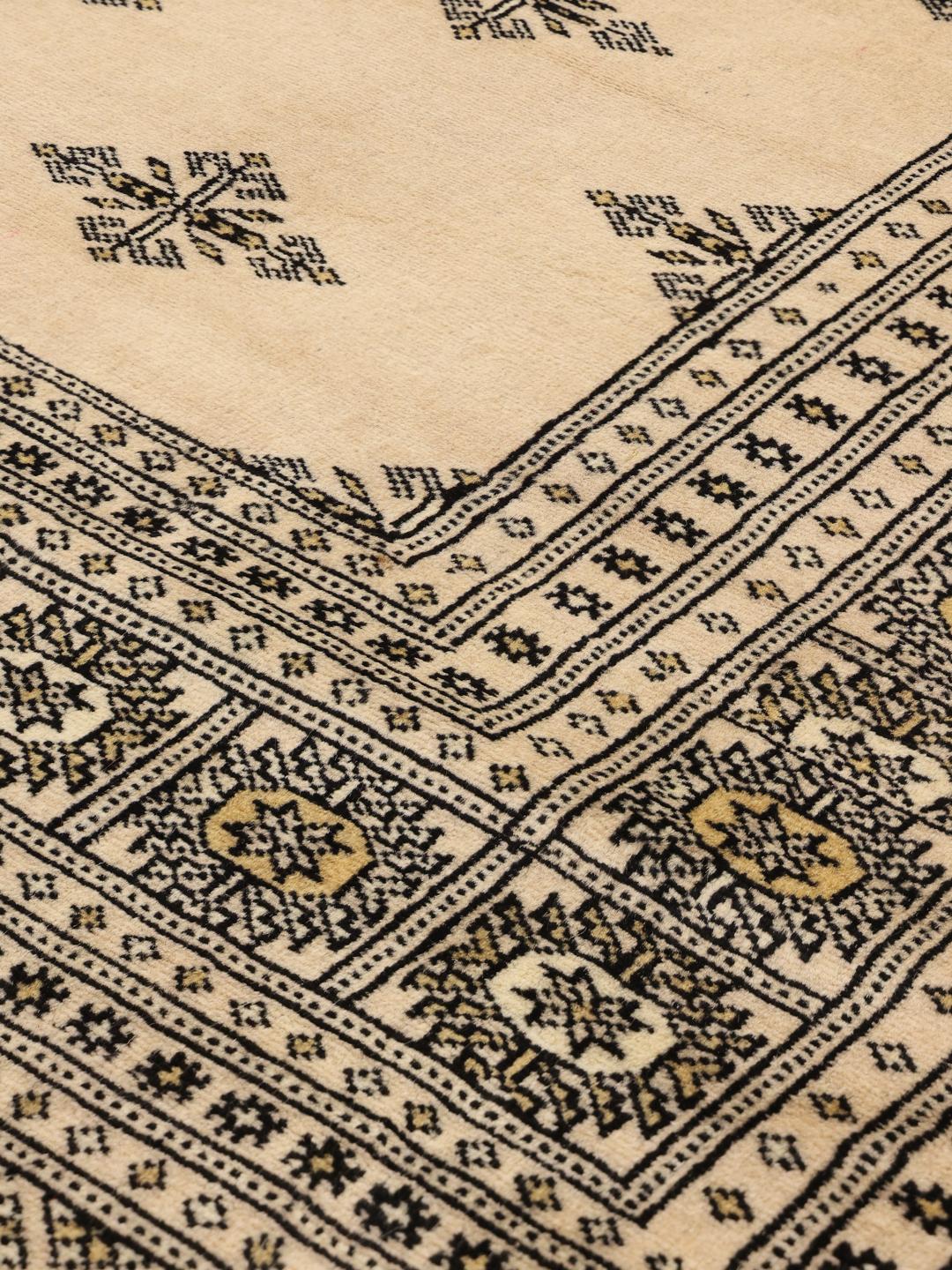
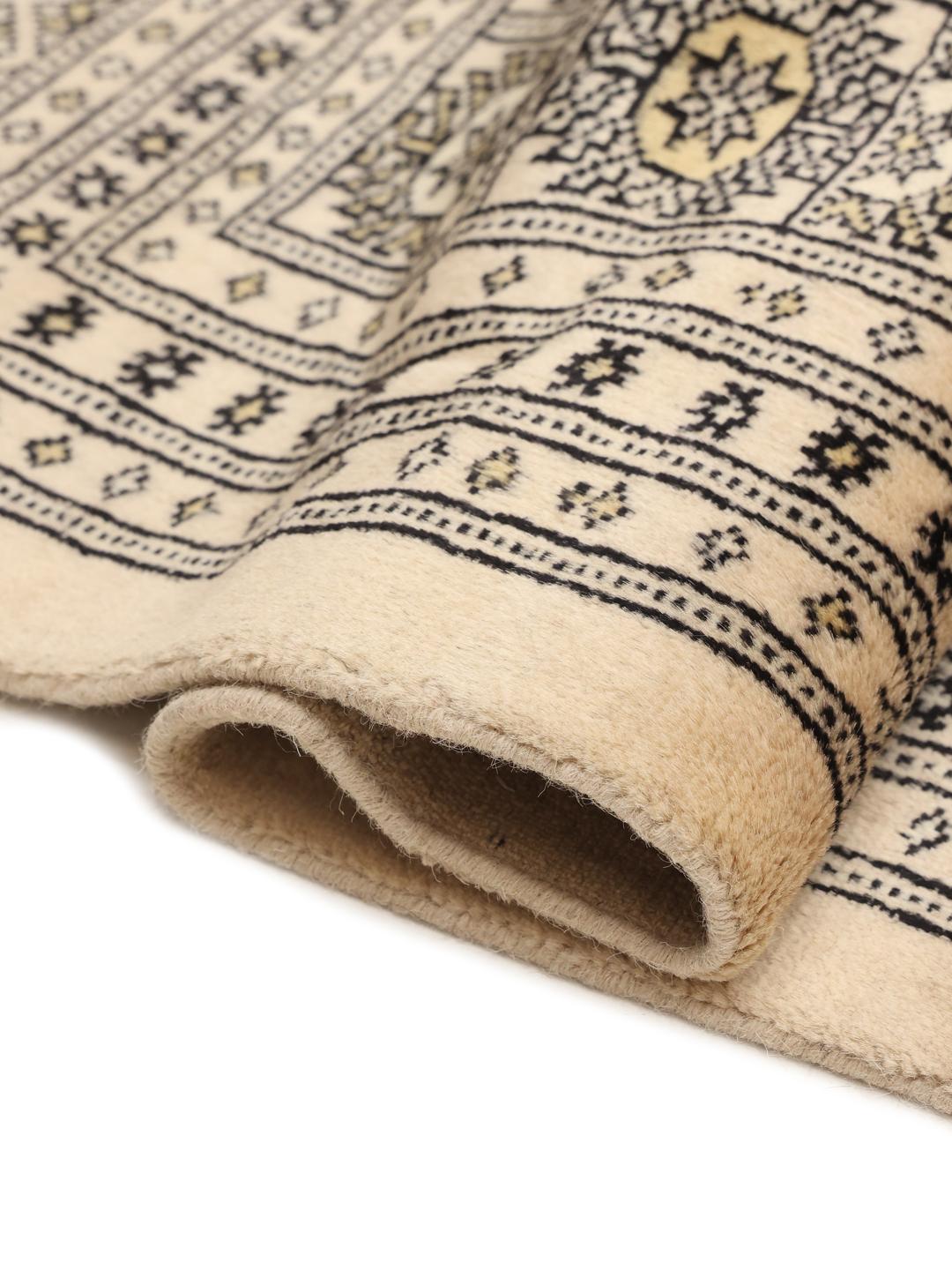
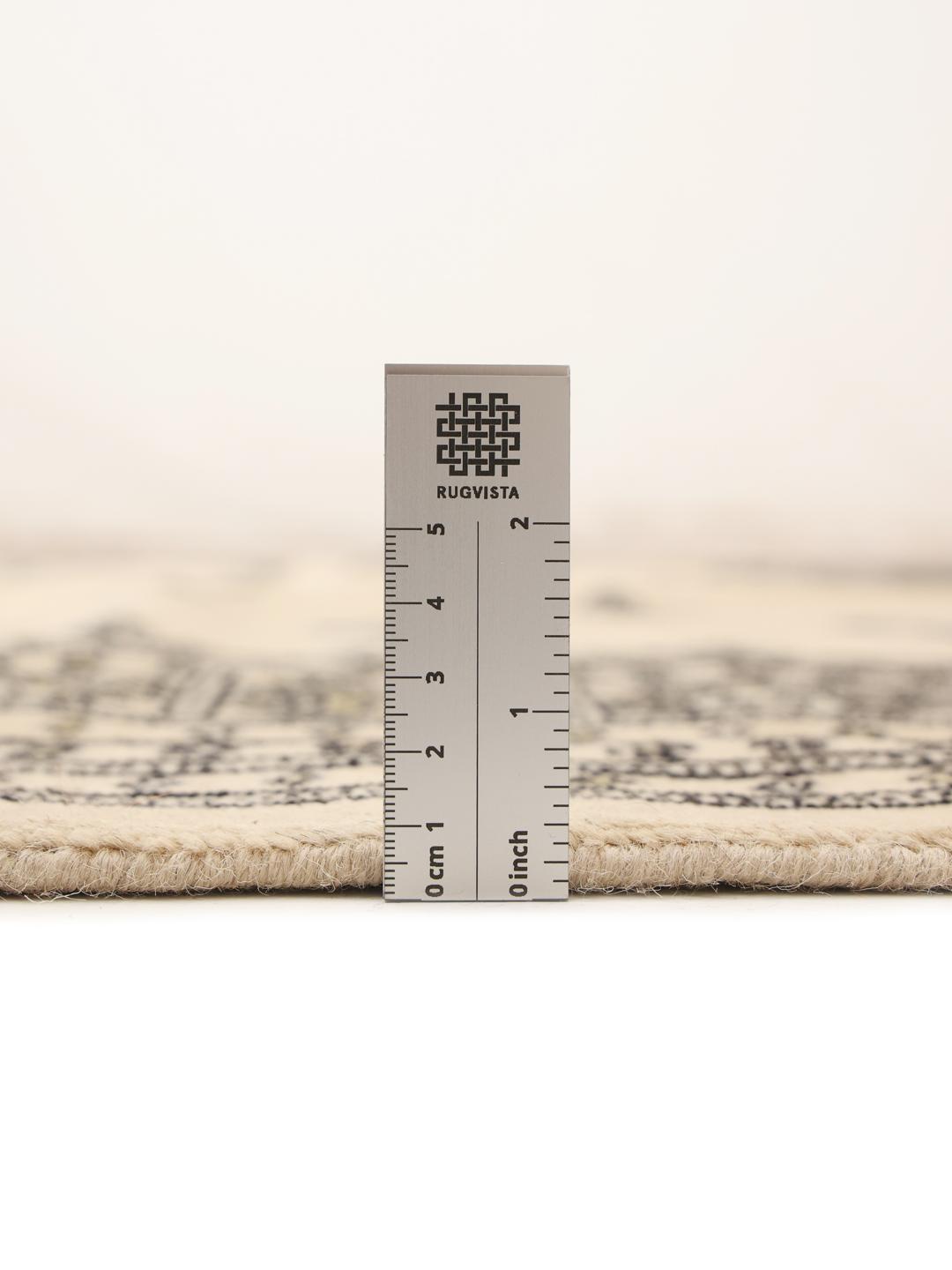
The 2ply designation refers to the construction of the wool pile, which uses two strands of wool twisted together before being knotted. This technique is significant because it produces a pile that is noticeably denser, more lustrous, and more resilient than single-ply alternatives. It is a hallmark of quality that ensures the rug feels substantial and maintains its appearance through years of regular use.
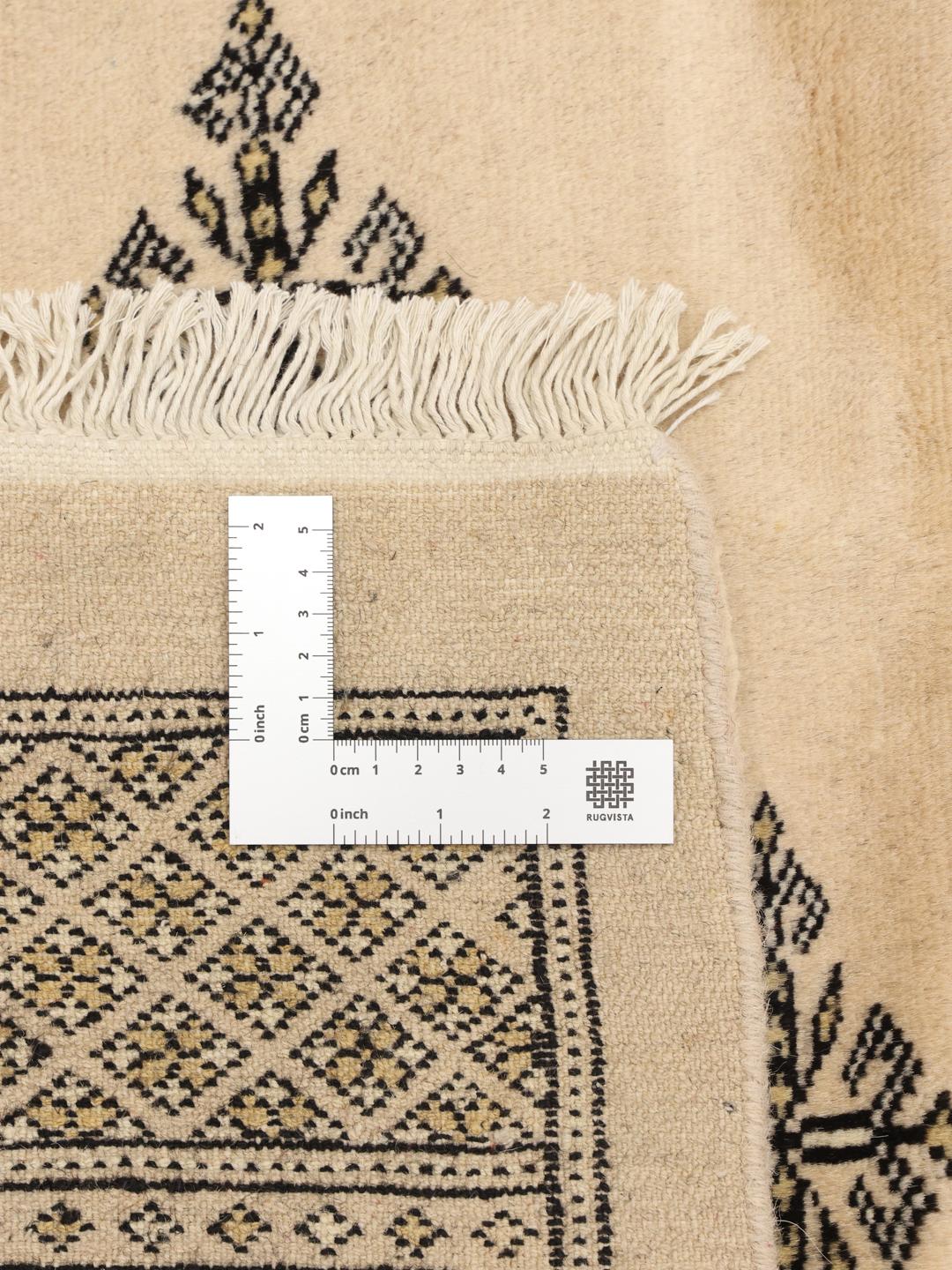
Visually, these rugs are defined by their rhythmic, repeating motifs, often referred to as 'gul' or elephant-foot medallions. In this particular piece, the design focuses on a clean, orderly arrangement, framed by a beautifully detailed border that echoes the central field. Such precision in the pattern is a direct reflection of the weaver's expertise and the time-honoured traditions of the region.
Owning a hand-knotted rug from this tradition is an investment in cultural heritage and human skill. It represents a connection to a long lineage of craft, where every choice, from the selection of the wool to the final clipping of the pile, is made with care. It is this dedication to the process that makes such rugs highly valued by collectors and homeowners alike.