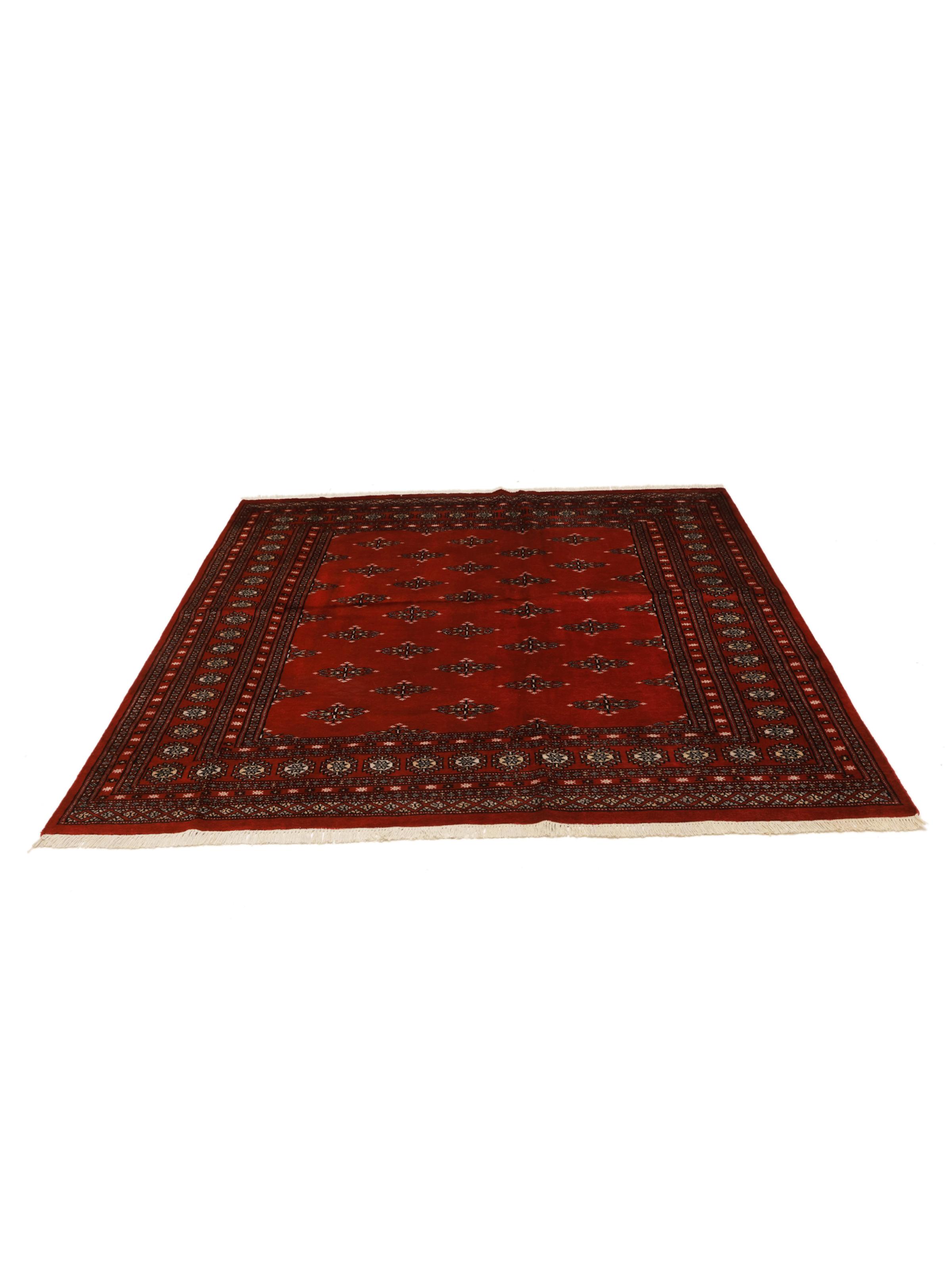
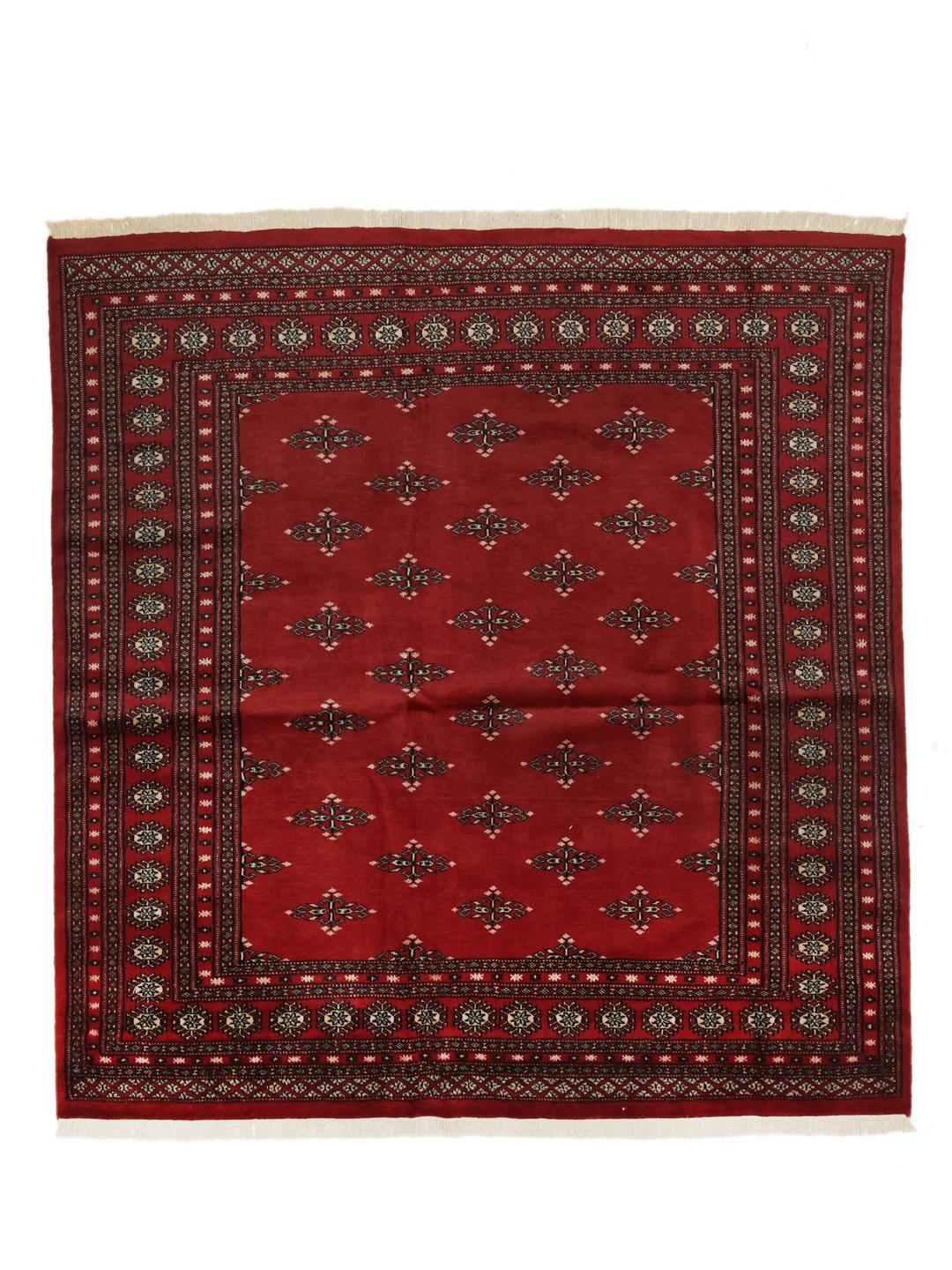
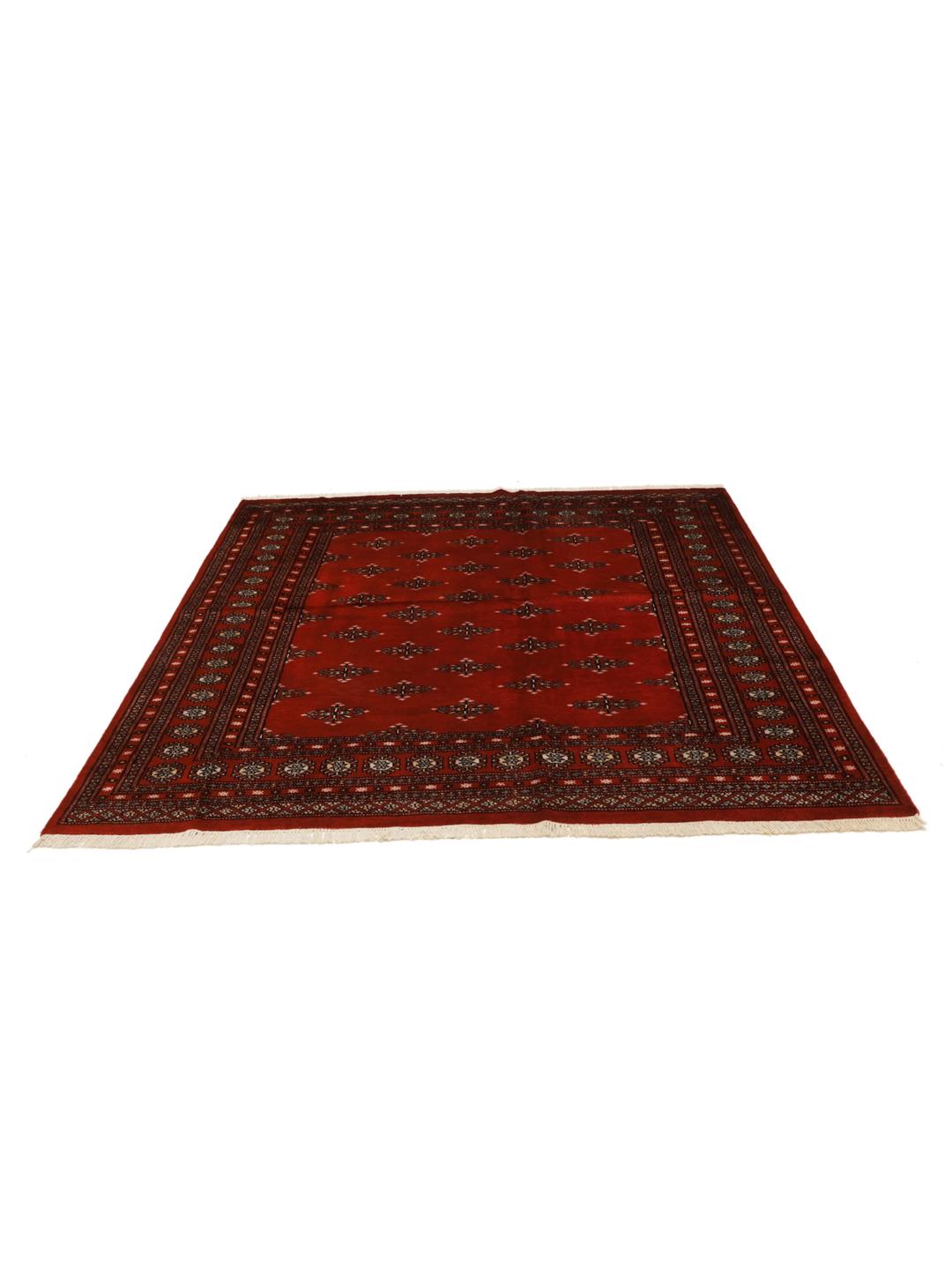
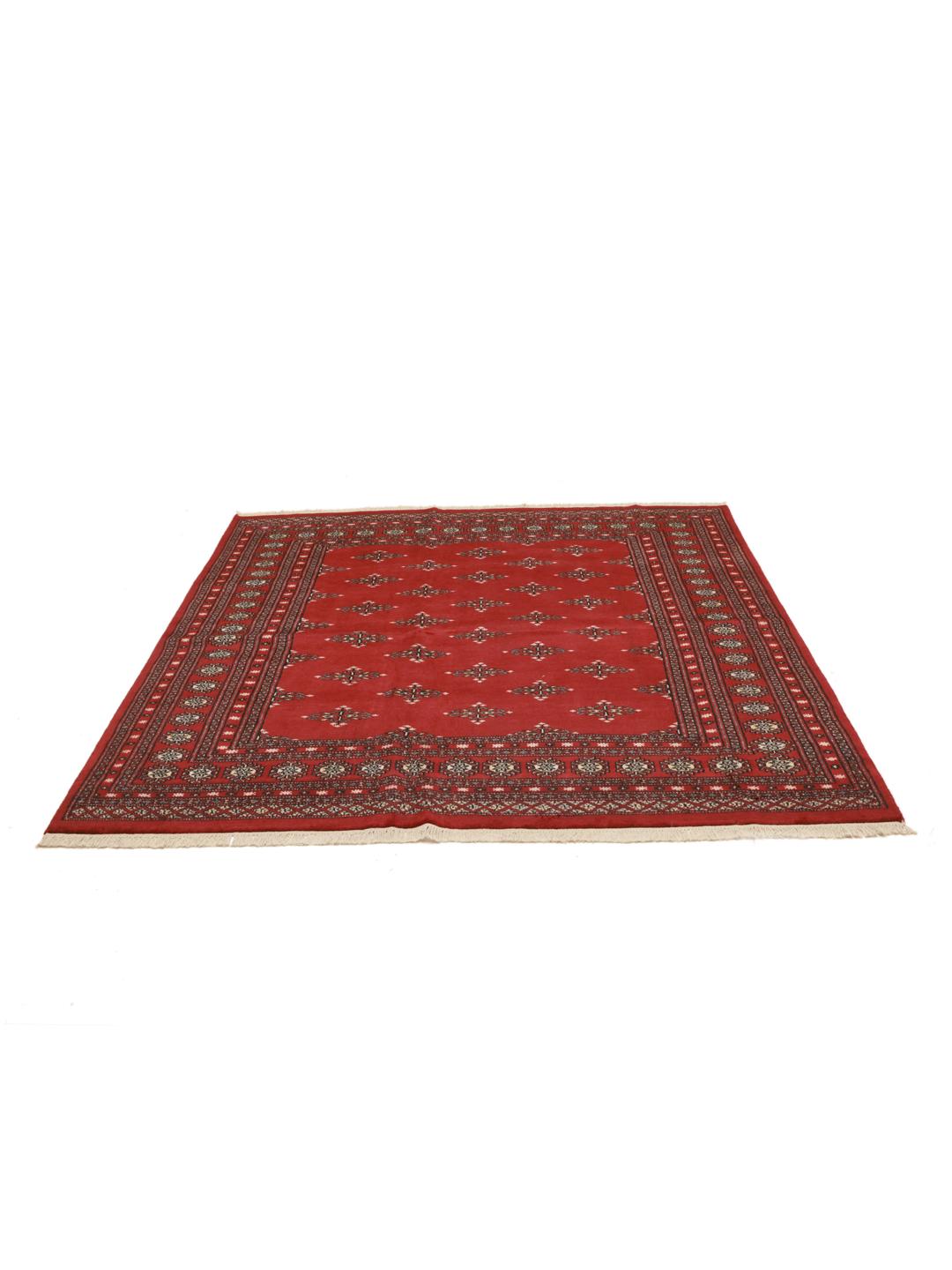
Bokhara rugs are deeply rooted in the history of the Silk Road, taking their name from the ancient city of Bukhara in Central Asia. While the design tradition originated among nomadic tribes, the finest contemporary examples are expertly woven in Pakistan, where artisans have refined these classic motifs to reach new levels of clarity and consistency.
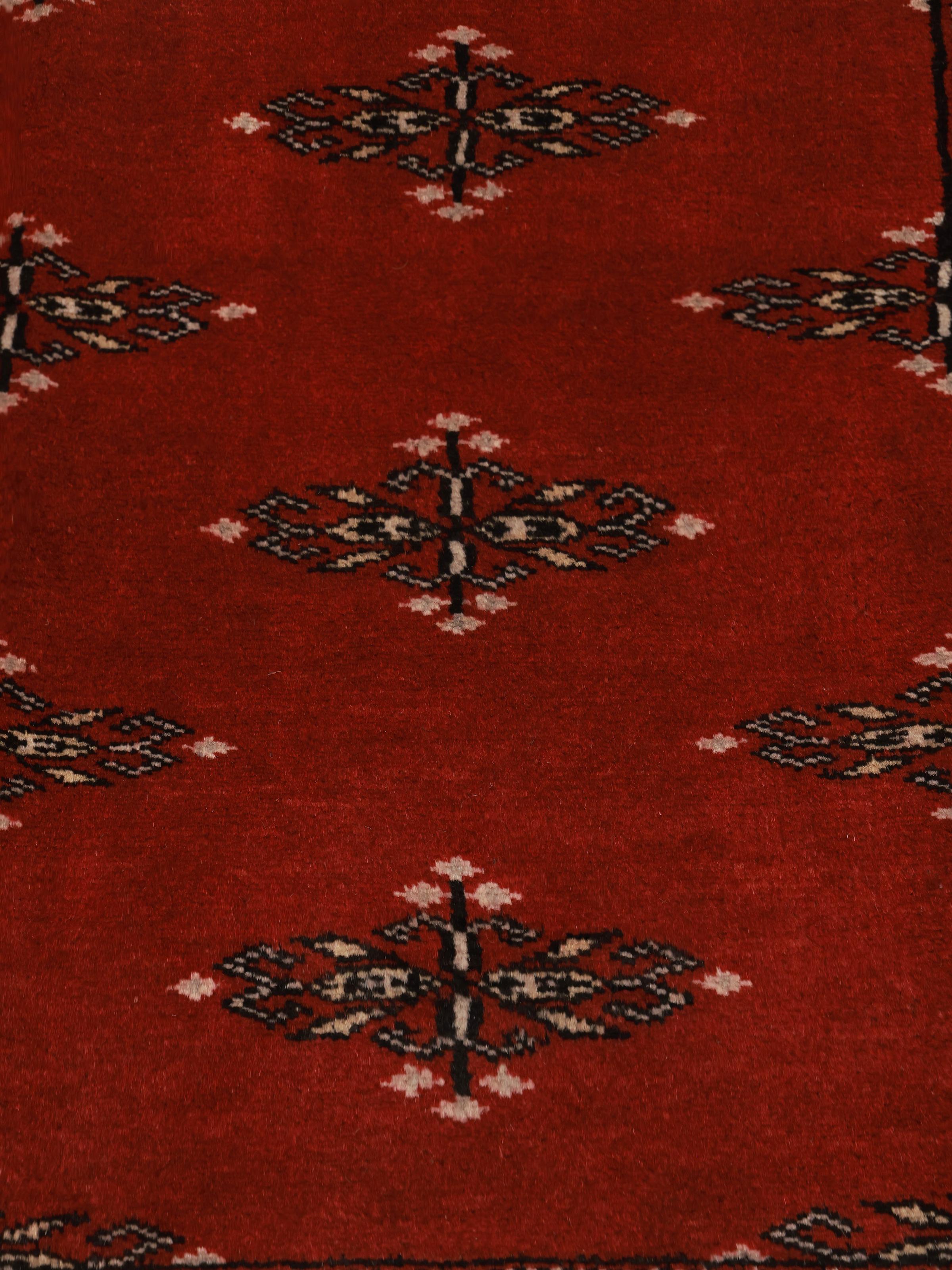
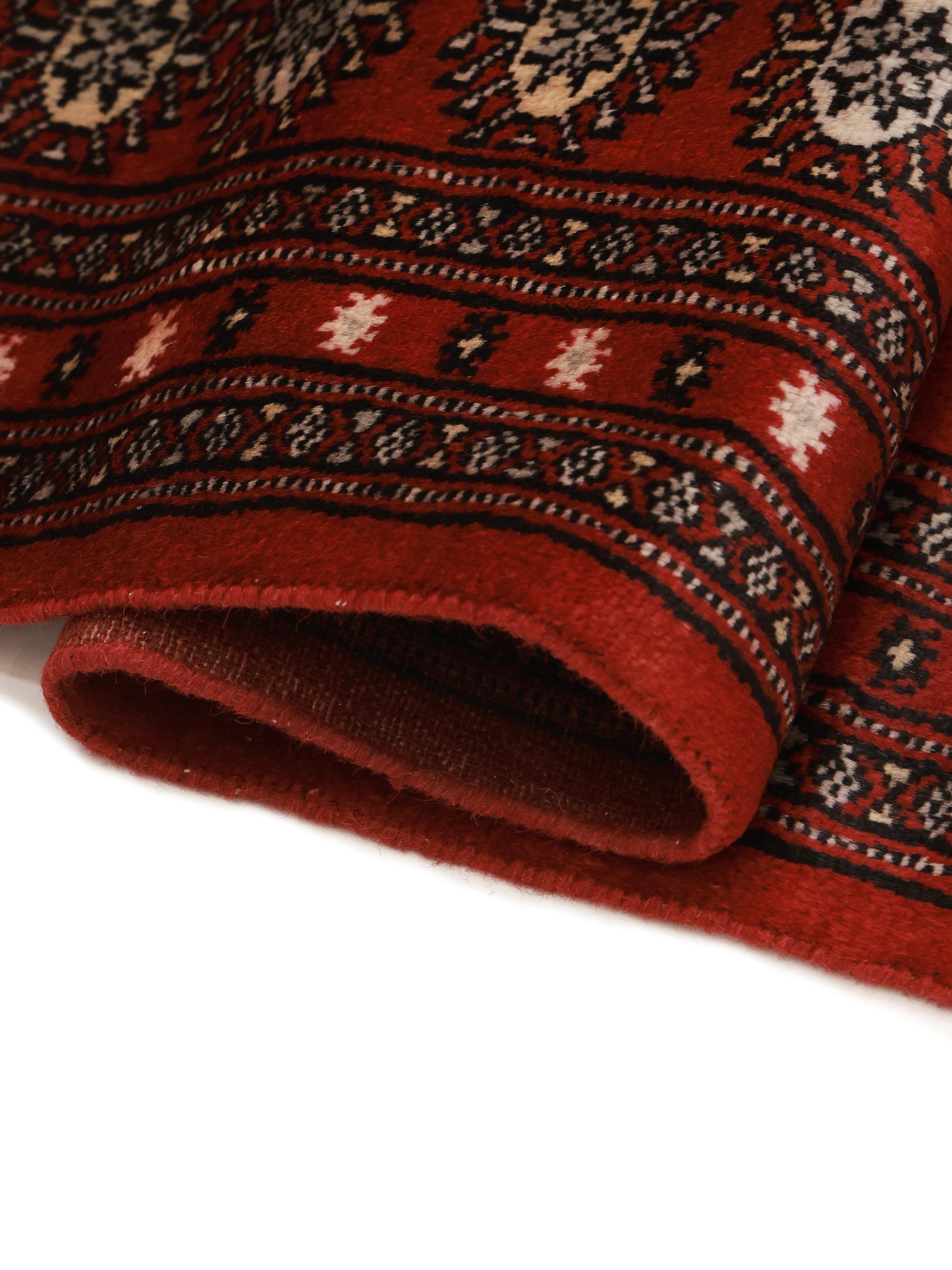
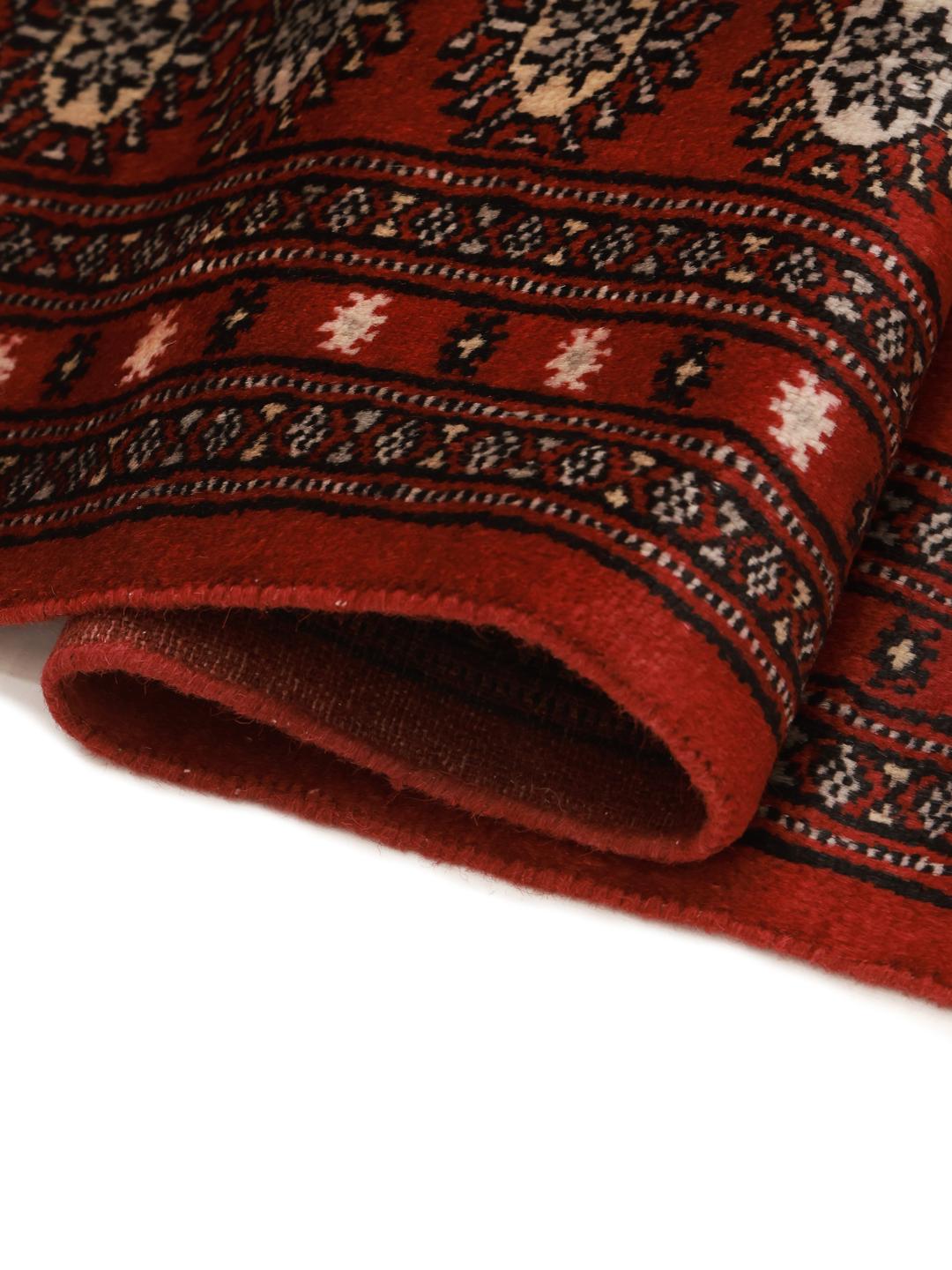
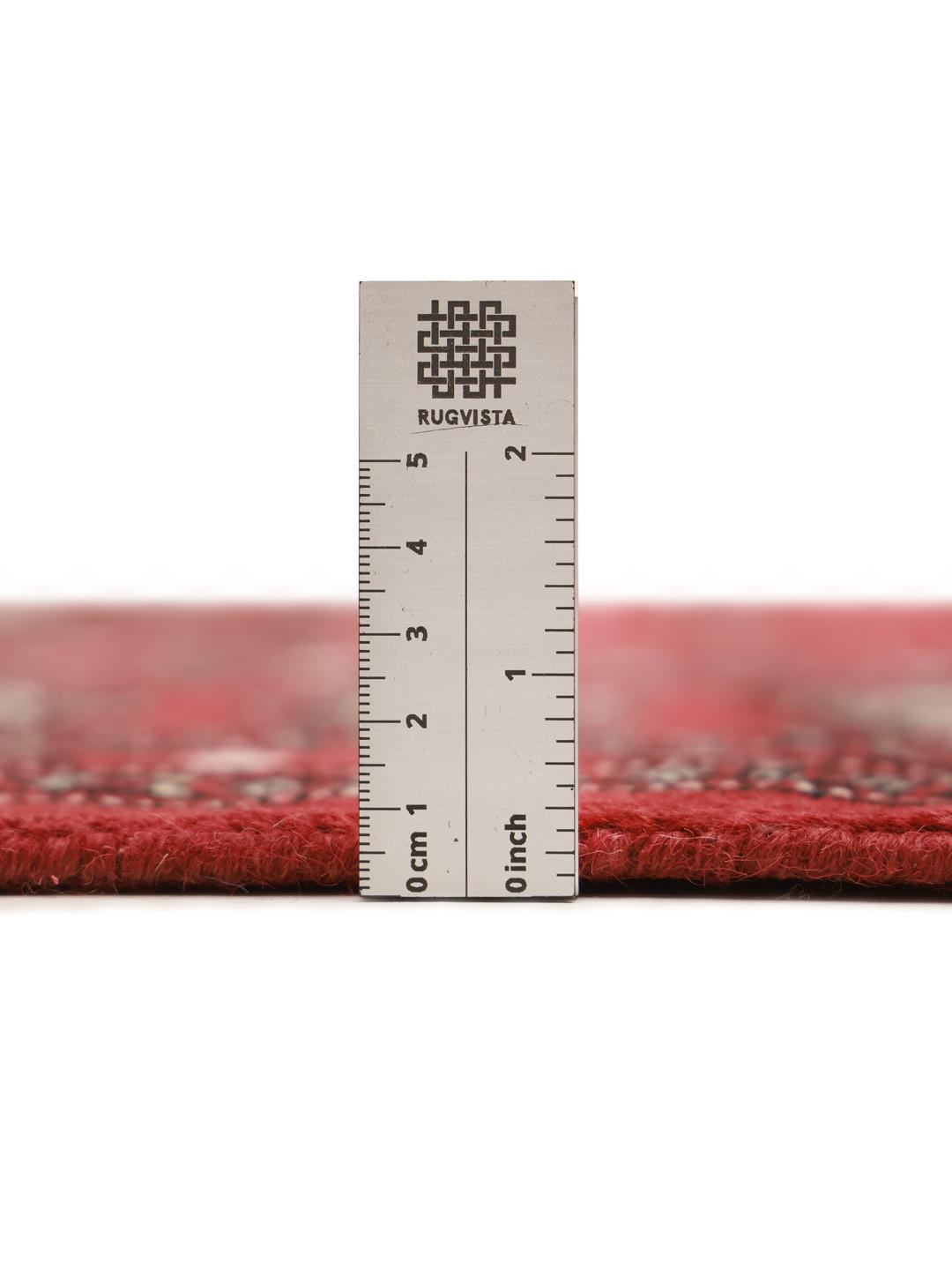
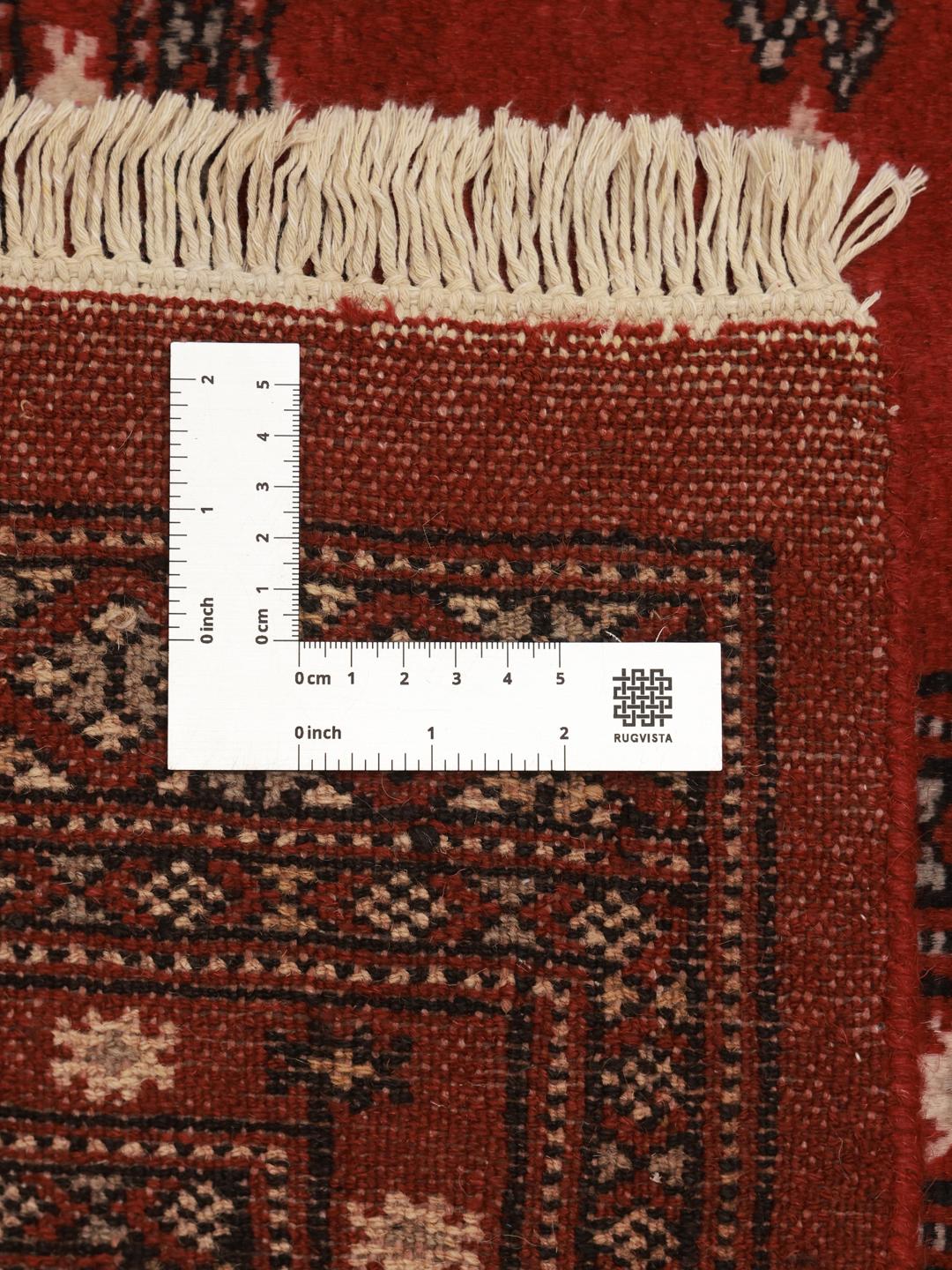
The term 2ply refers to the construction of the pile, where two strands of Wool are twisted together before being knotted. This technique is significant because it produces a much more durable, resilient, and lustrous finish compared to single-ply yarns, ensuring the rug can stand up to heavy use while maintaining its soft, tactile quality.
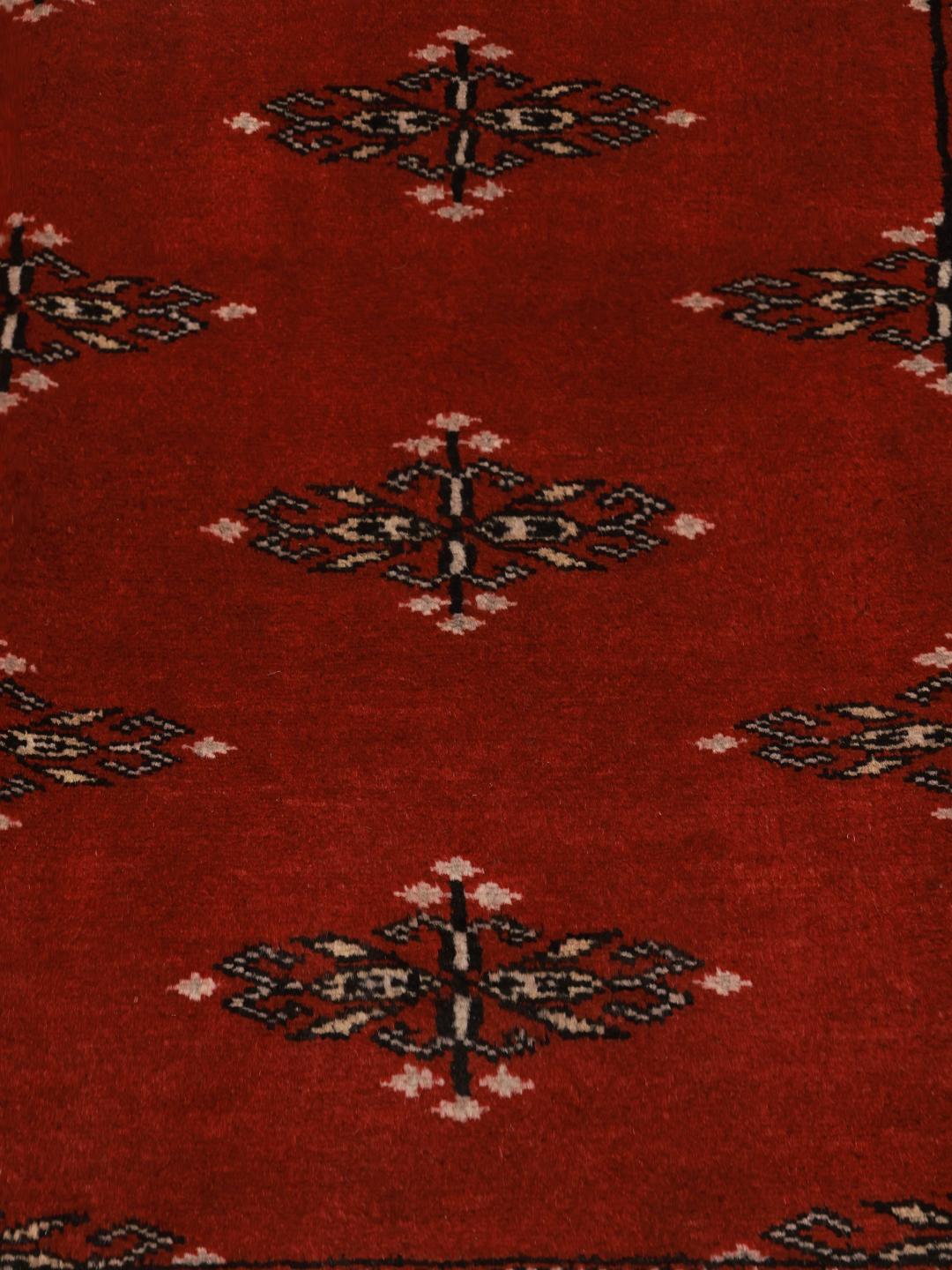
Visually, these rugs are defined by their signature gul motifs, which are repeating octagonal or elephant-foot medallions arranged in symmetrical rows. These designs are enclosed by intricate, multi-layered borders that frame the field, reflecting a long history of geometric precision and symbolic artistry that has been passed down through generations.
Owning a hand-knotted rug from this tradition is an investment in cultural heritage and human skill. Collectors value these pieces not only for their beauty but for the immense effort required to produce them, viewing each rug as a lasting piece of art that connects the modern home to centuries of weaving history.