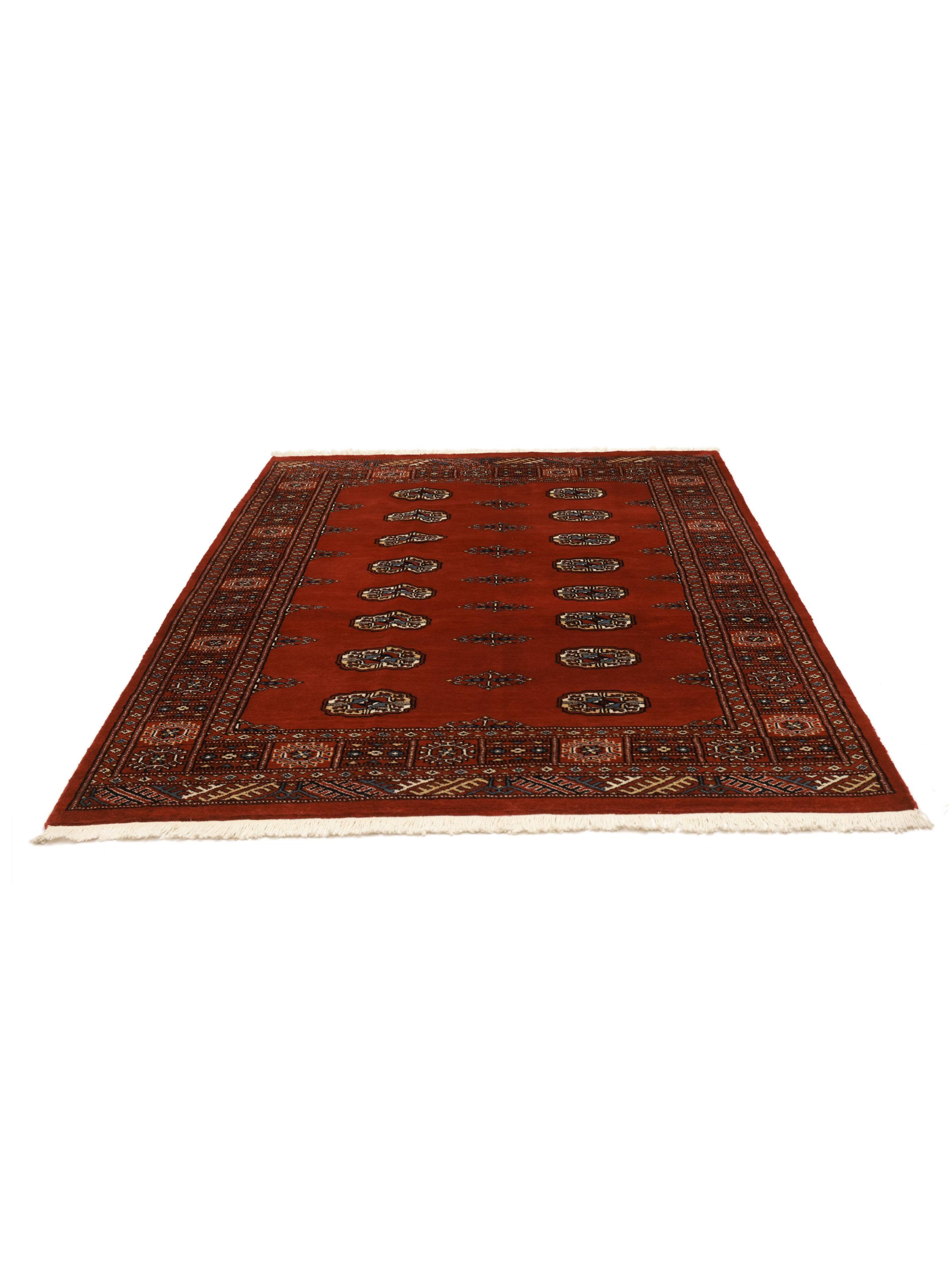
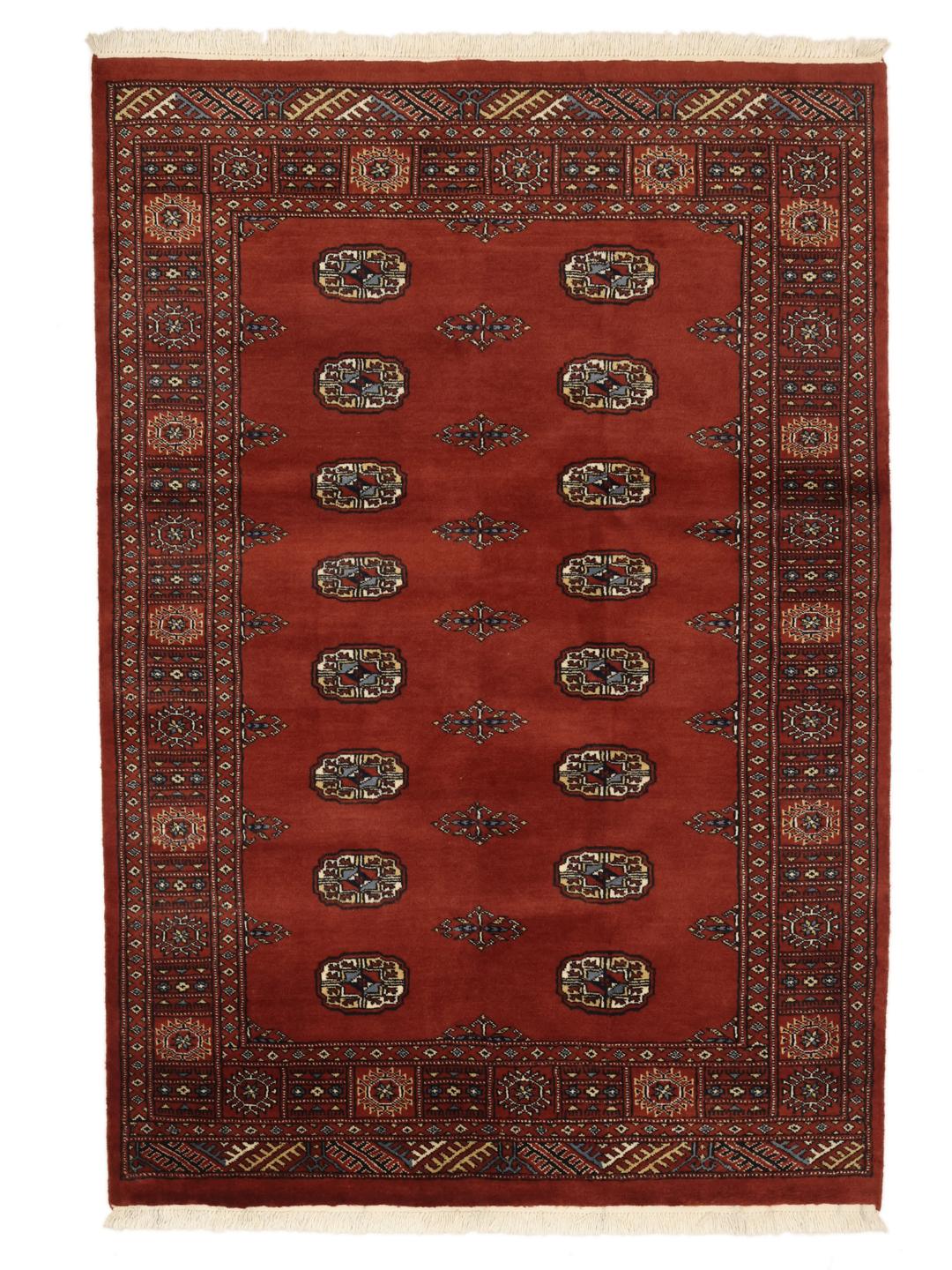
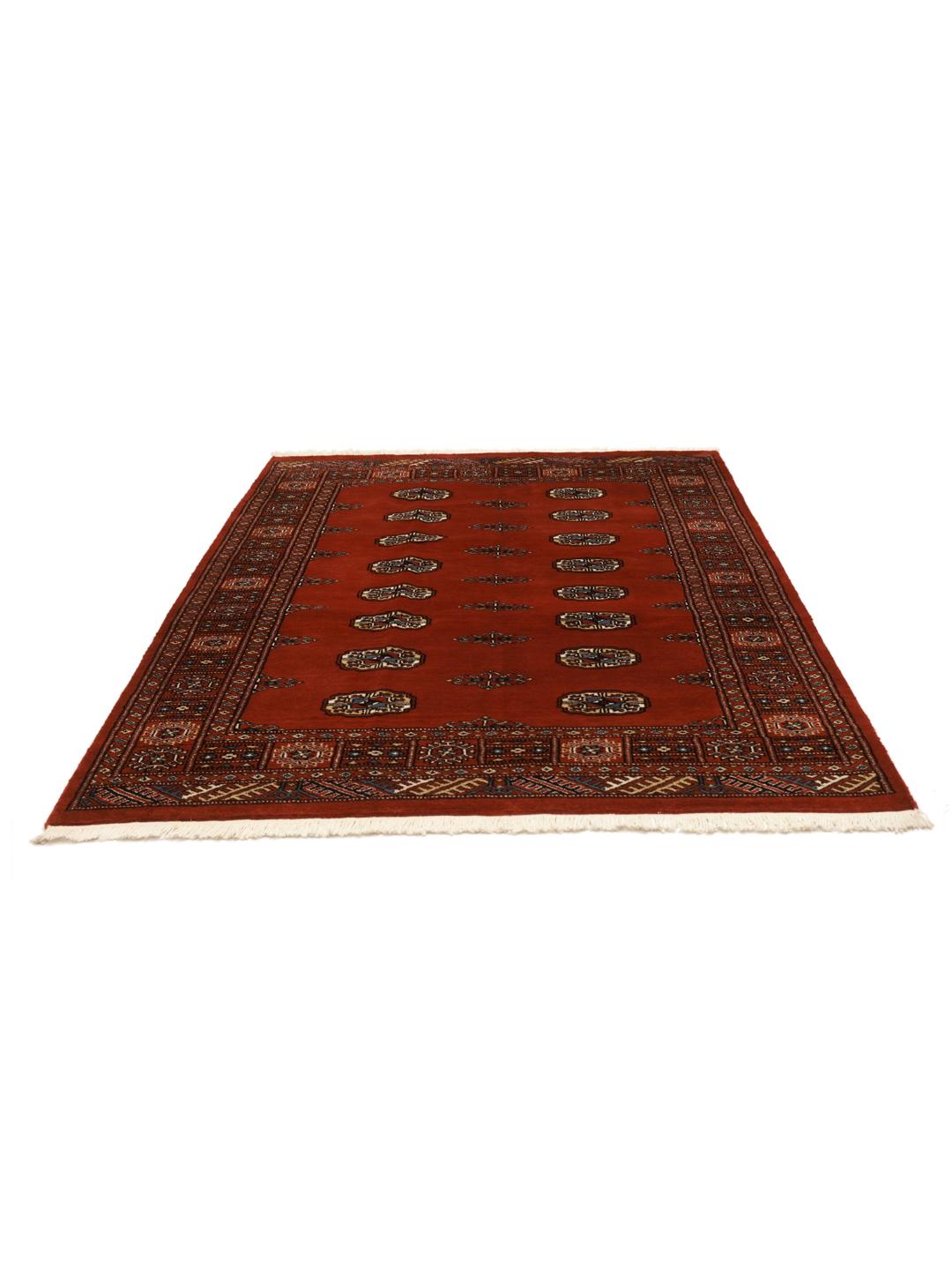
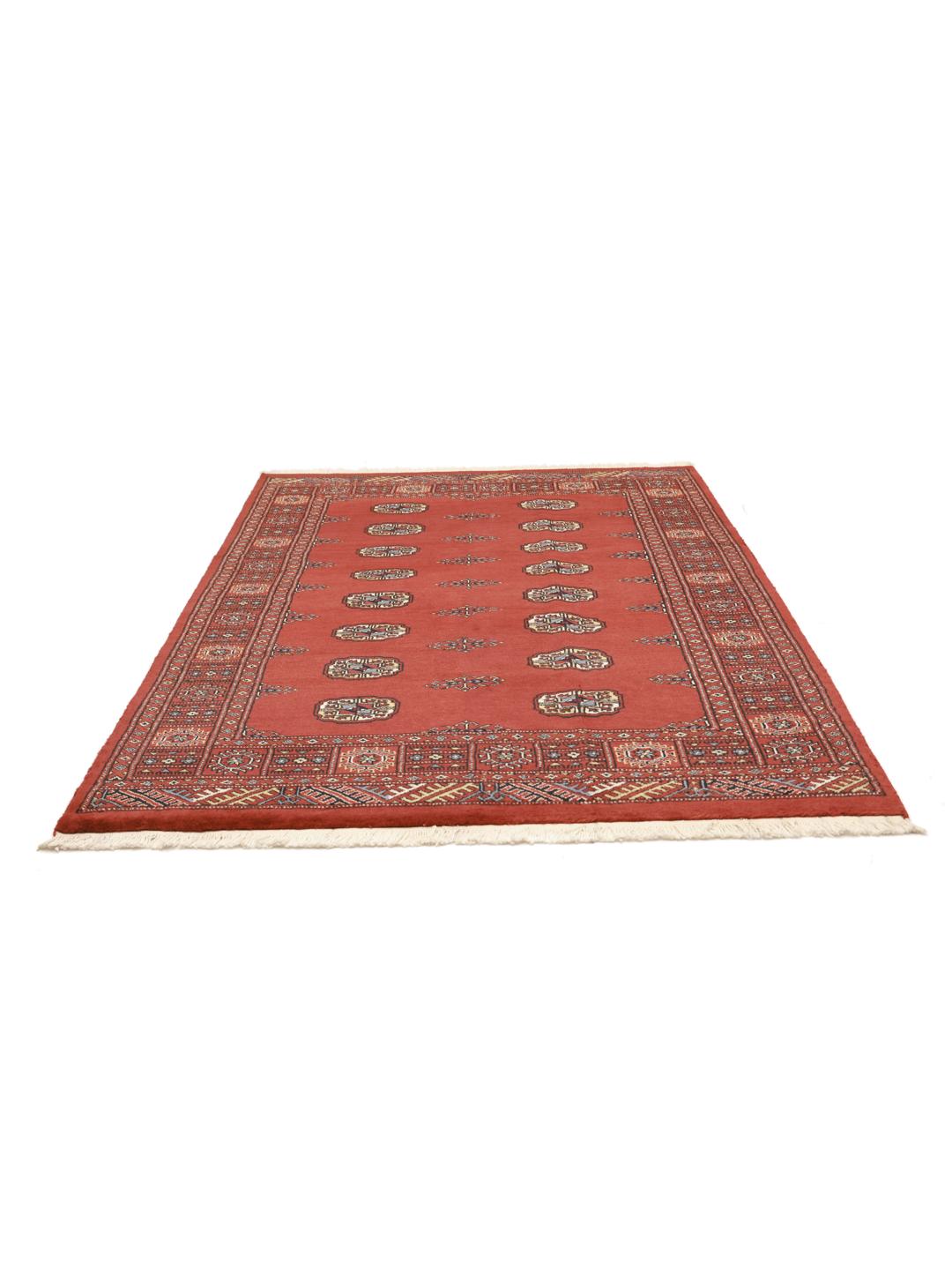
Bokhara rugs take their name from the ancient Silk Road city of Bukhara, which served as a vital hub for trade and craftsmanship in Central Asia. While the traditional designs originated in the tribal regions of the Middle East, the most renowned and finely crafted examples today are produced by expert weavers in Pakistan, who have refined these techniques over generations.
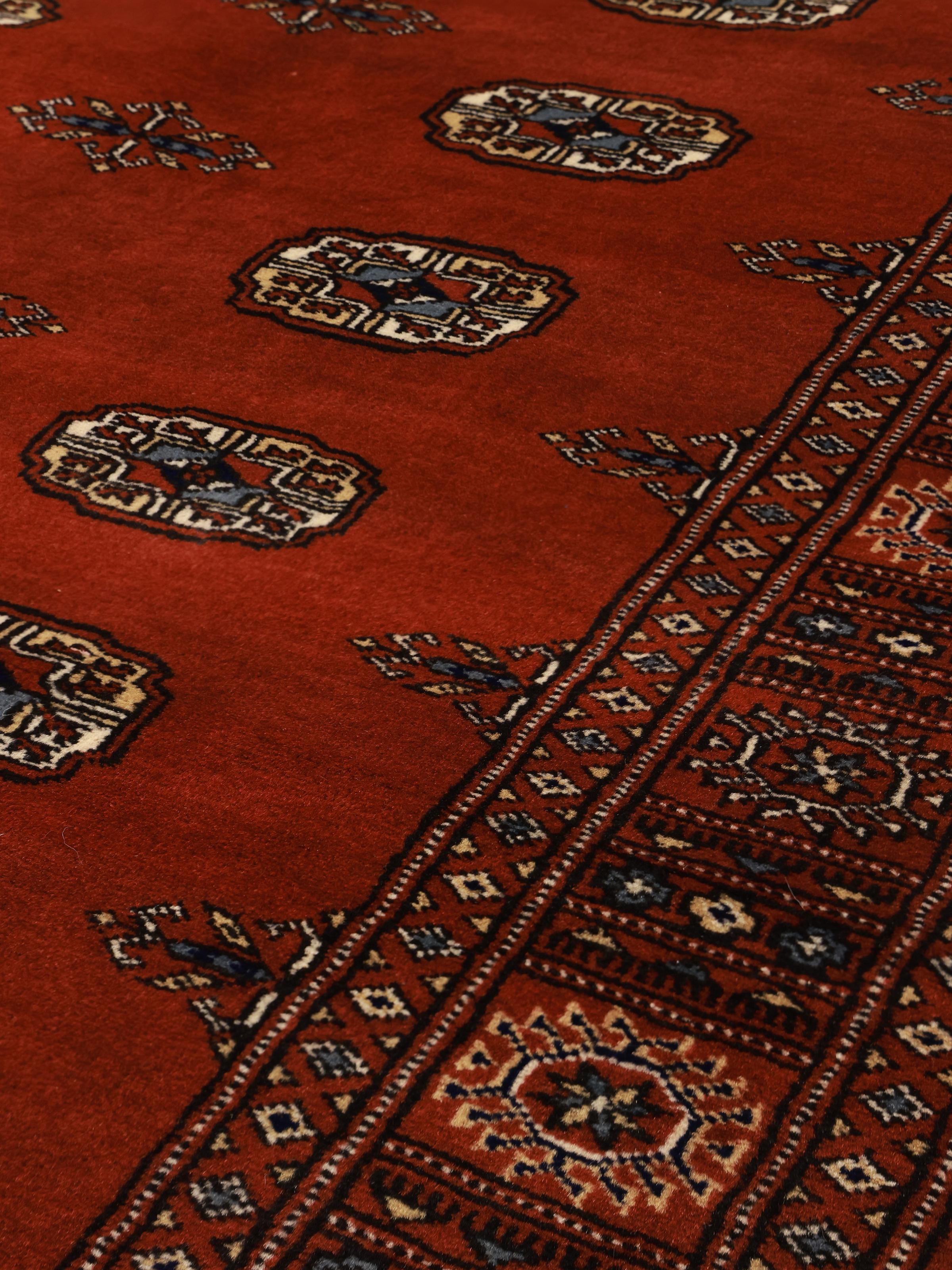
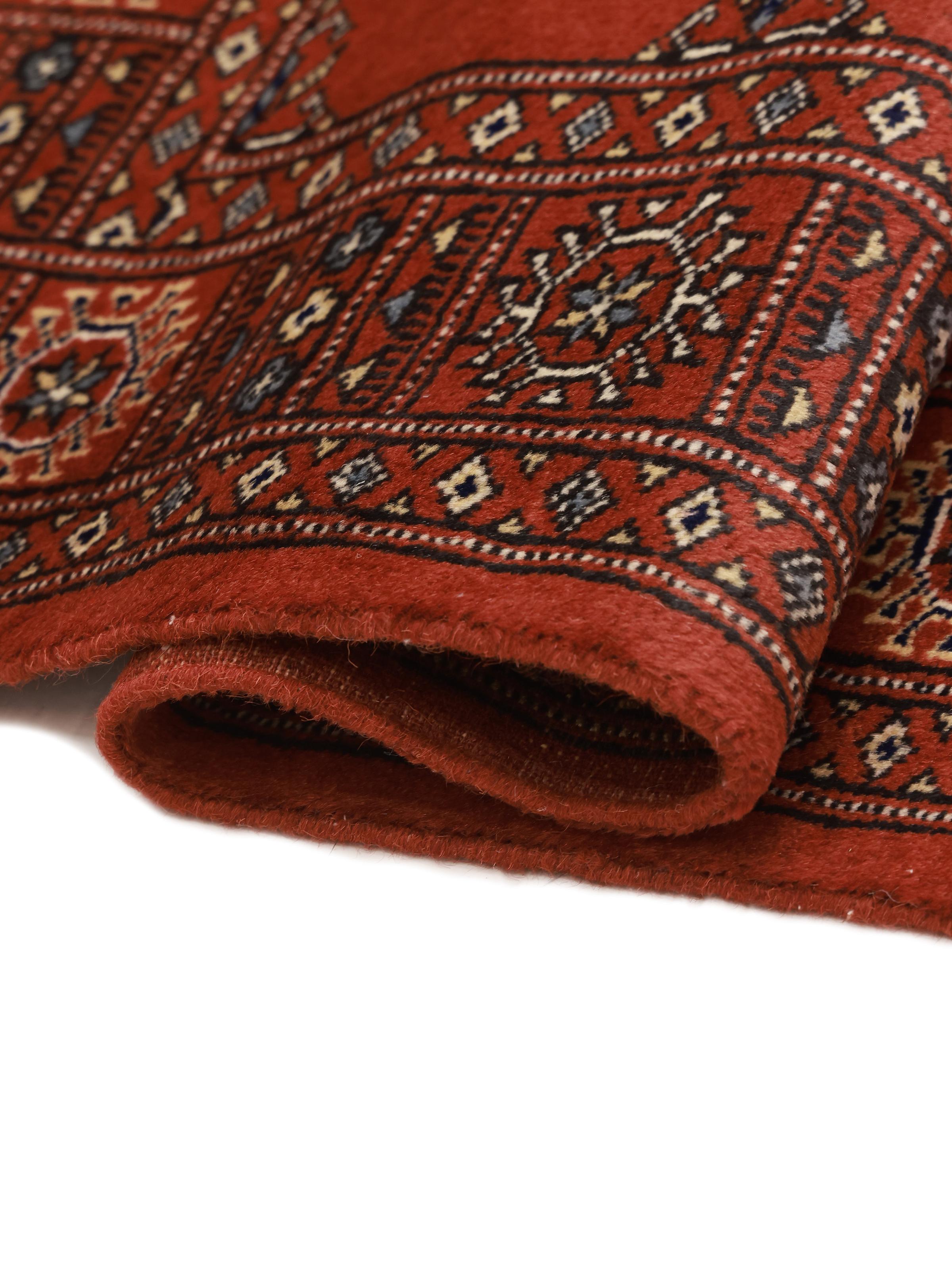
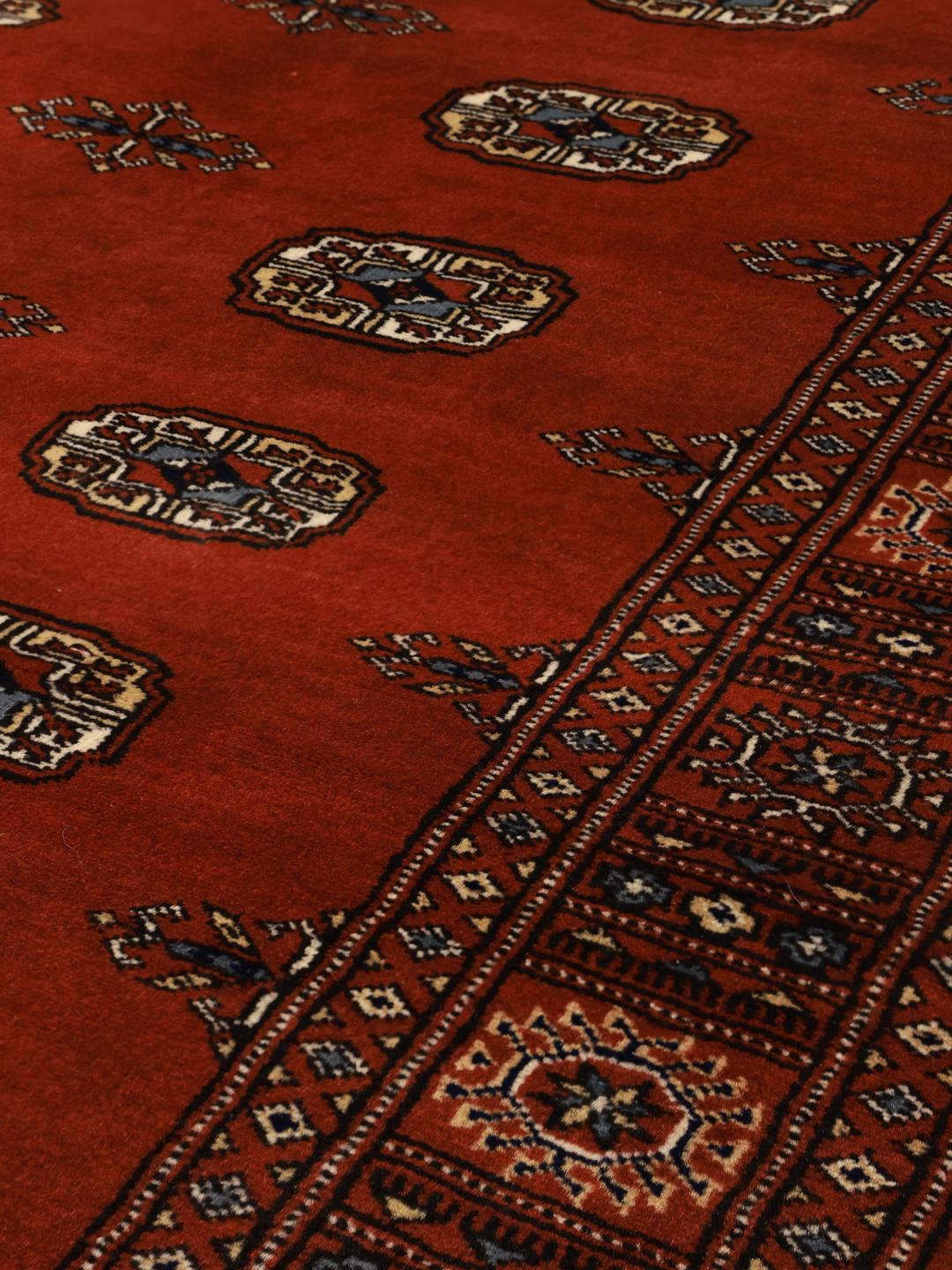
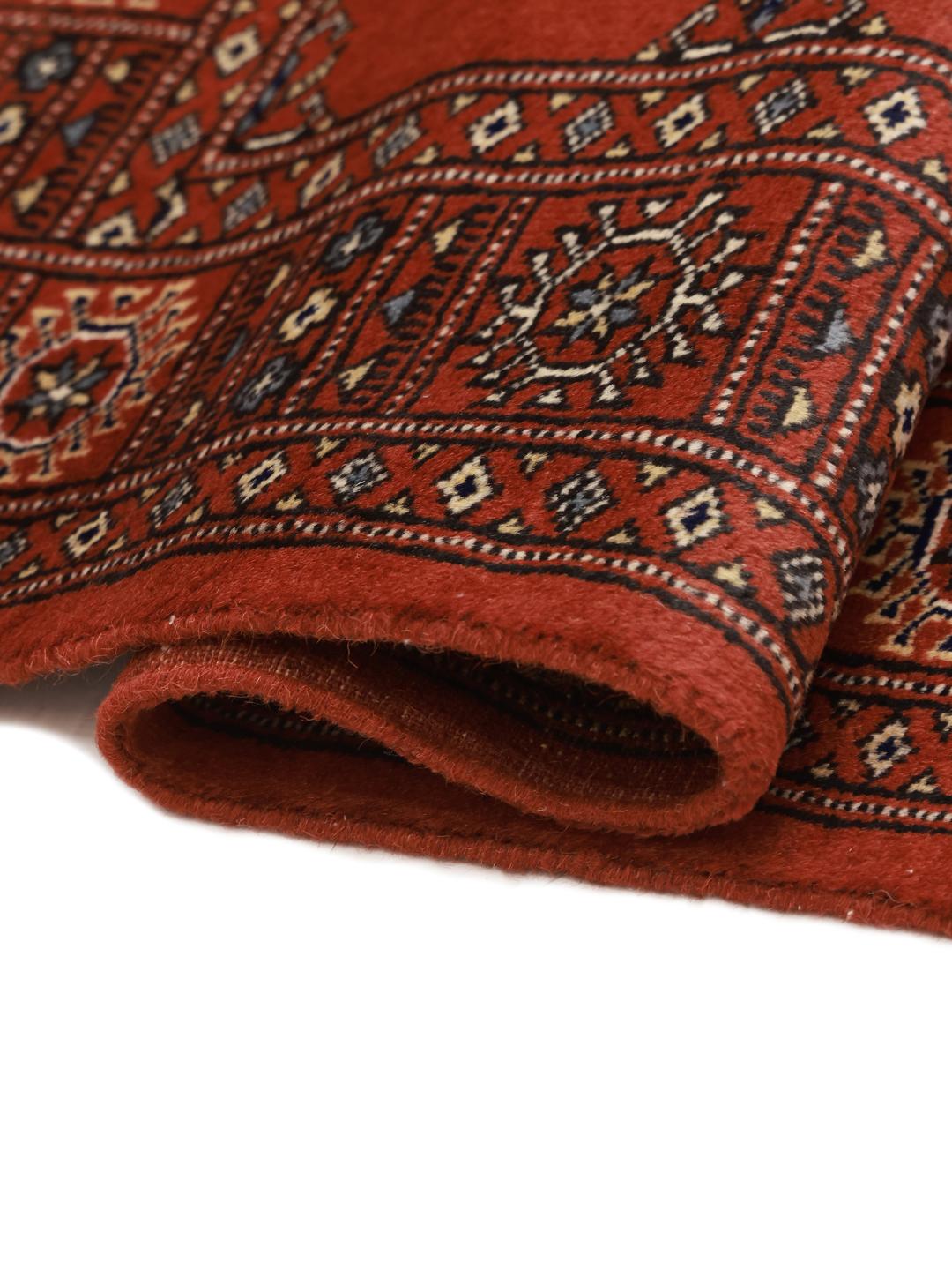
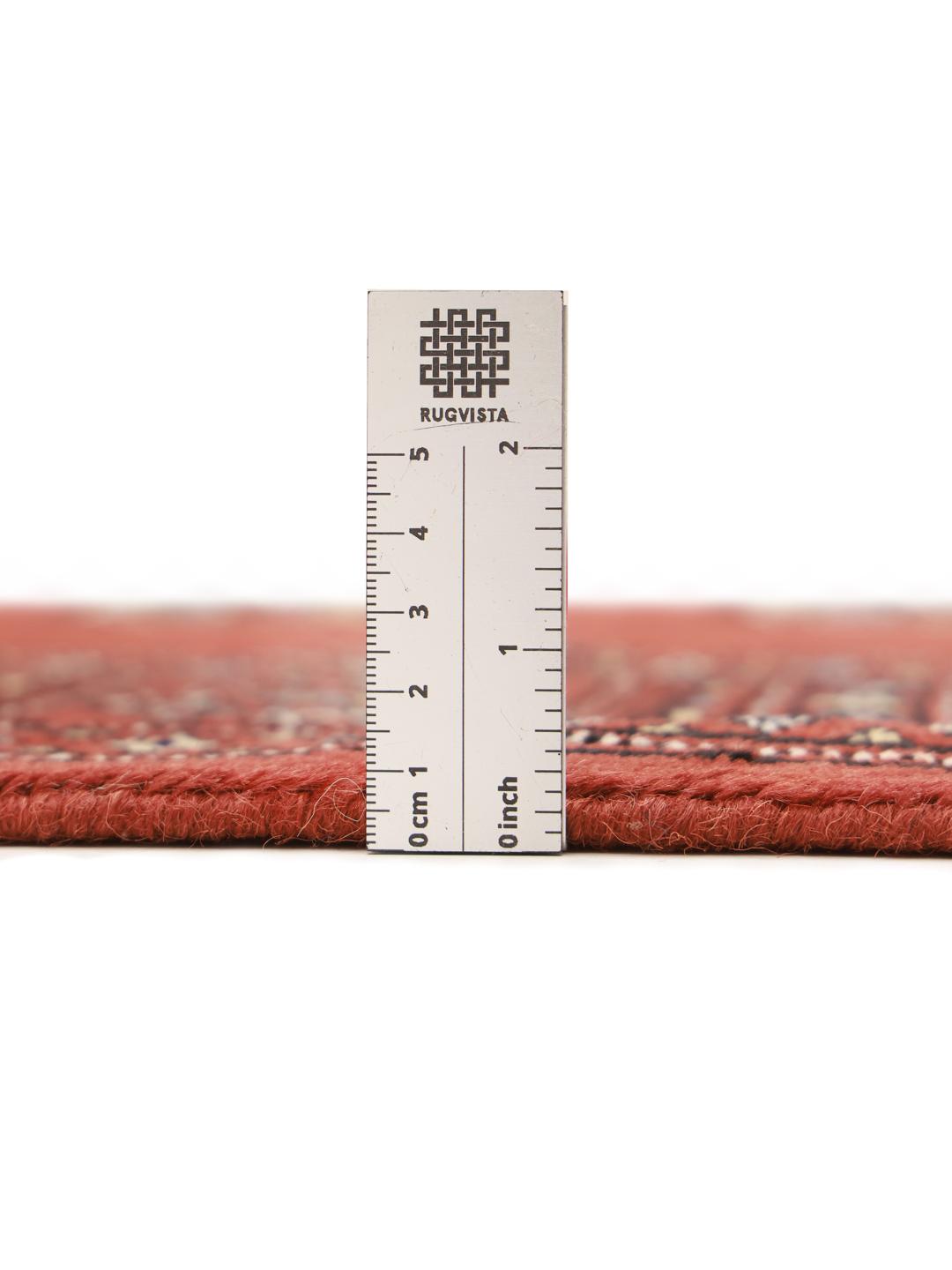
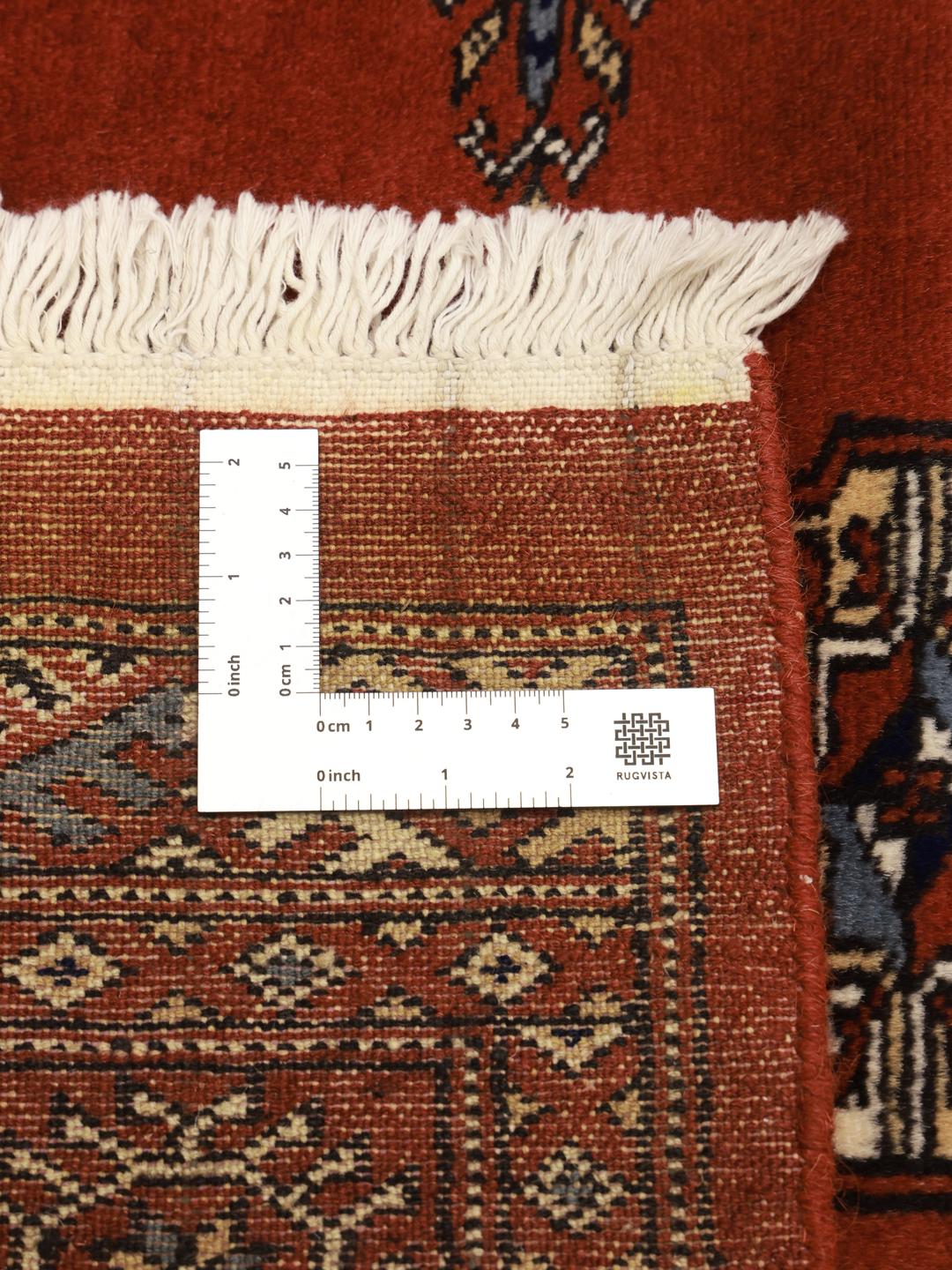
The term 2ply refers to the construction of the pile, where two strands of Wool are twisted together before being knotted. This process creates a thicker, more lustrous, and remarkably durable pile compared to single-ply alternatives. It provides a deeper sense of luxury and ensures the rug retains its softness and integrity even after years of use.
Signature design elements of the Bokhara style include the repeating gul motifs, which are octagonal or elephant-foot shaped medallions arranged in precise rows. These are typically framed by elaborate, geometric borders that draw from centuries-old tribal symbolism. The deep red tones found here are the hallmark of the classic Bokhara aesthetic, representing a long-standing tradition of colour and pattern.
Owning a hand-knotted rug from this tradition is an investment in cultural heritage and human skill. These pieces are highly valued by collectors not just for their aesthetic beauty, but for the story they tell of migration, evolution, and the dedication of the artisans who continue to keep these ancient techniques alive in the modern world.