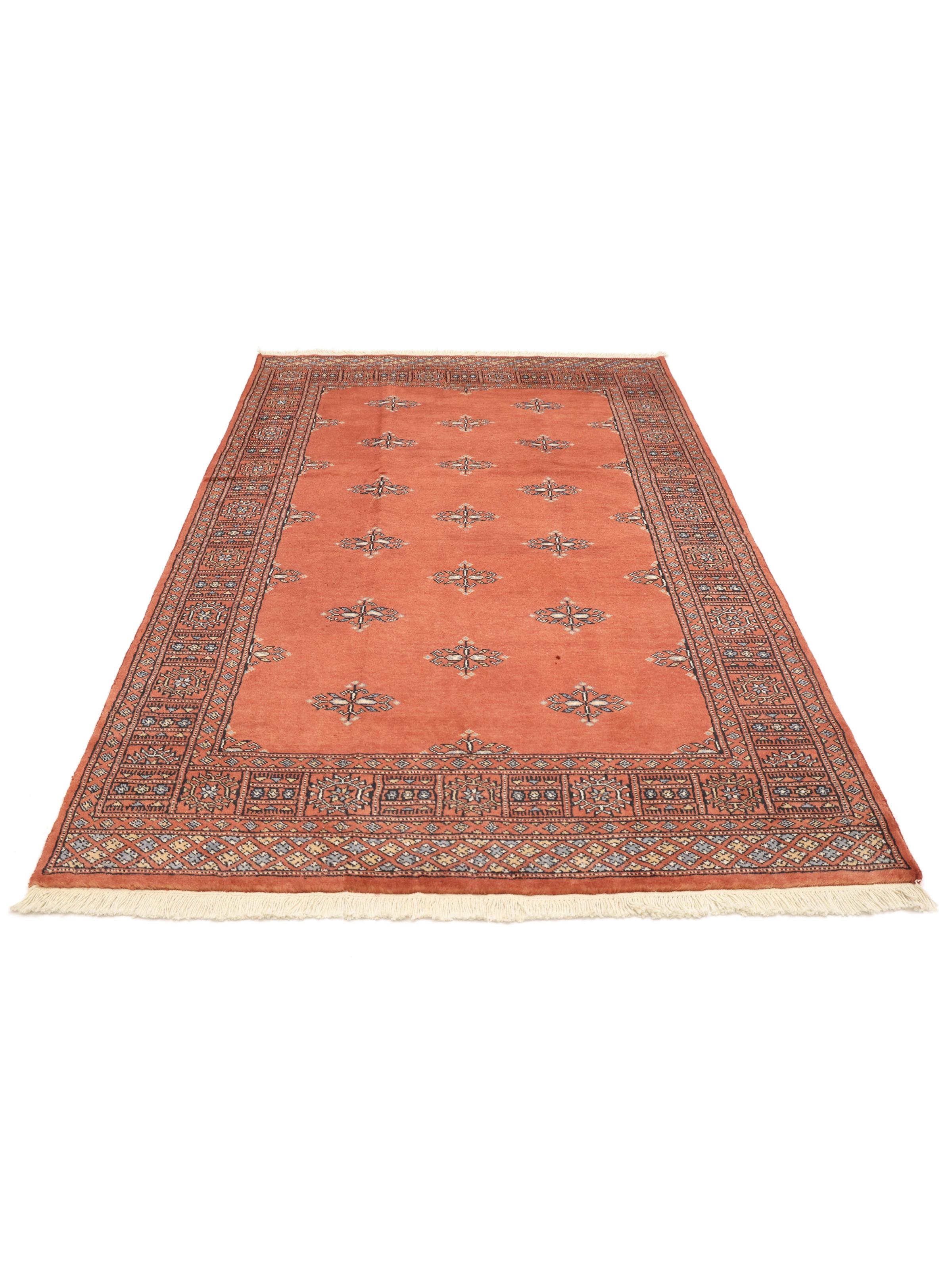
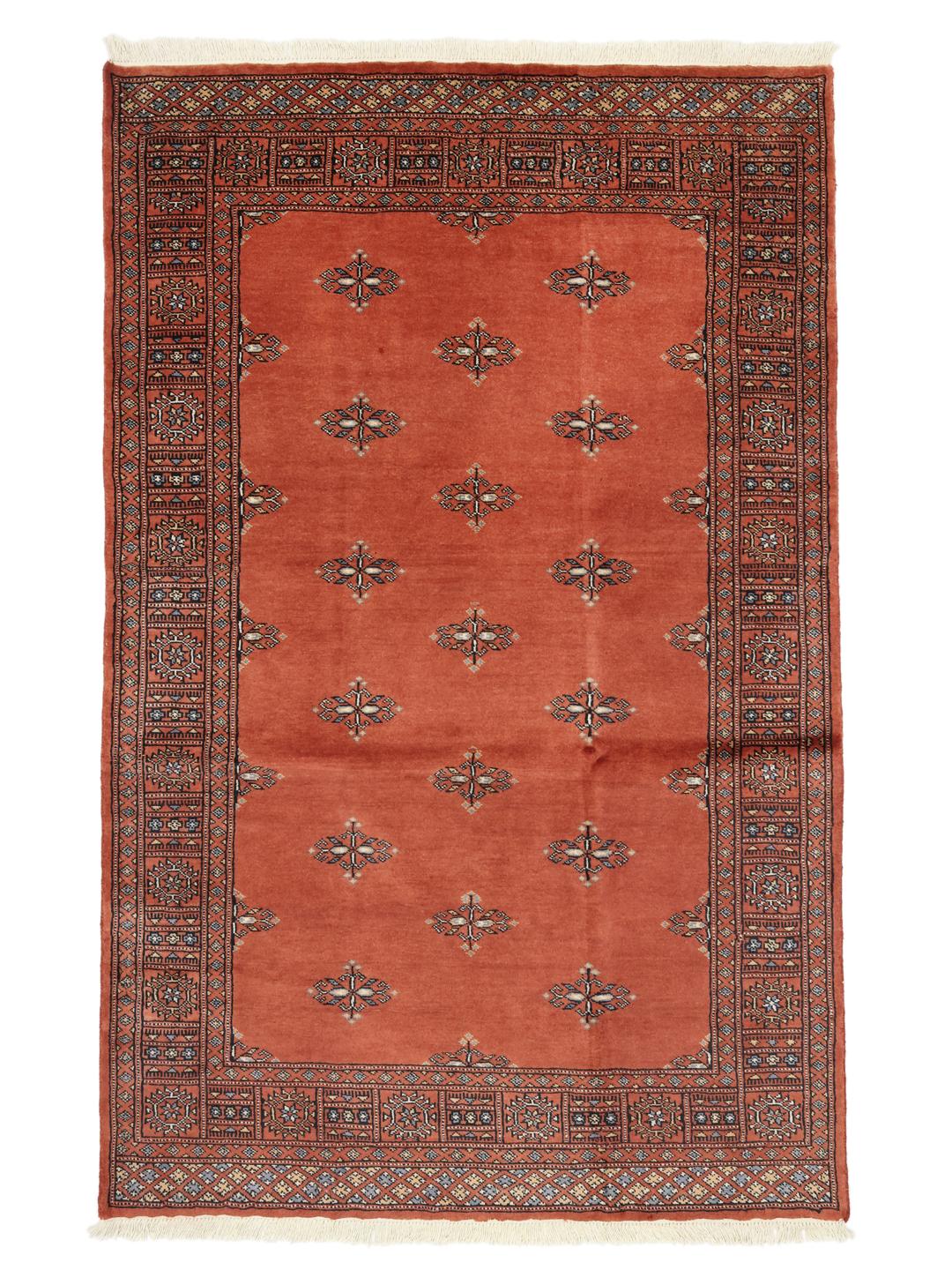
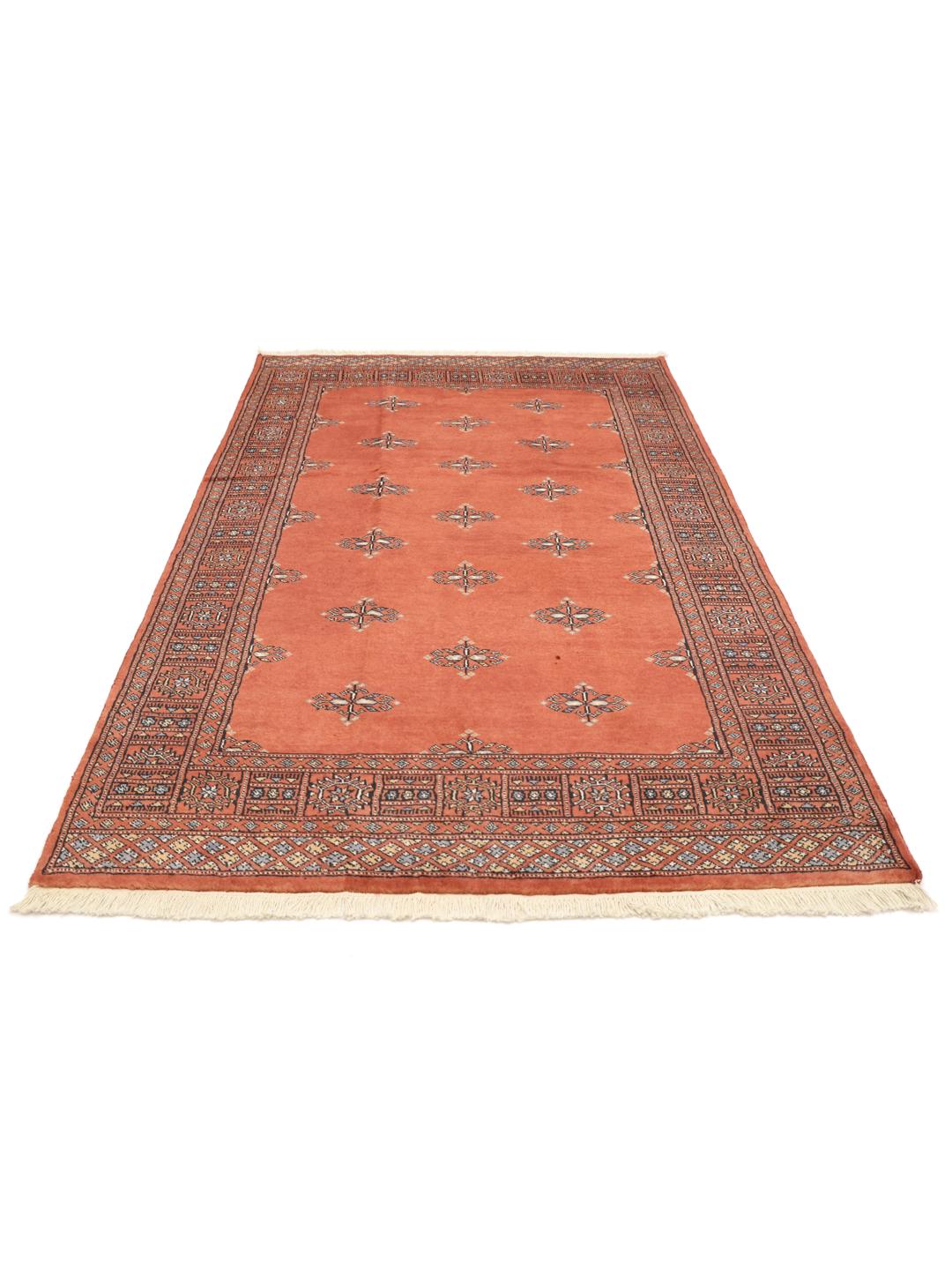
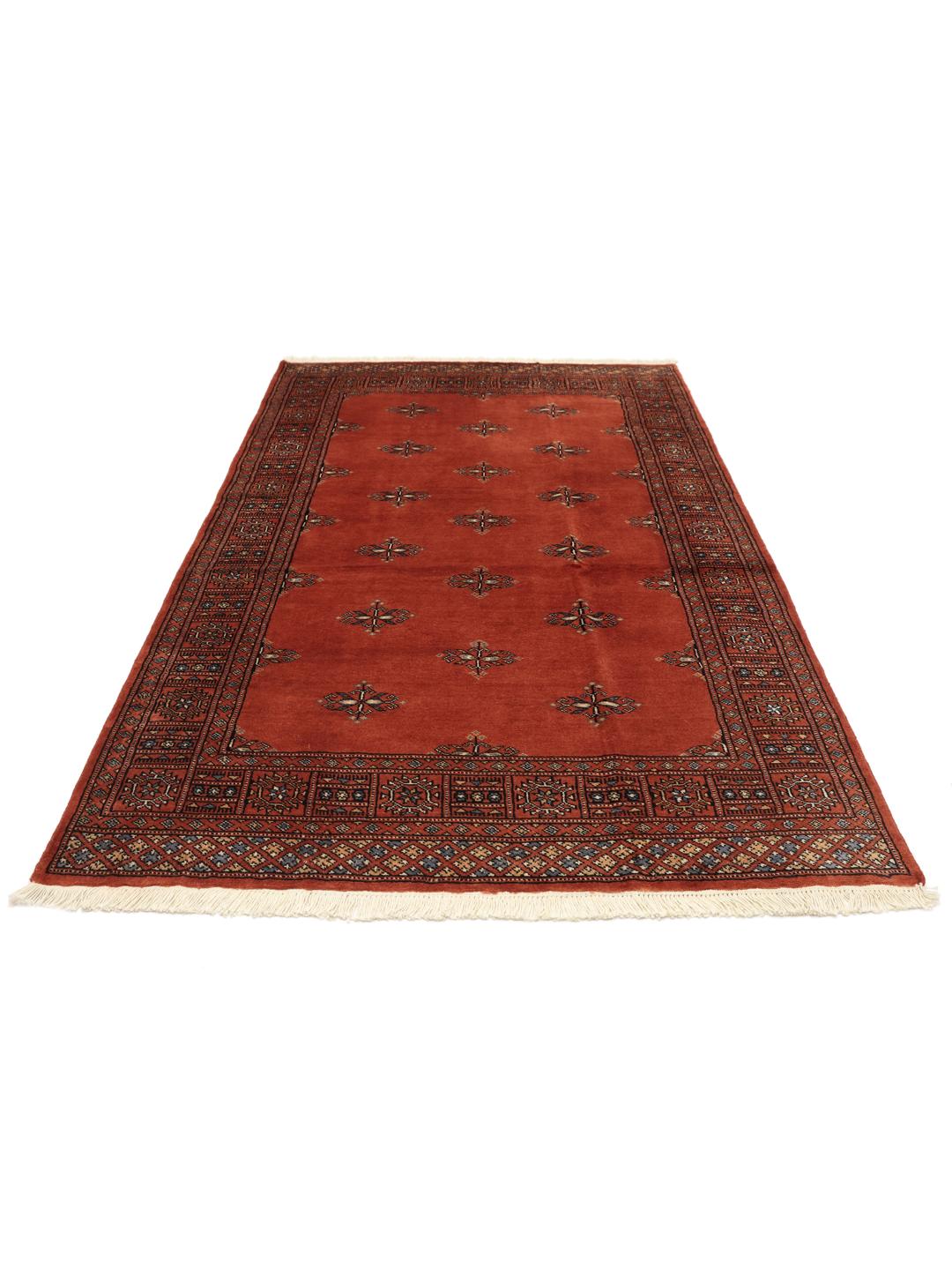
The Bokhara rug tradition is deeply rooted in the history of Central Asia, taking its name from the ancient, legendary Silk Road trading hub of Bukhara. While these designs have origins that span centuries across the steppe, the finest contemporary examples are primarily woven in Pakistan, where artisans have perfected these classic patterns over generations.
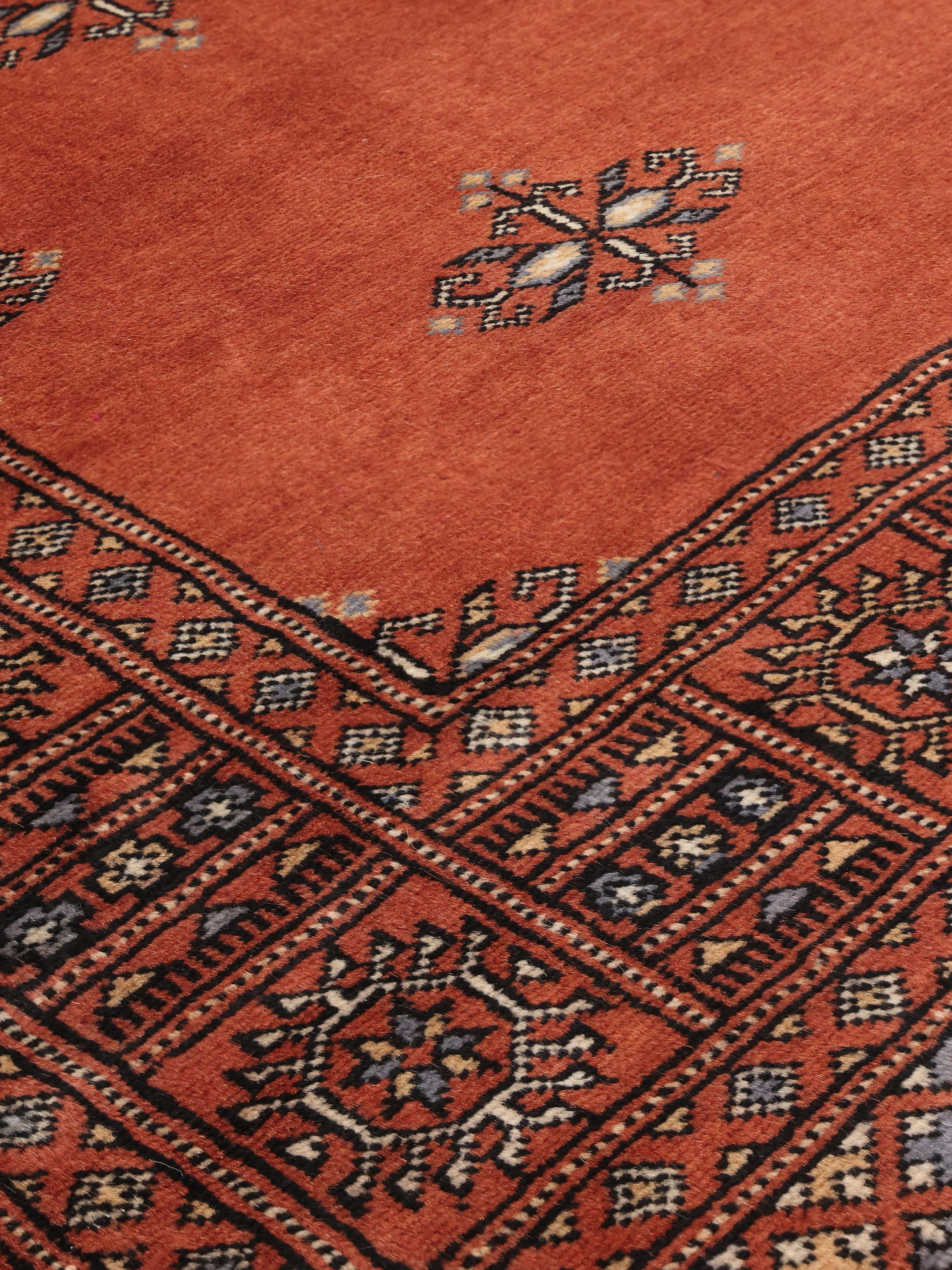
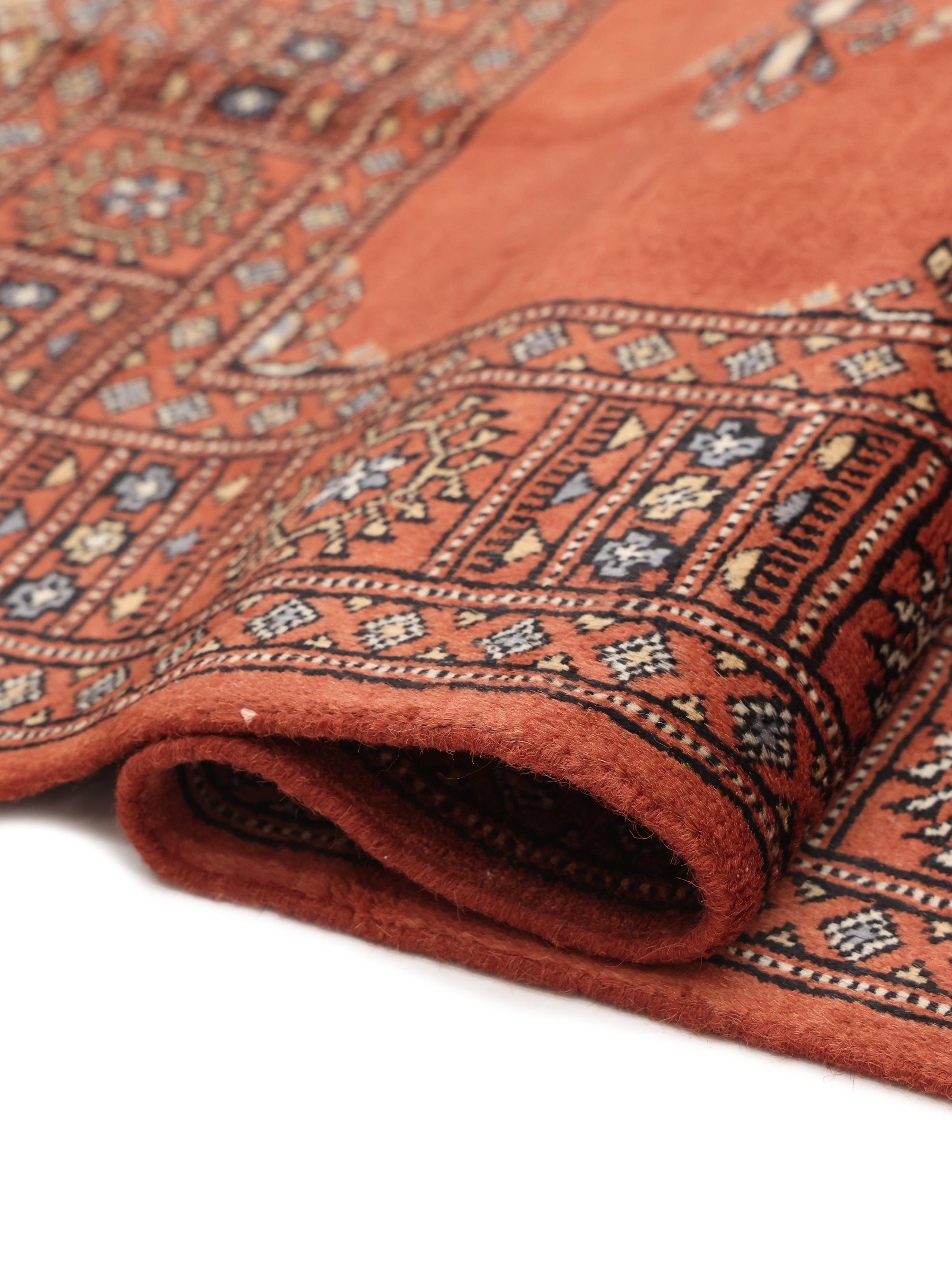
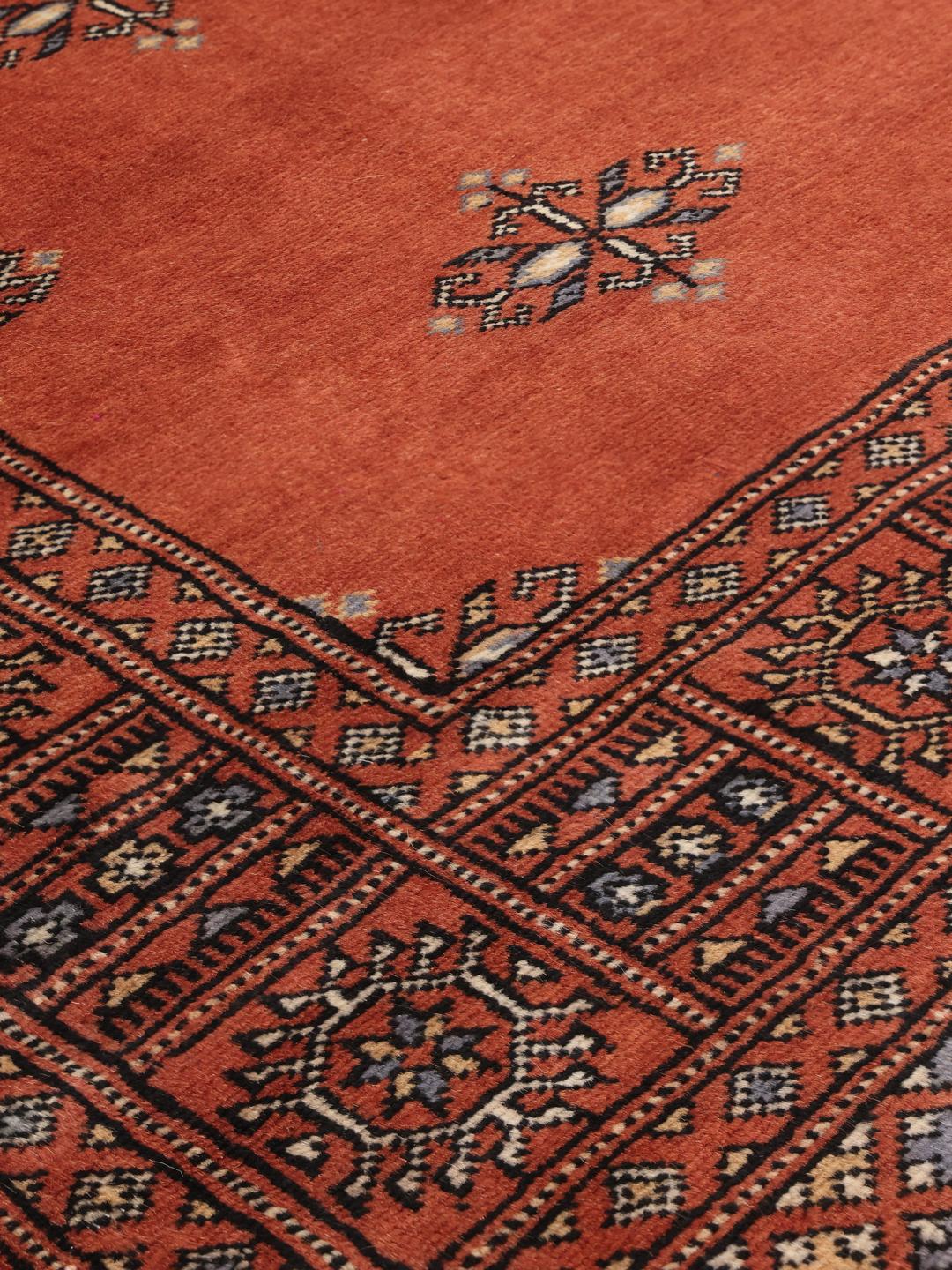
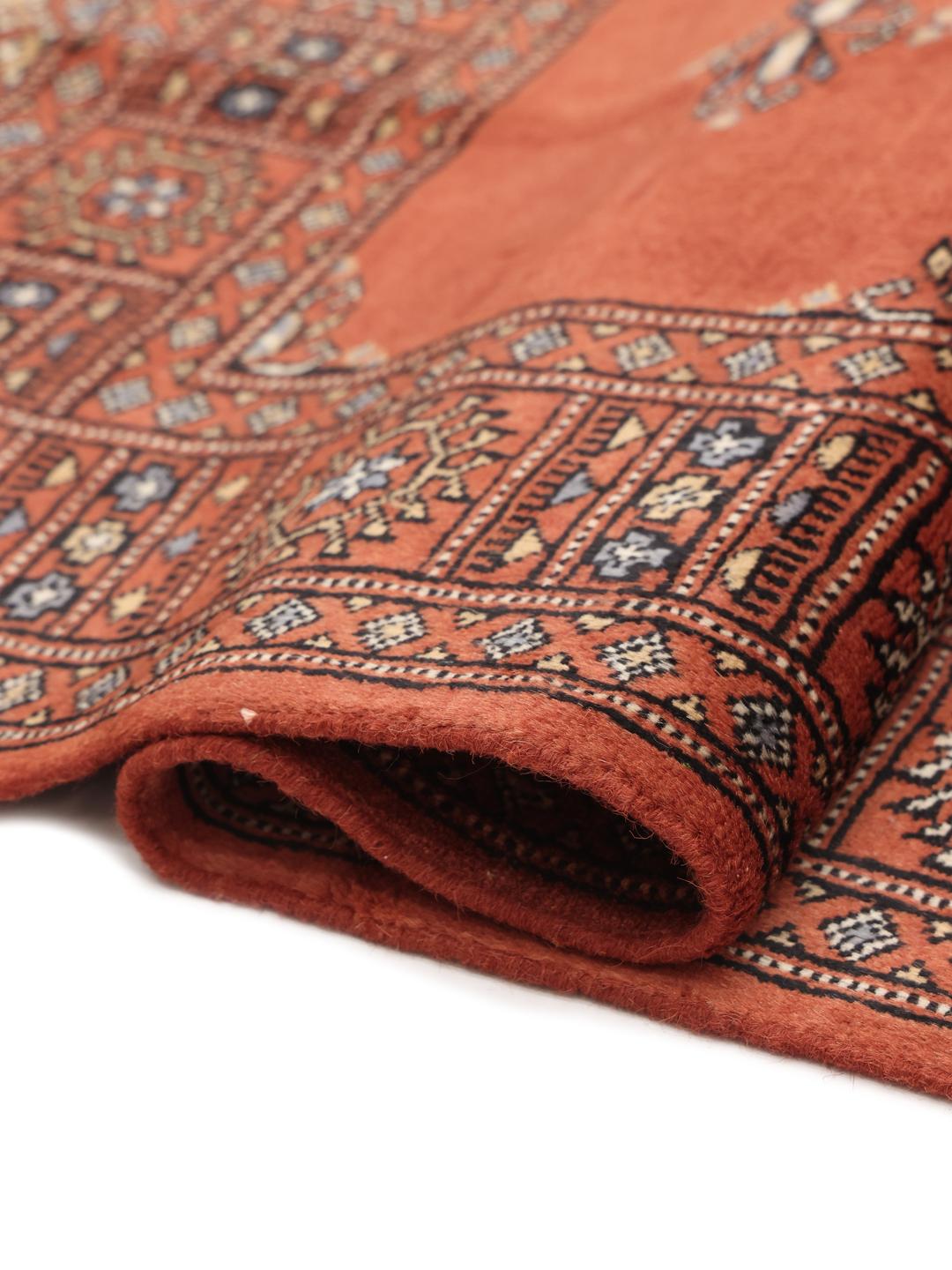
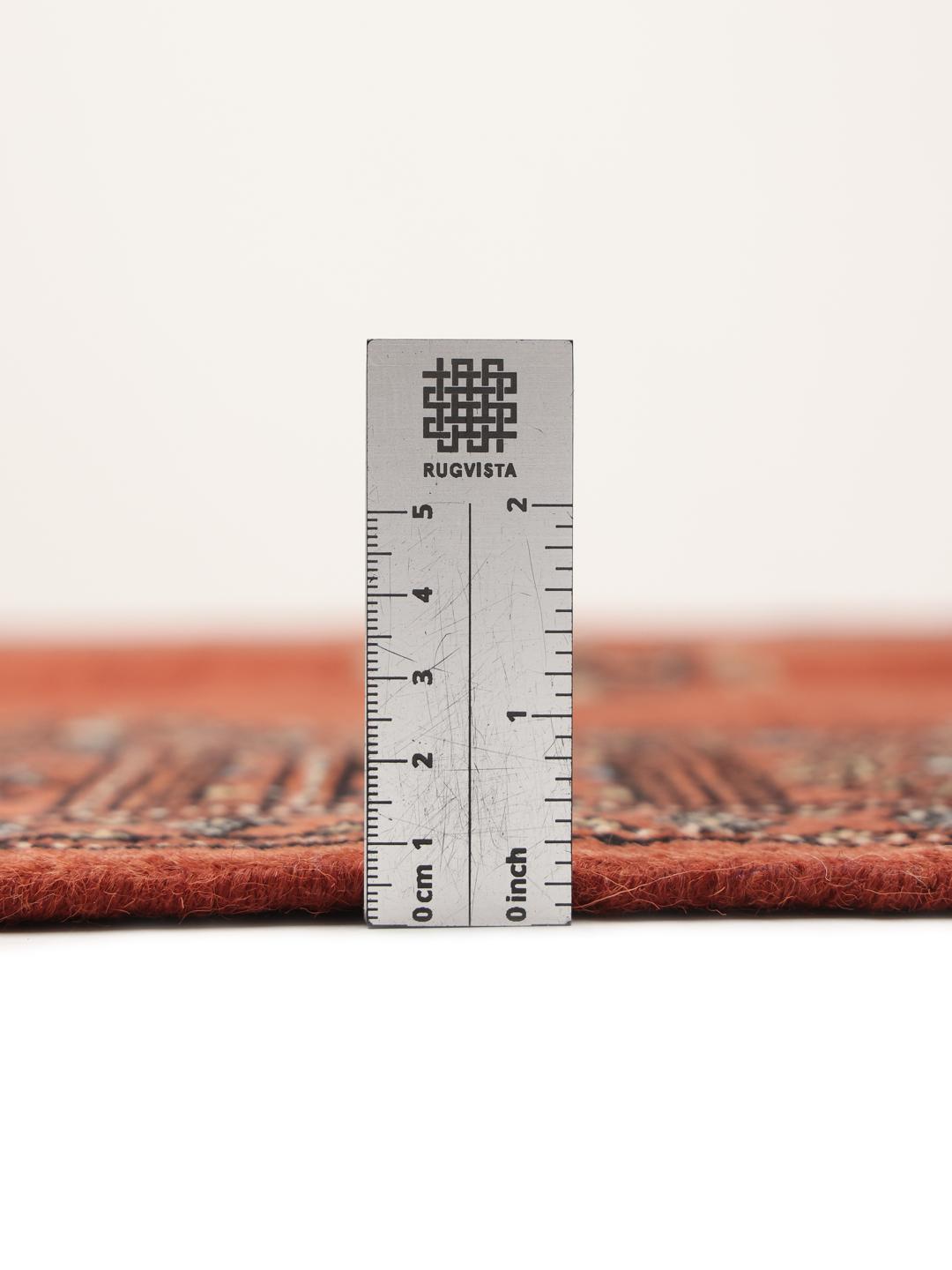
The '2ply' designation is a mark of superior construction quality. It refers to the practice of twisting two strands of Wool together to form the yarn used for the pile. This technique results in a significantly denser, more lustrous, and durable rug compared to those made with single-ply yarn, ensuring the piece retains its vibrancy and structural integrity.
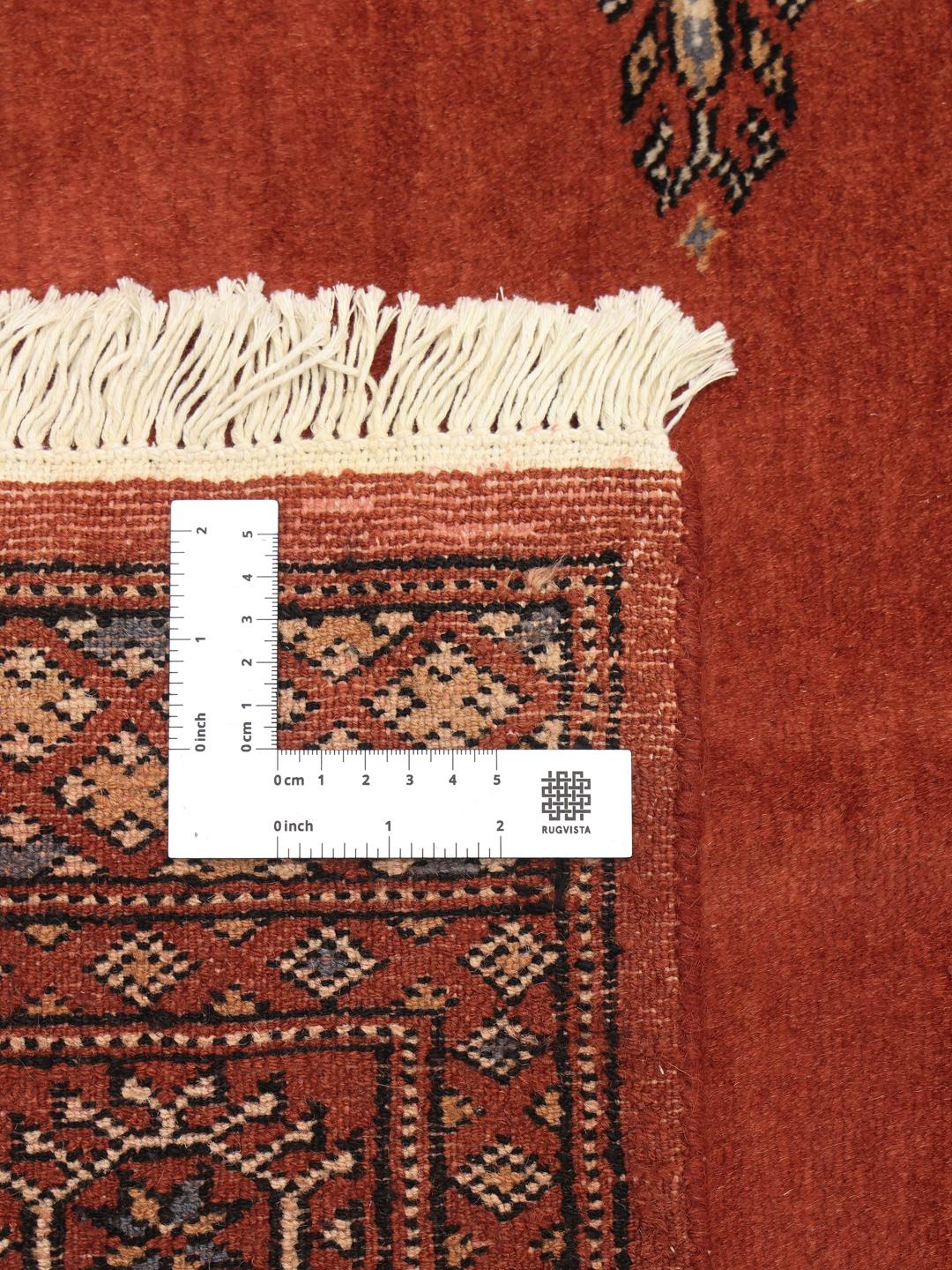
Visually, these rugs are defined by their iconic gul motifs, which are repeating, stylized medallions often resembling elephant footprints or octagonal shapes. These are typically arranged in clean, formal rows across the field and enclosed by intricate, multi-layered decorative borders that frame the composition with precision.
Owning a hand-knotted Bokhara is an investment in cultural heritage and long-standing craftsmanship. Collectors and homeowners alike value these pieces for their ability to bring a sense of history and human touch into modern interiors. Each rug represents a commitment to a time-honoured craft, offering a level of quality and soul that mass-produced alternatives simply cannot match.