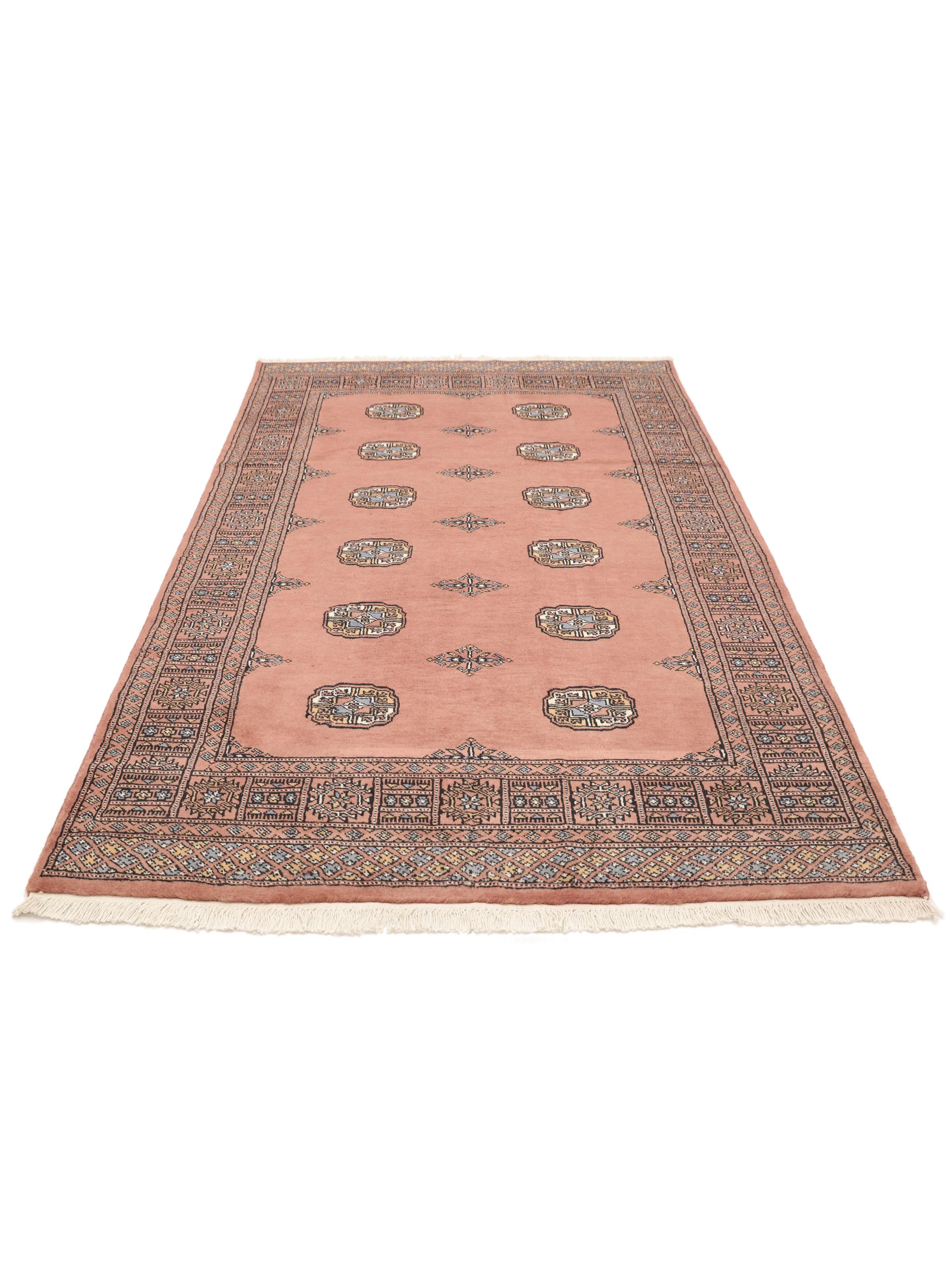
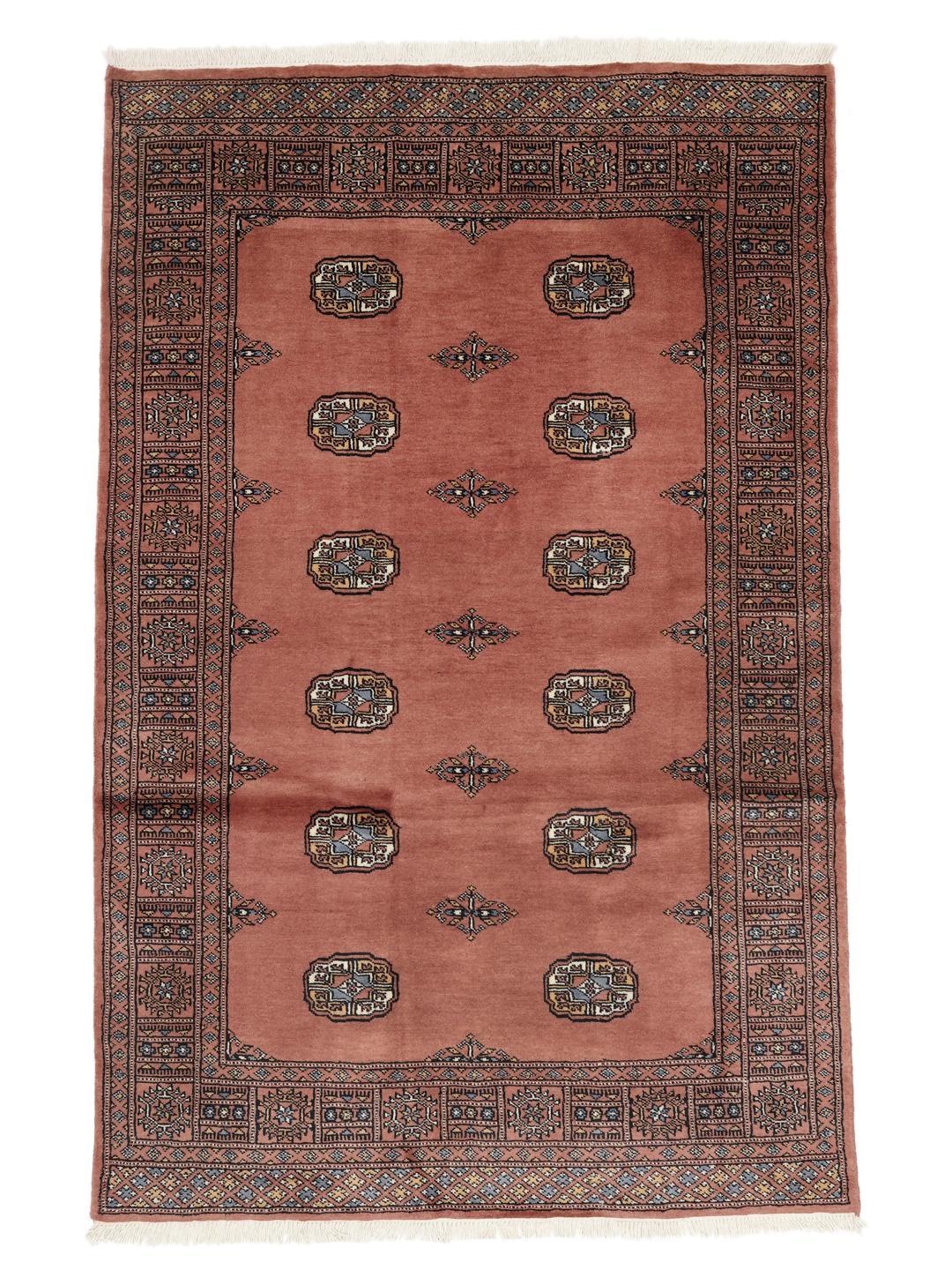
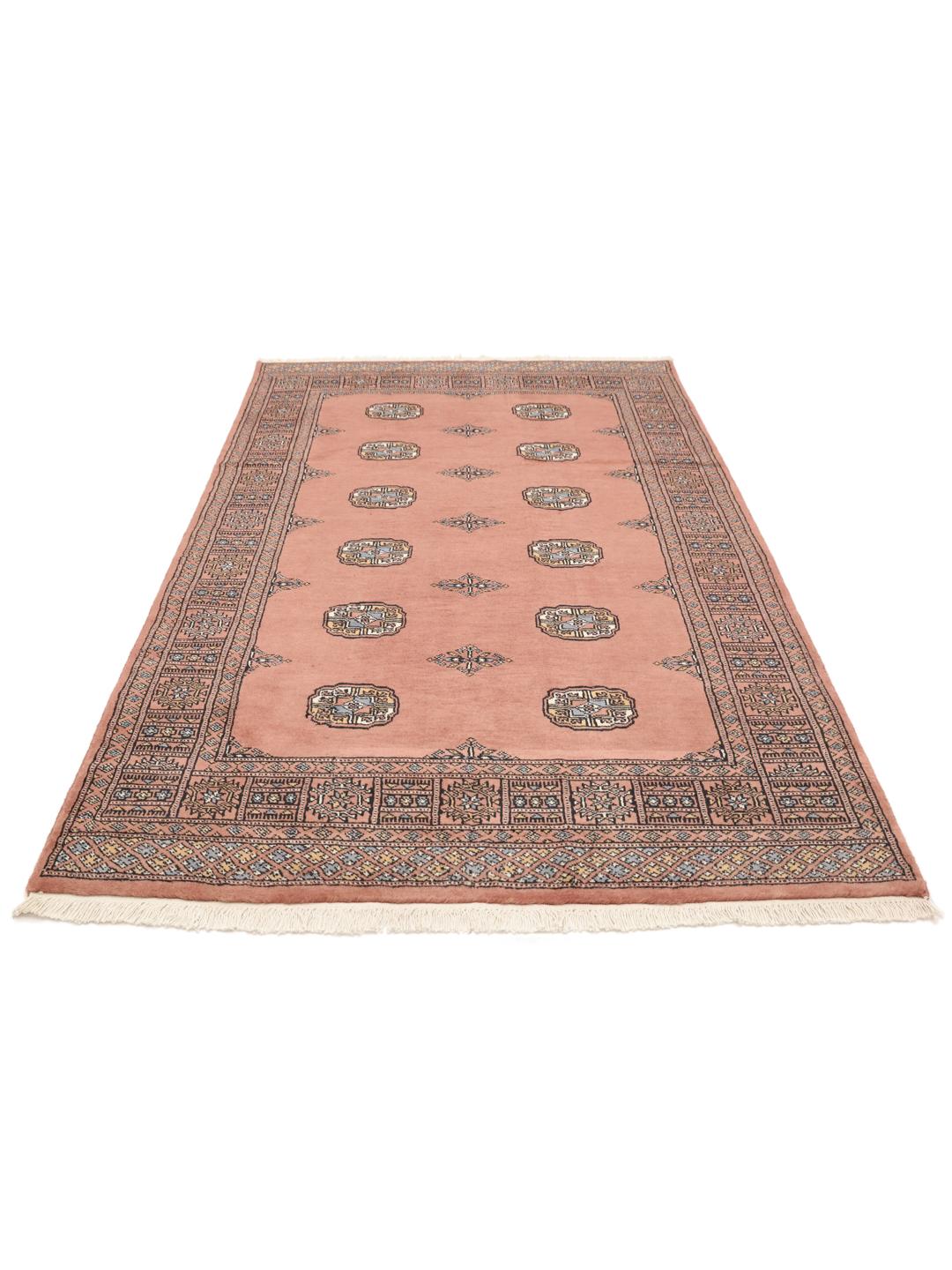
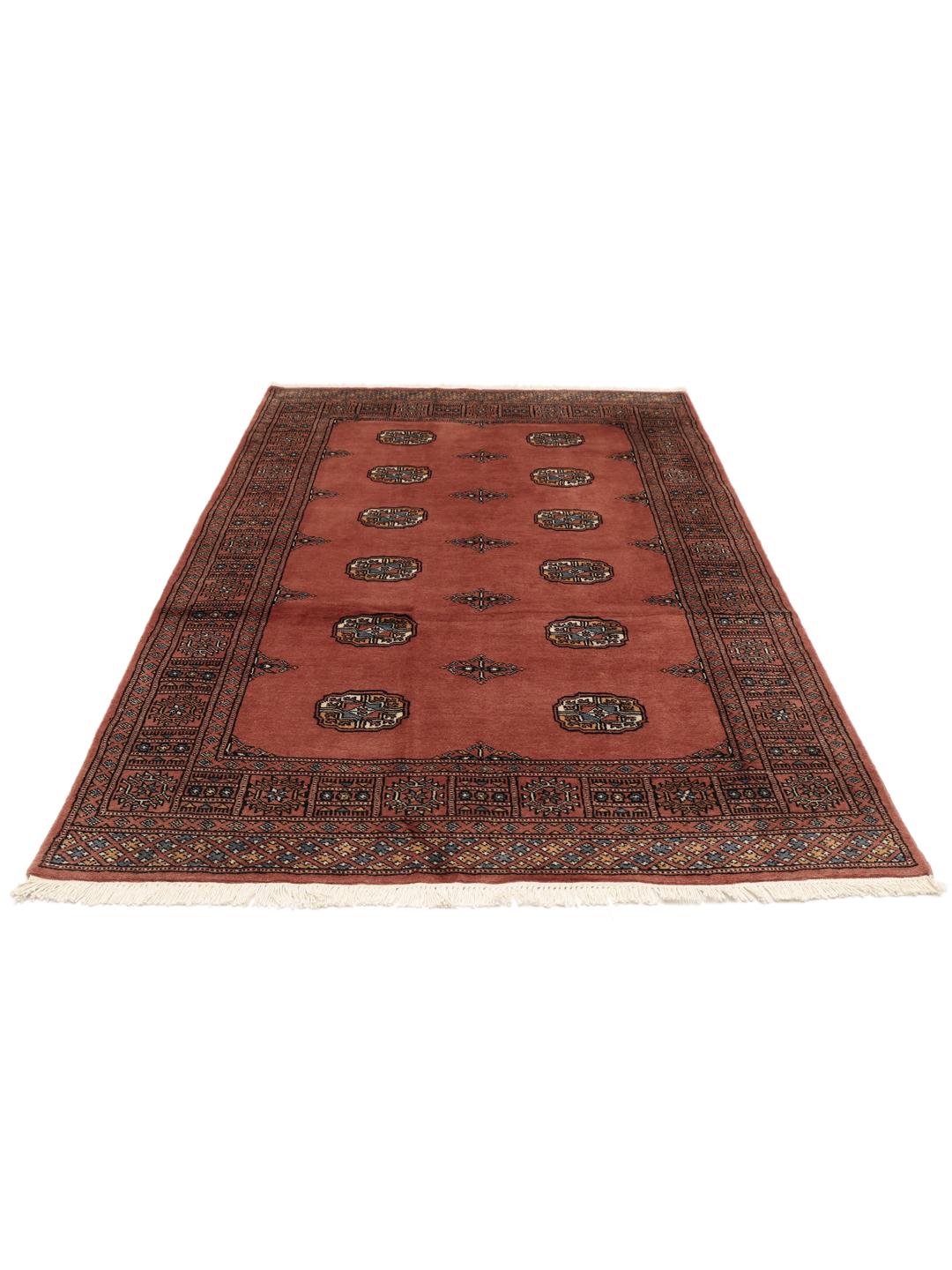
The Bokhara rug tradition is deeply rooted in the history of Central Asia, taking its name from the ancient Silk Road city of Bukhara, which served as a vital hub for trade and craftsmanship. While the style originated with nomadic tribes who woven rugs for practical use in tents, the finest examples today are expertly crafted in Pakistan, where weavers have refined these techniques over generations to achieve a level of consistency and elegance that is globally celebrated.
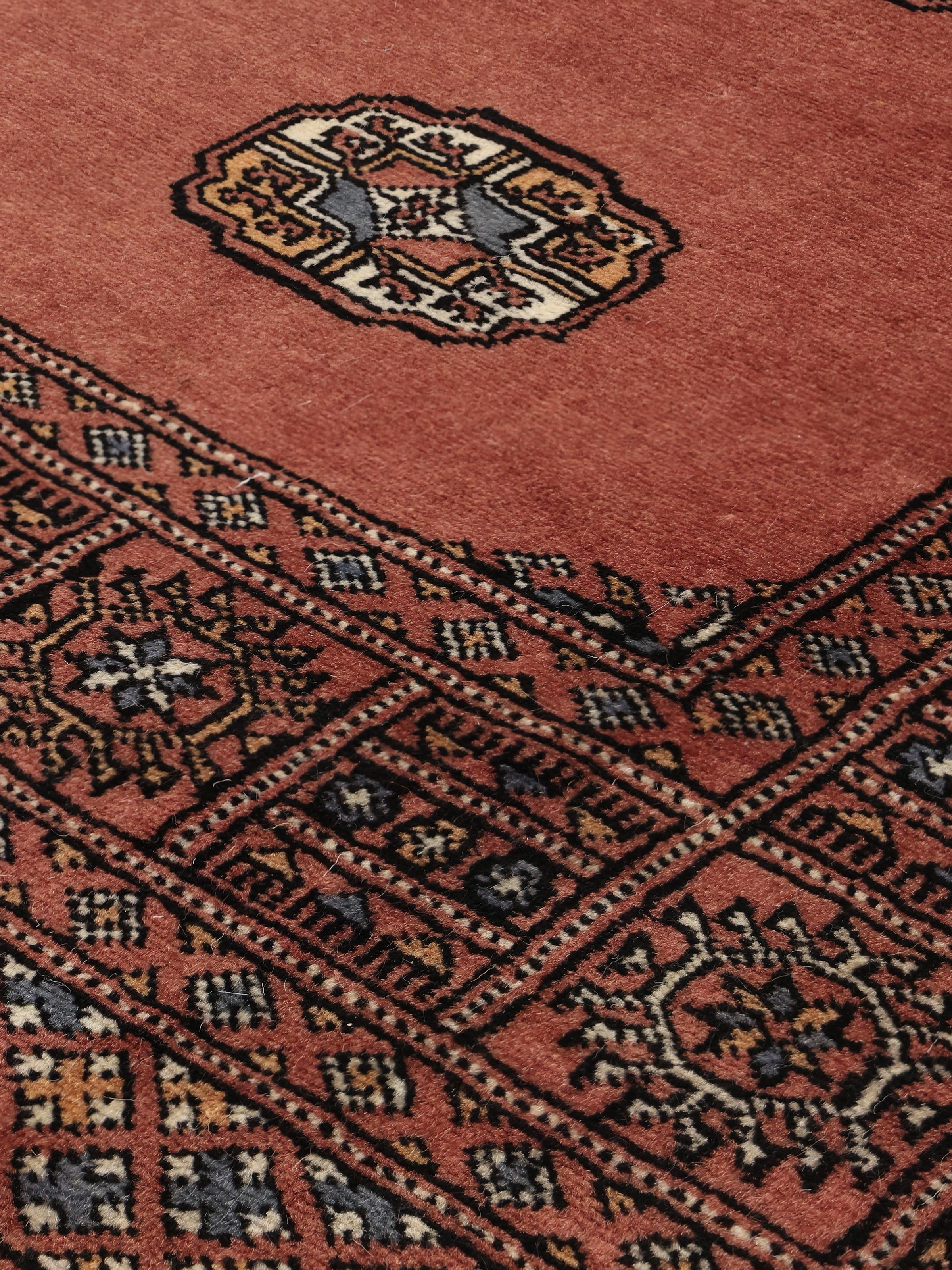
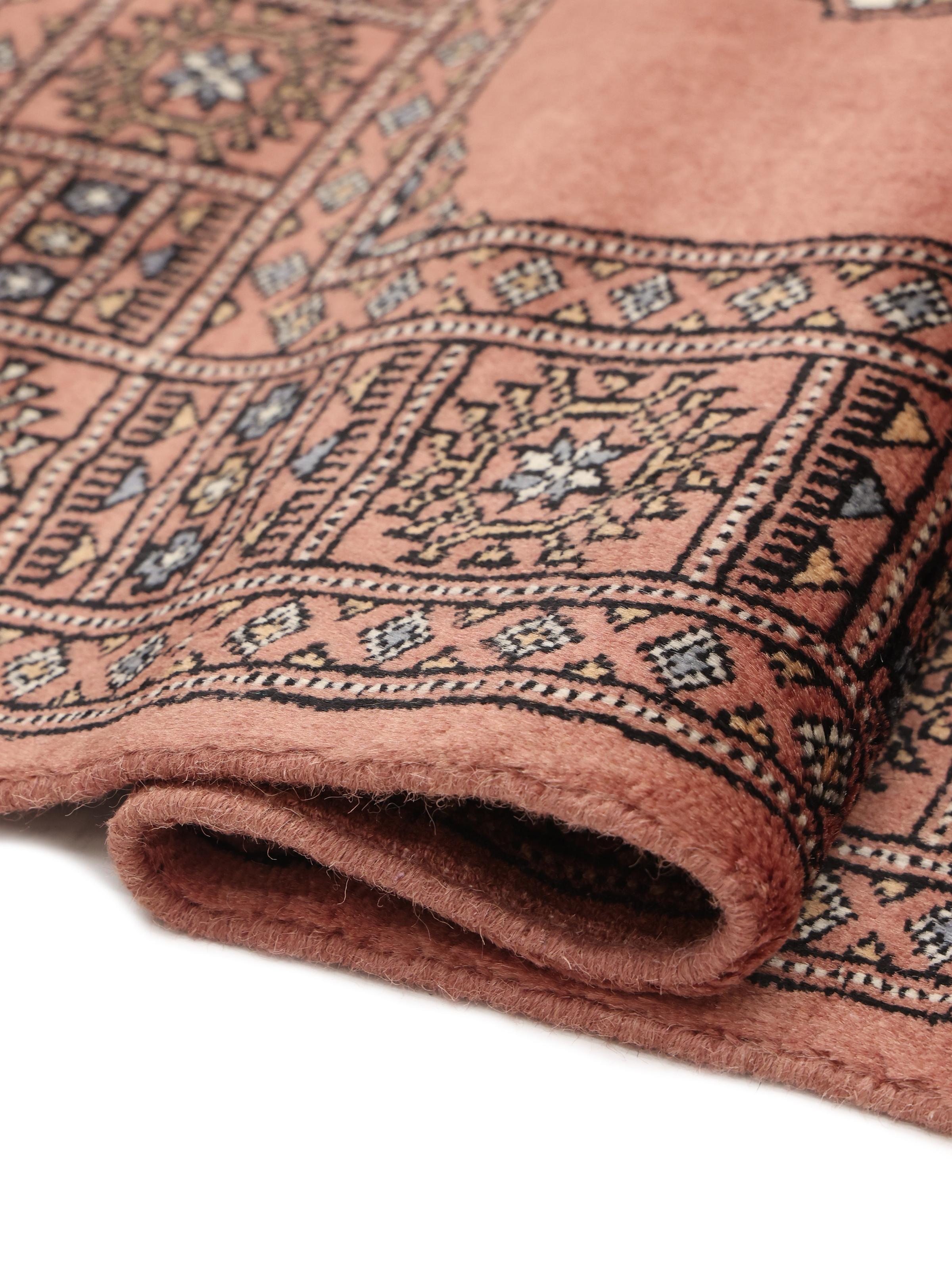
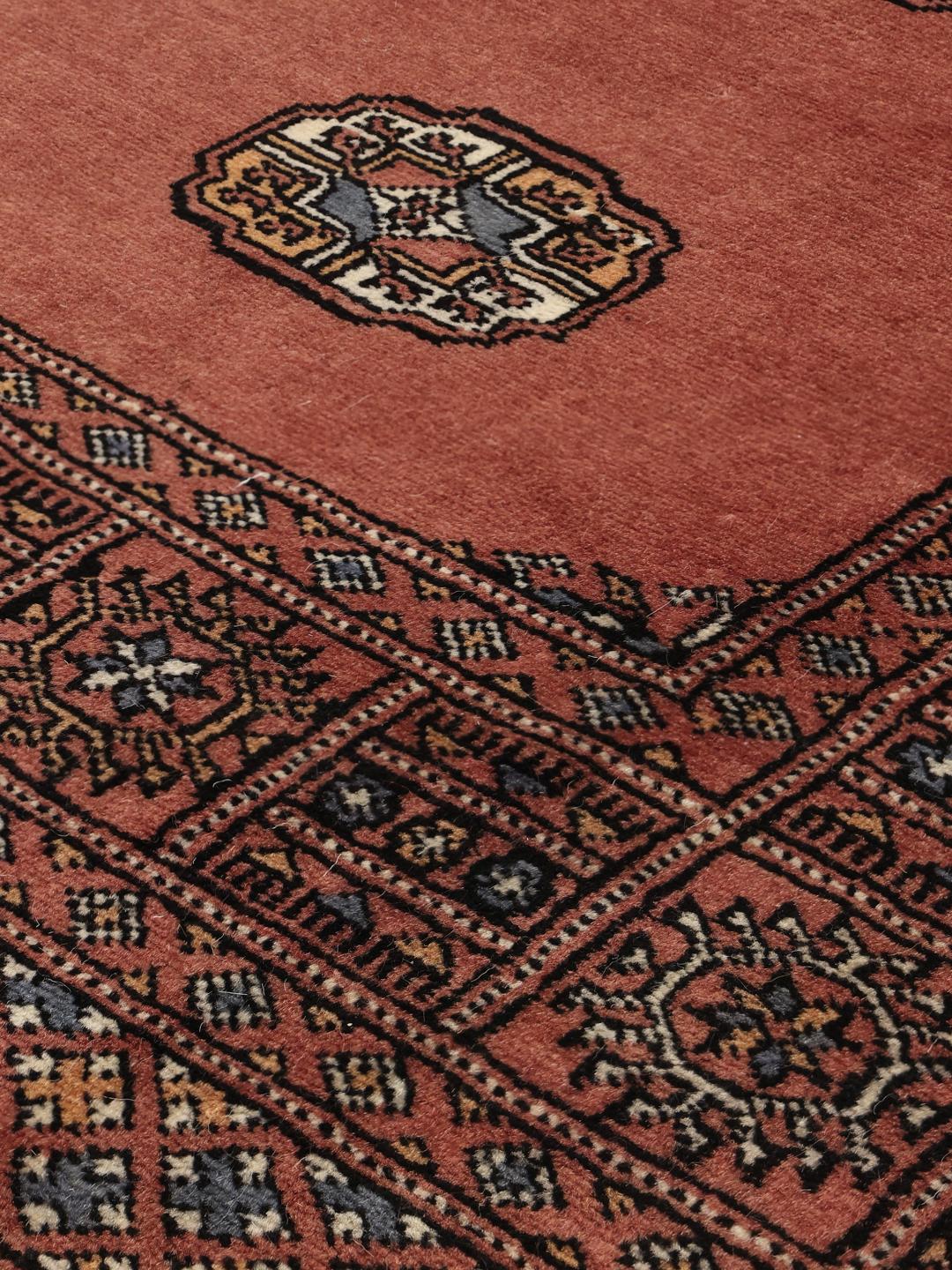
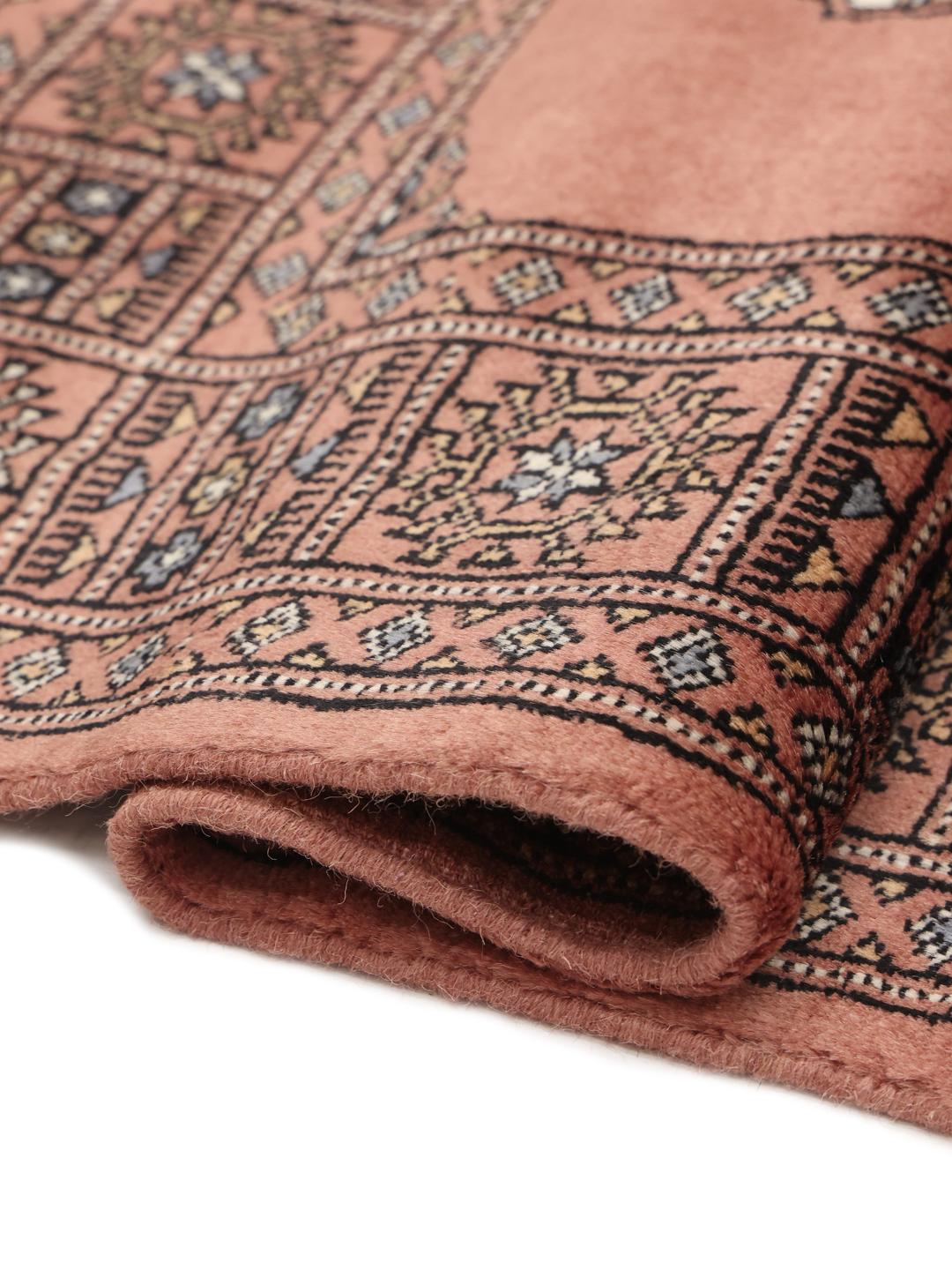
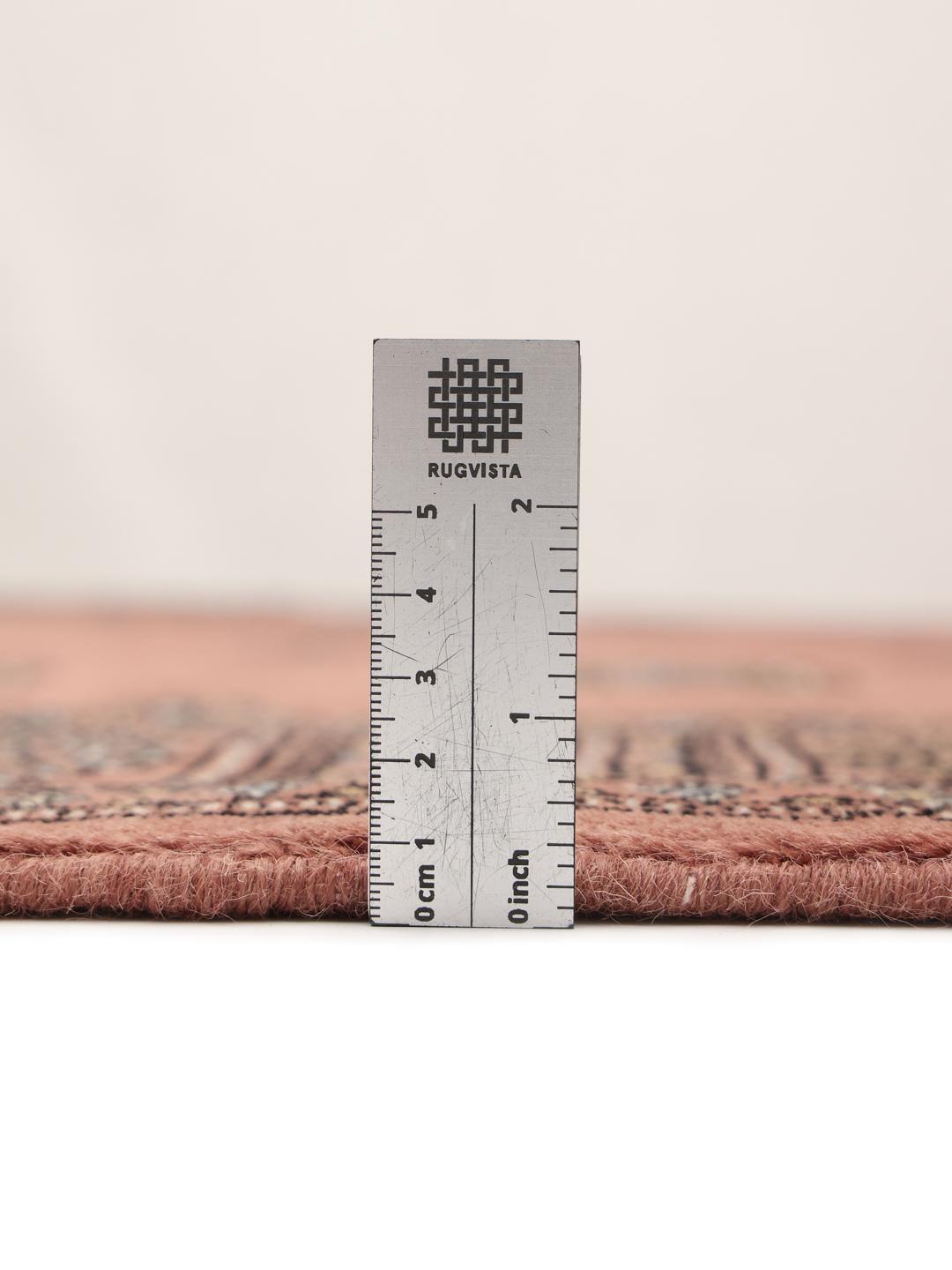
The term '2ply' refers to a specific technical construction where the wool pile is created using two strands twisted together before being knotted. This is a crucial distinction for quality, as it results in a pile that is not only denser and more lustrous but also significantly more durable. The added thickness and structural integrity provided by the 2ply method ensure that the rug maintains its appearance and soft feel even after years of daily use.
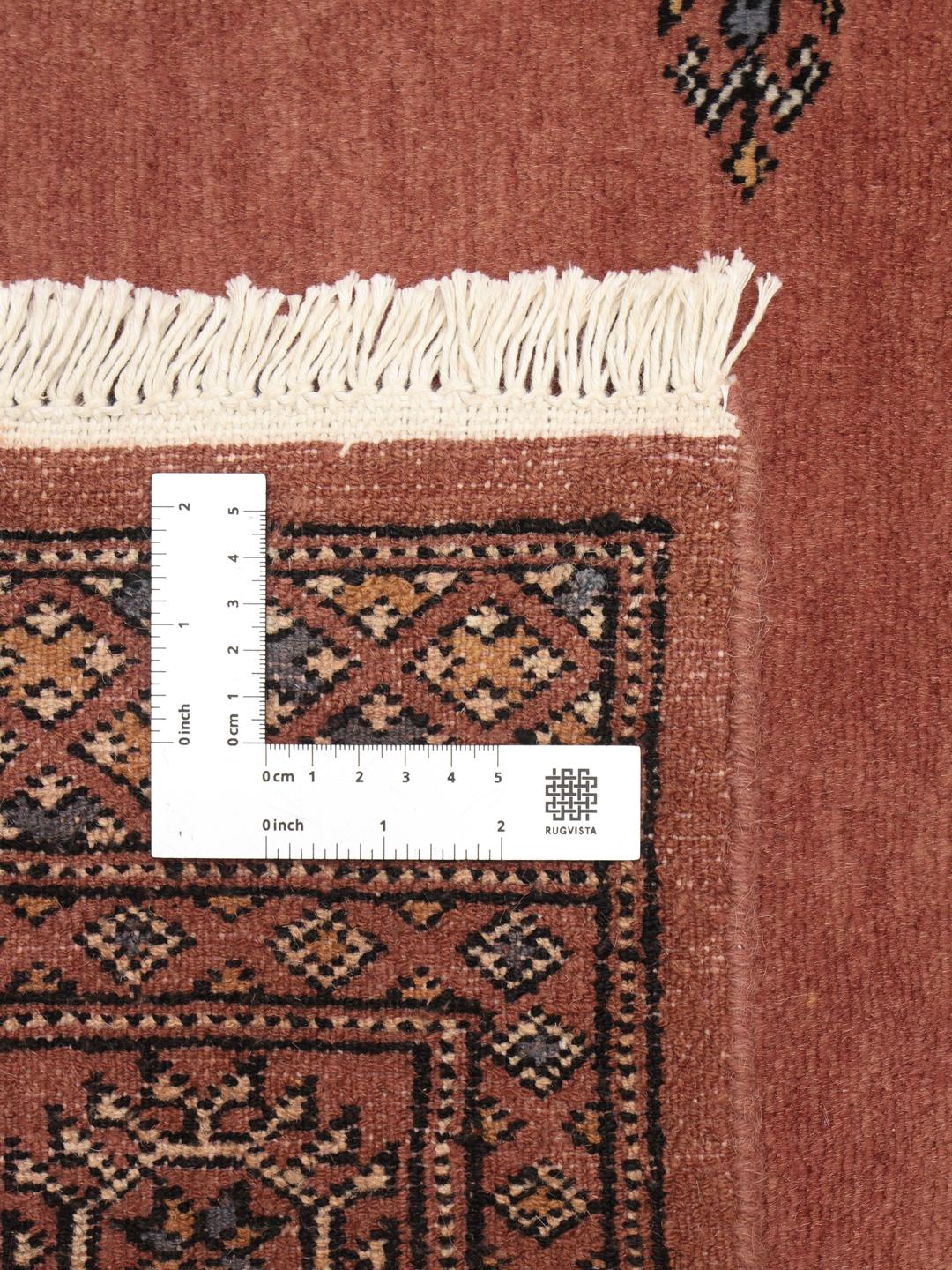
Signature design elements of the Bokhara tradition include the iconic 'gul' motif, which often resembles an elephant foot or an octagonal medallion. These are typically arranged in clean, repeating rows, creating a sense of order and harmony. The borders are equally formal, often featuring geometric patterns that frame the field perfectly, a testament to the disciplined and symmetrical design language that defines this historic tradition.
Owning a Bokhara rug is an investment in cultural heritage and long-standing skill. These rugs are highly valued by collectors not just for their aesthetic beauty, but for the human story woven into every knot. By choosing a piece from this tradition, you are acquiring a connection to an ancient craft, ensuring that the history and artistry of the region continue to be appreciated within the modern home.