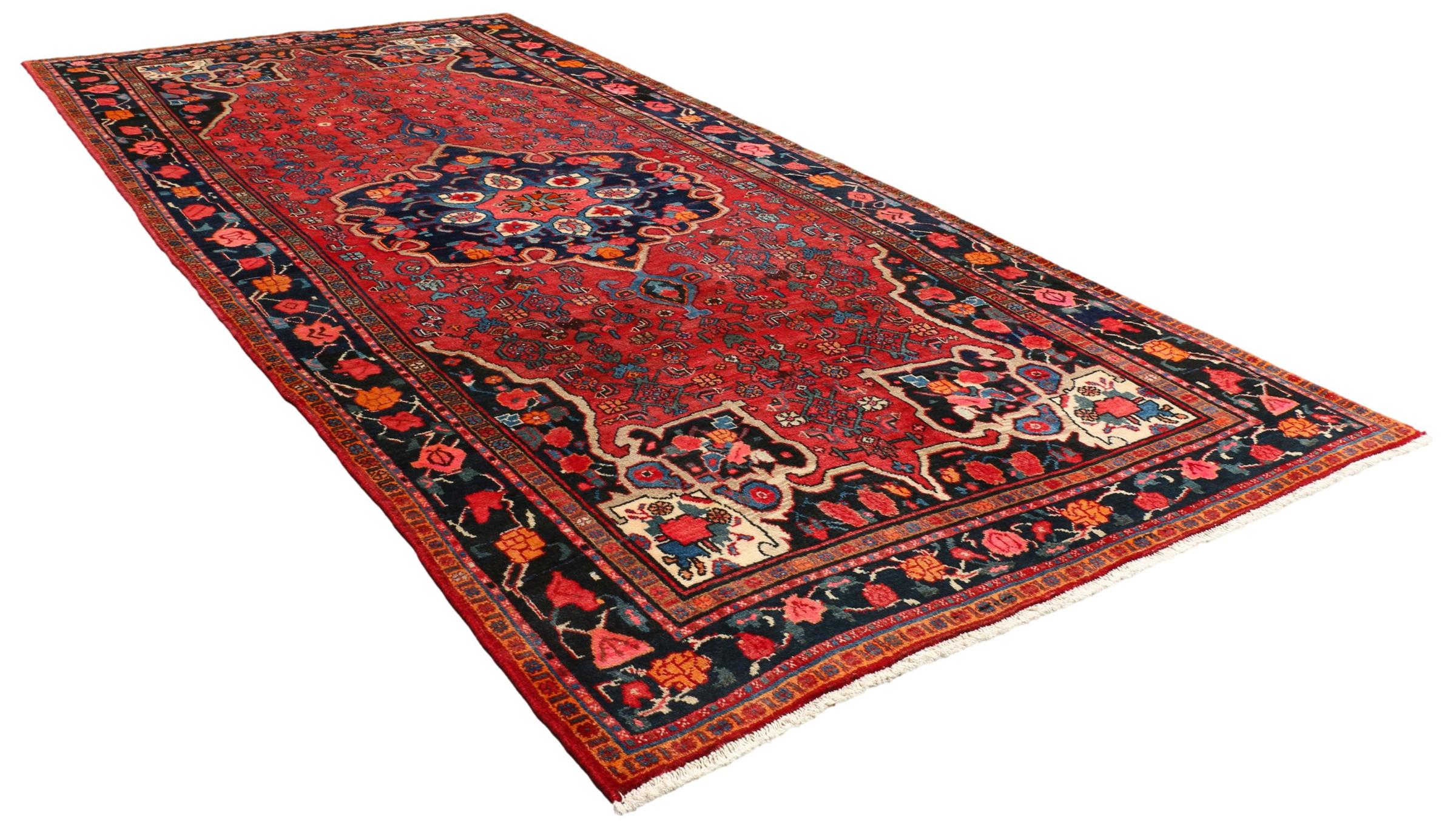
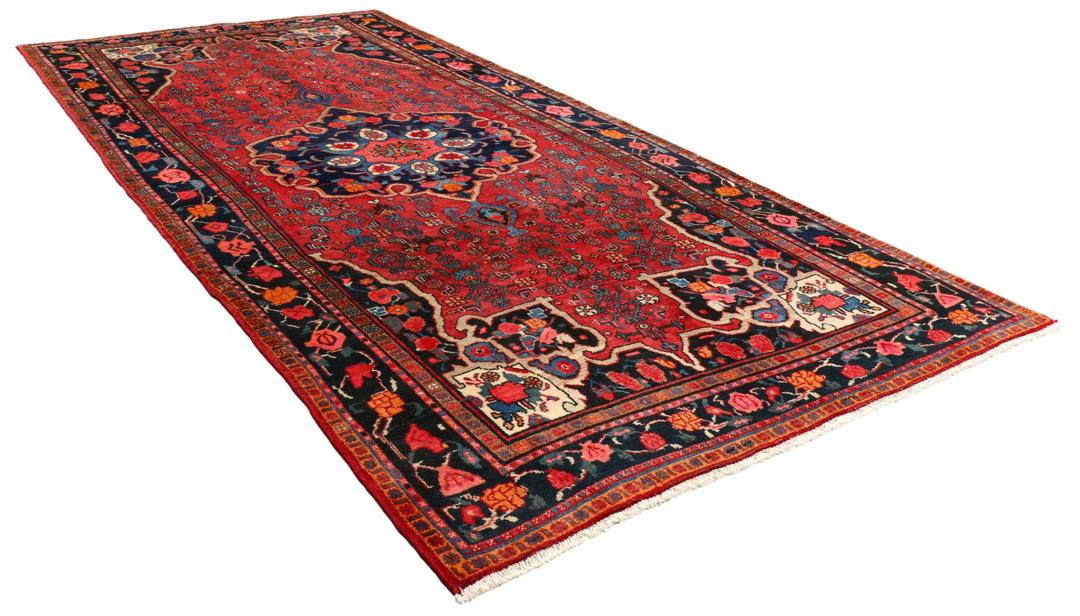
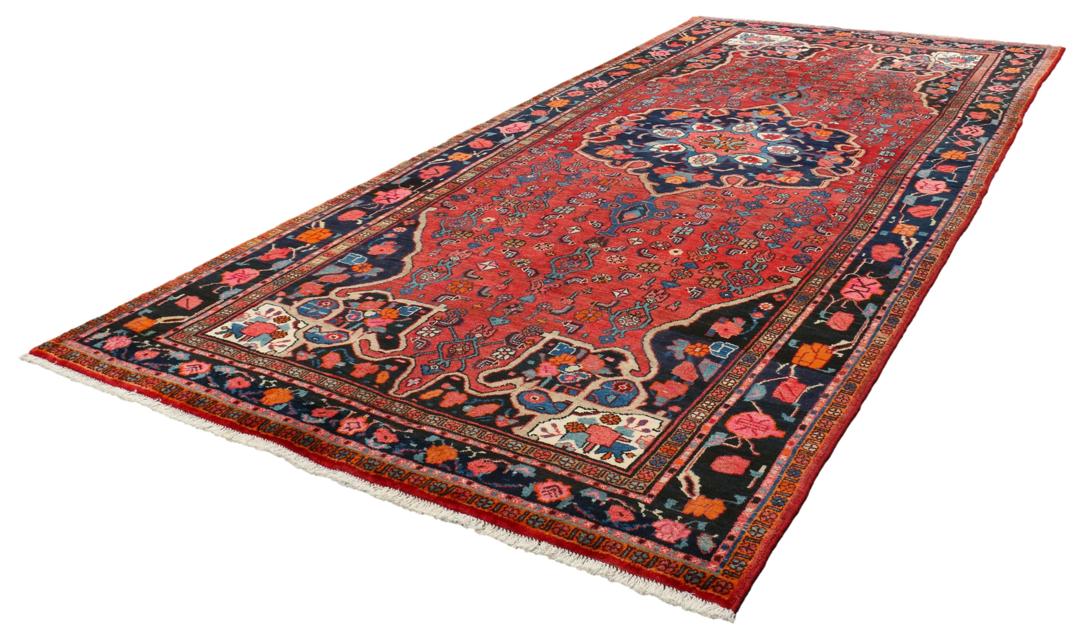
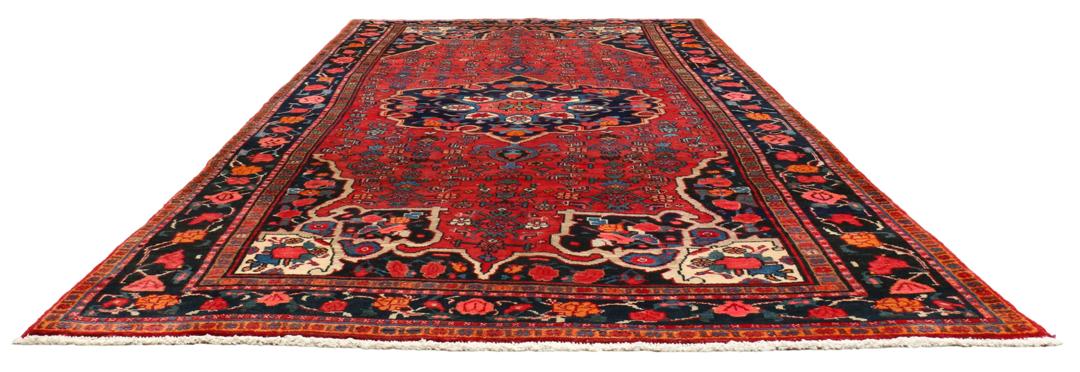
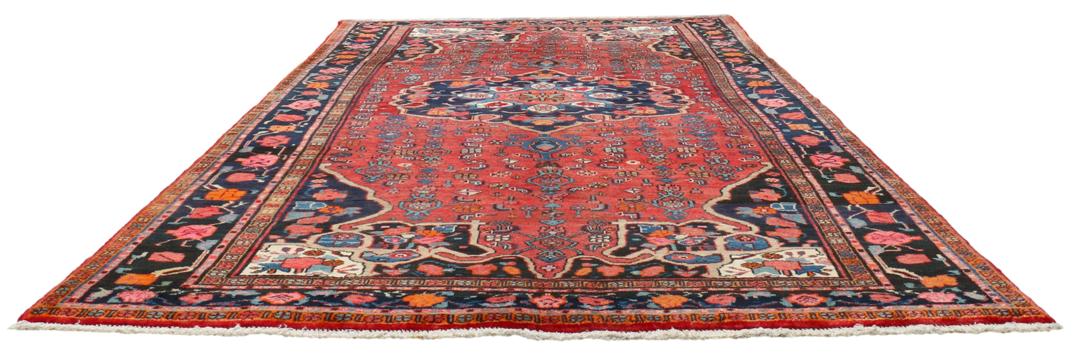
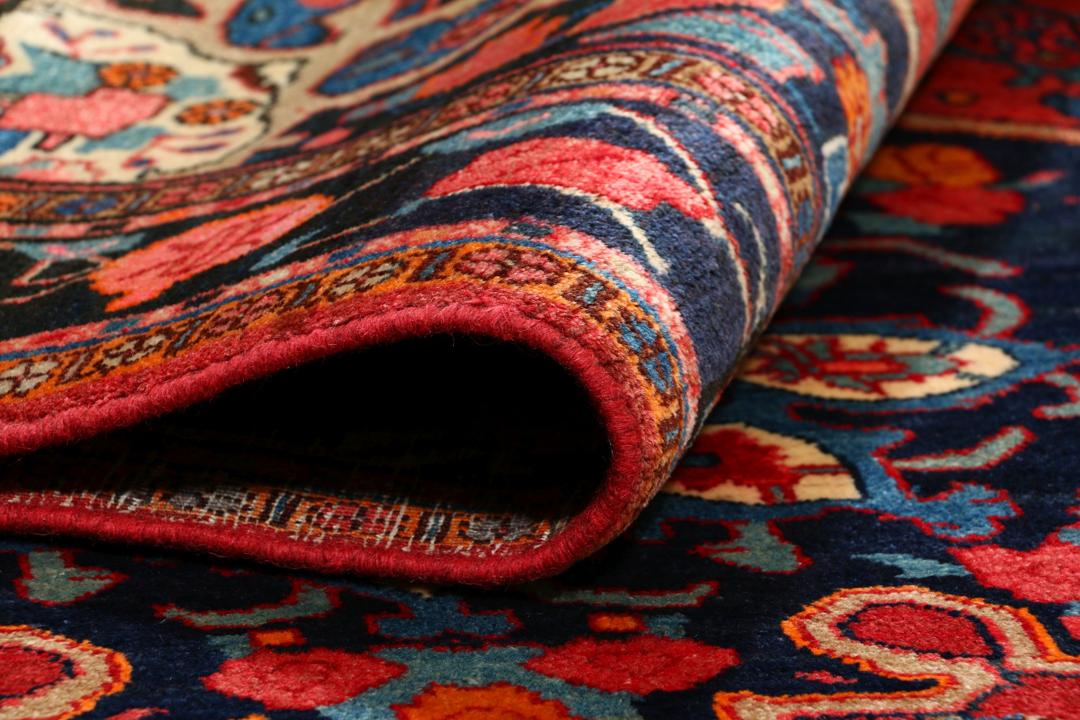
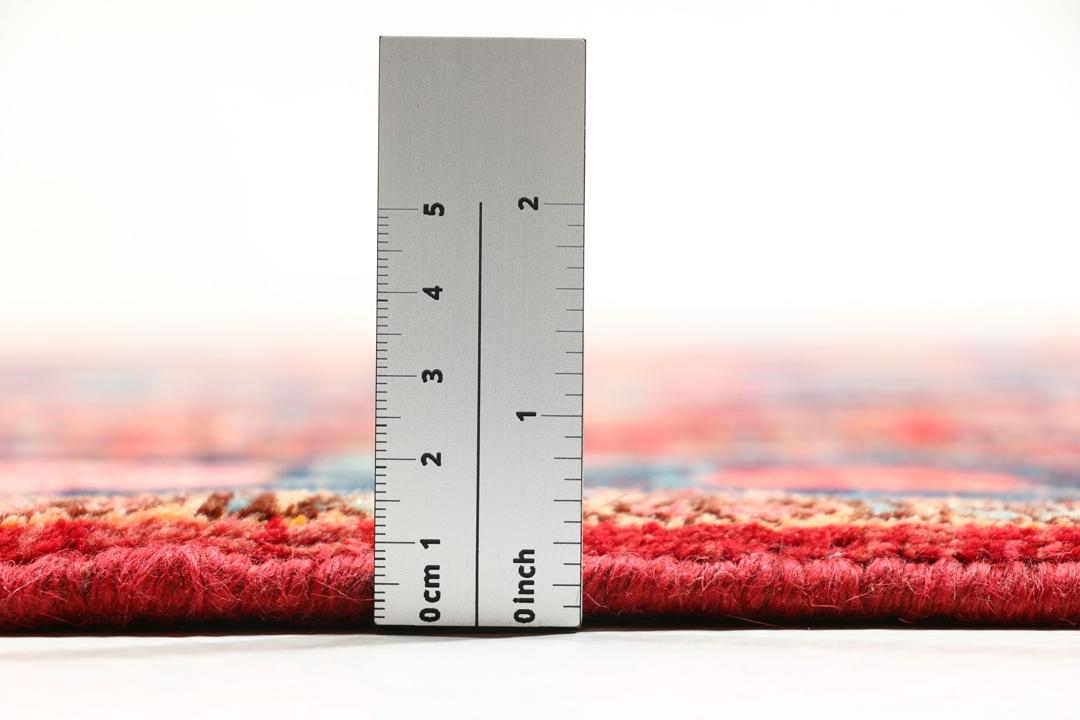
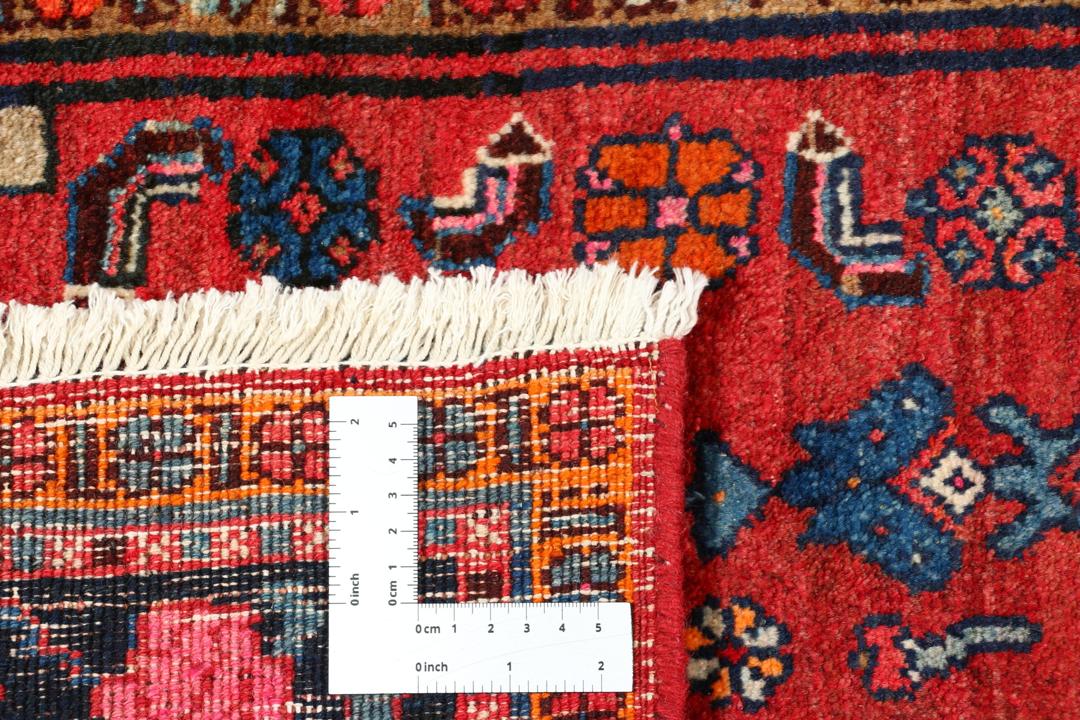
Bidjar rugs originate from the Kurdish region of the Middle East, specifically the town of Bidjar and its surrounding villages. This area has a long-standing reputation for producing some of the most durable and structurally sound rugs in the world. Often referred to as the 'Iron Rugs of the Middle East' due to their incredibly compact and heavy construction, they are celebrated for their ability to withstand generations of heavy use.
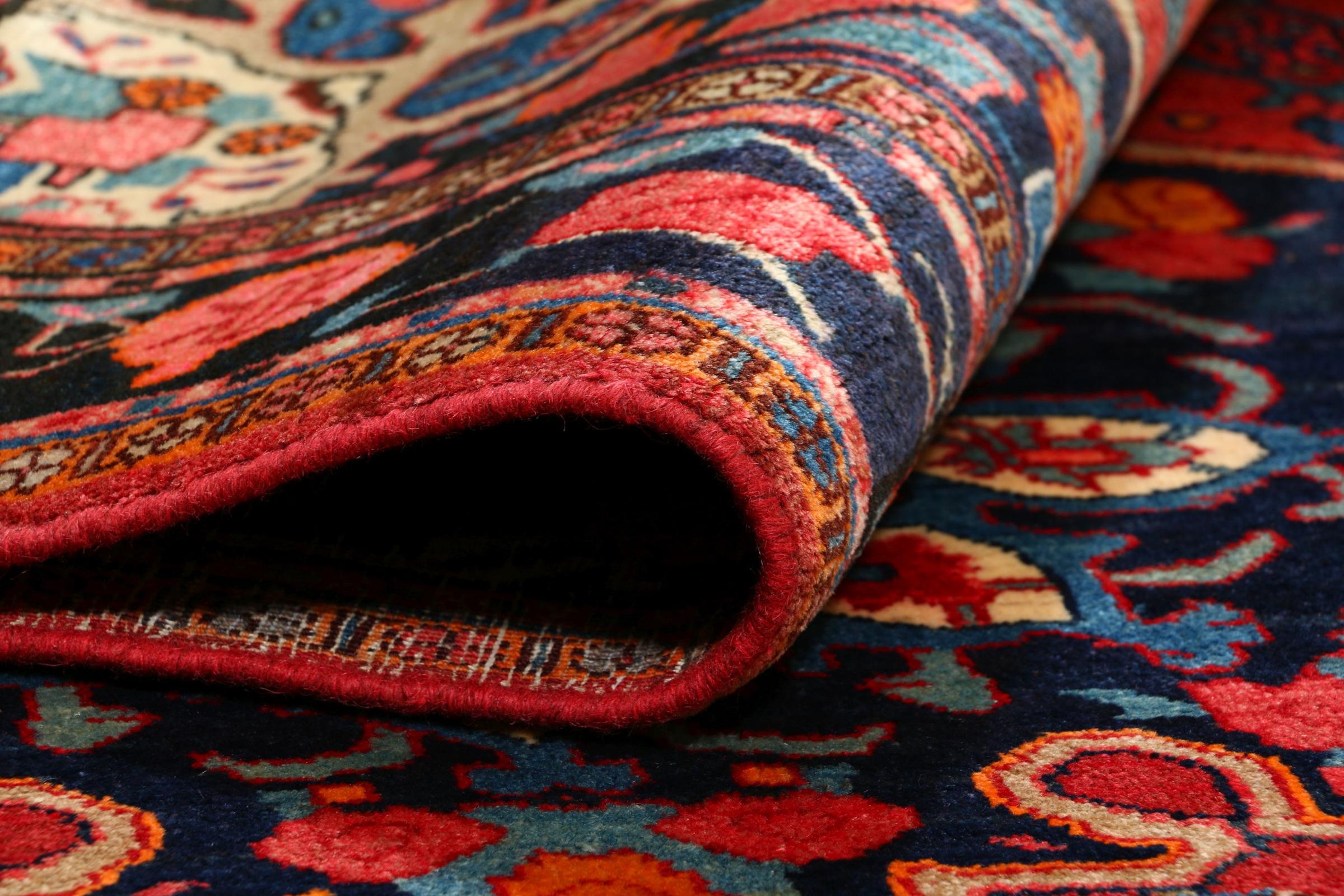
The term 'Bidjar' refers to a specific, traditional approach to weaving that prioritises density. The foundation is woven with a unique technique that keeps the pile upright and tightly packed, creating a surface that is remarkably resilient. When Silk is incorporated into the Wool pile, it adds a refined touch, enhancing the vibrancy of the colours and providing a soft, luminous quality that contrasts with the sturdy nature of the Wool.
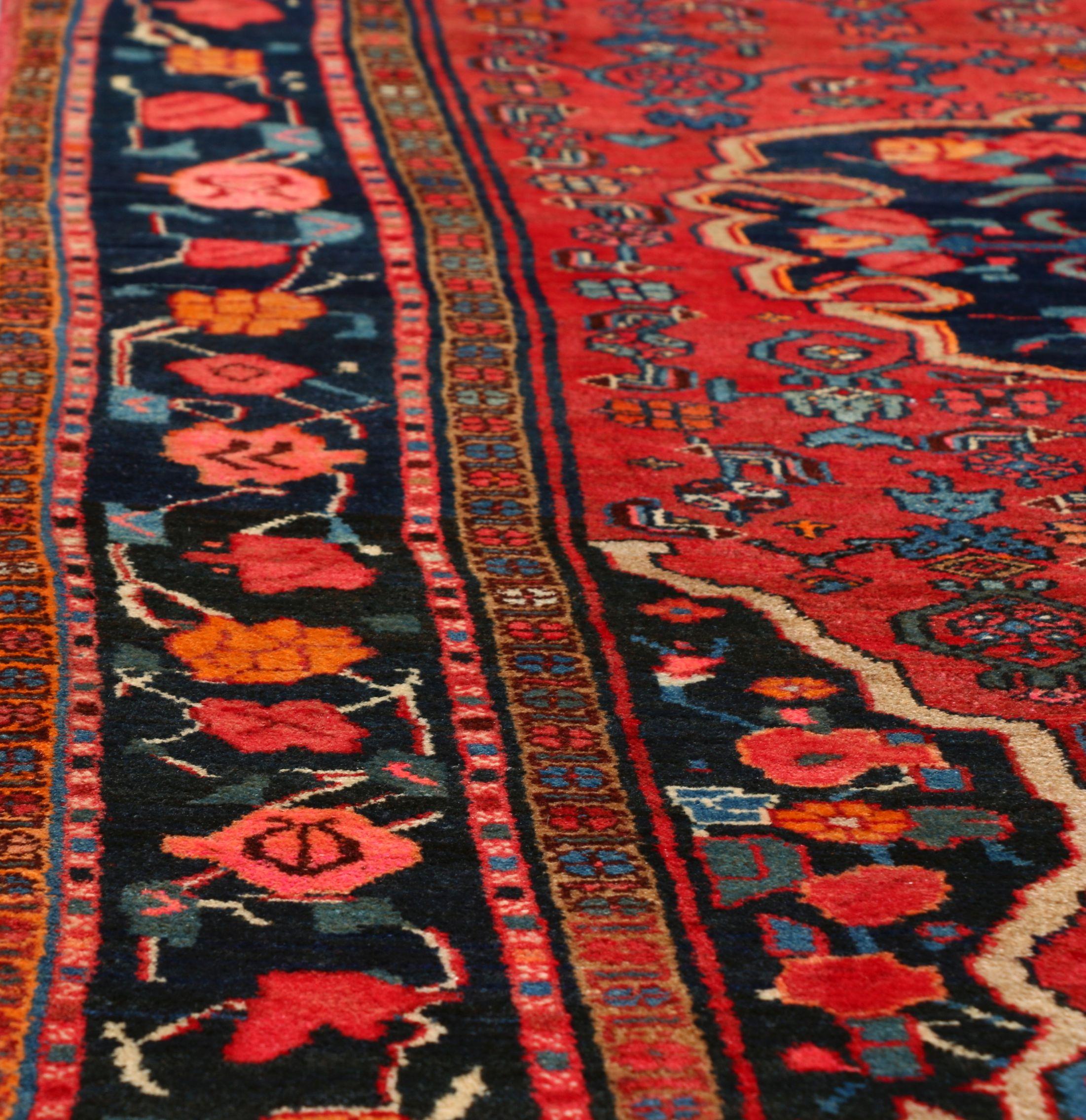
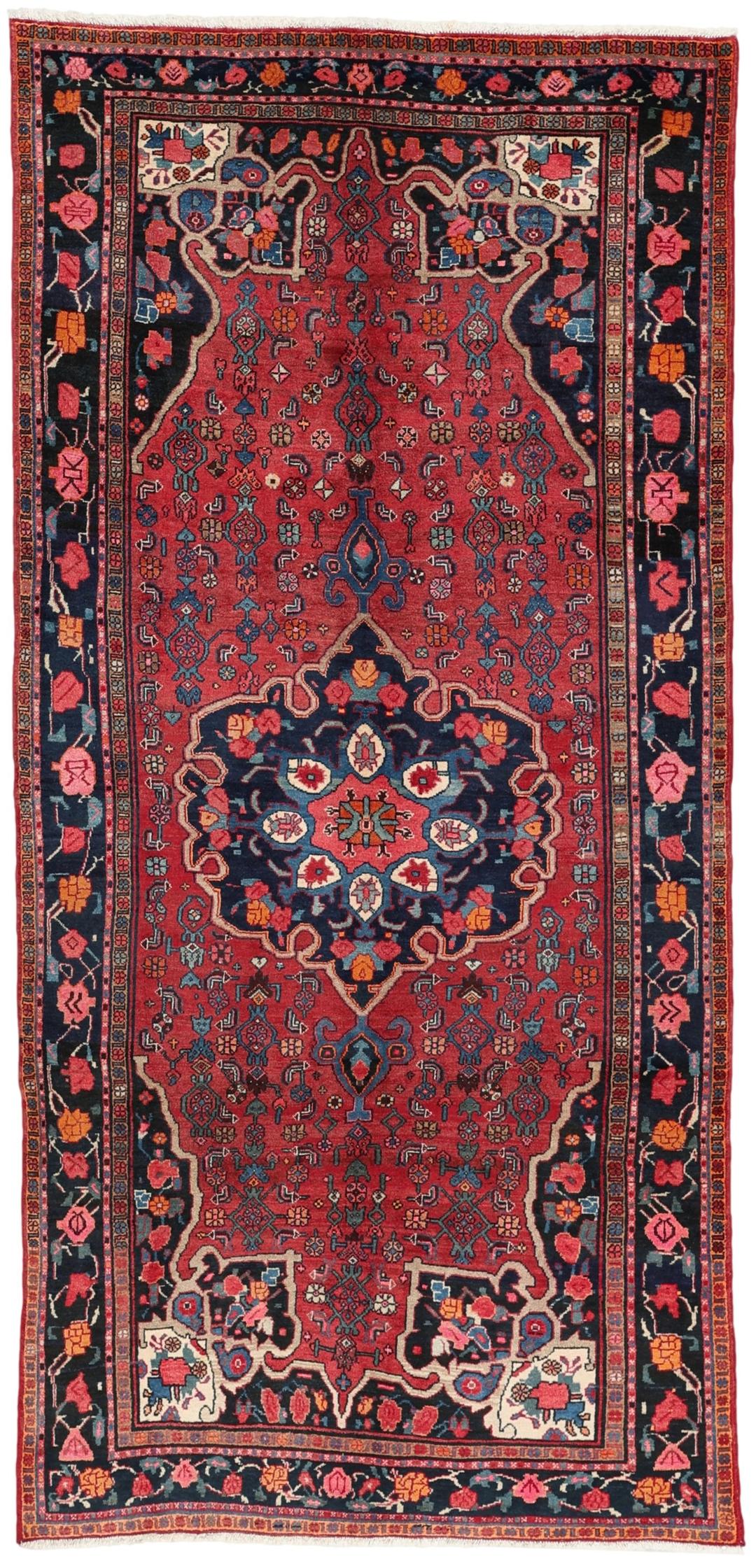
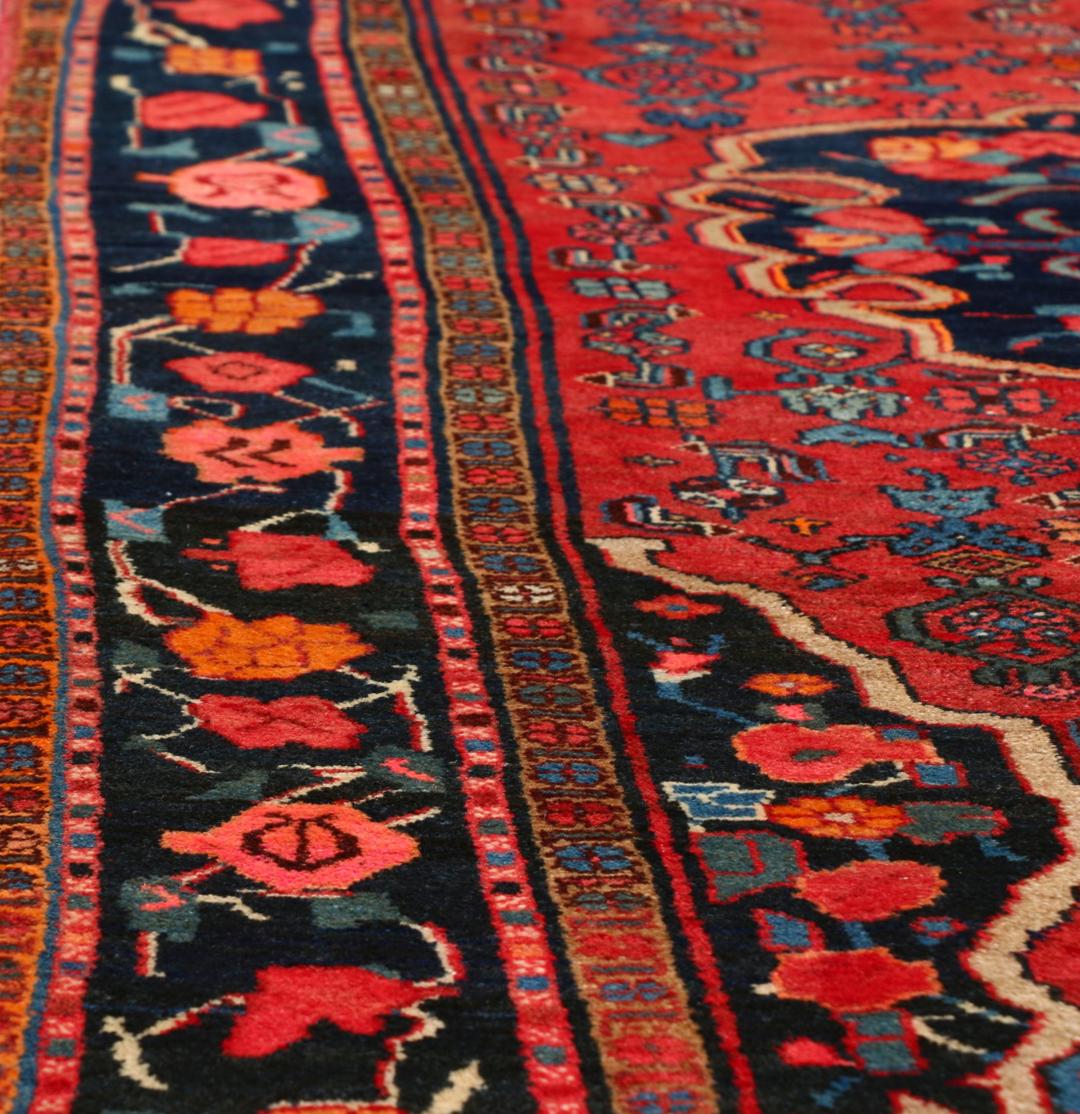
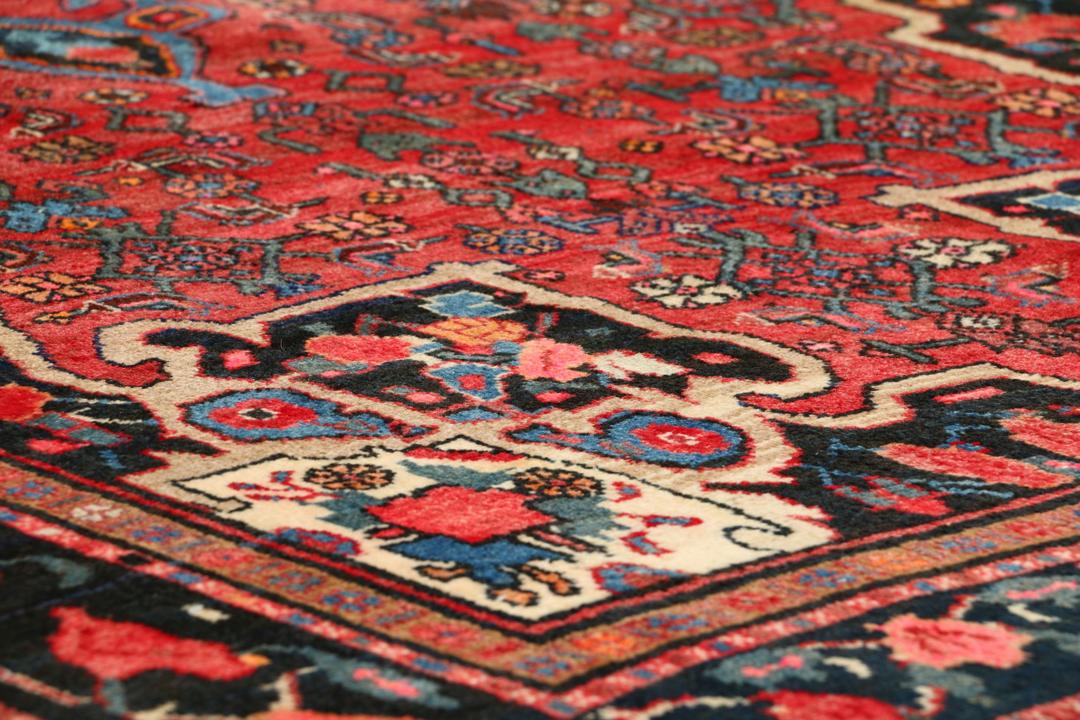
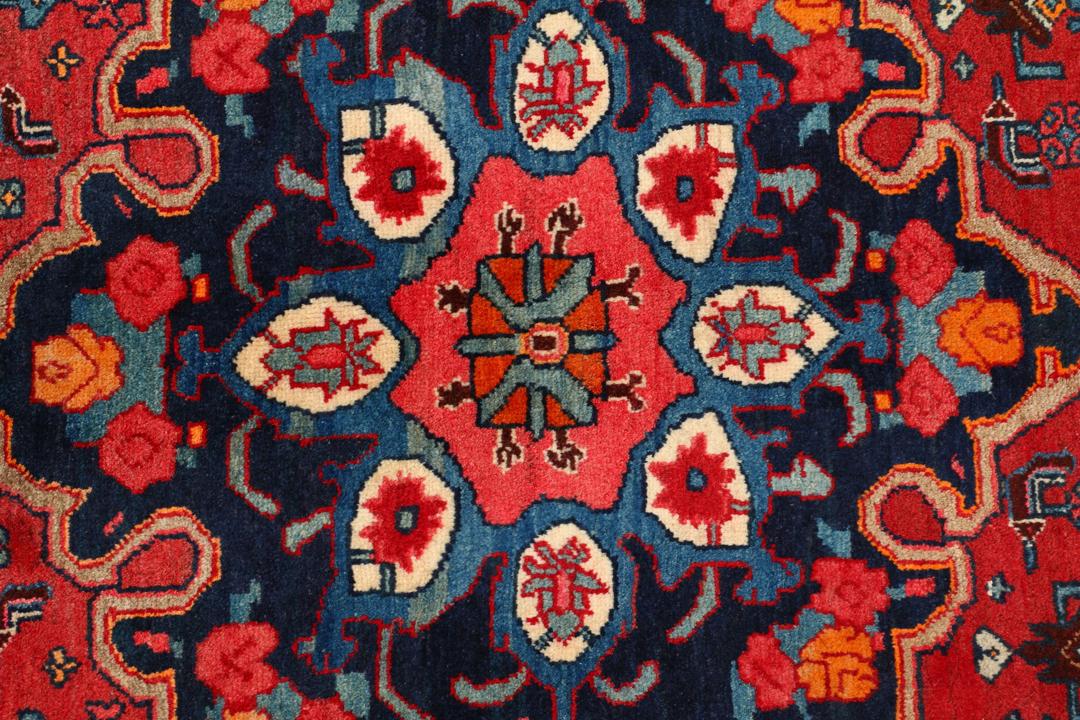
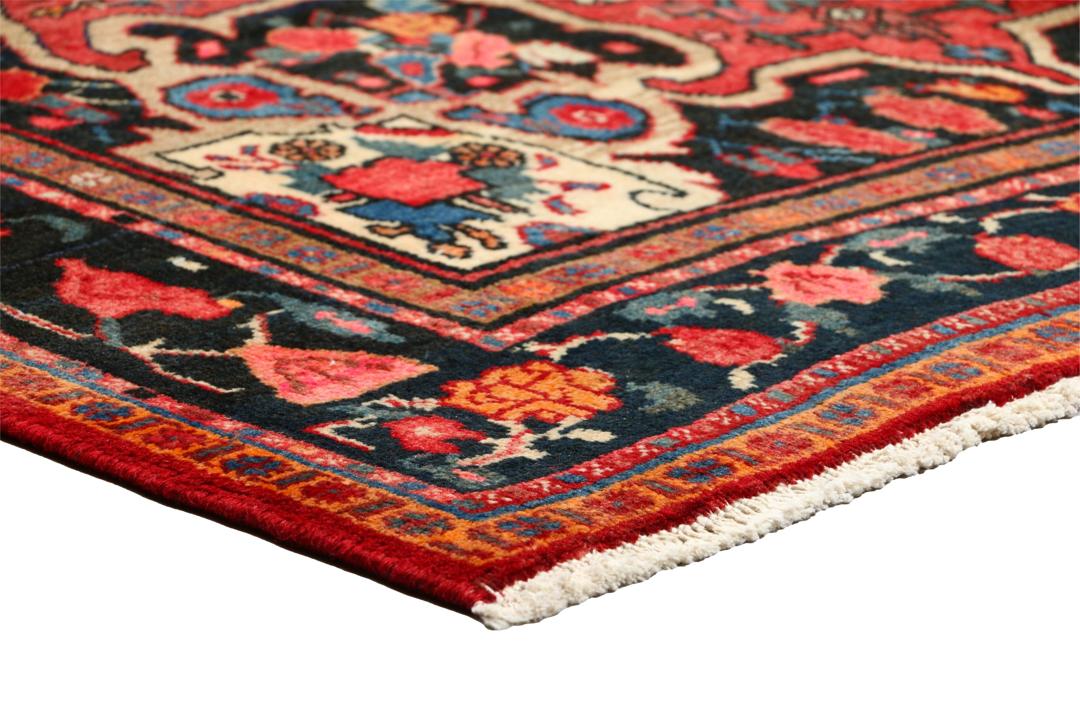
Visually, these rugs are defined by their bold and complex designs. They frequently feature intricate floral patterns, expansive central medallions, and highly detailed decorative borders. The colour palettes are typically deep and saturated, often utilising rich reds and blues that draw the eye and create a focal point in any room. The patterns are not merely aesthetic but are deeply tied to the cultural identity and artistic expression of the weavers who have perfected these designs over centuries.
For collectors and enthusiasts, a Bidjar rug is a symbol of endurance and artistic mastery. They are highly valued not only for their striking visual presence but also for the immense human effort and technical expertise required to create them. Owning one is an investment in cultural heritage, offering a unique opportunity to live with an object that embodies both the rugged spirit of its origin and the delicate beauty of its fine material composition.