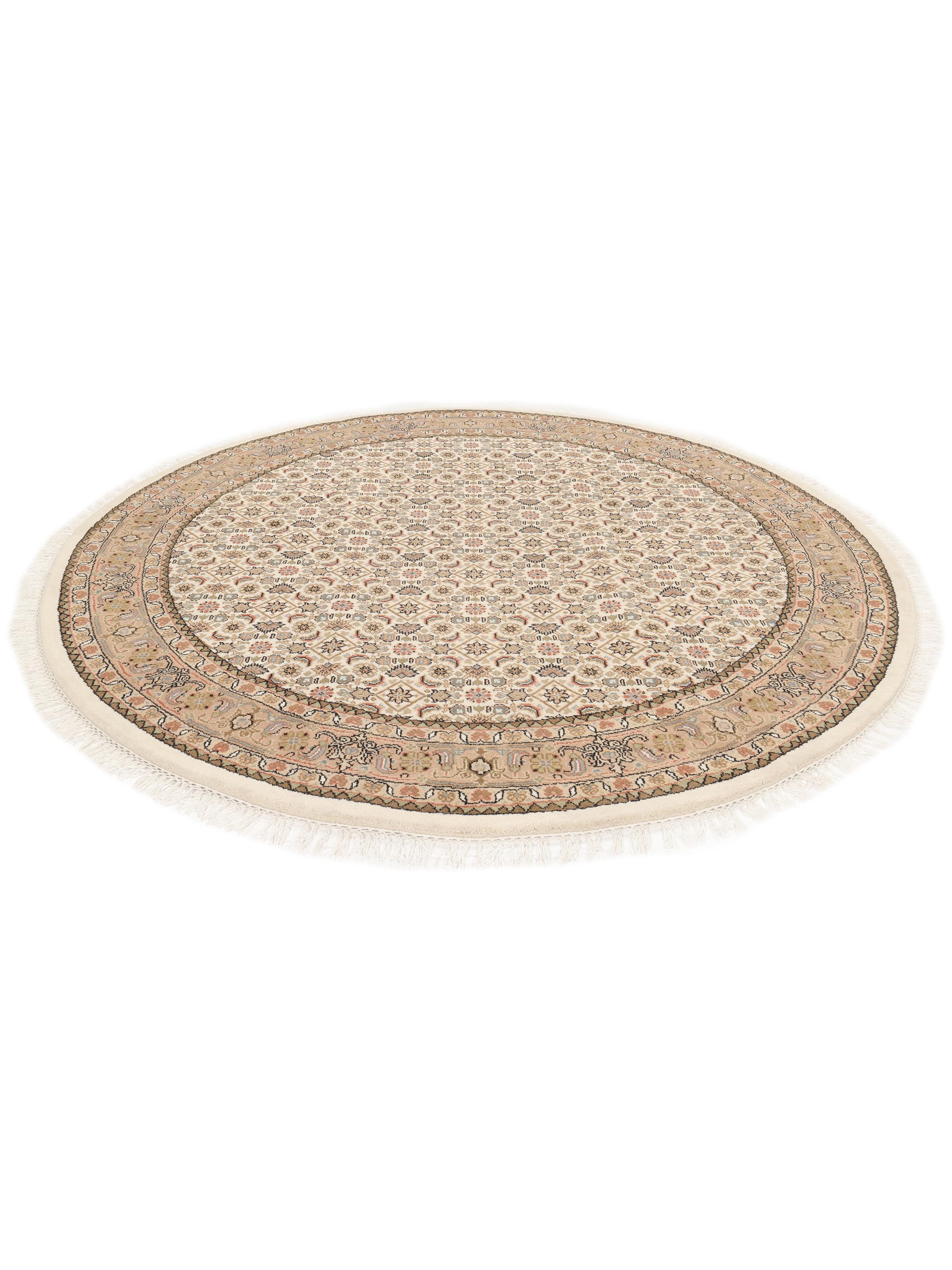
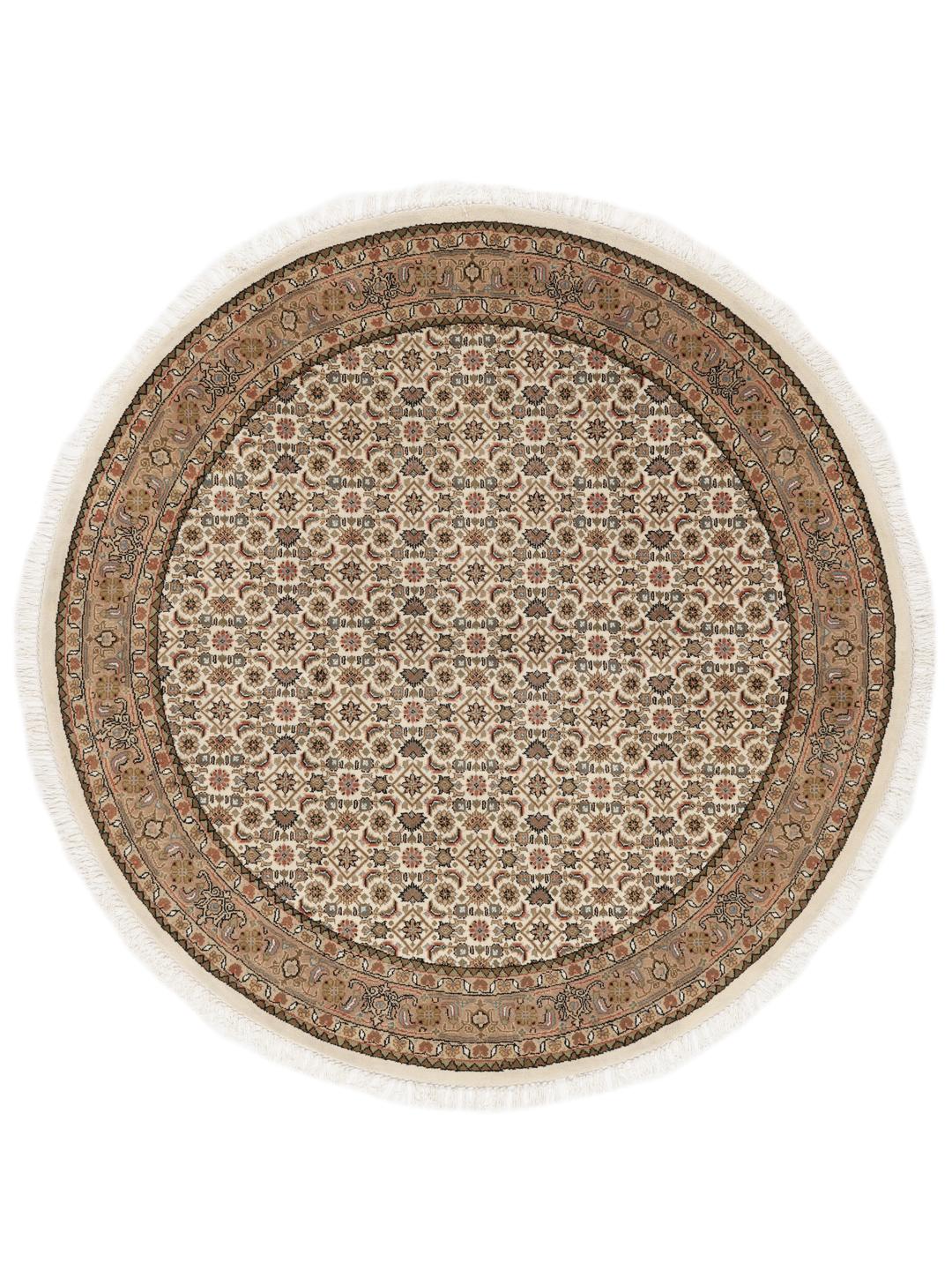
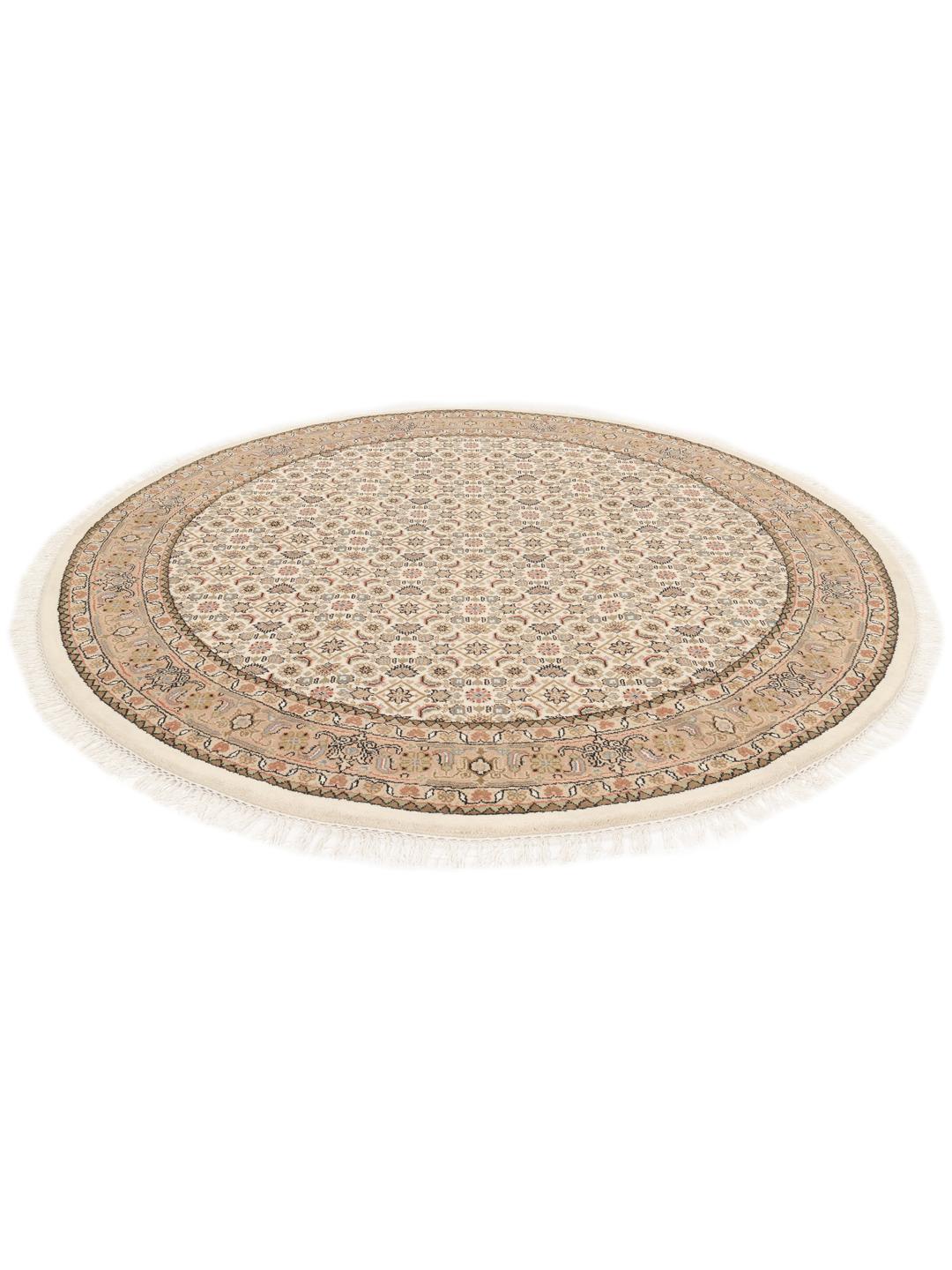
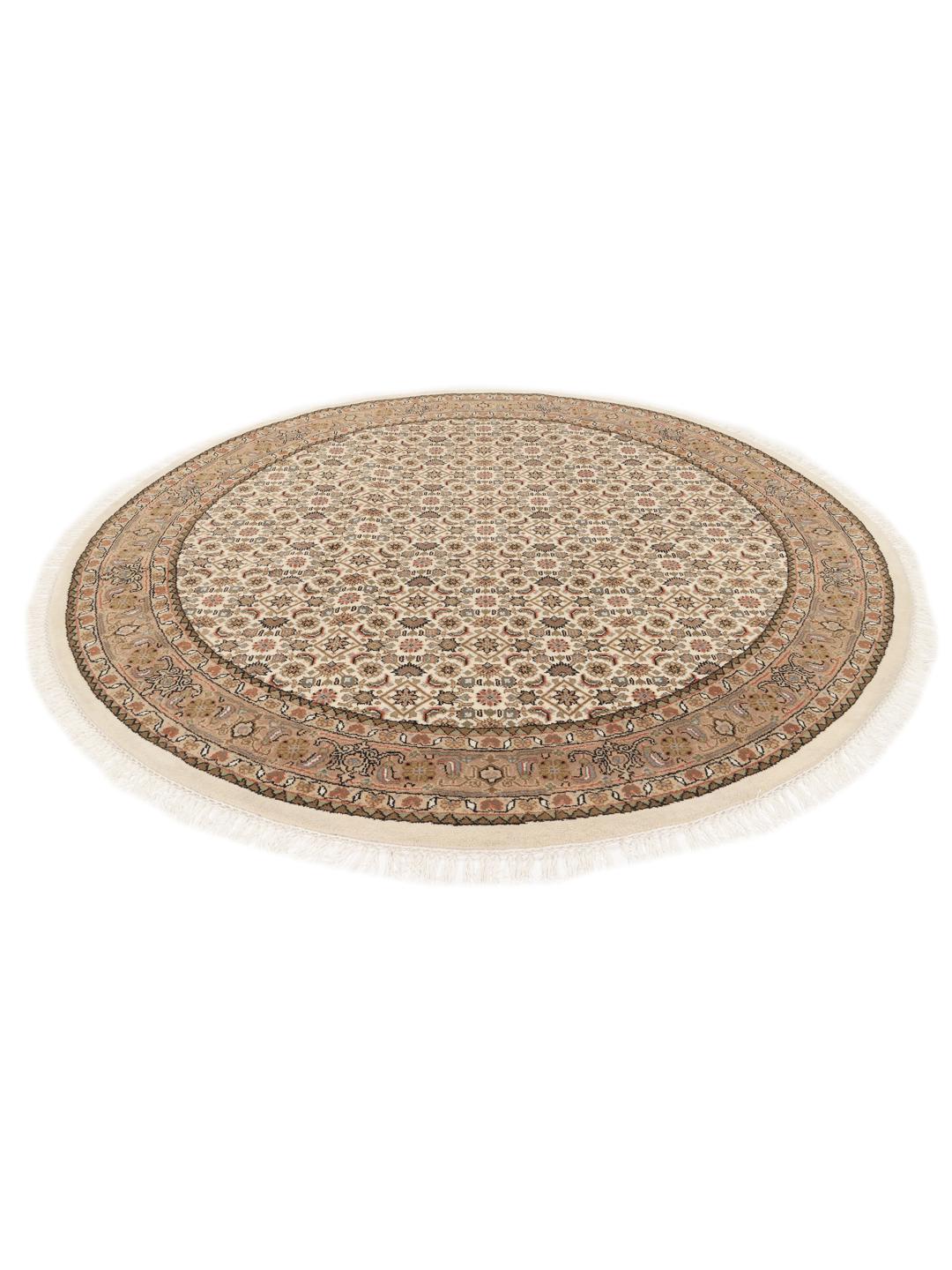
Bidjar rugs originate from the Kurdish region of the Middle East, a land known for its rugged terrain and resilient people. These rugs are legendary for their incredible durability, often referred to as the iron rugs of the region due to their tight, robust construction. While they have historical roots in the Middle East, the tradition has evolved and flourished in India, where artisans continue to honour these time-honoured techniques.
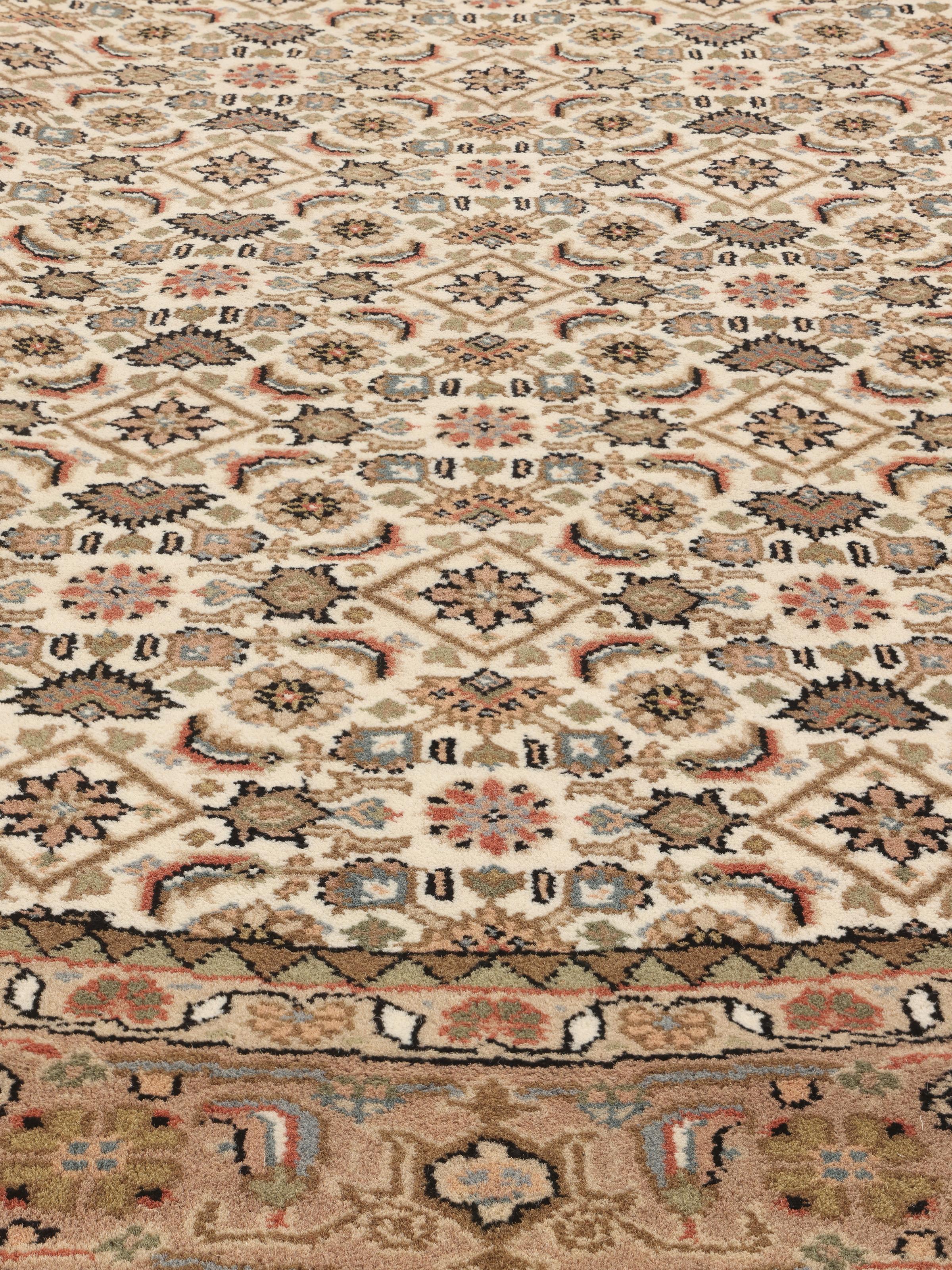
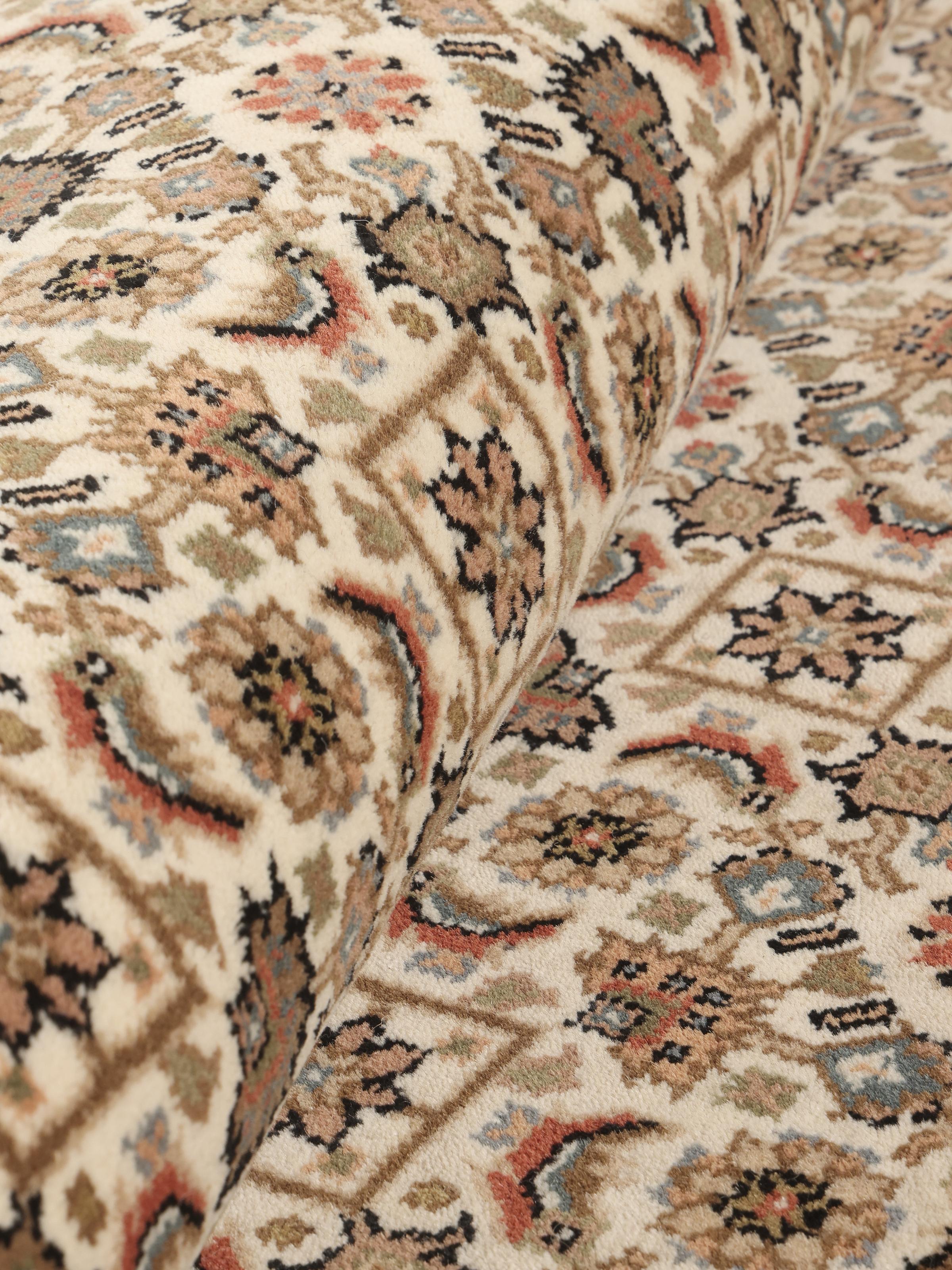
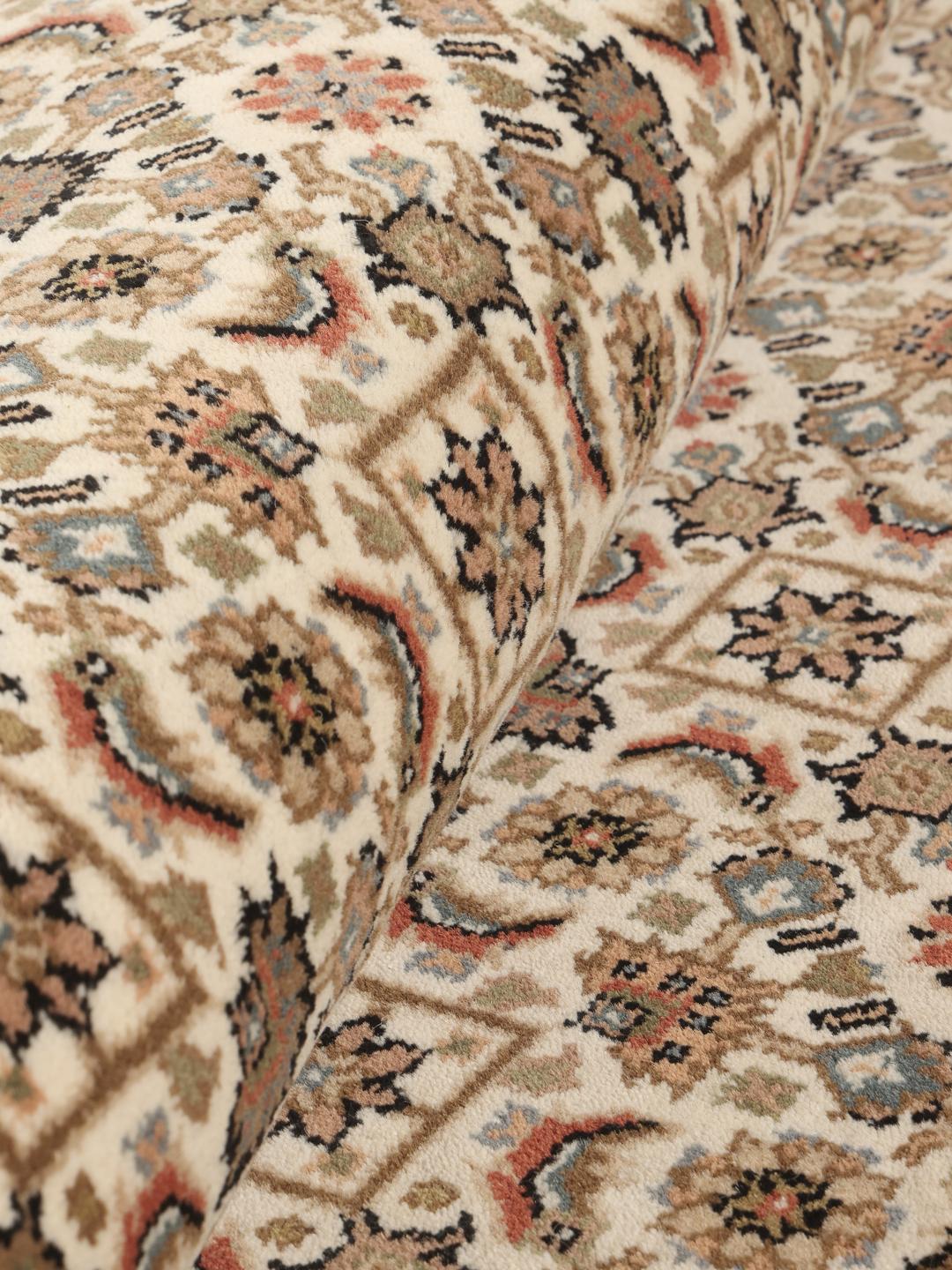
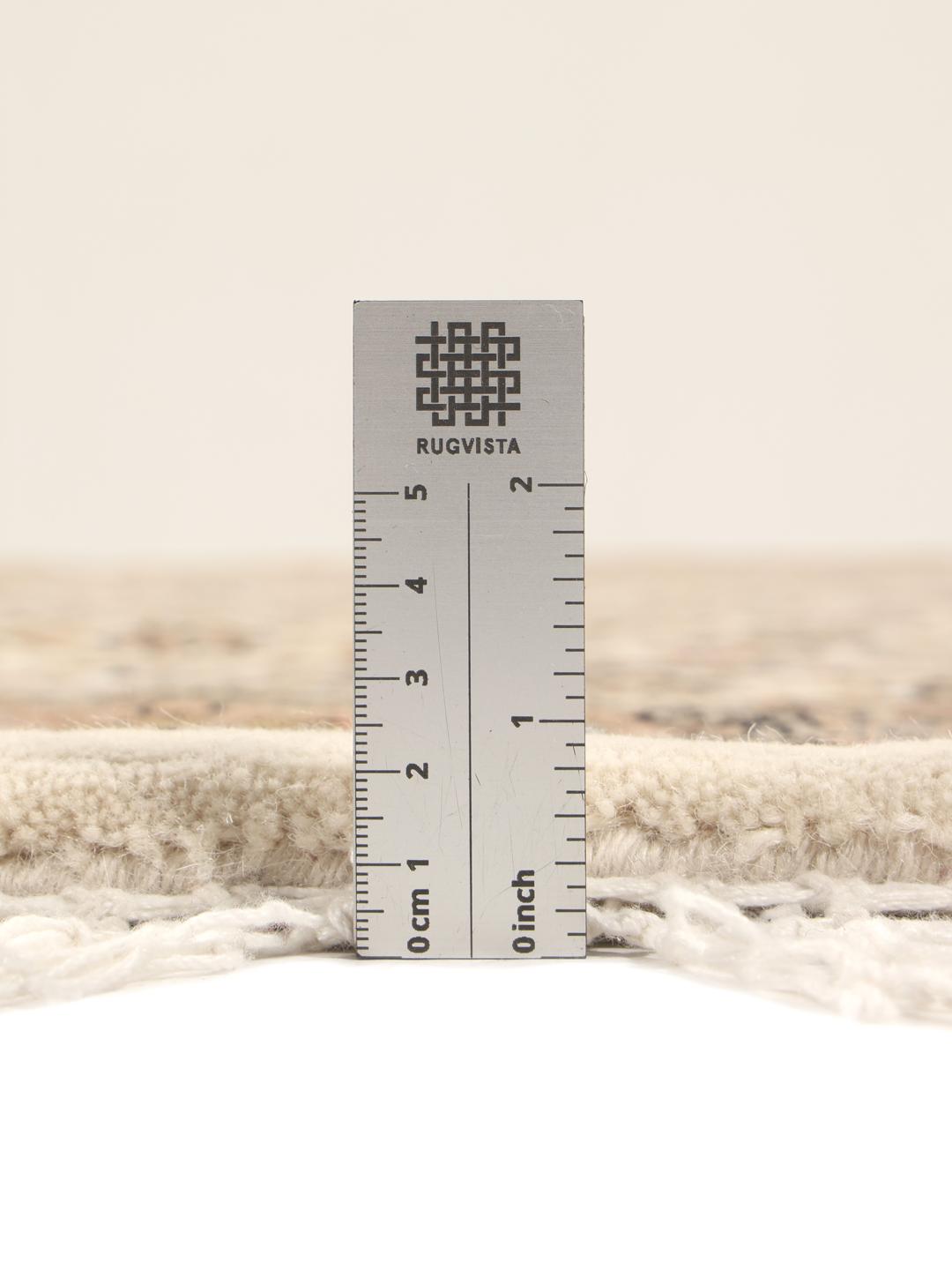
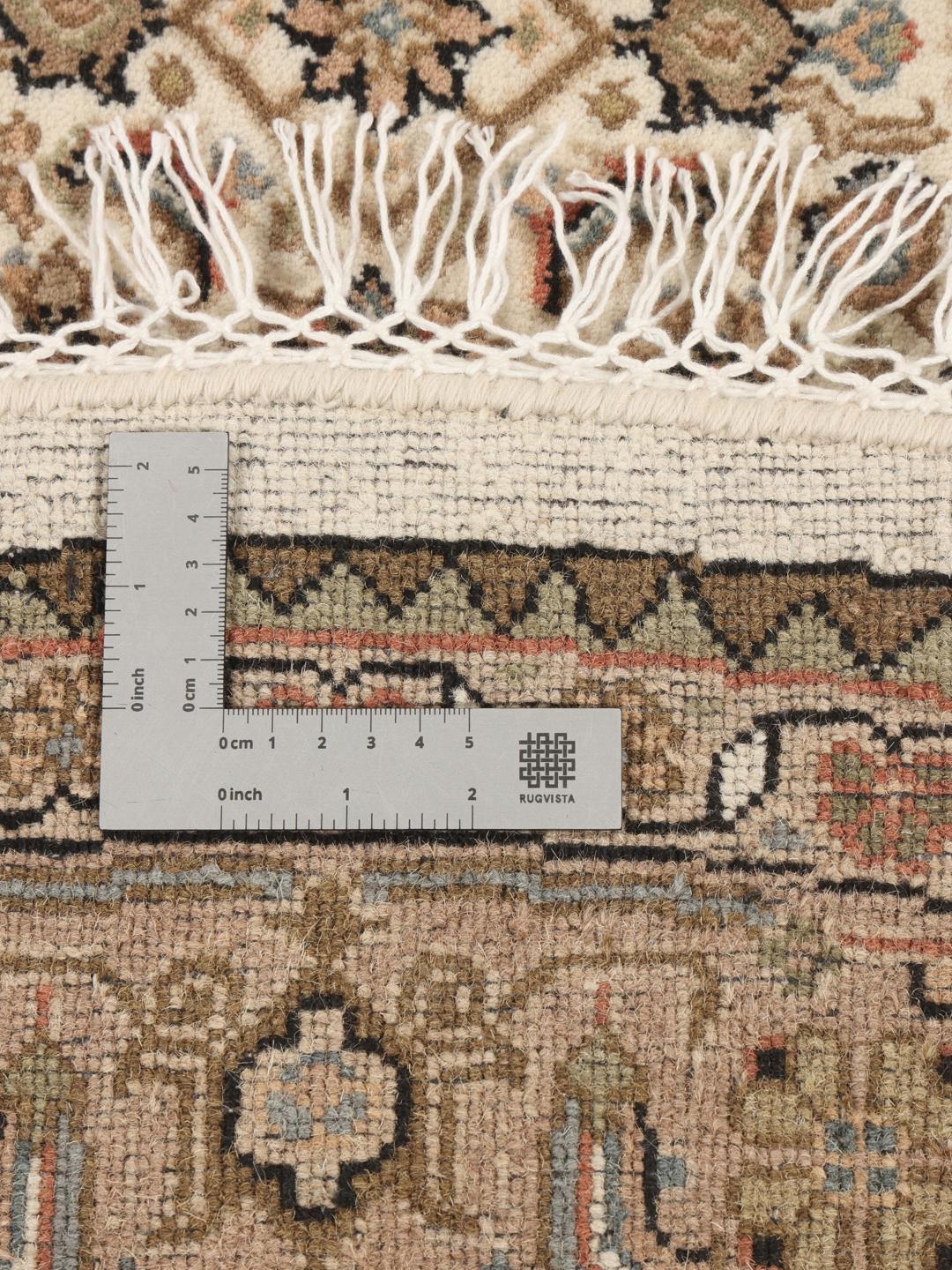
The term Bidjar refers to a specific style of weaving that prioritises strength and density. The foundation of these rugs is built to be incredibly sturdy, which allows the pile to remain upright and defined even after years of use. This construction style is what gives the rugs their legendary longevity and makes them a favourite for areas of the home that see regular activity.
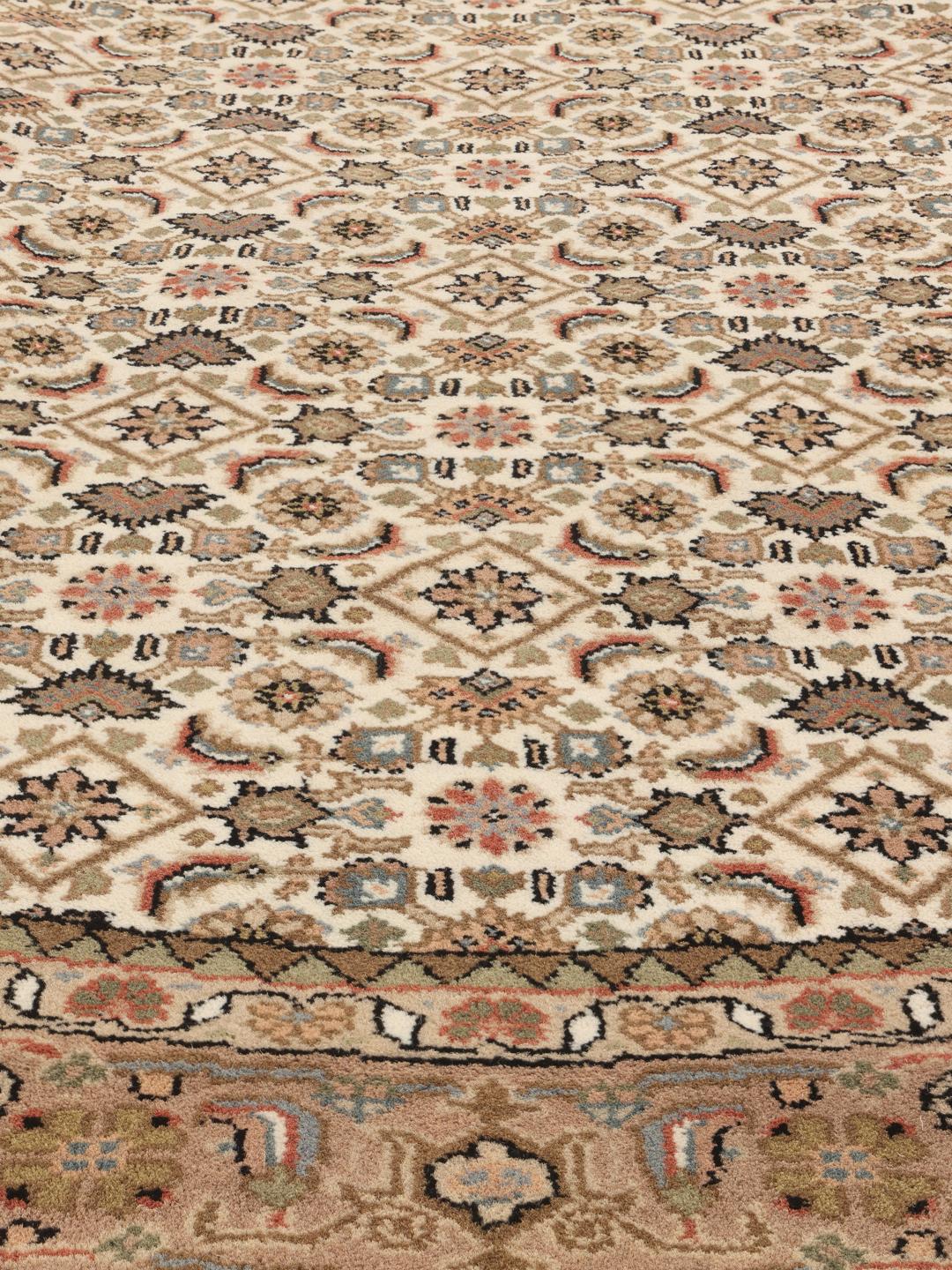
Visually, Bidjar rugs are characterised by their complex, often floral or geometric patterns that cover the field with precision. The designs frequently feature a central medallion surrounded by dense, flowing motifs that create a sense of harmony and balance. While traditional palettes often lean toward deep, earthy tones, the patterns themselves are a testament to the sophisticated design language that has been refined over centuries.
Collectors value Bidjar rugs not just for their aesthetic appeal, but for the immense skill required to produce them. Owning one is a mark of appreciation for a craft that has survived and adapted through generations of cultural exchange. It represents a commitment to quality and a connection to a global heritage that prioritises beauty, utility, and the human hand in every stitch.