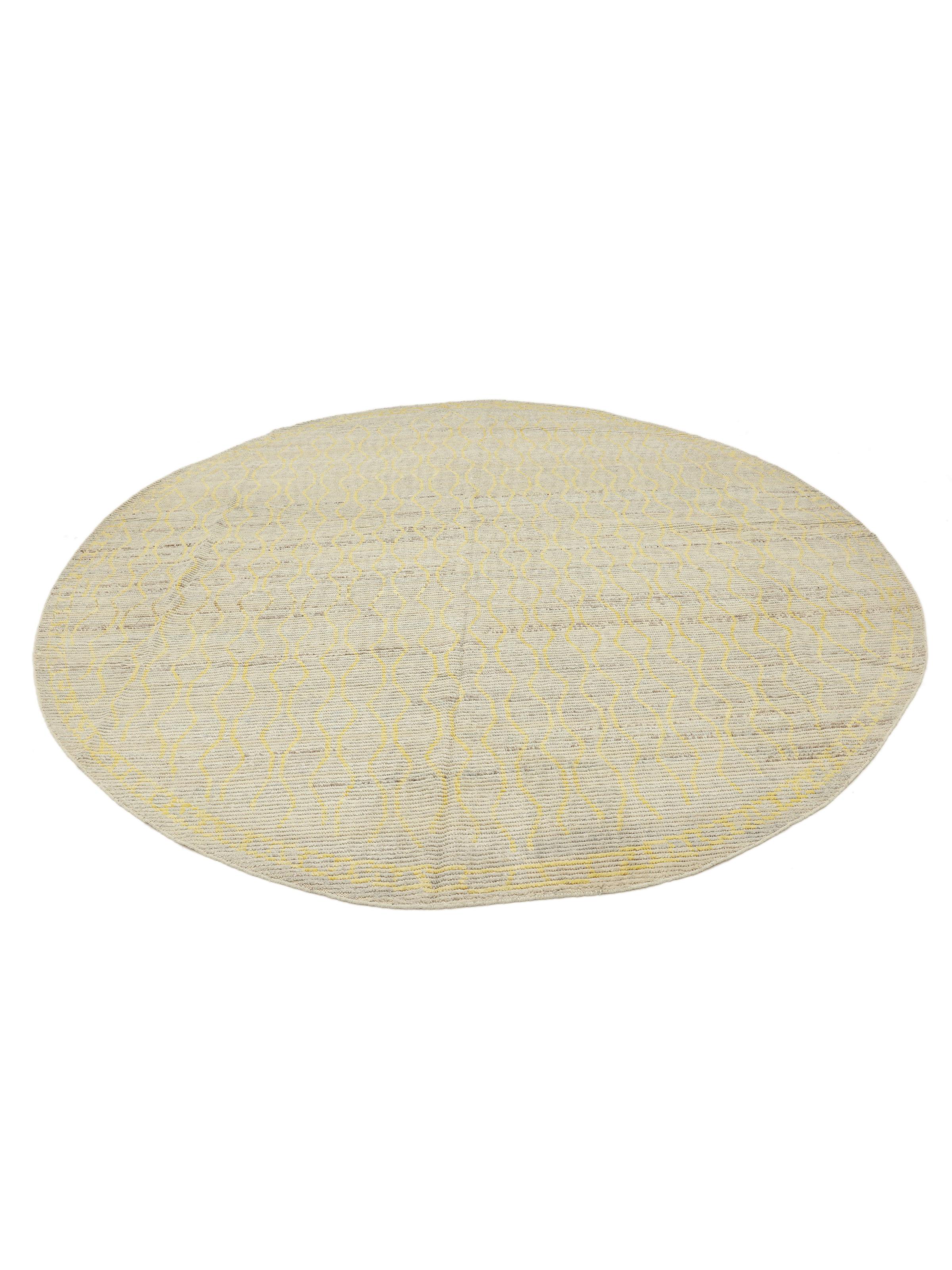
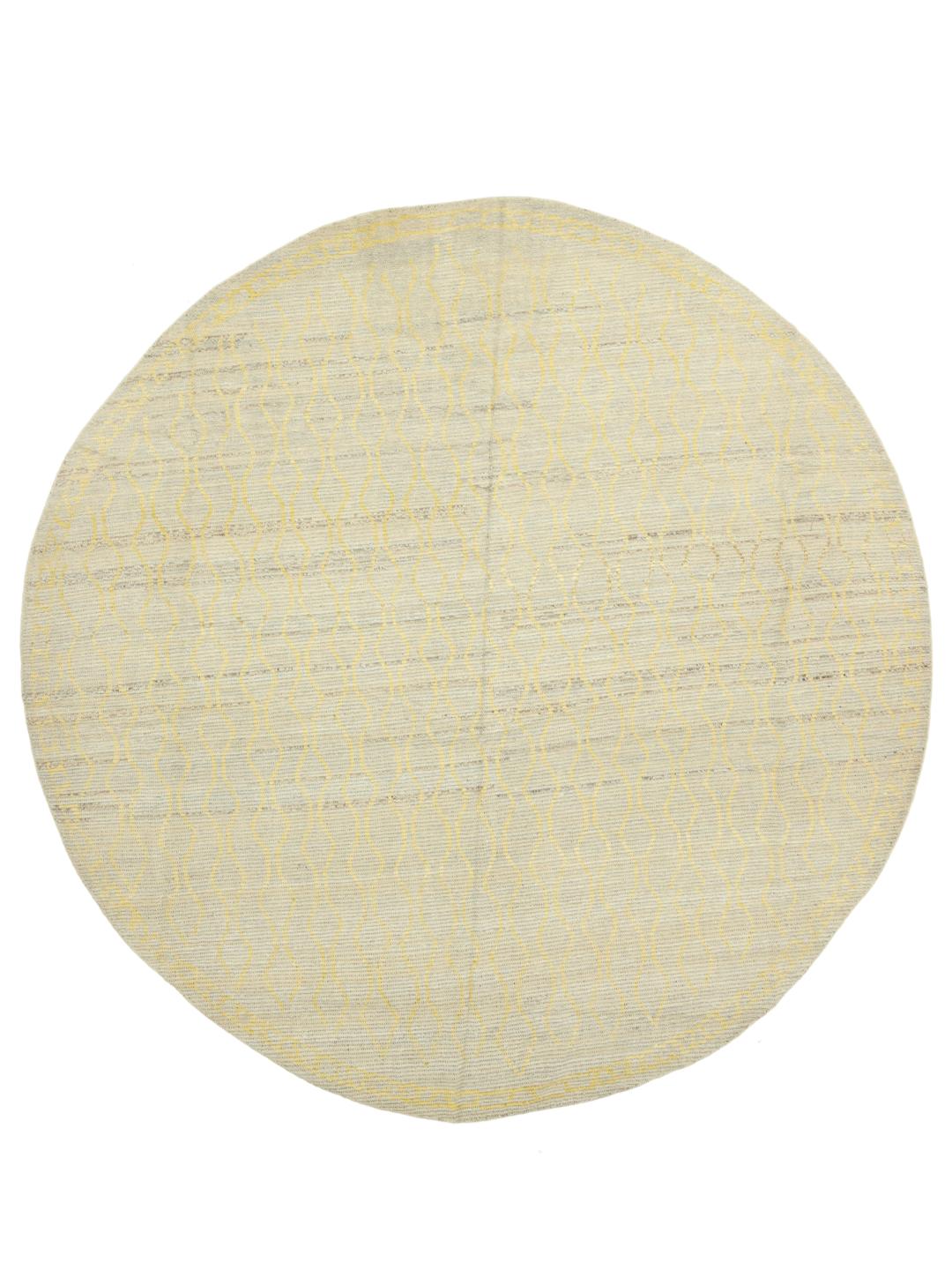
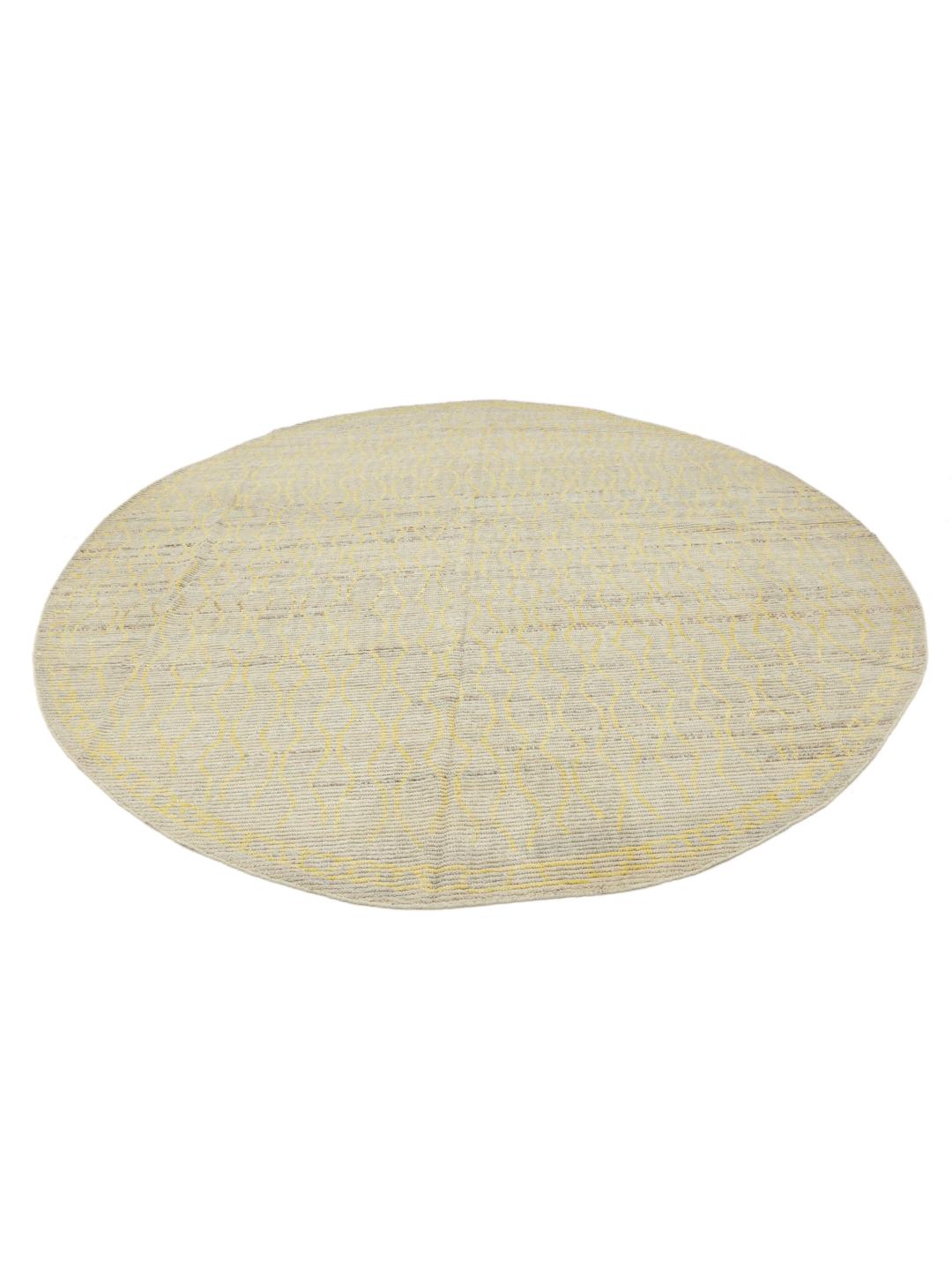
The Berber style tradition draws inspiration from the ancient weaving practices of North African tribes, known for their focus on natural materials and minimalist, symbolic motifs. Over the decades, these techniques have travelled and evolved, finding a home in various regions across the Middle East and Central Asia, including Afghanistan.
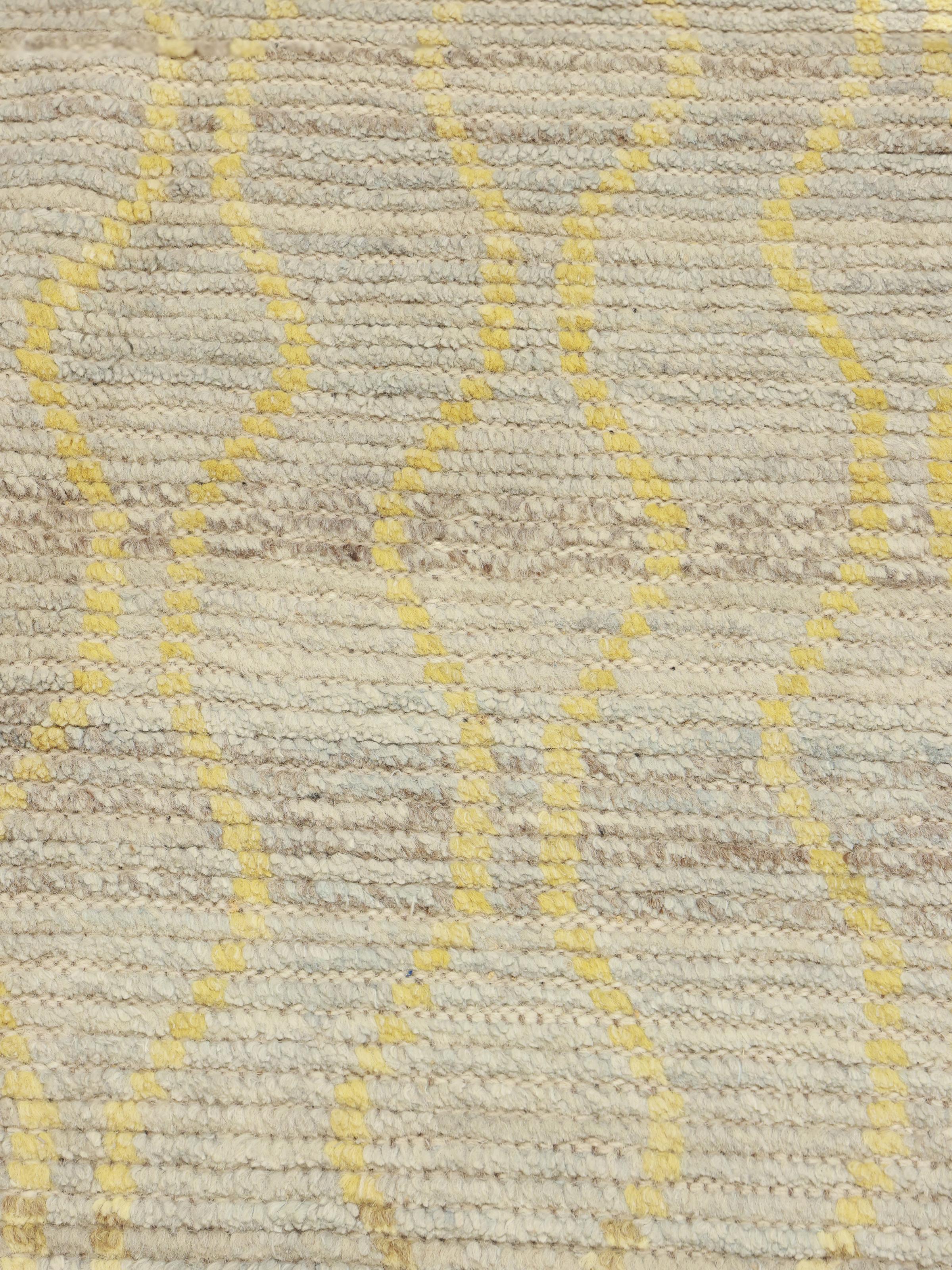
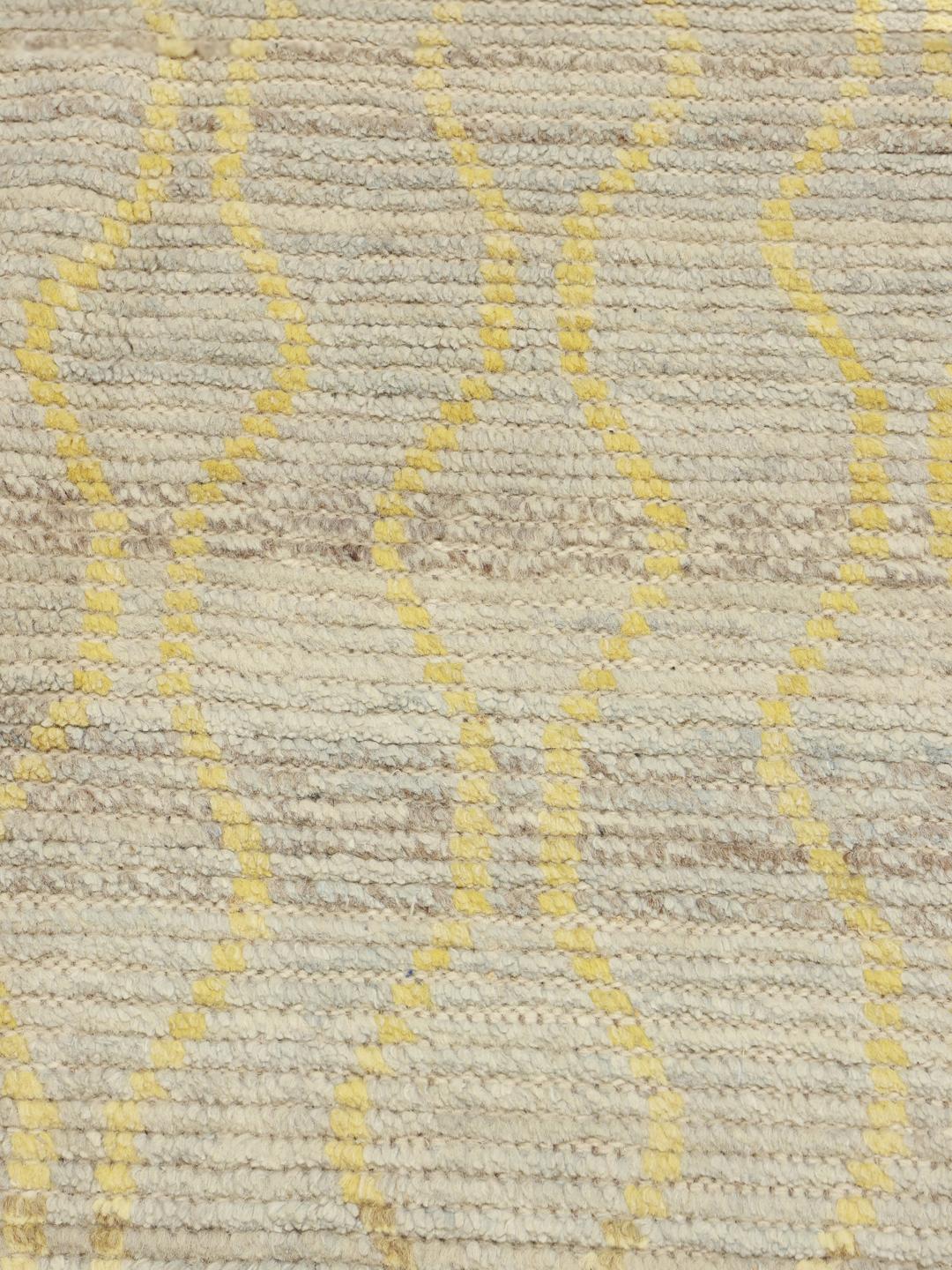
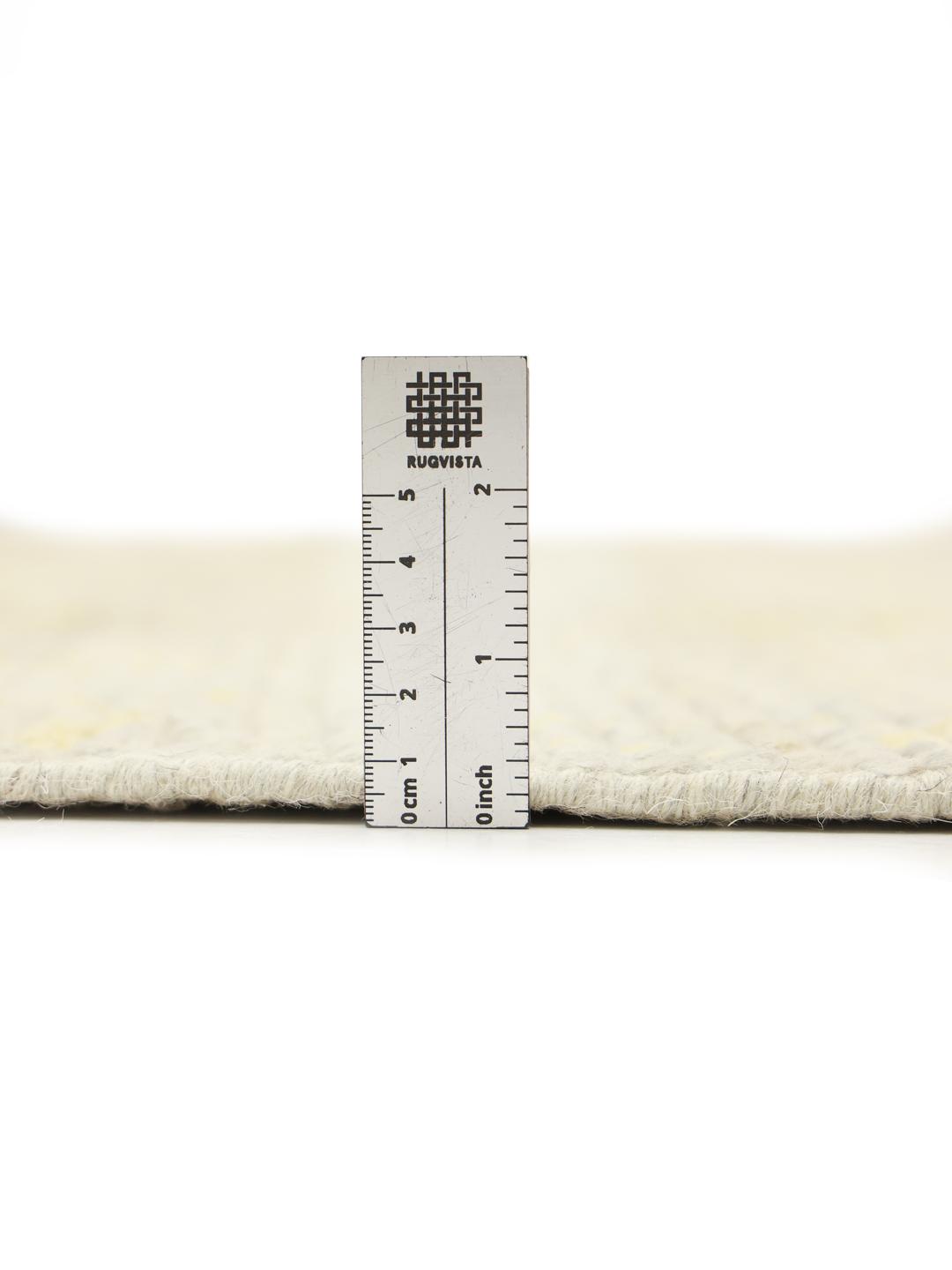
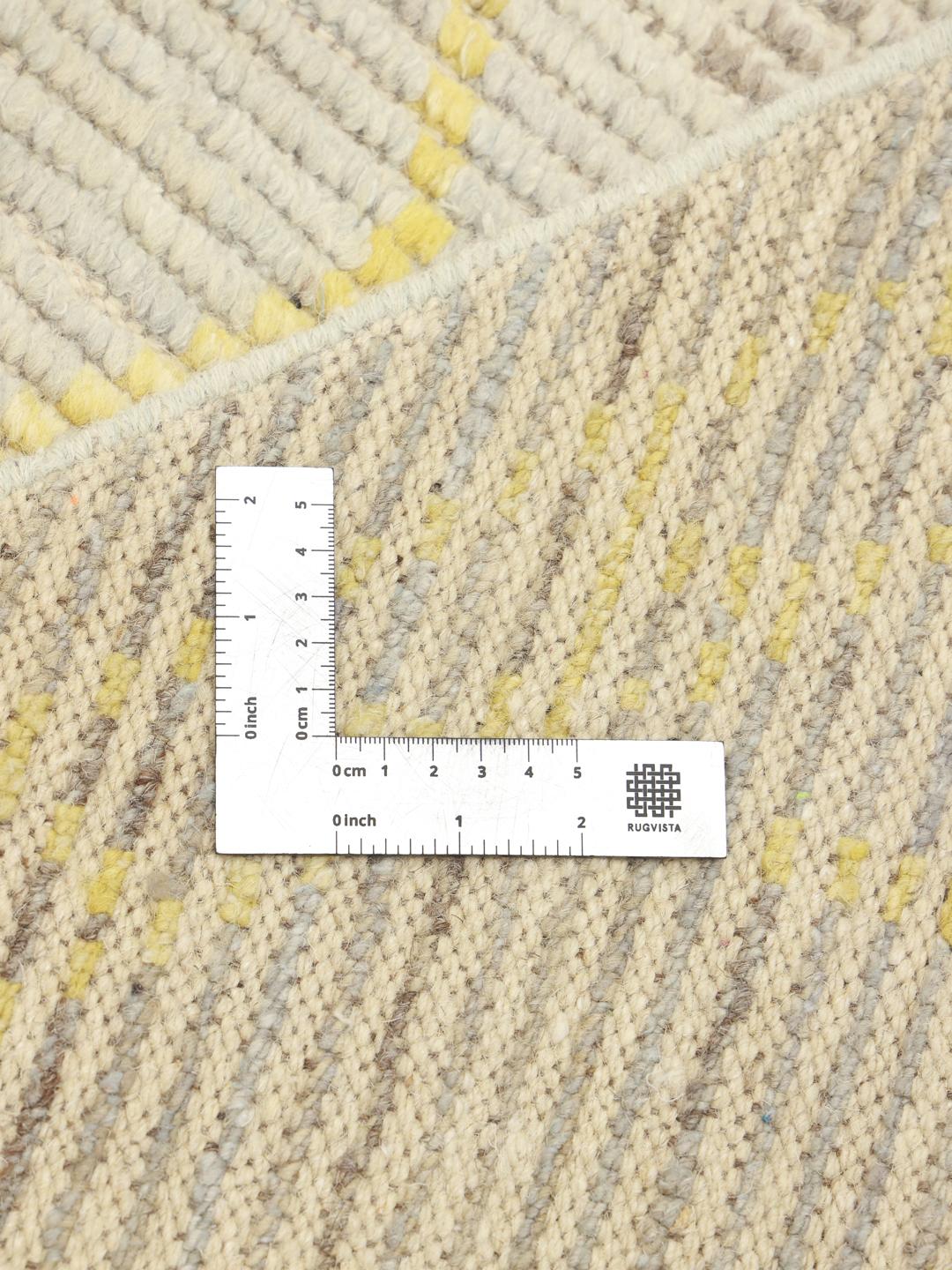
Technical mastery in rug making is often measured by the consistency of the weave and the quality of the Wool. By utilising traditional hand-knotting, artisans are able to achieve a dense, uniform pile that is inherently more durable and lustrous than machine-made alternatives. This depth of construction is a hallmark of the craft.
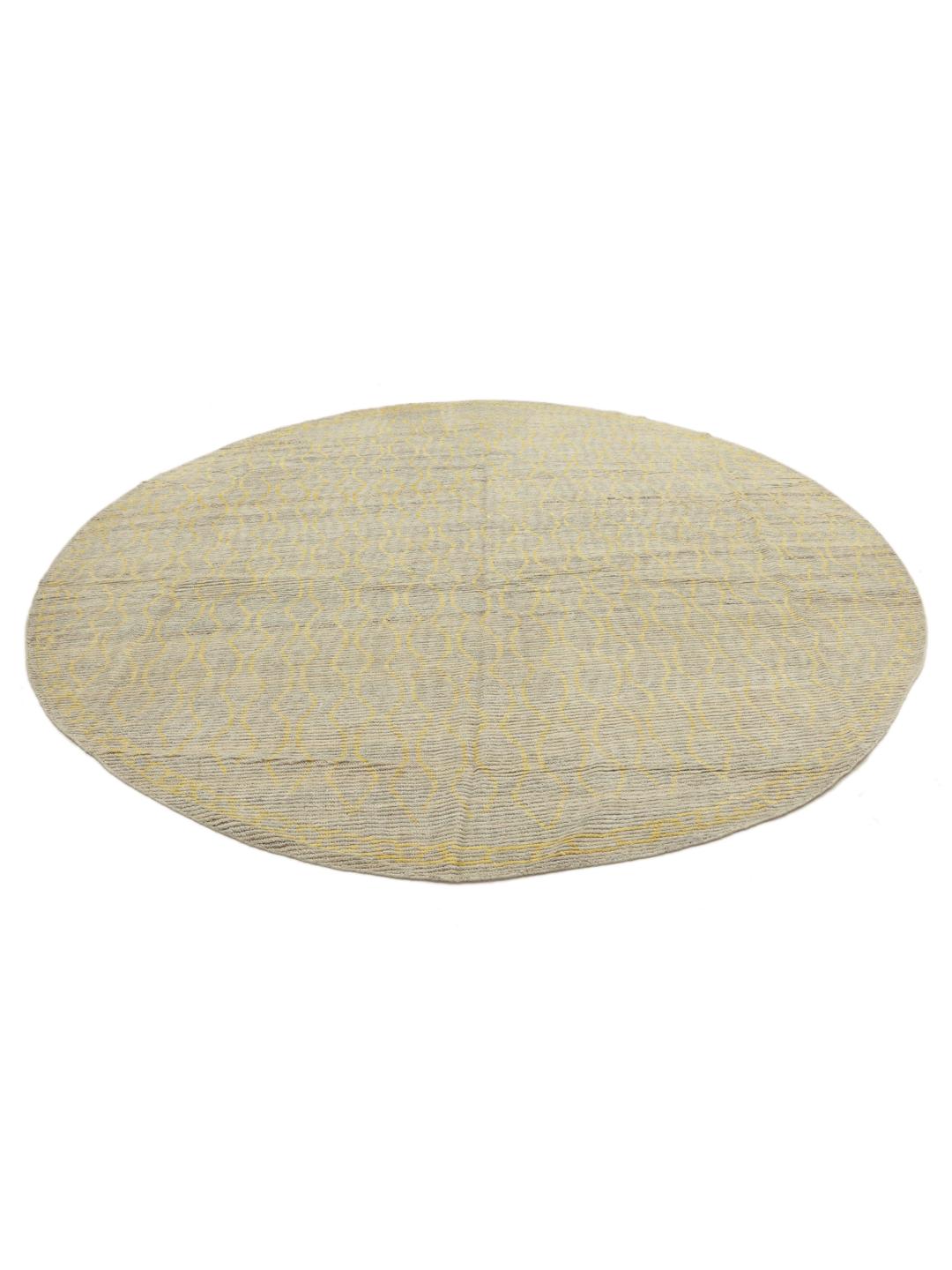
While traditional Berber rugs often feature high-contrast tribal symbols, this particular piece embraces a more subtle, organic aesthetic. The flowing, diamond-like lines integrated into the neutral field showcase a contemporary evolution of the style, demonstrating how traditional techniques can adapt to modern design sensibilities.
Collecting a hand-knotted rug is an investment in cultural heritage and long-lasting quality. These pieces are valued not only for their aesthetic appeal but for the human story woven into every fibre, representing a tradition of skill that connects the owner to a global history of textile artistry.