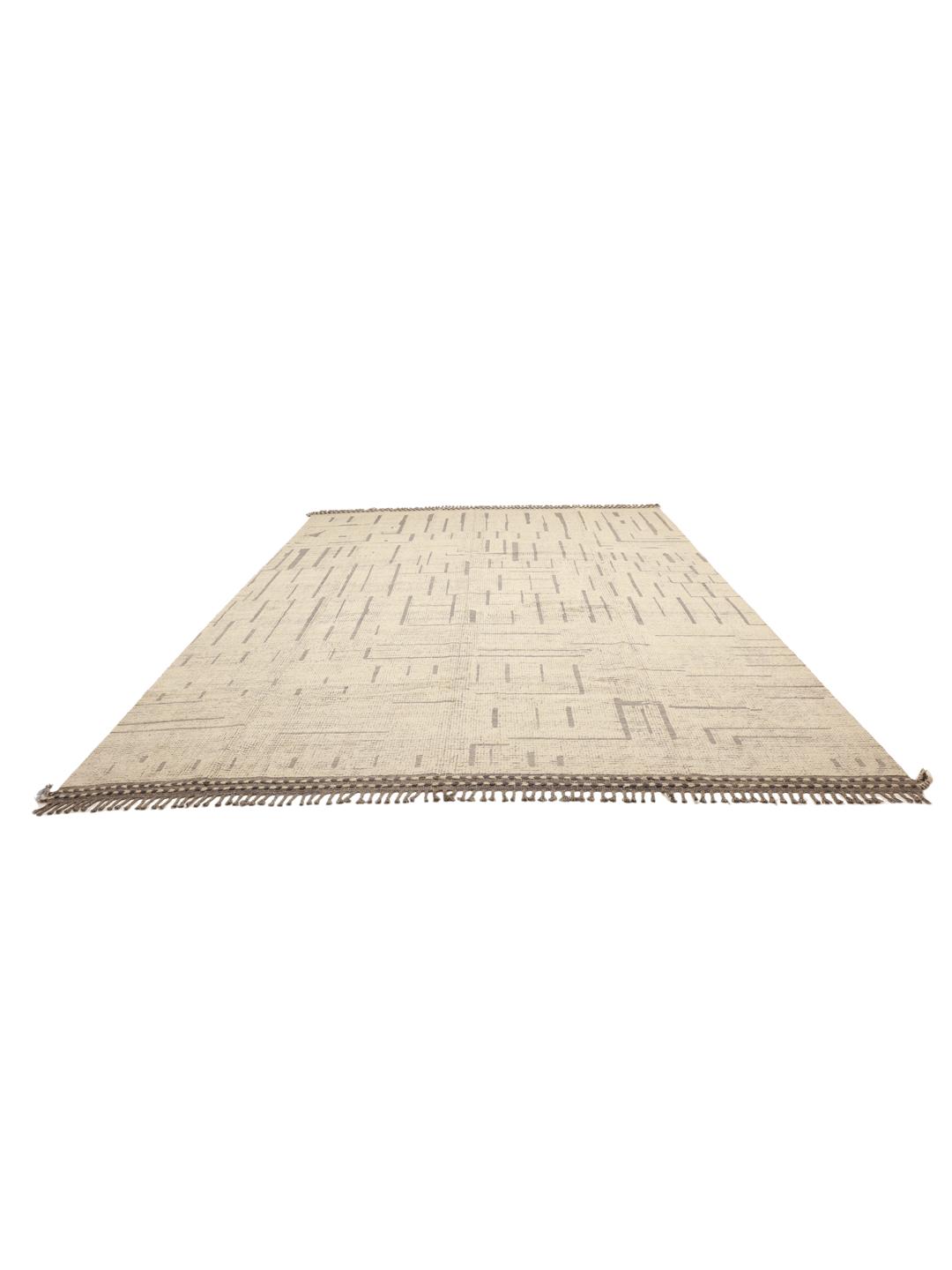
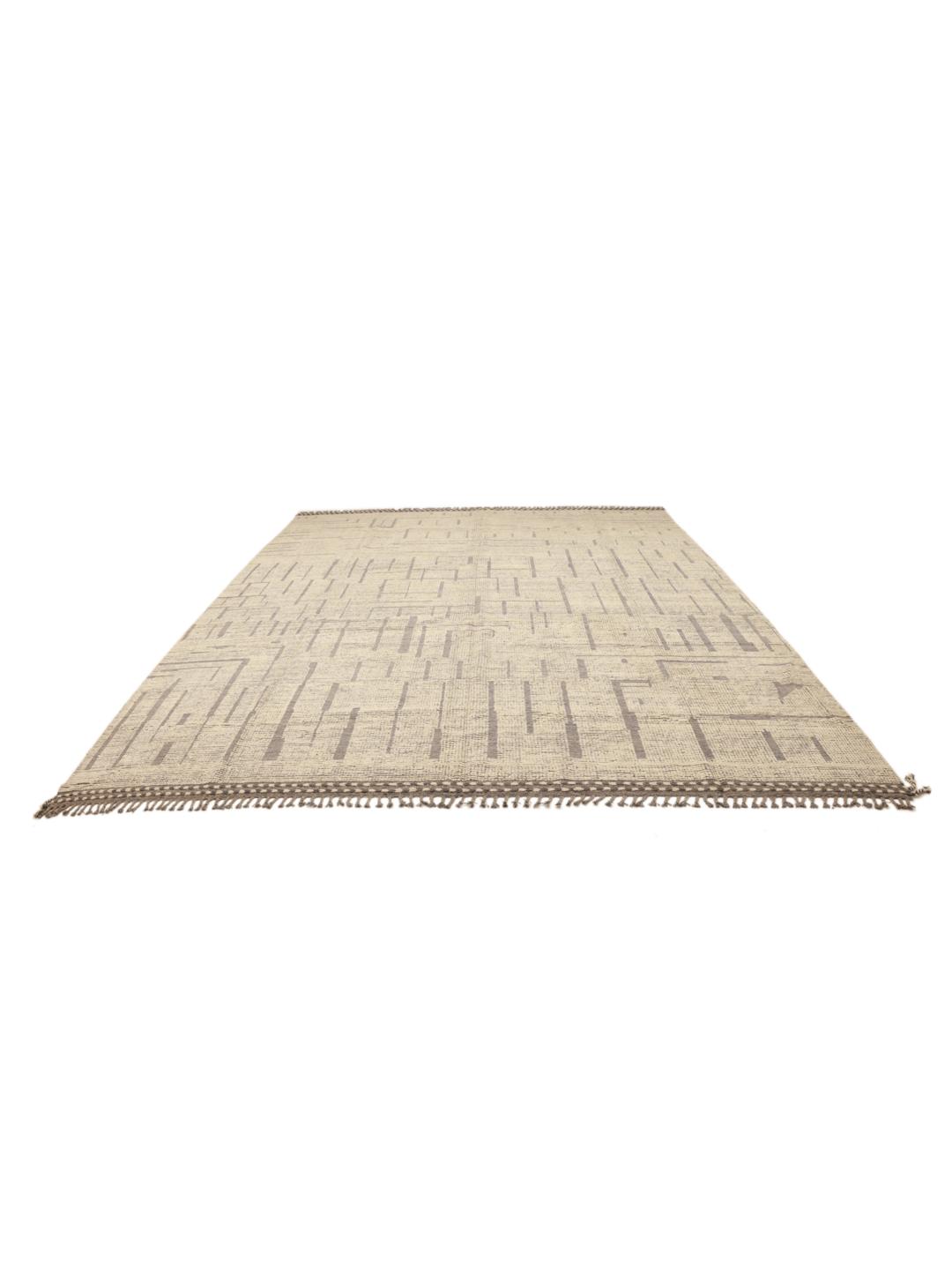
The Berber style originates from the nomadic tribes of North Africa, who have long woven rugs to serve as both functional bedding and expressive artistic statements. These rugs were traditionally characterised by their thick, plush Wool and spontaneous, often abstract geometric motifs that reflected the weaver's personal stories and surroundings. Today, the influence of this aesthetic has travelled far beyond its mountainous origins, inspiring weavers globally to adopt its minimalist and earthy spirit.
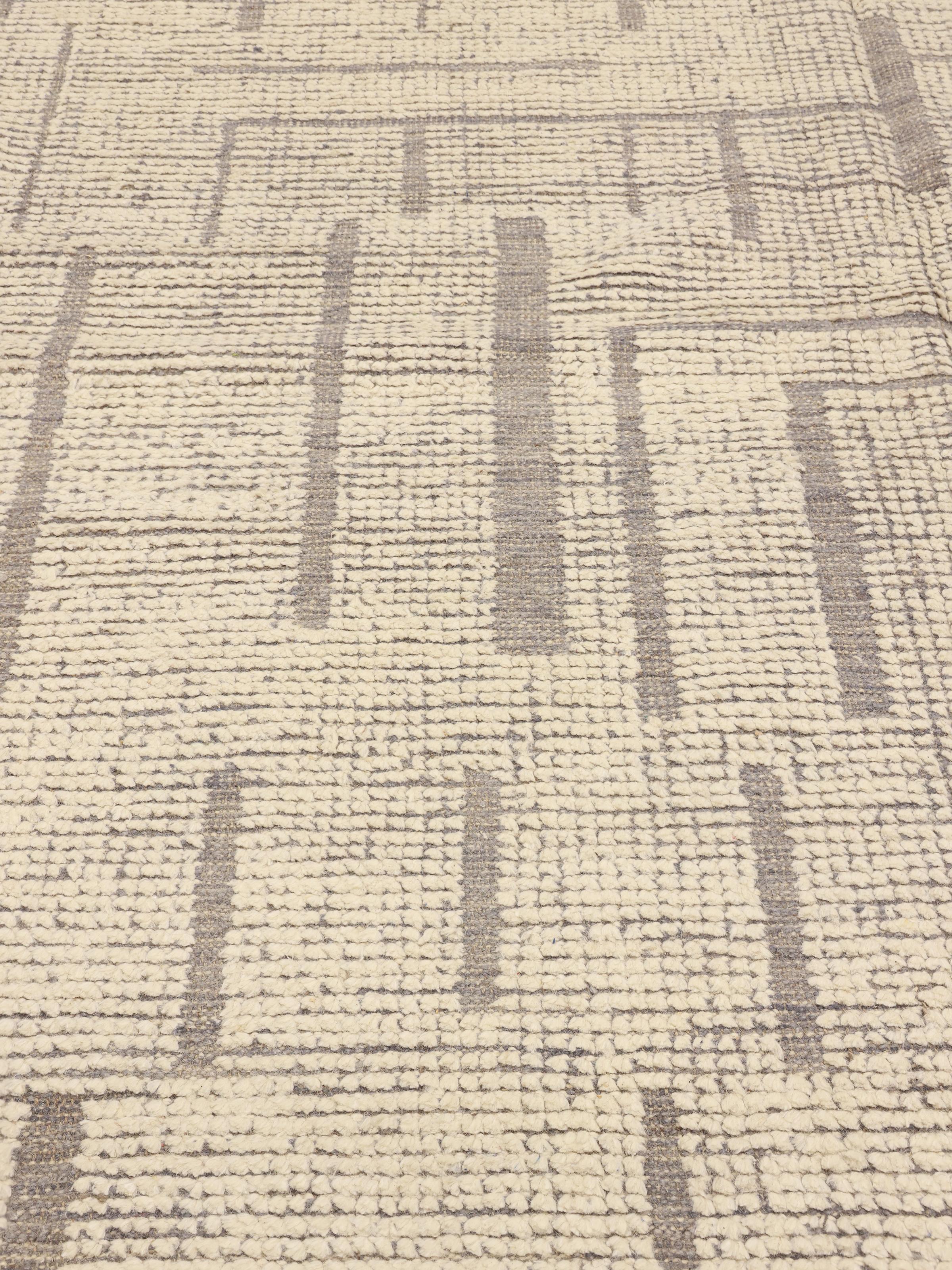
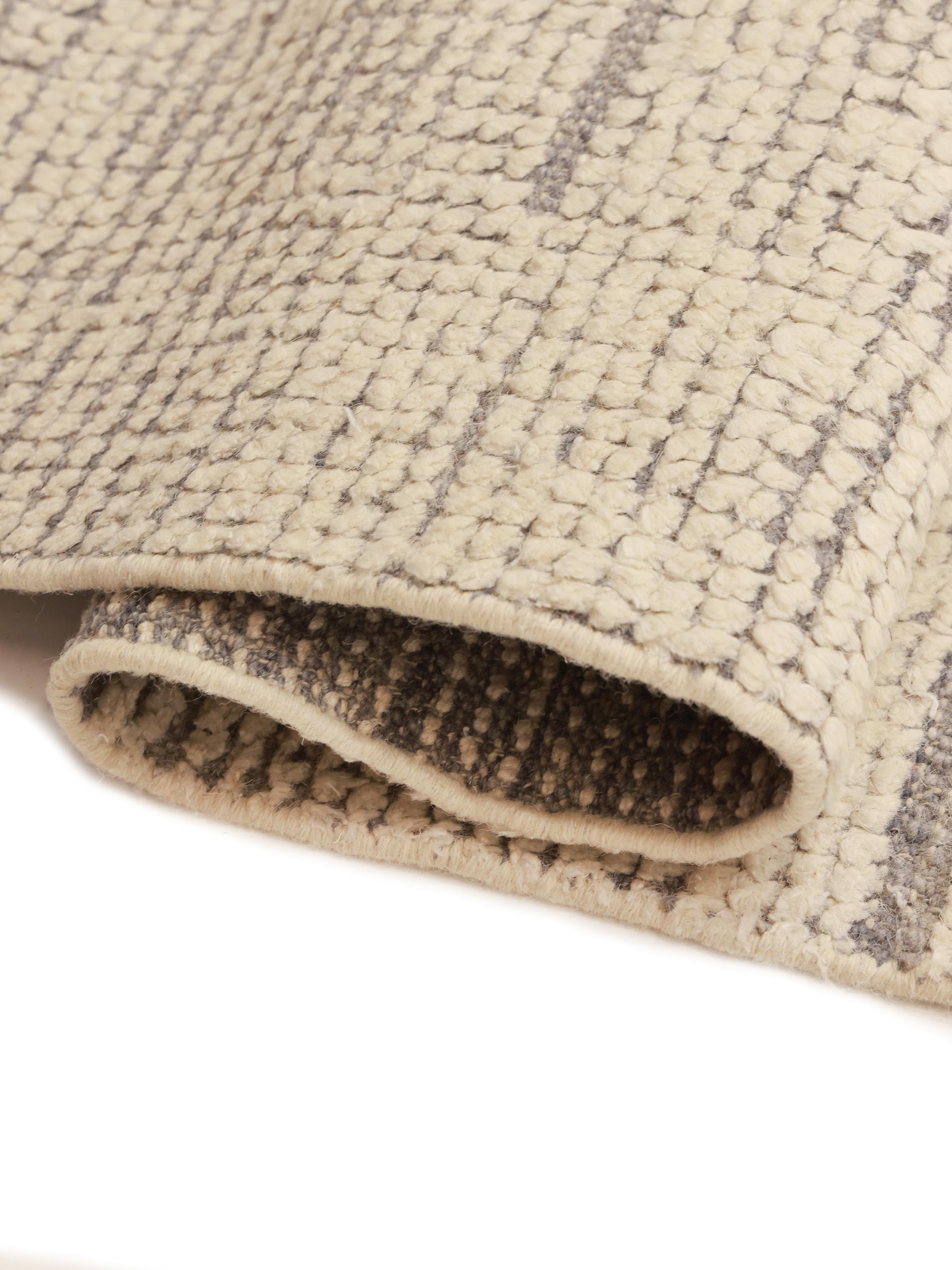
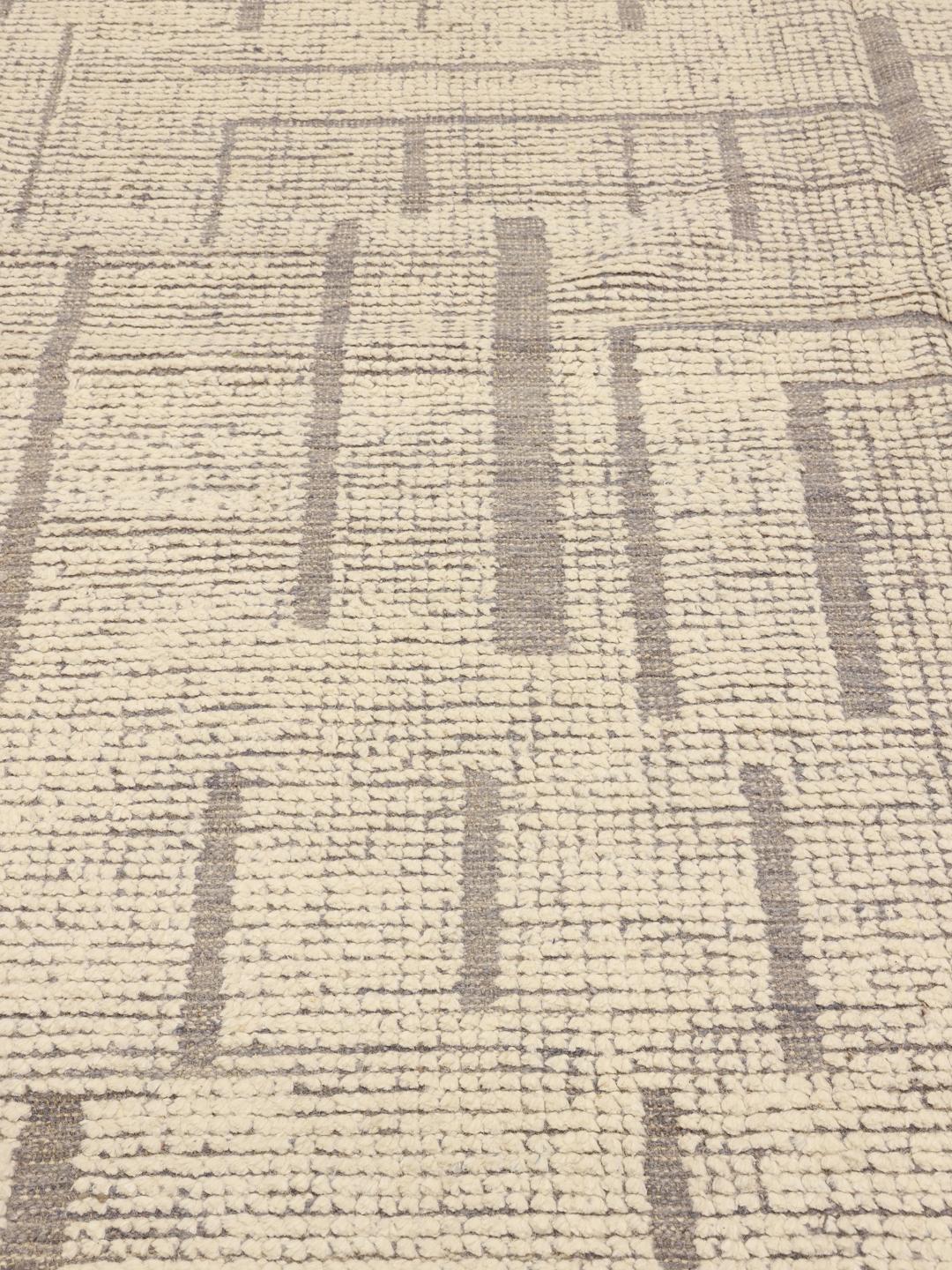
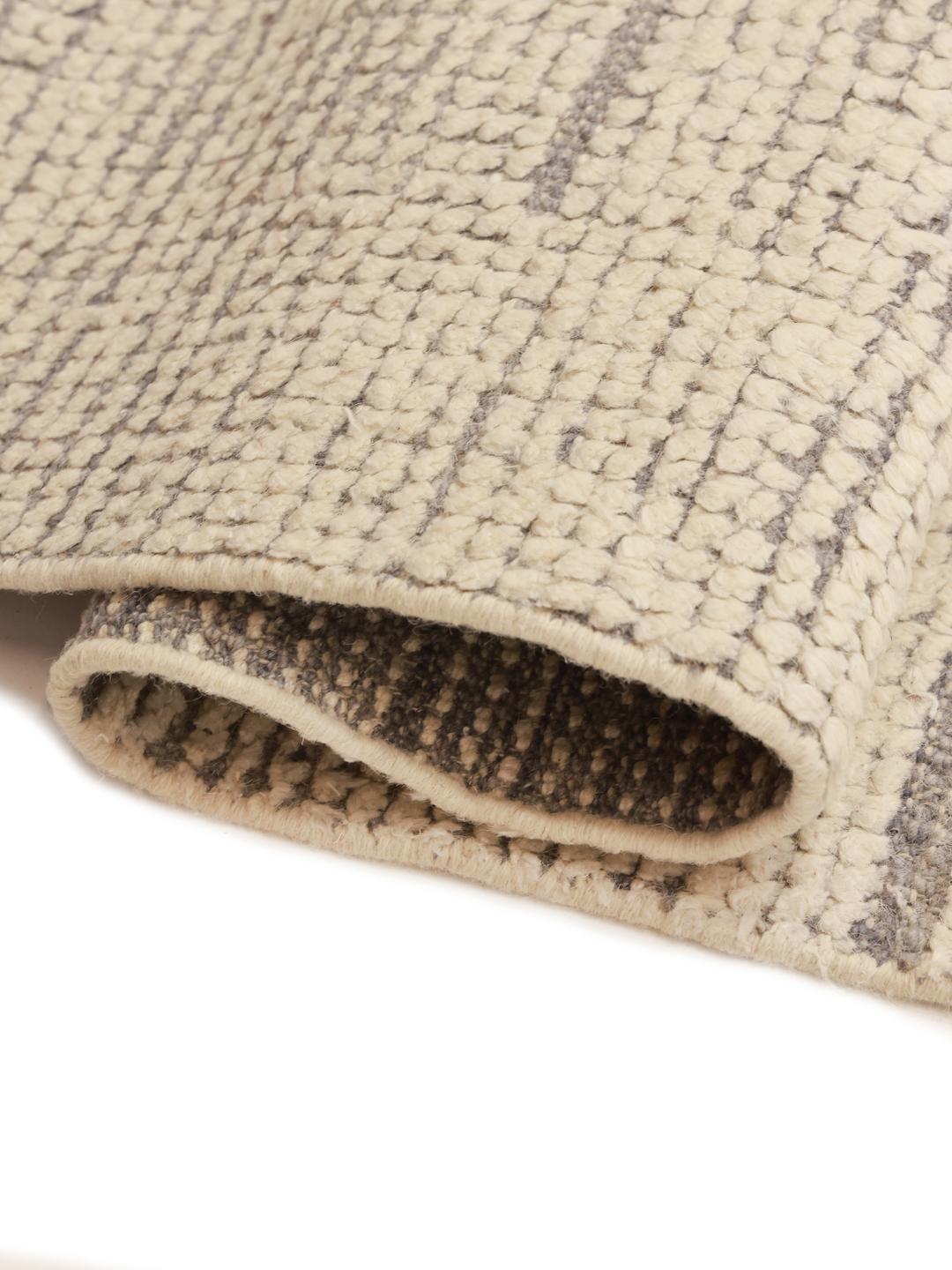
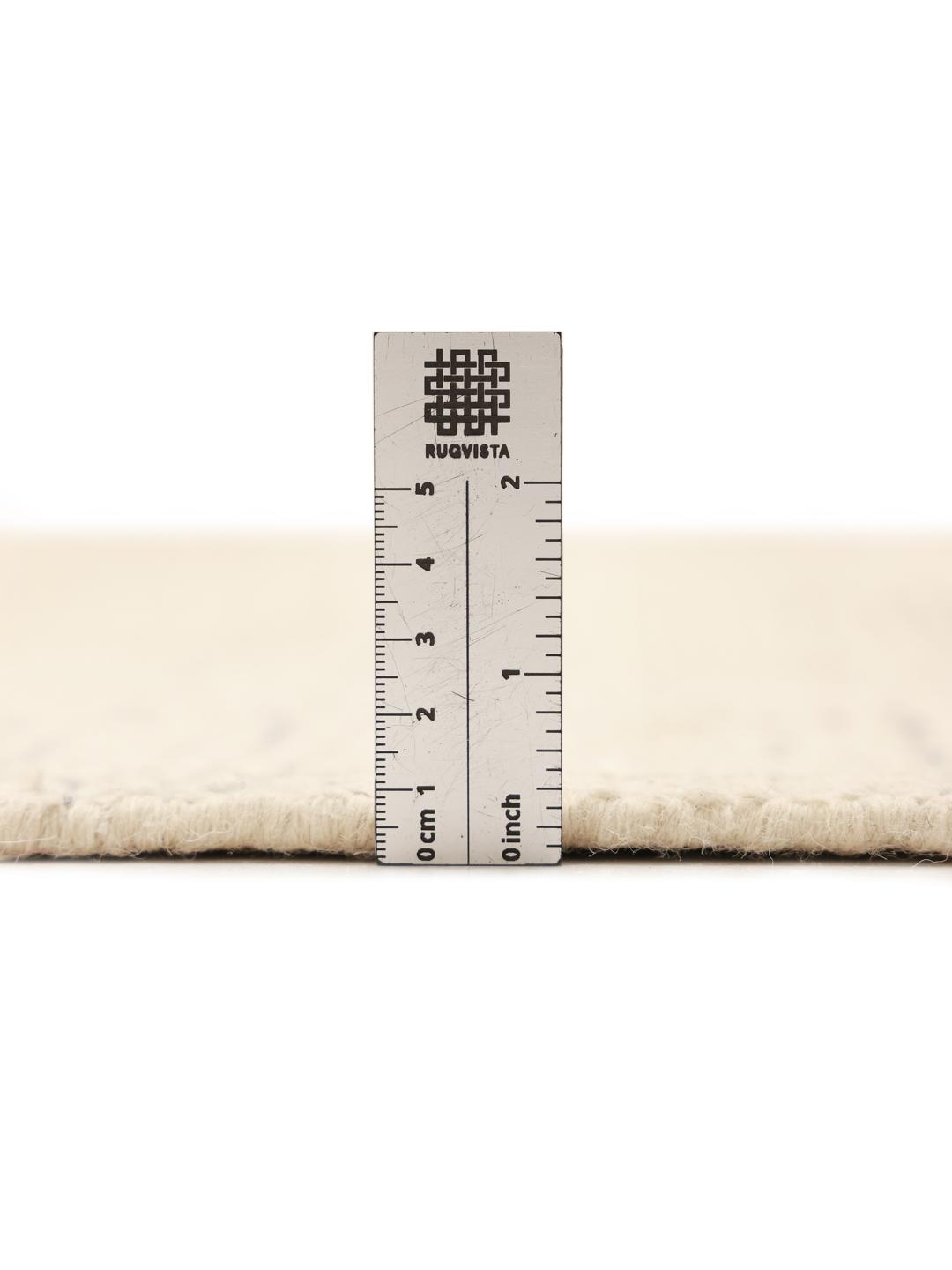
The term hand-knotted refers to a traditional technique where individual strands of Wool are tied around the foundation threads by hand. This method is the hallmark of premium rug making, as it allows for a high degree of control over the density and pattern of the pile. Unlike machine-made alternatives, hand-knotted rugs are built to last for generations, with the knots tightening over time as the rug is used, which enhances its durability and long-term value.
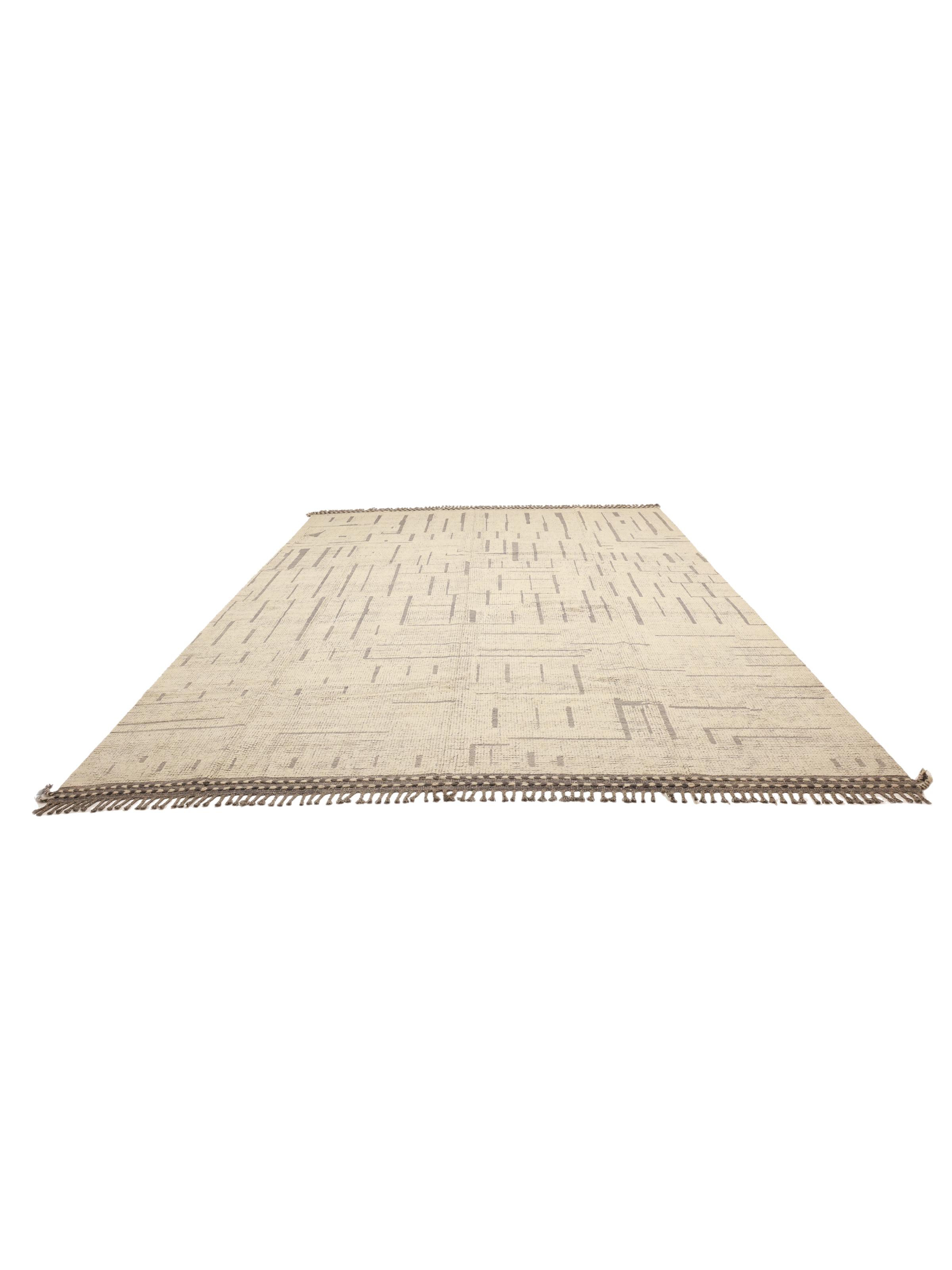
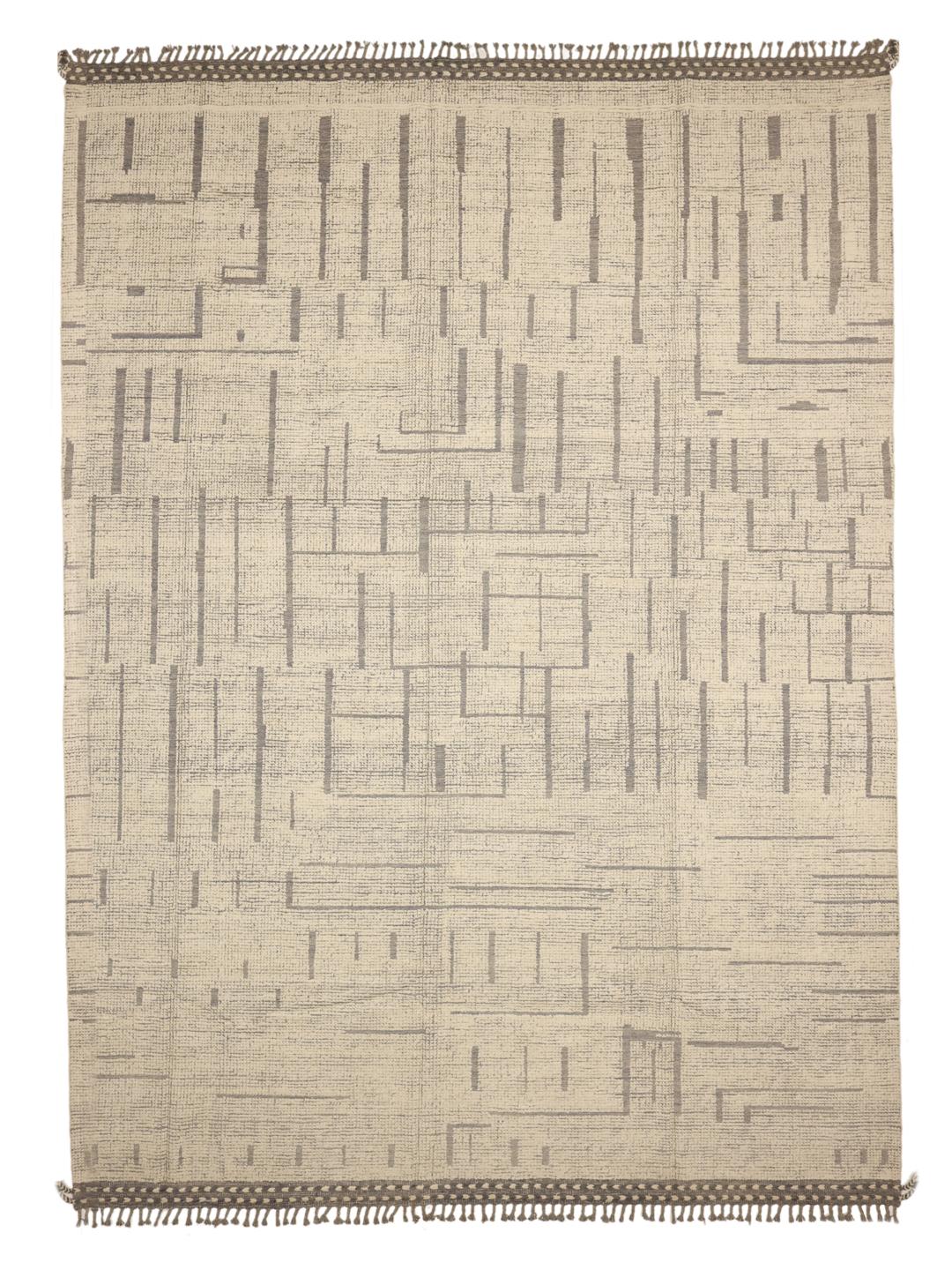
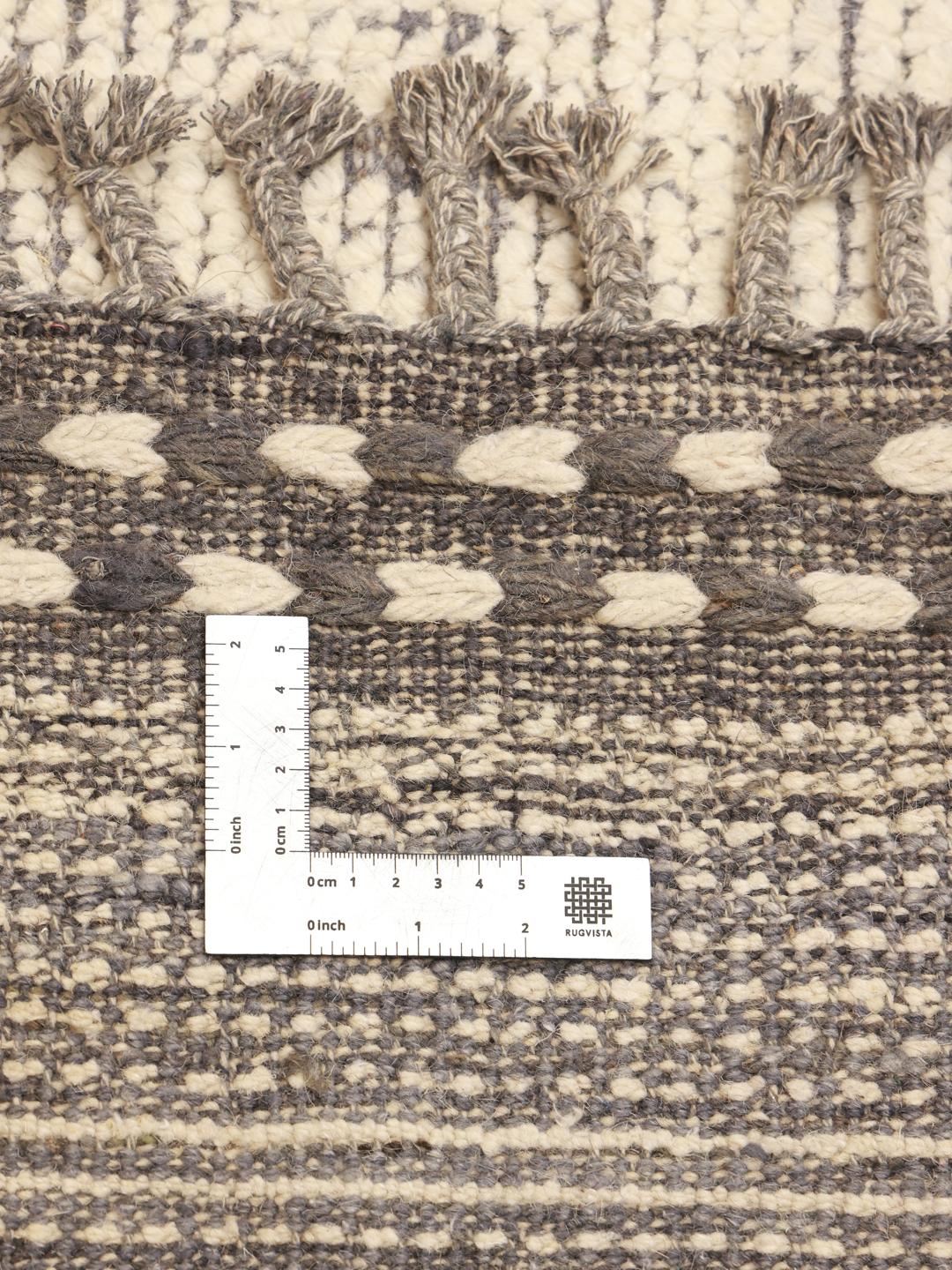
Visually, this rug draws on the tradition of using clean, geometric lines to create a dynamic yet uncluttered field. While many Berber-inspired rugs focus on diamond shapes, this particular piece highlights linear structures, offering a more contemporary take on the classic style. The use of a neutral base with contrasting darker lines creates a sophisticated, understated elegance that is a signature of this modern design evolution.
Collecting a hand-knotted piece from this tradition is an investment in cultural heritage and human skill. Because each rug is created without the aid of automated machinery, it embodies the patience and expertise of the artisan who made it. Owning a piece like this means you are preserving a craft that values slow, deliberate work over speed, resulting in an object that is as culturally significant as it is beautiful.