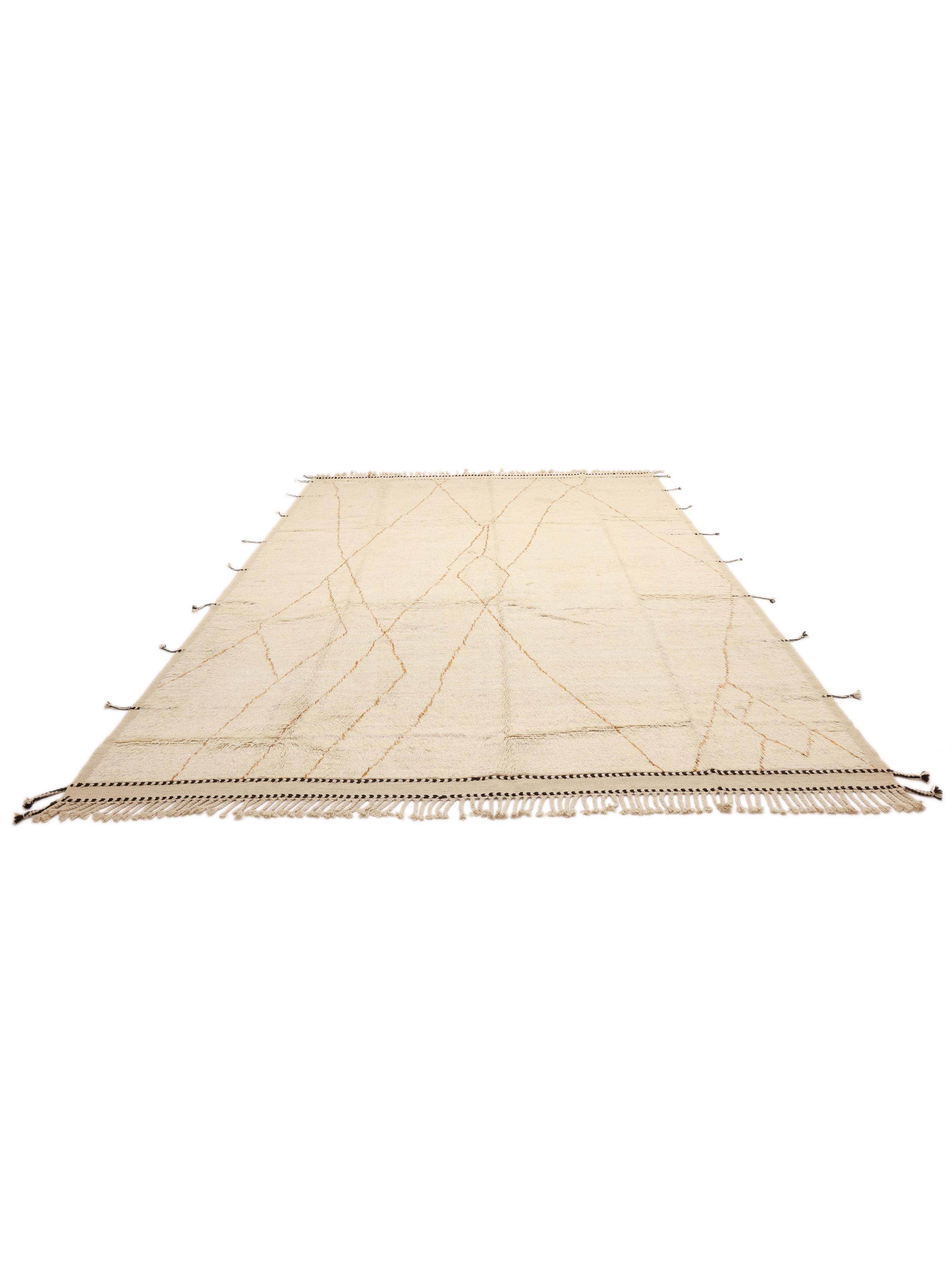
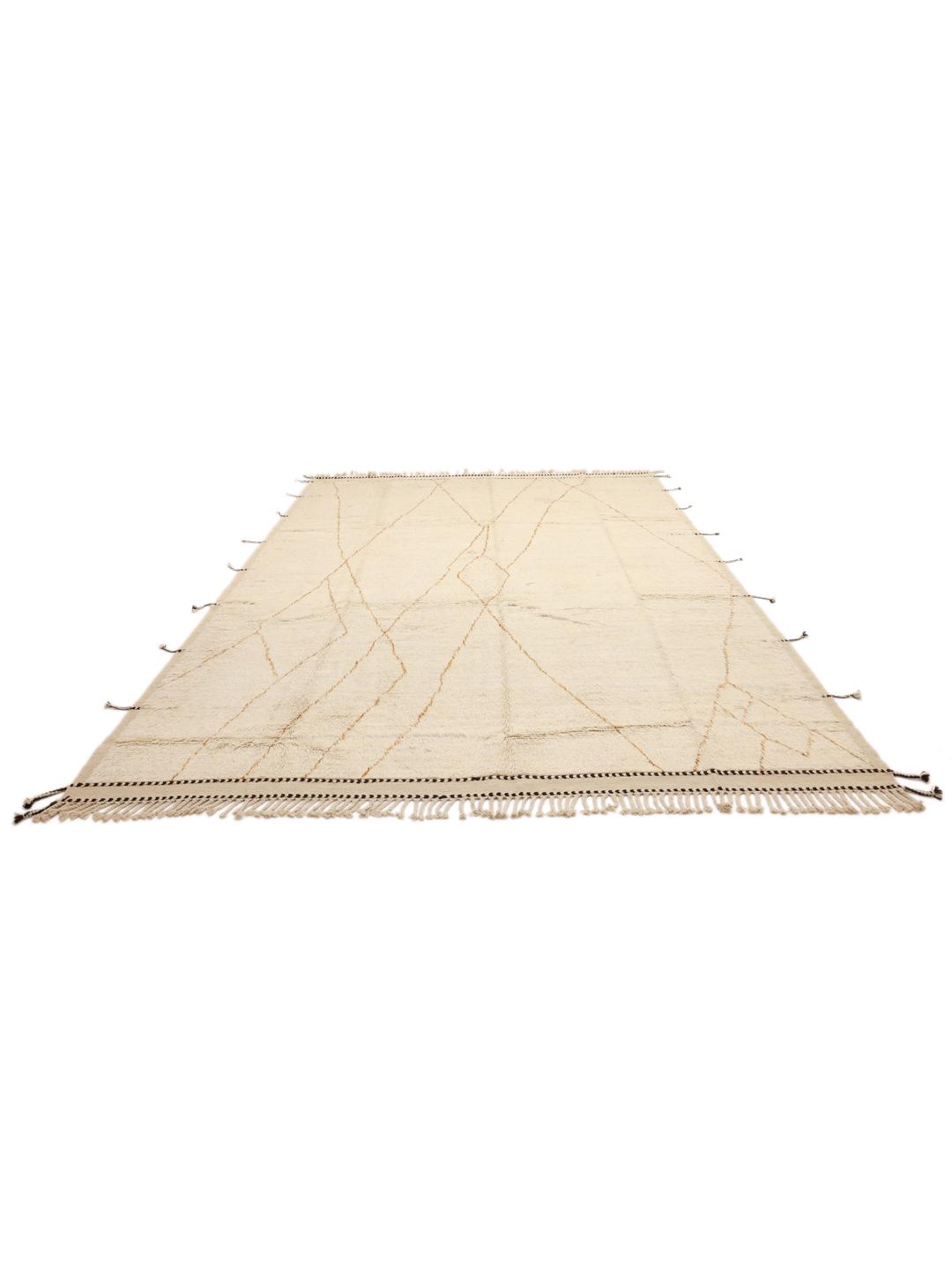
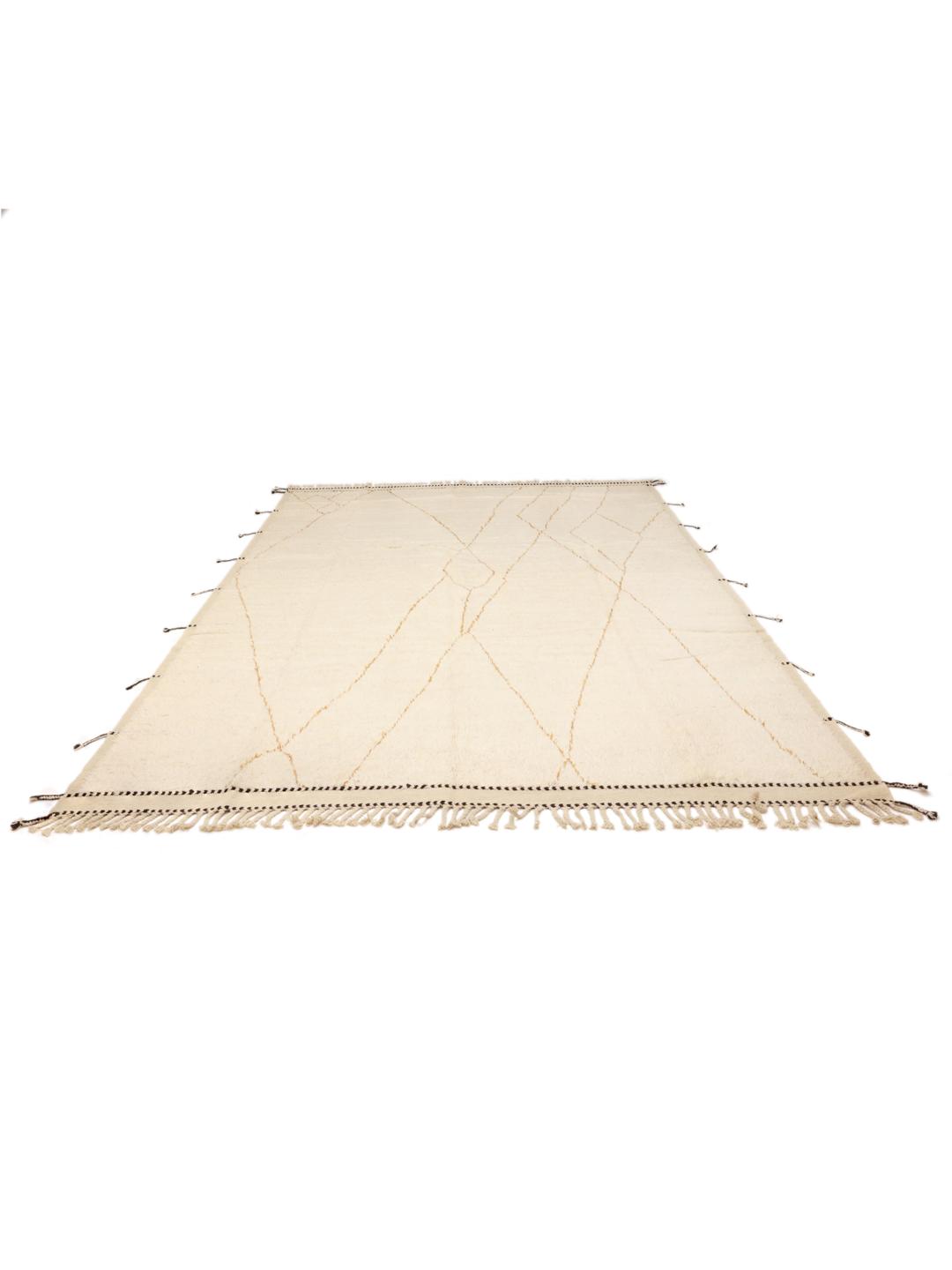
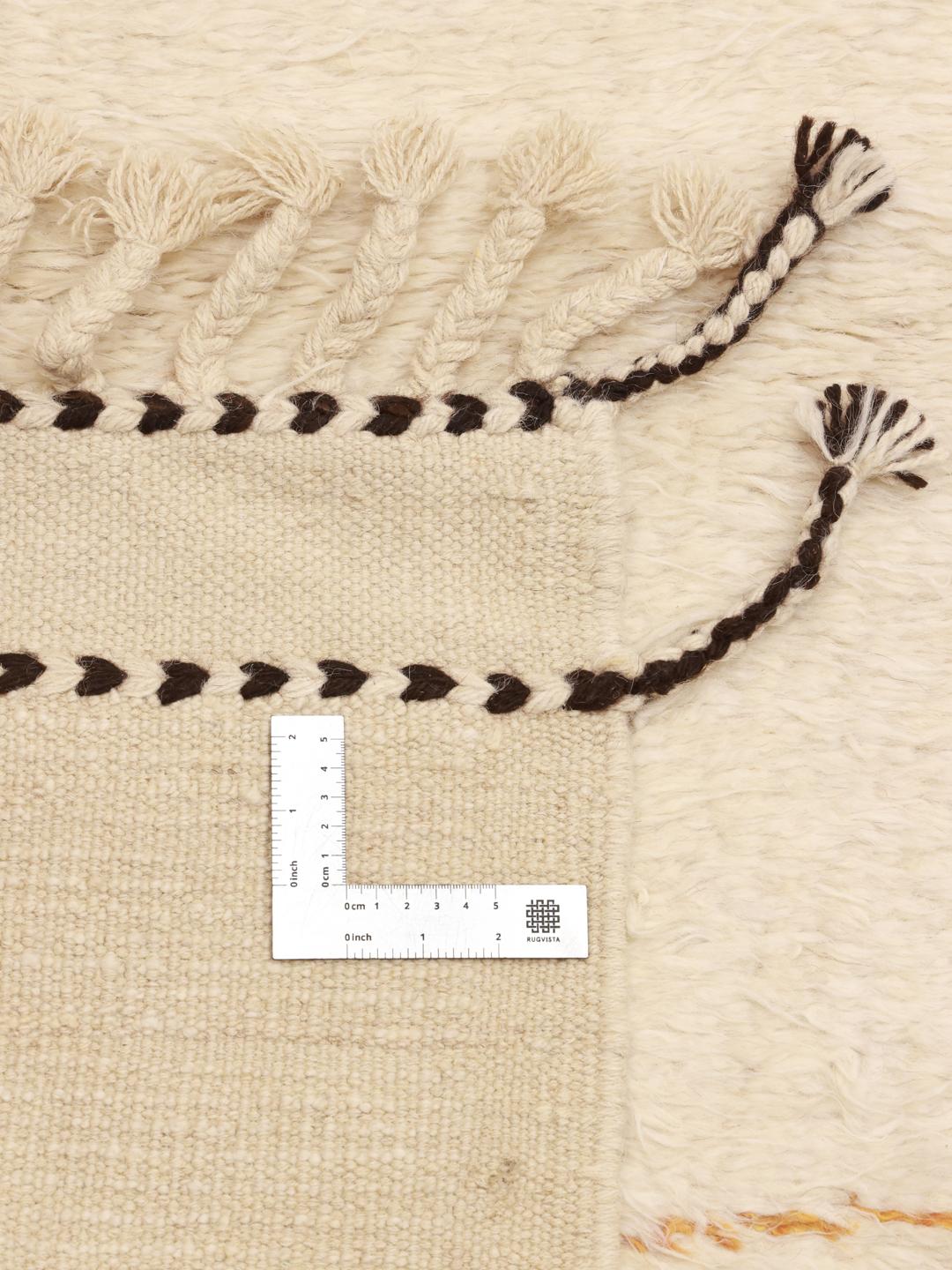
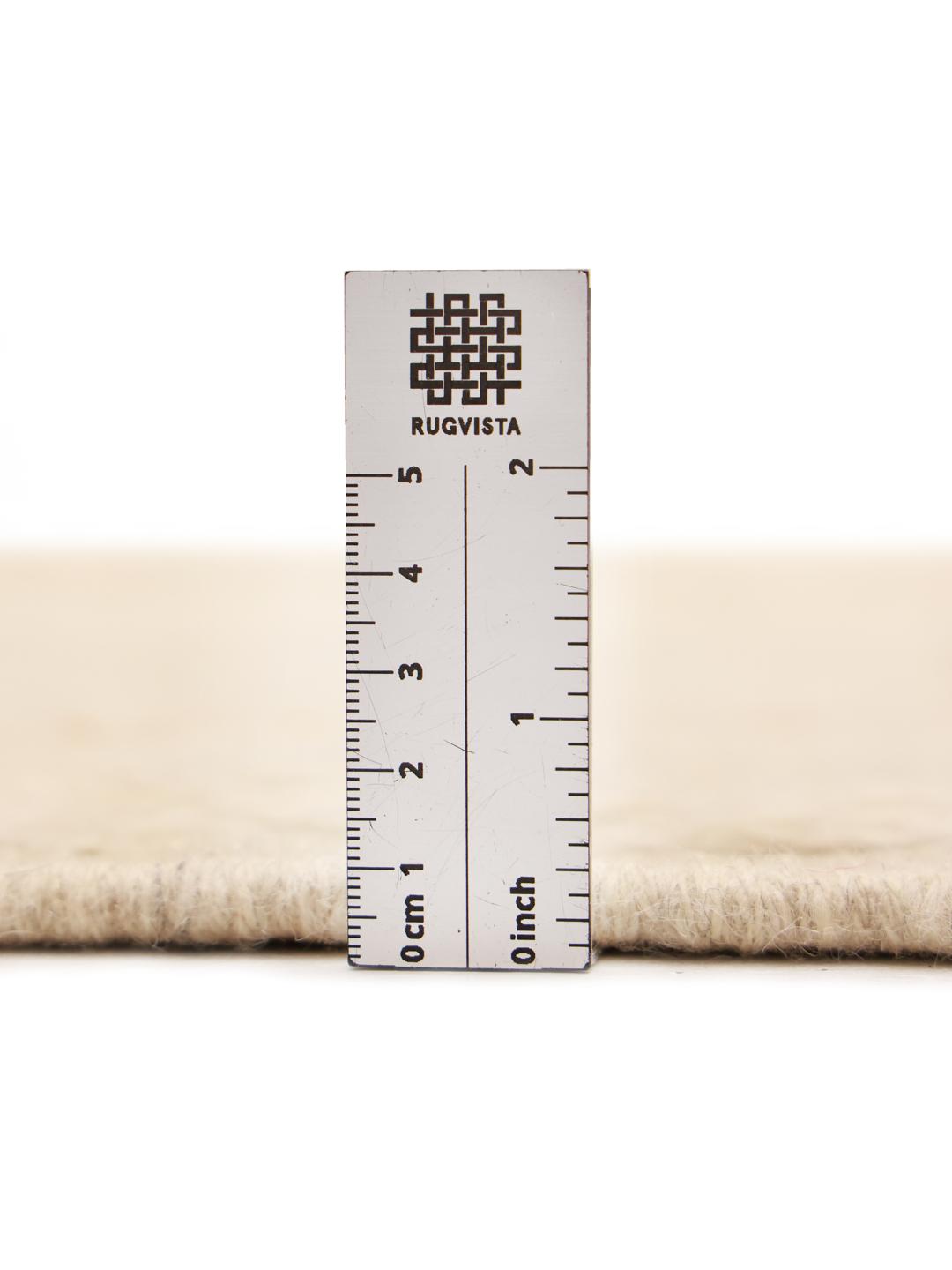
Berber rugs are rooted in the ancient traditions of North African nomadic tribes, who created these pieces primarily for warmth and utility in harsh environments. Over time, the distinctive, minimalist aesthetic of these rugs has travelled across the globe, inspiring artisans in regions like Afghanistan to adapt these time-honoured techniques with their own local materials and sensibilities.
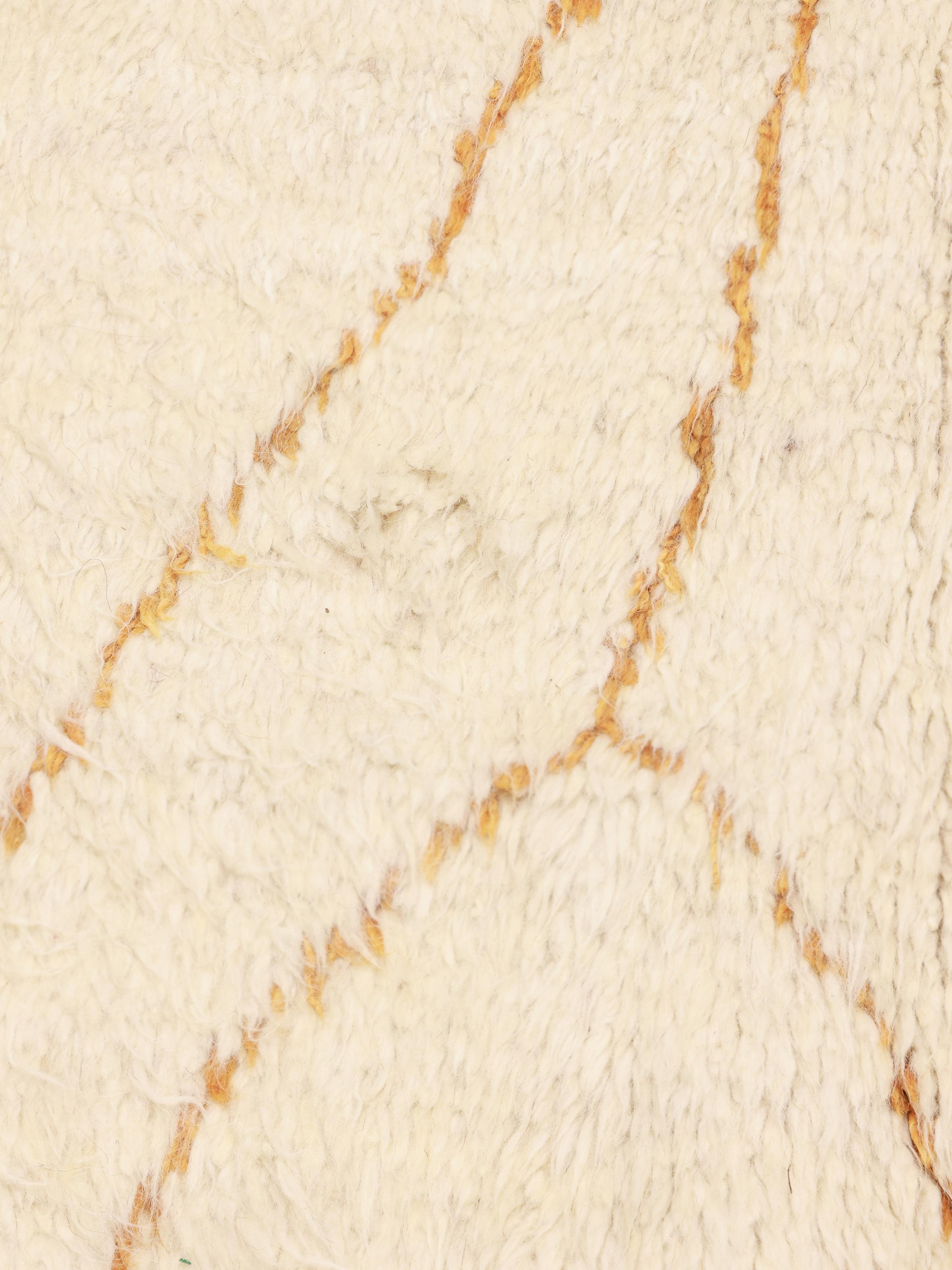
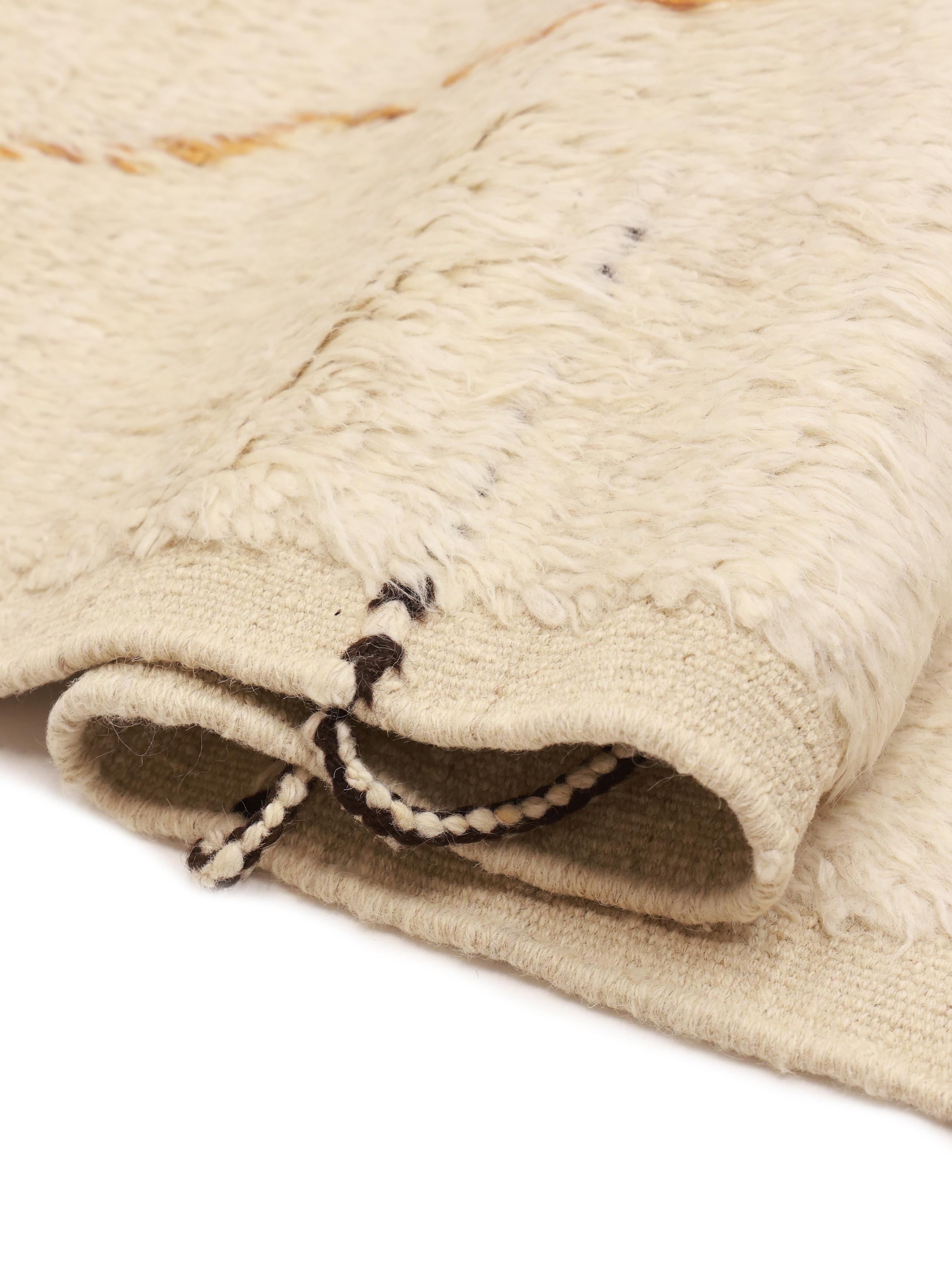
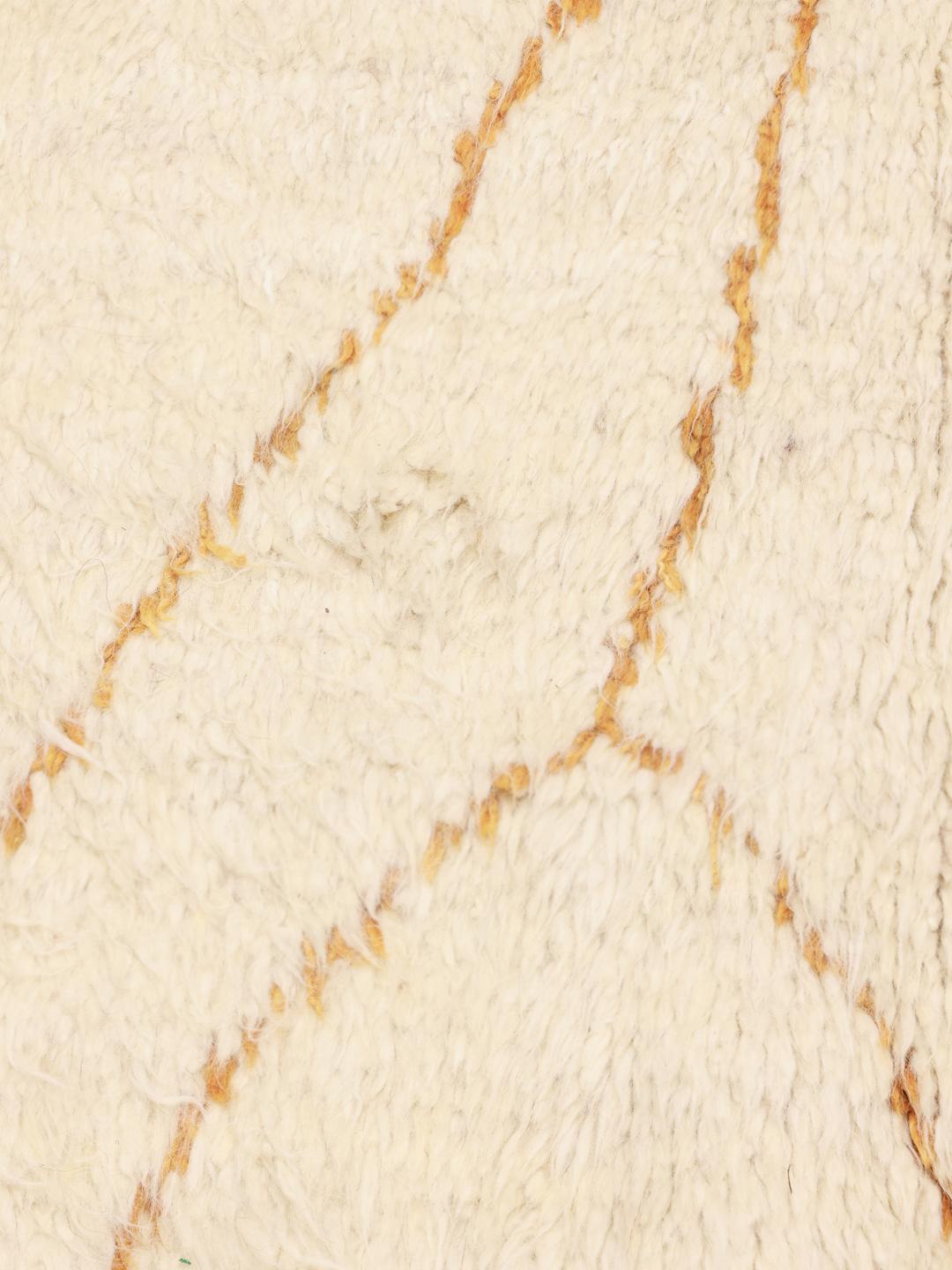
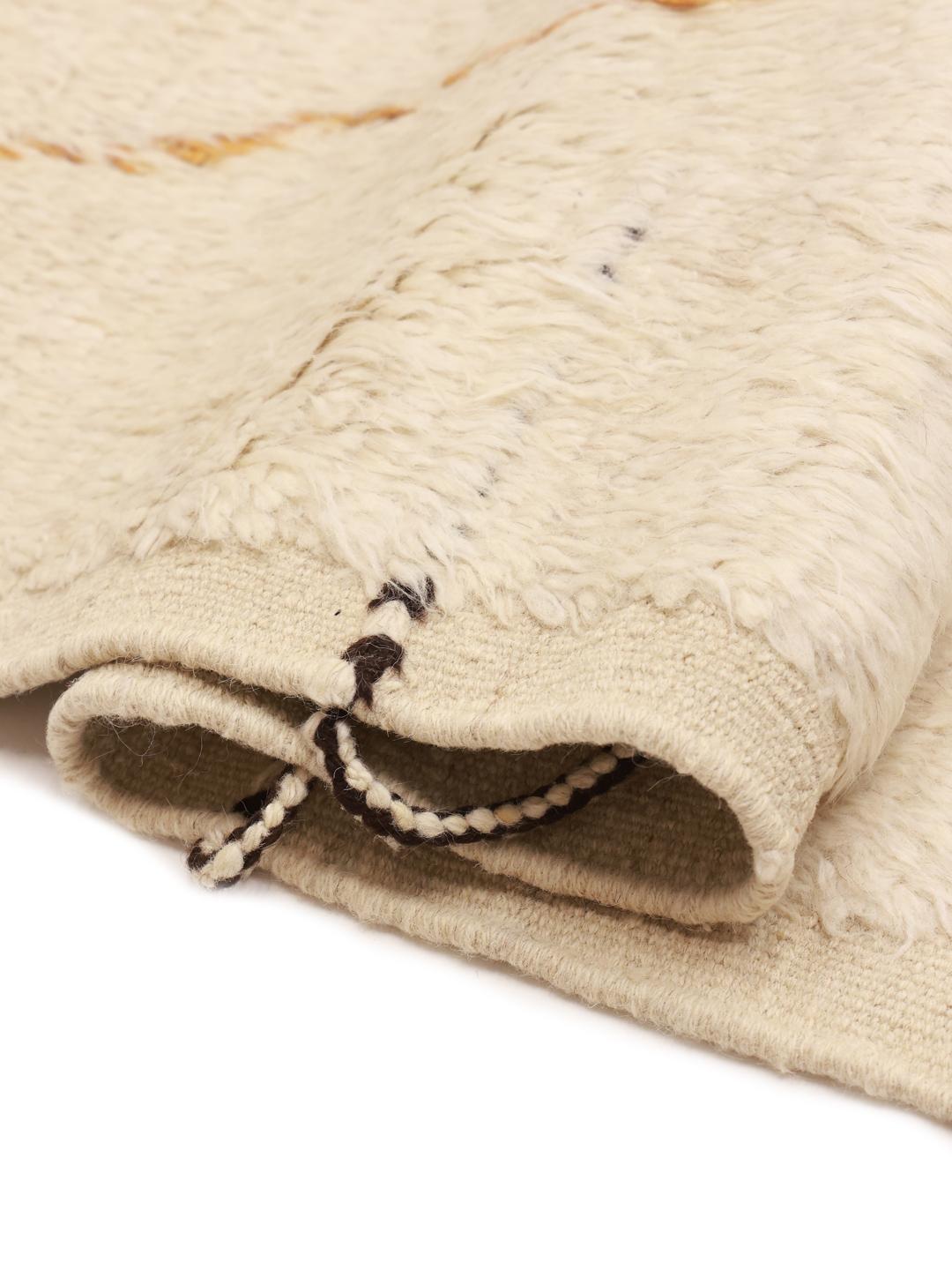
The term hand-knotted refers to the traditional method of tying individual strands of fibre onto a foundation. This labour-intensive technique is the hallmark of quality in rug making, as it creates a dense, resilient pile that is far more durable than machine-made alternatives. It allows for the subtle, organic variations in pattern that give each rug its authentic, human touch.
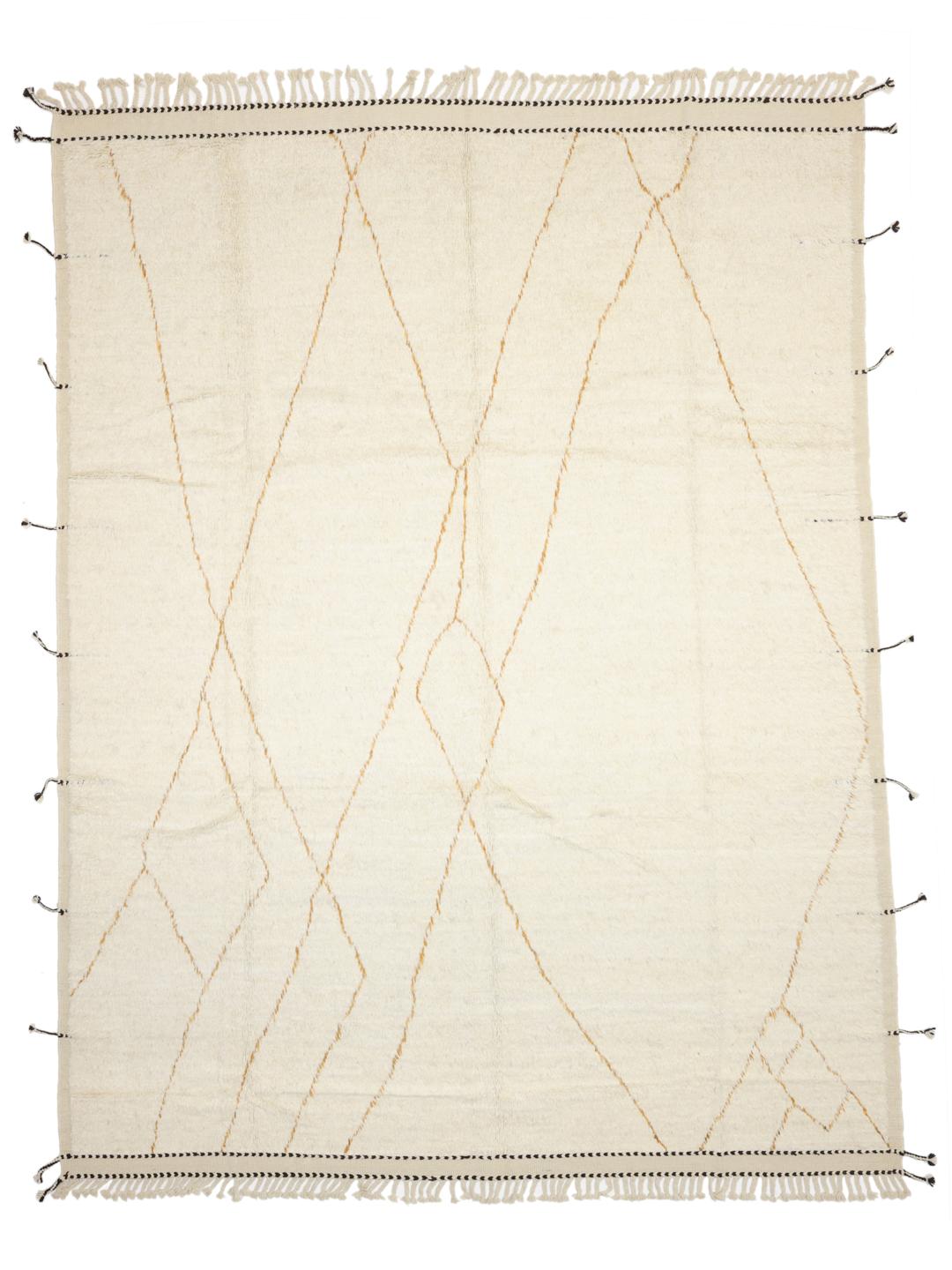
The design of this rug features a minimalist, geometric language that draws heavily on the tradition of unadorned, natural beauty. By focusing on simple lines against a solid, neutral field, the rug emphasises the texture and quality of the raw materials rather than complex, busy motifs, making it a perfect example of how modern design often finds its roots in ancient, functional art.
Owning a hand-knotted rug from this tradition is about more than just floor covering; it is an investment in human skill and cultural heritage. These pieces are valued by collectors and homeowners alike for their enduring quality and the way they bring a grounded, historical presence into a contemporary home.